Artwork
The Hellfire Club, Dublin
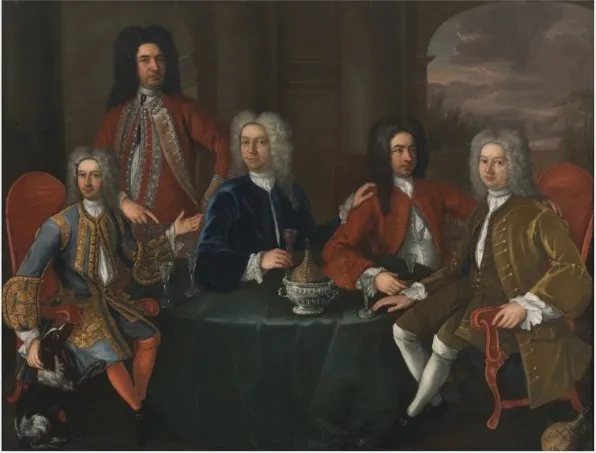
The Hellfire Club, Dublin is an oil painting by the Rococo painting artist James Worsdale. It dates from 1735 and is held in the collection of the National Gallery of Ireland.
About this work
Overview
Worsdale, an Irish-born portraitist with ties to elite circles, rendered the scene with careful attention to detail, reflecting the social dynamics of his time.
Painted in 1735 by James Worsdale, this oil-on-canvas work captures a gathering linked to the Dublin Hellfire Club. Worsdale, an Irish-born portraitist with ties to elite circles, rendered the scene with careful attention to detail, reflecting the social dynamics of his time. Though his technical reputation was modest, his access to influential patrons enabled him to document private gatherings otherwise rarely recorded in art.
Subject & Meaning
The painting portrays six men seated around a table, one standing, in elaborate 18th-century attire. Their postures and attire suggest a formal or ceremonial meeting, possibly a social ritual tied to the notorious Hellfire Club. The presence of a silver dish and green tablecloth implies ritual or indulgence, hinting at the club’s reputation for transgressive gatherings, though the scene remains restrained, avoiding overt sensationalism.
Technique & Style
Worsdale employed oil paint to render fine textures: the sheen of silk coats, the curl of powdered wigs, and the subtle folds of fabric. The composition is tightly arranged, with figures grouped around a central table, creating a sense of intimacy. Lighting is even, emphasizing detail over drama, aligning with the restrained realism common in portraiture of the period rather than the theatricality of high Rococo.
History & Provenance
The painting has remained in Ireland since its creation and is now part of the National Gallery of Ireland’s collection. Its survival suggests it was preserved by descendants or associates of the subjects. Unlike many works by Worsdale, this piece was not widely reproduced or exhibited in his lifetime, making its institutional preservation a key factor in its continued recognition.
Context
The Dublin Hellfire Club, active in the early 1730s, was one of several elite societies known for secretive, often scandalous gatherings. Worsdale’s painting offers a rare visual record of such groups, contrasting with the more overtly satirical or moralizing depictions emerging elsewhere in Europe. His position within Dublin’s social elite allowed him access to subjects few artists could approach.
Legacy
Though Worsdale’s broader artistic output received limited critical acclaim, this painting endures as a documentary artifact of aristocratic life in Georgian Ireland. It provides insight into the private rituals of the upper class and stands as one of the few surviving visual records of the Dublin Hellfire Club, valued more for its historical testimony than its aesthetic innovation.
Artist & collection
Artist
James Worsdale (c. 1692 – 10 June 1767) was an Irish and English portrait painter, actor, literary fraud, and libertine whose lively conversation, wit, and boldness allowed him to move among the highest circles of…

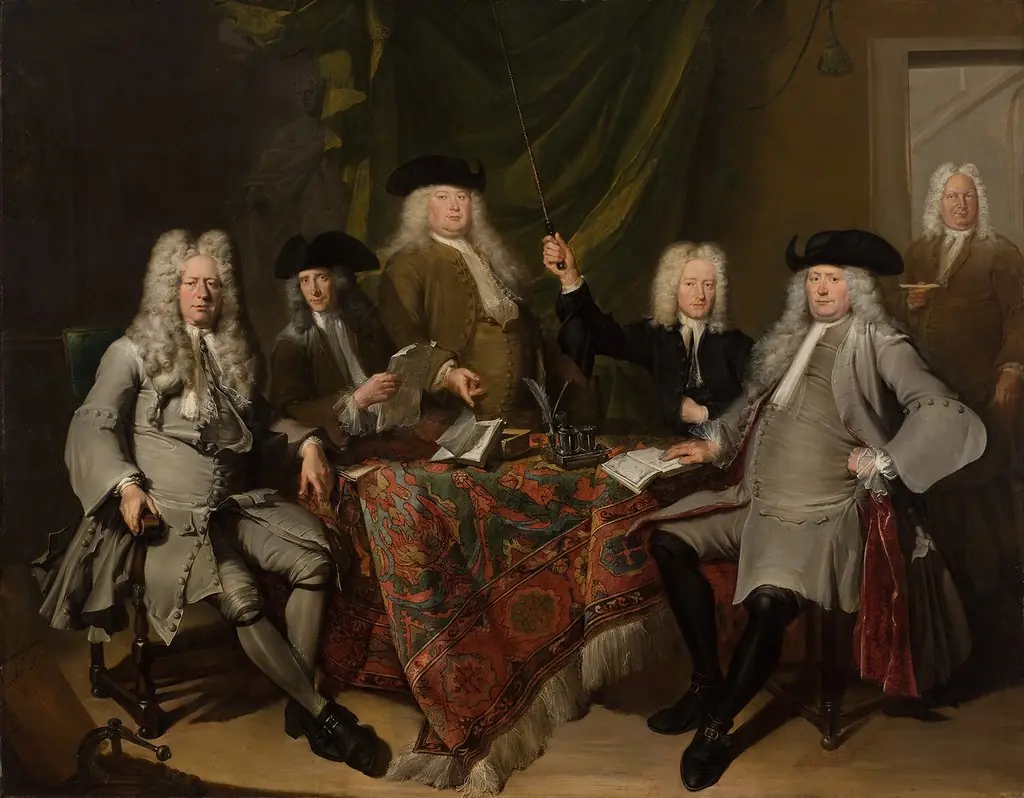 Portrait of the Inspectors of the Collegium Medicum
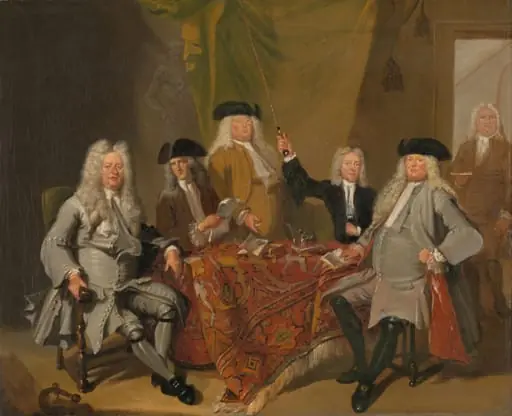 Inspectors of the Collegium Medicum in Amsterdam, 1724
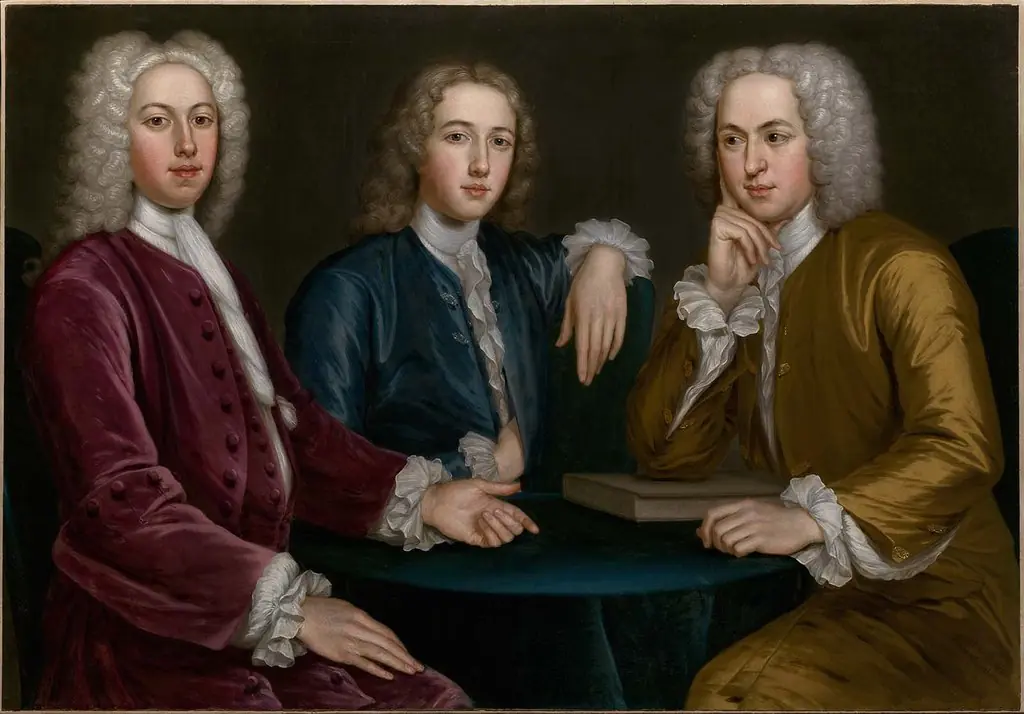 Daniel, Peter, and Andrew Oliver
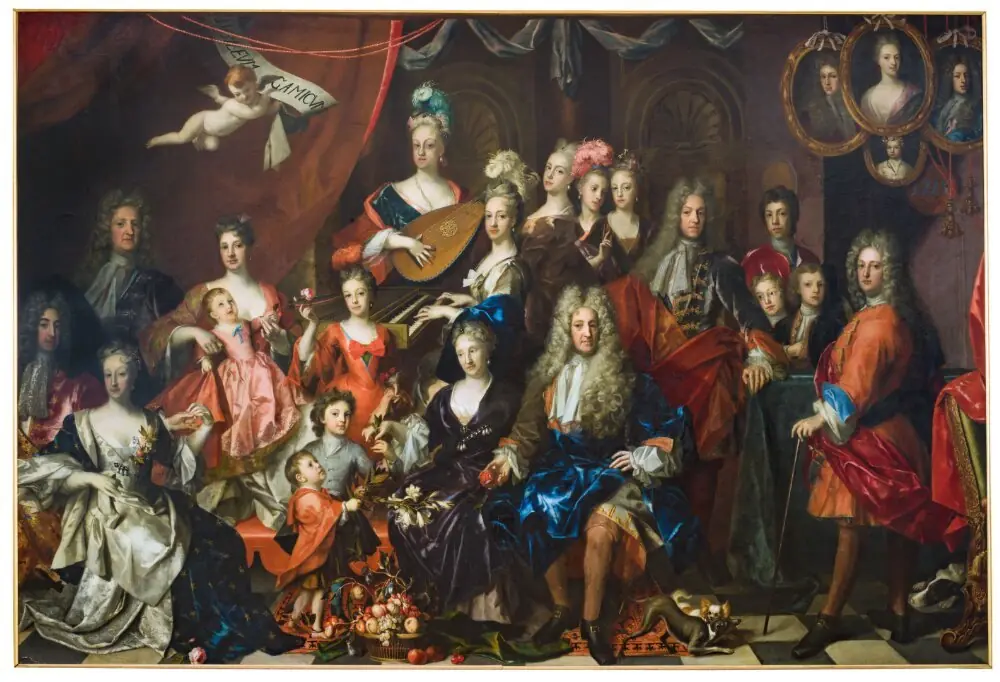 Hildebrandska guldbröllopstavlan
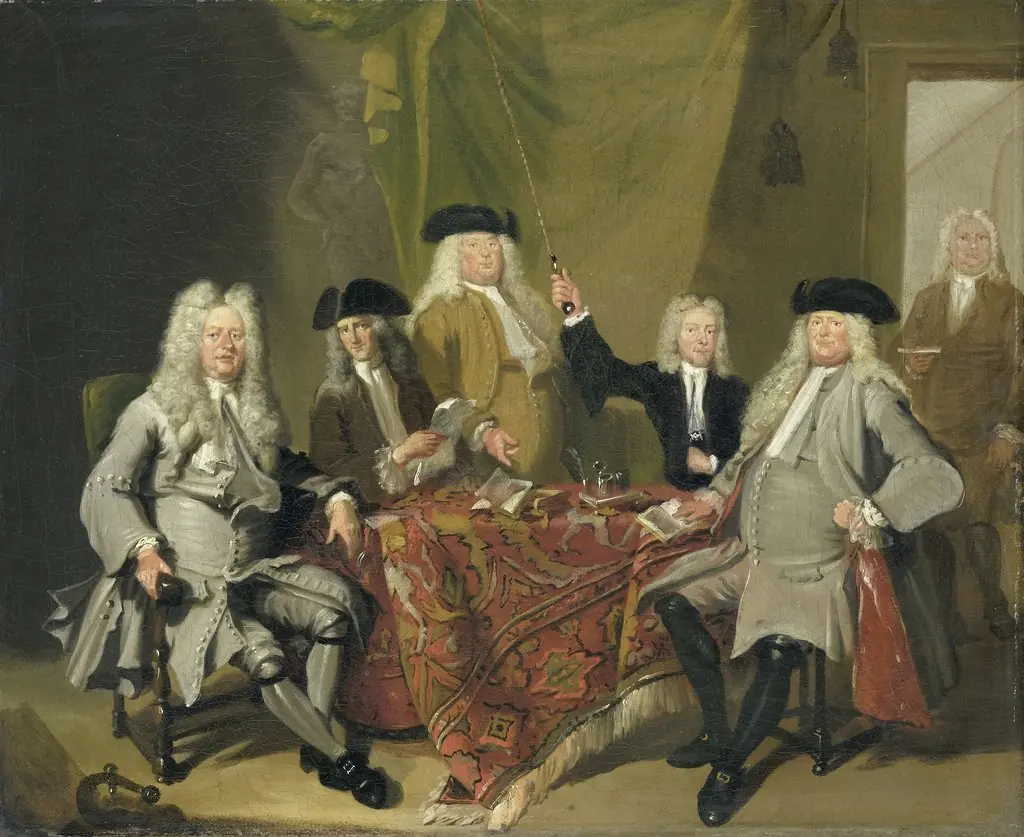 Inspectors of the Collegium Medicum in Amsterdam, 1724
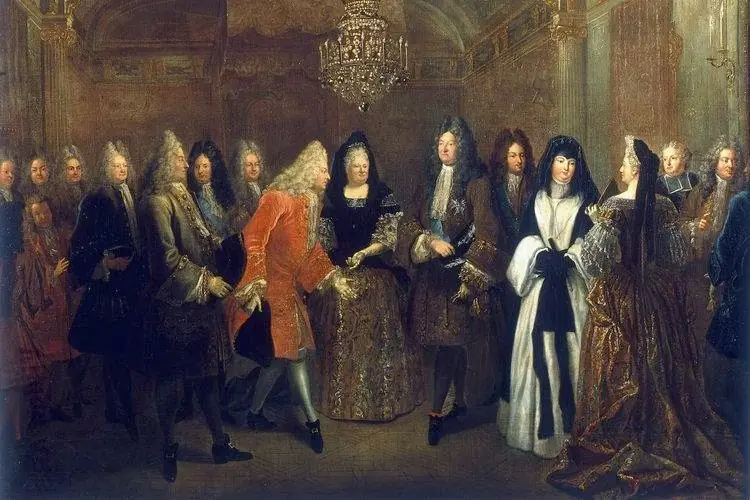 Louis XIV reçoit à Fontainebleau le prince-électeur de Saxe, 27 septembre 1714
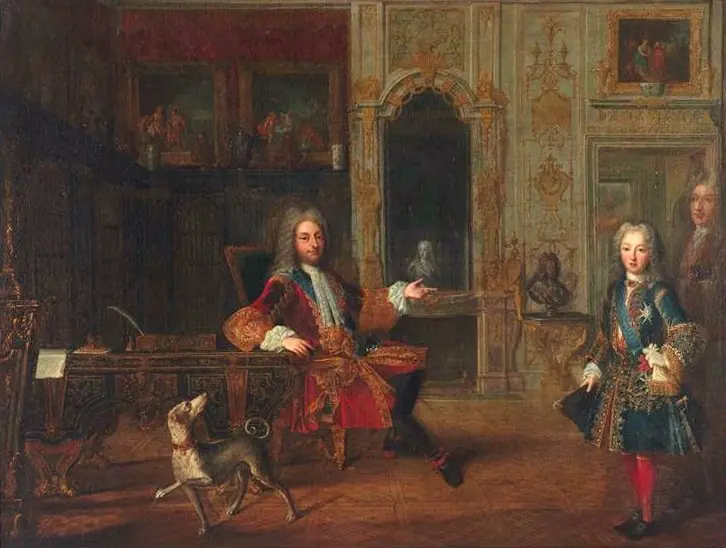 Philippe, duc d'Orléans, Régent, et son fils le duc de Chartres au château de Meudon
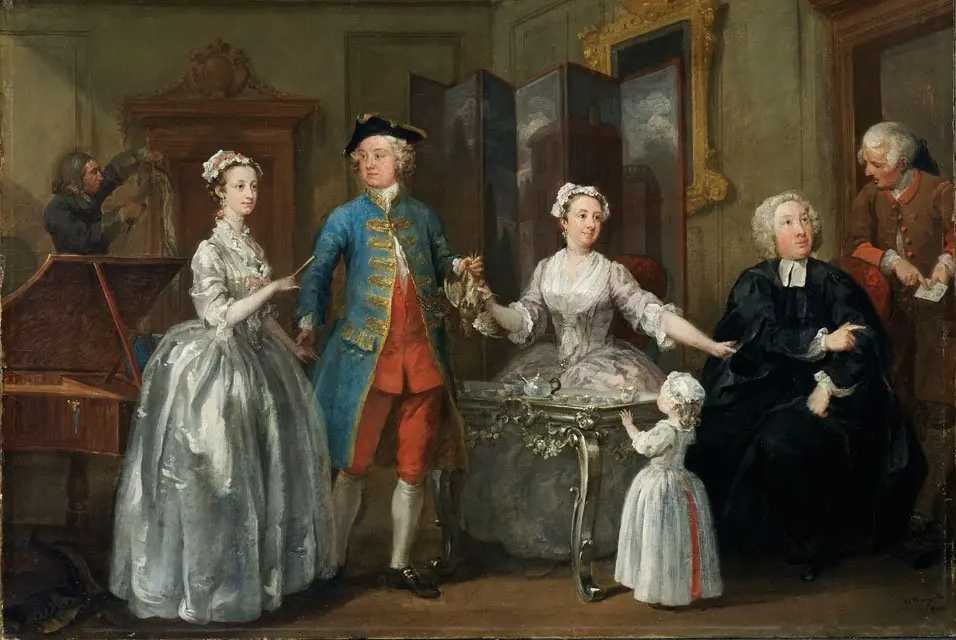 The Western Family
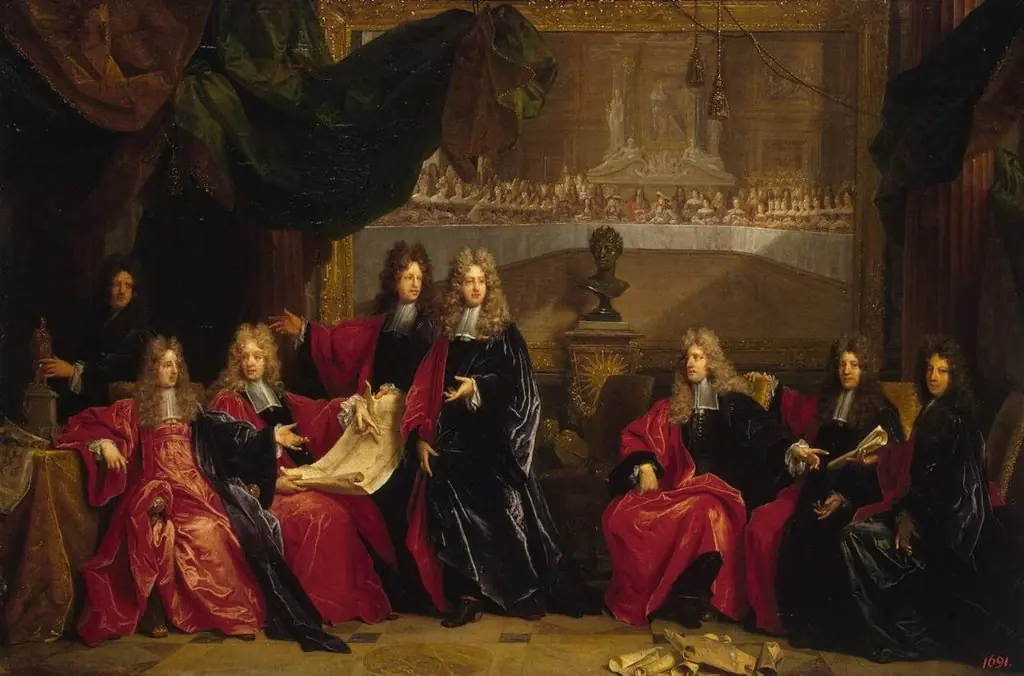 Provost and Municipal Magistrates of Paris Discussing the Celebration of Louis XIV's Dinner at the Hotel de Ville after his Recovery in 1687
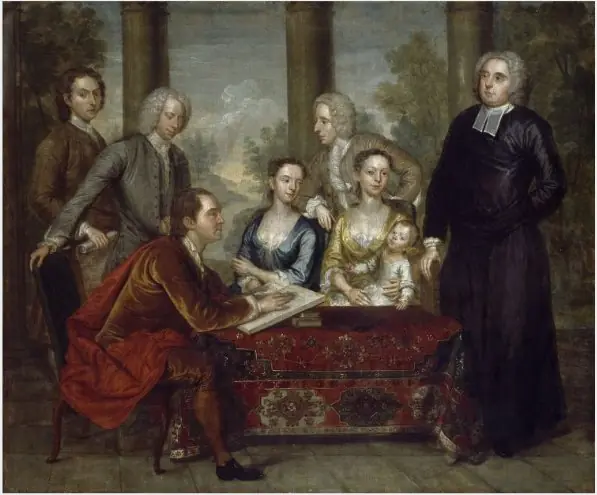 The Bermuda Group
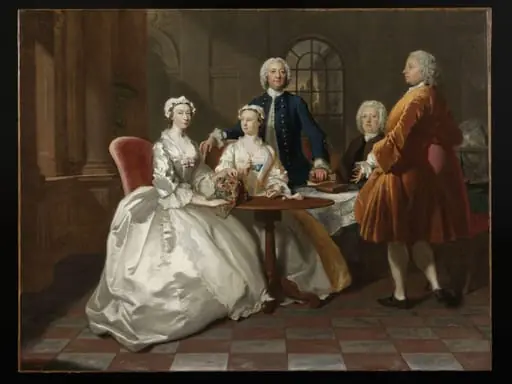 A portrait of the Vigor Family: Jane Vigor, Joseph Vigor, Ann Vigor, William Vigor and probably John Penn