Artwork
Daniel, Peter, and Andrew Oliver
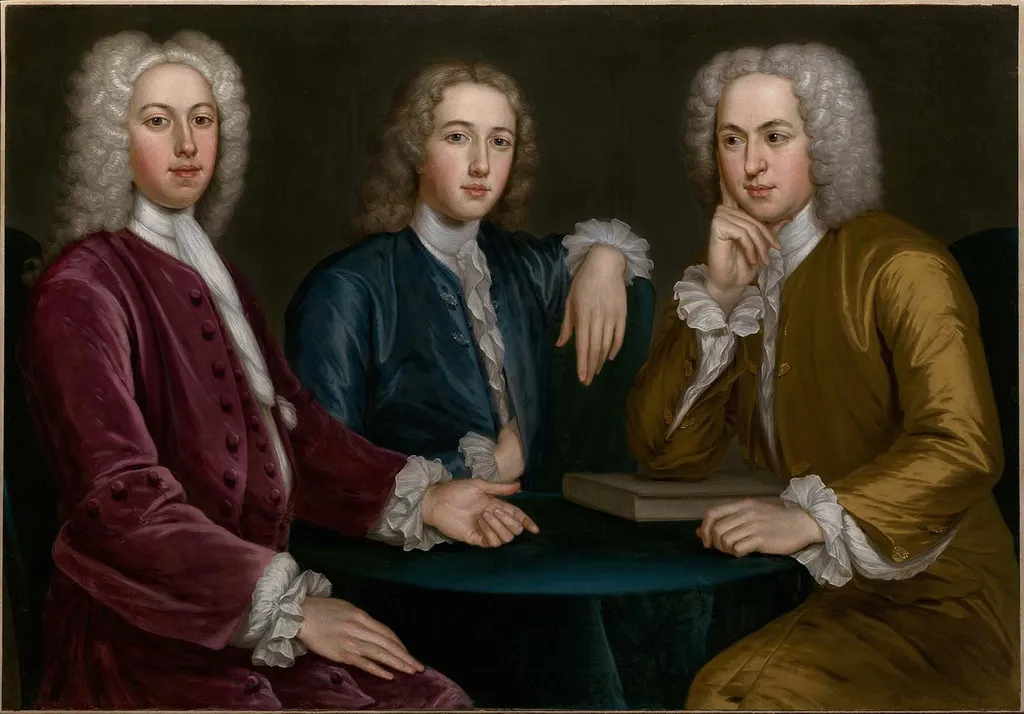
Daniel, Peter, and Andrew Oliver is an oil painting by the Rococo painting artist John Smibert. It dates from 1732 and is held in the collection of the Museum of Fine Arts Boston.
About this work
The men are looking directly at the viewer, and their clothing and hairstyles suggest they are from a wealthy or upper-class background.
This painting shows three men in 18th-century clothing, sitting at a round table. The man on the left wears a maroon coat with large buttons and a white shirt. In the middle, a man is dressed in a blue coat and white shirt. On the right, another man wears a yellow coat and white shirt, resting his chin on his hand.
The men are looking directly at the viewer, and their clothing and hairstyles suggest they are from a wealthy or upper-class background. The table is covered with a dark green cloth, and there is a book on it.
The painting is done in oil paint and has a formal, realistic style. It was created by John Smibert in 1732. To learn more about the artist's techniques, look up chiaroscuro.
Overview
Painted in 1732 by John Smibert, this oil portrait captures three members of the Oliver family—Daniel, Peter, and Andrew—seated around a table. Smibert, a Scottish artist trained in Europe, was among the first in British America to practice with formal academic training. The work reflects his technical precision and the demand for portraiture among colonial elites, establishing a precedent for artistic practice in the region.
Subject & Meaning
The three men, dressed in fine, colorful coats and powdered wigs, are portrayed with direct eye contact, projecting confidence and social standing. Their arrangement around a table, with a book visible, suggests intellectual refinement and familial unity. The composition avoids narrative drama, instead emphasizing status and composure, typical of elite portraiture in early 18th-century North America.
Technique & Style
Smibert employed oil paint with careful attention to texture and light, rendering silk, lace, and wood with subtle tonal shifts. The figures are softly modeled, with restrained chiaroscuro enhancing volume without theatricality. The dark green tablecloth grounds the scene, contrasting with the men’s vivid garments. The style aligns with late Baroque portraiture, leaning toward Rococo elegance in its attention to detail and refined demeanor.
History & Provenance
Commissioned by the Oliver family, prominent in Massachusetts politics and commerce, the painting remained in their possession for generations before entering the Museum of Fine Arts, Boston. Its preservation reflects the family’s cultural influence and the painting’s role as a marker of colonial elite identity. Smibert’s documented presence in Boston at the time supports its local origin and patronage.
Context
In 1730s New England, formal portraiture was rare and largely imported from Europe. Smibert’s arrival marked a turning point, offering colonists access to trained artistic skill. His work bridged European conventions with American subjects, helping to cultivate a local visual culture. This portrait exemplifies how wealth and status were visually asserted in a society still developing its institutional arts.
Legacy
As one of the earliest surviving portraits by a formally trained artist in British America, the painting illustrates the emergence of a colonial artistic tradition. Smibert’s influence extended beyond this work—he trained local artists and helped establish standards of representation. The portrait remains a key reference for understanding the intersection of European aesthetics and American social aspirations in the early 18th century.
Artist & collection
Artist
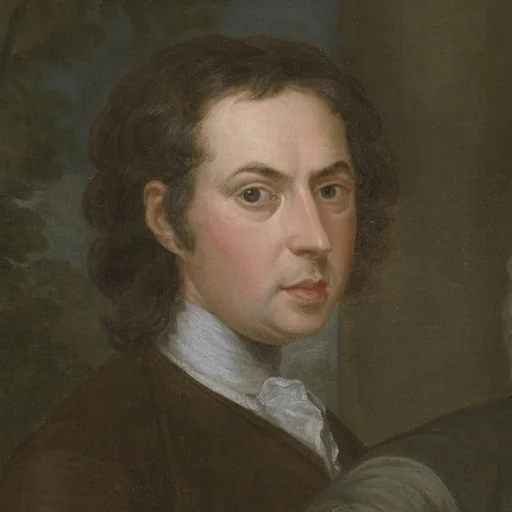
John Smibert (24 March 1688 – 2 April 1751) was a Scottish-born painter who specialised in portrait painting and was the first academically trained artist to work in British America.

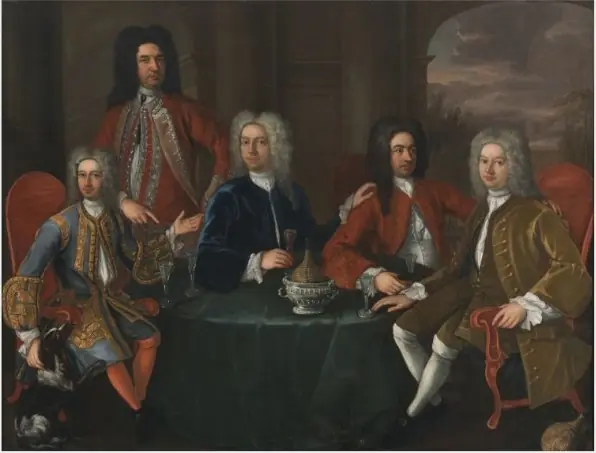 The Hellfire Club, Dublin
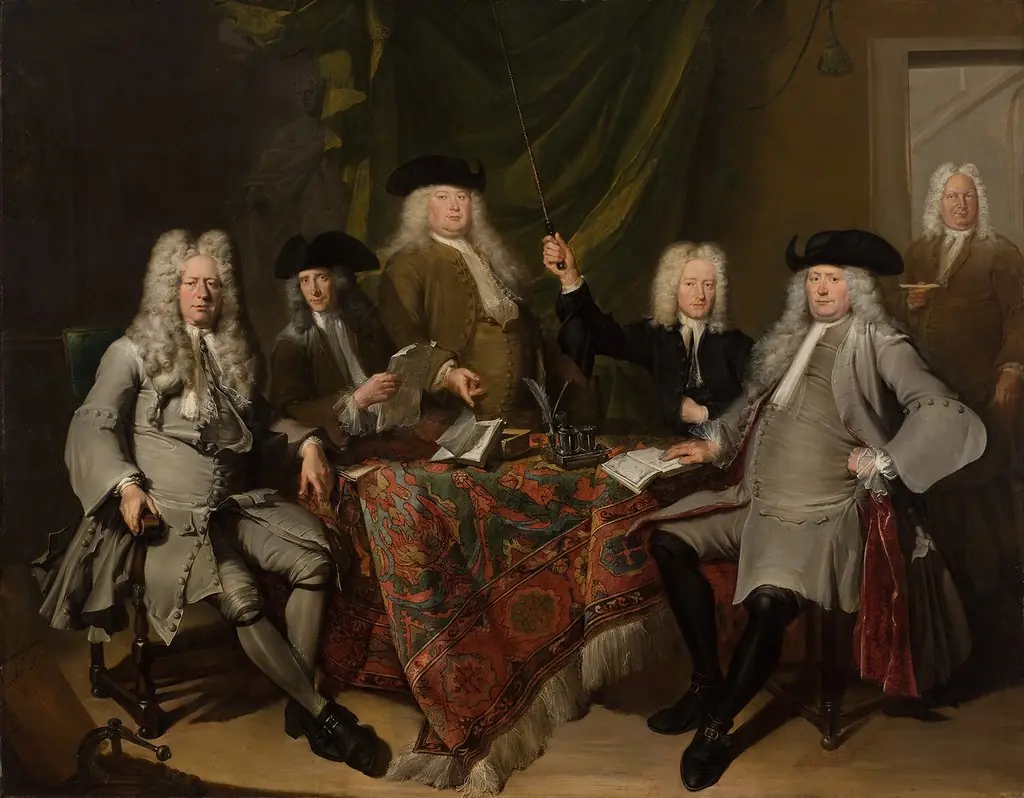 Portrait of the Inspectors of the Collegium Medicum
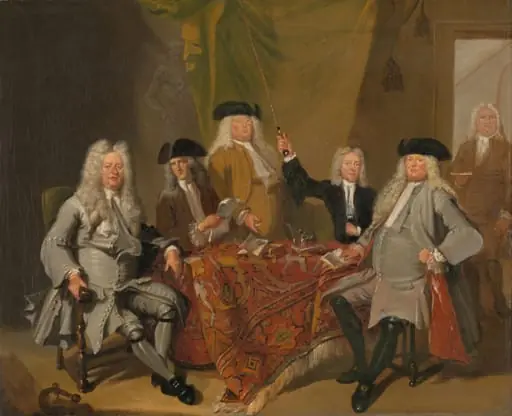 Inspectors of the Collegium Medicum in Amsterdam, 1724
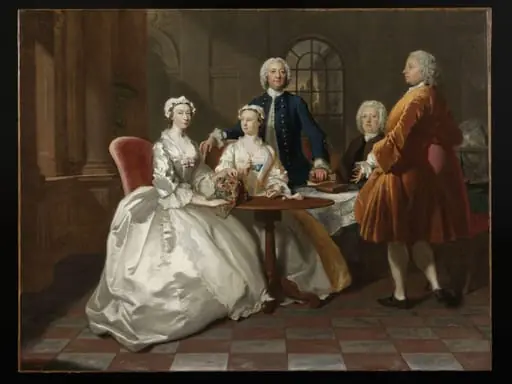 A portrait of the Vigor Family: Jane Vigor, Joseph Vigor, Ann Vigor, William Vigor and probably John Penn
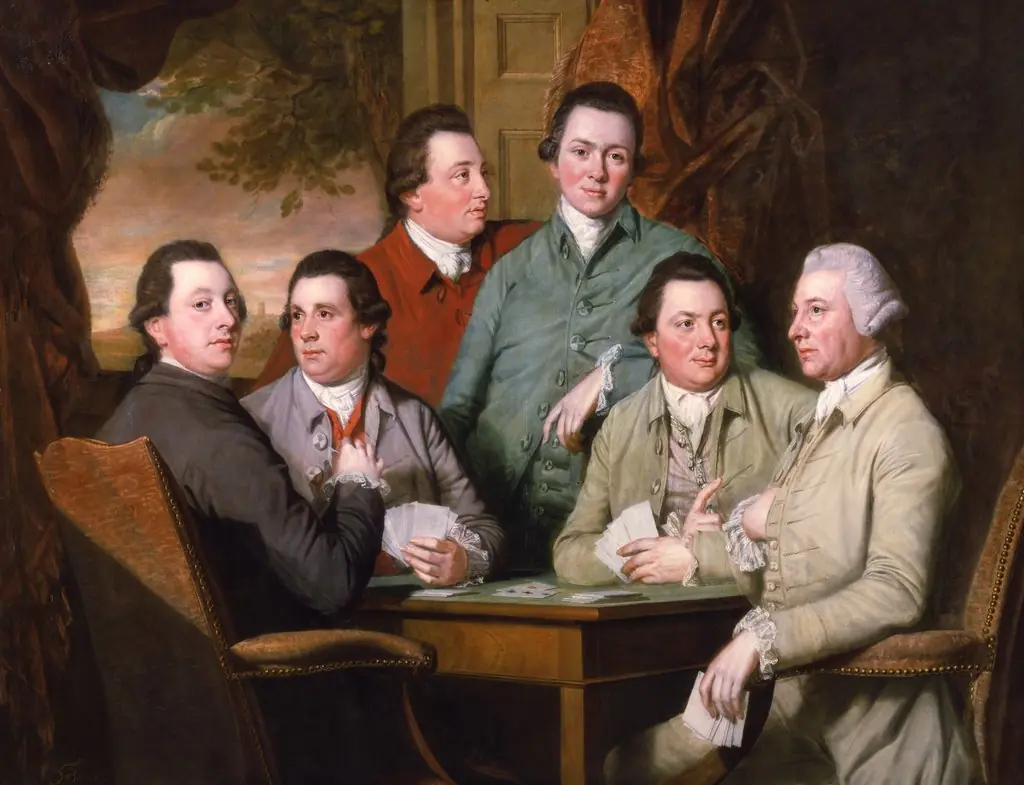 The Hand that Was Not Called
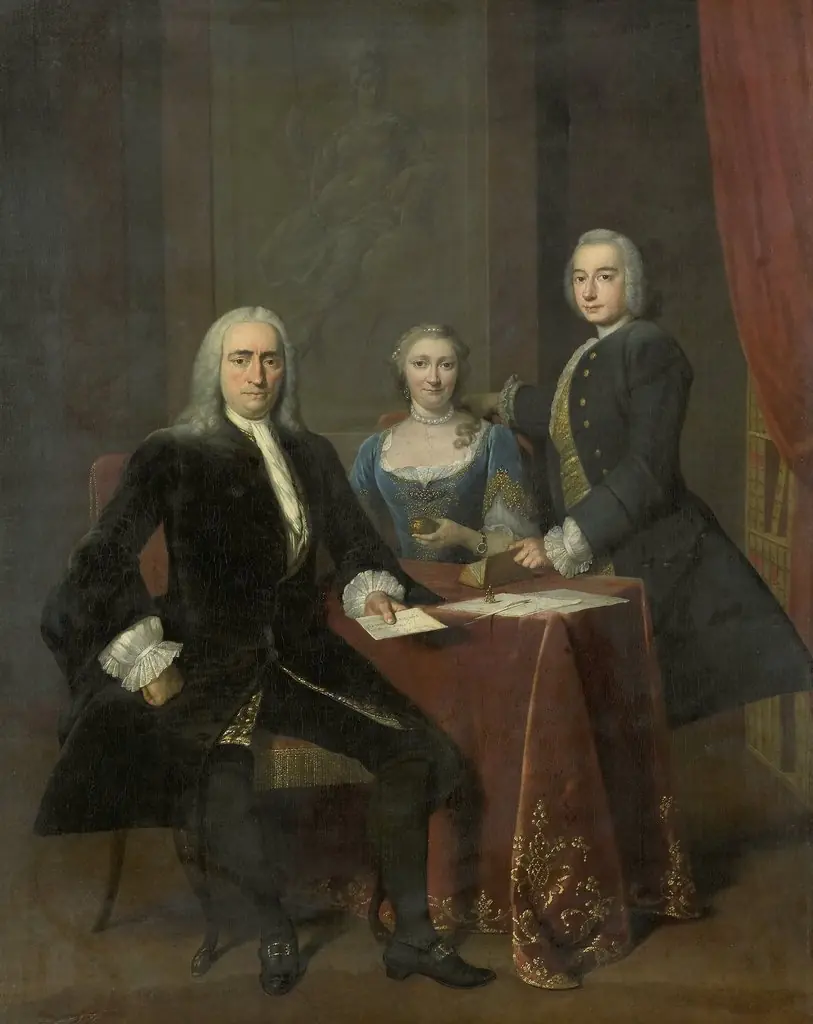 Family Group in an Interior
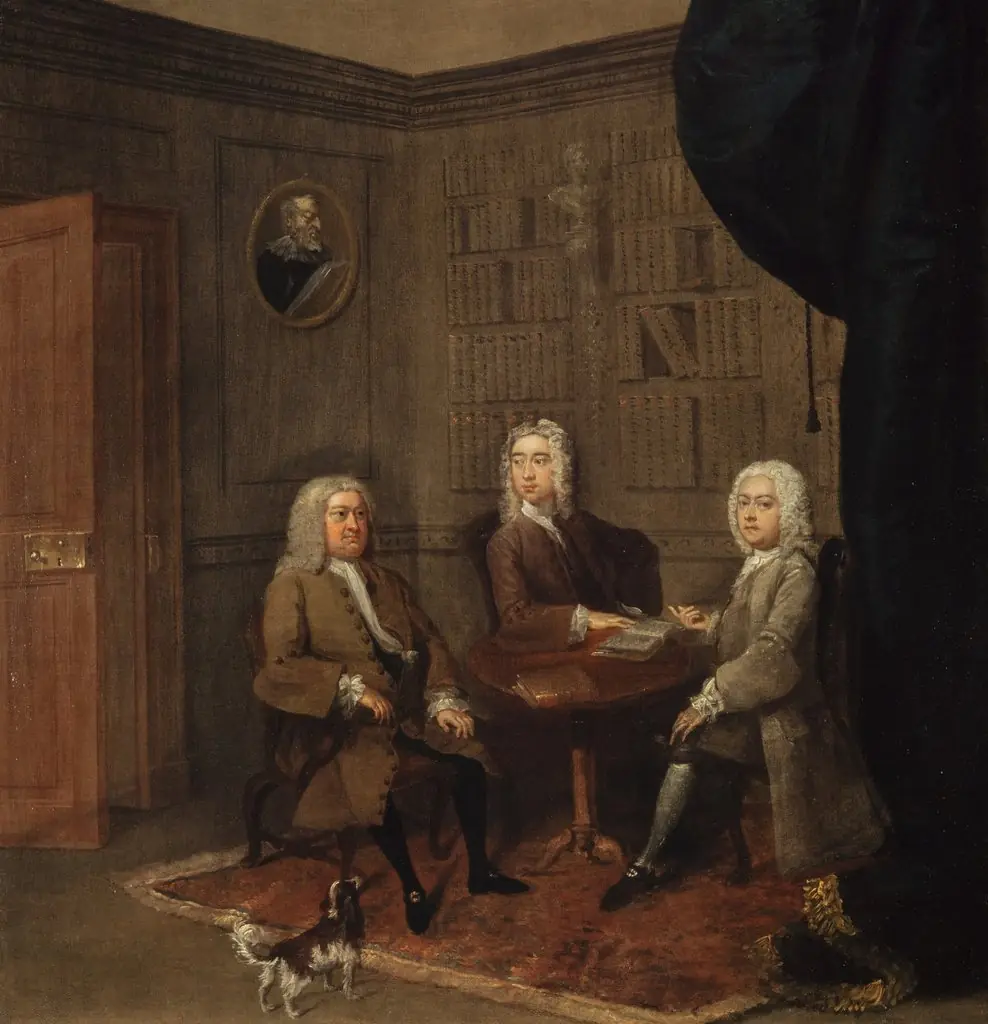 Nicol Graham of Gartmore (1695 - 1775) and Two Friends Seated in a Library
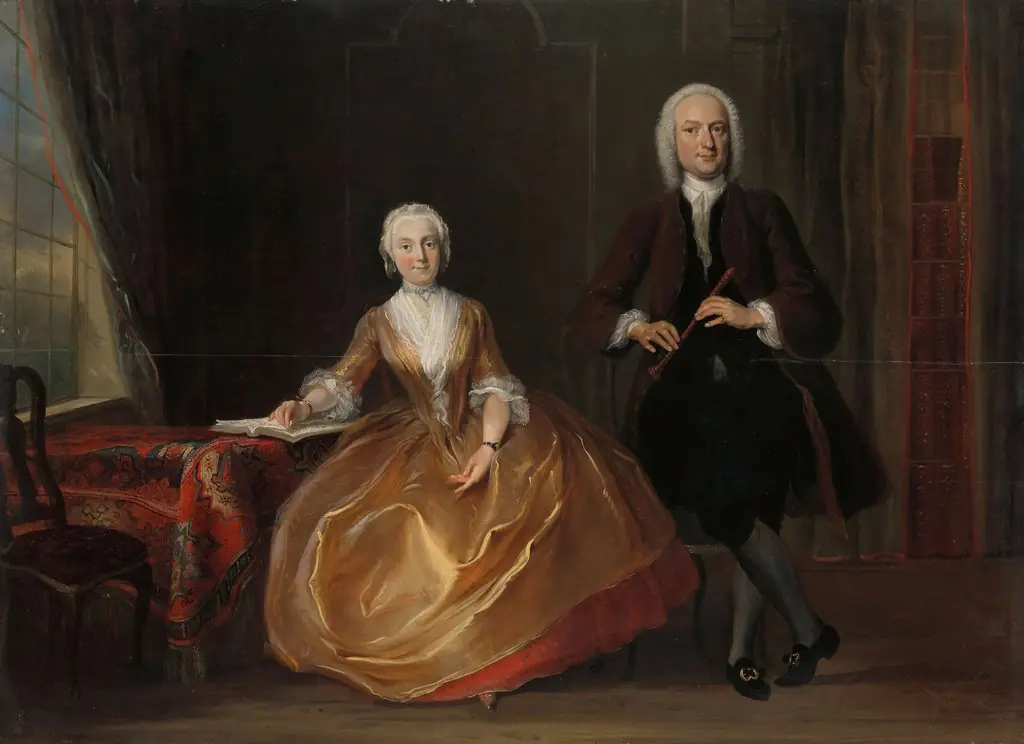 A Couple Making Music
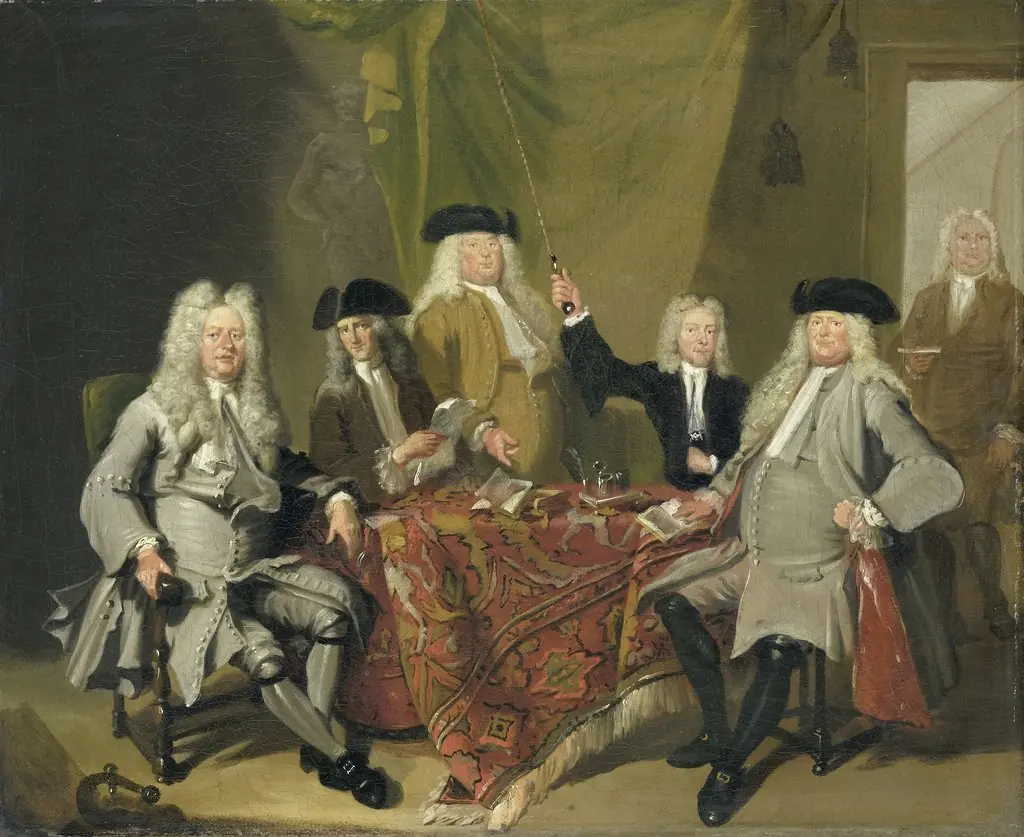 Inspectors of the Collegium Medicum in Amsterdam, 1724
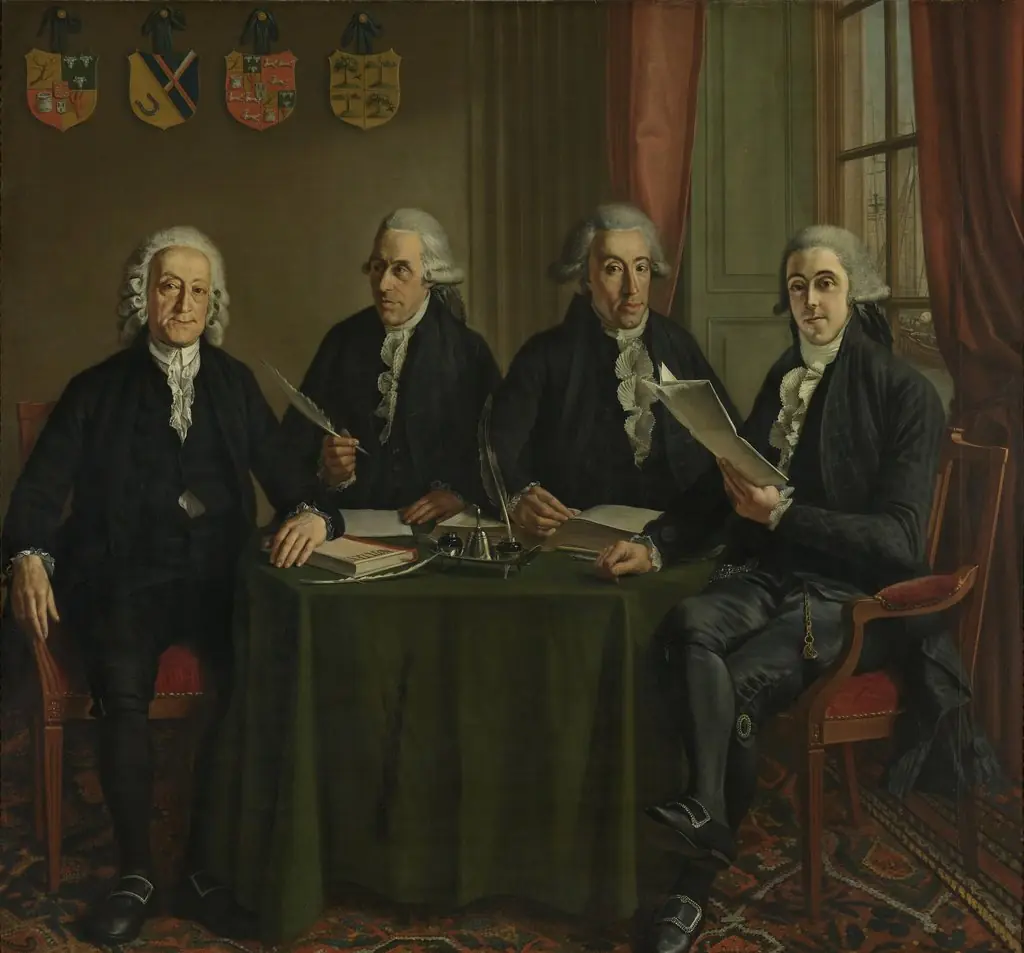 The Four Chief-Commissioners of the Harbors, Ramparts and Cranes of Amsterdam
 Portrait of Cornelis ten Hove
 The Andrews Family