Artwork
Louis XIV reçoit à Fontainebleau le prince-électeur de Saxe, 27 septembre 1714
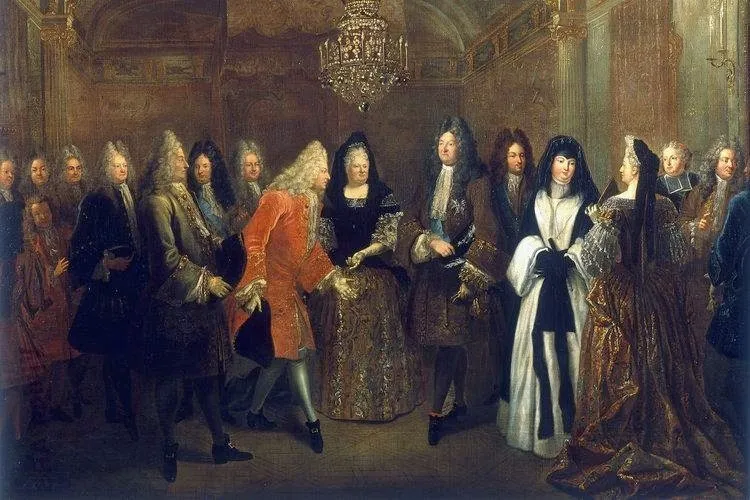
Louis XIV reçoit à Fontainebleau le prince-électeur de Saxe, 27 septembre 1714 is an oil painting by the Rococo painting artist Louis de Silvestre. It dates from 1715 and is held in the collection of the Palace of Versailles.
About this work
Overview
It resides today in the Palace of Versailles collection, reflecting its significance in royal visual records of early 18th-century France.
Painted in 1715 by Louis de Silvestre, this canvas captures a formal audience at the Palace of Fontainebleau, where Louis XIV met with the Prince-Elector of Saxony on September 27, 1714. The work was commissioned to document a diplomatic encounter during the final years of the king’s reign. It resides today in the Palace of Versailles collection, reflecting its significance in royal visual records of early 18th-century France.
Subject & Meaning
The scene portrays a ceremonial meeting between Louis XIV and the Saxon elector, emphasizing the monarch’s authority and the diplomatic ties between France and Saxony. Figures are arranged to highlight the king’s centrality, while courtiers and attendants observe in orderly formation. The presence of the elector underscores France’s role in European politics, and the painting functions as both record and assertion of royal prestige.
Technique & Style
Silvestre employs refined brushwork and careful lighting to render textures of silk, metal, and marble with precision. The composition uses diagonal lines and layered figures to guide the eye toward the king, while the chandelier and ornate architecture frame the space with Rococo elegance. Subtle contrasts in color—particularly the white gown of a central woman—draw attention without disrupting the scene’s formal balance.
History & Provenance
Commissioned shortly after the event, the painting entered the French royal collection and remained in royal residences, eventually transferred to Versailles. Silvestre, then active in Dresden as court painter to Augustus II, retained ties to French artistic circles. The work’s survival and continued display reflect its enduring value as a document of courtly ritual and diplomatic protocol.
Context
Painted during Louis XIV’s final years, the scene reflects the enduring emphasis on ceremony in French monarchy, even as political power began shifting. The Saxon elector’s visit was part of broader efforts to maintain alliances amid rising tensions in Europe. Such portraits were not merely decorative but served as tools of statecraft, reinforcing the king’s image as a central figure in European diplomacy.
Legacy
Silvestre’s work exemplifies the transition from Baroque grandeur to the lighter Rococo aesthetic in court portraiture. Though less celebrated than contemporaries like Rigaud, his attention to detail and command of spatial composition influenced later royal painters. The painting remains a key reference for understanding how visual culture sustained monarchical authority in the early 18th century.
Artist & collection
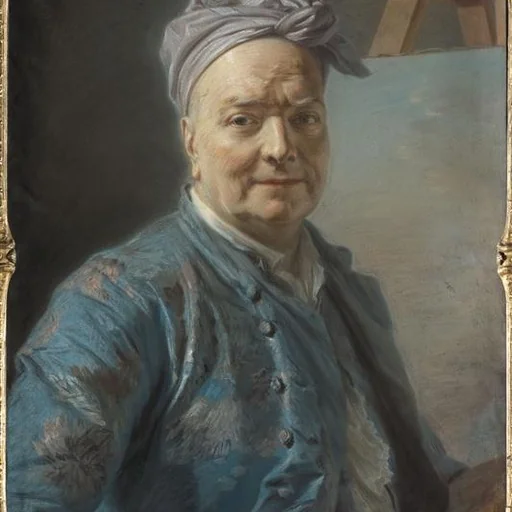
Artist
Louis de Silvestre (23 June 1675 – 11 April 1760), also known as Louis de Silvestre the Younger, was a French portrait and history painter.

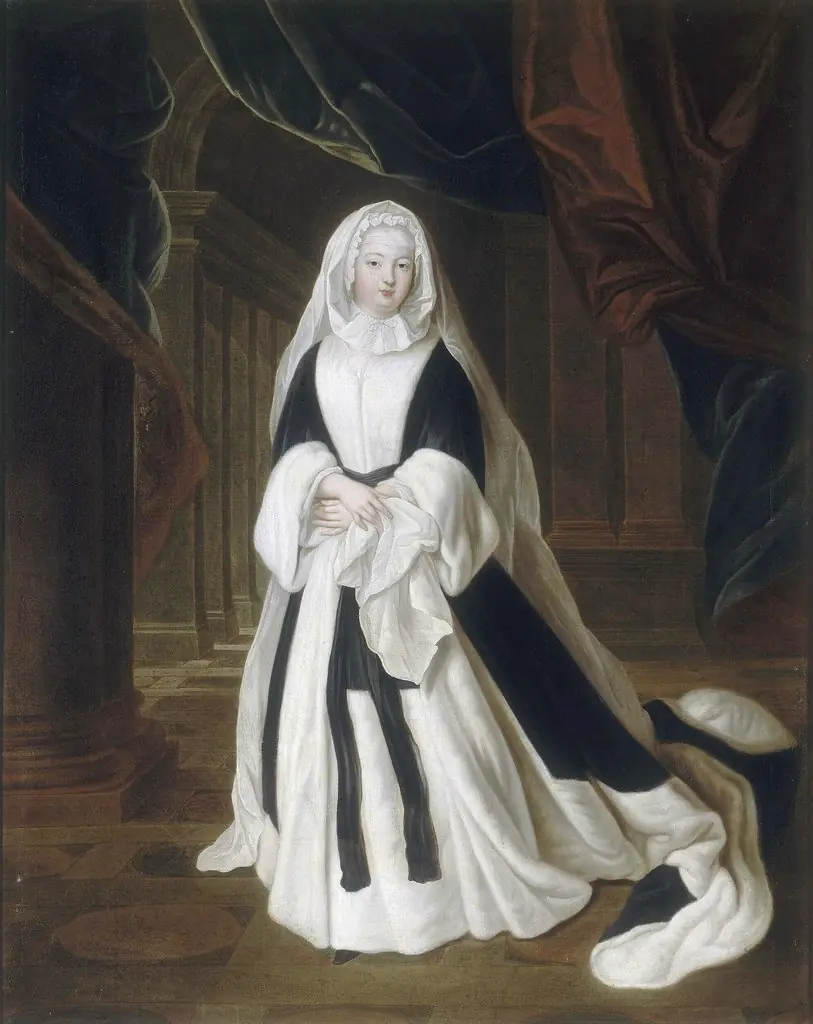 Louise Françoise de Bourbon, Duchess of Bourbon
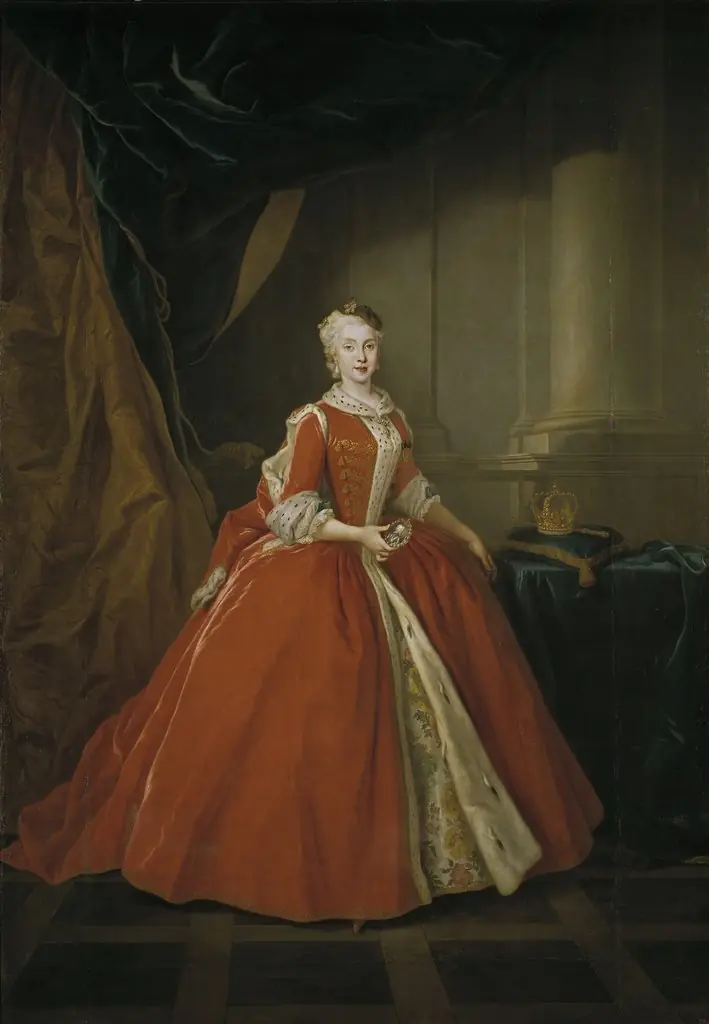 Maria Amalia de Saxony
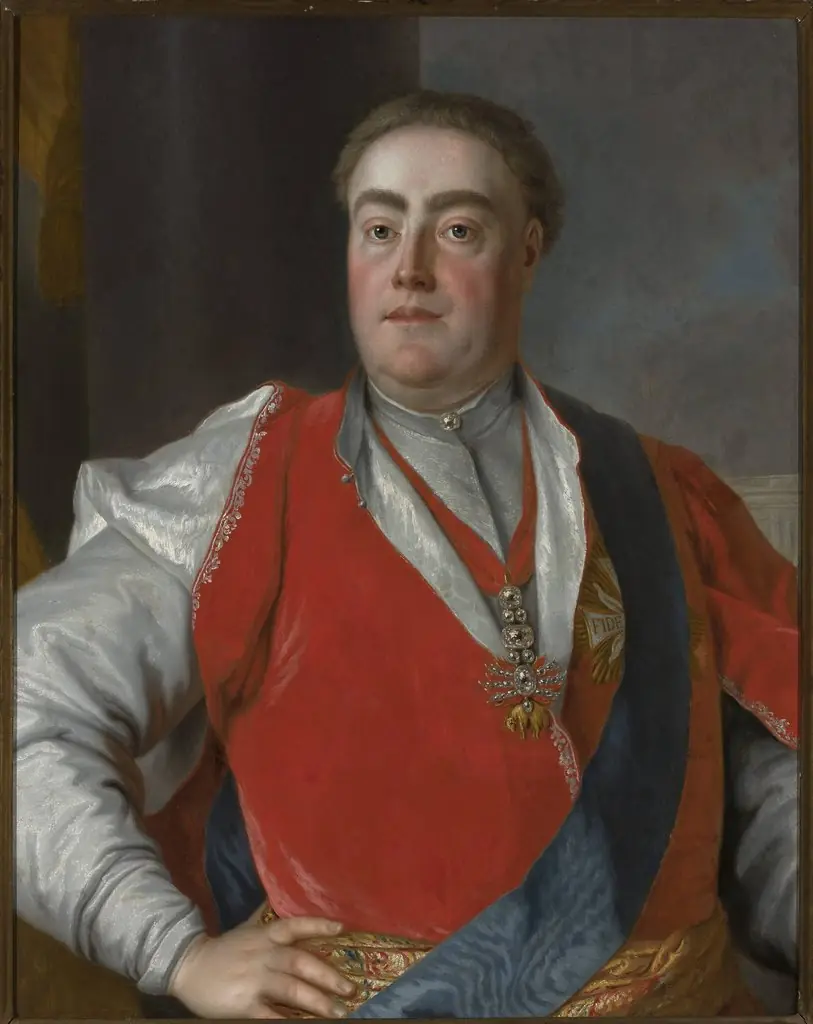 Portrait of Augustus III (1696–1763), King of Poland
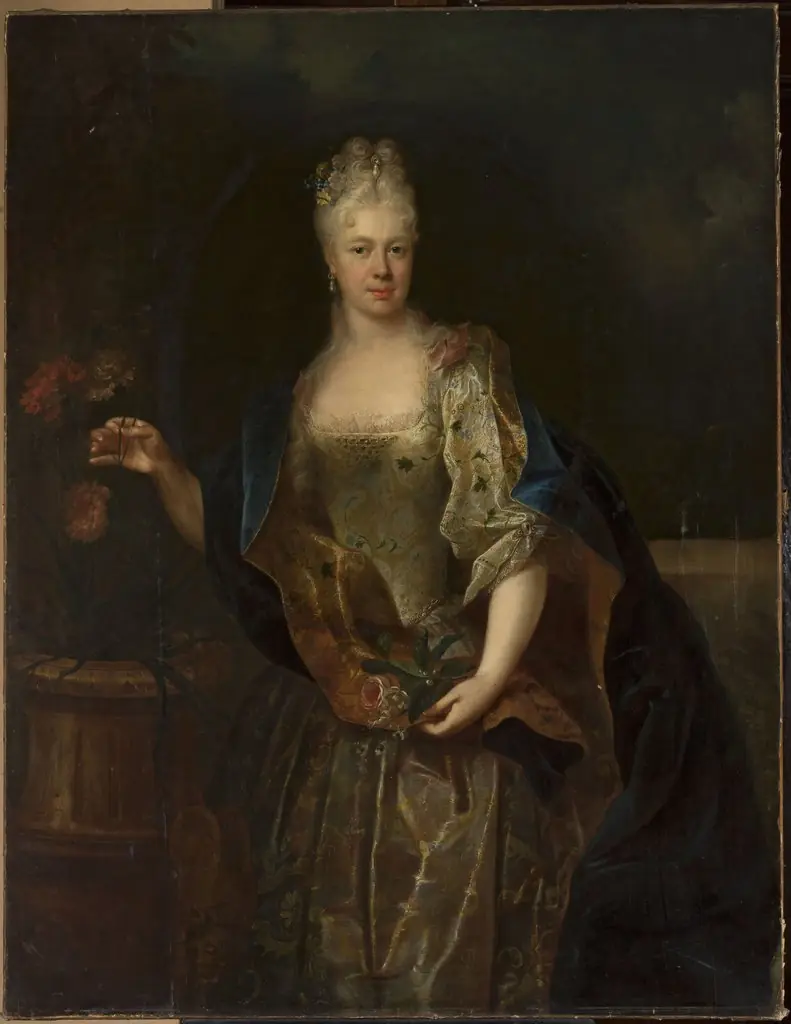 Portrait of Ludwika Amalia Lubomirska (1722–1778)
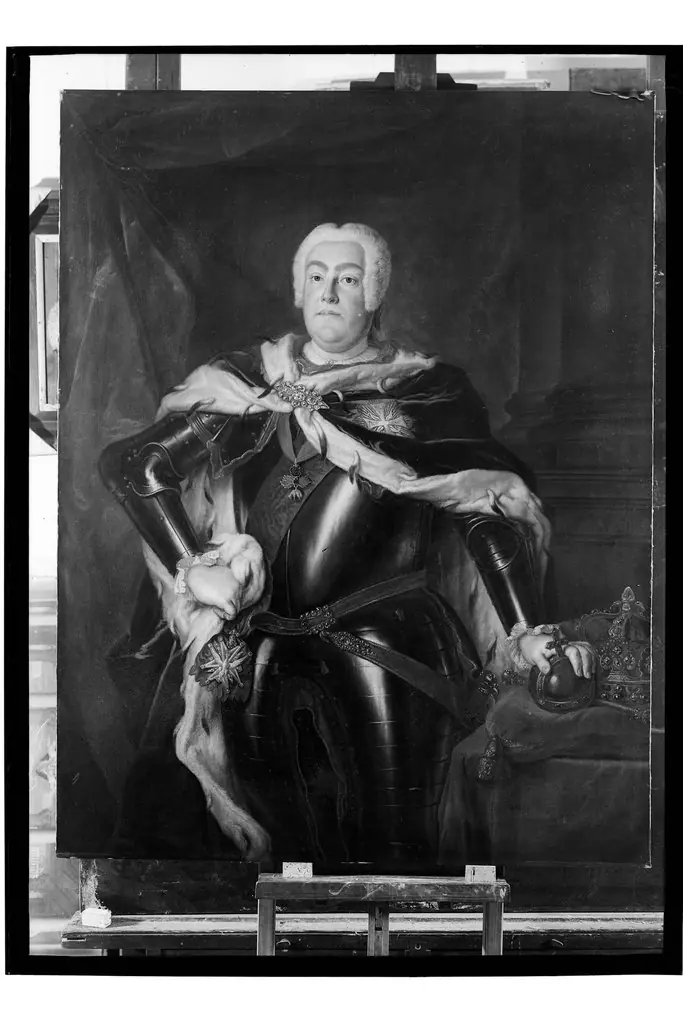 Portrait of Augustus III (1696–1763)
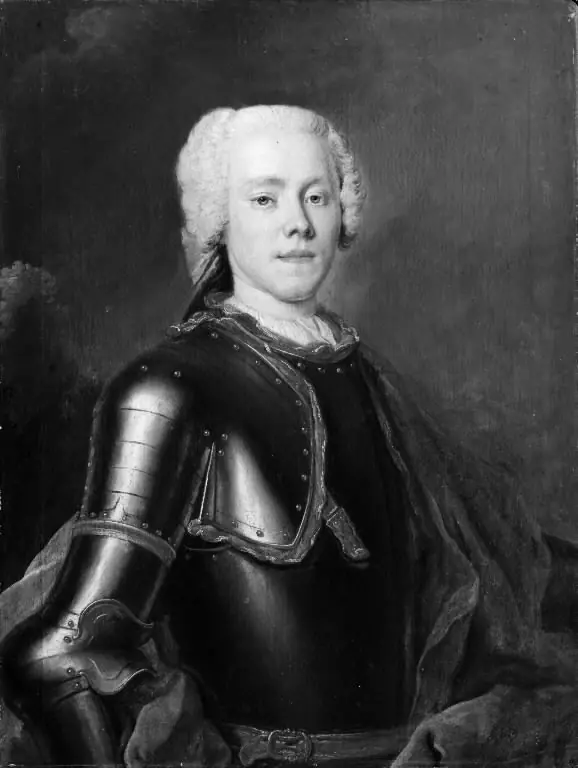 Portrait of Count Jørgen Scheel (1721-1786)
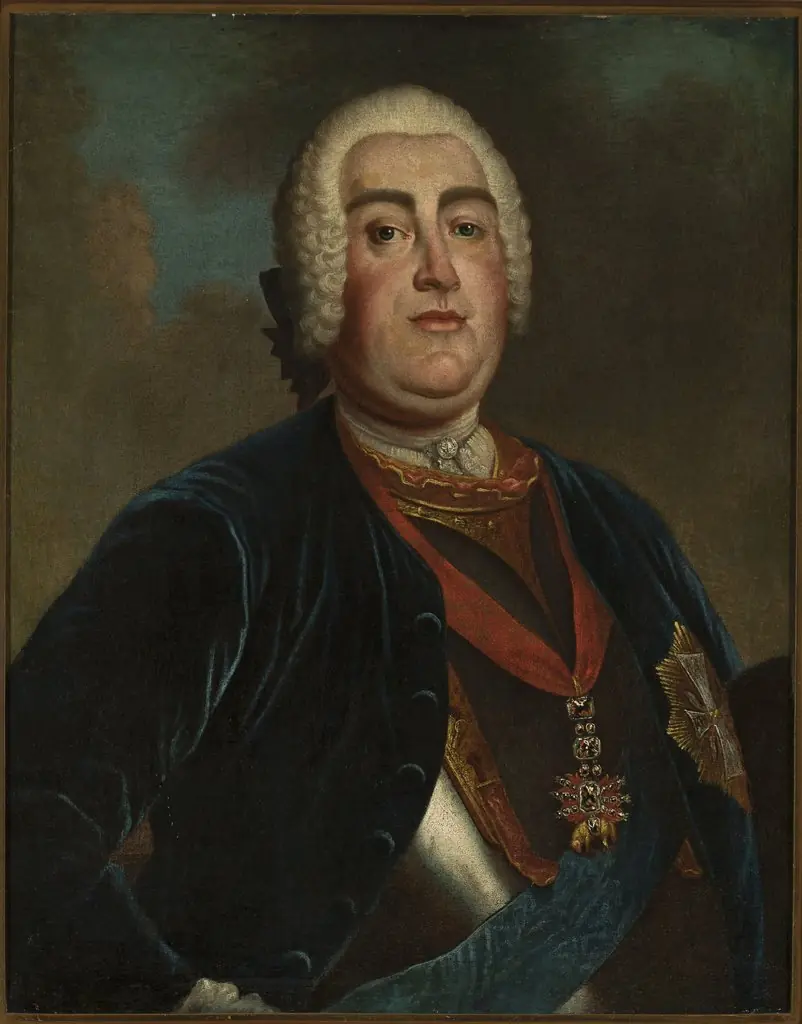 Portrait of Augustus III
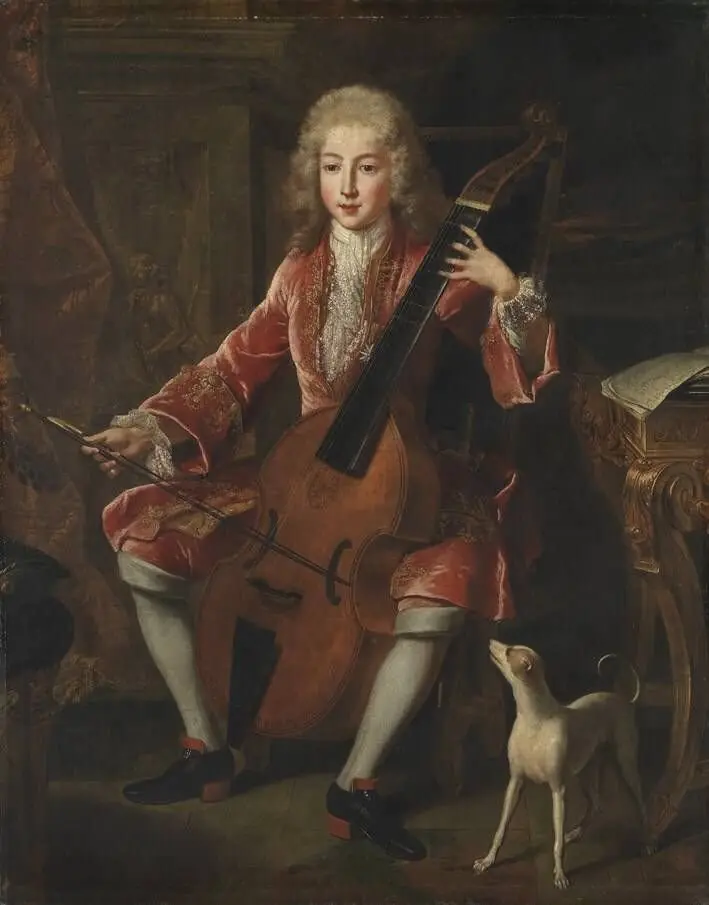 Maximilien-Emmanuel, Chevalier de Bavière
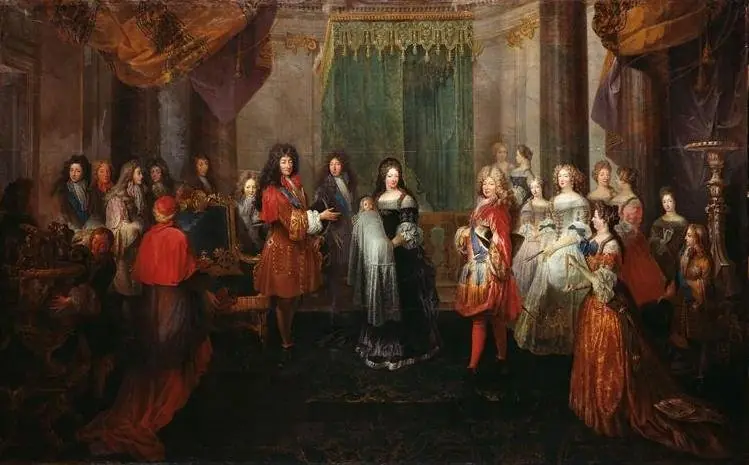 The Birth of the Duke of Burgundy
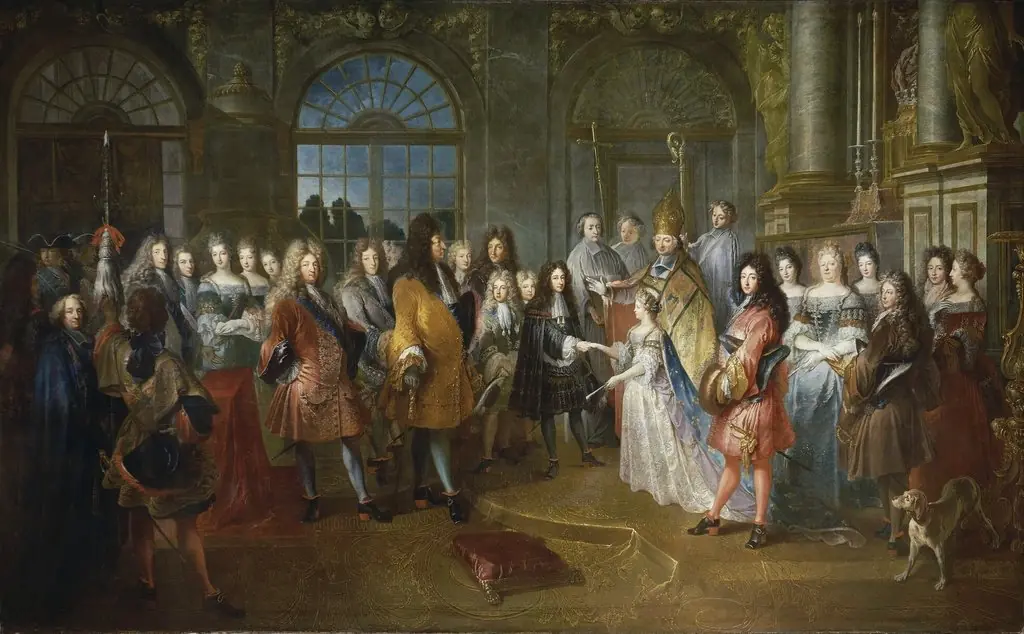 Mariage de Louis de France, duc de Bourgogne et de Marie-Adélaïde de Savoie, 7 décembre 1697
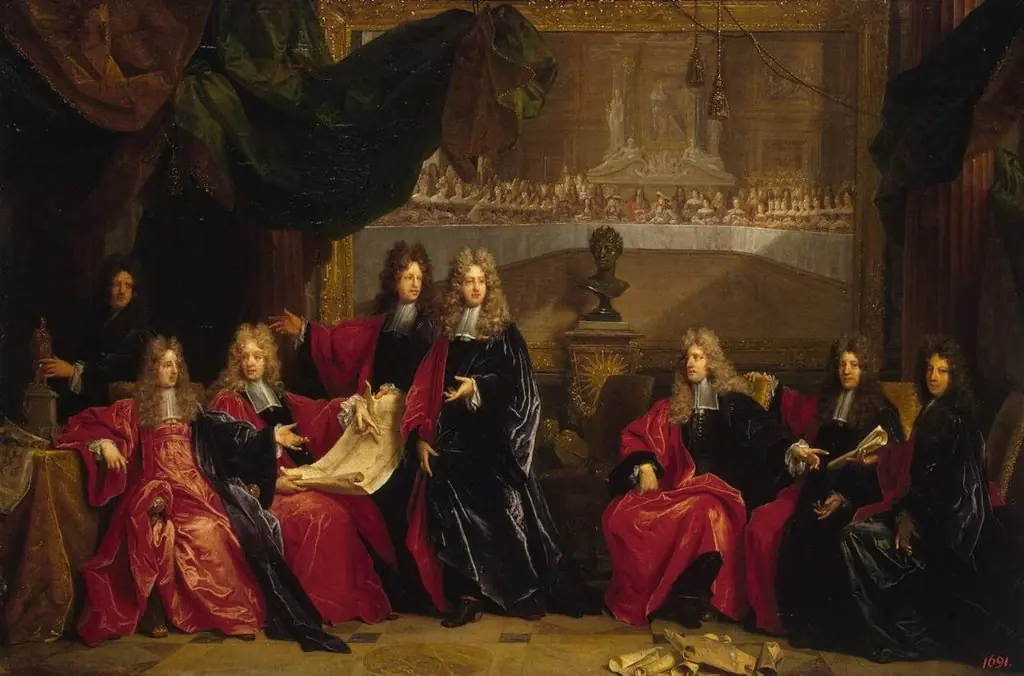 Provost and Municipal Magistrates of Paris Discussing the Celebration of Louis XIV's Dinner at the Hotel de Ville after his Recovery in 1687
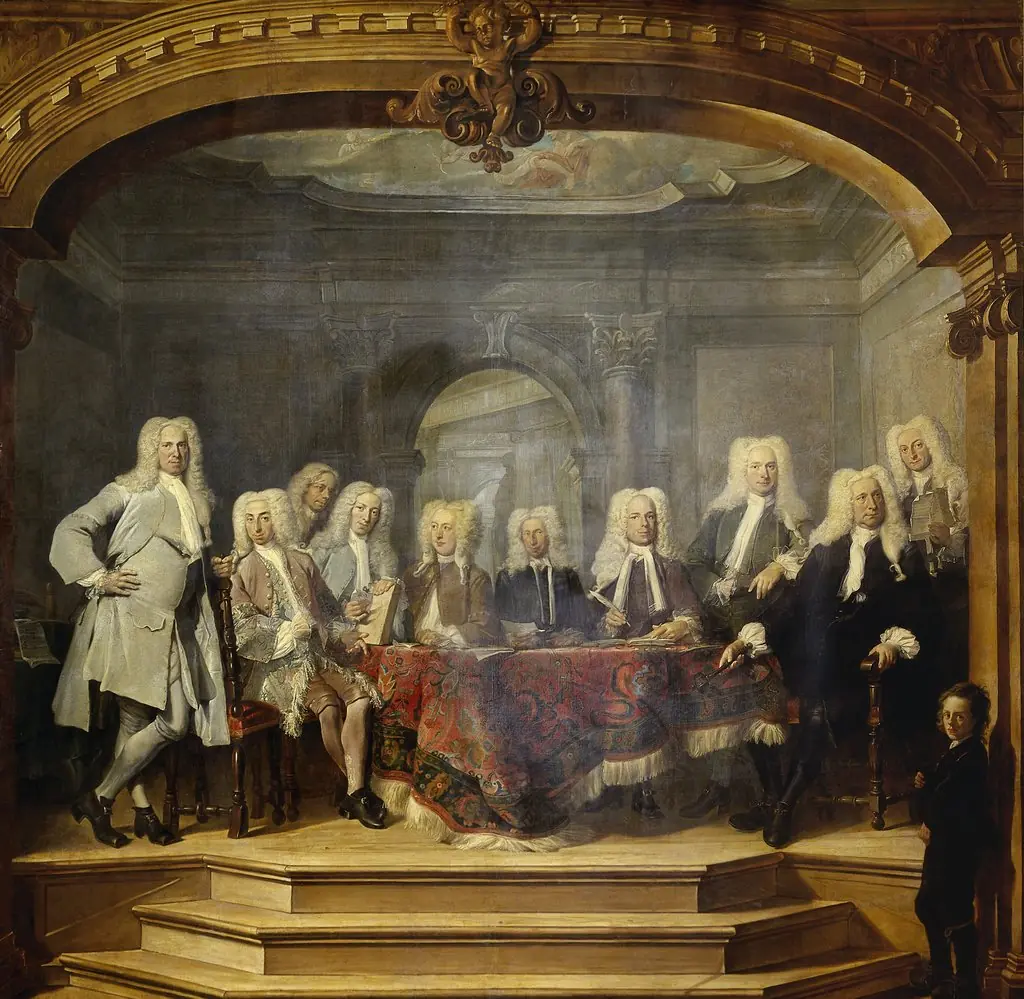 Regents of the Almshouse in 1729
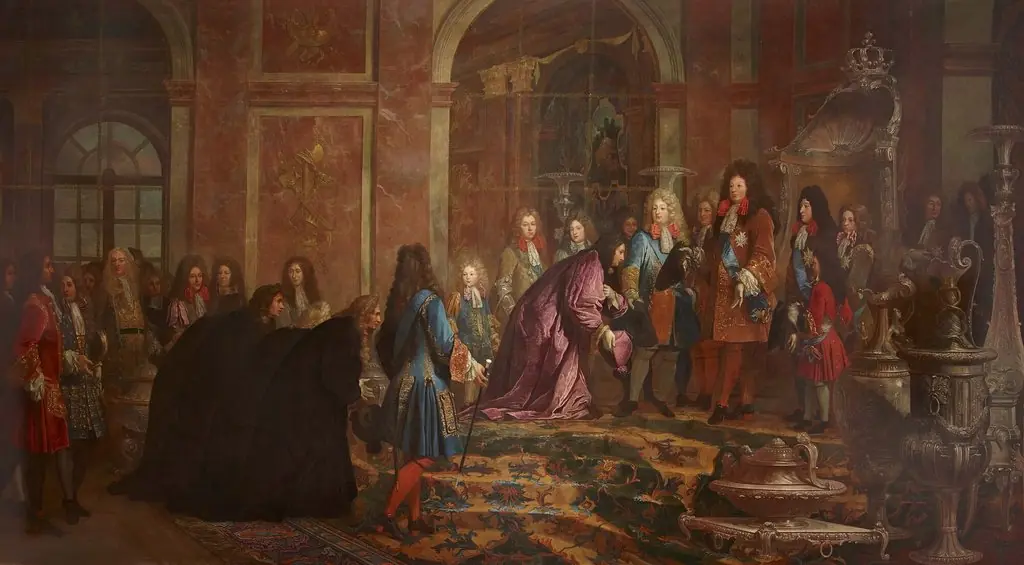 Reparations made to Louis XIV by the Doge of Genoa on 15 May 1685
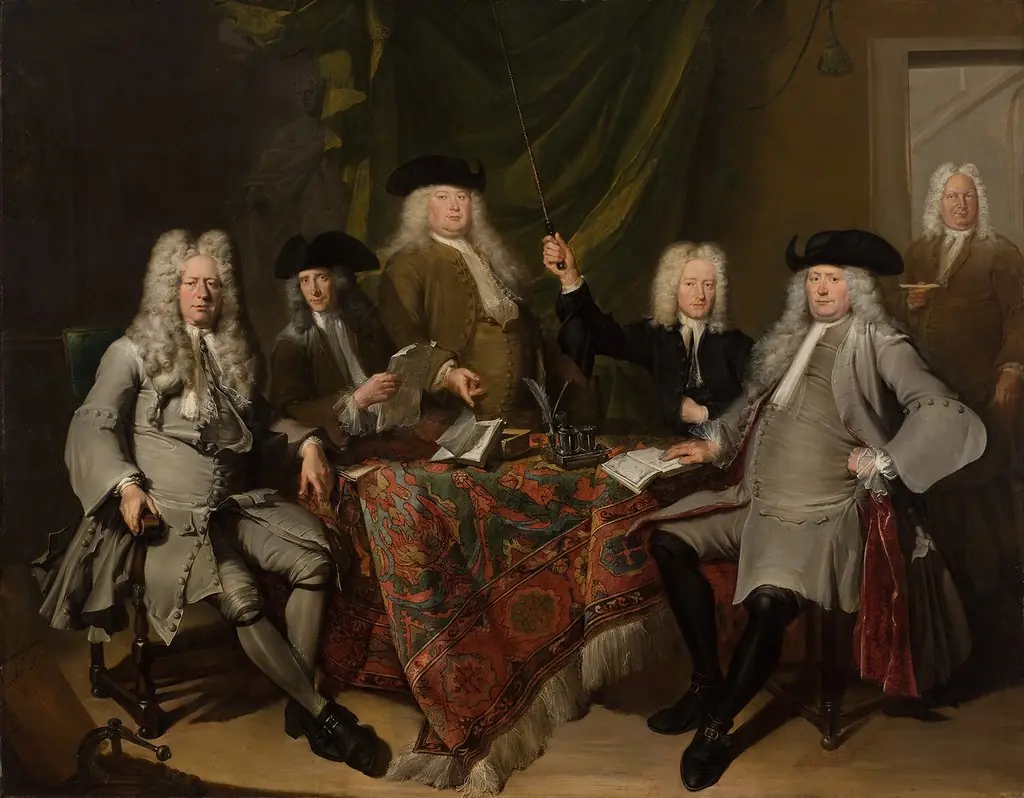 Portrait of the Inspectors of the Collegium Medicum
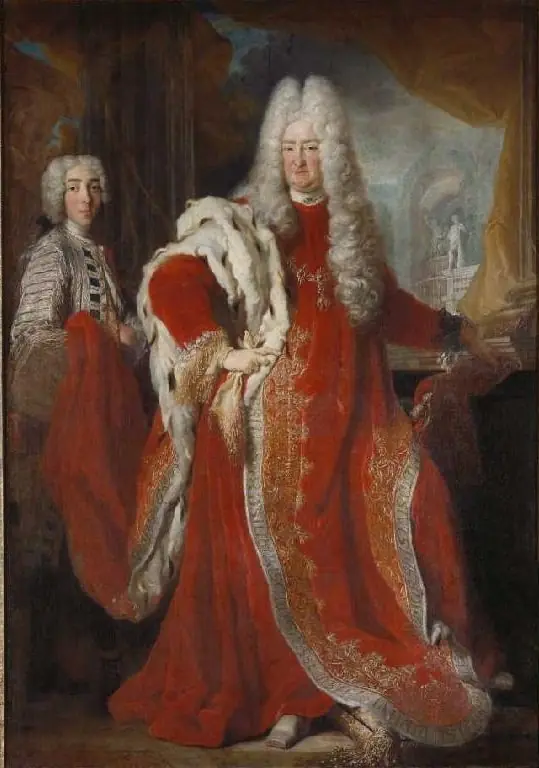 Kurfürst Karl III. Philipp von der Pfalz als Ordensgroßmeister mit Page
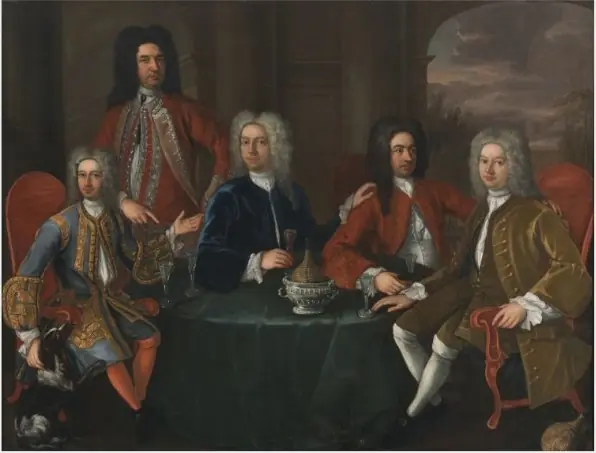 The Hellfire Club, Dublin
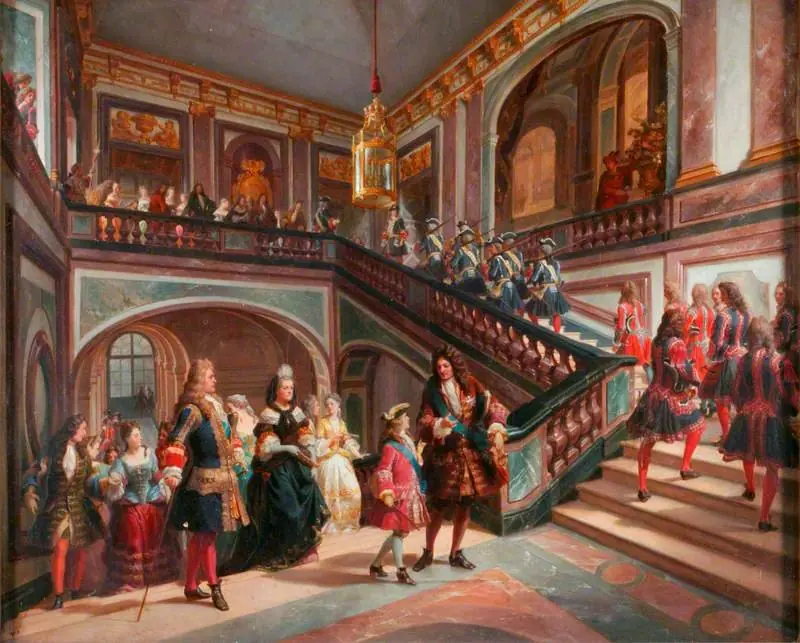 The Young Louis XV at Versailles
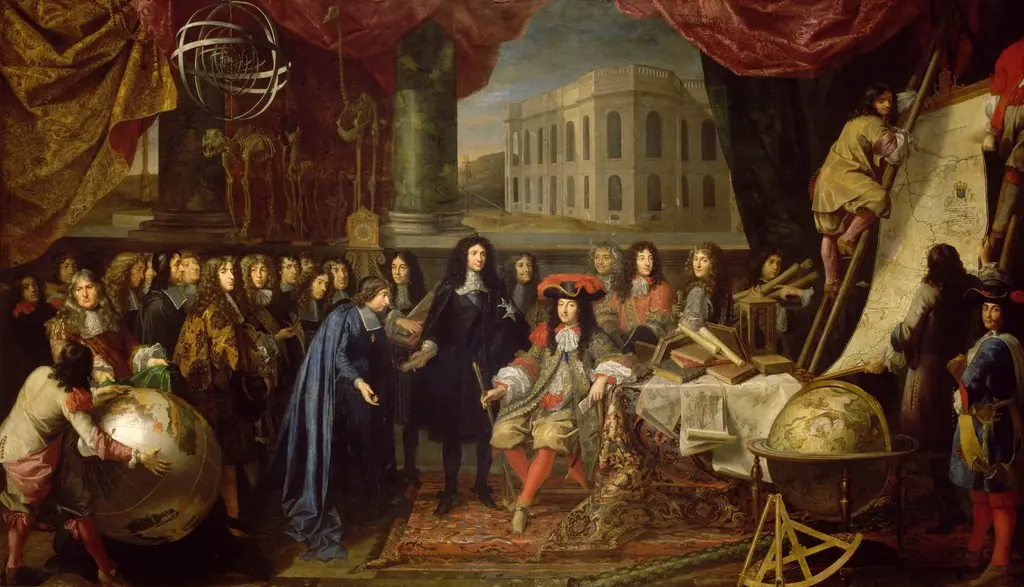 Establishment of the French Academy of Sciences and of Paris Observatory
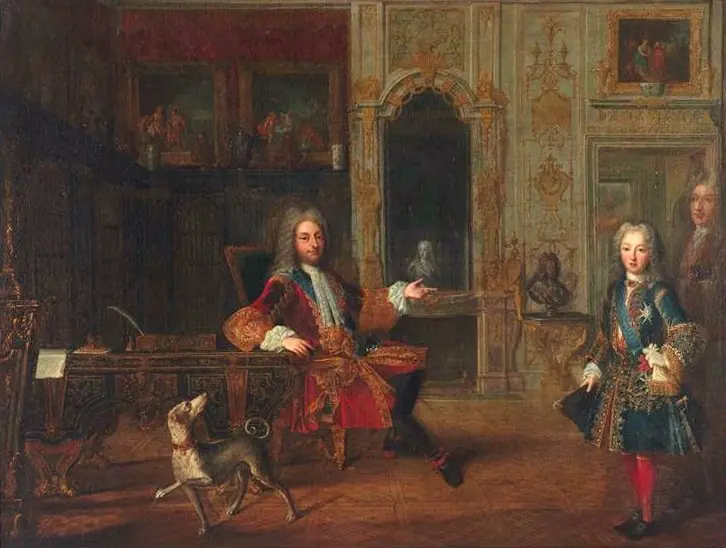 Philippe, duc d'Orléans, Régent, et son fils le duc de Chartres au château de Meudon
 Council of war of eleven companies of the Dordrecht militia, ca 1675