Artwork
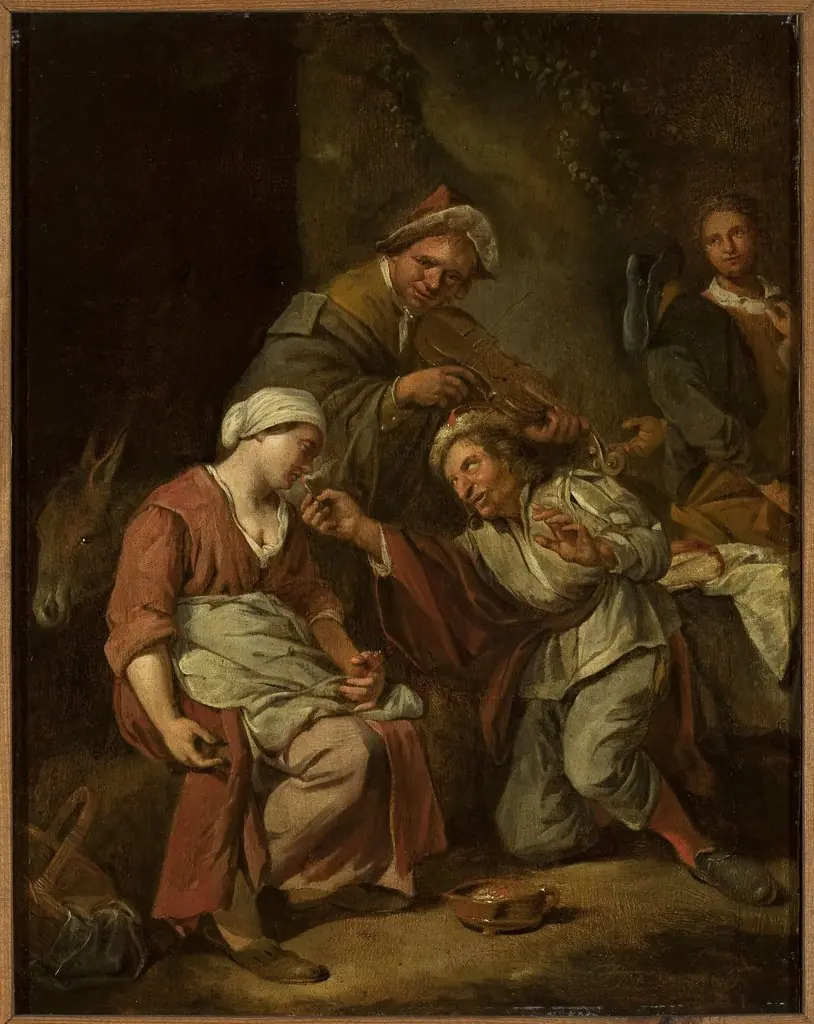
The Fortune-Teller
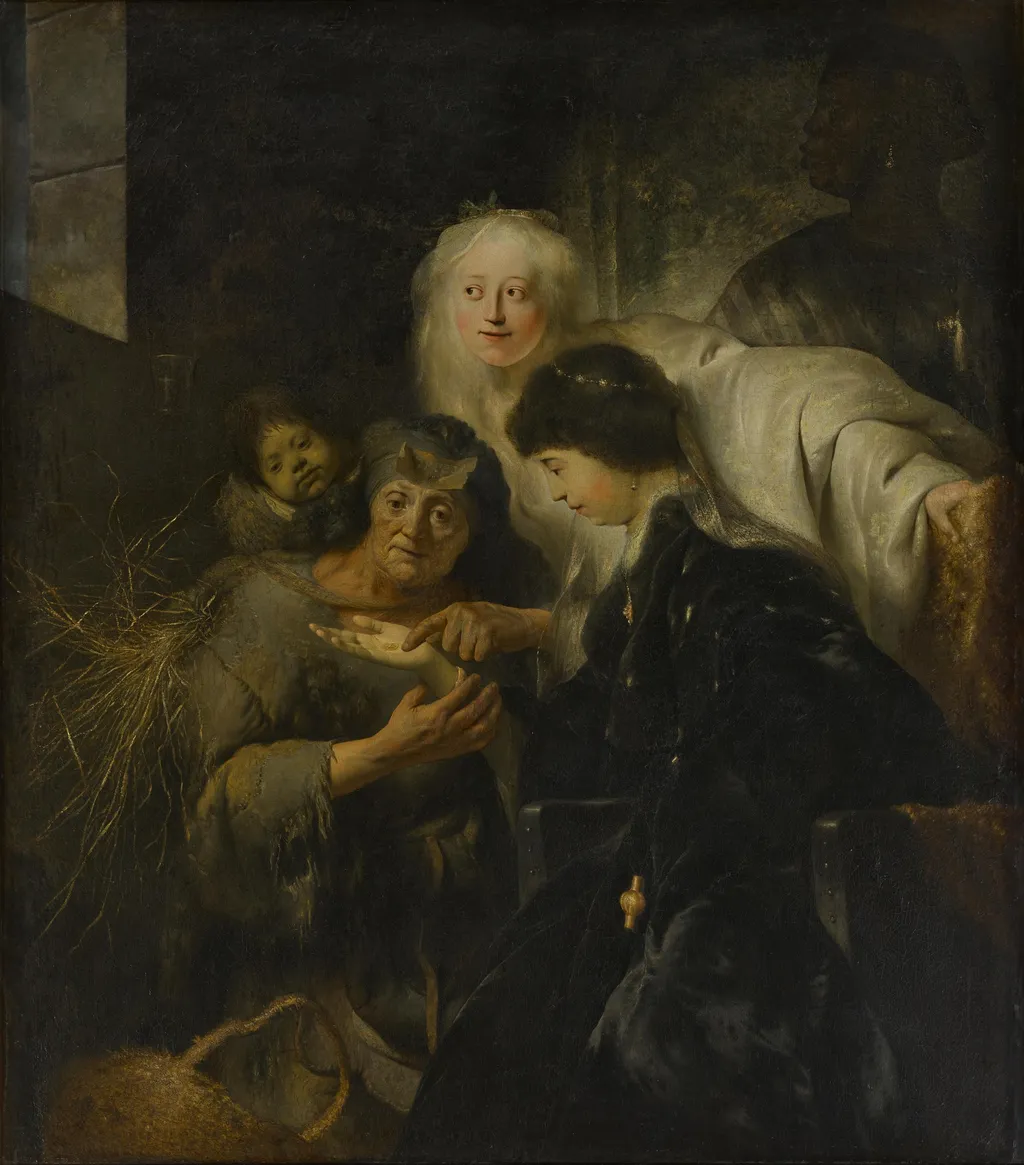
The Fortune-Teller is a paint painting by the Early Baroque Italian artist Jan Andrea Lievens. It dates from 1630 and is held in the collection of the Gemäldegalerie Berlin.
About this work
Overview
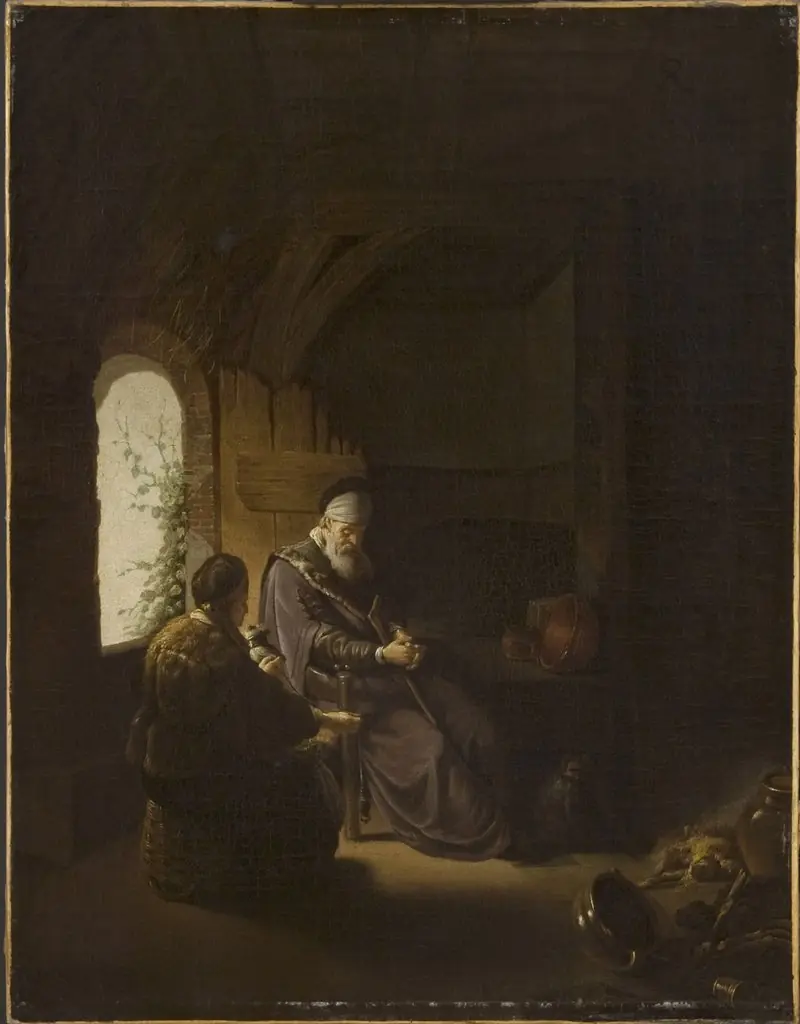
The Fortune-Teller, a painting by Jan Andrea Lievens from 1630, is part of the collection at the Gemäldegalerie Berlin. The work captures a moment of intense engagement between a fortune teller and her audience.
Subject & Meaning
The painting centers on an older, solemn fortune teller, dressed in dark attire, who intently points to an object in her hand. Surrounding figures, also in dark clothing, observe with keen interest, particularly one woman leaning in closely. The scene conveys a somber, introspective mood, emphasizing the gravity of the fortune-telling act.
Technique & Style
Lievens employs chiaroscuro to create depth and dramatic tension, focusing the viewer’s attention on the fortune teller through strategic lighting. The dimly lit room, illuminated only by a background window, enhances the emotional intensity of the gathering.
History & Provenance
Created in 1630 by Jan Andrea Lievens, The Fortune-Teller is currently housed at the Gemäldegalerie Berlin, though detailed provenance history prior to its current location is not specified here.
Context
While specific contextual influences on The Fortune-Teller are not detailed, the work reflects the early 17th-century European fascination with themes of fate and divination, often explored through art with a focus on mood and psychological depth.
Legacy
The impact and legacy of The Fortune-Teller by Lievens are not extensively outlined in the provided information, suggesting a need for further research into its influence on subsequent art or its reception over time.
Own this work as a print
Artist & collection

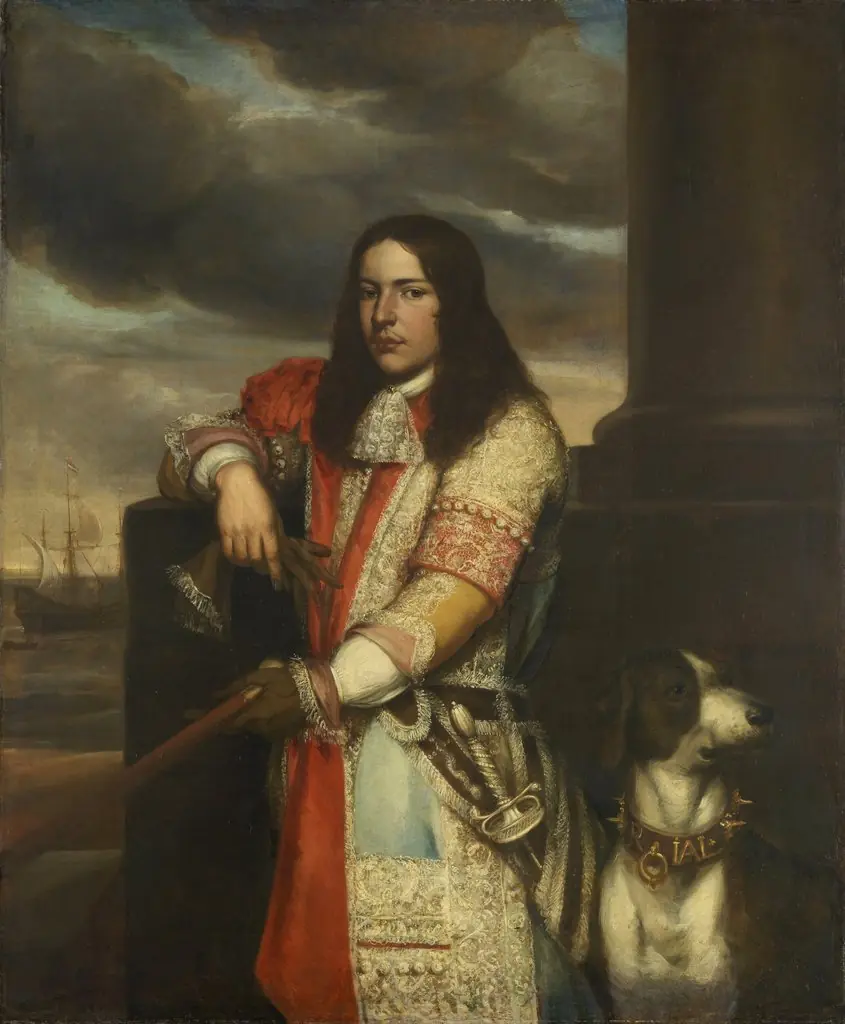 Portrait of Engel de Ruyter (1649-83), Vice-admiral and son of Michiel Adriaensz de Ruyter
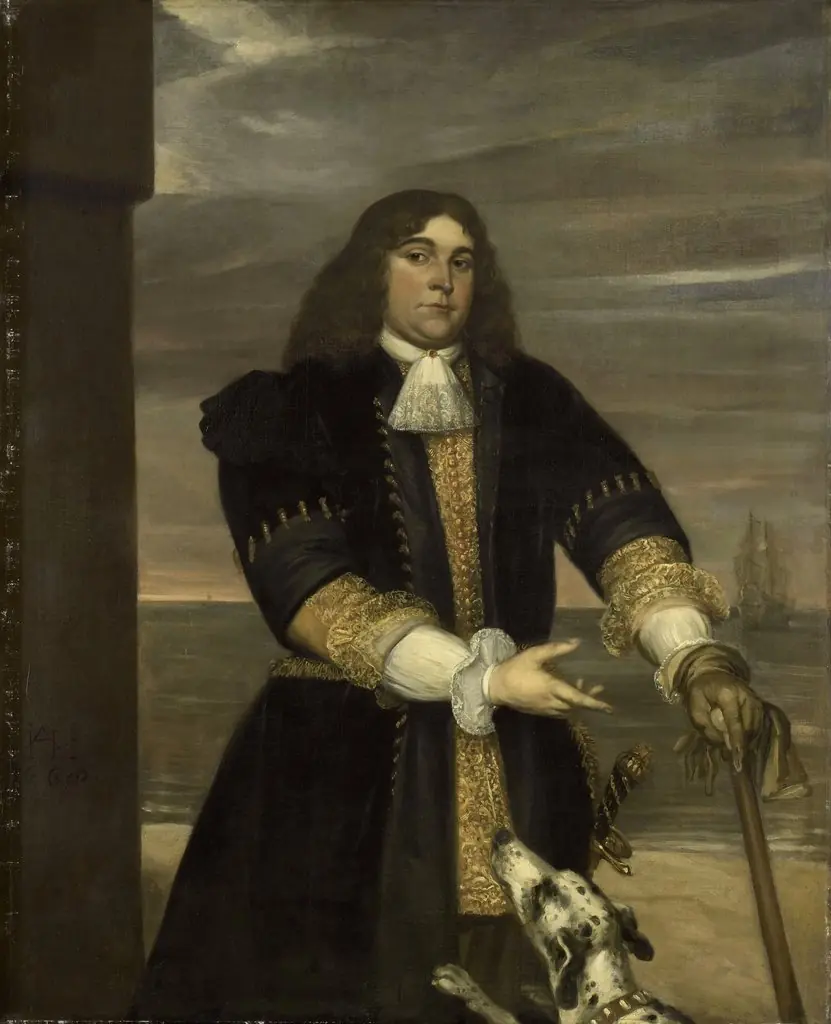 Portrait of Jan van Gelder (1647-73), naval captain and stepson of Michiel Ariaensz de Ruyter
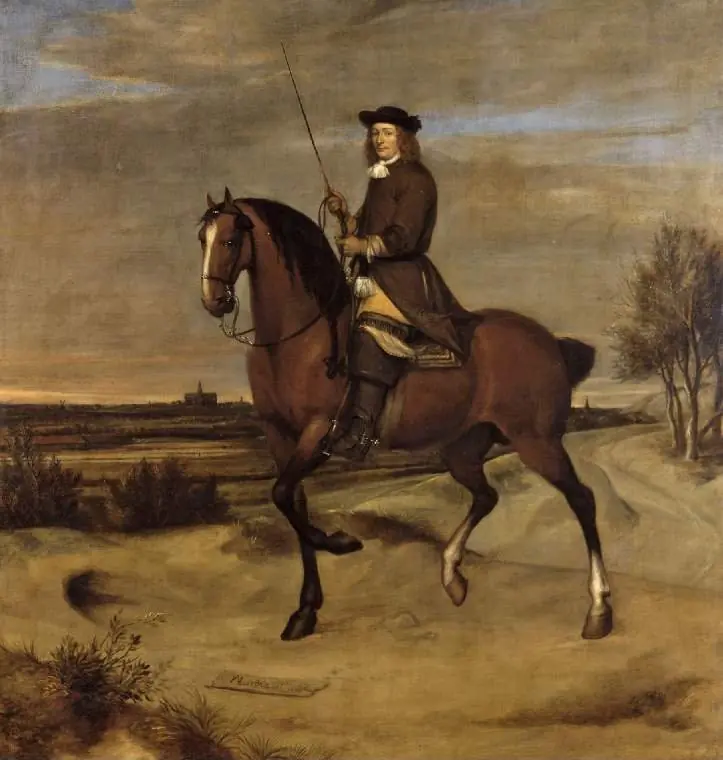 Dirck Decker of Amsterdam
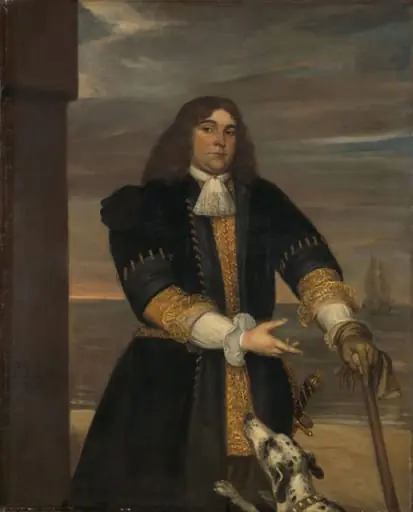 Jan van Gelder (1647-73), Naval Captain, Stepson of Michiel Adriaensz de Ruyter
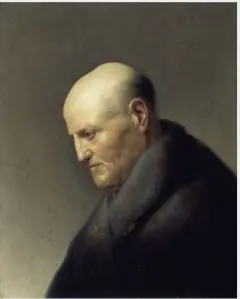 Head of an Old Man