Artwork
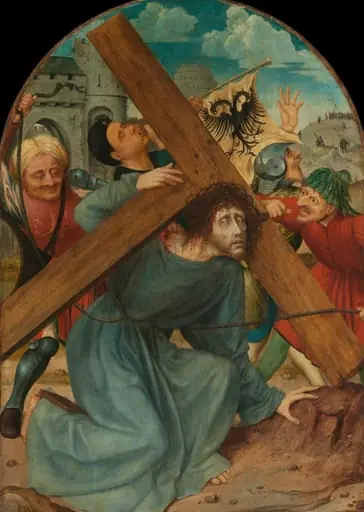
Altarflügel Kreuztragung Christi
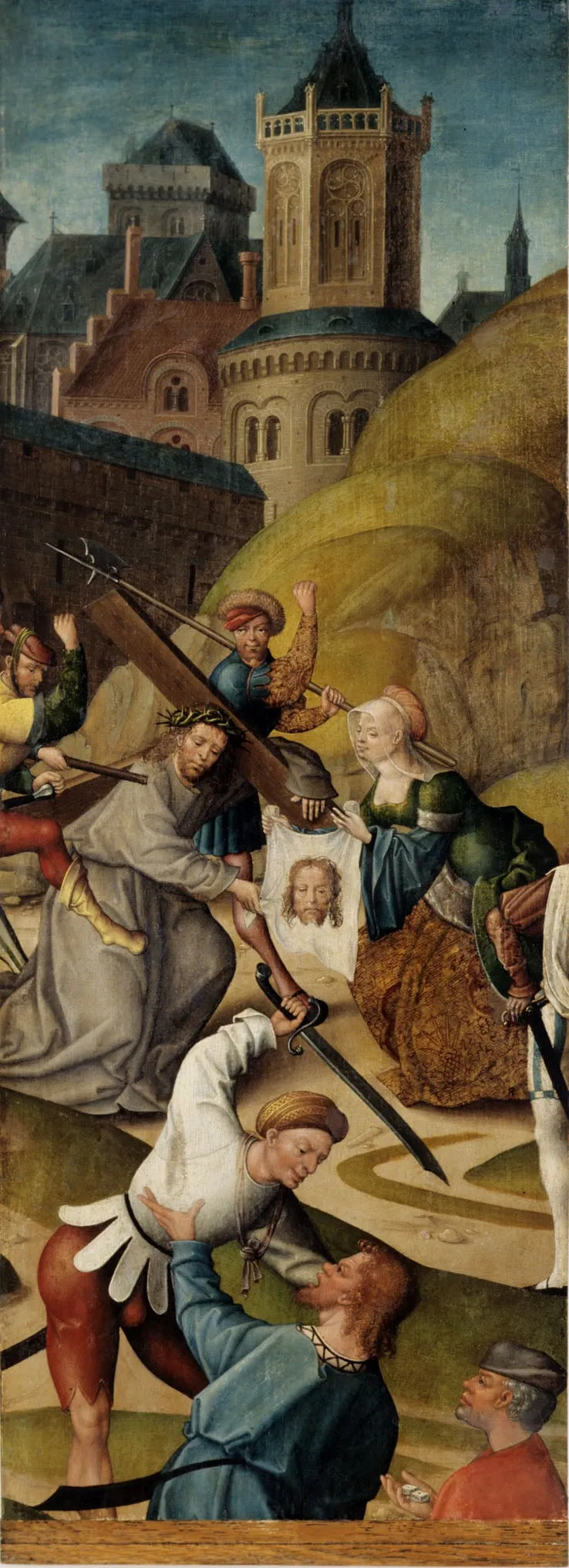
Altarflügel Kreuztragung Christi is a drawing by Jan Baegert. It dates from 1510 and is held in the collection of The Badisches Landesmuseum.
About this work
Overview
The work is now housed in the Museum of Ethnography, where it is preserved as an example of early 16th-century Northern European religious art.
Created around 1510 by Jan Baegert, this wooden altar panel depicts the Carrying of the Cross. It was originally part of a larger devotional ensemble, likely intended for private or ecclesiastical use. The work is now housed in the Museum of Ethnography, where it is preserved as an example of early 16th-century Northern European religious art. Its composition captures a moment of intense physical and emotional strain.
Subject & Meaning
The scene portrays Christ, bound and limp, being carried under the weight of the cross, surrounded by a crowd of onlookers and enforcers. A figure in white kneels in supplication, his gesture suggesting mourning or reverence. The presence of armed men and watchful bystanders underscores the tension of the moment. The visible face of the wrapped figure confirms the identity as Christ, anchoring the narrative in the Passion story as understood in late medieval piety.
Technique & Style
Baegert employs precise linear engraving and controlled cross-hatching to model form and convey motion. The figures are rendered with angular contours and sharp contrasts of light and shadow, enhancing the drama of the scene. The background architecture, with steeply pitched roofs and a distant tower, is rendered in simplified perspective, serving as a stage rather than a realistic setting. The technique emphasizes emotional intensity over naturalism.
History & Provenance
The panel was likely commissioned for a local chapel or private altar in the Rhineland or Lower Rhine region, common centers for devotional art in the early 1500s. It entered the Museum of Ethnography’s collection in the late 19th or early 20th century, possibly as part of a broader acquisition of religious artifacts. Its journey from liturgical use to museum display reflects changing attitudes toward sacred objects in modern times.
Context
Created during a period of religious upheaval, the work reflects the enduring power of Passion imagery in pre-Reformation Germany. While humanist ideals were emerging, devotional art still prioritized emotional engagement over classical harmony. Baegert’s style aligns with regional traditions that favored expressive line and narrative clarity, bridging late Gothic conventions and early Renaissance influences in Northern Europe.
Legacy
Though not widely known outside specialized circles, the panel exemplifies the quiet intensity of small-scale religious panels from the early 16th century. Its preservation allows study of how local artists interpreted biblical narratives with personal and regional inflections. The work contributes to understanding the visual language of piety before the Reformation reshaped religious imagery across Northern Europe.
Artist & collection

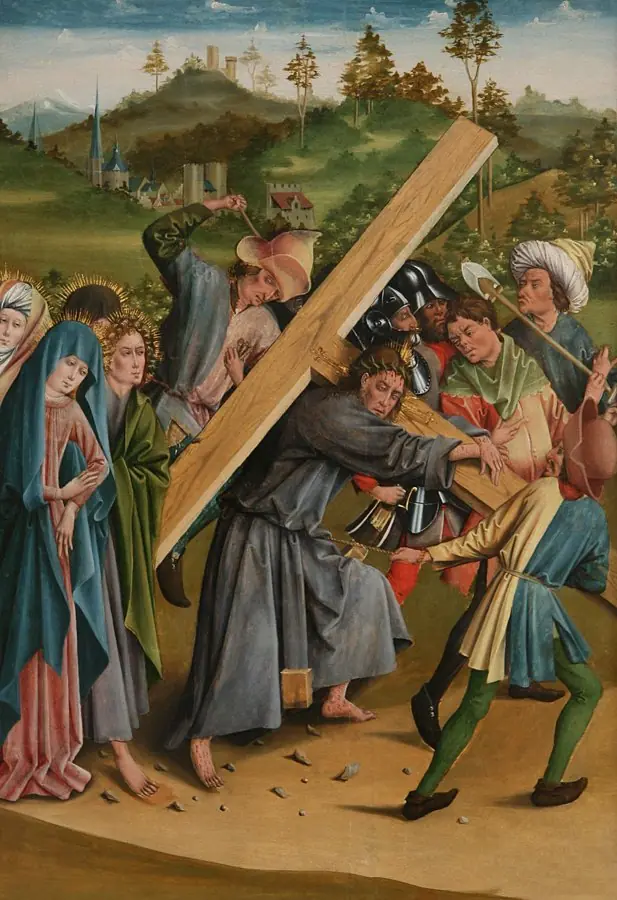 Christ carrying the cross
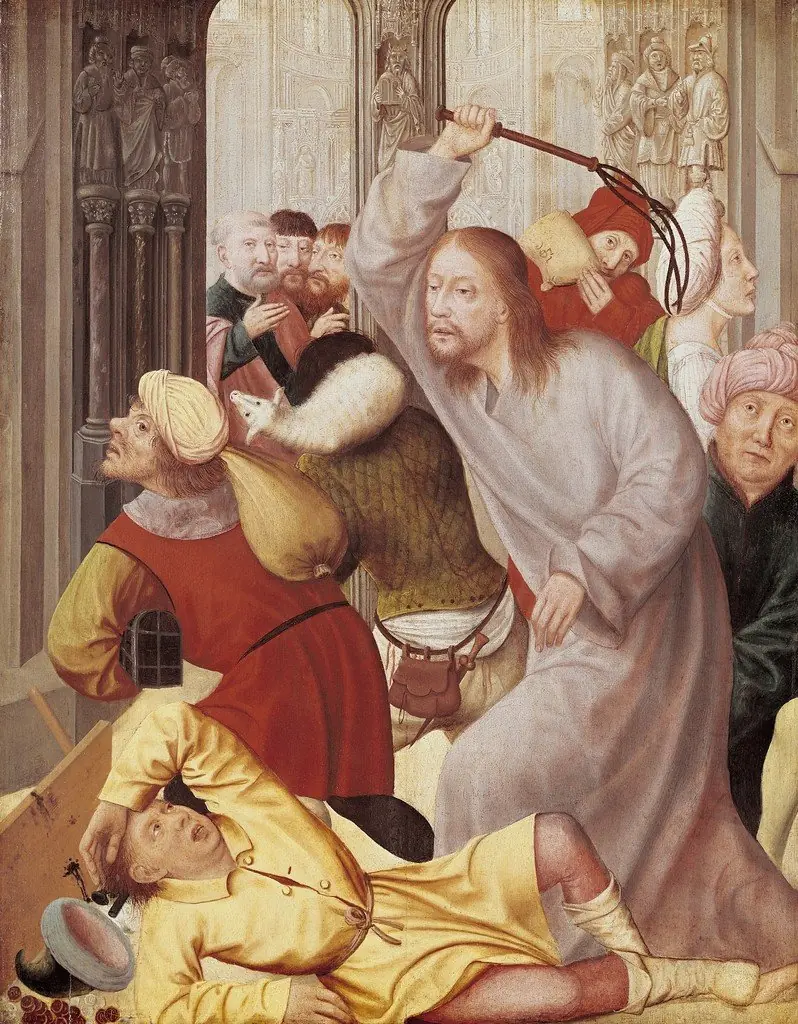 Christ Driving the Money-changers from the Temple
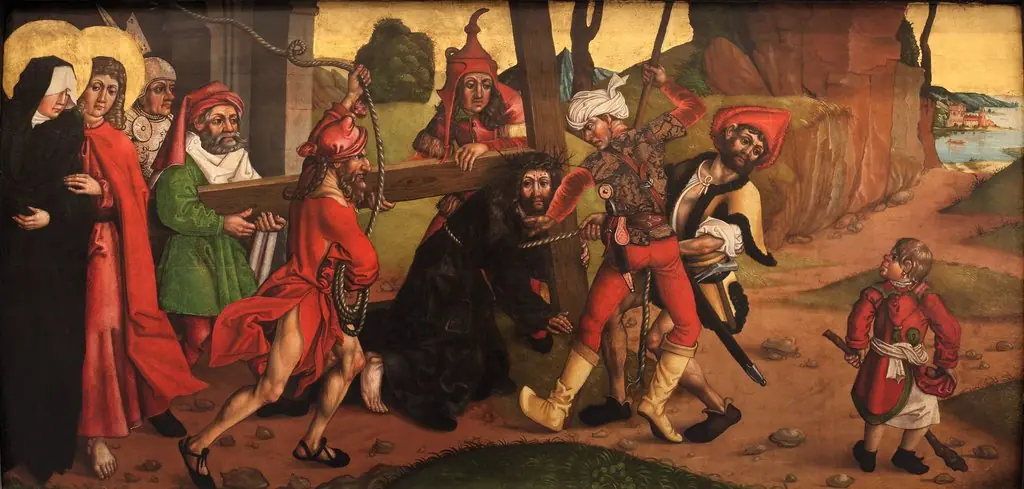 The carrying of the cross
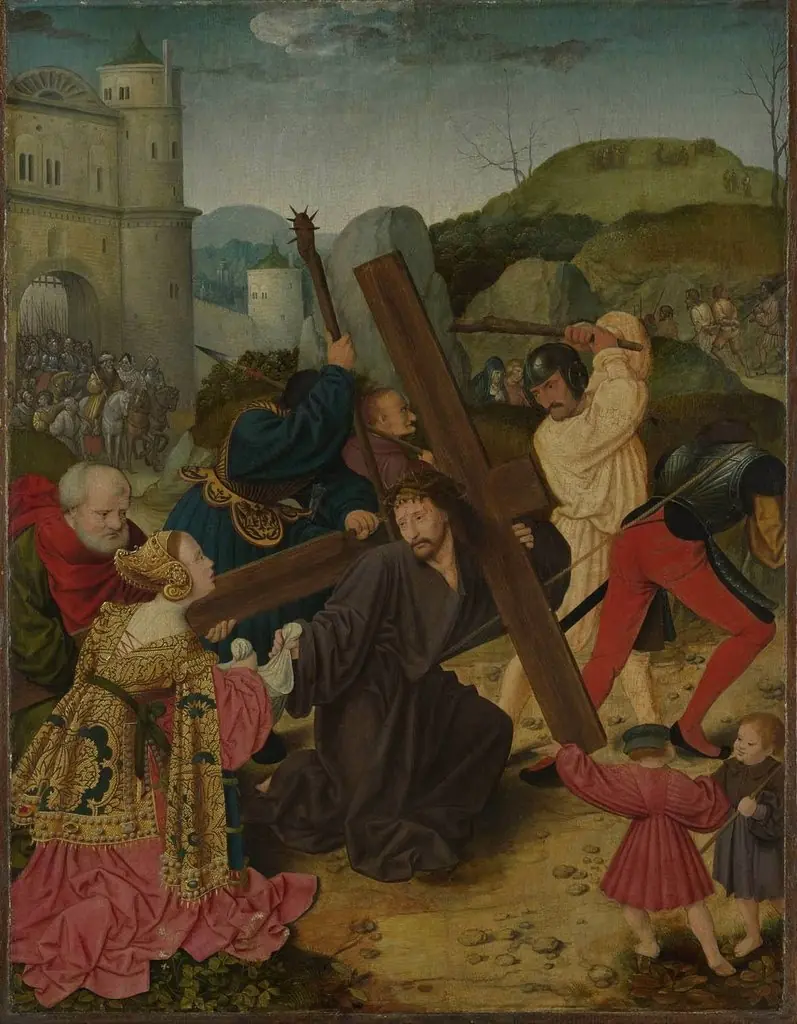 Christ carrying the cross
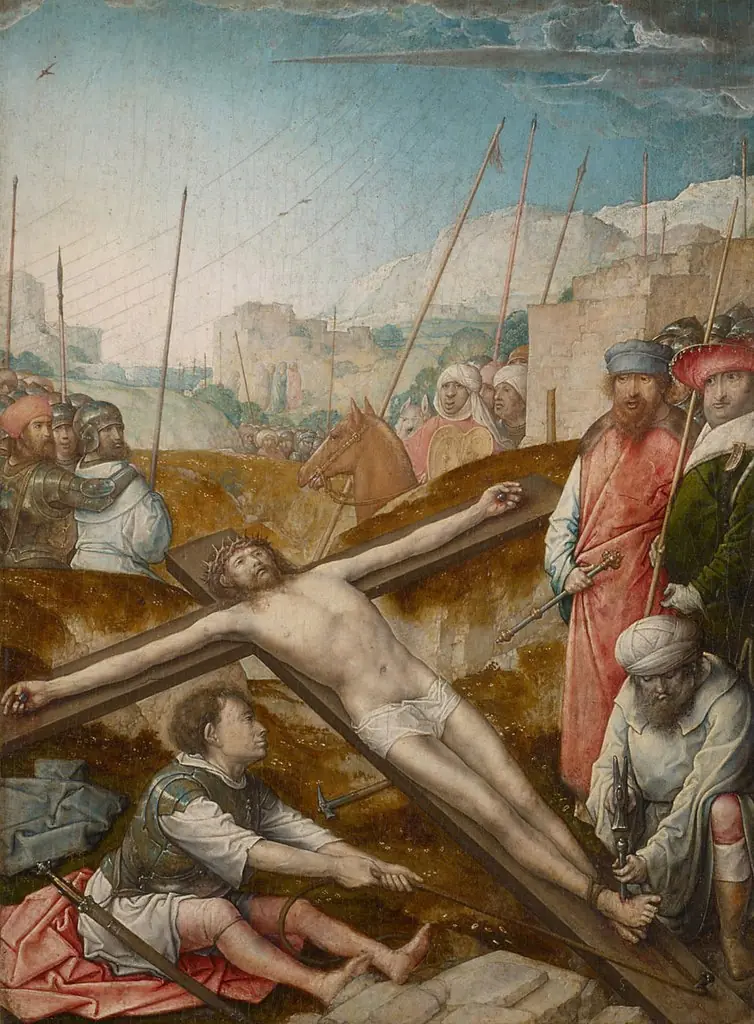 Christ Nailed to the Cross
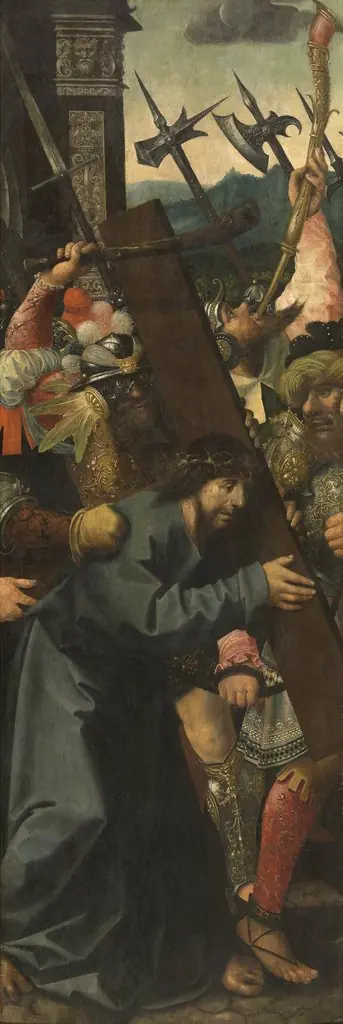 The Bearing of the Cross
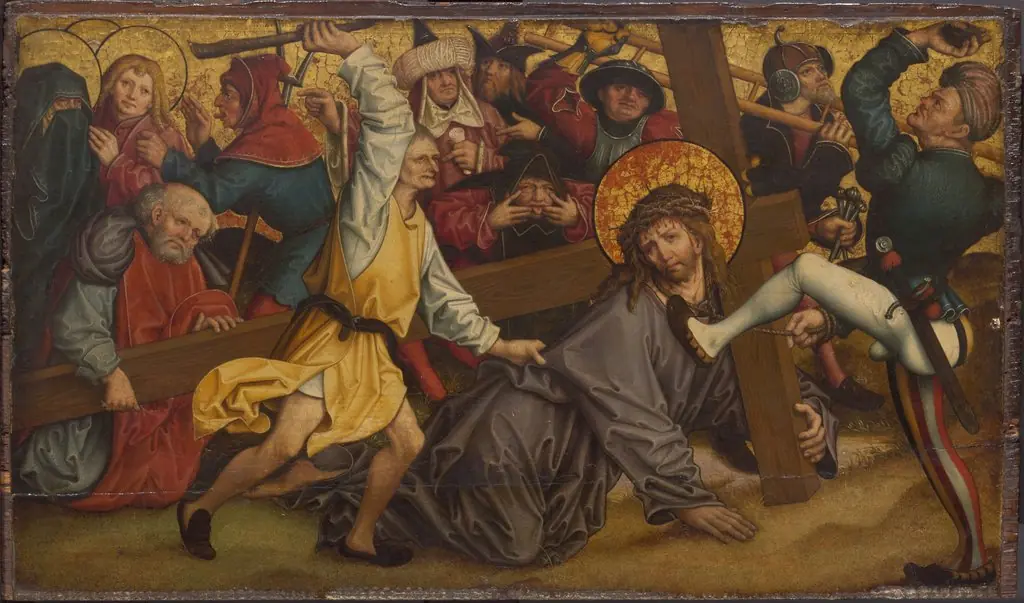 Christ Carrying the Cross
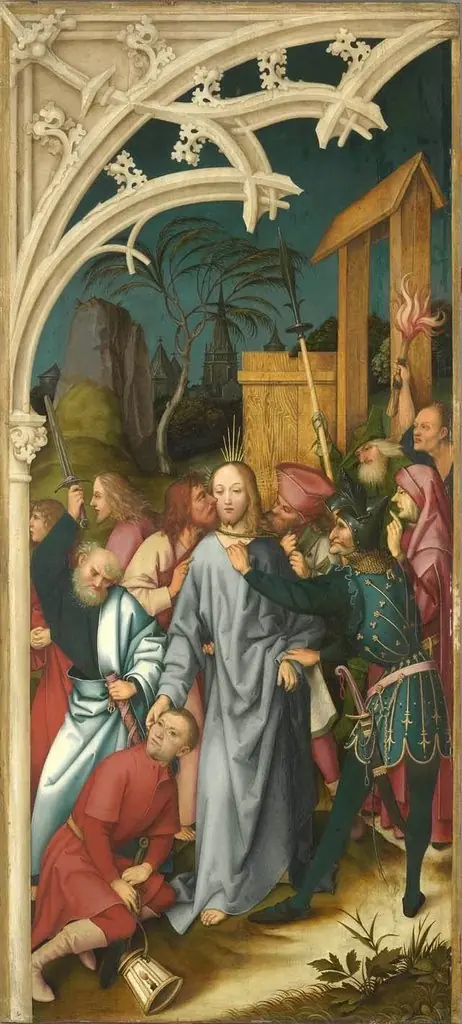 Kaisheimer Altar: Gefangennahme Christi
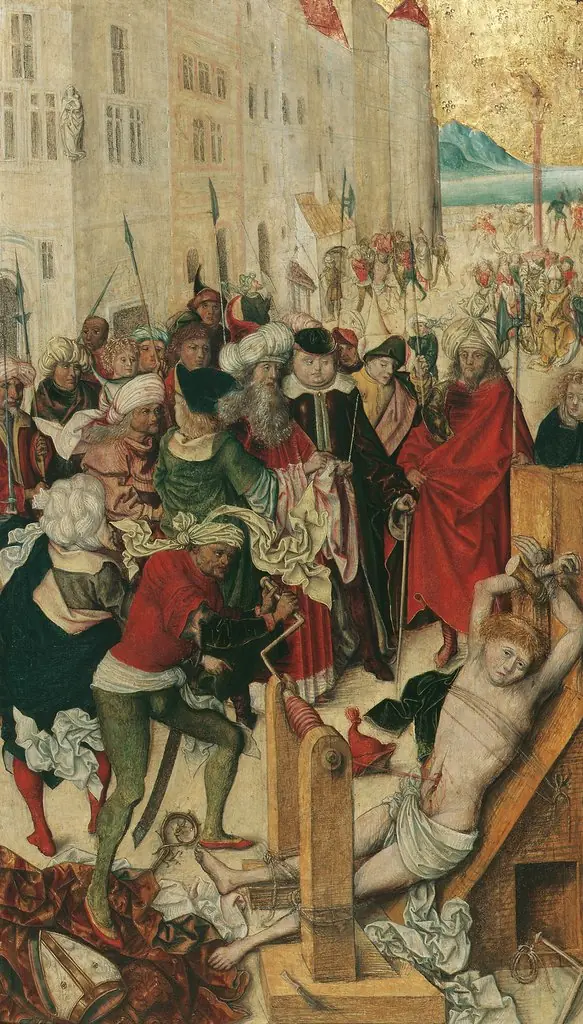 Martyrdom of St. Erasmus
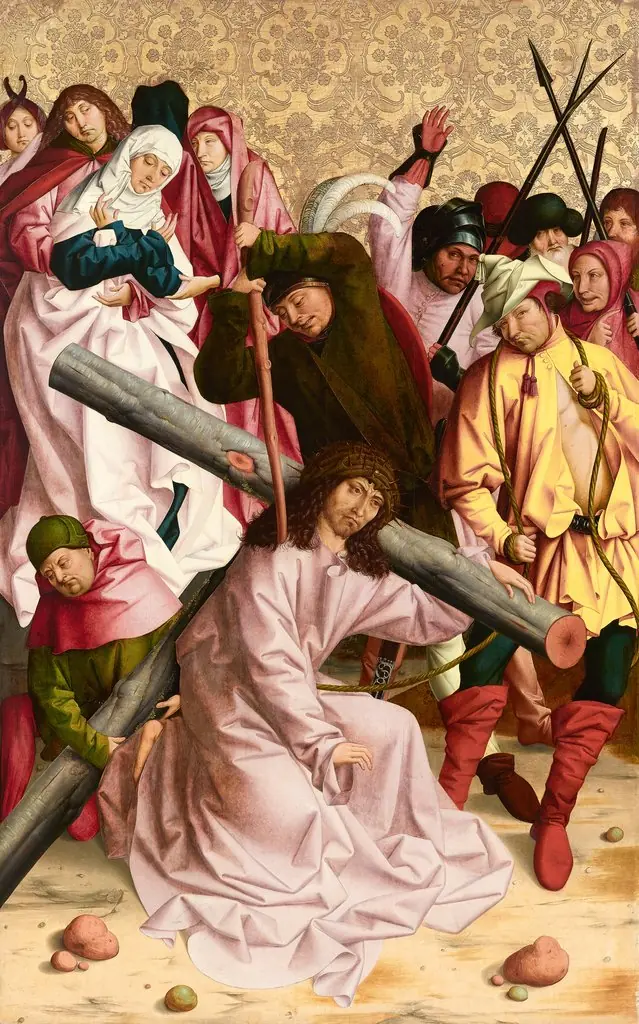 Kreuztragung Christi
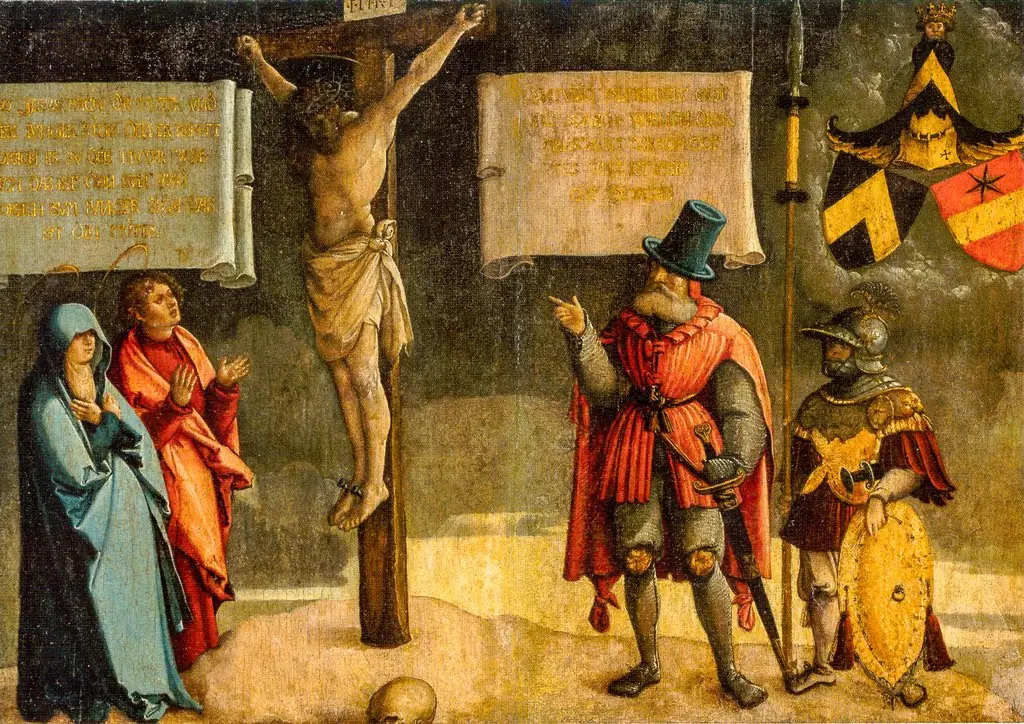 Votivtafel des Johann von Ehingen-Neuneck
 Christ Carrying the Cross