Artwork
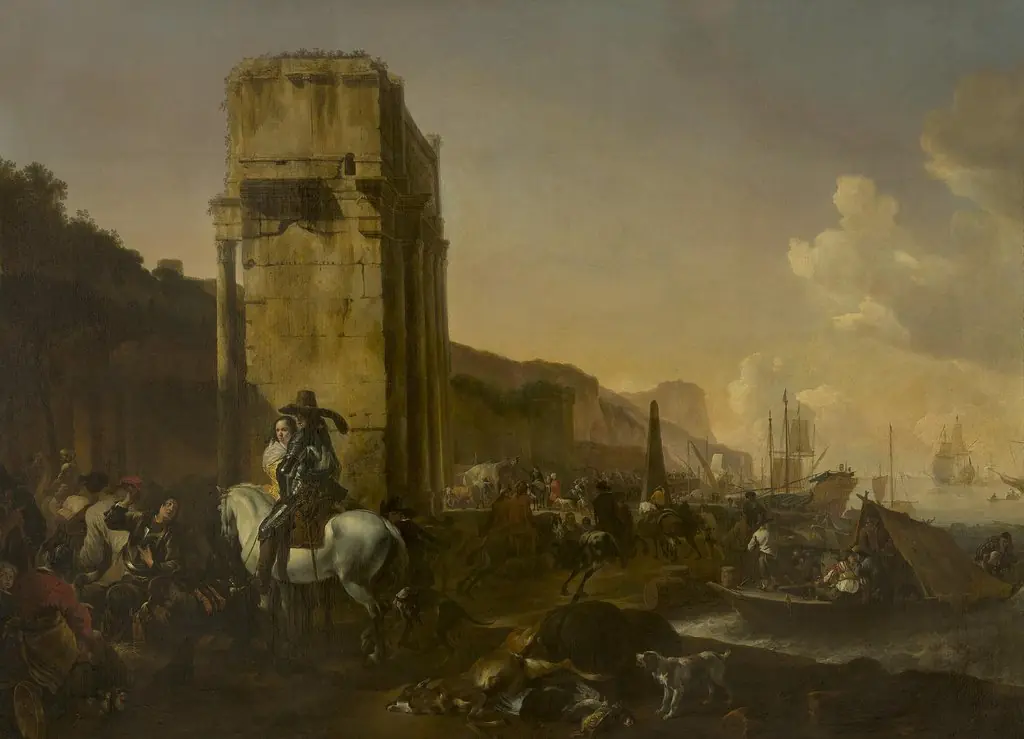
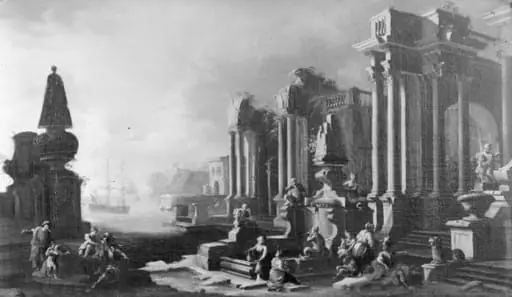
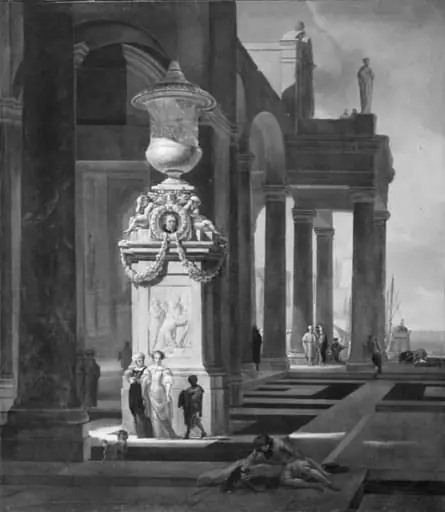
Monument at a Harbour
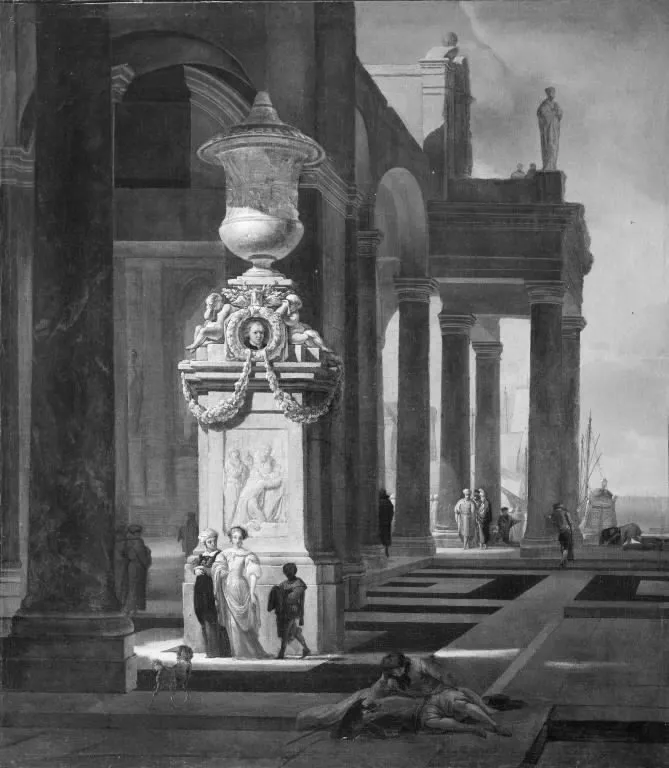
Monument at a Harbour is an unspecified painting by the Dutch Golden Age artist Jan Baptist Weenix. It dates from 1648 and is held in the collection of the Statens Museum for Kunst.
About this work
Overview
The painting’s scale and composition reflect a deliberate shift toward theatrical, antiquarian themes in Dutch art of the period.
Painted in 1648 by Jan Baptist Weenix, this work belongs to the Dutch Golden Age and exemplifies the artist’s interest in coastal landscapes infused with classical architecture. Unlike typical Dutch harbor scenes focused on commerce, Weenix centered a monumental structure as the visual anchor, blending Italianate influences with Northern European realism. The painting’s scale and composition reflect a deliberate shift toward theatrical, antiquarian themes in Dutch art of the period.
Subject & Meaning
The painting depicts a grand, ruin-like monument with columns and an urn, situated by a quiet harbor. Figures gather around it, their interactions suggesting contemplation or social exchange rather than labor. The structure evokes ancient Roman or Greek architecture, symbolizing cultural memory and enduring legacy. Its placement in a working harbor contrasts human activity with timeless stone, hinting at themes of transience and permanence.
Technique & Style
Weenix employed precise brushwork to render architectural details and subtle atmospheric effects. Light falls diagonally across the monument, enhancing its texture and volume while casting soft shadows on the water and figures. The palette is restrained, dominated by ochres, grays, and muted blues, reinforcing the classical tone. Figures are rendered with careful attention to posture and costume, grounding the scene in observable reality despite its idealized setting.
History & Provenance
Created in 1648, the painting entered the collection of the Statens Museum for Kunst in Copenhagen, where it remains today. It is one of several works by Weenix that helped establish the genre of classical harbor scenes in Dutch painting. While not widely exhibited in his lifetime, its survival and institutional preservation reflect its significance as an early example of architectural fantasy in Northern European art.
Context
During the mid-17th century, Dutch artists increasingly incorporated classical motifs into everyday scenes, responding to broader European trends in humanist scholarship and travel literature. Weenix, influenced by Italianate painters and possibly firsthand exposure to Roman ruins, adapted these elements for a Northern audience. His harbor monuments offered a quiet alternative to bustling port scenes, appealing to collectors interested in antiquity and refined aesthetics.
Legacy
Weenix’s integration of monumental architecture into coastal landscapes influenced later Dutch and Flemish painters who explored historical and mythological themes in natural settings. Though not widely imitated, his approach contributed to a broader trend of blending realism with idealized forms. The painting stands as a quiet testament to the period’s fascination with the past, offering a contemplative counterpoint to the era’s commercial and maritime imagery.
Artist & collection
Artist
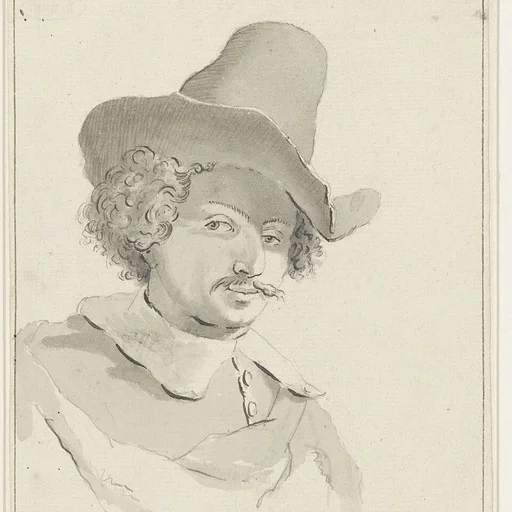
Jan Baptist Weenix, also spelled Jan Baptiste Weeninx (1621–1659), was a painter of the Dutch Golden Age.

 Ruins, Columns and a Triumphal Arch
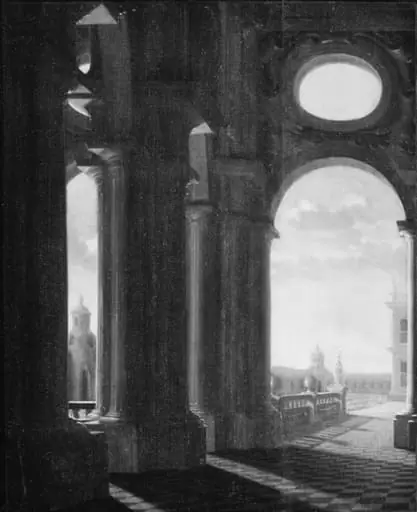 A Colonnade
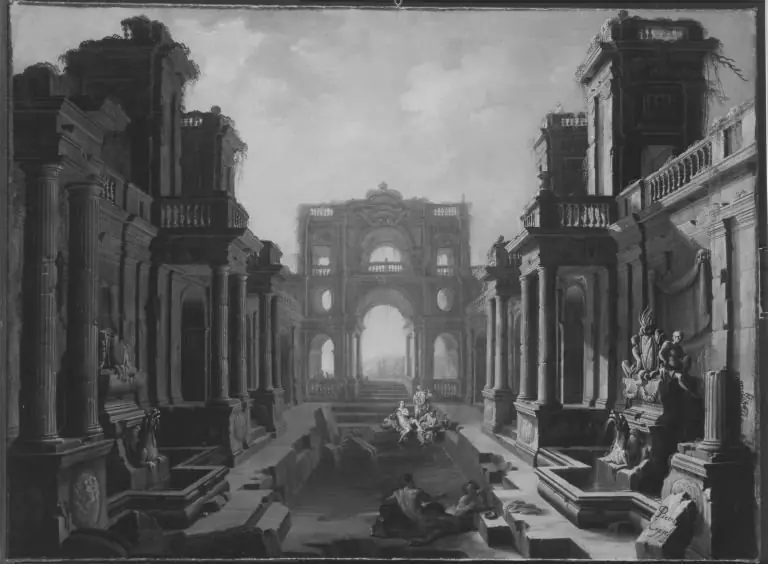 Ruinen römischer Thermen
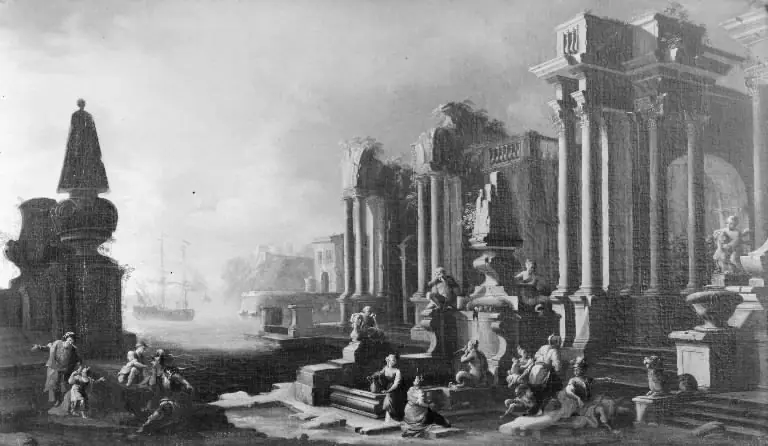 Ruins, Columns and a Triumphal Arch
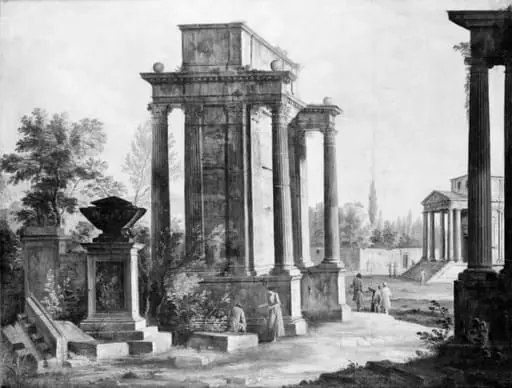 Imaginary Architectural Monuments
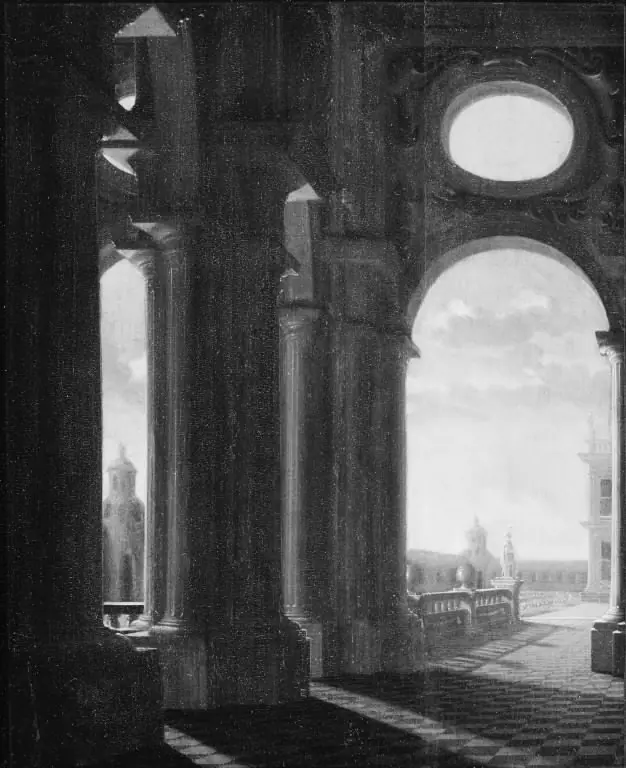 A Colonnade
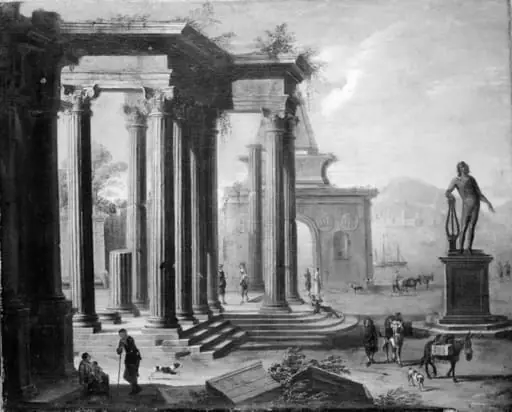 Colonade in Ruins
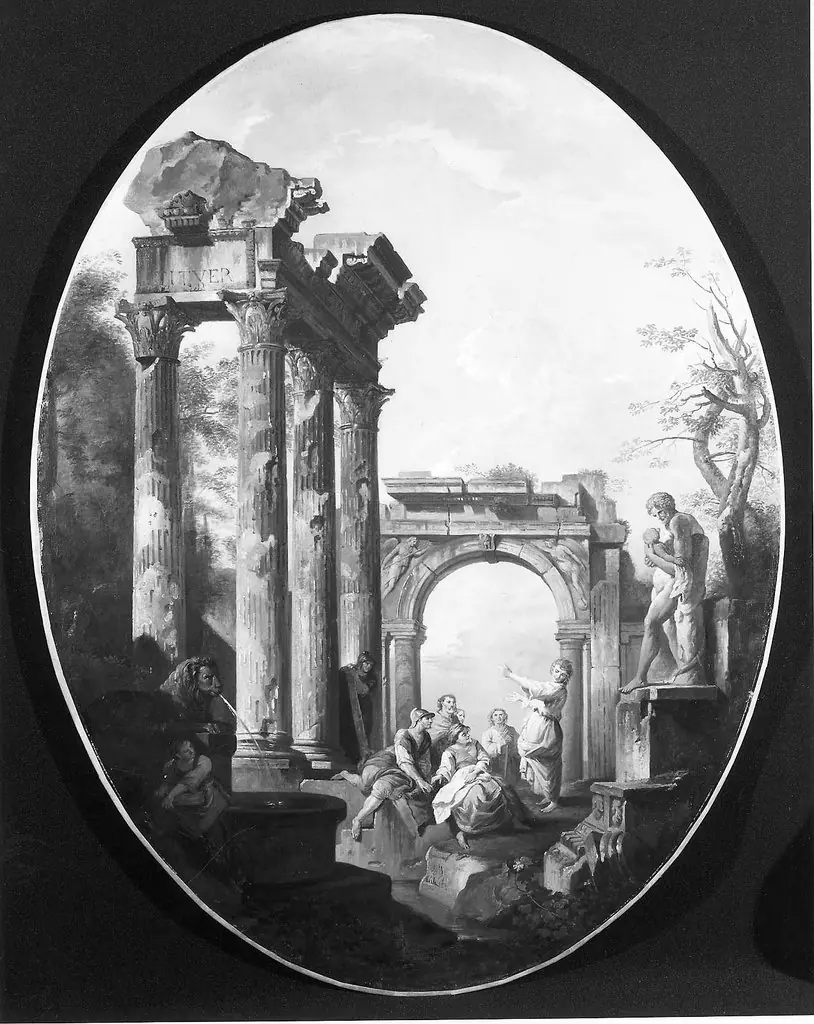 Capriccio of Roman Ruins with a Statue of Silenus and Dionysus
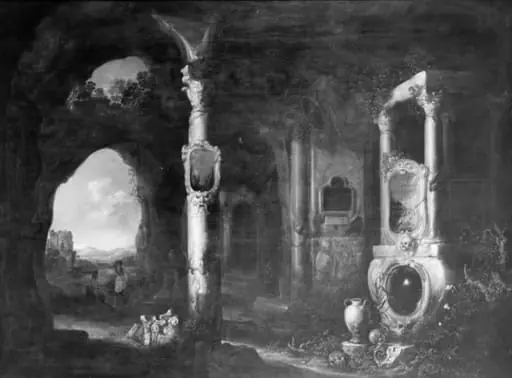 Grotto. Fantasy
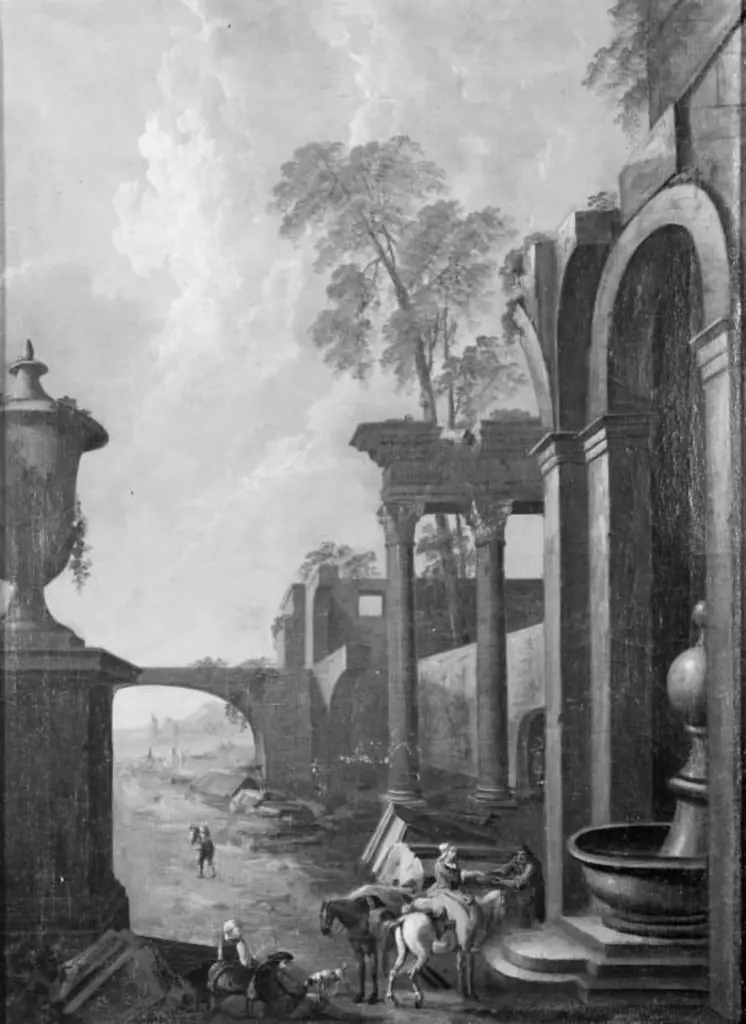 Ruins in a Landscape
 Capriccio of Roman Ruins with a Bas-Relief of a Charioteer
 Monument at a Harbour