Artwork
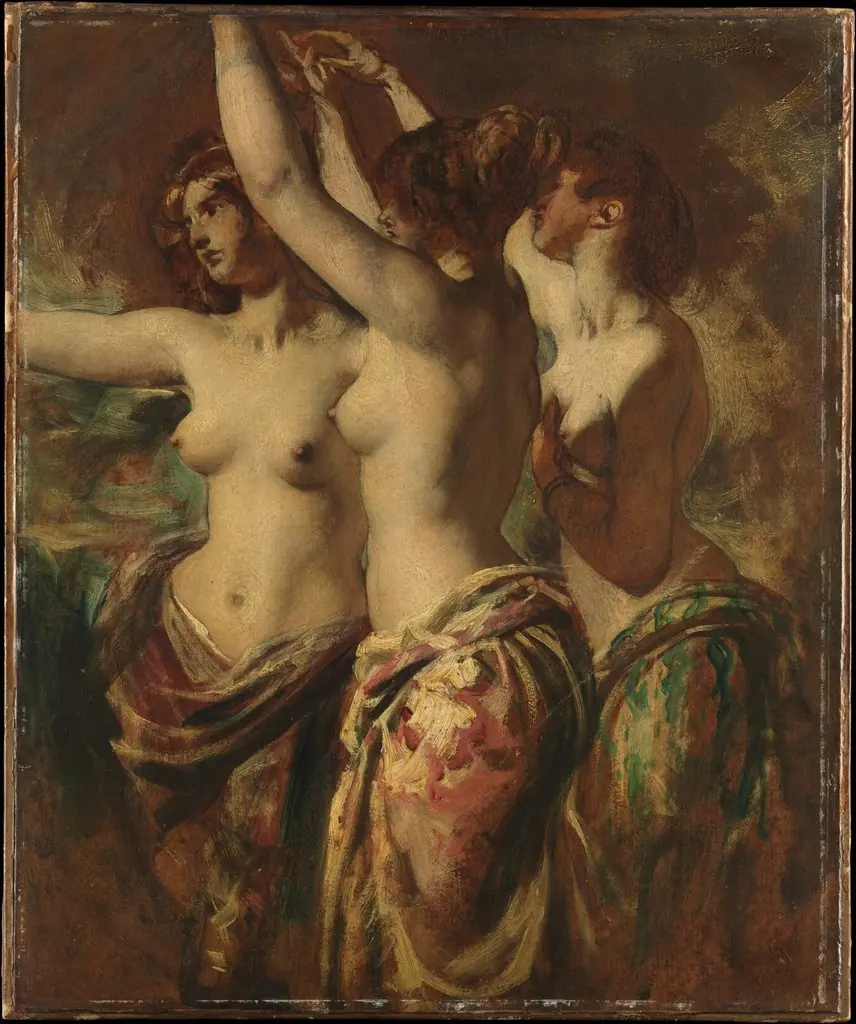
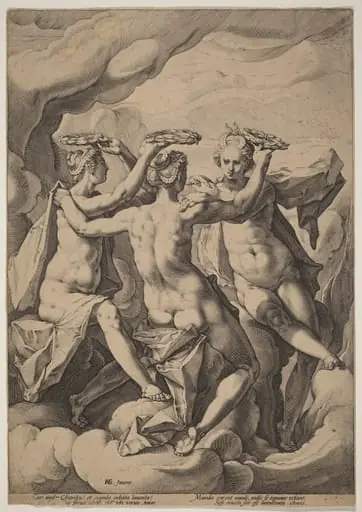
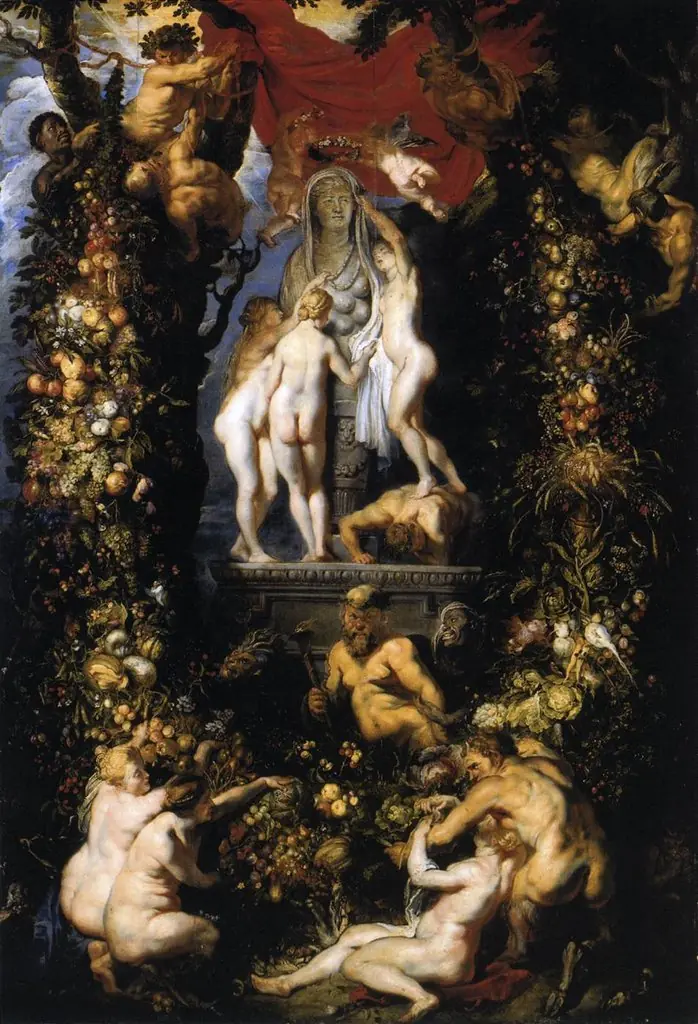
The Three Graces
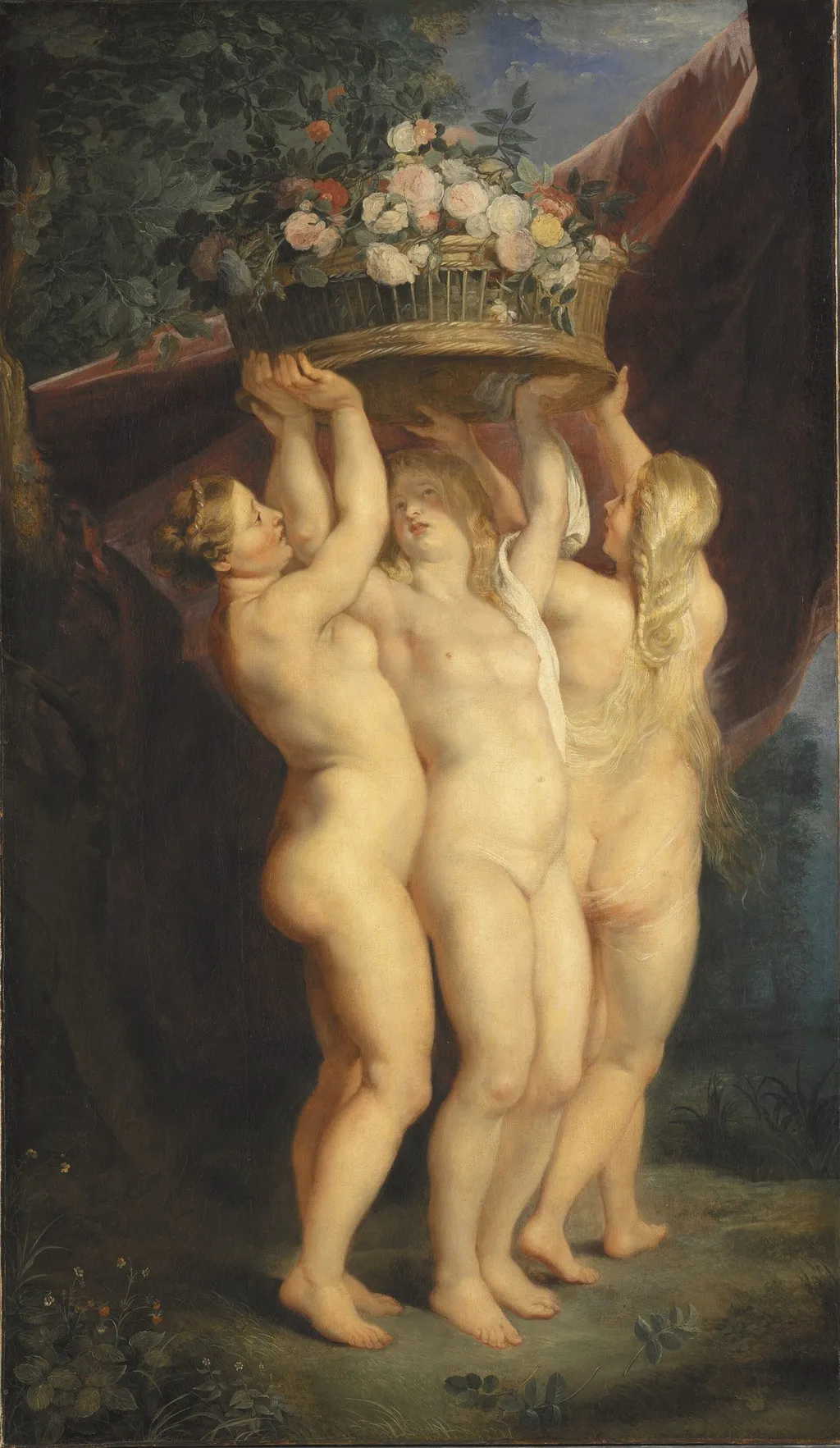
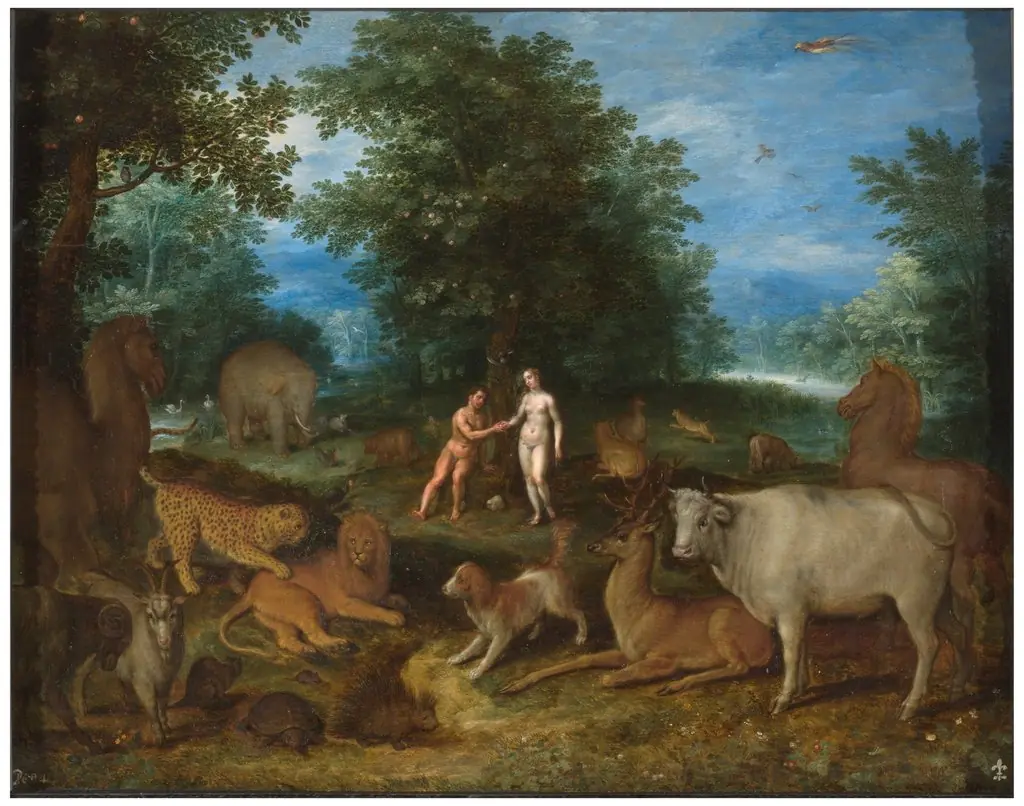
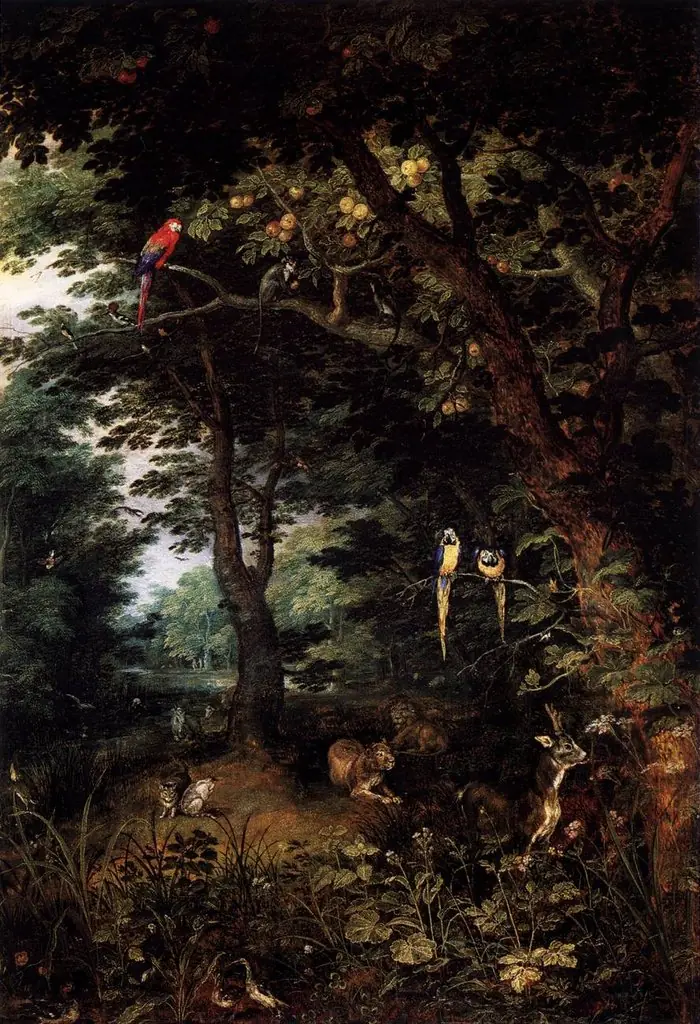
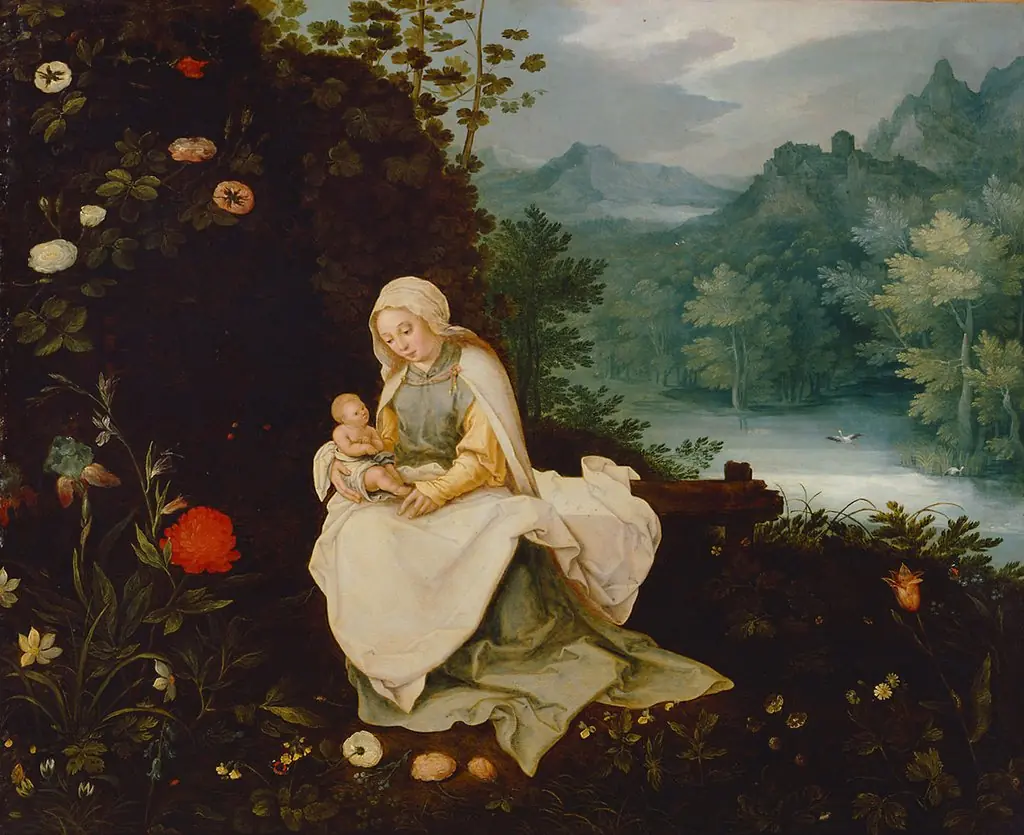
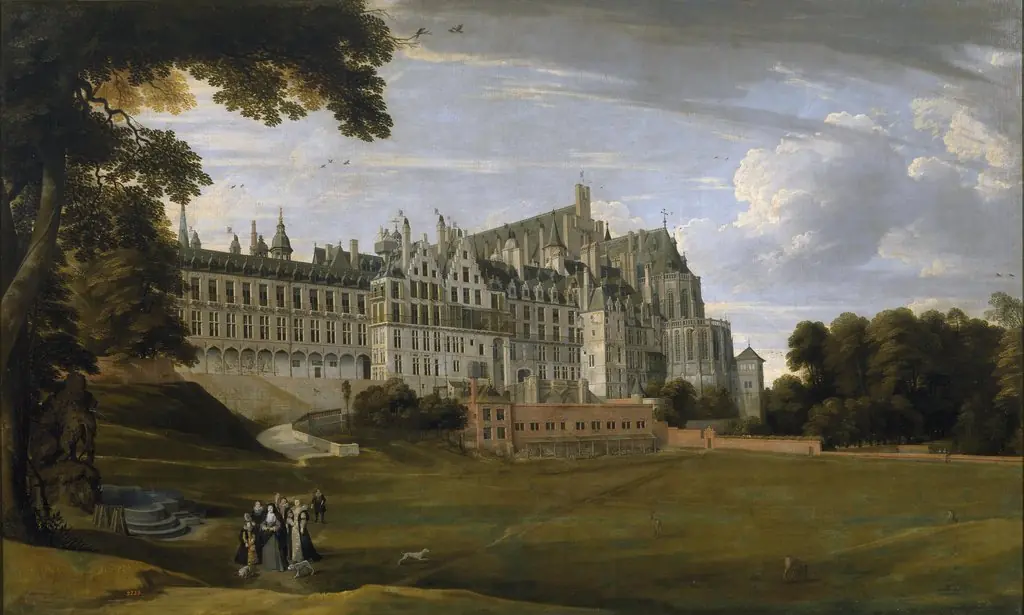
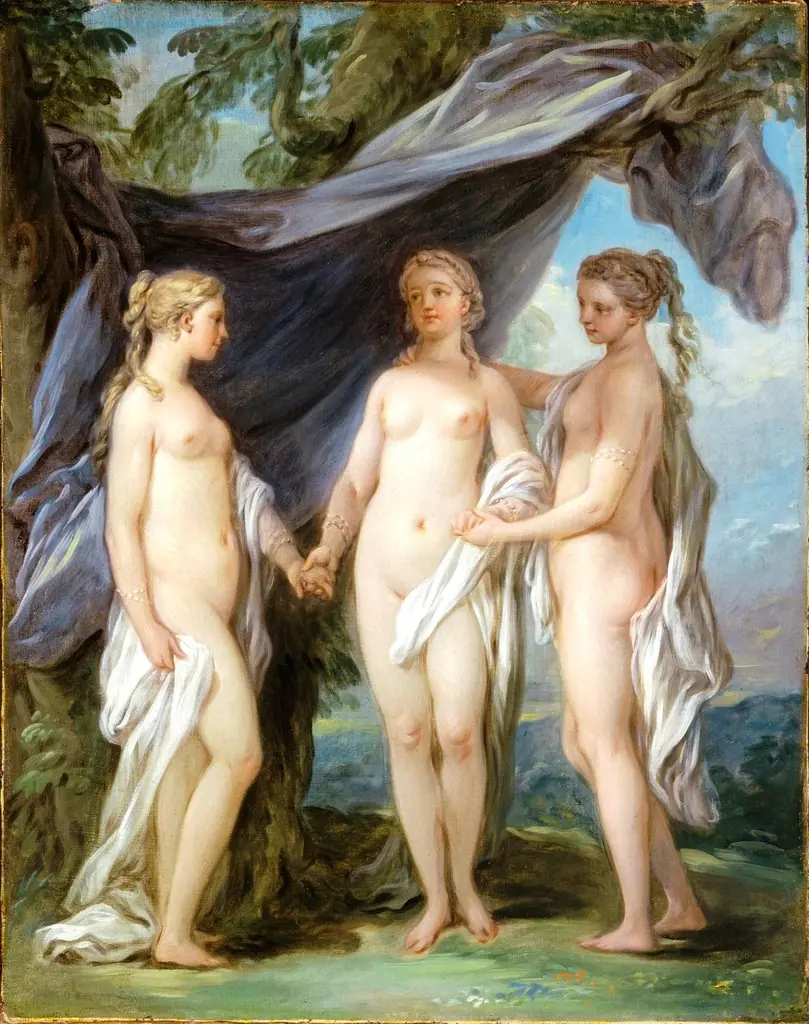
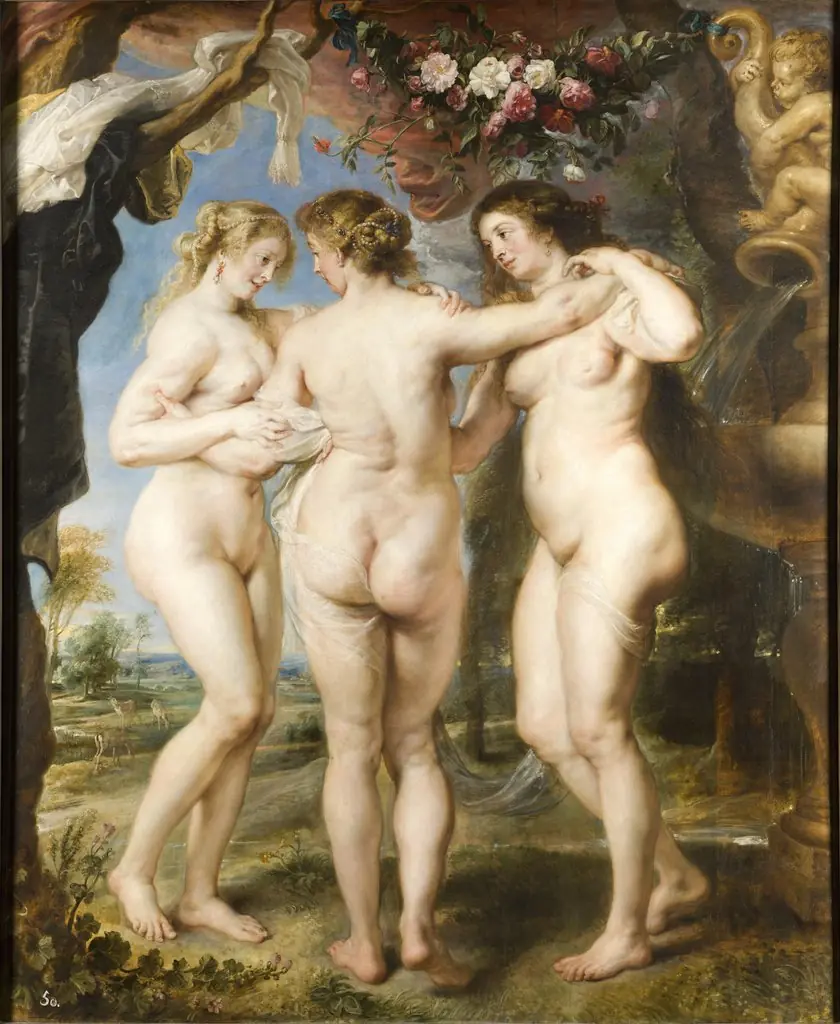
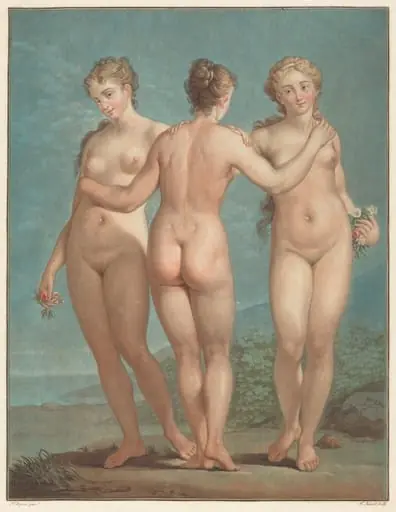
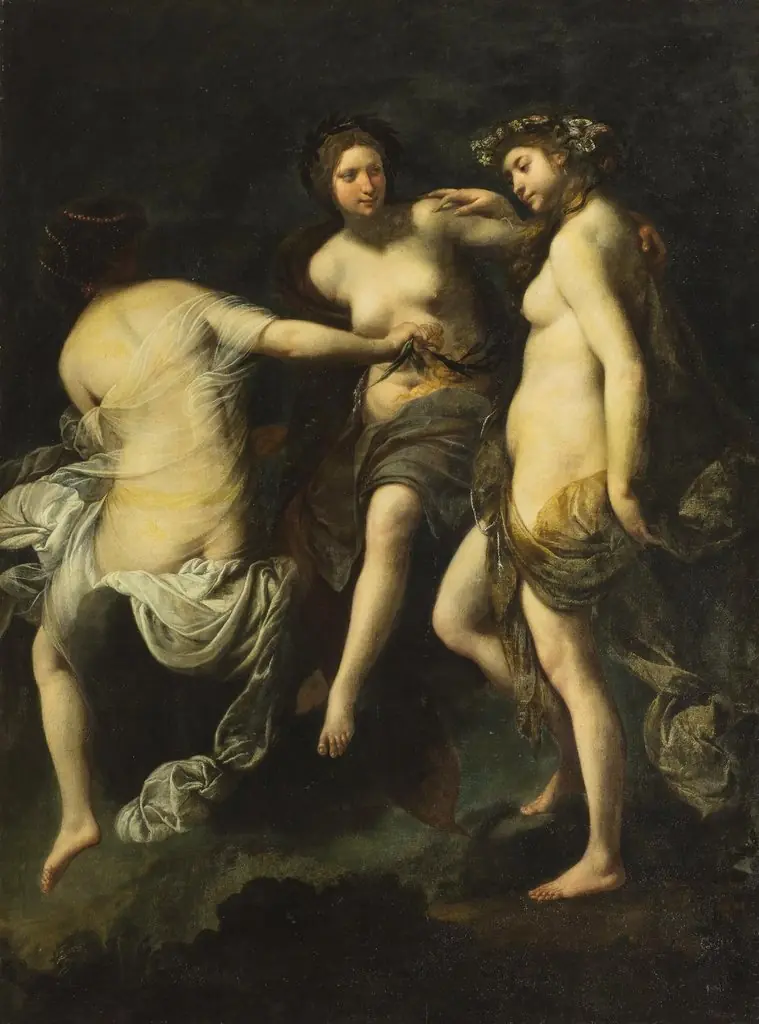
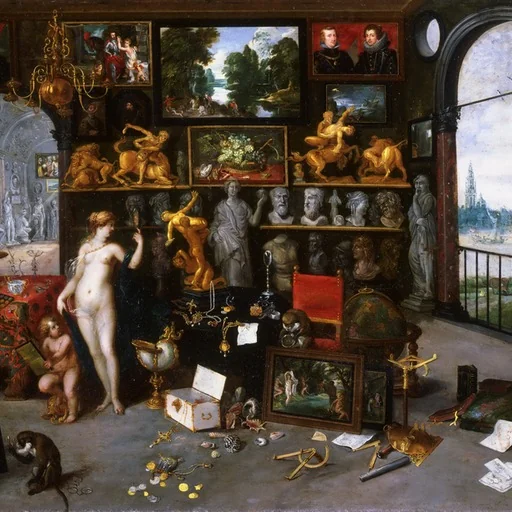
The Three Graces is an oil painting by the Flemish Baroque painting artist Jan Brueghel the Younger. It dates from 1622 and is held in the collection of the Nationalmuseum.
About this work
Overview
Painted in 1622, *The Three Graces* is an oil-on-panel work by Jan Brueghel the Younger, a Flemish artist active in the early Baroque period. It belongs to the mythological tradition popular in the Habsburg Netherlands and reflects the continued influence of his family’s artistic legacy. The painting is part of the Nationalmuseum’s collection in Stockholm.
Subject & Meaning
The painting depicts the three Graces—Aglaea, Euphrosyne, and Thalia—classical goddesses of charm, beauty, and joy, often shown entwined in graceful motion. Their nude forms, arranged in a circular composition, evoke harmony and idealized femininity, aligning with Renaissance humanist ideals adapted into Baroque sensibility through refined detail and soft modeling.
Technique & Style
Brueghel the Younger employed fine brushwork and layered glazes to achieve luminous skin tones and delicate textures in fabric and hair. His approach retains the meticulous detail characteristic of his father’s workshop, yet softens the composition with a more fluid, atmospheric handling, suggesting a transition toward a personal style distinct from his father’s precision.
History & Provenance
The painting was produced in Antwerp, where Brueghel the Younger inherited his father’s studio after the elder’s death in 1625. Though completed in 1622, it likely circulated among collectors in the Southern Netherlands before entering the Swedish royal collection in the 18th century, eventually becoming part of the Nationalmuseum’s holdings.
Context
During the early 17th century, mythological subjects were favored by elite patrons seeking to display cultural refinement. Brueghel the Younger operated within a network of artists and collectors who valued classical themes, blending Northern European realism with Italianate ideals. His work responded to both local traditions and broader European trends in courtly art.
Legacy
While less celebrated than his father or grandfather, Brueghel the Younger’s *The Three Graces* exemplifies the continuity of the Bruegel artistic lineage. His adaptation of mythological subjects helped sustain their popularity in the Low Countries, influencing later generations of Flemish painters who sought to reconcile classical narrative with Northern observational detail.
Artist & collection
Artist
Jan Brueghel (also Bruegel or Breughel) the Younger ( BROY-gəl, US also BROO-gəl; Dutch: ; 13 September 1601 – 1 September 1678) was a Flemish Baroque painter.