Artwork
Fountain in the khan’s palace in Bakhchisaray. From the journey to Crimea
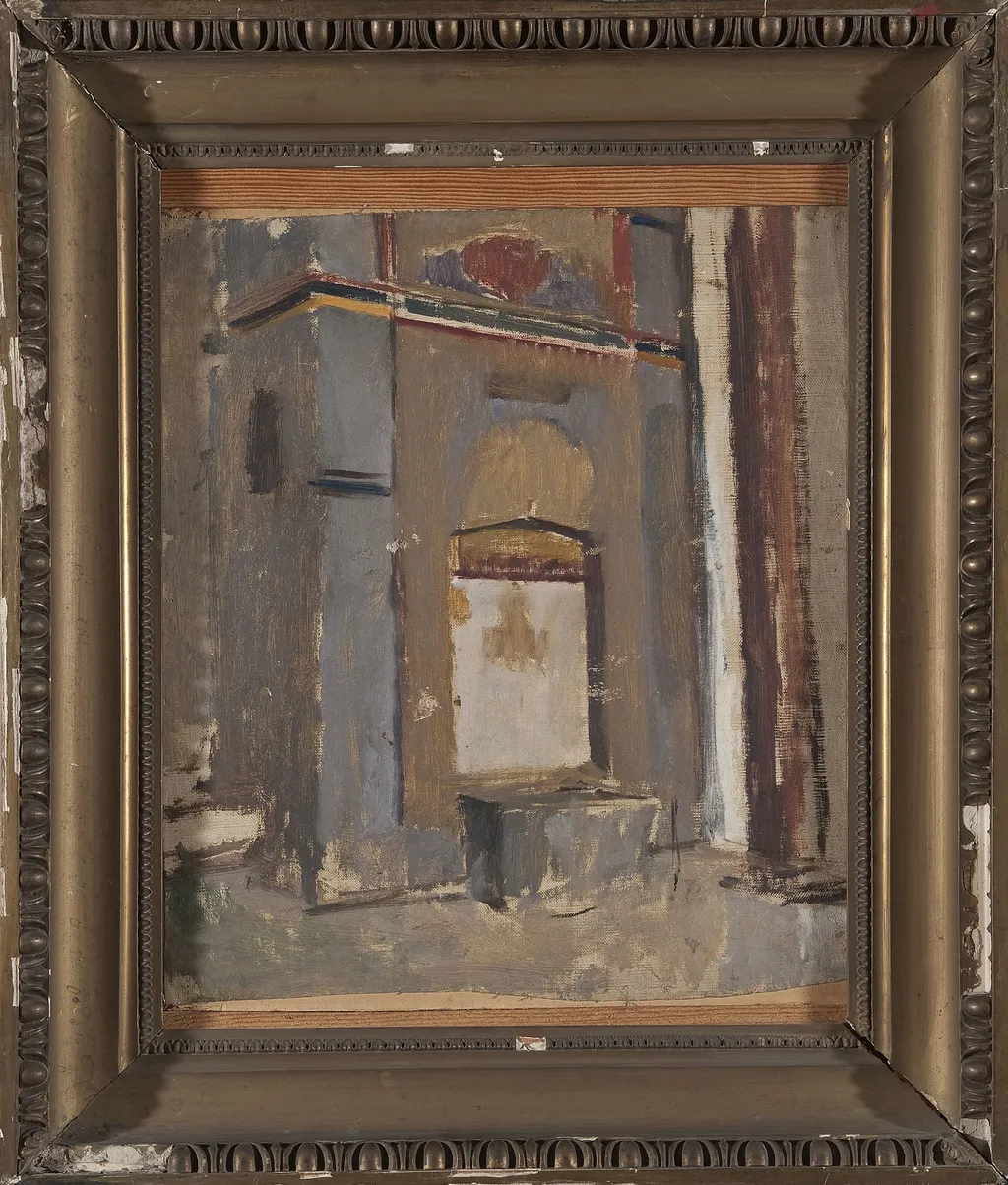
Fountain in the khan’s palace in Bakhchisaray. From the journey to Crimea is an unspecified painting by the Post-Impressionist artist Jan Ciągliński. It dates from 1897 and is held in the collection of the National Museum in Warsaw.
About this work
Overview
Painted in 1897 by Polish artist Jan Ciągliński, this work captures a quiet interior within the Khan’s Palace in Bakhchisaray, Crimea. Created during a trip to the region, the painting reflects Ciągliński’s interest in atmospheric spaces and subtle light. It is part of the National Museum in Warsaw’s collection and aligns with post-Impressionist tendencies, emphasizing mood over narrative detail.
Subject & Meaning
The central subject is a stone fountain, its gentle flow echoing the stillness of the palace chamber. Ornate carvings line the walls, suggesting the layered cultural history of the Crimean Tatar court. The absence of figures and the muted tones invite contemplation, framing the fountain not as a mere architectural feature but as a silent witness to time and memory.
Technique & Style
Ciągliński employs soft, diffused lighting to model the stone surfaces and carved reliefs, using tonal gradations rather than sharp outlines. The chiaroscuro effect enhances depth without theatricality, grounding the scene in quiet realism. Brushwork is deliberate yet unobtrusive, favoring texture and atmosphere over detail, characteristic of post-Impressionist approaches to interior spaces.
History & Provenance
Ciągliński, active in St. Petersburg during the late Russian Empire, traveled to Crimea in the 1890s, documenting its architectural remnants. This painting emerged from that journey and entered the National Museum in Warsaw’s holdings, likely through the artist’s later connections with Polish cultural institutions. Its preservation reflects interest in Eastern European travel art of the period.
Context
In the late 19th century, European artists increasingly turned to the Ottoman and Tatar heritage of Crimea as subjects of quiet ethnographic interest. Ciągliński’s work aligns with this trend, avoiding exoticism in favor of restrained observation. His focus on decayed grandeur resonated with broader fin-de-siècle sensibilities toward historical memory and impermanence.
Legacy
Though not widely known outside Poland and Russia, Ciągliński’s Crimea series contributed to a regional shift in painting toward intimate, light-sensitive interiors. His treatment of architectural spaces influenced later Polish artists exploring Eastern motifs. This painting remains a quiet example of cross-cultural observation in late imperial art, valued for its restraint and sensitivity.
Artist & collection
Artist
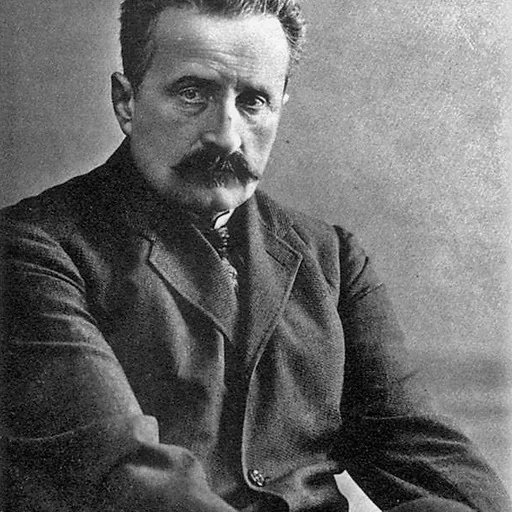
Jan Ciągliński (Polish: ; Russian: Ян/Иван Францевич Ционглинский, romanized: Yan/Ivan Frantsevich Tsionglinskiy; 20 February 1858 – 6 January 1913) was a Polish painter, active in St.

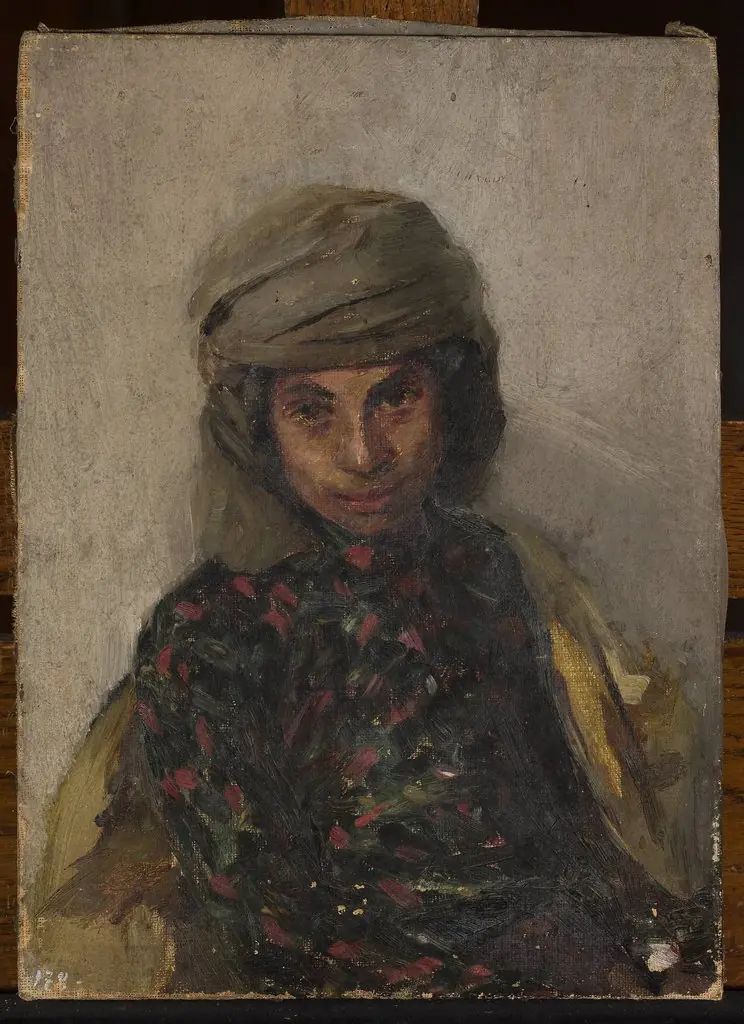
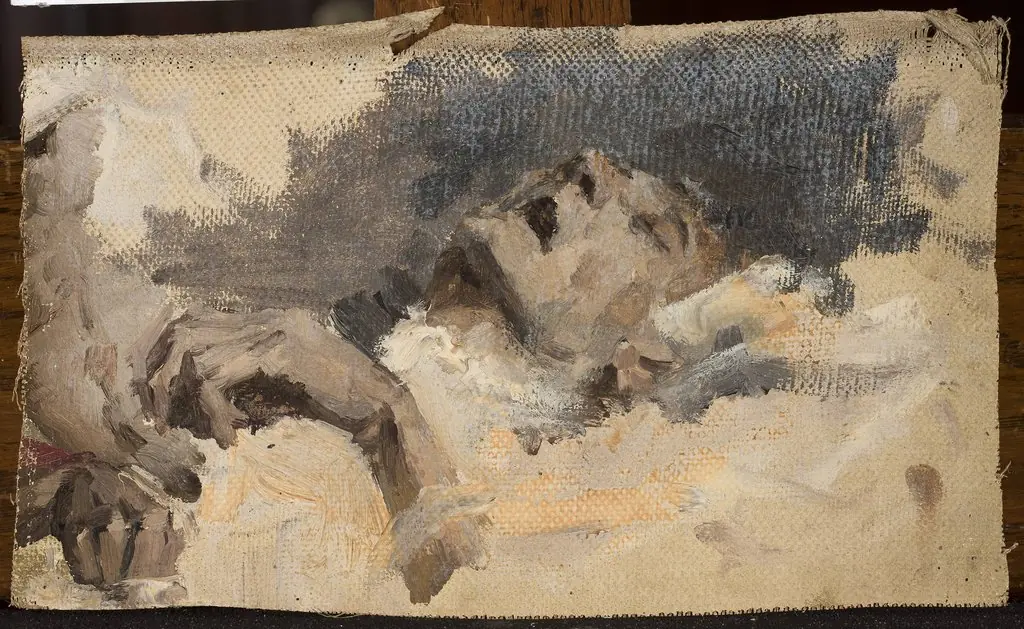
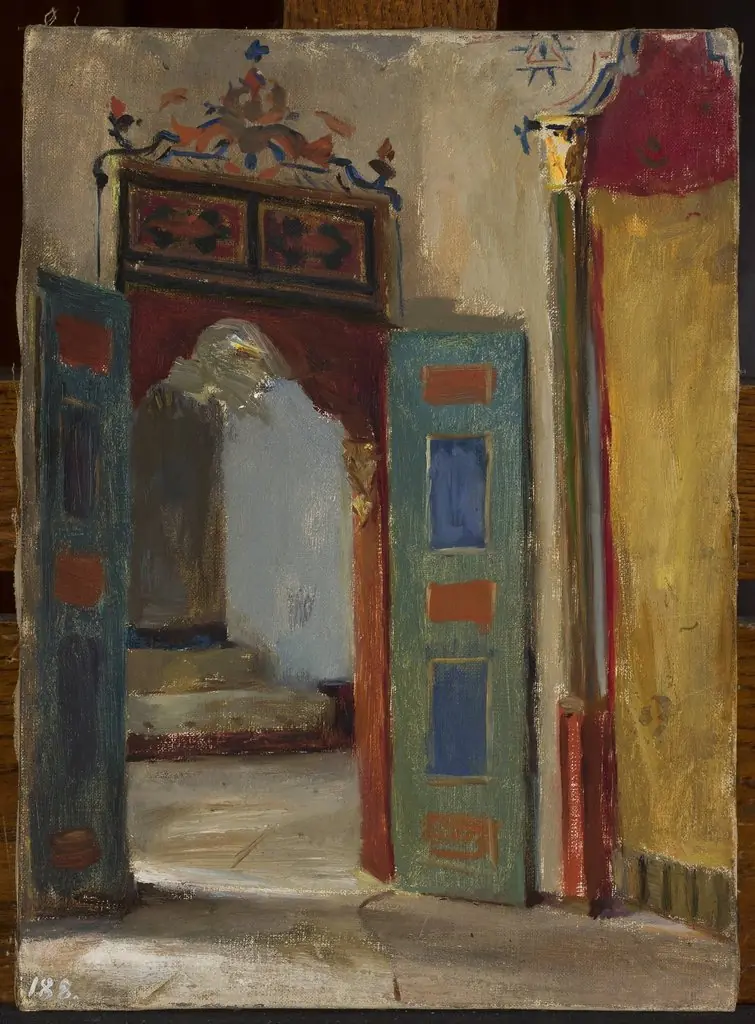 Interior of the khan’s palace in Bakhchisaray. From the journey to Crimea
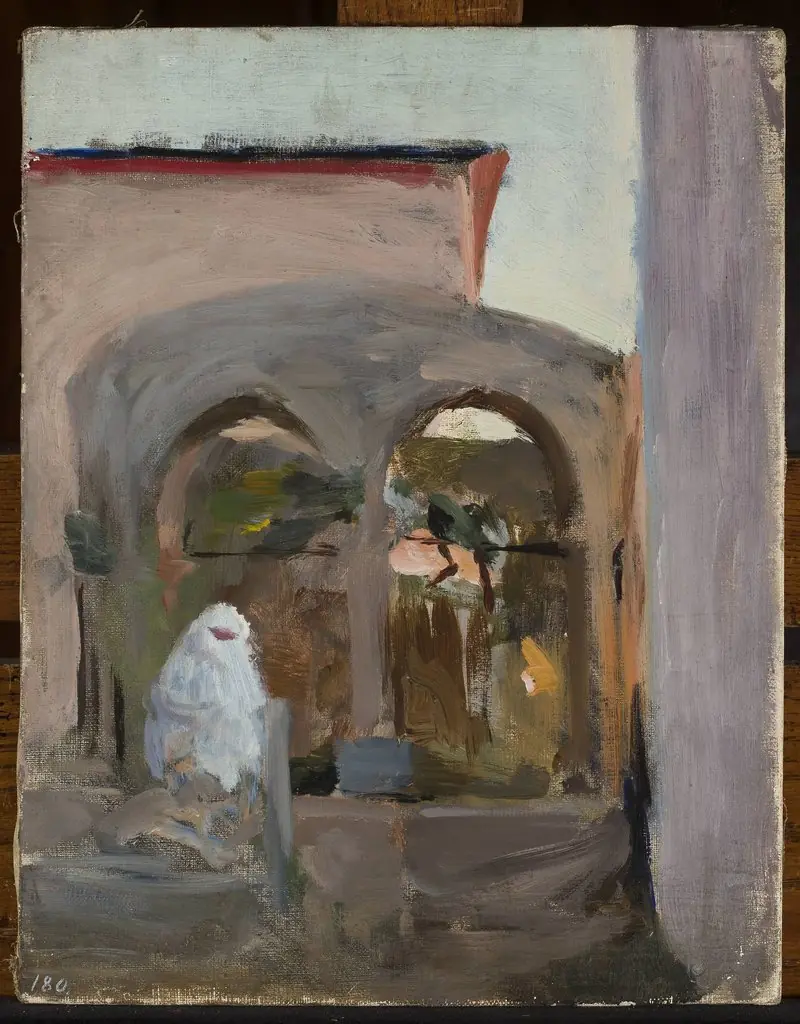 Bakhchisaray. From the journey to Crimea
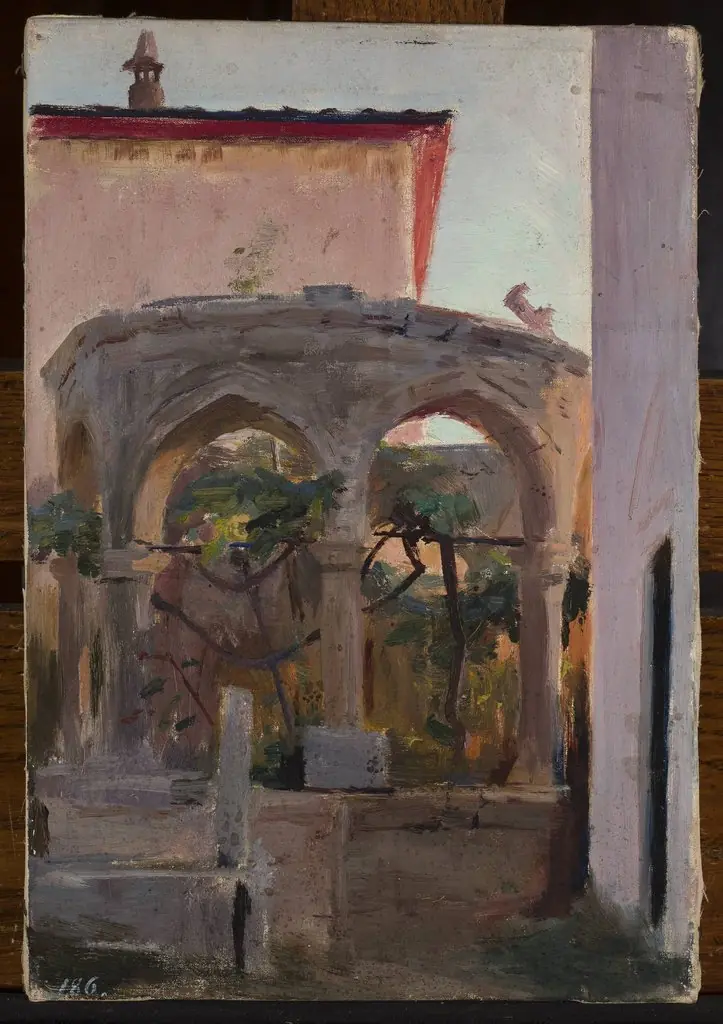 View from Bakhchisaray. From the journey to Crimea
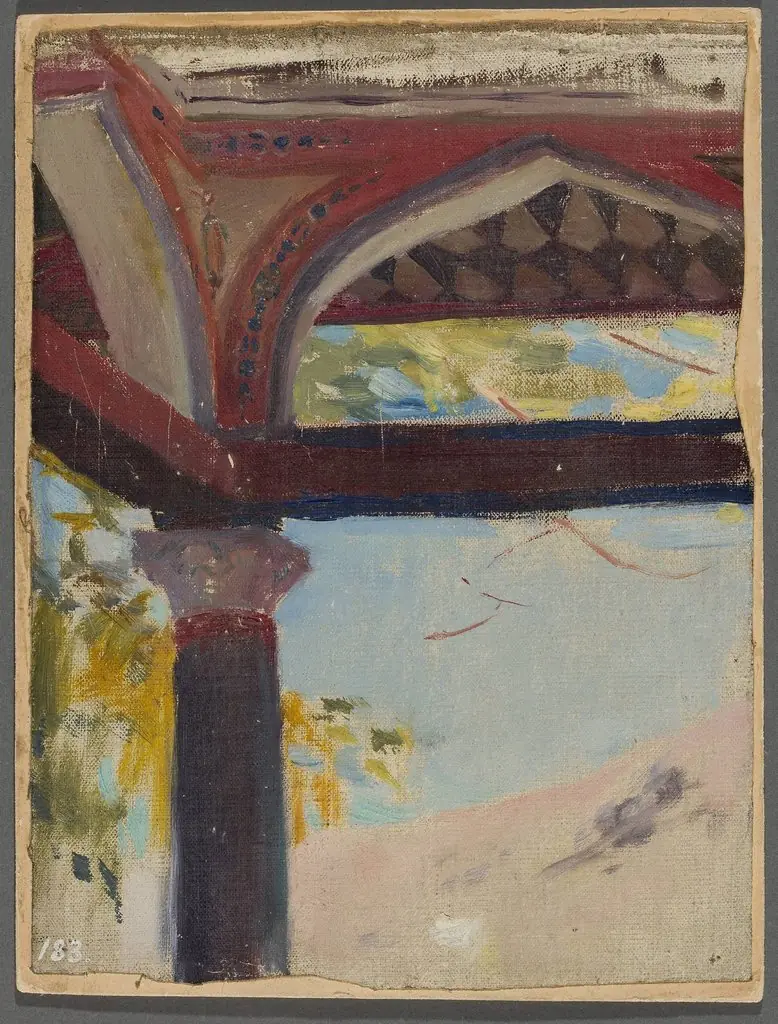 Fragment of summer house of Maria Potocka in Bakhchisaray. From the journey to Crimea
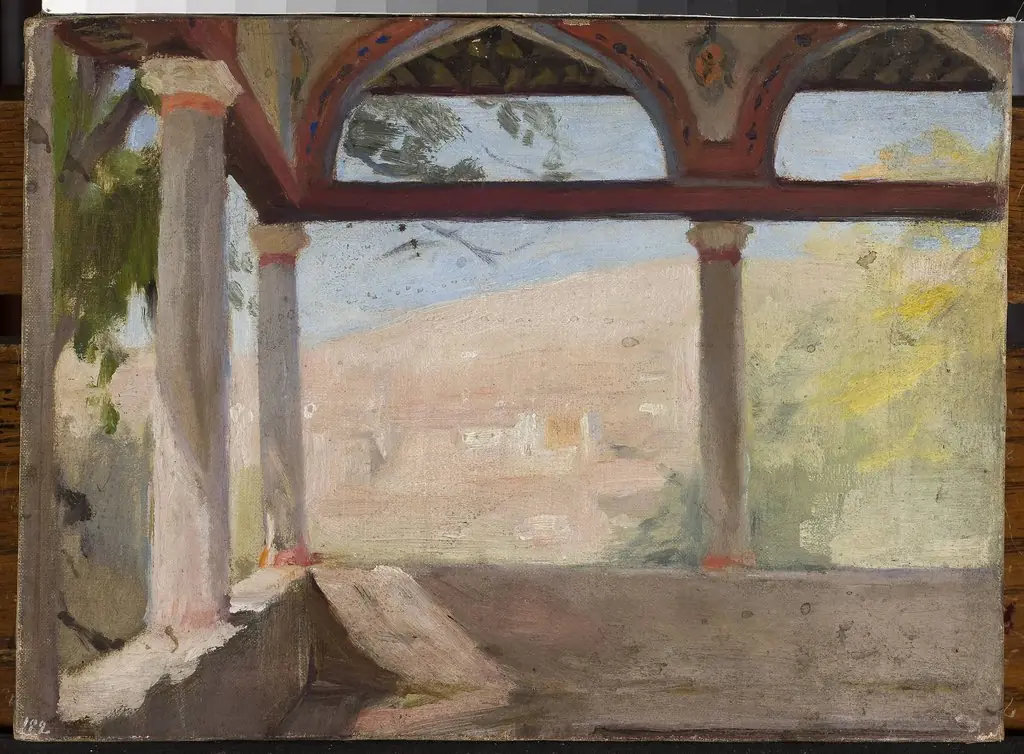 Summer house of Maria Potocka in Bakhchisaray. From the journey to Crimea
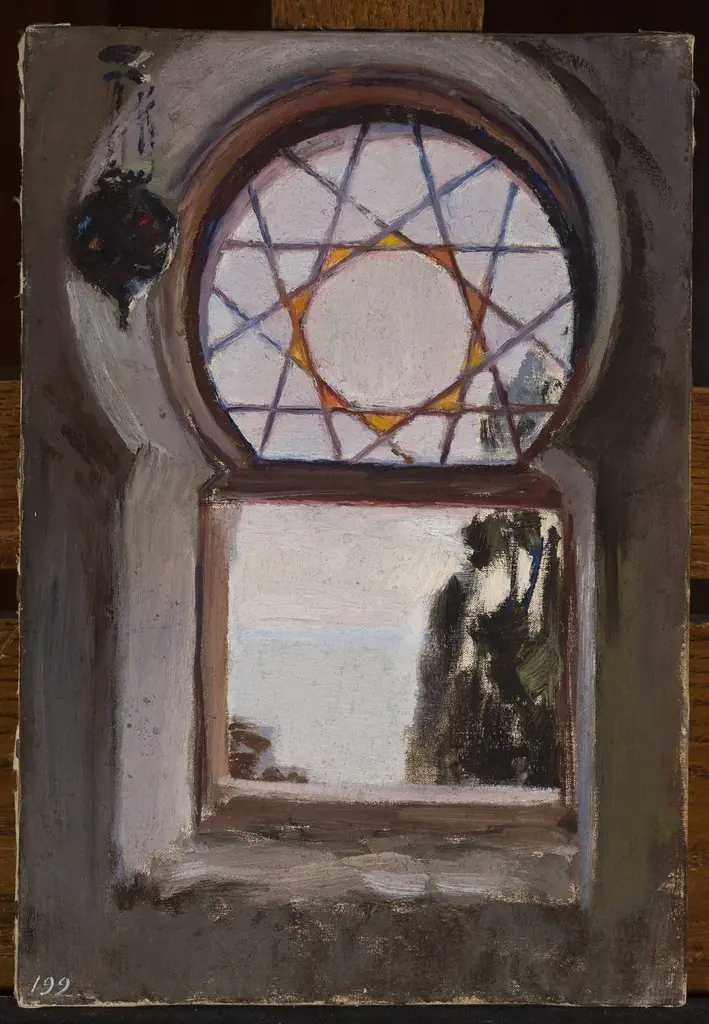 Window of the Bakhchi-Dere villa in Yalta. From the journey to Crimea
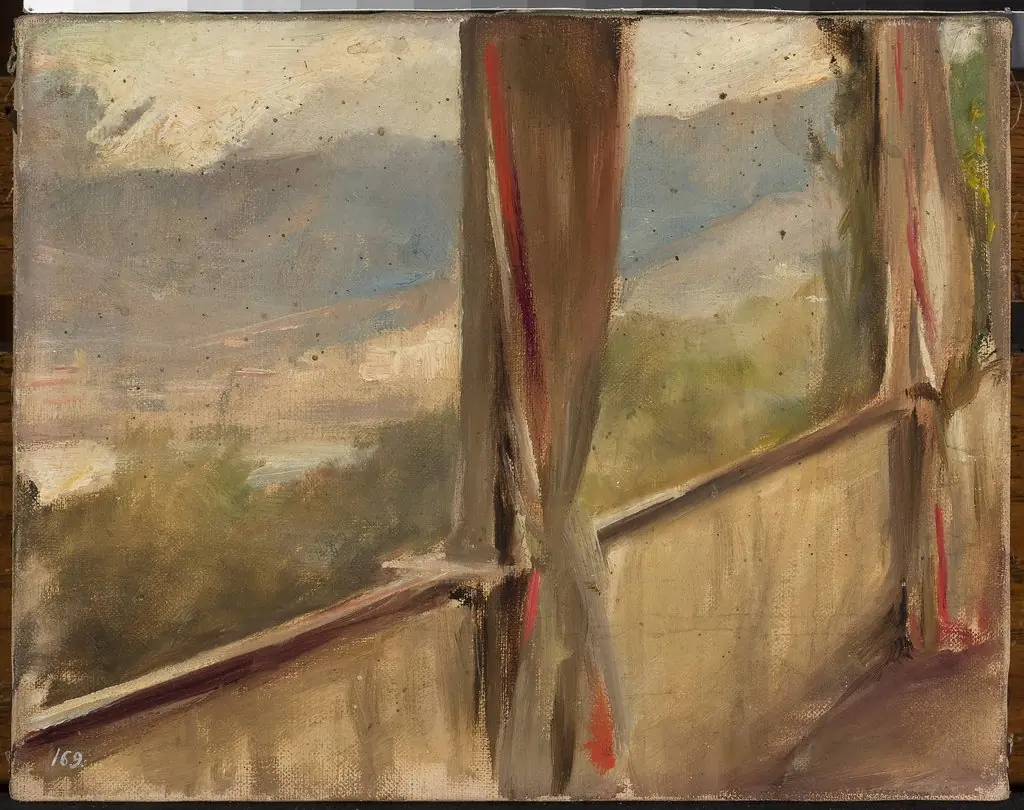 View from Yalta. From the journey to Crimea
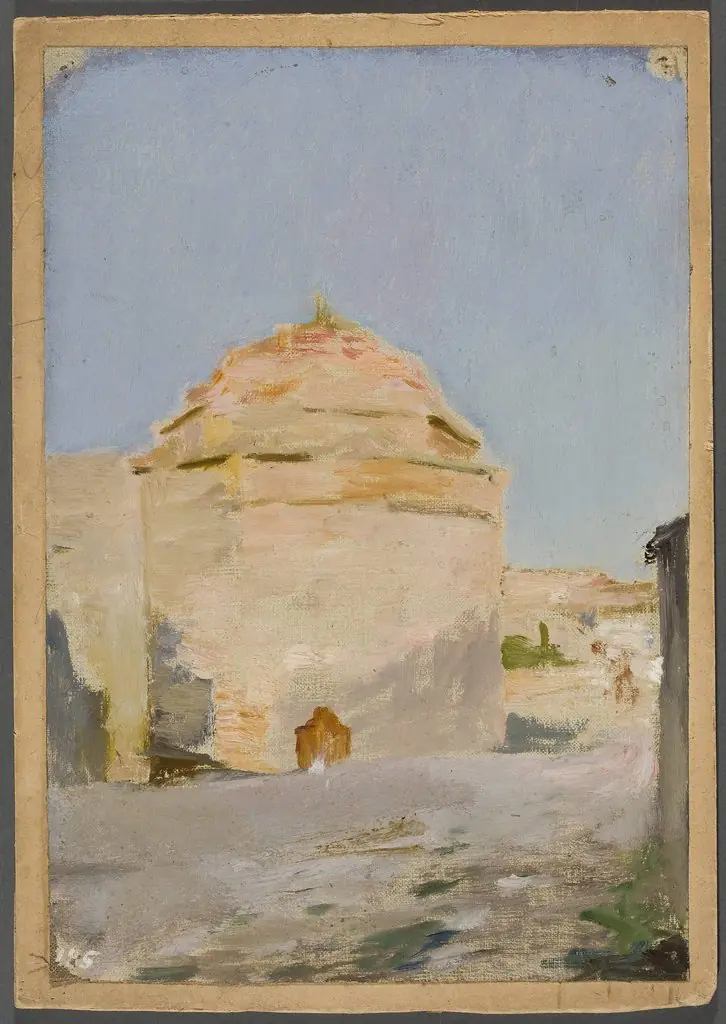 Grave of Maria Potocka in Bakhchisaray. From the journey to Crimea
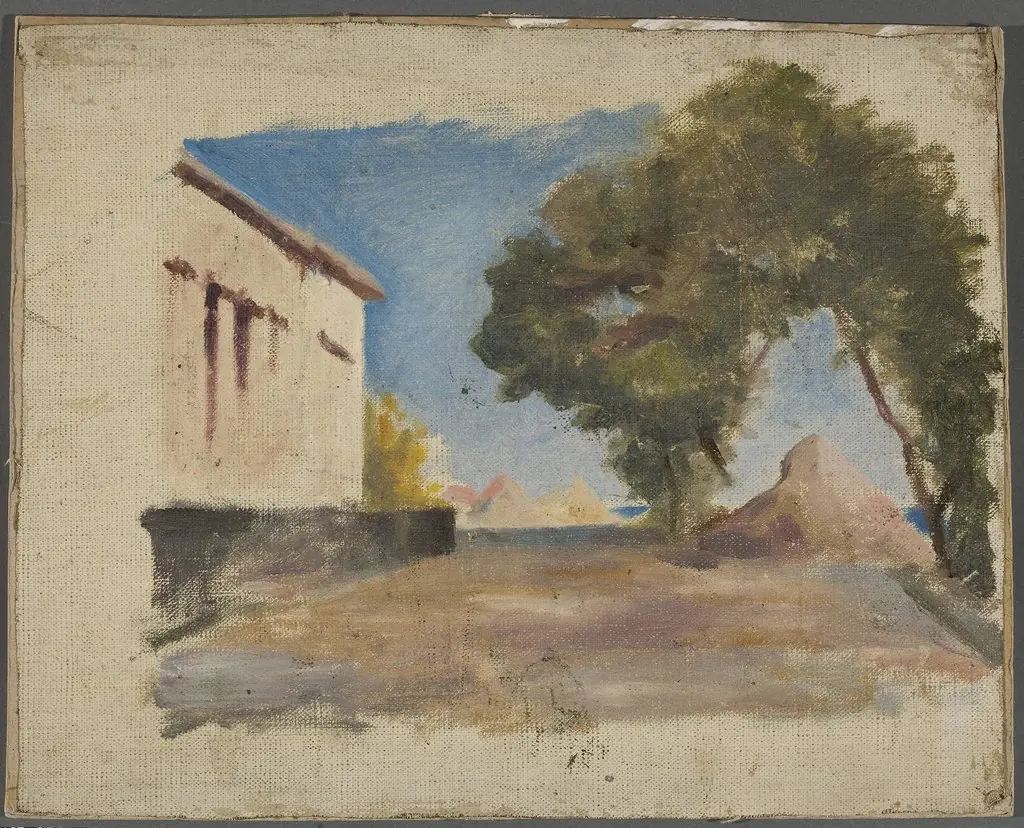 Crimea. From the journey to Crimea