Artwork
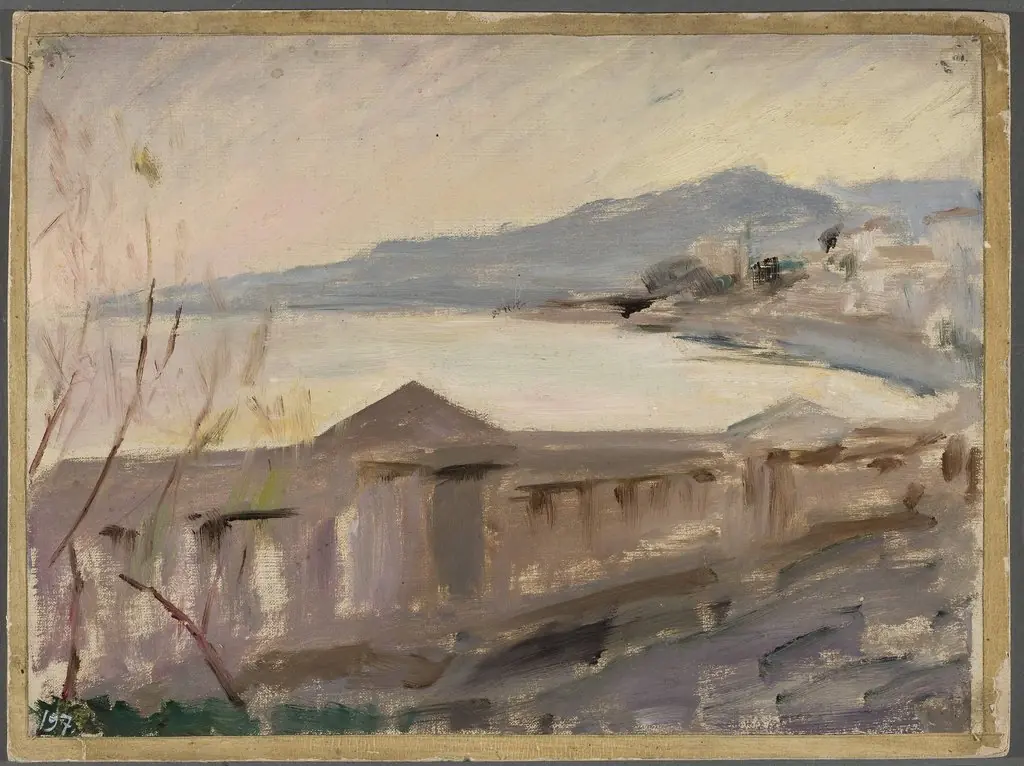
Fragment of summer house of Maria Potocka in Bakhchisaray. From the journey to Crimea
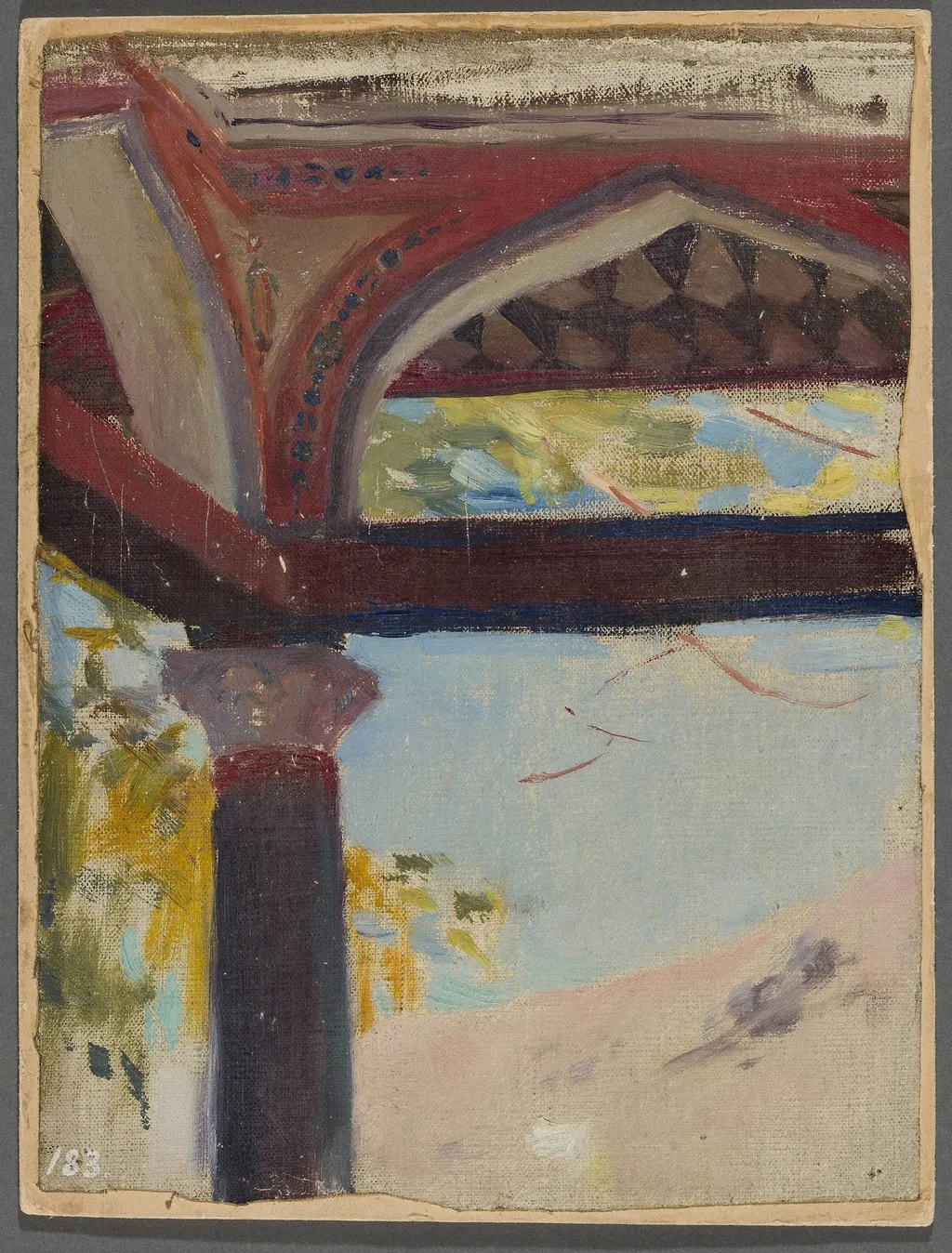
Fragment of summer house of Maria Potocka in Bakhchisaray. From the journey to Crimea is an oil painting by the Post-Impressionist artist Jan Ciągliński. It dates from 1897 and is held in the collection of the National Museum in Warsaw.
About this work
Overview
It is part of the collection at the National Museum in Warsaw, where it stands as one of several travel-inspired works from his career in late 19th-century St.
Painted in 1897 by Polish artist Jan Ciągliński, this oil work captures a portion of a summer residence in Bakhchisaray, Crimea. Created during a journey through the region, the painting reflects Ciągliński’s interest in architectural forms and atmospheric light. It is part of the collection at the National Museum in Warsaw, where it stands as one of several travel-inspired works from his career in late 19th-century St. Petersburg.
Subject & Meaning
The painting focuses on a section of Maria Potocka’s summer house, emphasizing its distinctive striped roof and integration with the surrounding landscape. Rather than presenting a grand vista, Ciągliński isolates a quiet architectural fragment, suggesting intimacy and transience. The choice of subject reflects an interest in local vernacular structures, subtly documenting cultural and spatial details of Crimea’s elite residences during the Russian imperial period.
Technique & Style
Ciągliński employed oil paint with loose brushwork and a restrained palette of red, white, and soft blues to convey texture and sunlight. The composition avoids sharp detail, favoring broad planes of color and subtle tonal shifts. While rooted in Impressionist observation, the forms are slightly simplified, aligning the work with early Post-Impressionist tendencies that prioritize structure over fleeting effects.
History & Provenance
Created during Ciągliński’s travels in Crimea, the painting entered the National Museum in Warsaw’s collection in the early 20th century. Its preservation reflects the museum’s broader interest in Polish artists who engaged with imperial and regional landscapes. The work’s provenance is well-documented, with no evidence of significant ownership changes since its acquisition.
Context
In the late 1890s, Russian and Polish artists increasingly traveled to Crimea, drawn by its climate and multicultural architecture. Ciągliński’s work emerged amid a broader trend of documenting regional vernaculars, often overlooked by academic painters. His focus on modest structures like Potocka’s summer house contrasts with grand imperial narratives, offering a quieter, more personal view of the empire’s periphery.
Legacy
Though not widely exhibited outside Poland, this painting contributes to understanding the development of non-academic painting in the Russian Empire. Ciągliński’s approach influenced later Polish artists interested in landscape and architectural observation. His work remains a quiet but significant record of how travelers interpreted Crimea’s built environment during a period of political and cultural transition.
Artist & collection
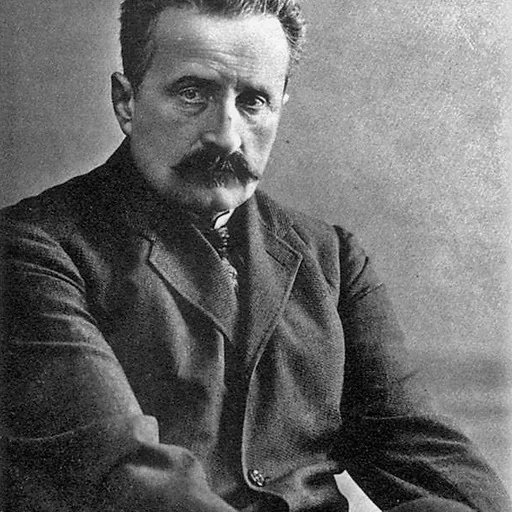
Artist
Jan Ciągliński (Polish: ; Russian: Ян/Иван Францевич Ционглинский, romanized: Yan/Ivan Frantsevich Tsionglinskiy; 20 February 1858 – 6 January 1913) was a Polish painter, active in St.

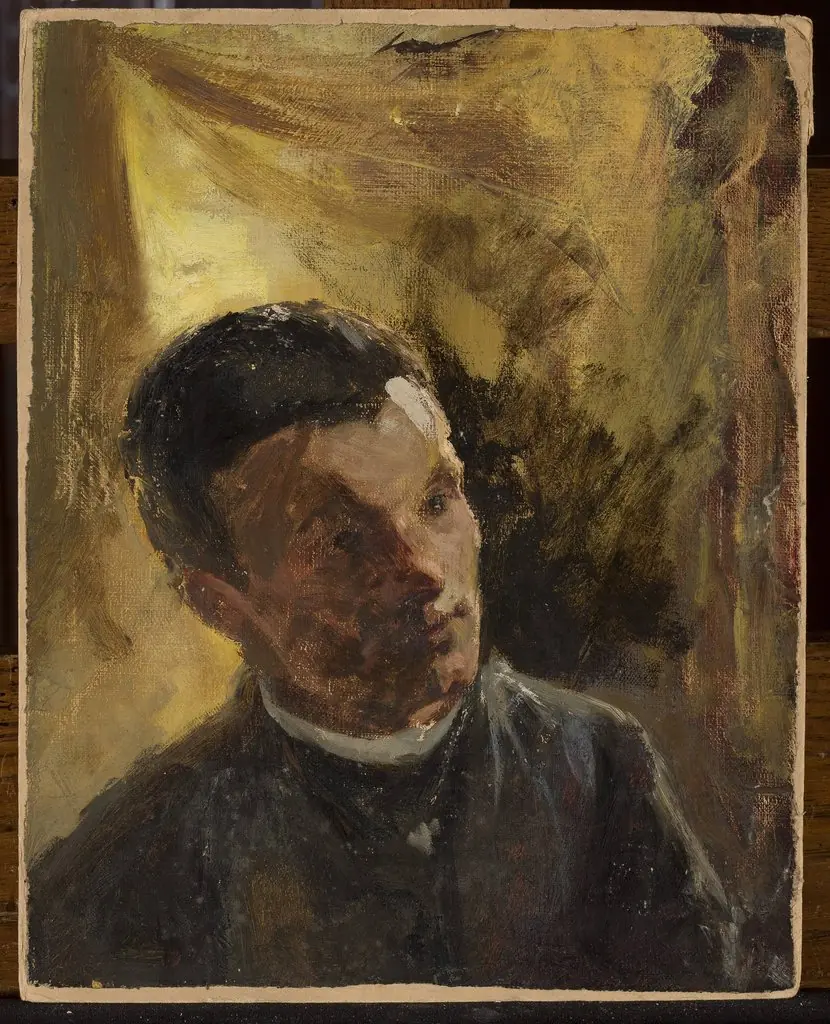
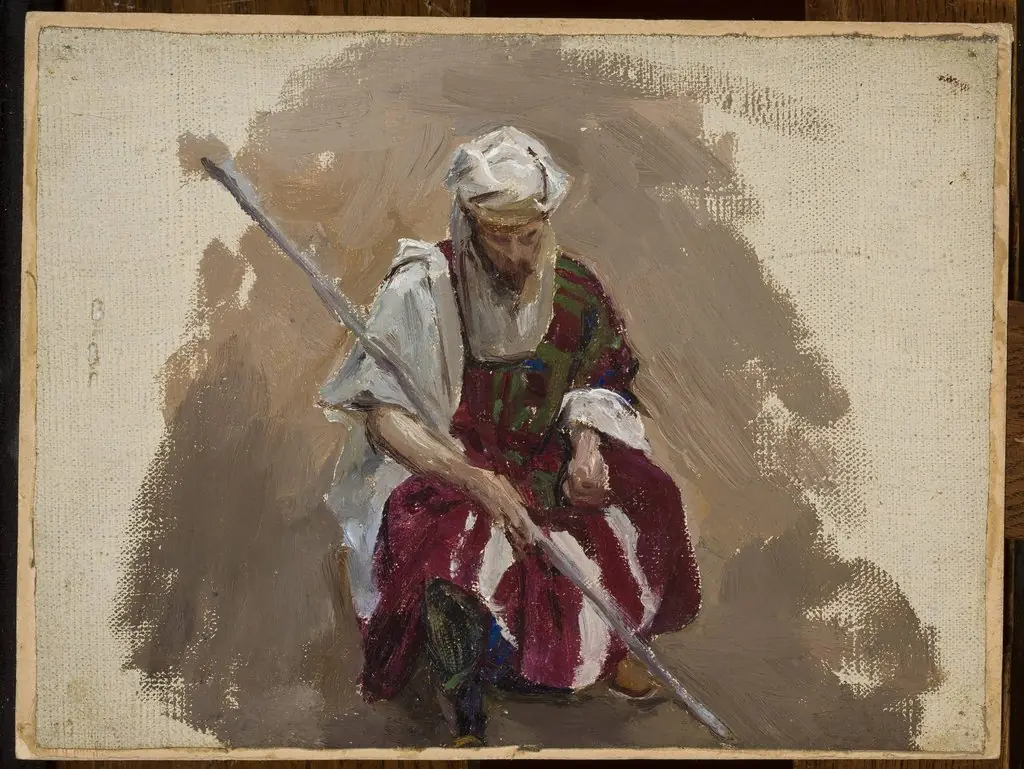
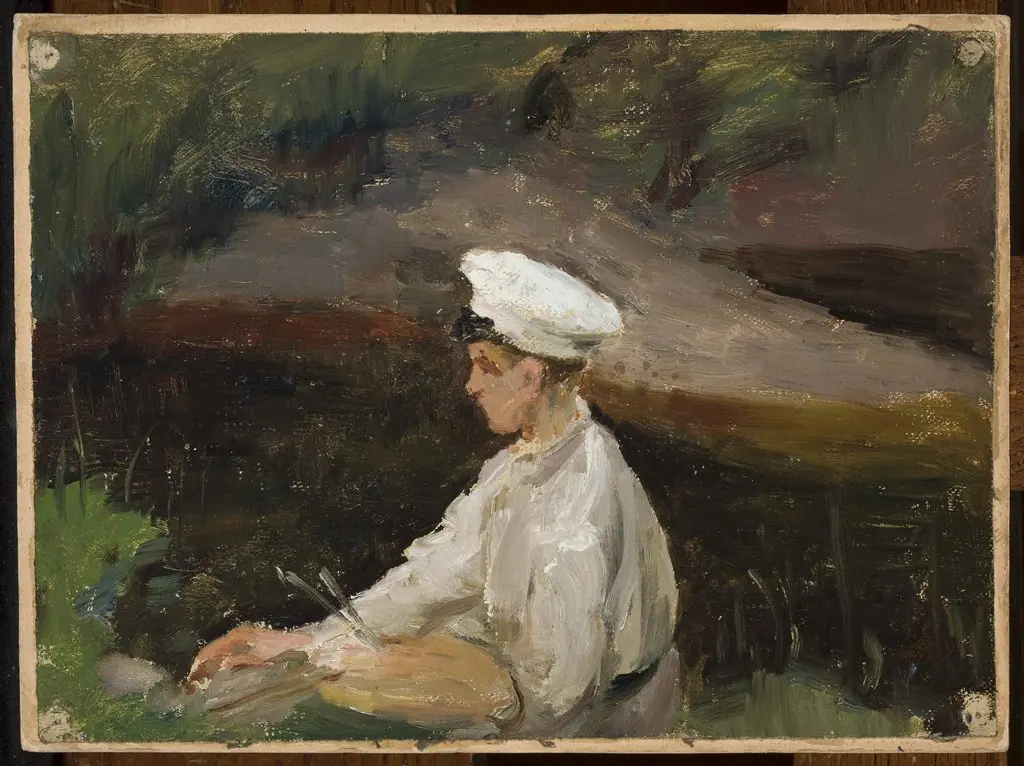
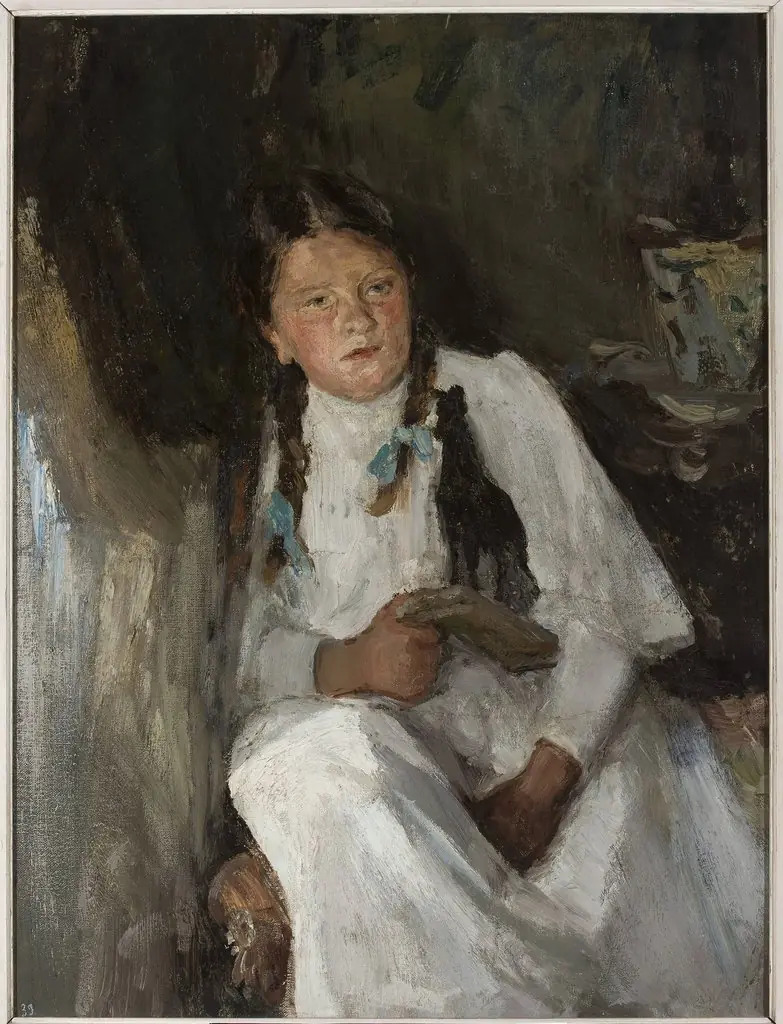
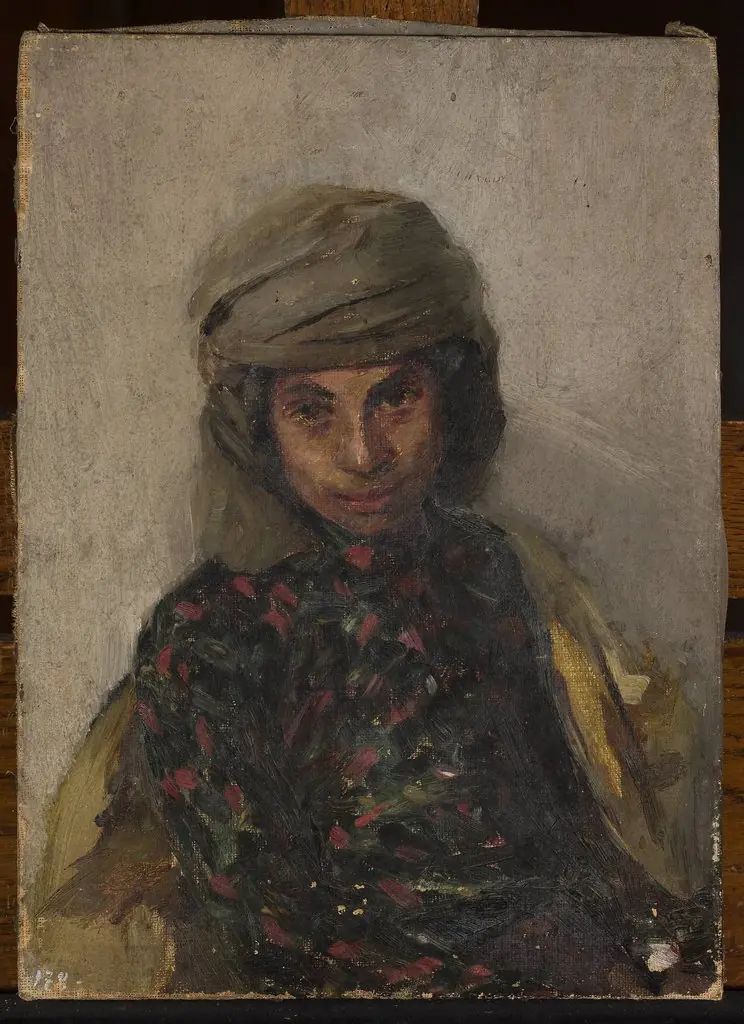
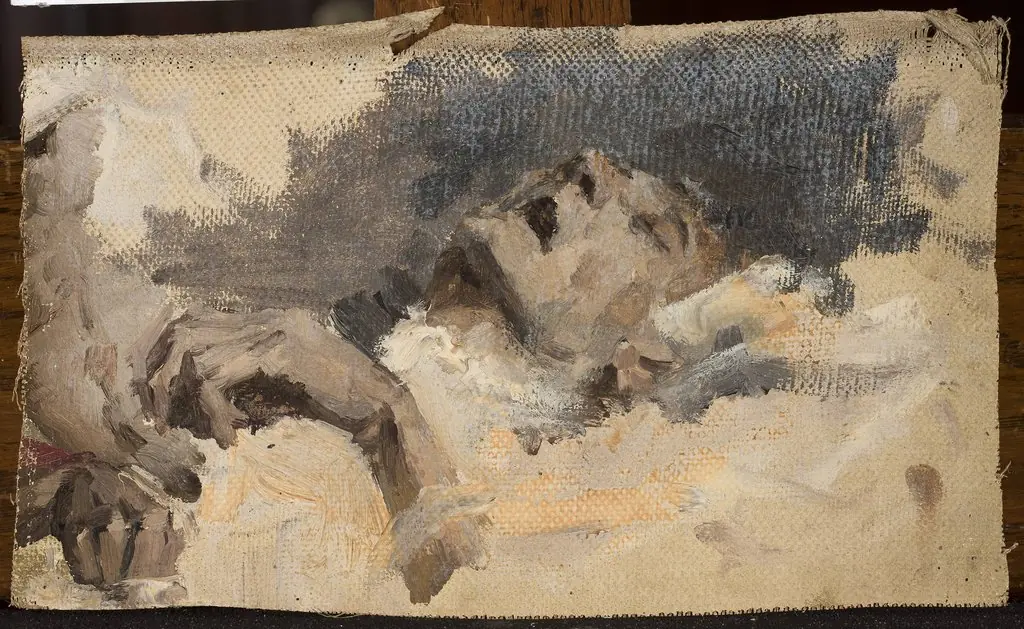
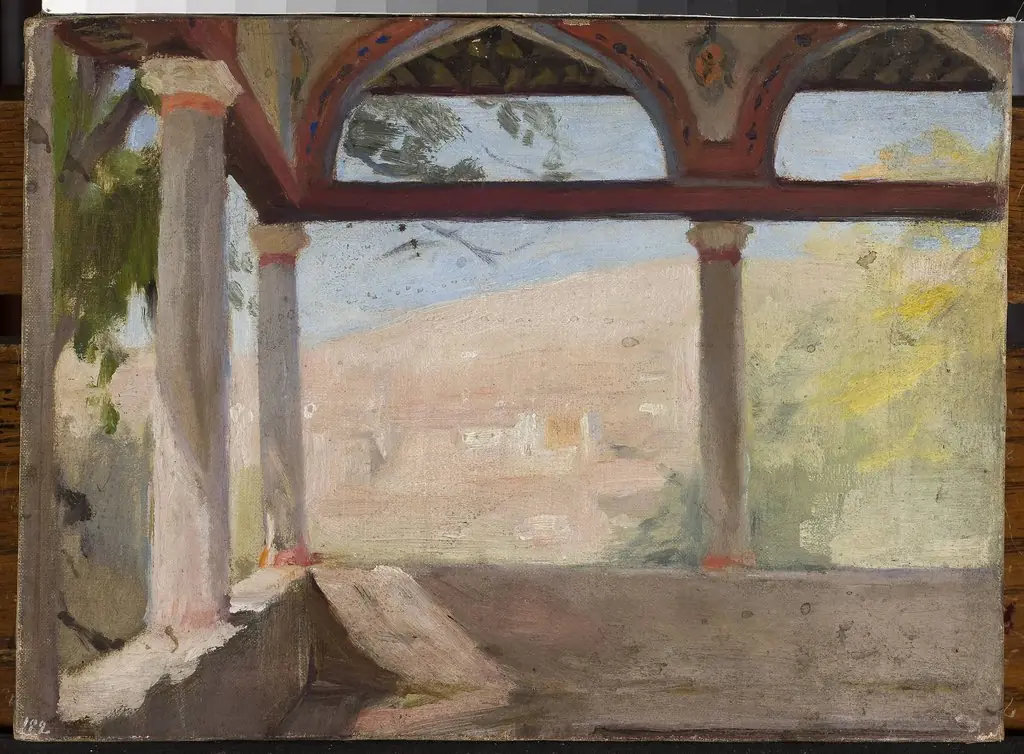 Summer house of Maria Potocka in Bakhchisaray. From the journey to Crimea
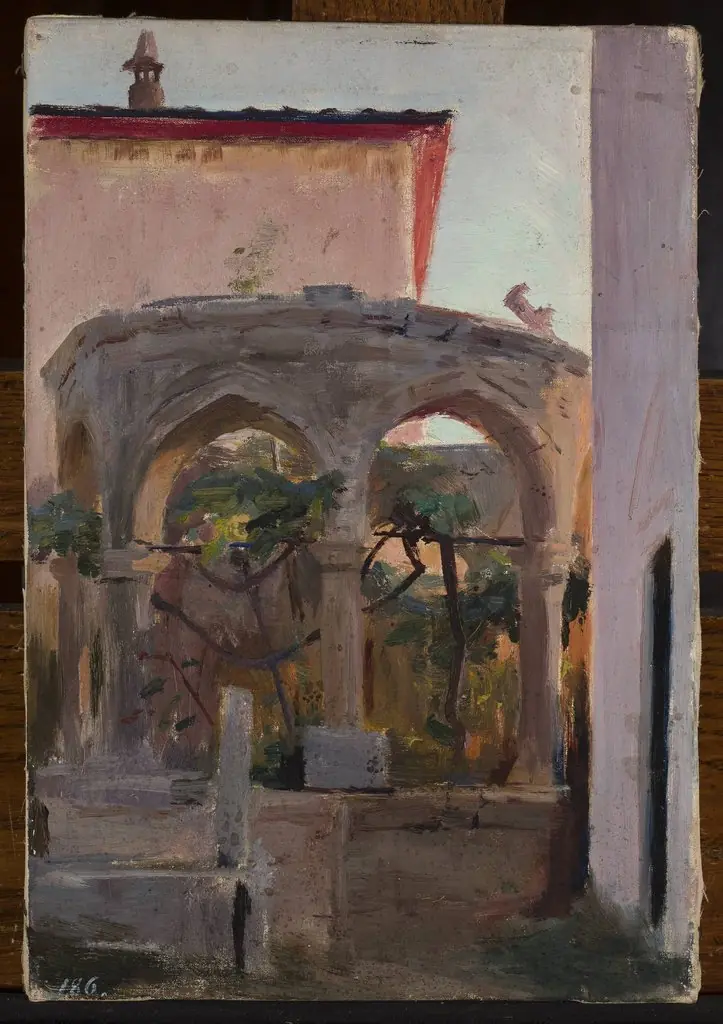 View from Bakhchisaray. From the journey to Crimea
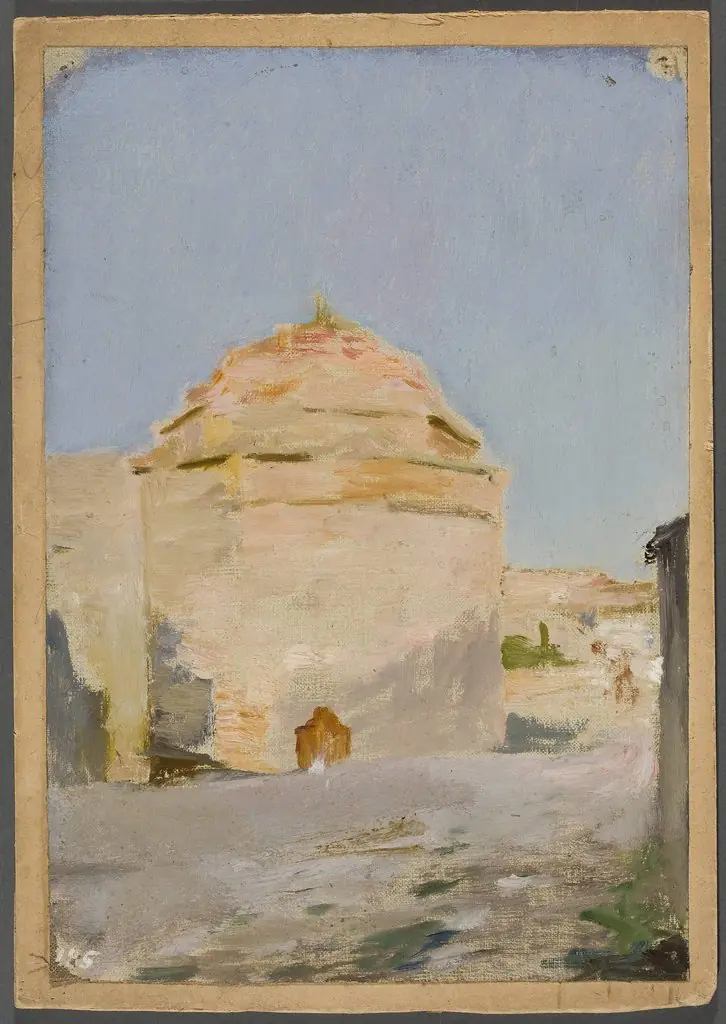 Grave of Maria Potocka in Bakhchisaray. From the journey to Crimea
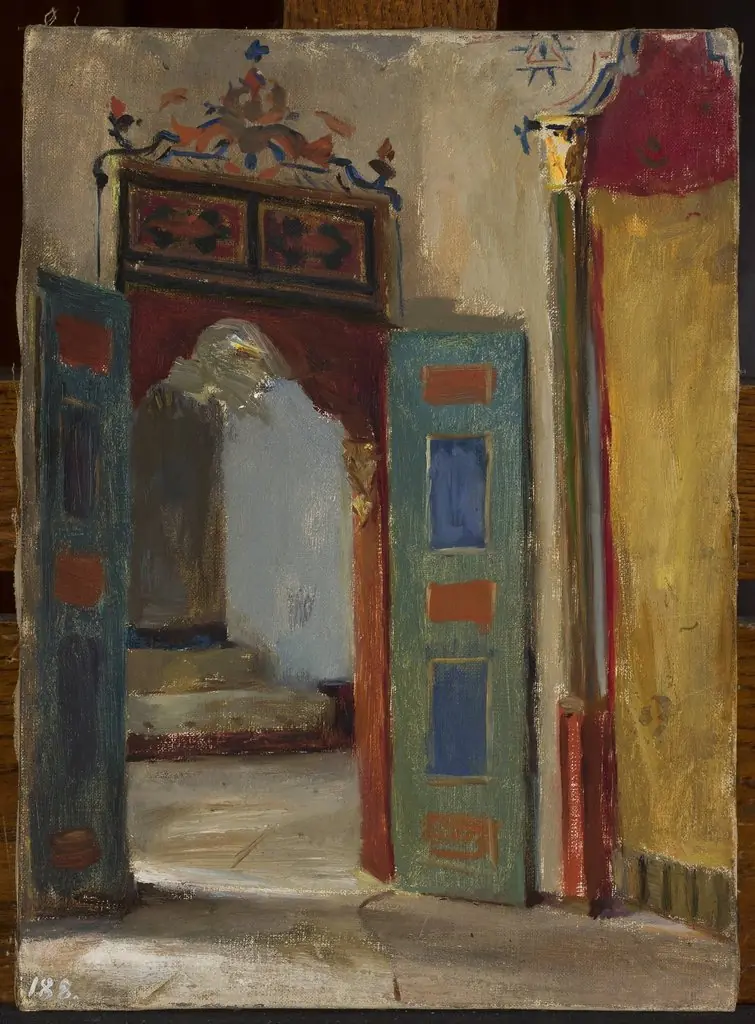 Interior of the khan’s palace in Bakhchisaray. From the journey to Crimea
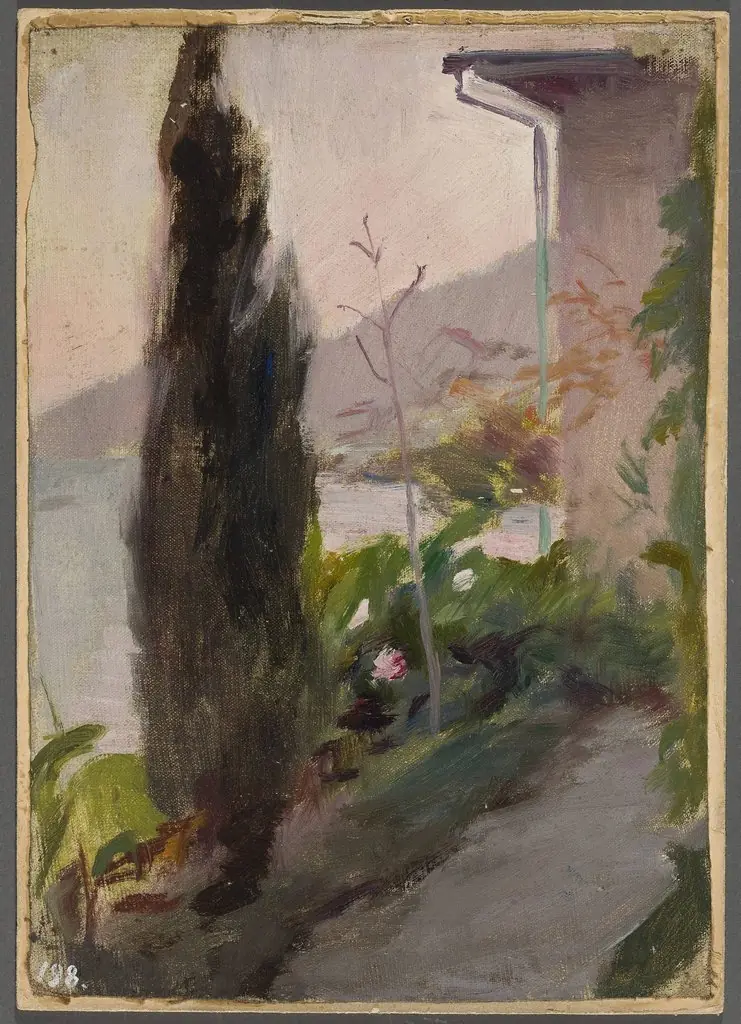 Garden of the Bakhchi-Dere villa in Yalta. From the journey to Crimea
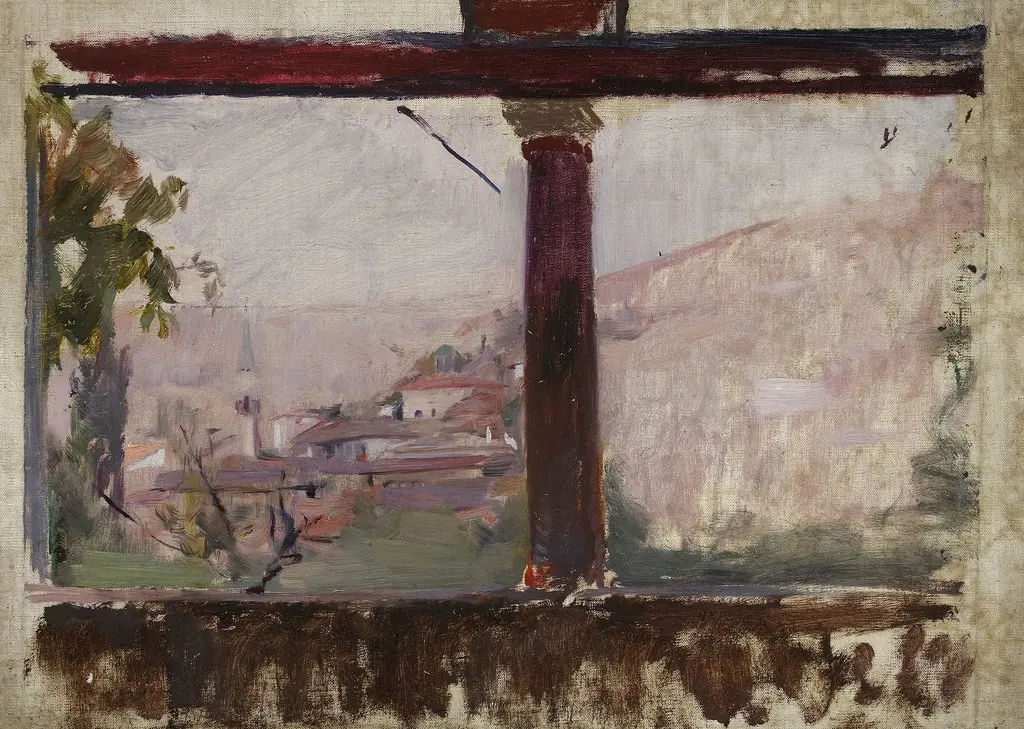 Summer house of Maria Potocka in Bakhchisaray. From the journey to Crimea
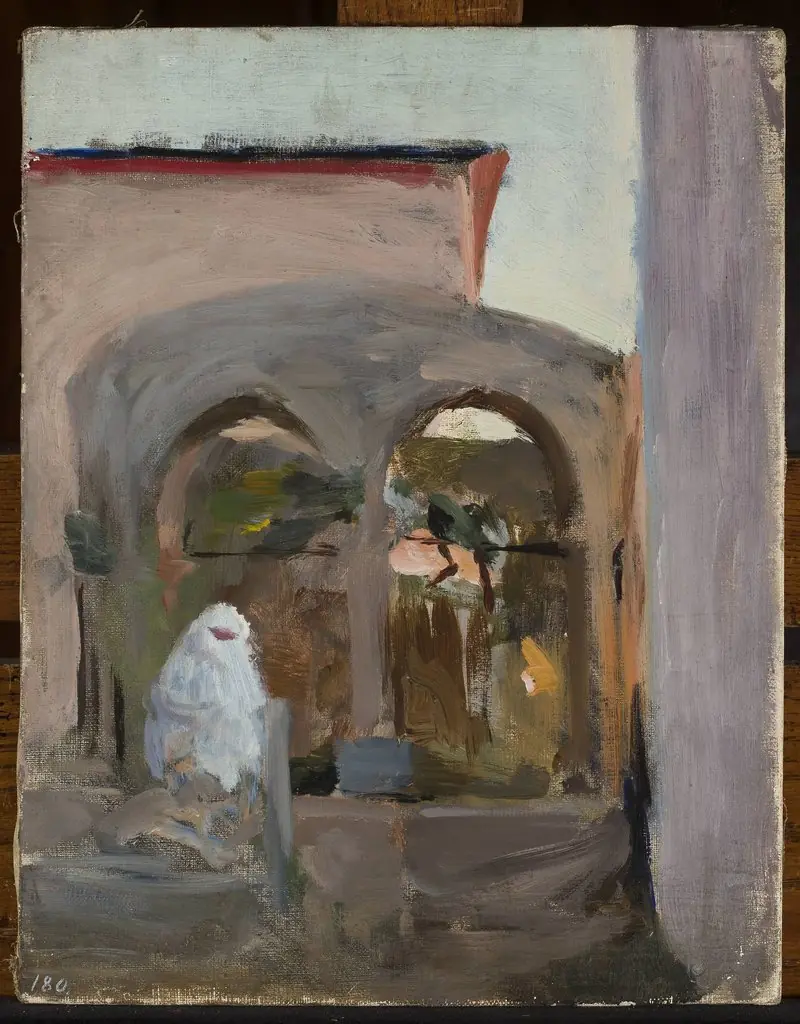 Bakhchisaray. From the journey to Crimea
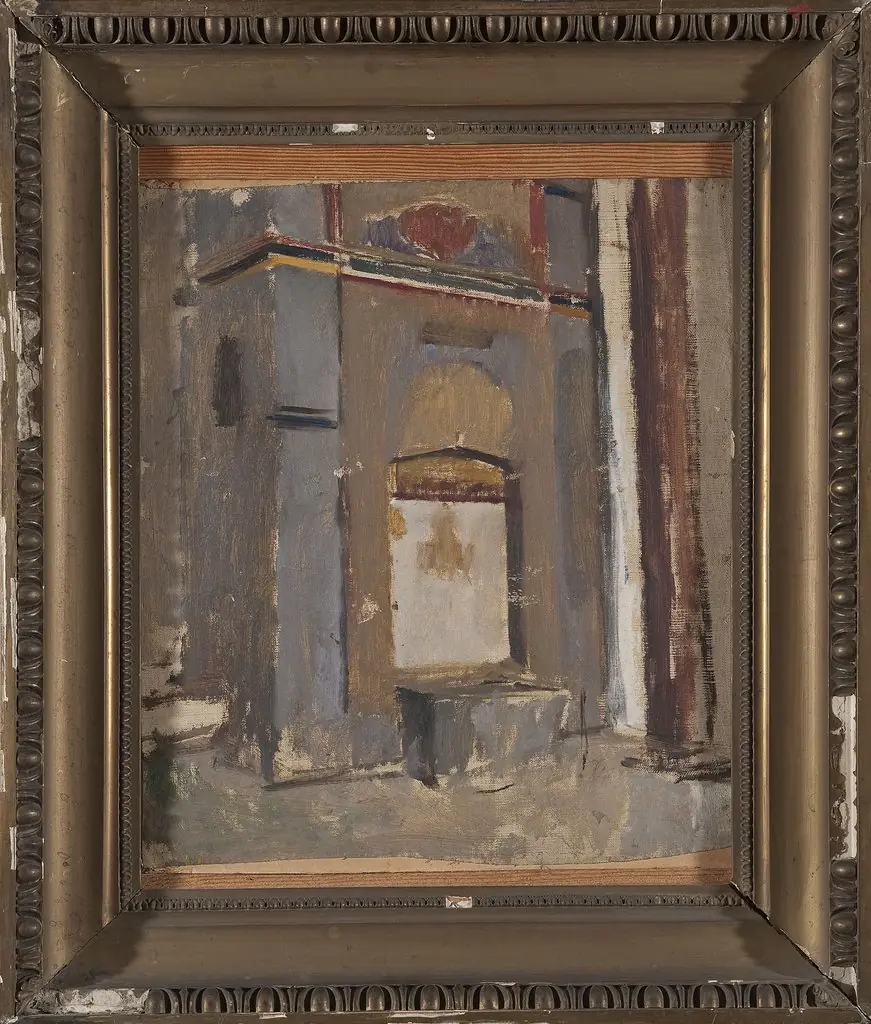 Fountain in the khan’s palace in Bakhchisaray. From the journey to Crimea
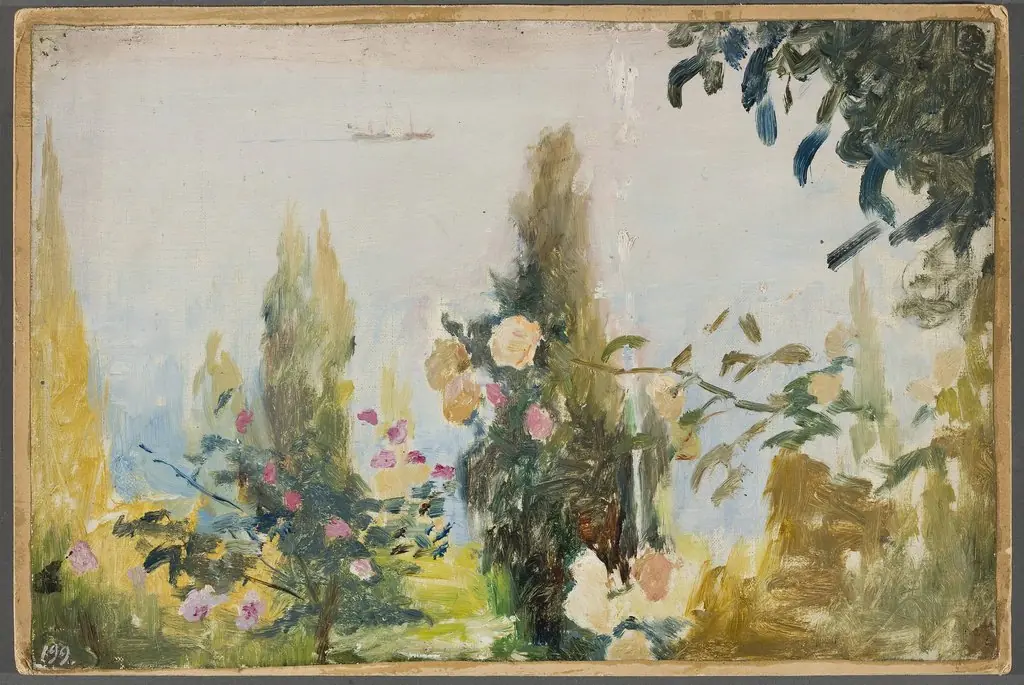 Garden of the Bakhchi-Dere villa in Yalta. From the journey to Crimea
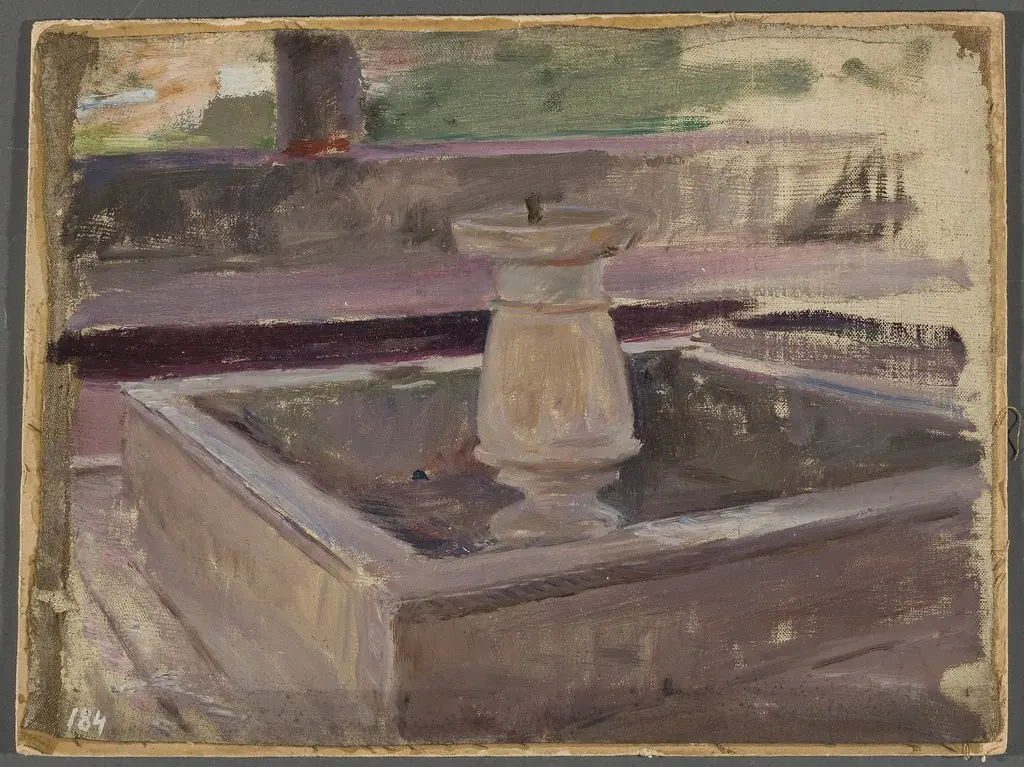 Fountain in the khan’s palace in Bakhchisaray. From the journey to Crimea
 Lower terrace of the Bakhchi-Dere villa. From the journey to Crimea