Artwork
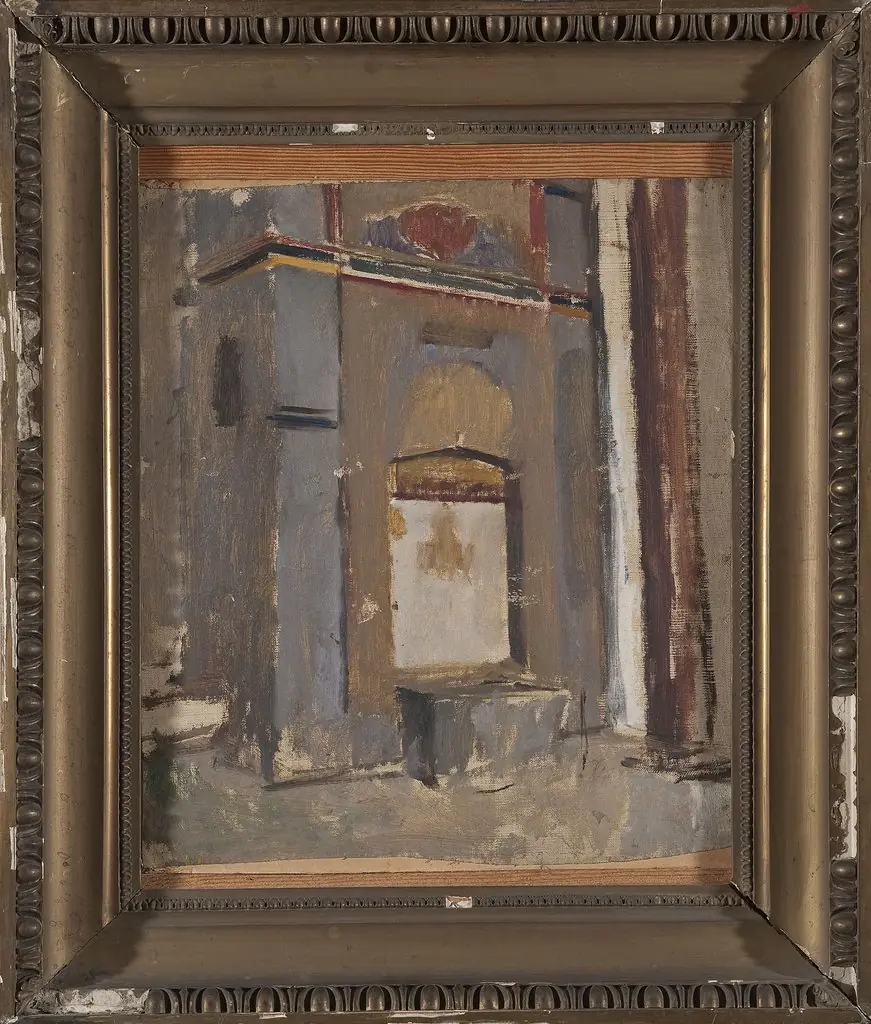
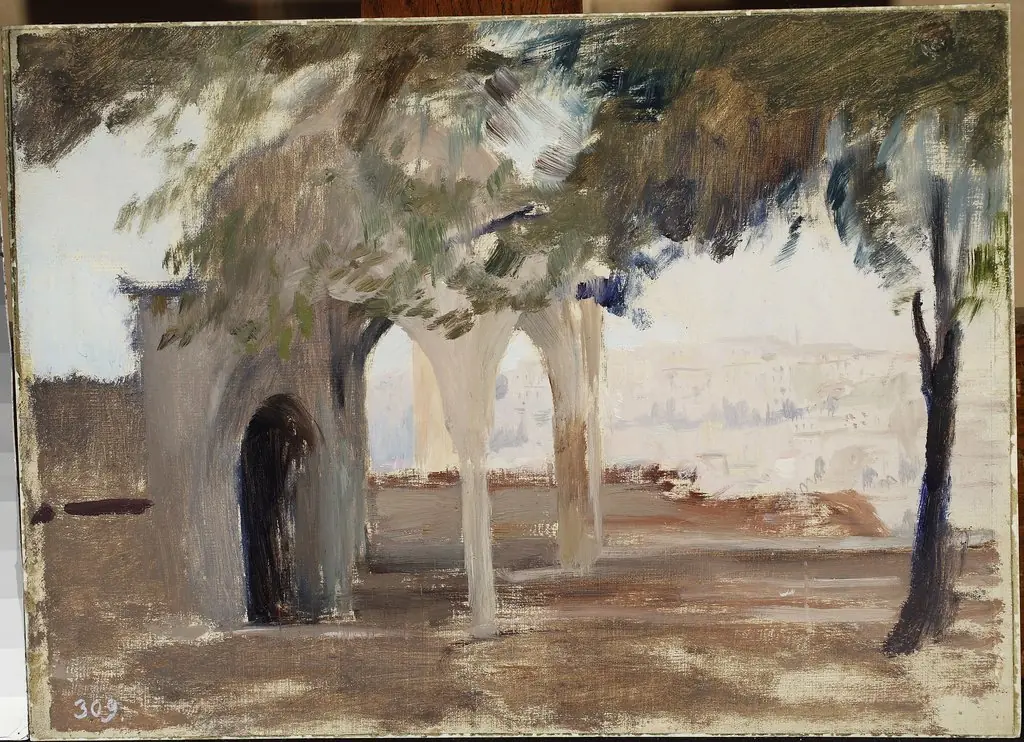
Interior of the khan’s palace in Bakhchisaray. From the journey to Crimea
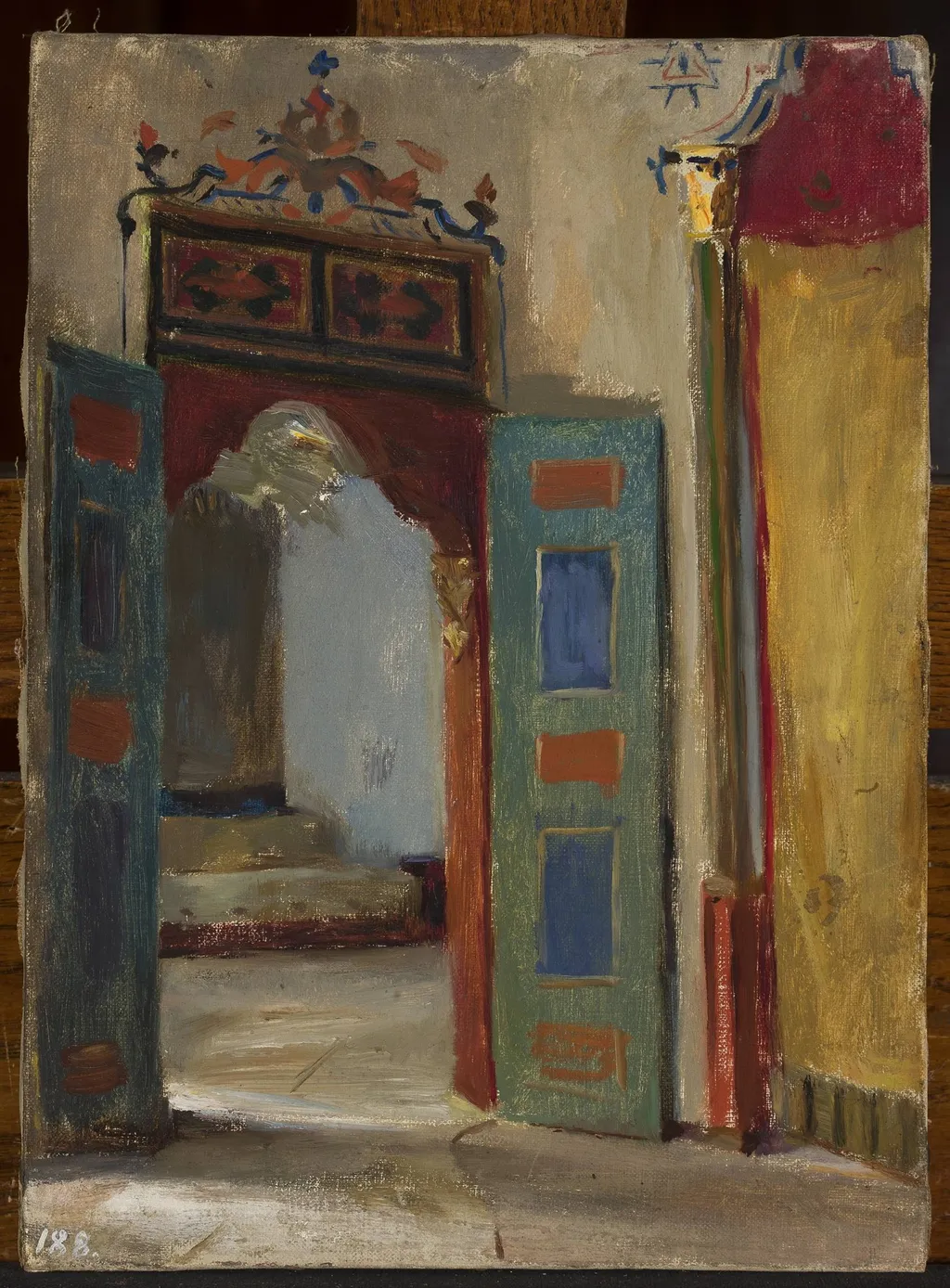
Interior of the khan’s palace in Bakhchisaray. From the journey to Crimea is an oil painting by the Post-Impressionist artist Jan Ciągliński. It dates from 1897 and is held in the collection of the National Museum in Warsaw.
About this work
Overview
It belongs to a series of works inspired by his travels through the region, documenting architectural spaces with quiet precision rather than overt narrative.
Painted in 1897 by Jan Ciągliński, this oil work captures the interior of a historic chamber within the Khan’s Palace in Bakhchisaray, Crimea. Executed during a period of artistic exploration in late Tsarist Russia, the painting reflects Ciągliński’s interest in spatial depth and chromatic harmony. It belongs to a series of works inspired by his travels through the region, documenting architectural spaces with quiet precision rather than overt narrative.
Subject & Meaning
The scene portrays a grand, vaulted interior of a former Crimean Tatar royal residence, emphasizing its ornamental richness and spatial complexity. No figures are present, allowing the architecture itself to convey a sense of historical presence. The empty room suggests the passage of time and the quiet endurance of cultural heritage, inviting contemplation rather than storytelling.
Technique & Style
Ciągliński employs a post-Impressionist approach, using layered brushwork and subtle tonal shifts to render the play of light across carved stucco, tile, and stone. Color is applied with restraint, avoiding vivid saturation in favor of muted, earthy hues that enhance the atmosphere of aged grandeur. The composition directs the eye toward the central archway, reinforcing the room’s axial symmetry and spatial depth.
History & Provenance
Created after Ciągliński’s journey to Crimea in the 1890s, the painting entered the collection of the National Museum in Warsaw, where it remains today. Its acquisition reflects early 20th-century Polish interest in documenting cultural sites across the former Russian Empire. The work was not widely exhibited during the artist’s lifetime but gained recognition in later decades as part of regional artistic heritage.
Context
During the late 19th century, Russian and Polish artists increasingly turned to the Caucasus and Crimea as subjects of ethnographic and aesthetic study. Ciągliński’s painting aligns with this trend, capturing a space tied to the Crimean Khanate’s legacy under Russian imperial rule. The work avoids romanticized exoticism, instead offering a measured, observational record of architectural decay and enduring detail.
Legacy
Though not widely known outside Poland, the painting contributes to a broader corpus of Eastern European travel art that documented non-Western architectural traditions with scholarly restraint. It stands as a quiet testament to the cultural layers of Crimea before the upheavals of the 20th century, preserved through the artist’s attentive rendering of light, texture, and space.
Artist & collection
Artist
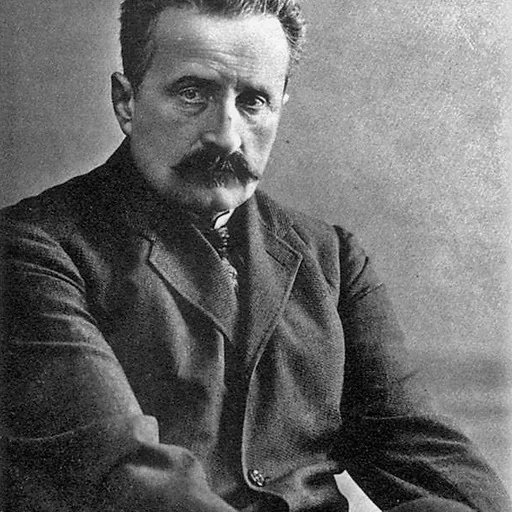
Jan Ciągliński (Polish: ; Russian: Ян/Иван Францевич Ционглинский, romanized: Yan/Ivan Frantsevich Tsionglinskiy; 20 February 1858 – 6 January 1913) was a Polish painter, active in St.

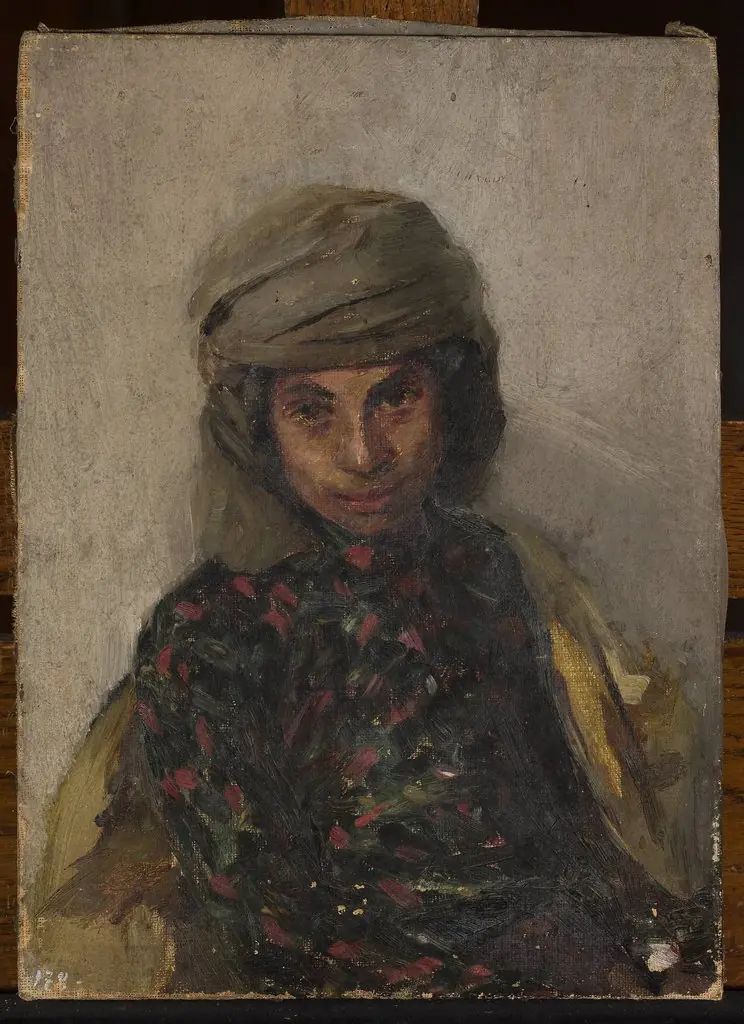
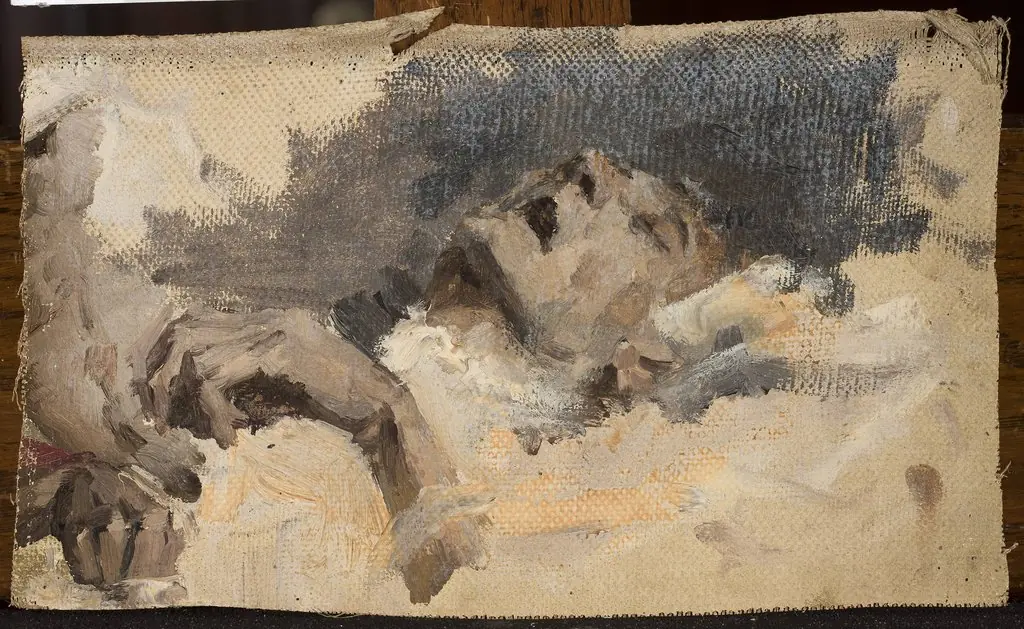
 Fountain in the khan’s palace in Bakhchisaray. From the journey to Crimea
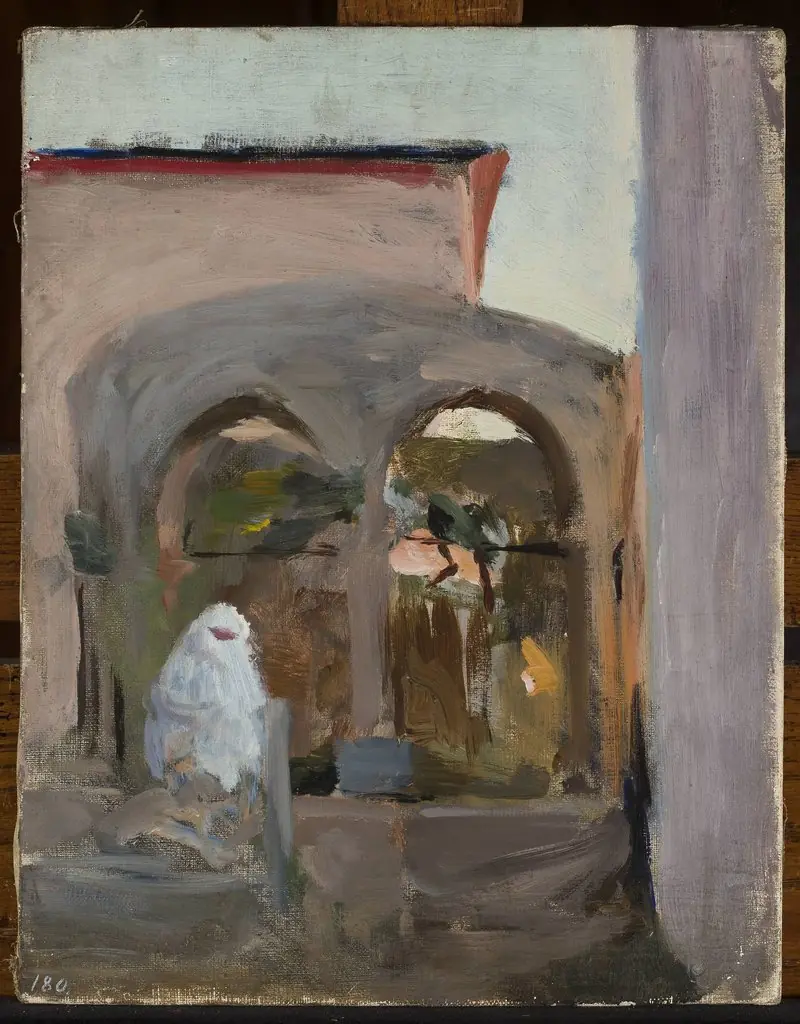 Bakhchisaray. From the journey to Crimea
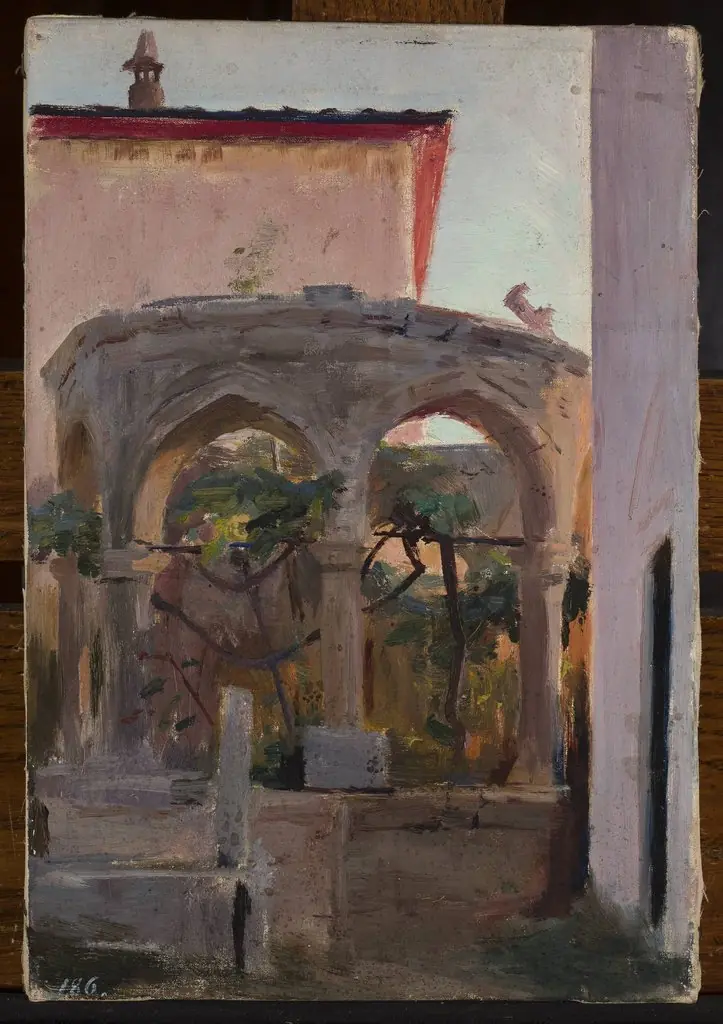 View from Bakhchisaray. From the journey to Crimea
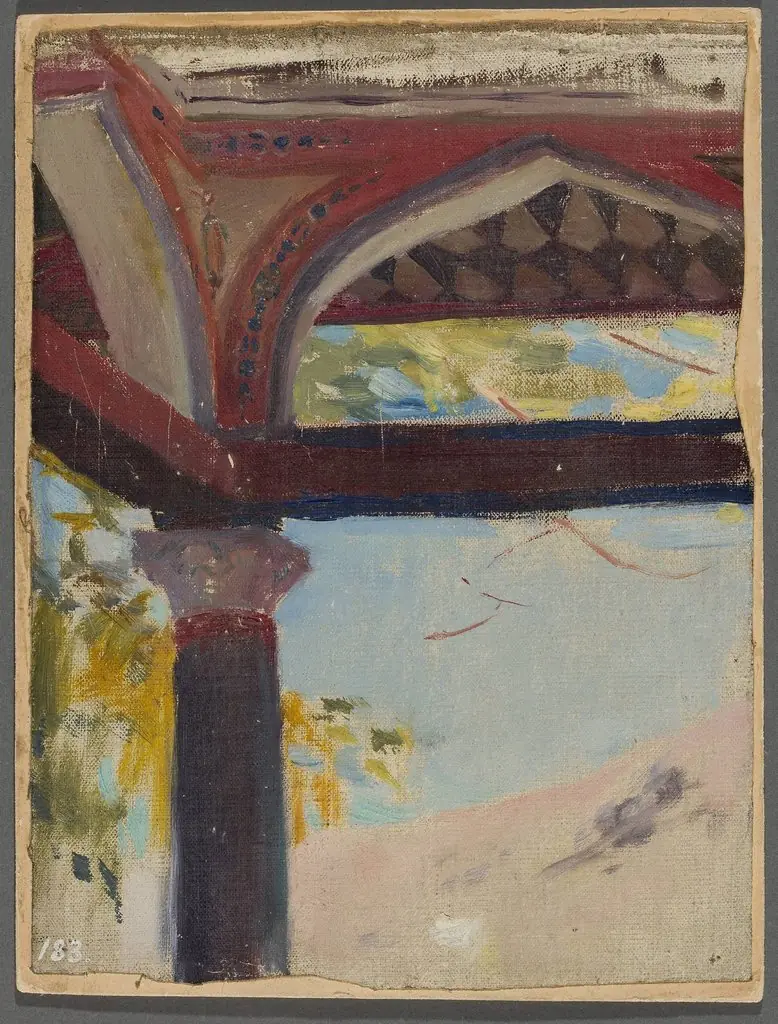 Fragment of summer house of Maria Potocka in Bakhchisaray. From the journey to Crimea
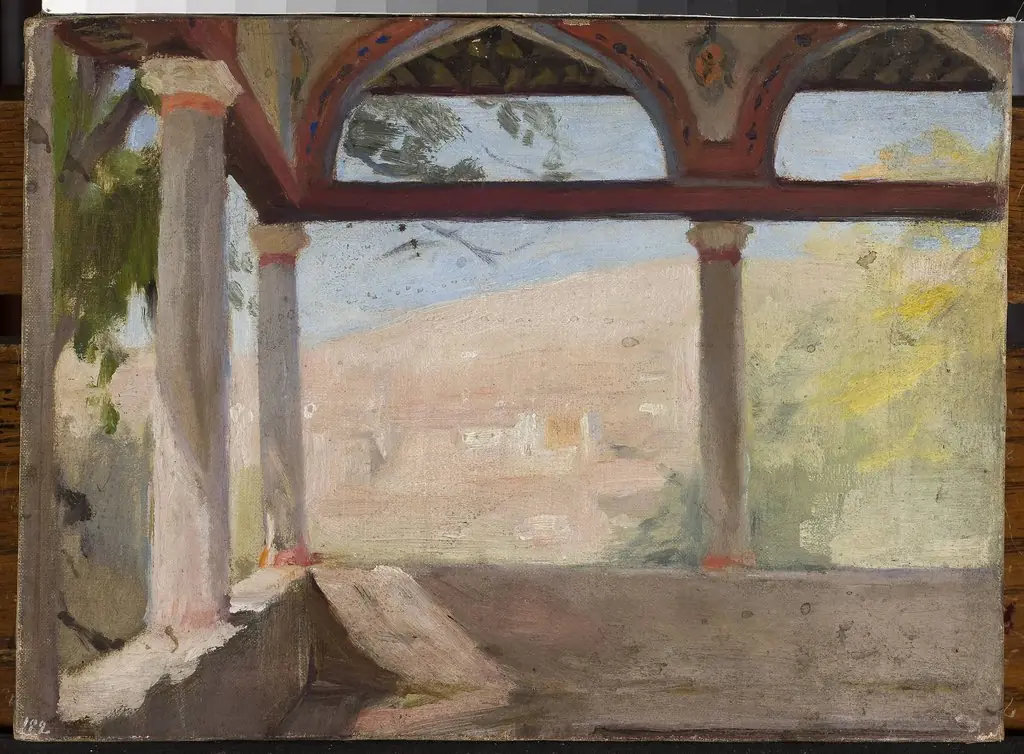 Summer house of Maria Potocka in Bakhchisaray. From the journey to Crimea
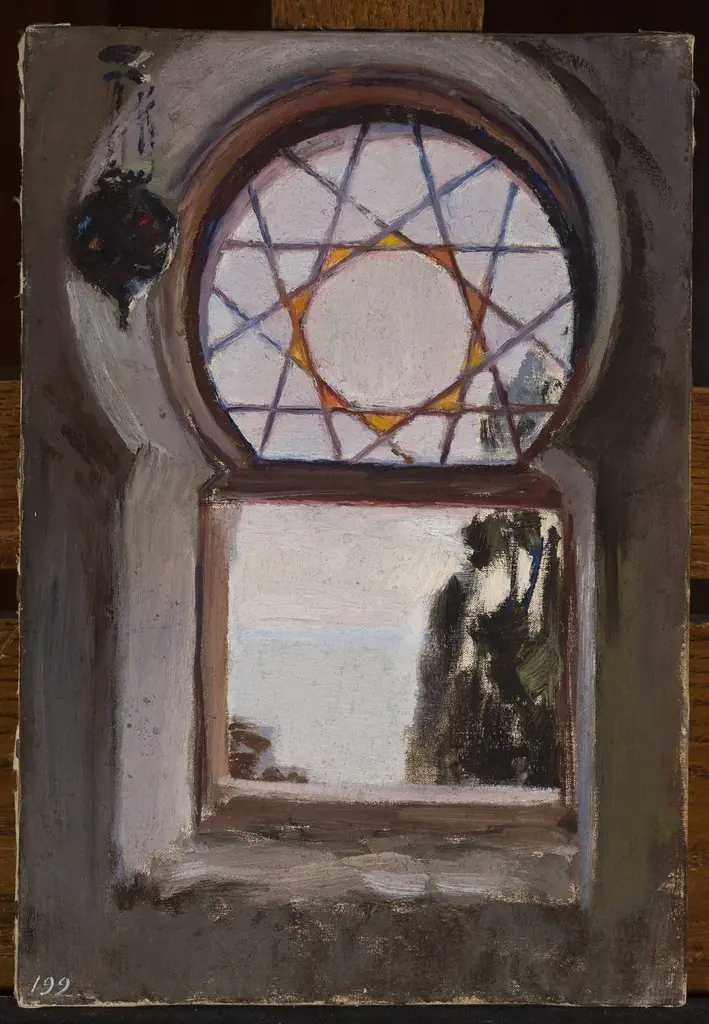 Window of the Bakhchi-Dere villa in Yalta. From the journey to Crimea
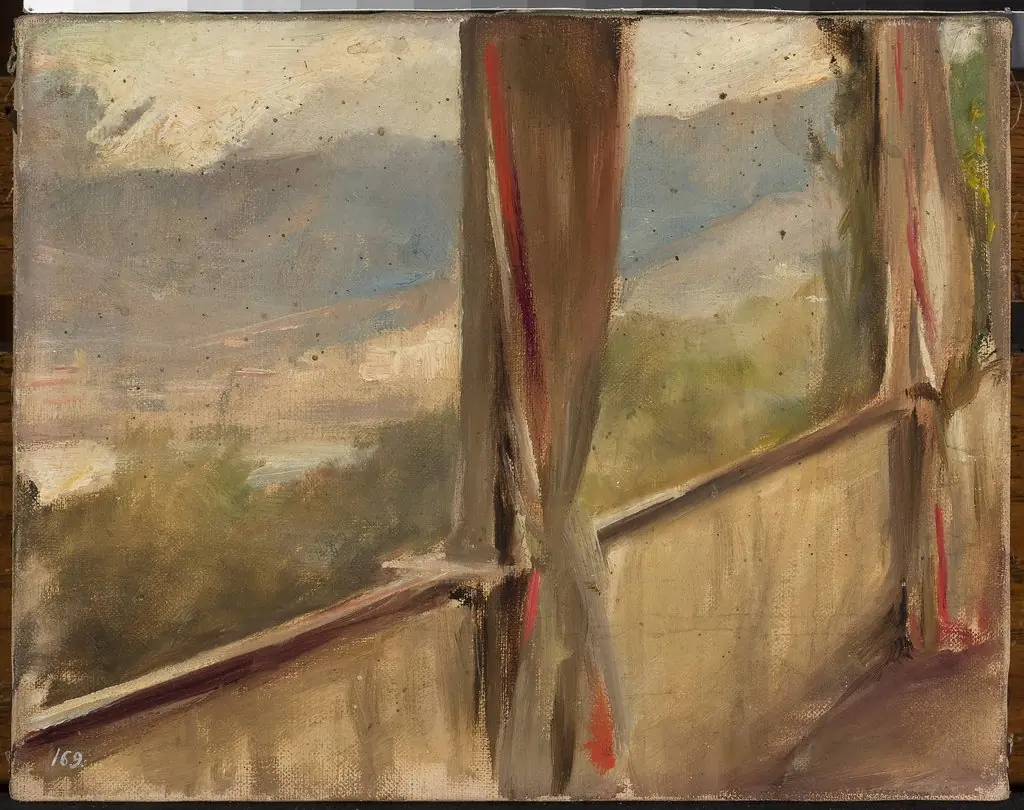 View from Yalta. From the journey to Crimea
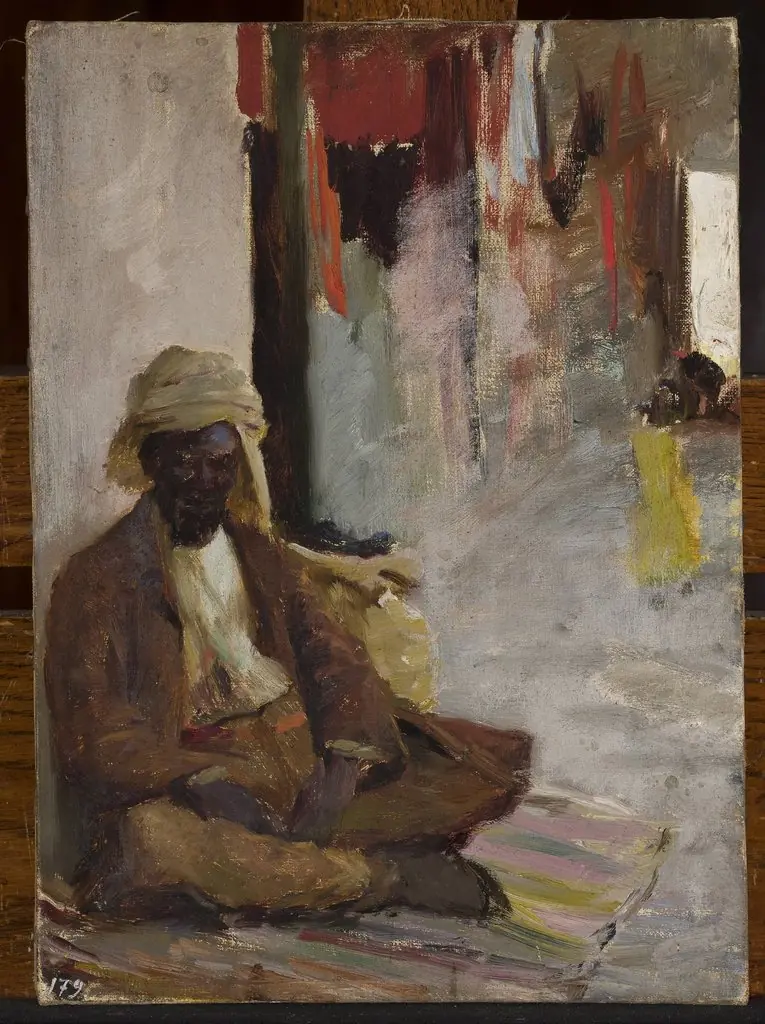 Young Tartar in Bakhchisaray. From the journey to Crimea
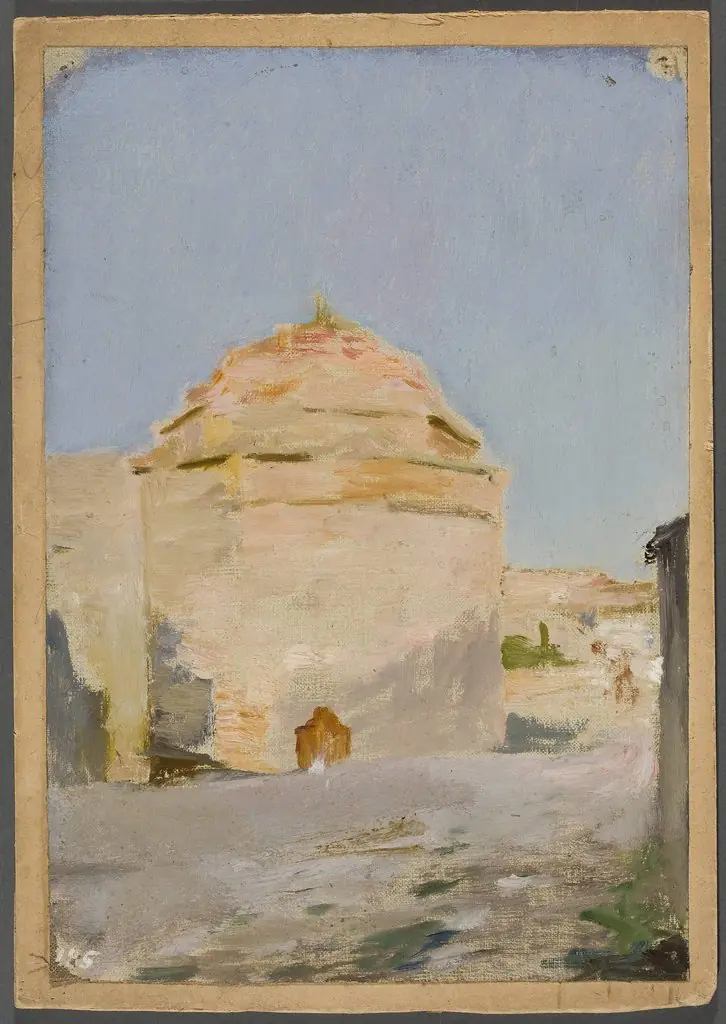 Grave of Maria Potocka in Bakhchisaray. From the journey to Crimea
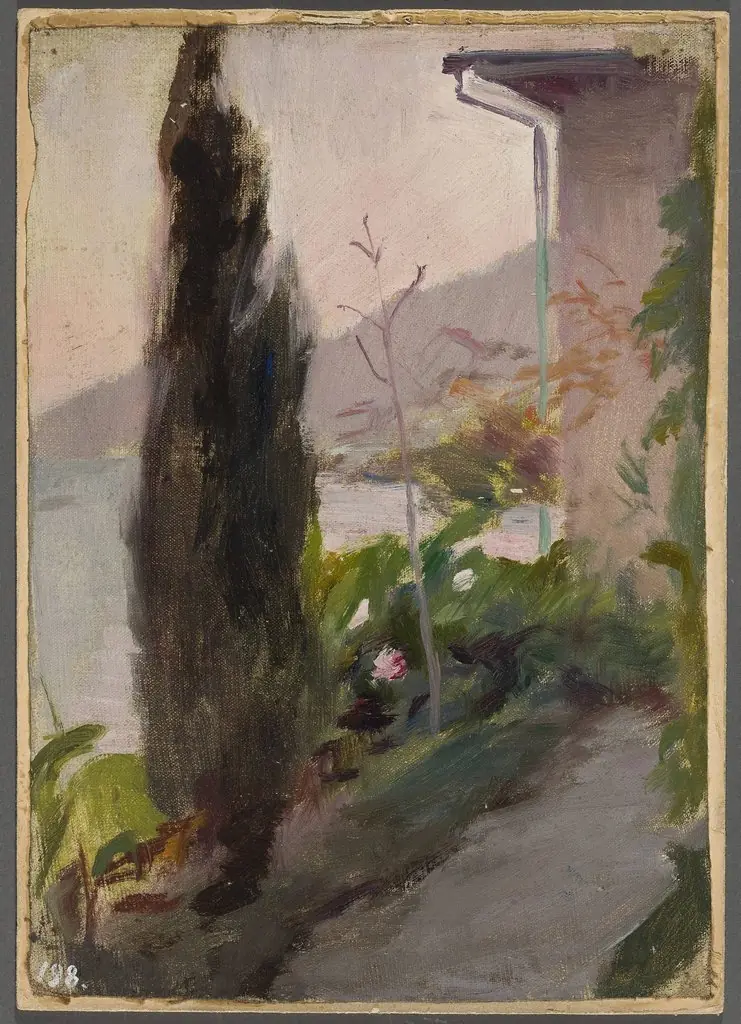 Garden of the Bakhchi-Dere villa in Yalta. From the journey to Crimea
 View of Pera from Istanbul. From the journey to Constantinople