Artwork
Kriegszug Kaiser Karls V. gegen Tunis (1535): Auszug des Heeres aus Tunis
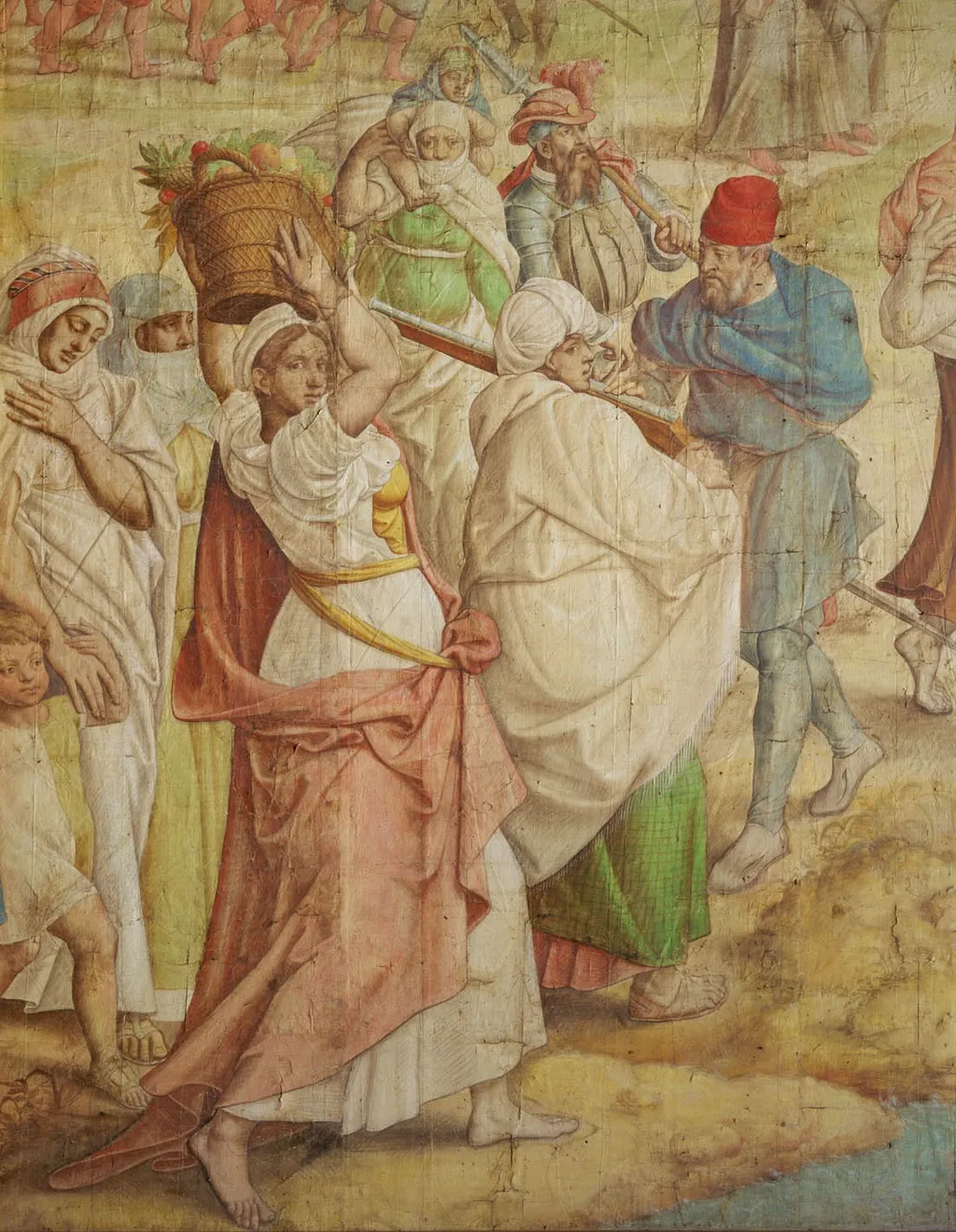
Kriegszug Kaiser Karls V. gegen Tunis (1535): Auszug des Heeres aus Tunis is an unspecified painting by Jan Cornelisz Vermeyen. It dates from 1539 and is held in the collection of the Kunsthistorisches Museum. Painted around 1539 by Jan Cornelisz.
About this work
Overview
The painting is part of a larger series commissioned to record the campaign, now held in the Kunsthistorisches Museum in Vienna.
Painted around 1539 by Jan Cornelisz. Vermeyen, this work documents the departure of Emperor Charles V’s forces from Tunis after the 1535 campaign. Vermeyen, a Dutch artist, served as a court painter to the Habsburgs and traveled with the emperor’s expedition. The painting is part of a larger series commissioned to record the campaign, now held in the Kunsthistorisches Museum in Vienna. It reflects the intersection of art and political propaganda in the early 16th century.
Subject & Meaning
The scene captures the orderly withdrawal of imperial troops and attendants from the captured city of Tunis. Figures are shown carrying supplies, weapons, and banners, suggesting both military discipline and the logistical scale of the operation. The composition emphasizes the emperor’s authority without depicting him directly, instead focusing on the movement and organization of his retinue as a symbol of Habsburg power and imperial reach across the Mediterranean.
Technique & Style
Vermeyen employs detailed, linear rendering to distinguish individual figures and their attire, with garments rendered in muted reds, blues, and whites. The figures are arranged in a shallow, horizontal plane, their varied postures and gazes creating a sense of narrative motion. The style blends Northern European precision with Italianate spatial awareness, reflecting Vermeyen’s exposure to both traditions during his travels with the imperial court.
History & Provenance
Commissioned by Charles V shortly after the Tunis campaign, the painting was part of a set of tapestry designs intended to glorify Habsburg military achievements. Vermeyen’s firsthand observations informed the accuracy of costumes, equipment, and topography. The work entered the Habsburg collection and remained in imperial hands, eventually transferred to the Kunsthistorisches Museum in the 19th century, where it has been preserved as a key document of early modern visual historiography.
Context
The 1535 expedition to Tunis was a response to Ottoman-backed piracy in the western Mediterranean. Charles V’s victory was framed as a Christian crusade against Muslim forces, and Vermeyen’s imagery reinforced this narrative. The painting belongs to a broader trend of court-sponsored visual documentation, where art served to legitimize imperial authority and commemorate military success in an era before photography or mass media.
Legacy
Vermeyen’s work influenced later historical painting through its emphasis on eyewitness detail and narrative cohesion. Though not widely known today, the series of which this painting is a part set a precedent for the use of art in state-sponsored commemoration. Its survival in a major European collection underscores its role as a primary visual record of a pivotal moment in early modern Mediterranean politics.
Artist & collection
Artist
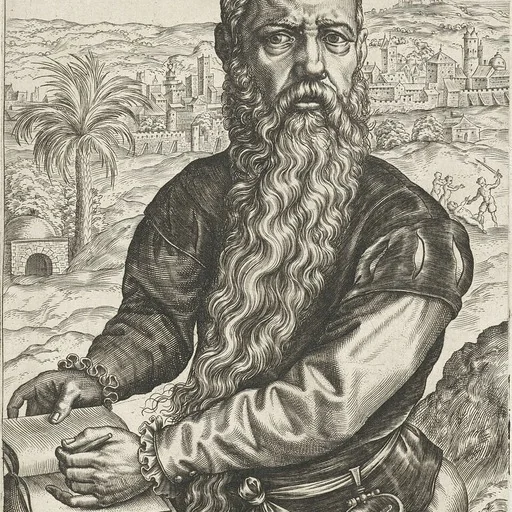
Jan Cornelisz. Vermeyen, also known as Juan del Mayo (c. 1503 – 1559) was a Dutch painter, printmaker and tapestry designer. He is known for his portraits, history scenes and genre subjects. He worked in Mechelen and…

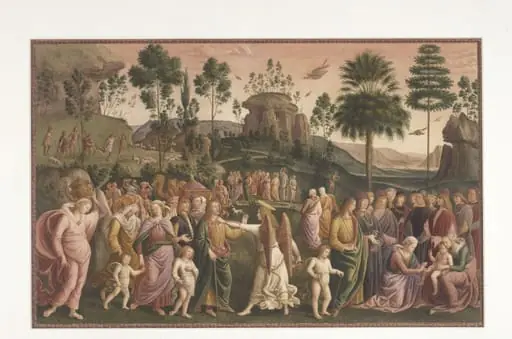 Copy after the painting Moses and the Angel by Perugino in the Collegio del Cambio, Perugia.
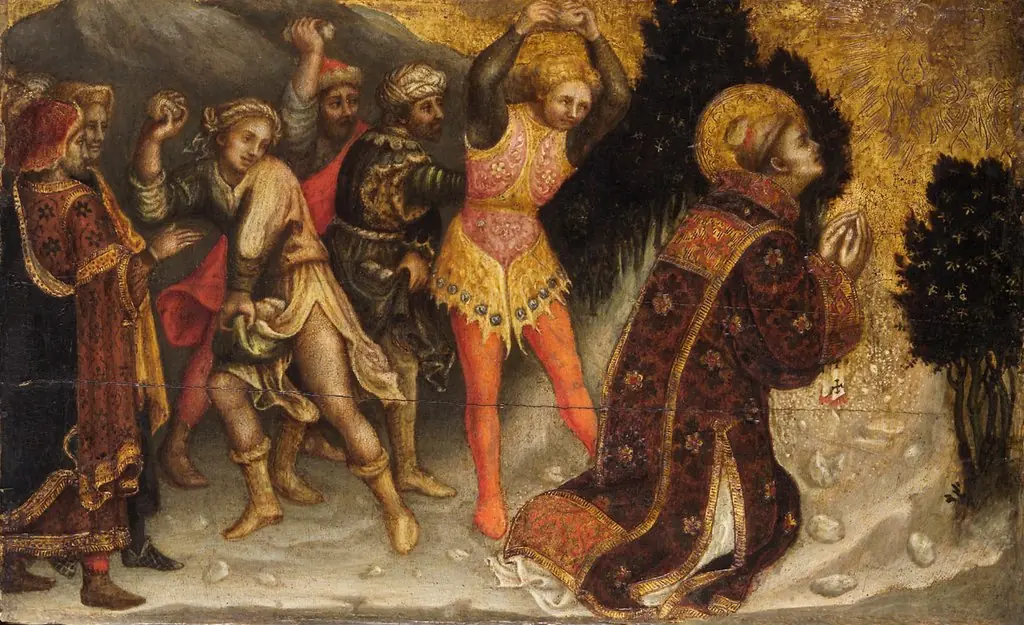 Stoning of St. Stephen
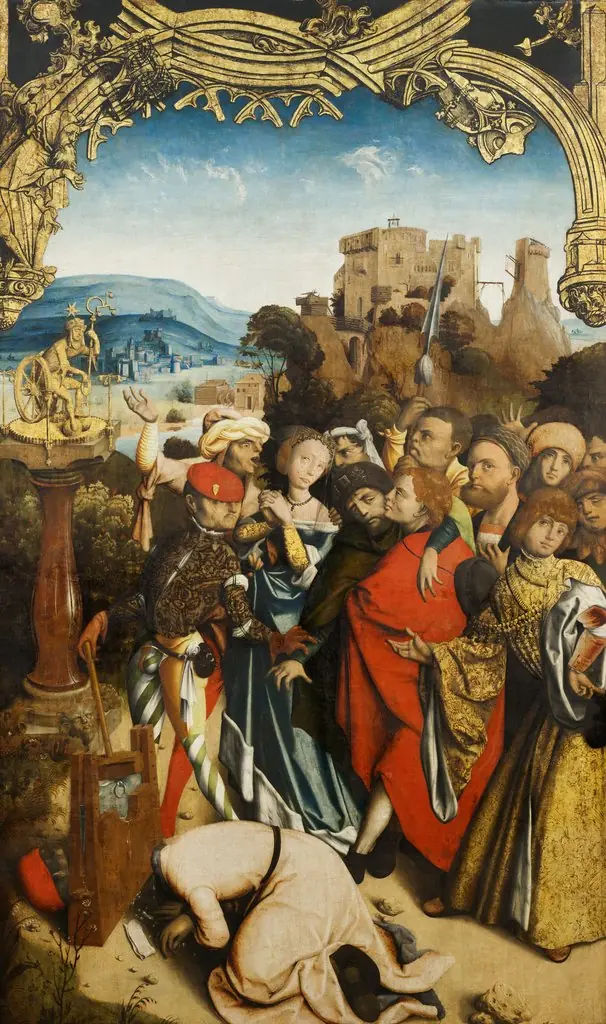 Martyrium der hll. Cantius, Cantianus und Cantianilla (Innenseite); Auferstehung Christi (Außenseite)
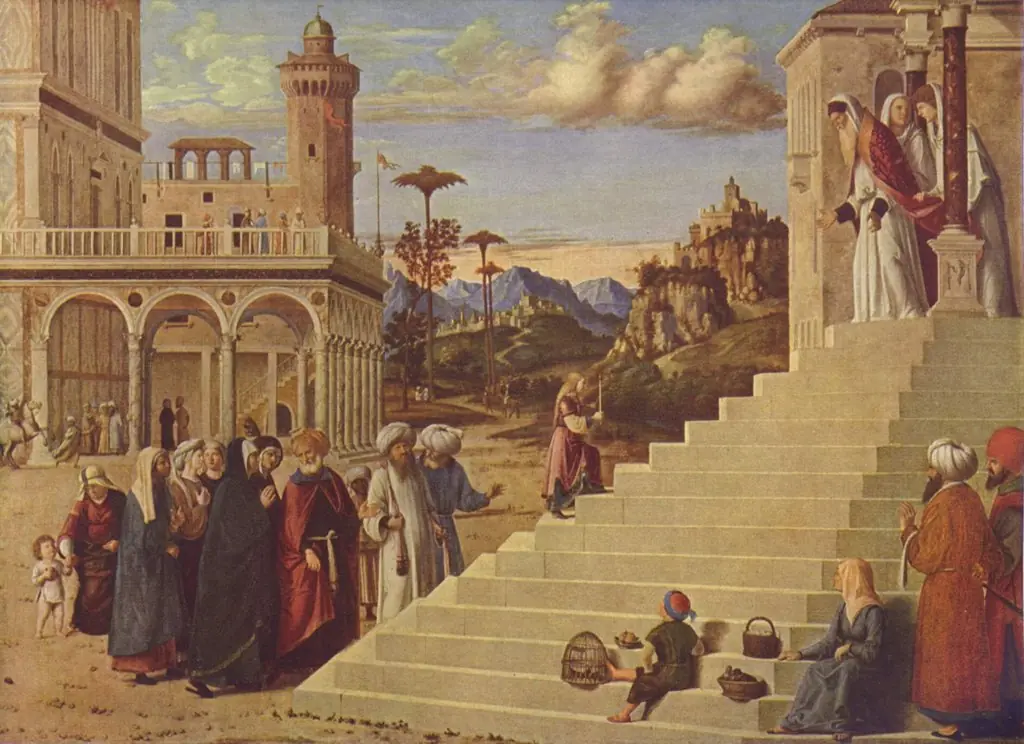 Presentation of the Virgin Mary at the Temple
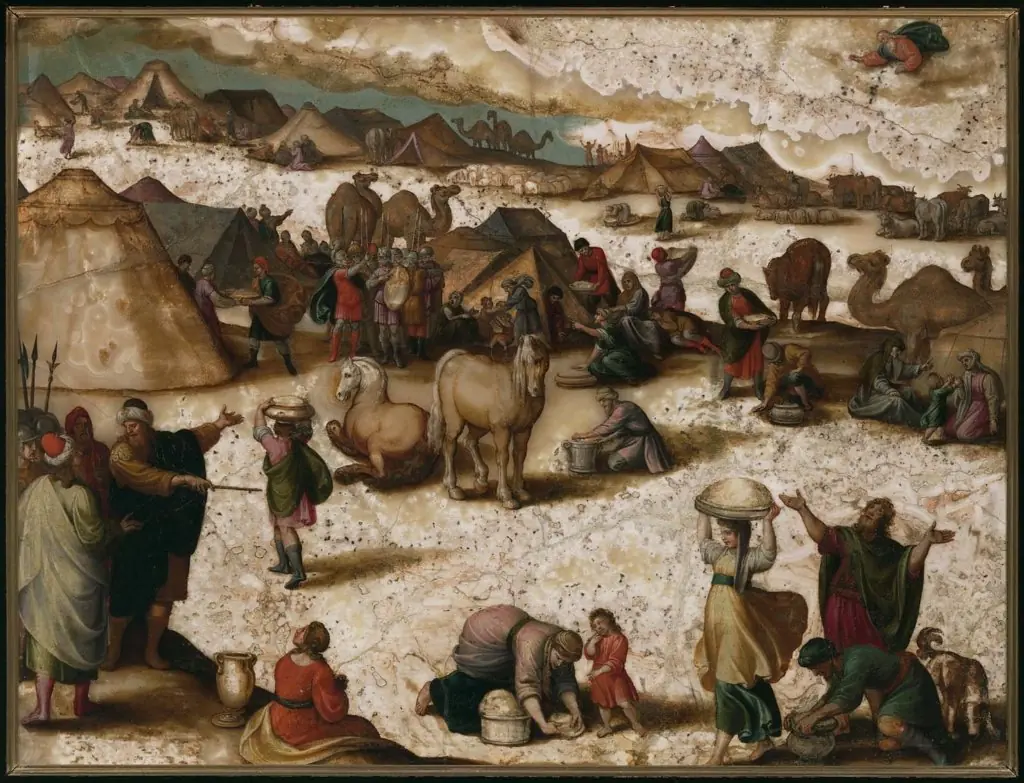 Gathering of the Manna
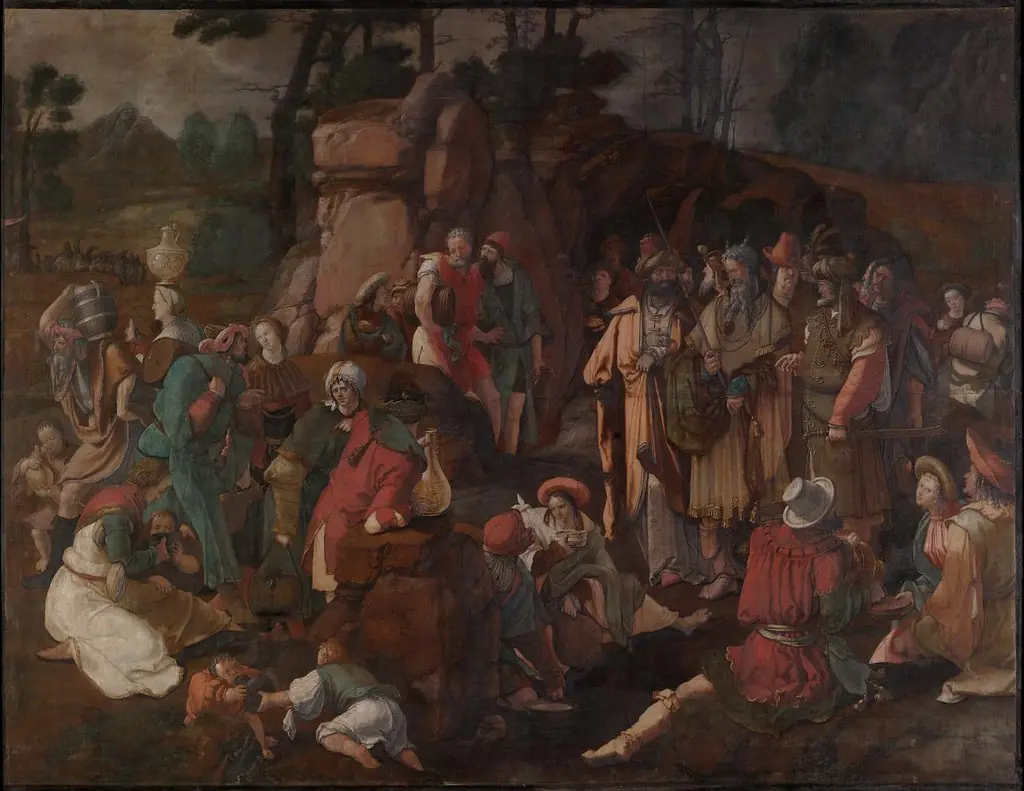 Moses and the Israelites after the Miracle of Water from the Rock
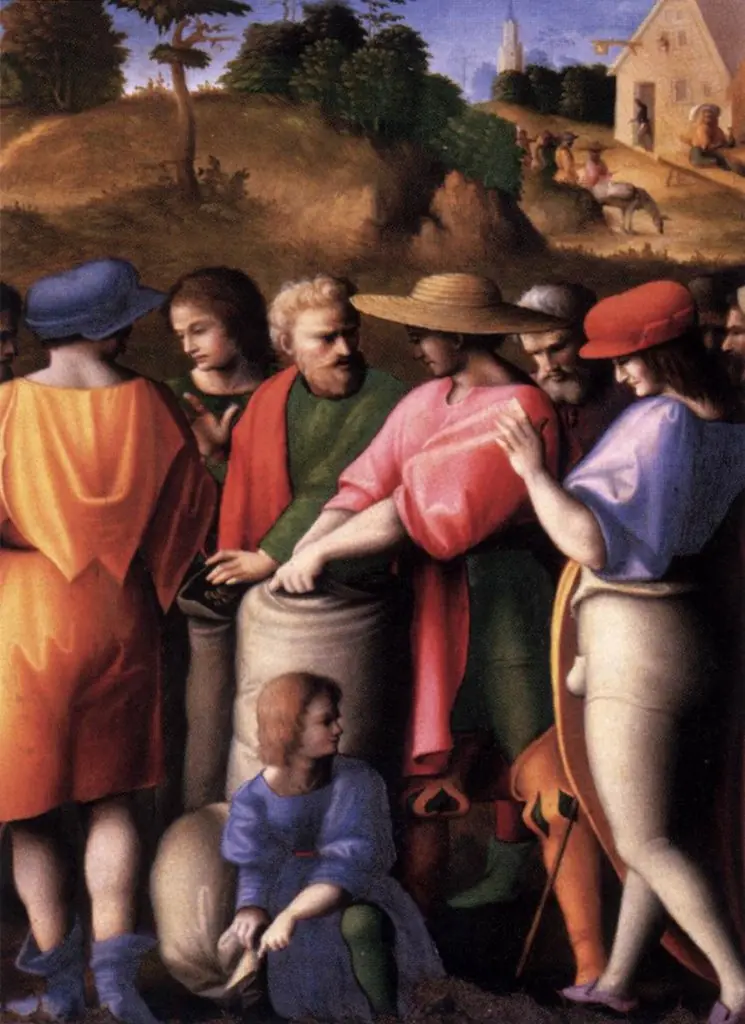 Scenes from the Story of Joseph: The Search for the Cup
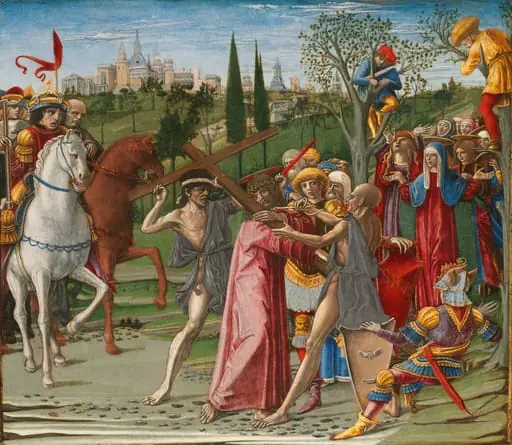 Christ Carrying the Cross
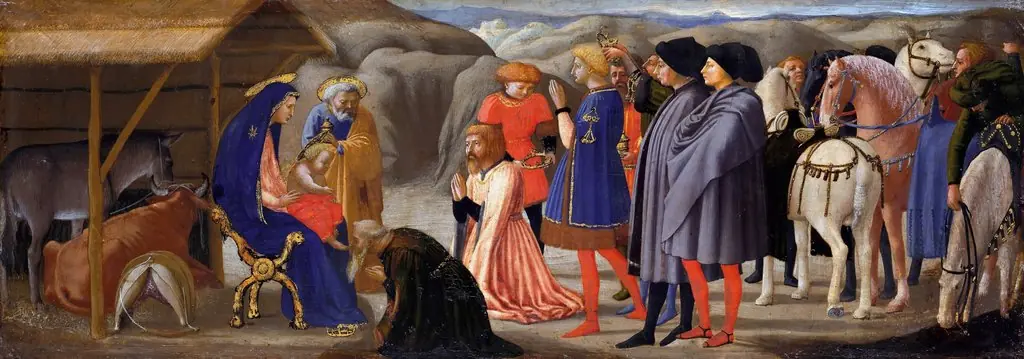 The Adoration of the Magi
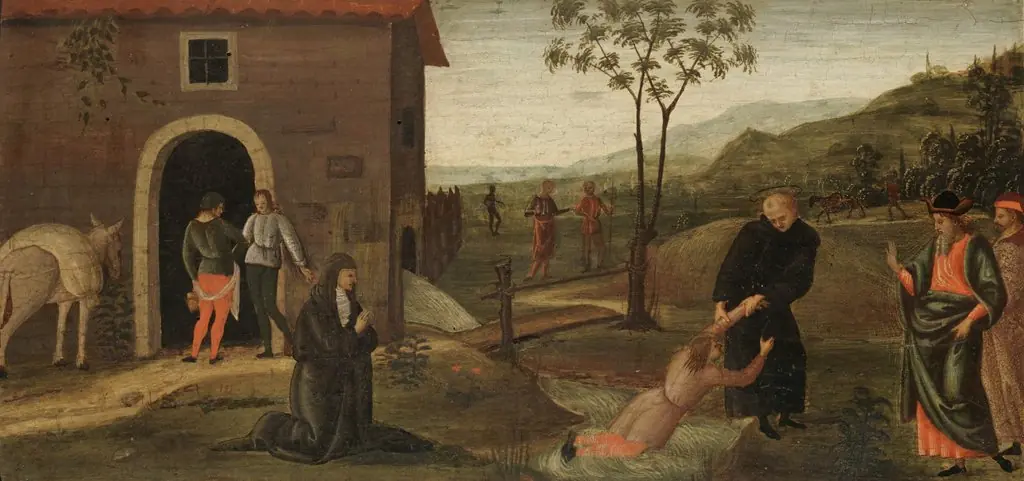 Saint Nicholas of Tolentino Rescuing a Boy from Drowning
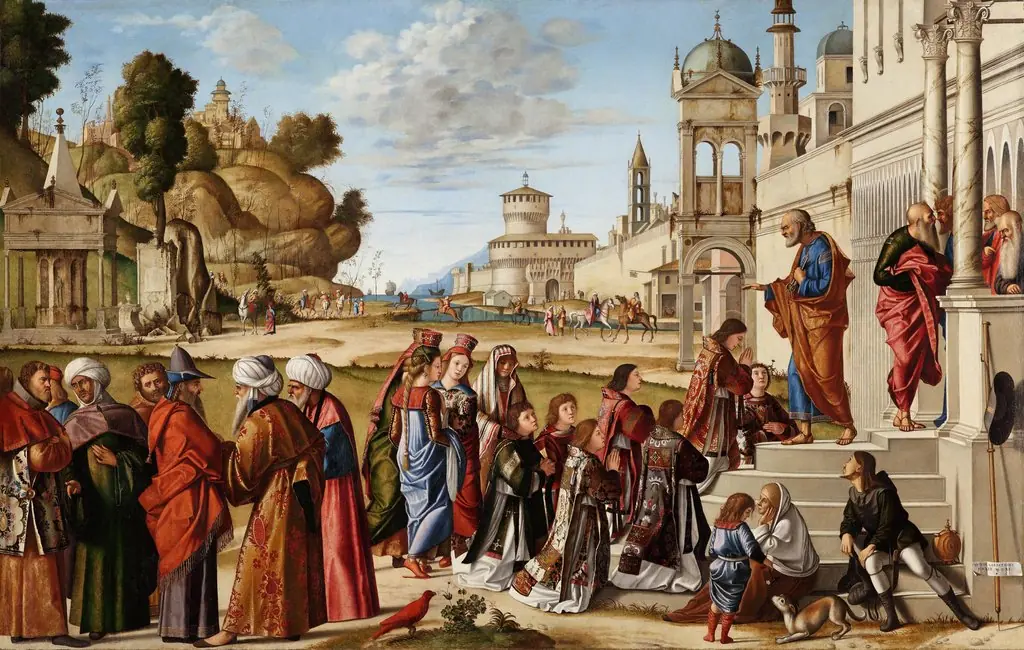 The Ordination of St. Stephen
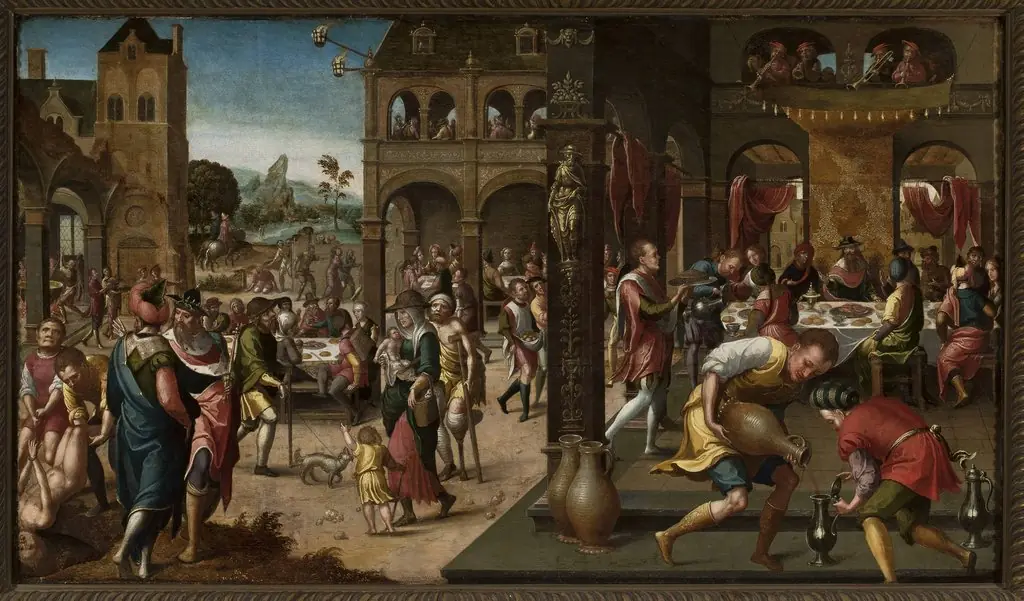 Parable of the great banquet