Artwork
Portrait of a Woman
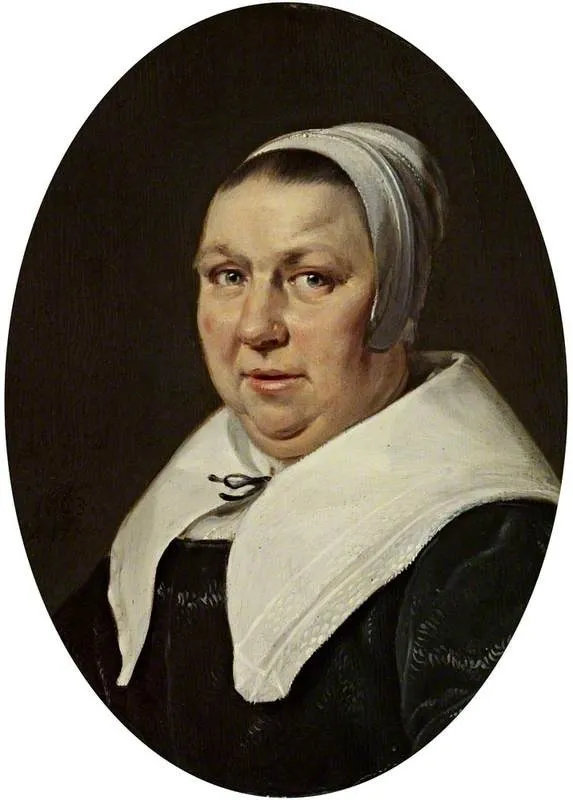
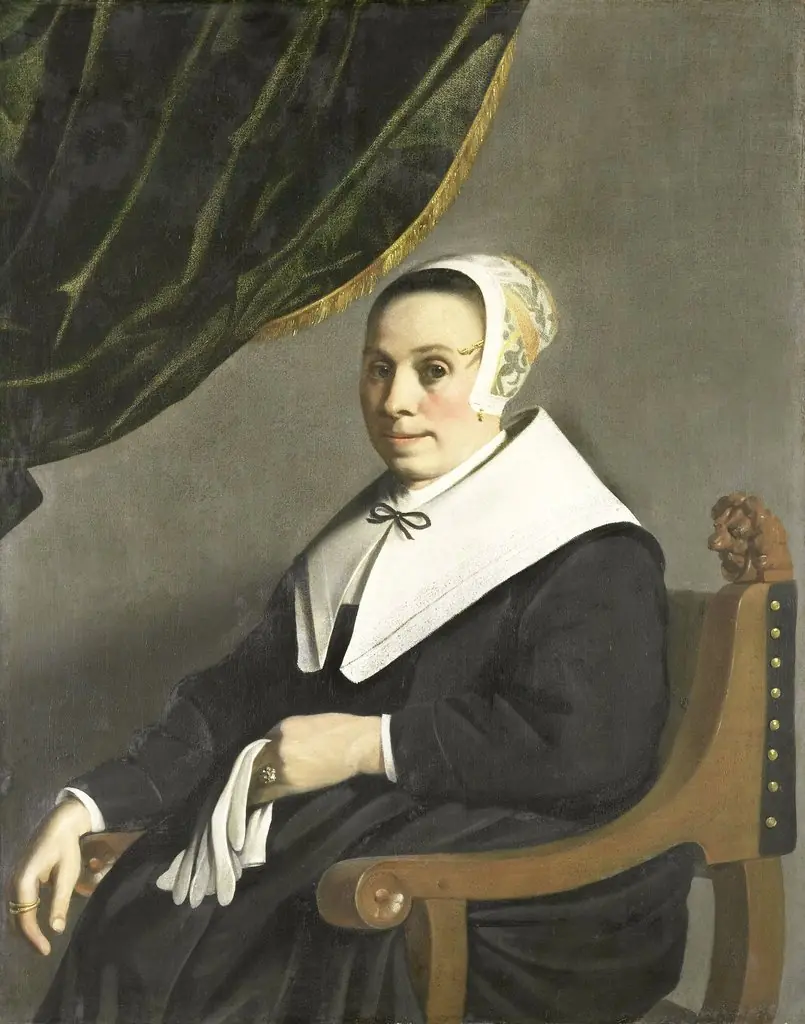
Portrait of a Woman is an oil painting by the Dutch Golden Age artist Jan de Bray. It dates from 1663 and is held in the collection of the National Galleries Scotland.
About this work
Overview
De Bray, a Haarlem-based artist known for both portraiture and historical scenes, applied his skill to a straightforward depiction of a contemporary figure.
Painted in 1663 by Jan de Bray, this oil portrait captures a woman in quiet stillness. De Bray, a Haarlem-based artist known for both portraiture and historical scenes, applied his skill to a straightforward depiction of a contemporary figure. The work resides in the Scottish National Gallery and exemplifies his restrained approach to individual likeness, avoiding theatricality in favor of intimate realism.
Subject & Meaning
The sitter’s plain features and solemn gaze suggest an emphasis on dignity rather than ornamentation. Her attire—a white cap, dark dress, and high white collar—reflects modest, middle-class dress of mid-17th-century Holland. The absence of jewelry or symbolic props implies a focus on personal presence rather than social status, aligning with Protestant values of humility and inner virtue common in Dutch society at the time.
Technique & Style
De Bray employed soft, directional lighting to model the woman’s face and fabric with subtle gradations, a technique rooted in chiaroscuro. The black background isolates her form, heightening the tactile quality of her clothing and skin. Brushwork is precise yet unobtrusive, rendering fine details like the small black bow at her collar without drawing attention to the hand of the artist.
History & Provenance
The painting entered the collection of the Scottish National Gallery in the 19th century, though its earlier ownership remains undocumented. It has been consistently attributed to Jan de Bray since its cataloging, with no evidence of significant alteration or reworking. Its survival in good condition reflects careful preservation through centuries of private and institutional stewardship.
Context
In 17th-century Holland, portraiture flourished as a reflection of civic pride and individual identity. Unlike courtly traditions elsewhere, Dutch portraits often favored restraint and realism. De Bray’s work fits this trend, yet his training in historical painting occasionally infused his portraits with a sense of gravitas, elevating ordinary subjects through compositional seriousness.
Legacy
This portrait stands as a quiet example of de Bray’s ability to merge psychological presence with technical precision. While not among his most celebrated works, it contributes to the broader understanding of how Dutch artists captured the inner life of non-noble subjects. Its enduring presence in a major public collection underscores its role in documenting the visual culture of its era.
Artist & collection
Artist
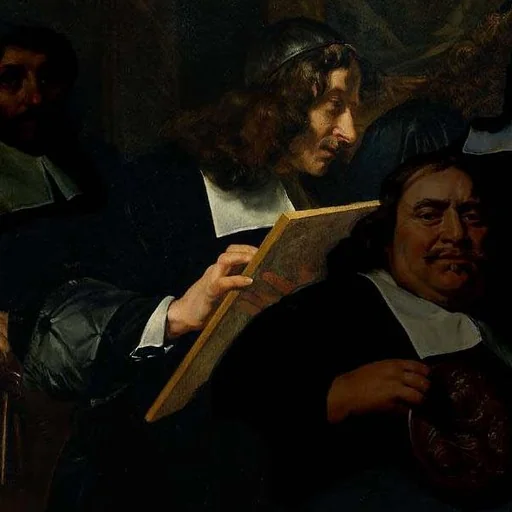
Jan de Bray (c. 1627 – April 4, 1697) was a Dutch Golden Age painter. He lived and worked in Haarlem until the age of 60, when he went bankrupt and moved to Amsterdam. Jan de Bray was influenced by his father Salomon…

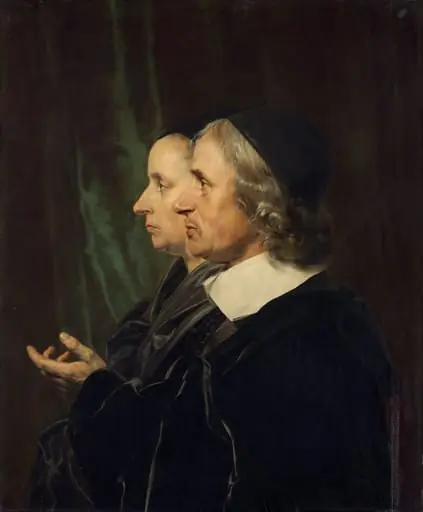 Portrait of the Artist's Parents, Salomon de Bray and Anna Westerbaen
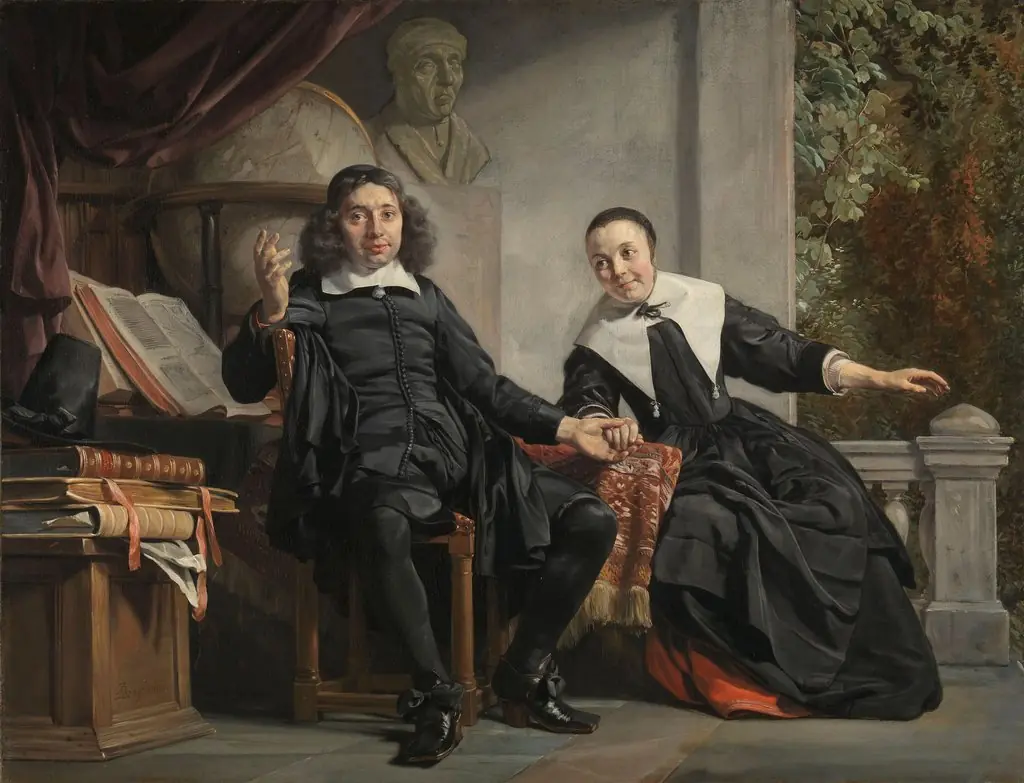 Abraham Casteleyn and his Wife, Margarieta van Bancken
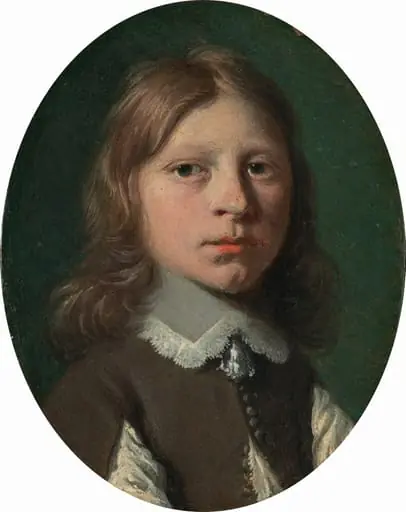 Head of a Young Boy
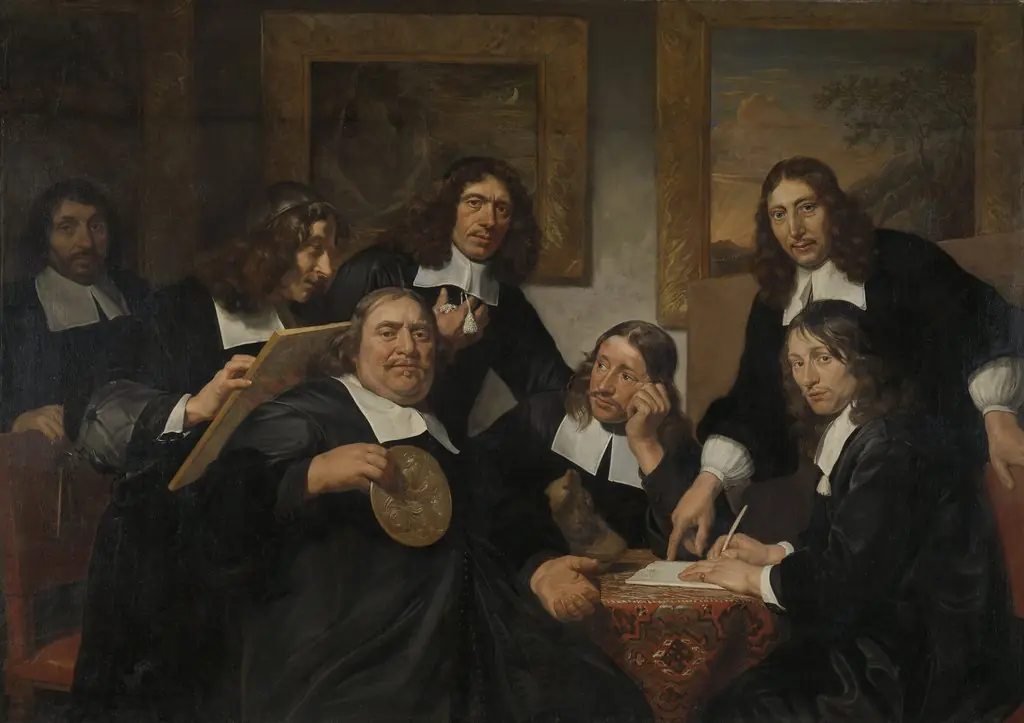 The governors of the guild of St. Luke, Haarlem, 1675
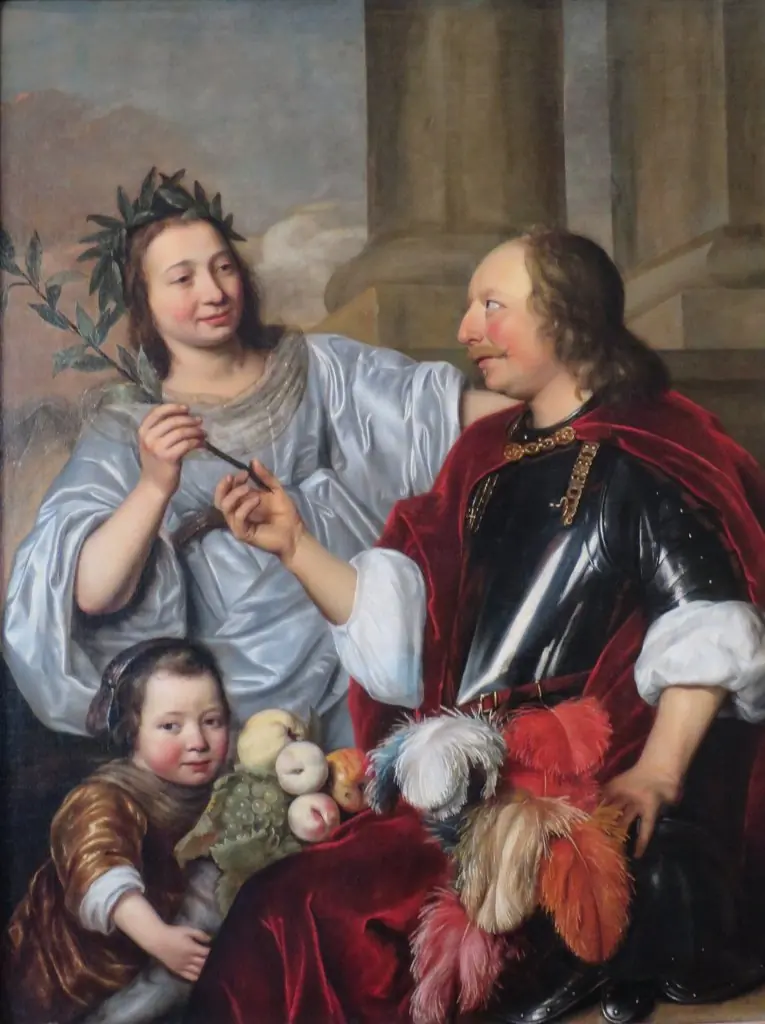 Allegorical Family Portrait
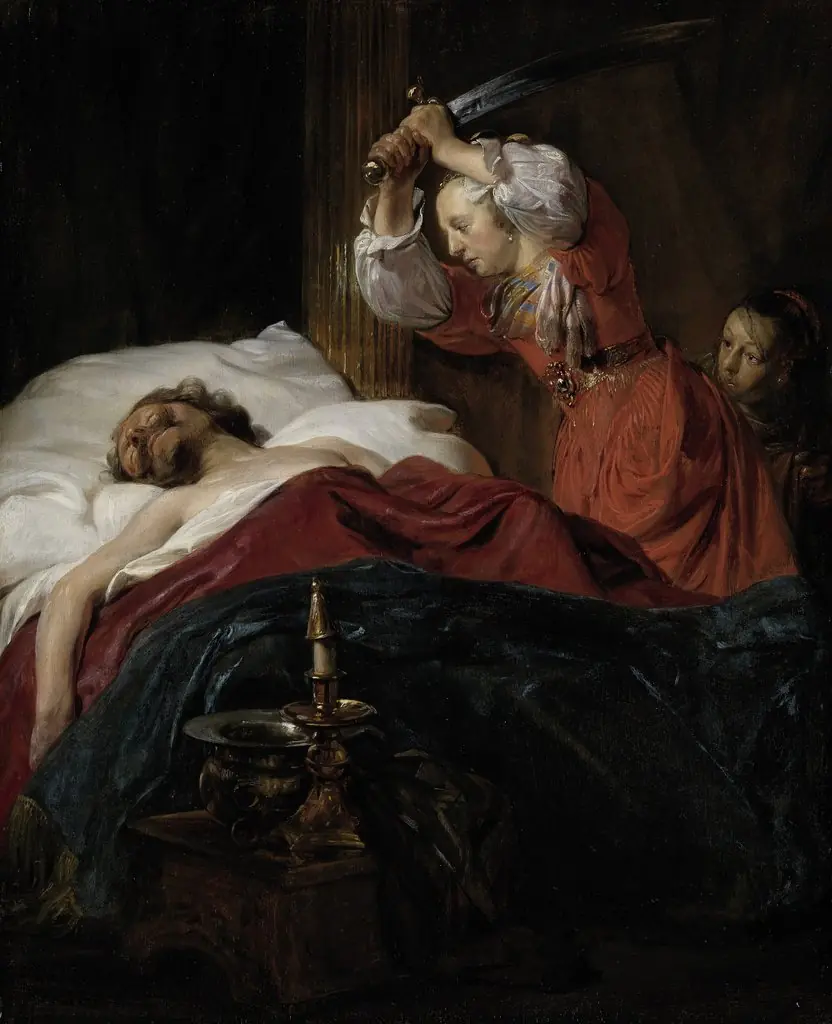 Judith en Holofernes
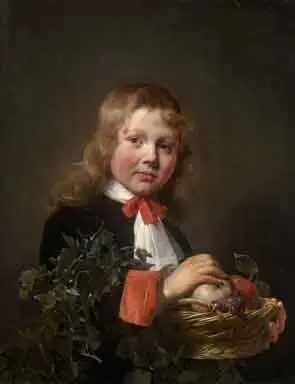 Portrait of a Boy holding a Basket of Fruit
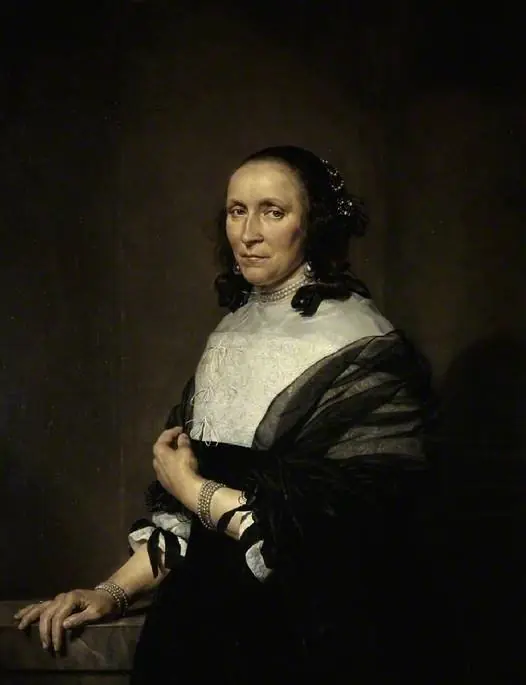 Portrait of a woman
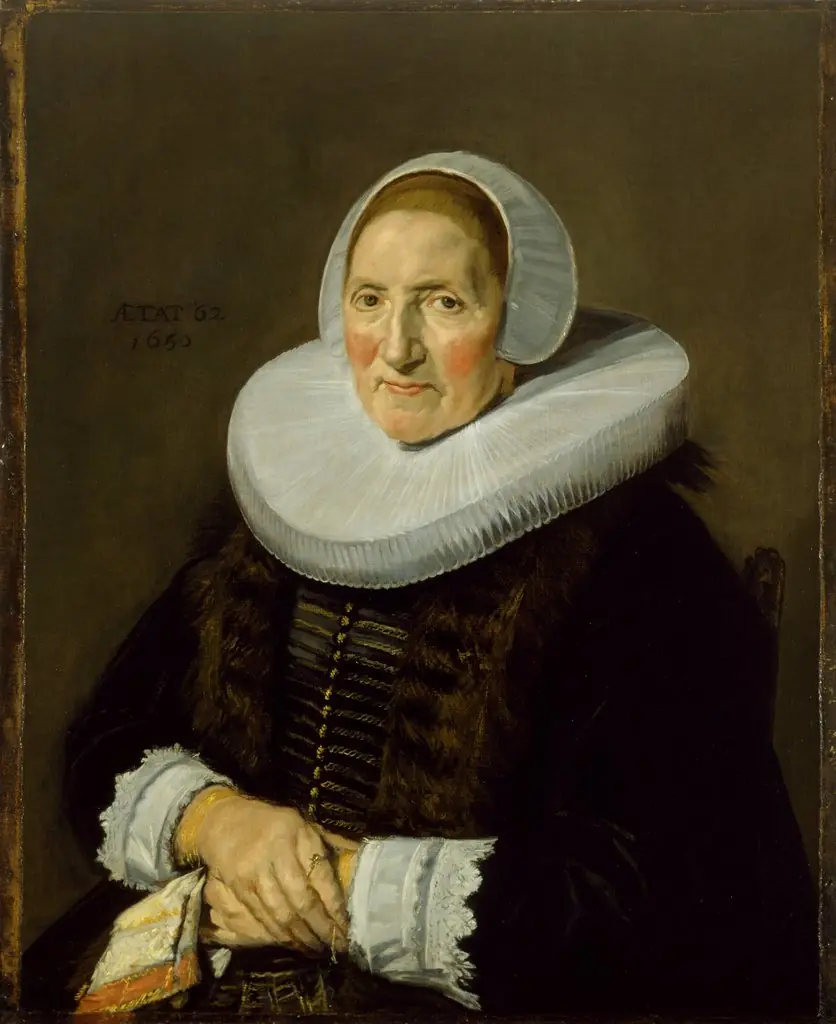 Portrait of a Woman
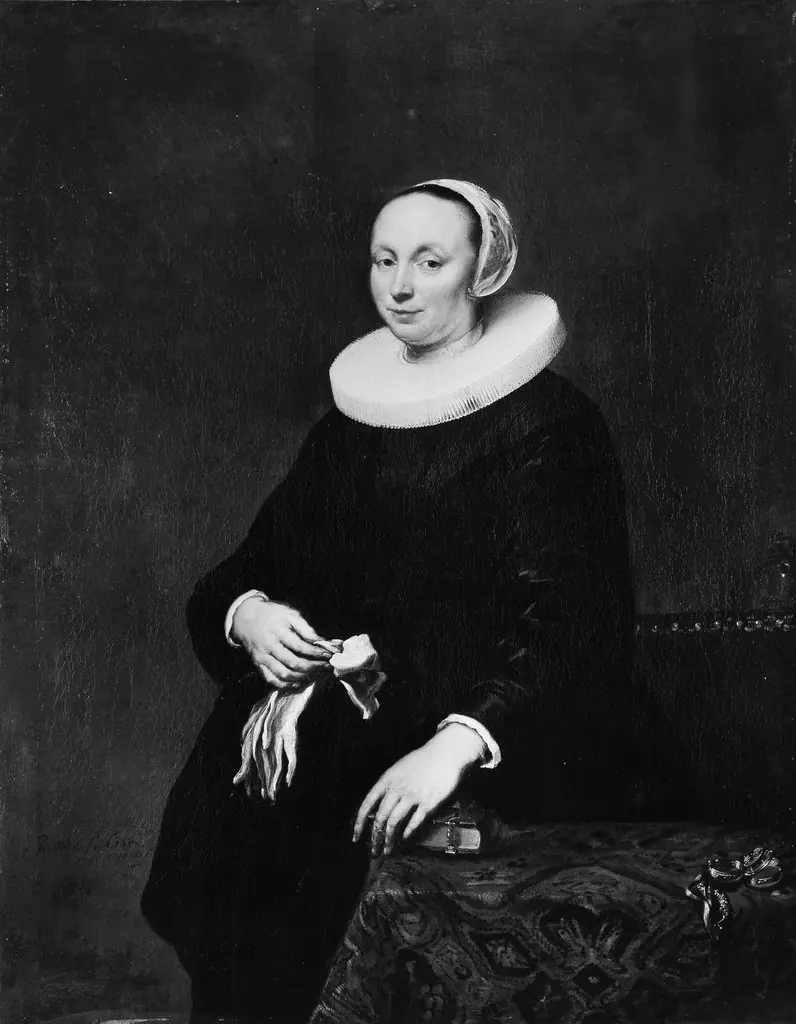 Portrait of a Woman
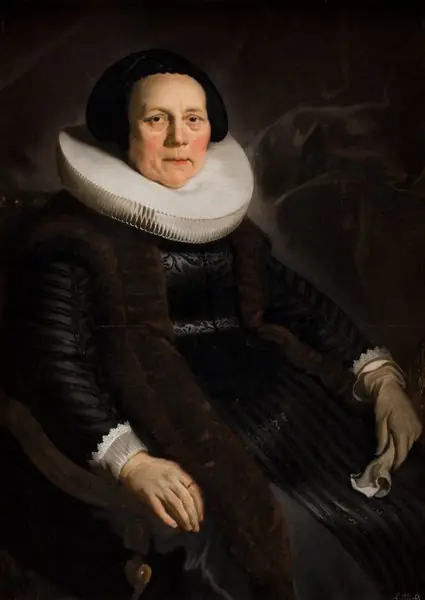 Portrait of a Woman
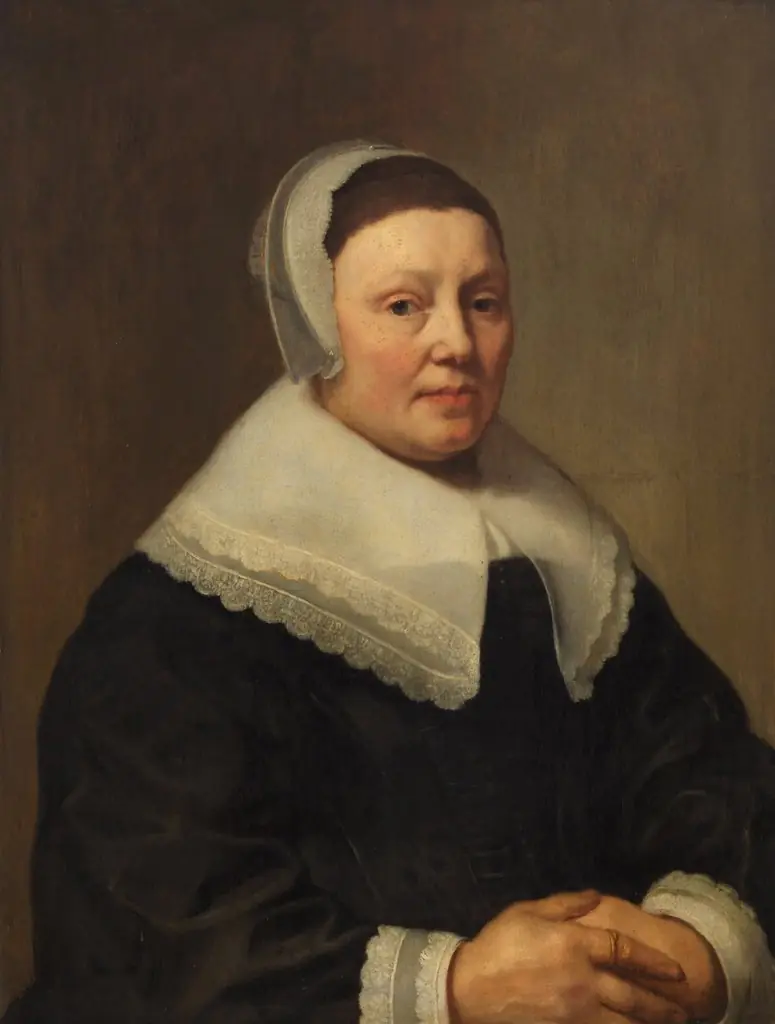 Portrait of a Lady
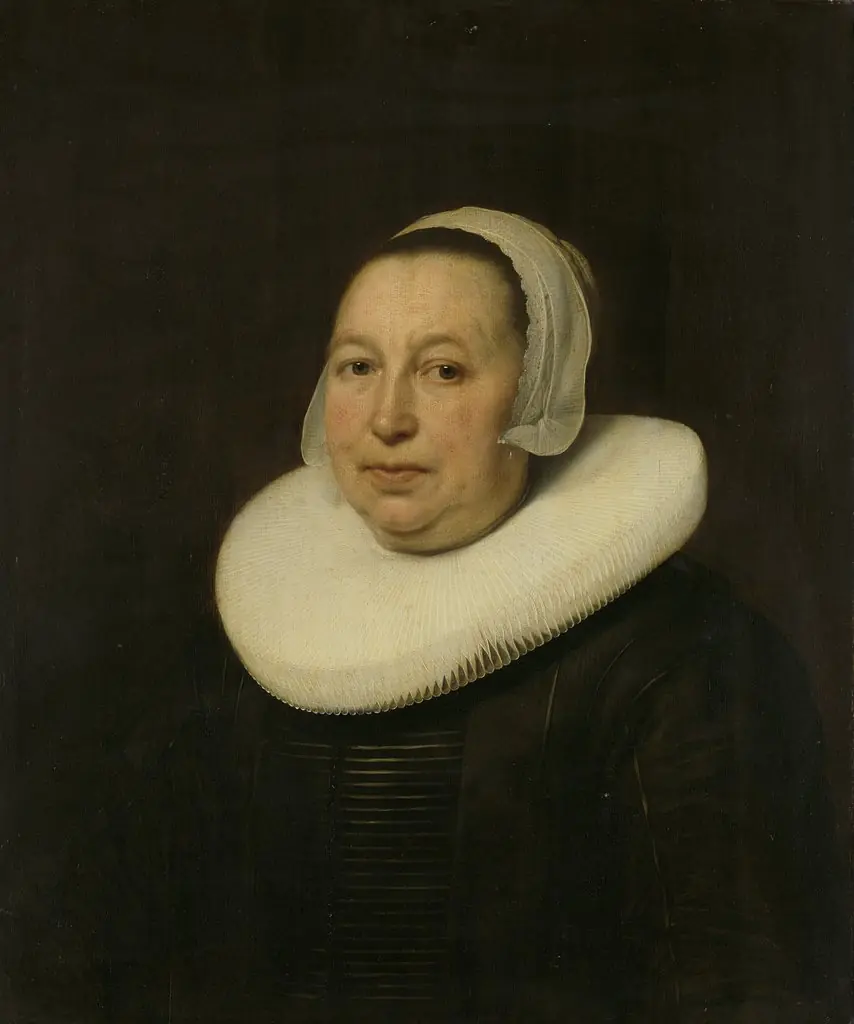 Maria Pietersdr de Leest (d 1652). Wife of Samuel van Lansbergen
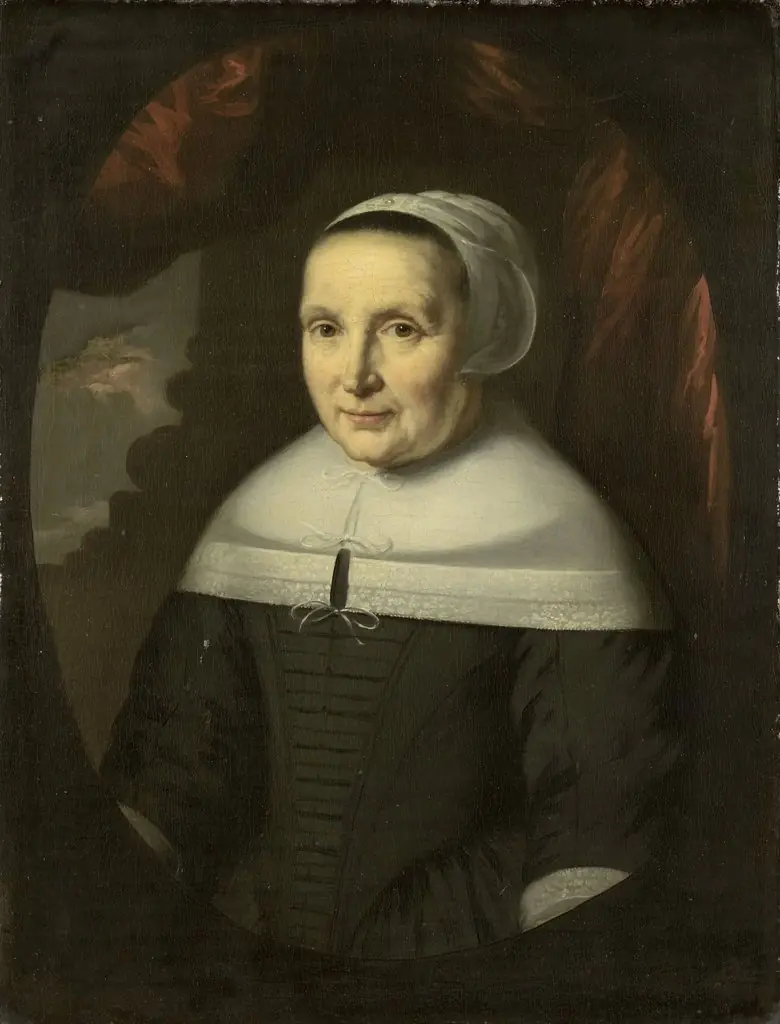 Portrait of Aeltje Denijs (b. 1598/99), wife of Hendrick Wijnands and mother of Dionijs Wijnands
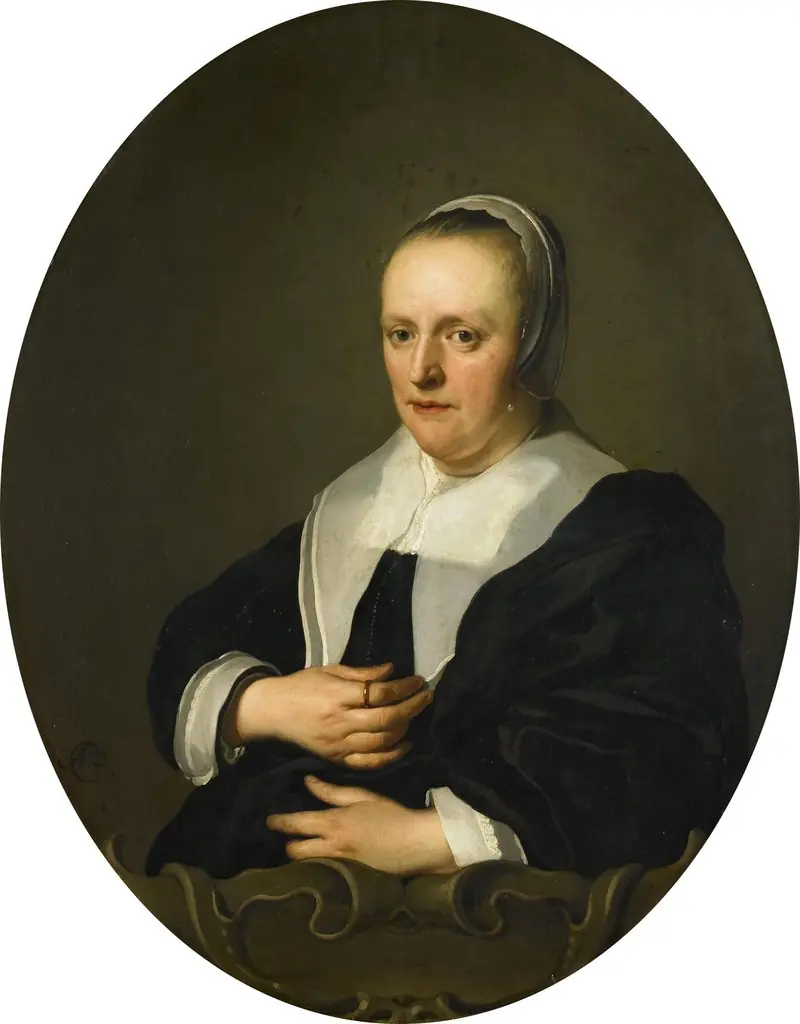 Sara de Bie. Jan Lutma's second wife (1638)
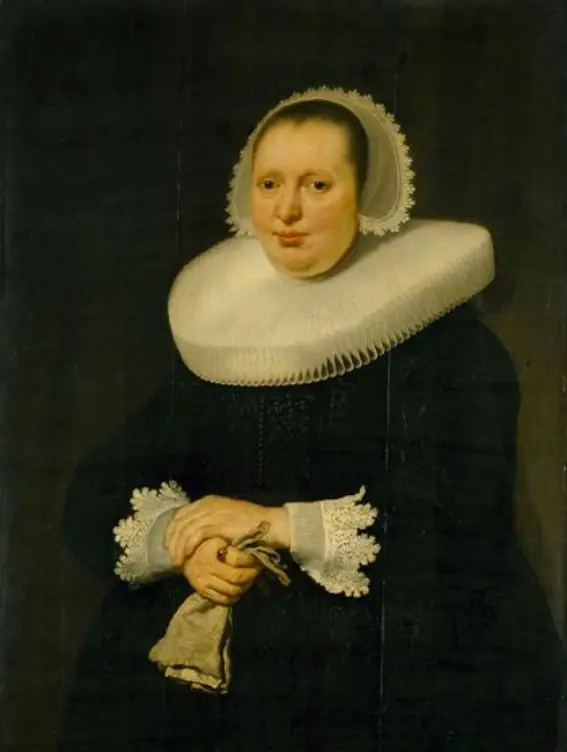 Portrait of Catharina Jansdr. Tengnagel, wife of Andries Bicker
 Portrait of Sara de Bie
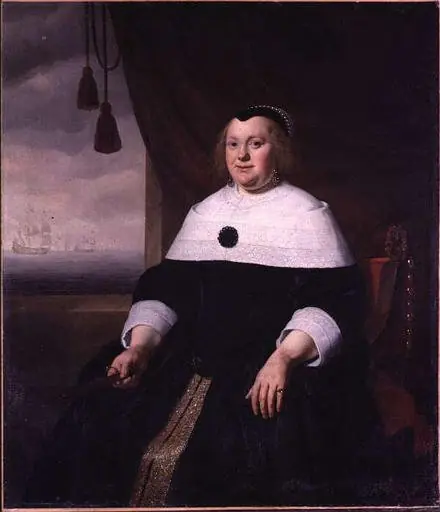 Portrait of Maria Smit, wife of Gideon de Wildt
 Portrait of a Woman
 Portrait of Christina Pijll