Artwork
Portrait of a woman
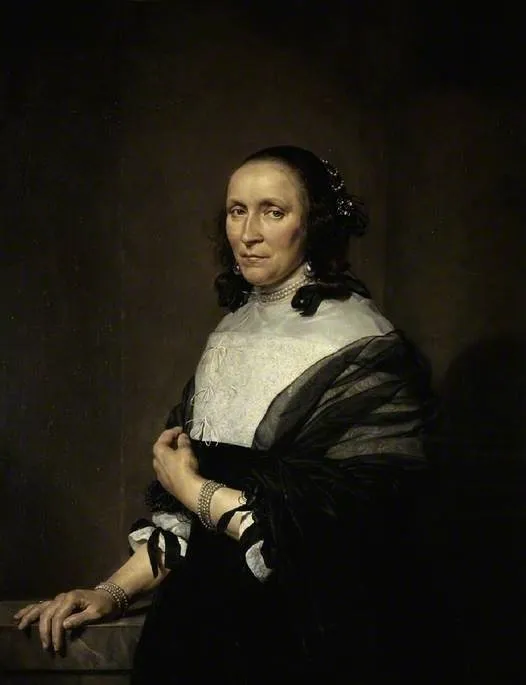
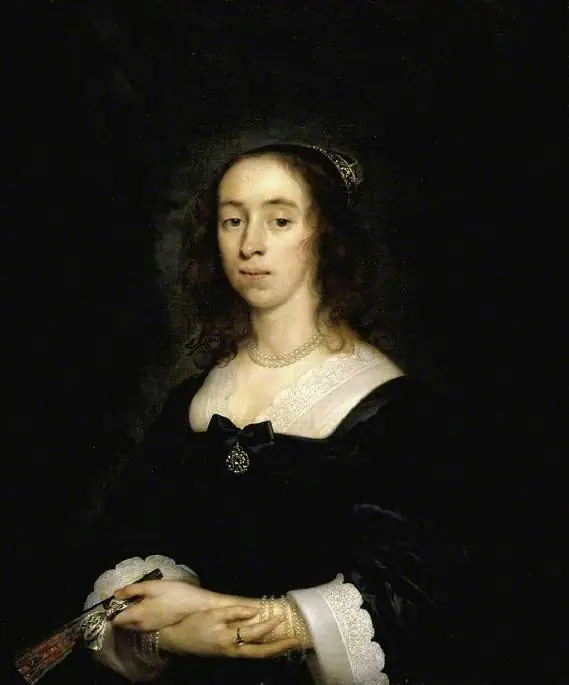
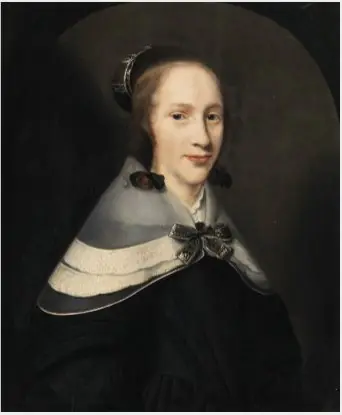
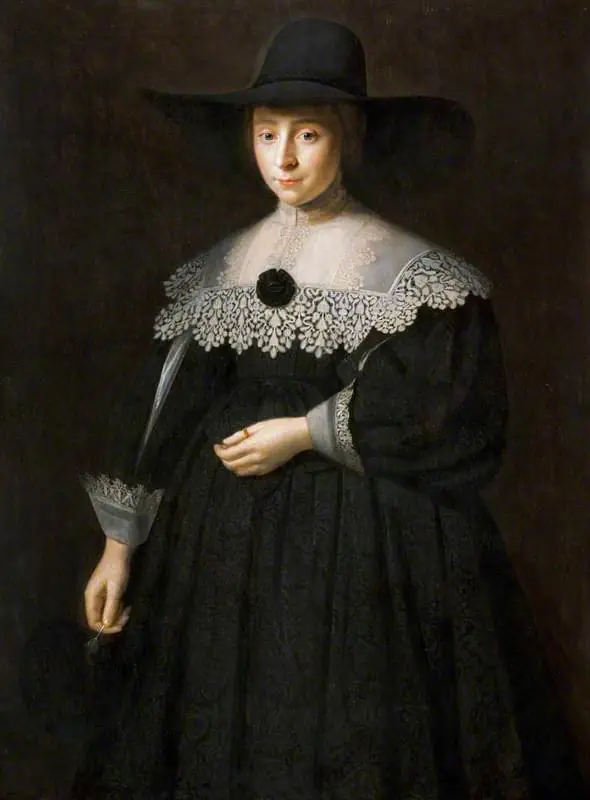
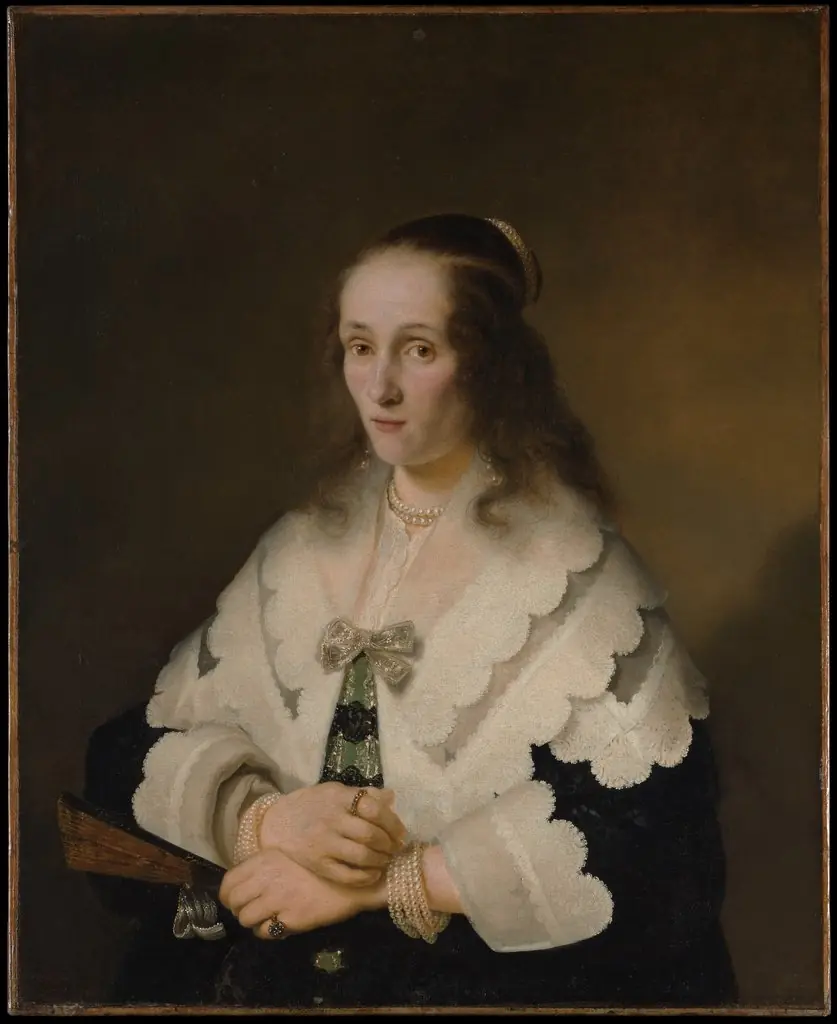
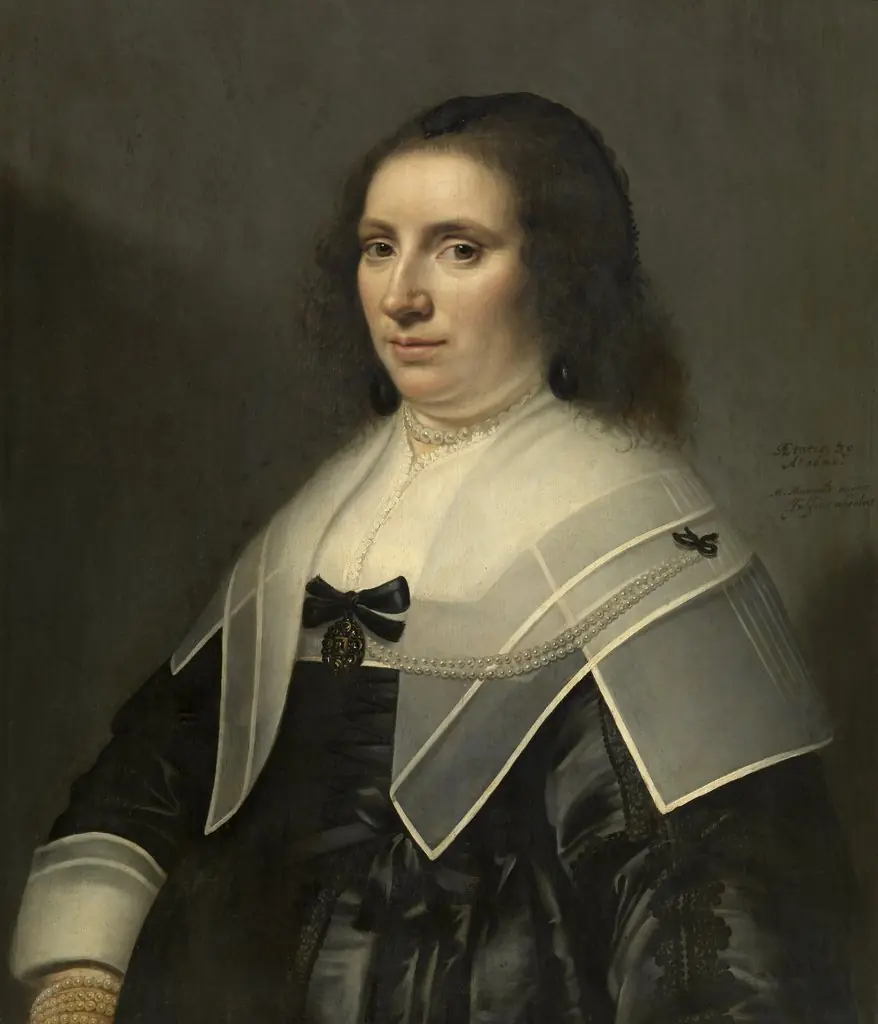
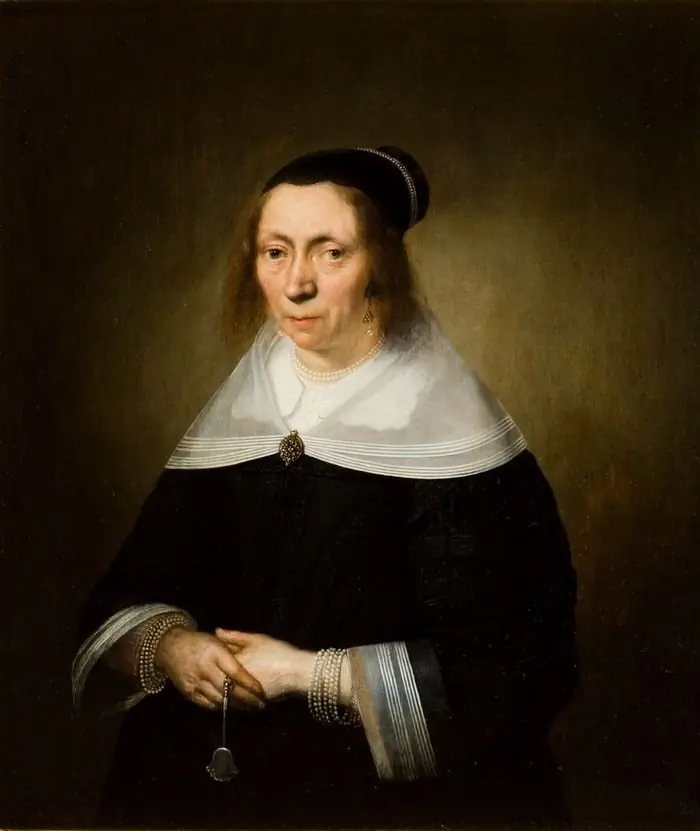
Portrait of a woman is an oil painting by the Dutch Golden Age artist Jan de Bray. It dates from 1660 and is held in the collection of the Fitzwilliam Museum.
About this work
Overview
Jan de Bray, a Haarlem‑based painter of the Dutch Golden Age, completed an oil portrait in 1660 that depicts a woman in formal 17th‑century dress. The work is part of the Fitzwilliam Museum’s collection and exemplifies the refined portraiture typical of its era.
Subject & Meaning
The sitter is presented in a sober pose, gazing directly at the viewer with a serious expression. She wears a white blouse, a dark skirt, a pearl necklace and bracelets, and holds a piece of fabric in her left hand, suggesting modest elegance and the social status of a well‑dressed woman of the period.
Technique & Style
De Bray employs a restrained palette, contrasting the luminous clothing with a dark, muted background that enhances the figure’s three‑dimensionality. The handling of light on the fabrics and the subtle modeling of the face reflect the influence of contemporaries such as Frans Hals and the artist’s own father, Salomon de Bray.
History & Provenance
Created in 1660, the painting later entered the collection of the Fitzwilliam Museum in Cambridge. Its provenance traces back to the artist’s circle, where de Bray often used family members or acquaintances as models for his portrait‑historié compositions.
Context
During the mid‑17th century, Dutch portraiture increasingly blended personal likeness with classical references. De Bray’s work fits within this trend, merging realistic depiction with the dignified compositional conventions that characterized the period’s elite portraiture.
Artist & collection
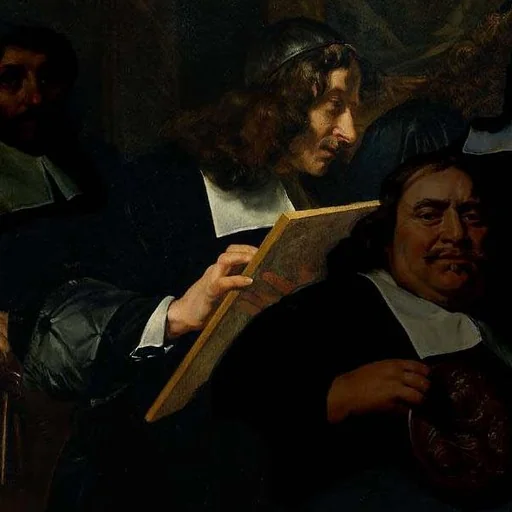
Artist
Jan de Bray (c. 1627 – April 4, 1697) was a Dutch Golden Age painter. He lived and worked in Haarlem until the age of 60, when he went bankrupt and moved to Amsterdam. Jan de Bray was influenced by his father Salomon…

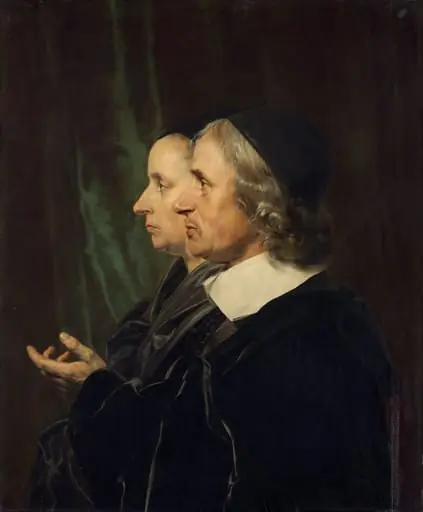 Portrait of the Artist's Parents, Salomon de Bray and Anna Westerbaen
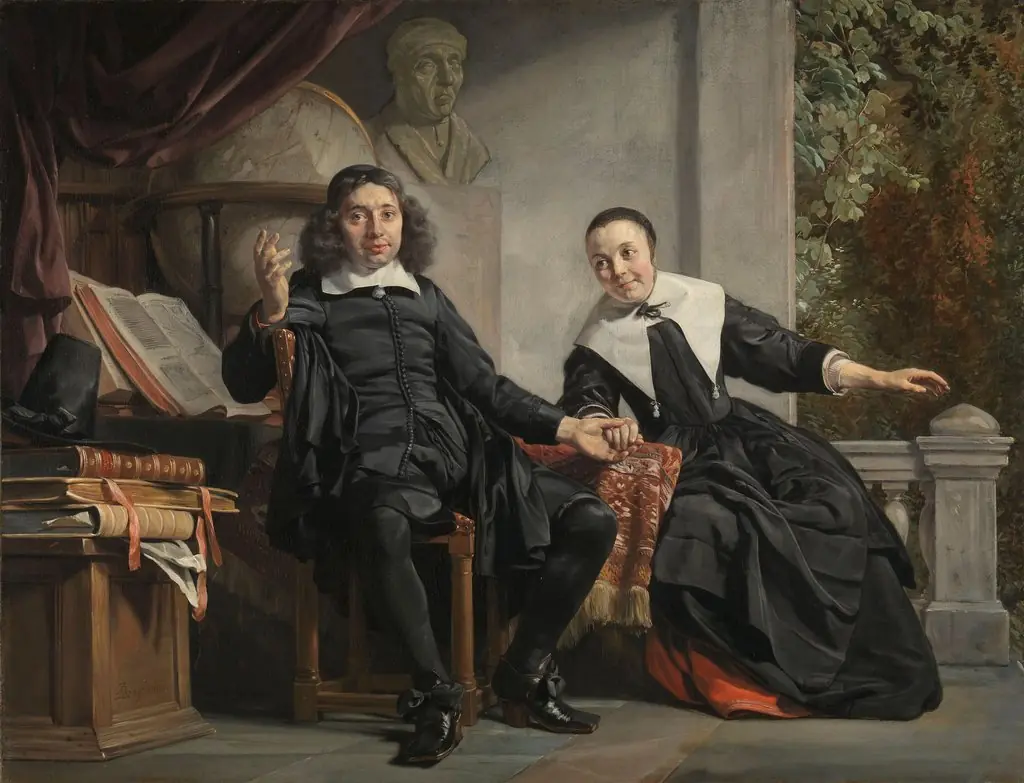 Abraham Casteleyn and his Wife, Margarieta van Bancken
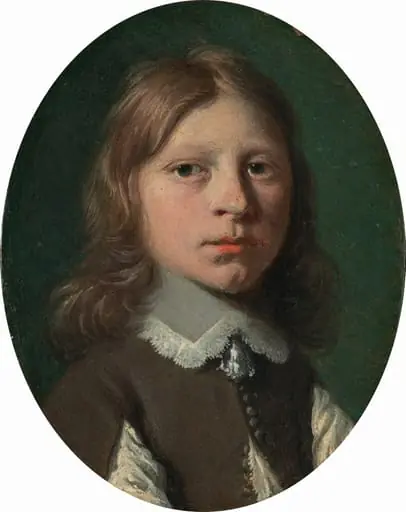 Head of a Young Boy
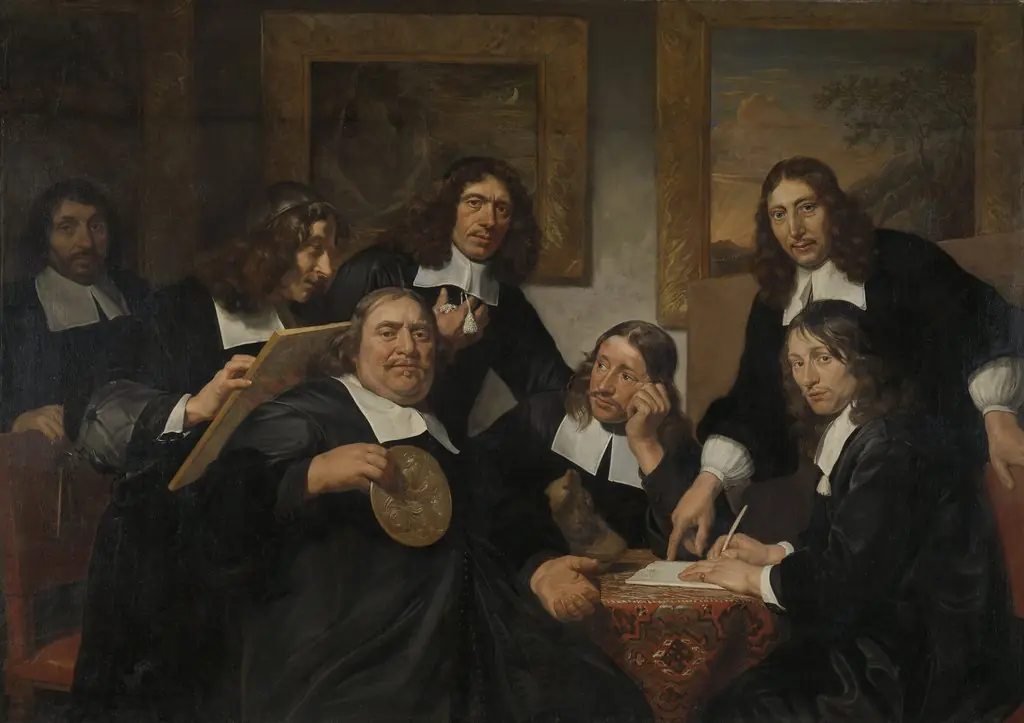 The governors of the guild of St. Luke, Haarlem, 1675
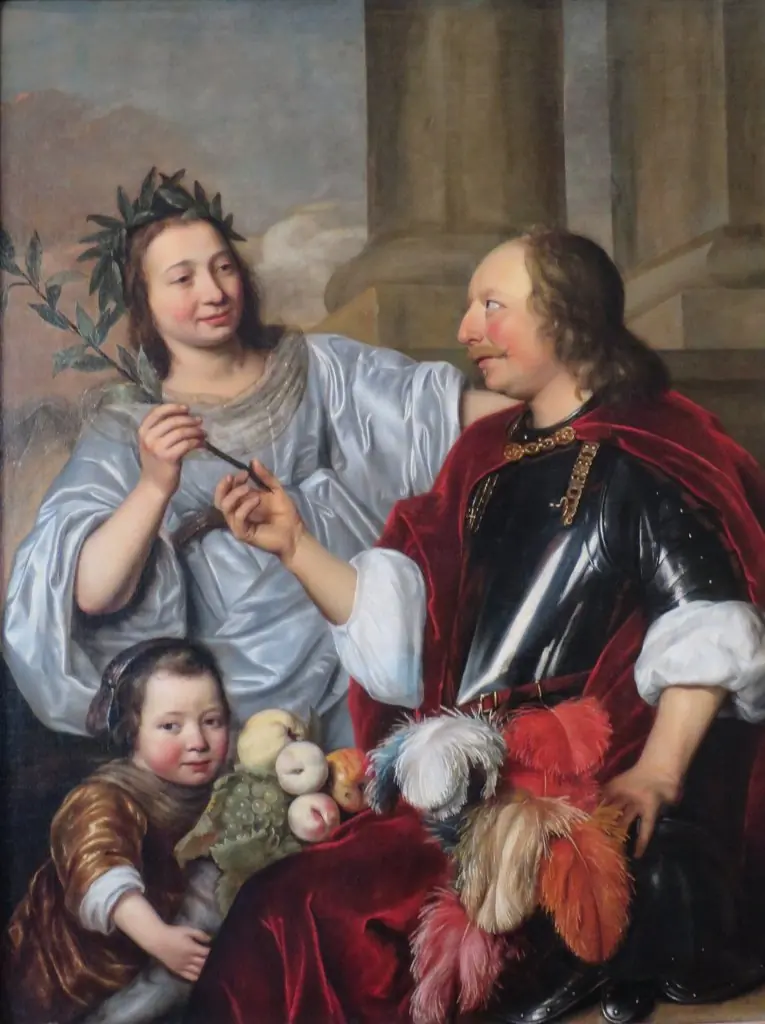 Allegorical Family Portrait
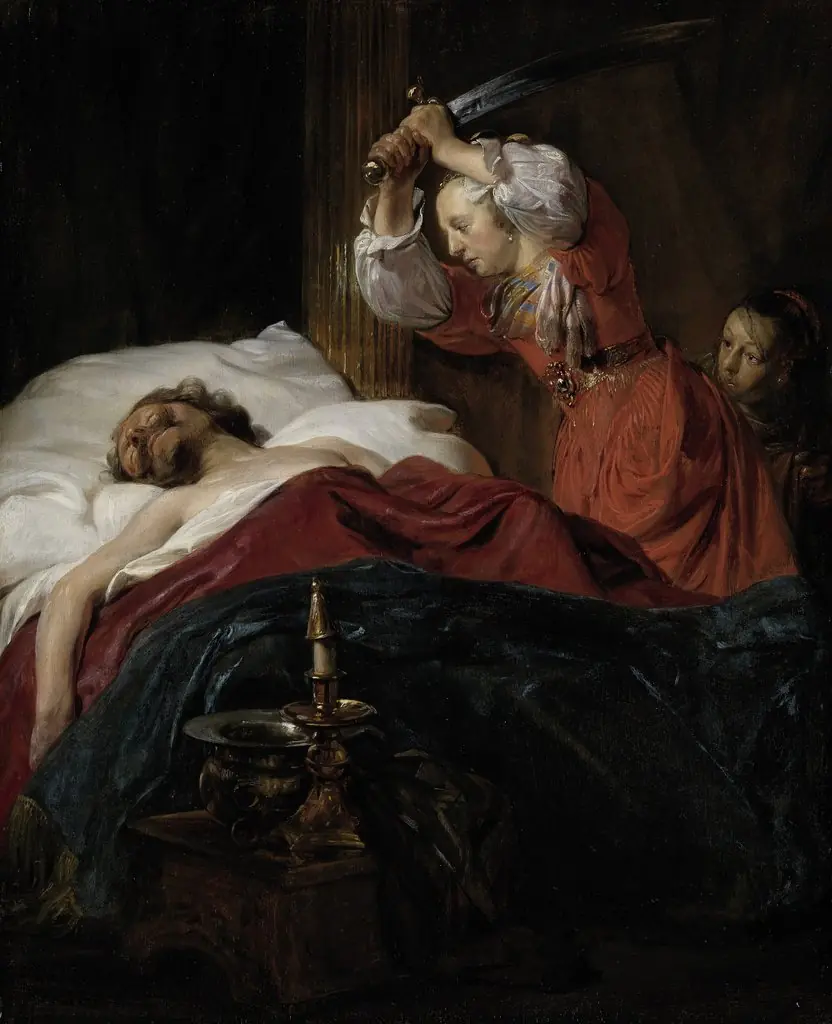 Judith en Holofernes
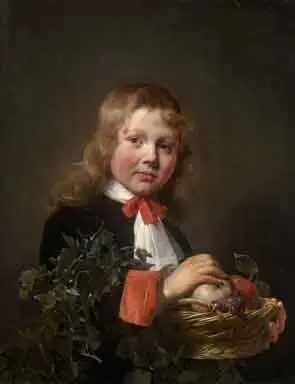 Portrait of a Boy holding a Basket of Fruit
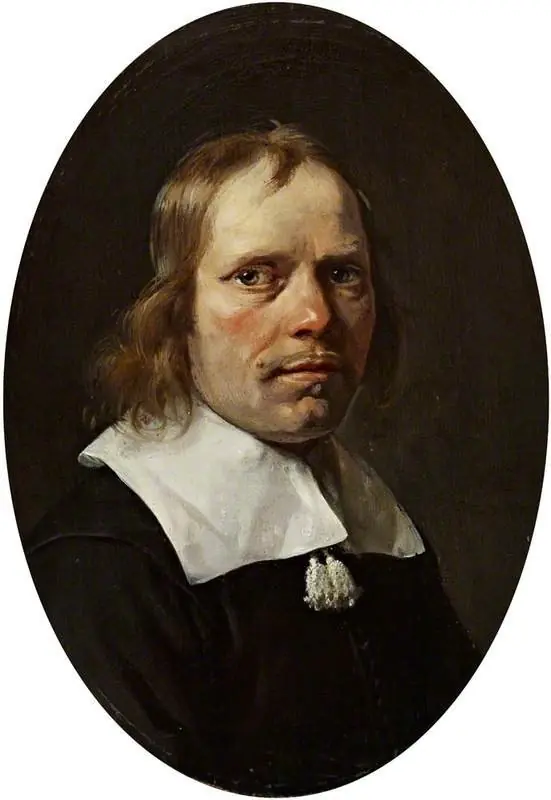 Portrait of a Man