Artwork
Monochrome Banketje Monochromes Bankettbild (Bildpaar). Stillleben mit Weinglas, Austern und Kastanien
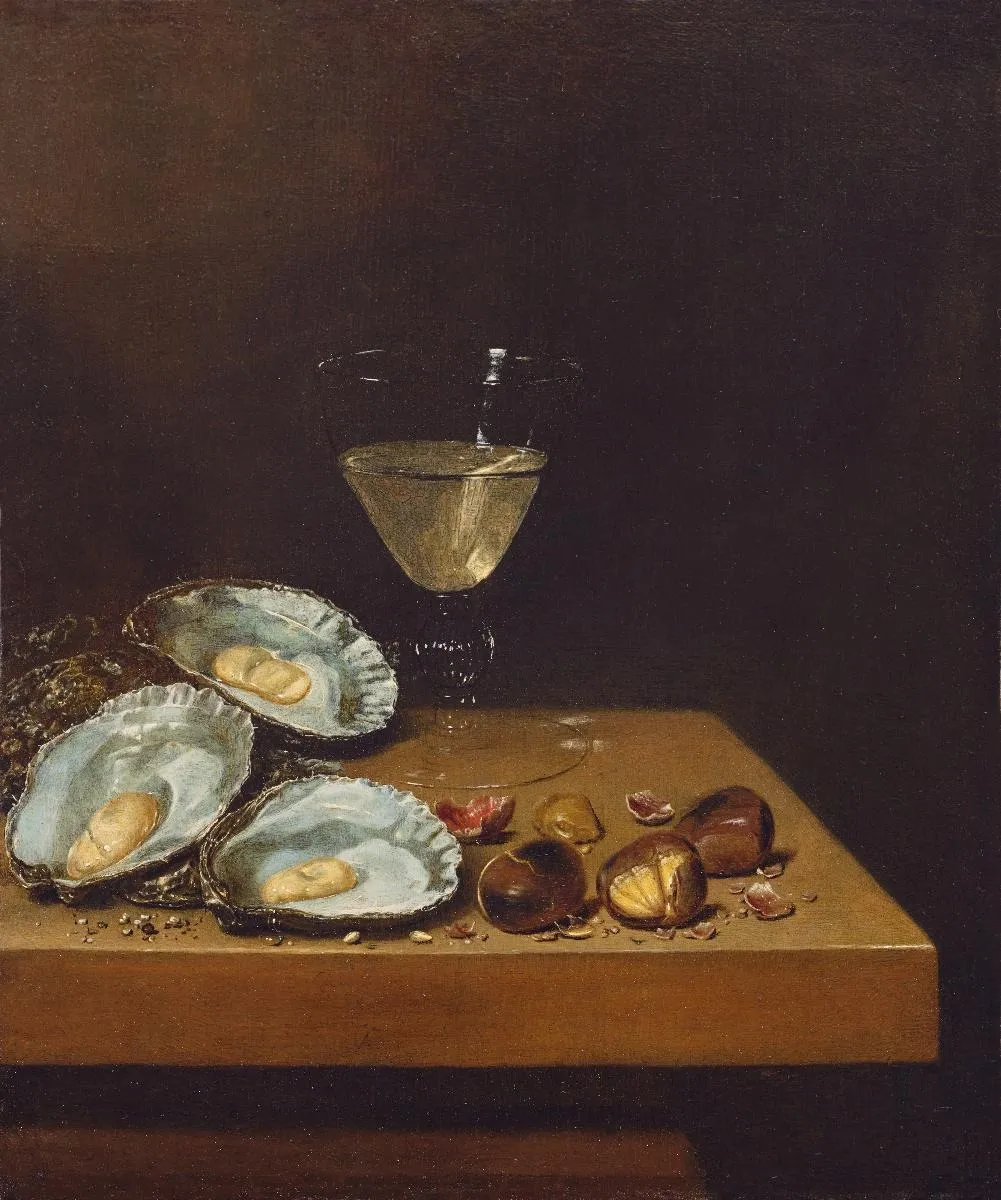
Monochrome Banketje Monochromes Bankettbild (Bildpaar). Stillleben mit Weinglas, Austern und Kastanien is an oil painting by the Dutch Golden Age artist Jan Jansz van de Velde. It dates from 1662 and is held in the collection of the Kunsthaus Zürich.
About this work
Overview
Jan Jansz van de Velde’s oil on canvas from 1662 presents a compact still‑life arrangement. The work is part of the collection of the Kunsthaus Zürich and measures a modest size, focusing the viewer’s attention on a few carefully chosen objects rendered with meticulous detail.
Subject & Meaning
The composition centers on a wine glass, three oysters and a handful of chestnuts placed on a darkened tabletop. One oyster is split open, revealing a pearl, while the chestnuts are shown both whole and broken, exposing their pale interiors. The selection of luxury food items hints at themes of abundance and the fleeting pleasures of the banquet.
Technique & Style
Executed in a realistic manner, van de Velde employs fine brushwork to capture the translucency of glass, the iridescent sheen of oyster shells and the textured bark of the chestnut shells. Subtle chiaroscuro deepens the background, allowing the bright hues of the wine and the shells to stand out sharply.
History & Provenance
Painted in the Dutch Golden Age, the piece entered the Kunsthaus Zürich’s holdings in the 20th century, though earlier ownership records are sparse. Its attribution to van de Velde rests on stylistic analysis and documented signatures matching his known oeuvre.
Context
Van de Velde specialized in banquet and kitchen still lifes, a genre popular in mid‑17th‑century Holland. Such works often juxtaposed edible luxuries with modest items, reflecting contemporary interest in material culture and the moralizing undertones of vanitas.
Legacy
The painting exemplifies the Dutch tradition of precise, sensory still‑life painting and continues to inform studies of 17th‑century material culture. Its presence in a major Swiss museum underscores the cross‑national appreciation for this period’s meticulous visual documentation.
Artist & collection
Artist
Jan Jansz van de Velde (1620–1662) was a Dutch artist, born in Haarlem.

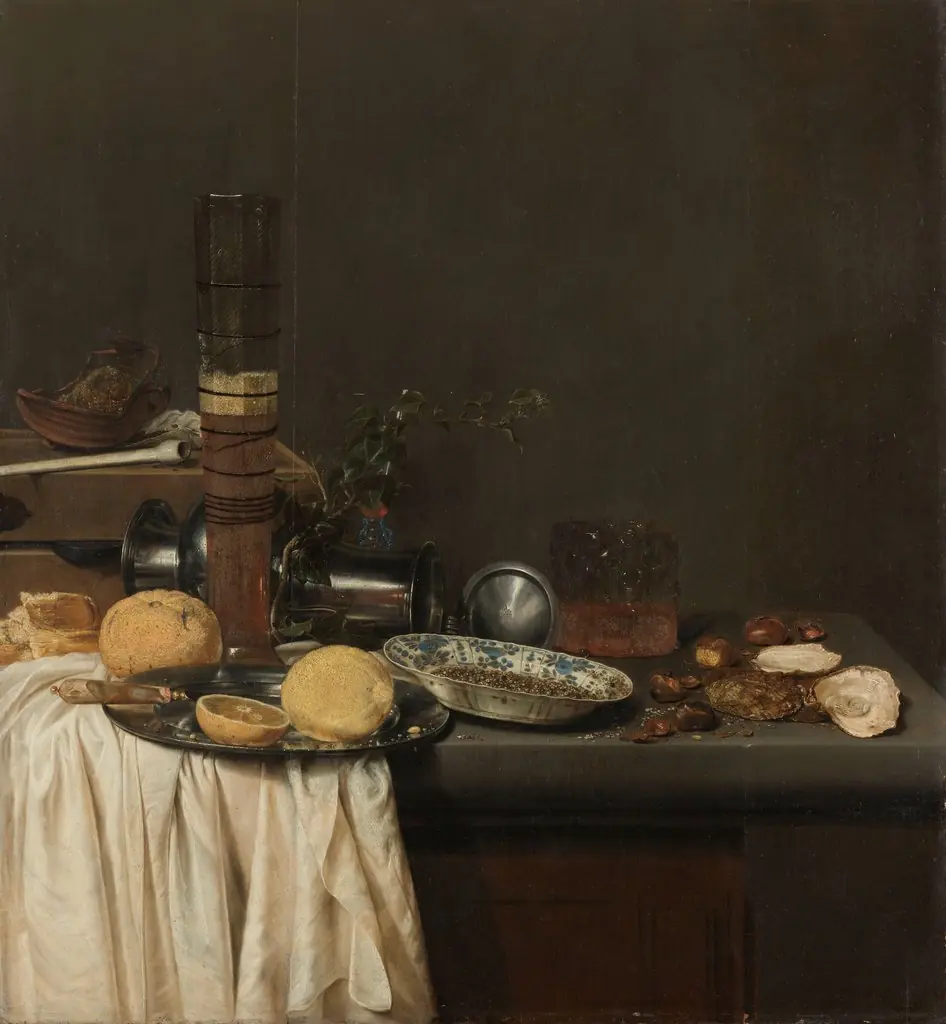 Still-life with a Tall Beer Glass
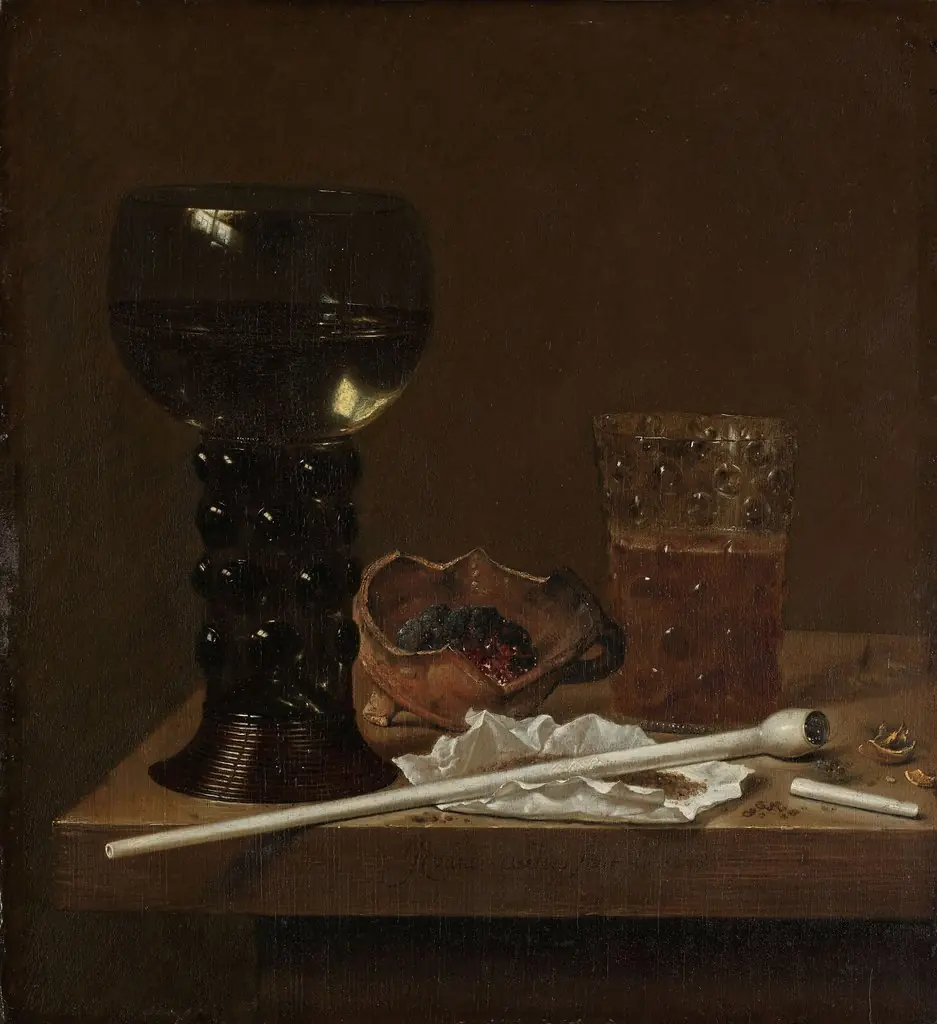 Still life with wineglass, beer glass and pipe
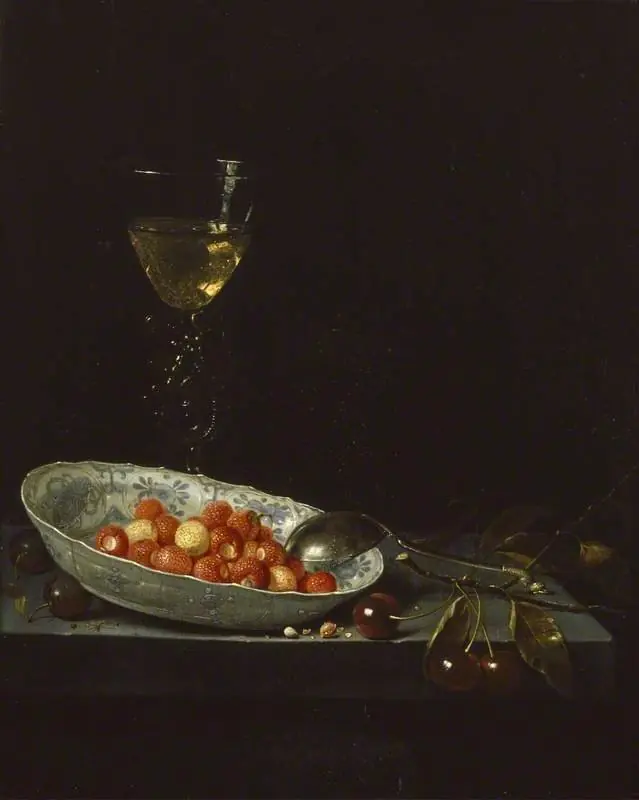 Still Life with Strawberries and Cherries
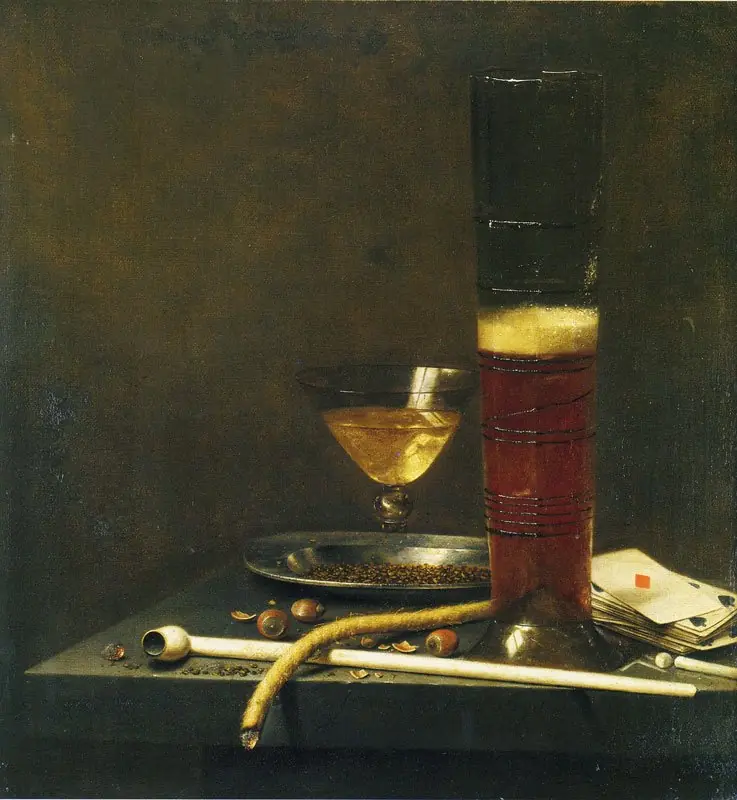 Glasses, Smoking Implements, and Cards
 Still Life with Roemer, Salt Cellar, Tobacco, Lemon, and Olives
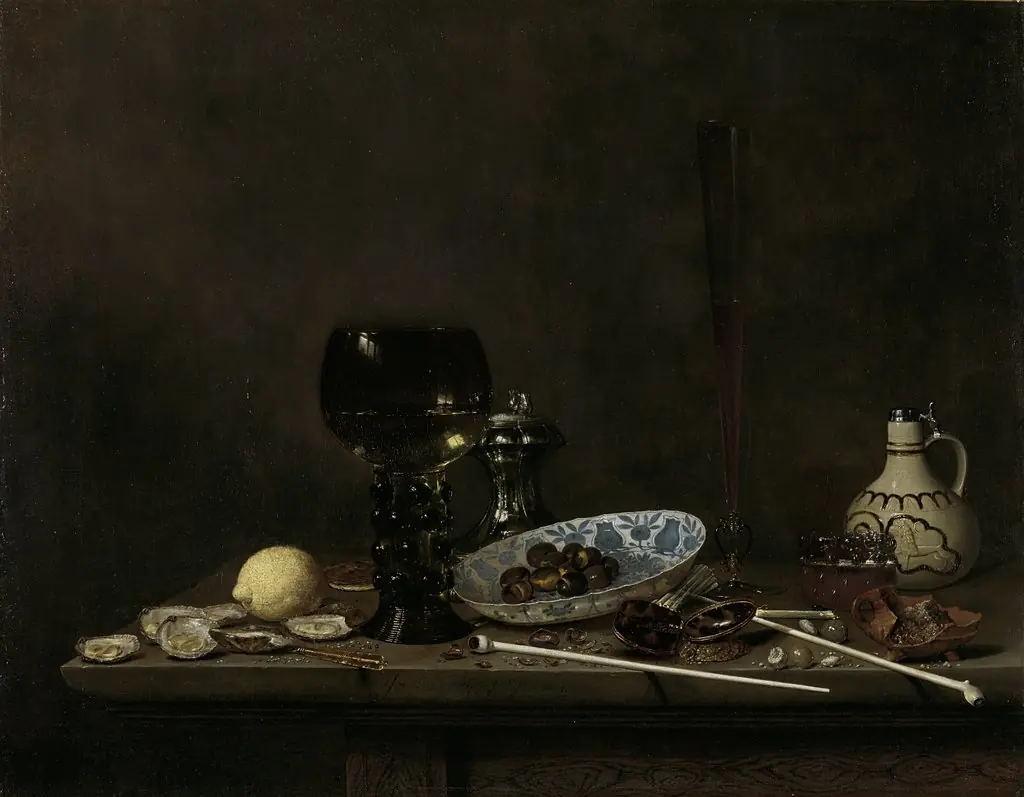 Still life with wineglass, flute, glass, earthenware jug and pipes
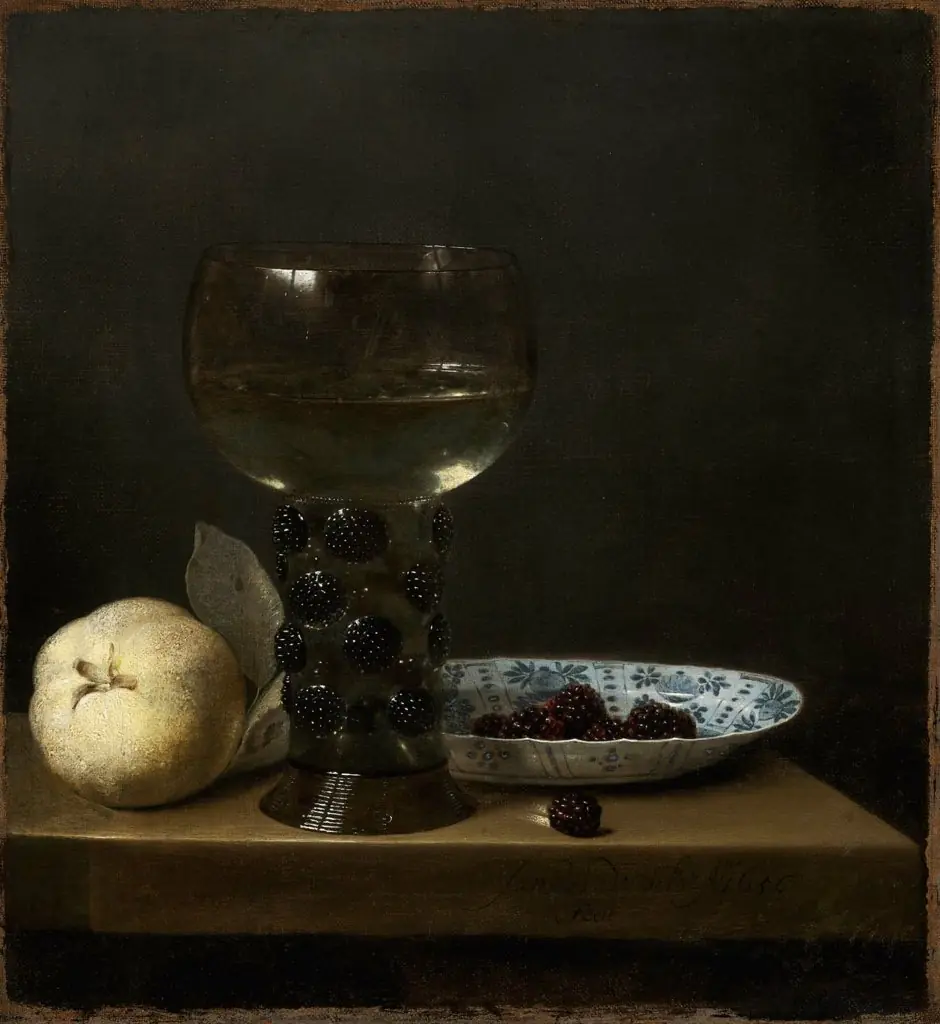 Still Life with Goblet and Fruit
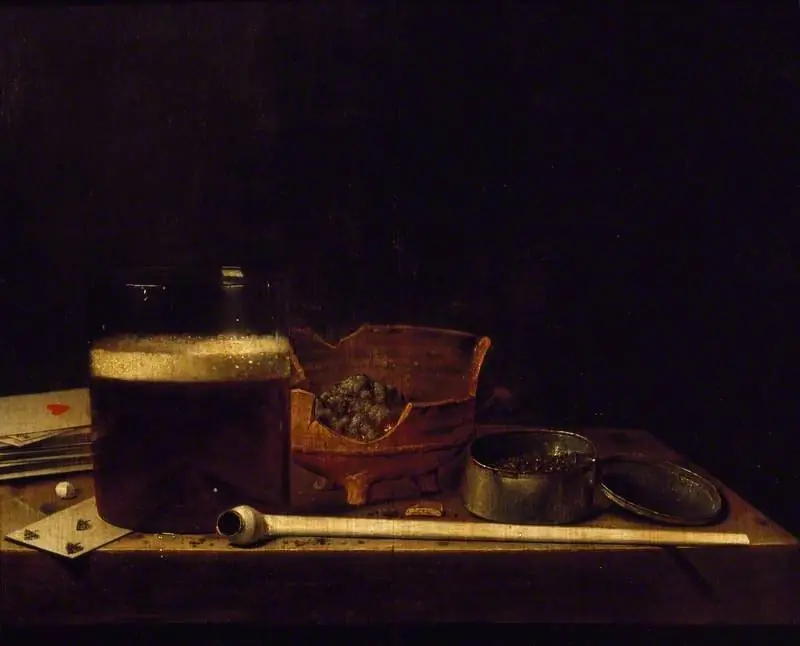 Still Life with a clay Pipe
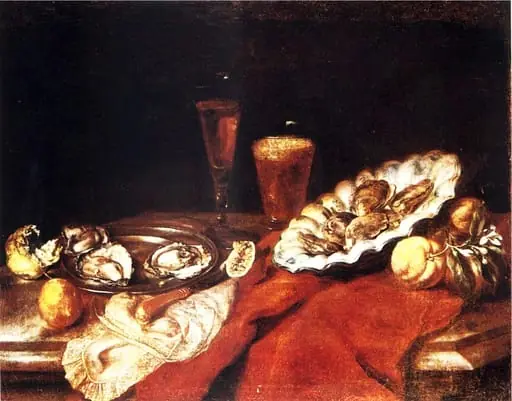 Natură moartă cu scoici; pandant: Natură moartă cu pești
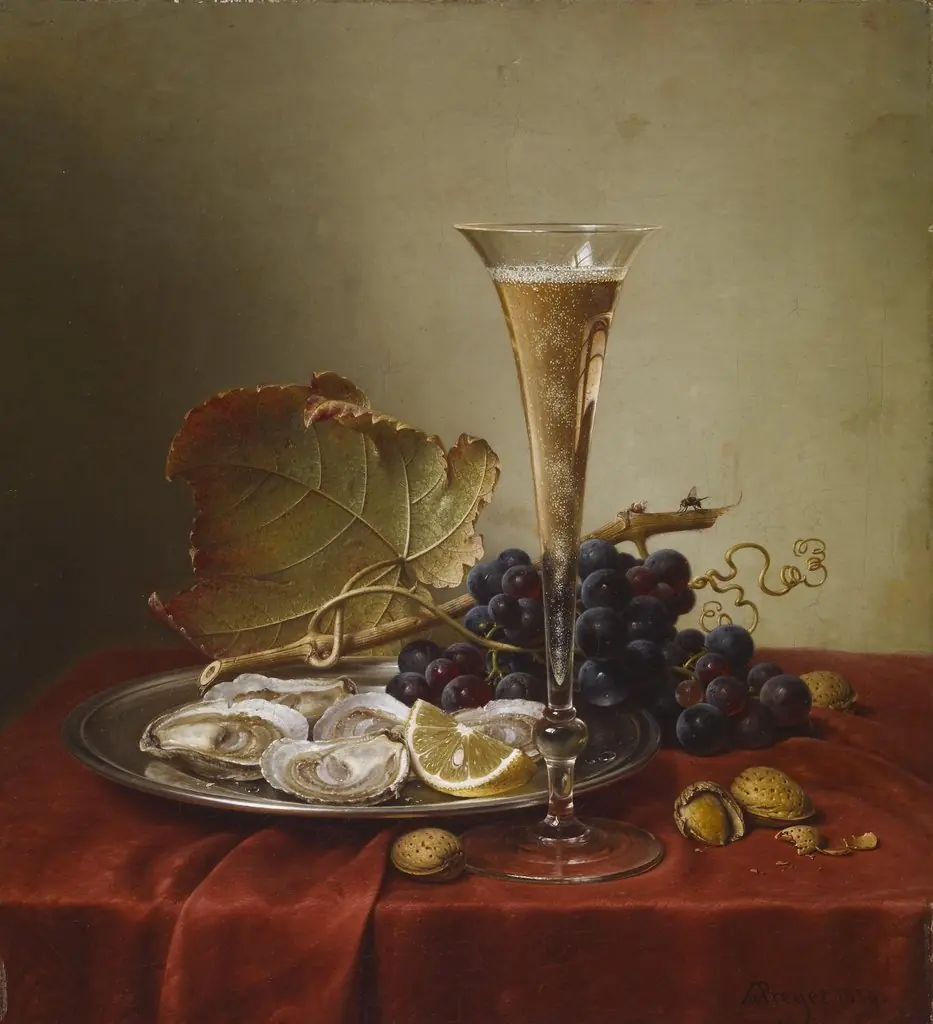 Grapes, Oysters, Hazlenuts and a Champagne Flute on a draped Ledge
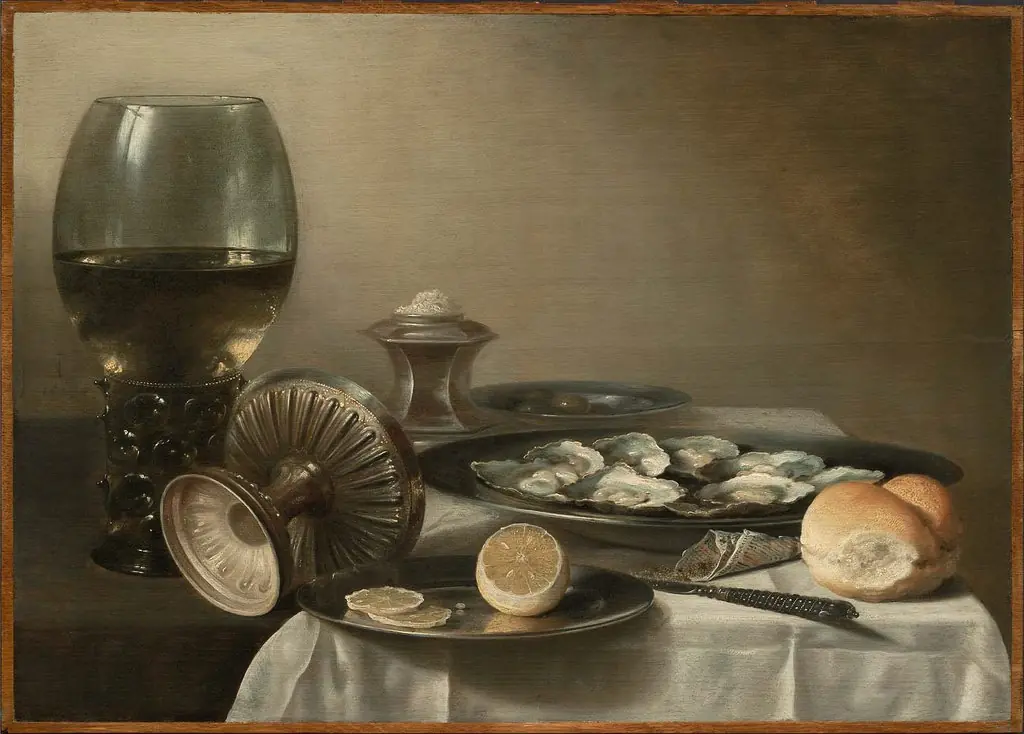 Still Life with Wine Goblet and Oysters
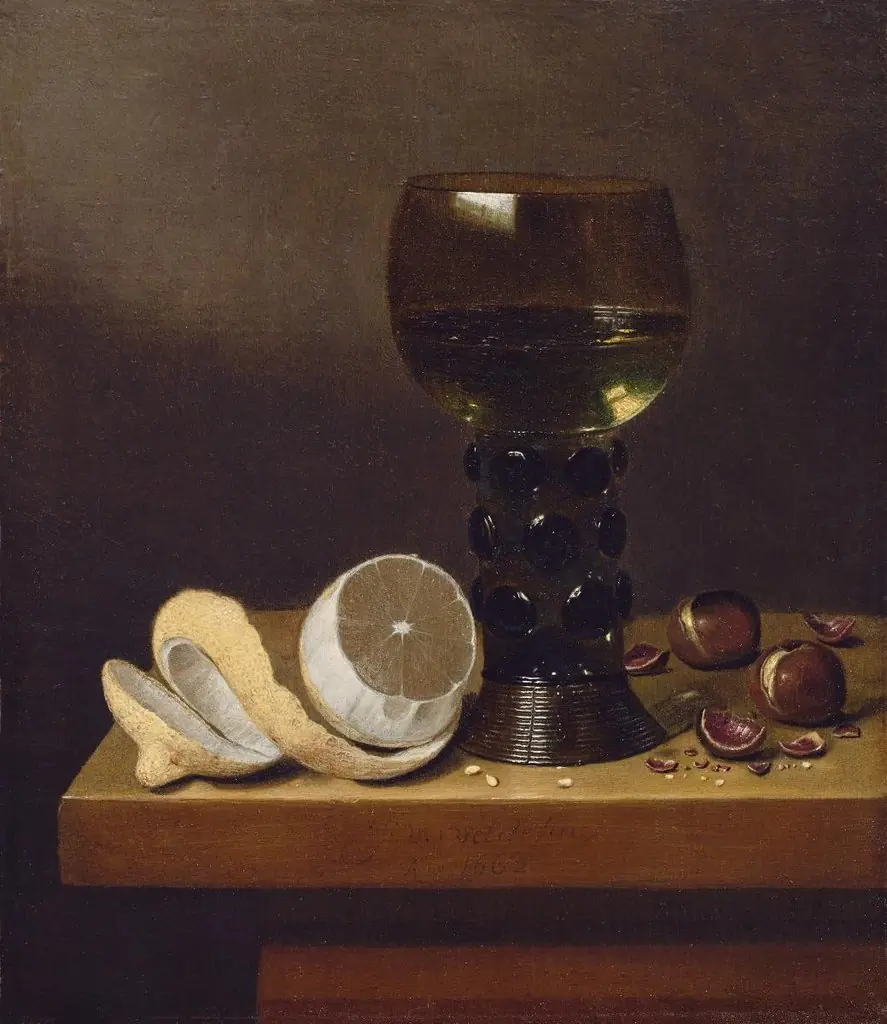 Monochrome Banketje Monochromes Bankettbild (Bildpaar). Stillleben mit Römer, halber Zitrone und Kastanie
 Still Life
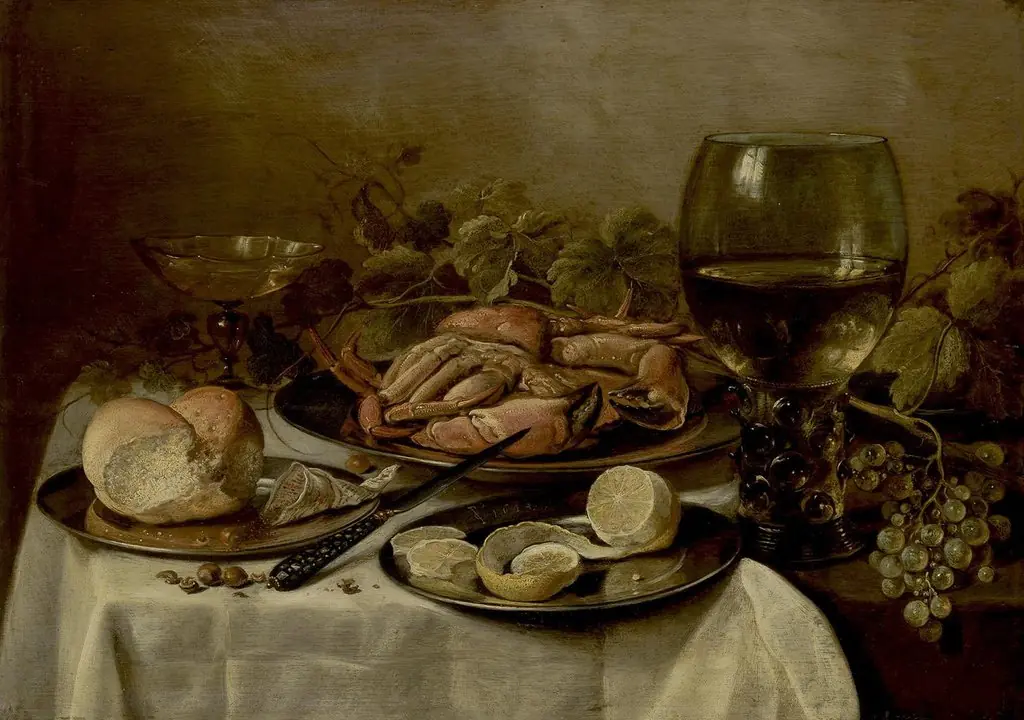 Still Life with Crab, Rummer and Grape
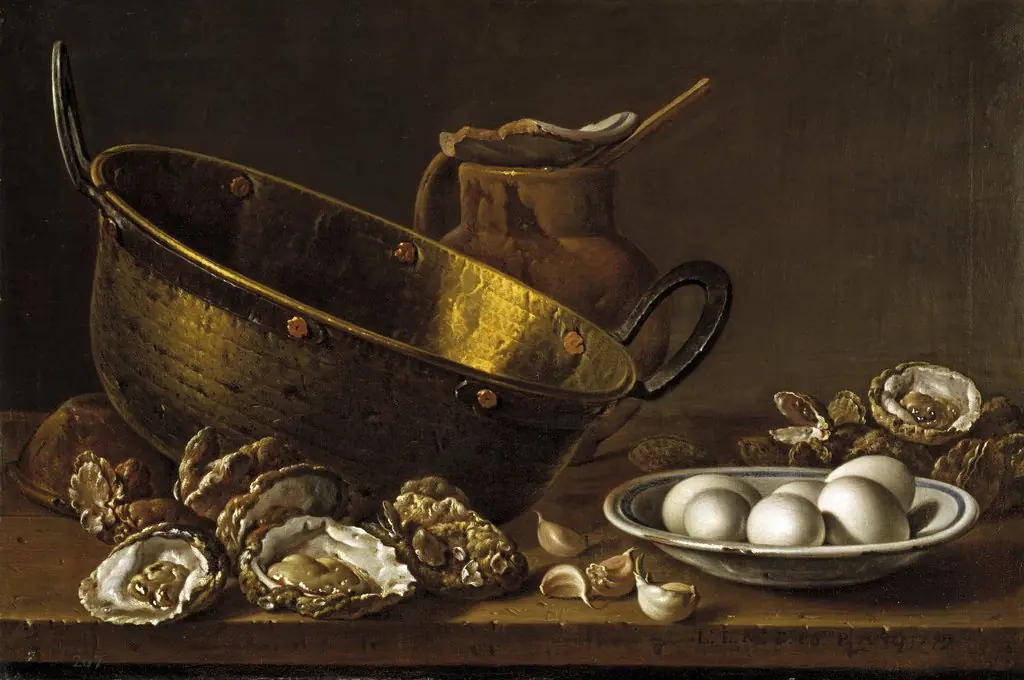 Still Life with Oysters Garlic Eggs Pot and Pan
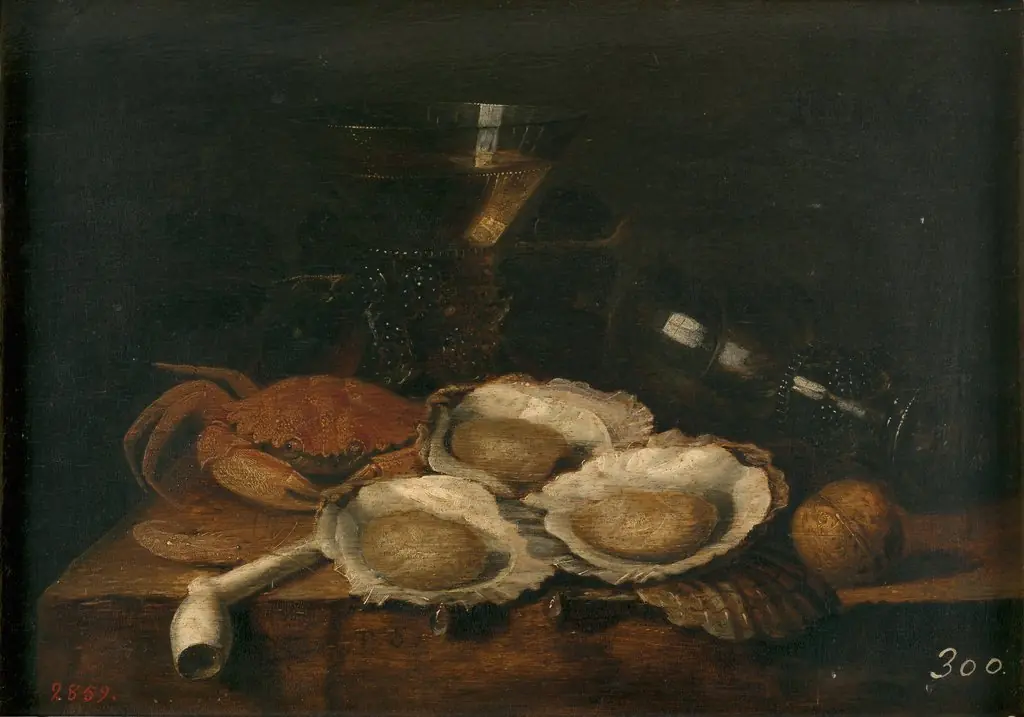 Still life with crab and oysters
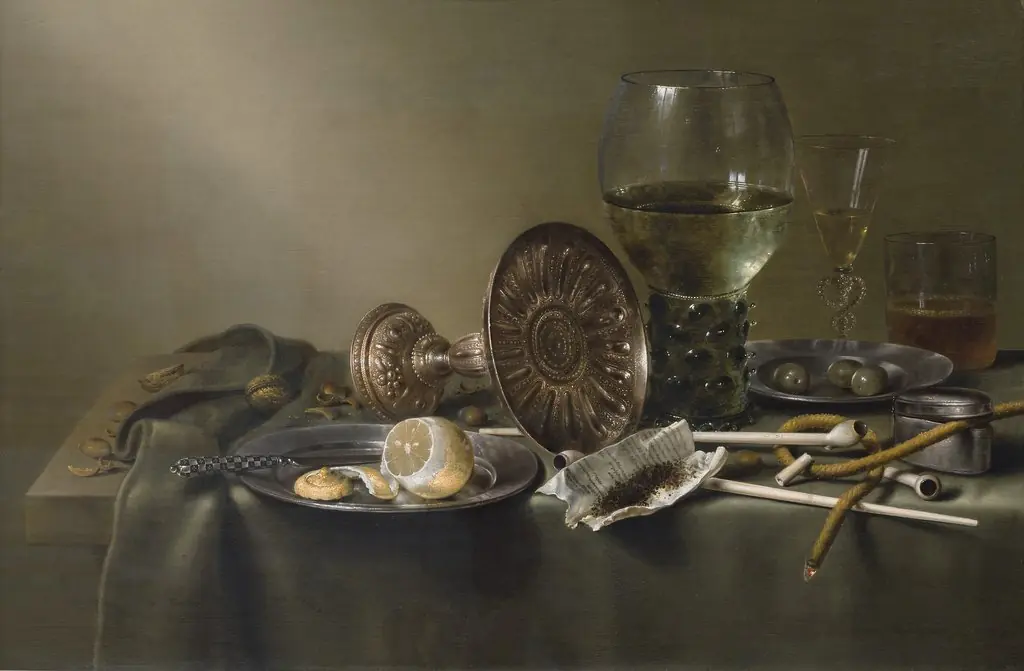 Still Life with Glasses and Tobacco
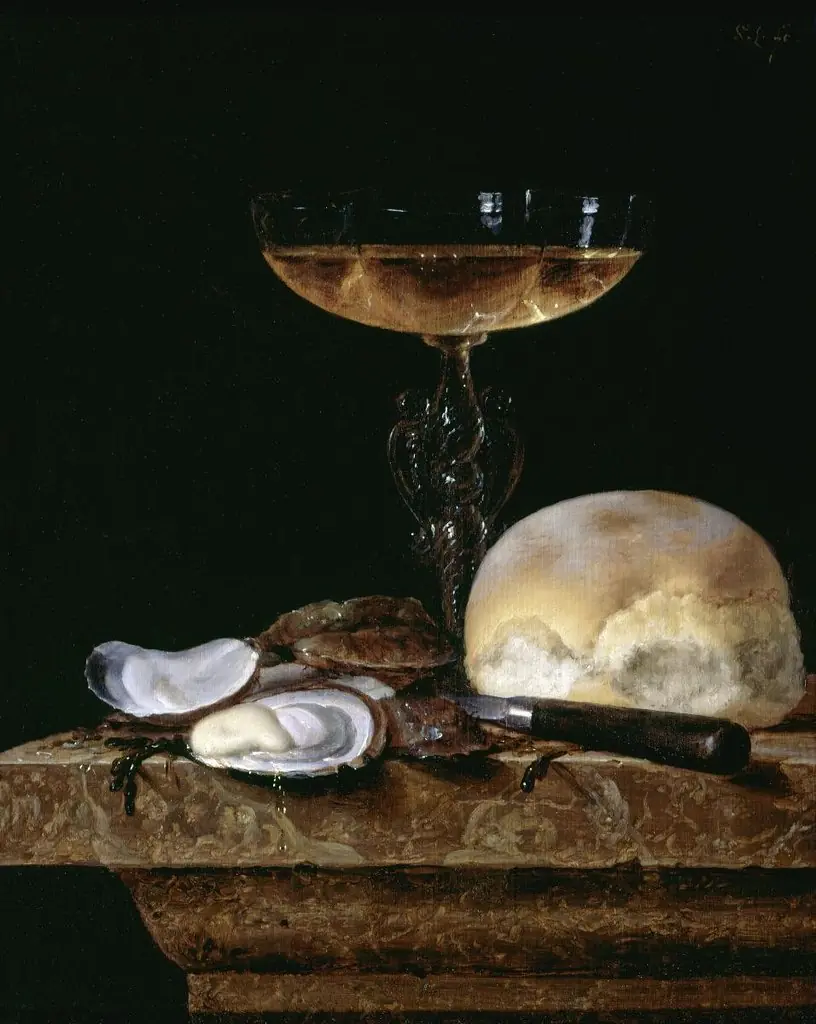 Schalenglas, Austern und Brötchen
 Still Life with Crabs
 Breakfast