Artwork
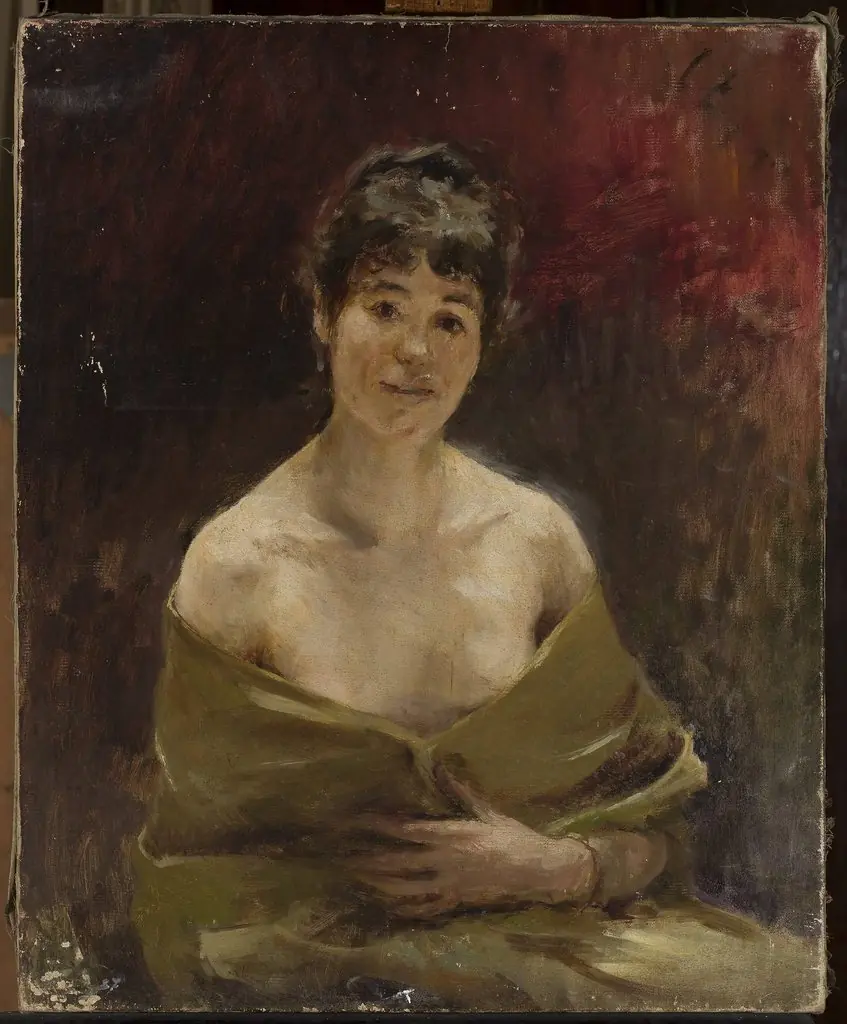
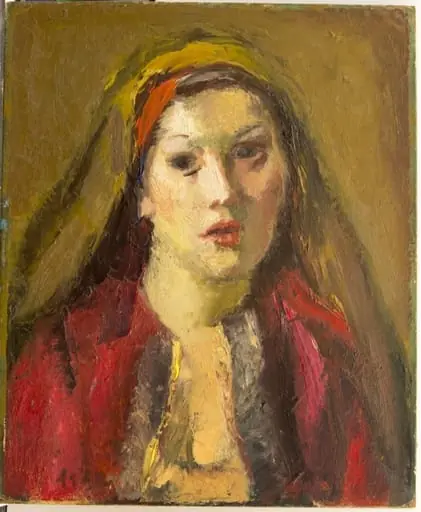
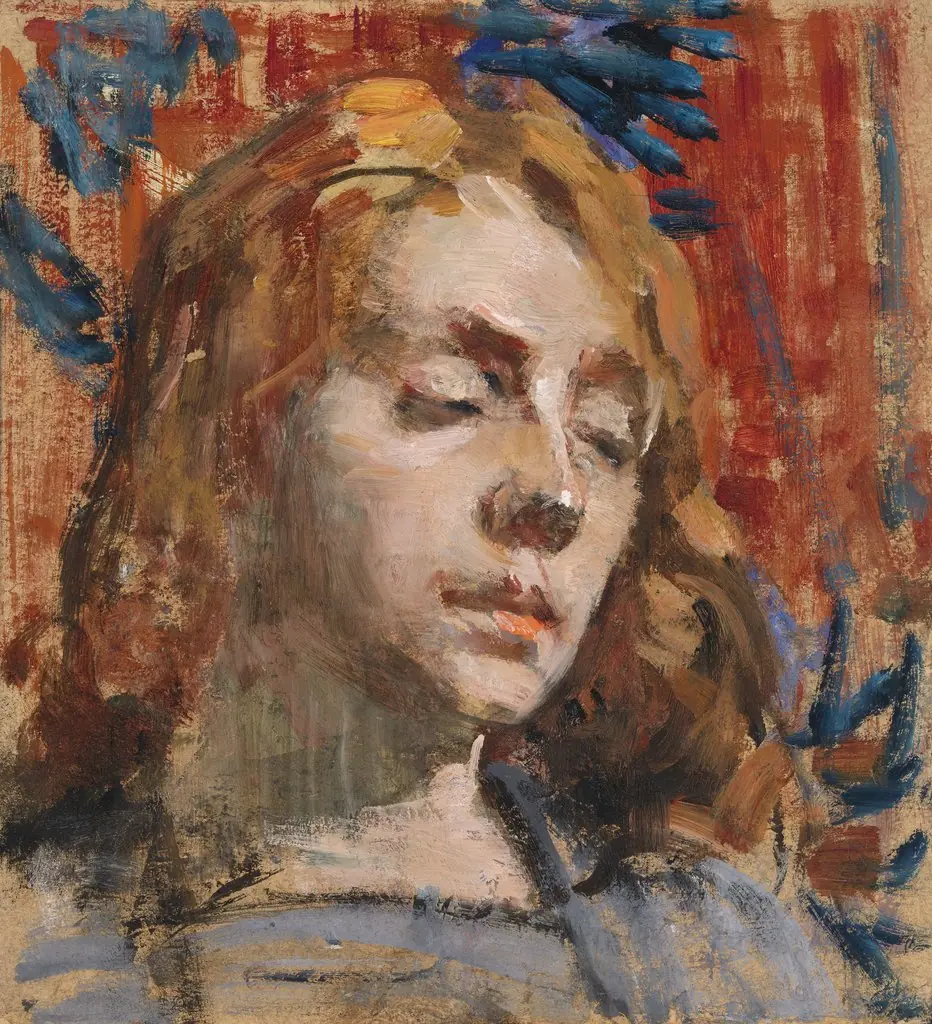
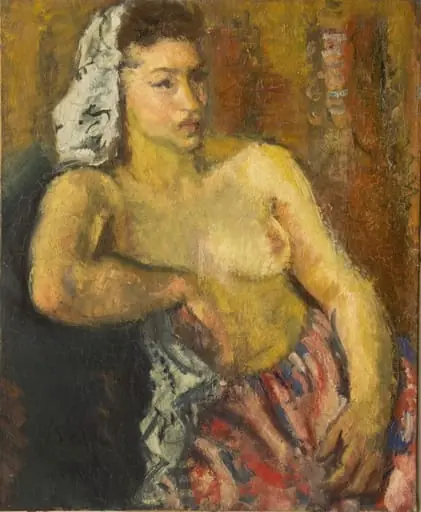
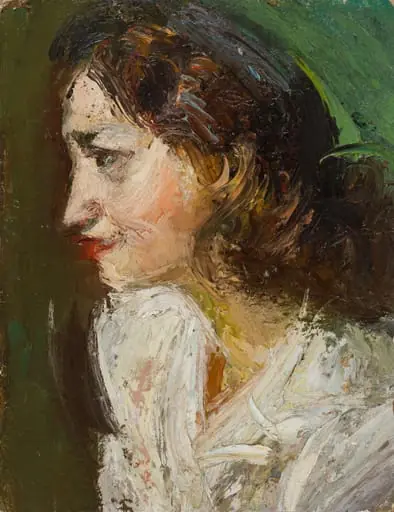
Portrait study of a woman
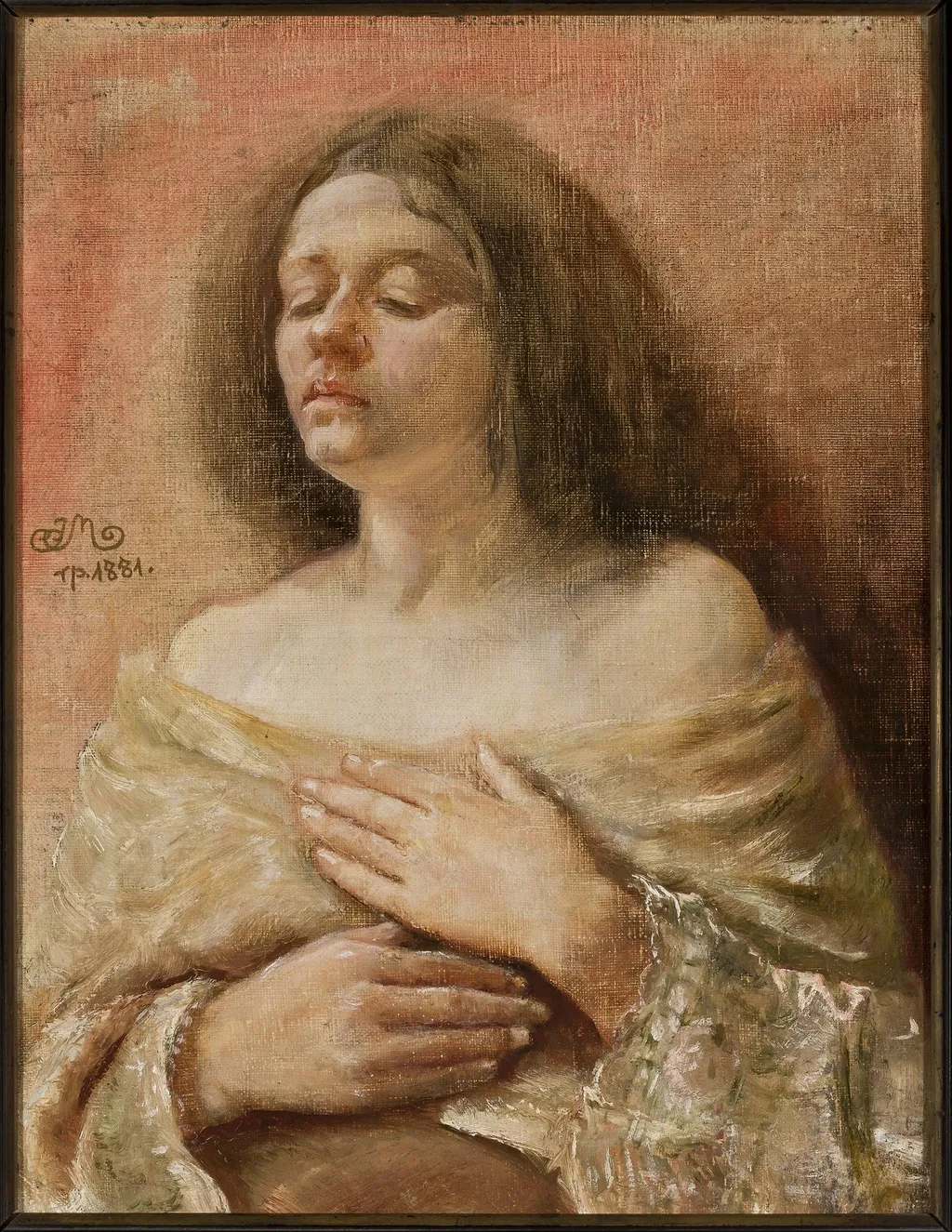
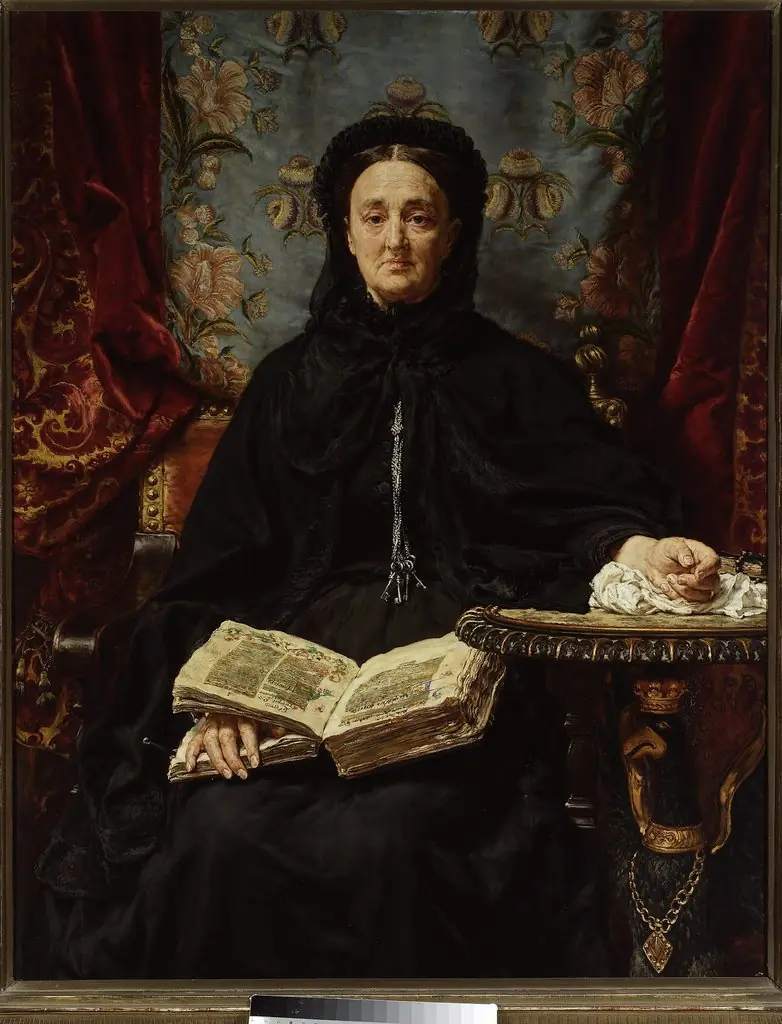
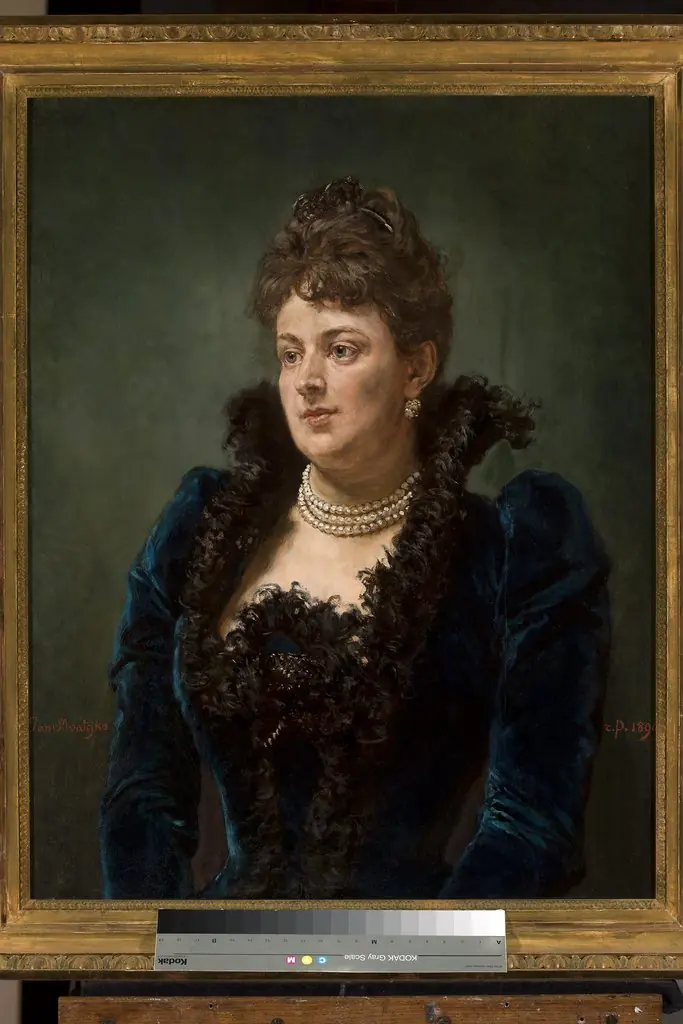
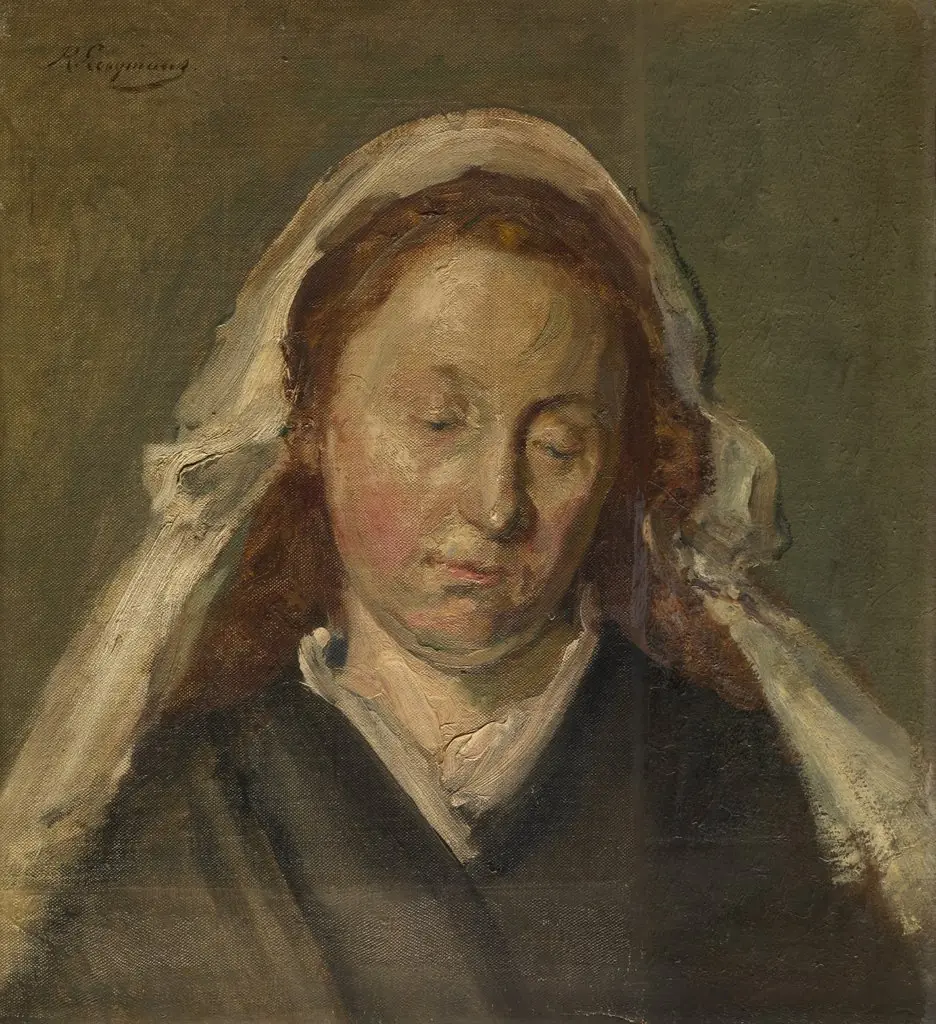
Portrait study of a woman is an unspecified painting by the Realist artist Jan Matejko. It dates from 1891 and is held in the collection of the National Museum in Warsaw.
About this work
Overview
It resides in the National Museum in Warsaw as part of his broader exploration of human presence beyond historical grandeur.
Painted in 1891 by Jan Matejko, this portrait study is a quiet departure from his large historical canvases. Though best known for epic national scenes, Matejko frequently turned to intimate portraiture. This work captures a single figure in a moment of stillness, emphasizing emotional resonance over narrative. It resides in the National Museum in Warsaw as part of his broader exploration of human presence beyond historical grandeur.
Subject & Meaning
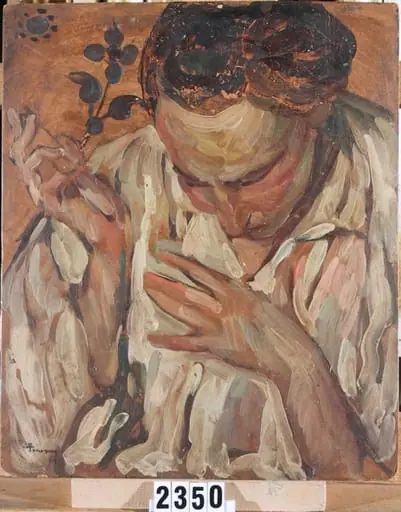
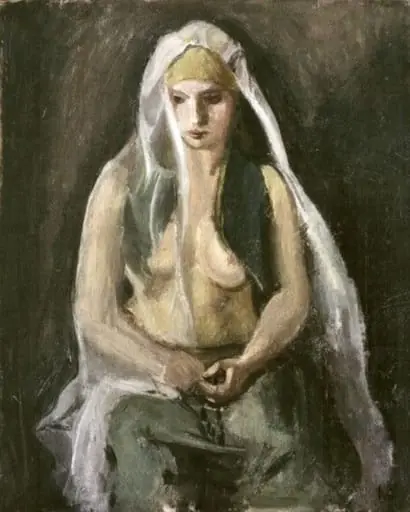
The subject is a woman, her face softly blurred, her body wrapped in a white drape, hands folded over her chest. The ambiguity of her identity and the obscured features invite contemplation rather than identification. The pose and muted tones suggest introspection, perhaps mourning or spiritual quietude. The painting avoids explicit symbolism, instead conveying a sense of inner stillness through restraint and absence.
Technique & Style
Matejko employed soft, blended brushwork and a restrained palette of pink and brown to dissolve form gently into the background. The lack of sharp definition, particularly in the face, contrasts with his precise historical works. Subtle gradations of light suggest chiaroscuro, enhancing the figure’s volume without dramatic contrast. The technique prioritizes atmosphere over detail, reinforcing the painting’s meditative tone.
History & Provenance
Created near the end of Matejko’s life, this study was likely made during a period of personal reflection. It entered the collection of the National Museum in Warsaw, where it remains today. Unlike his celebrated historical paintings, this work was not publicly exhibited during his lifetime, suggesting it was a private exploration rather than a commissioned piece.
Context
In the late 19th century, Polish artists navigated national identity under foreign partition. While Matejko’s large works celebrated historical resilience, this portrait reflects a quieter, more personal response to the era’s emotional weight. Its intimacy aligns with broader European trends toward psychological portraiture, offering a counterpoint to the public monuments of his time.
Legacy
Though less discussed than his battle scenes, this study reveals Matejko’s sensitivity to individual presence. It demonstrates his capacity for restraint and emotional nuance, expanding understanding of his artistic range. Contemporary viewers recognize it as a rare glimpse into the artist’s private mode of observation, where silence speaks louder than history.
Artist & collection
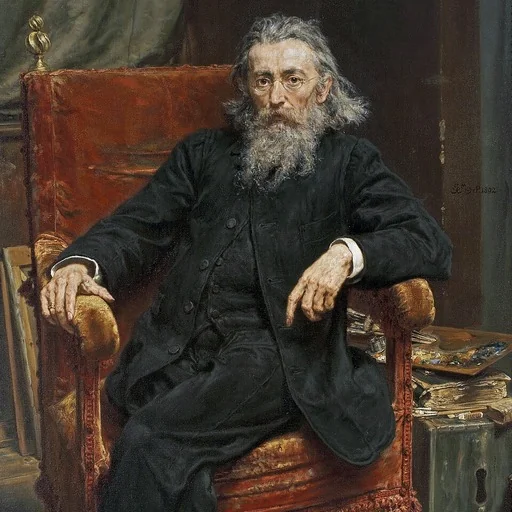
Artist
Jan Alojzy Matejko (Polish pronunciation: ; also known as Jan Mateyko; 24 June 1838 – 1 November 1893) was a Polish painter, a leading 19th-century exponent of history painting, known for depicting nodal events from Polish history.