Artwork
May feast (Gathering alms)
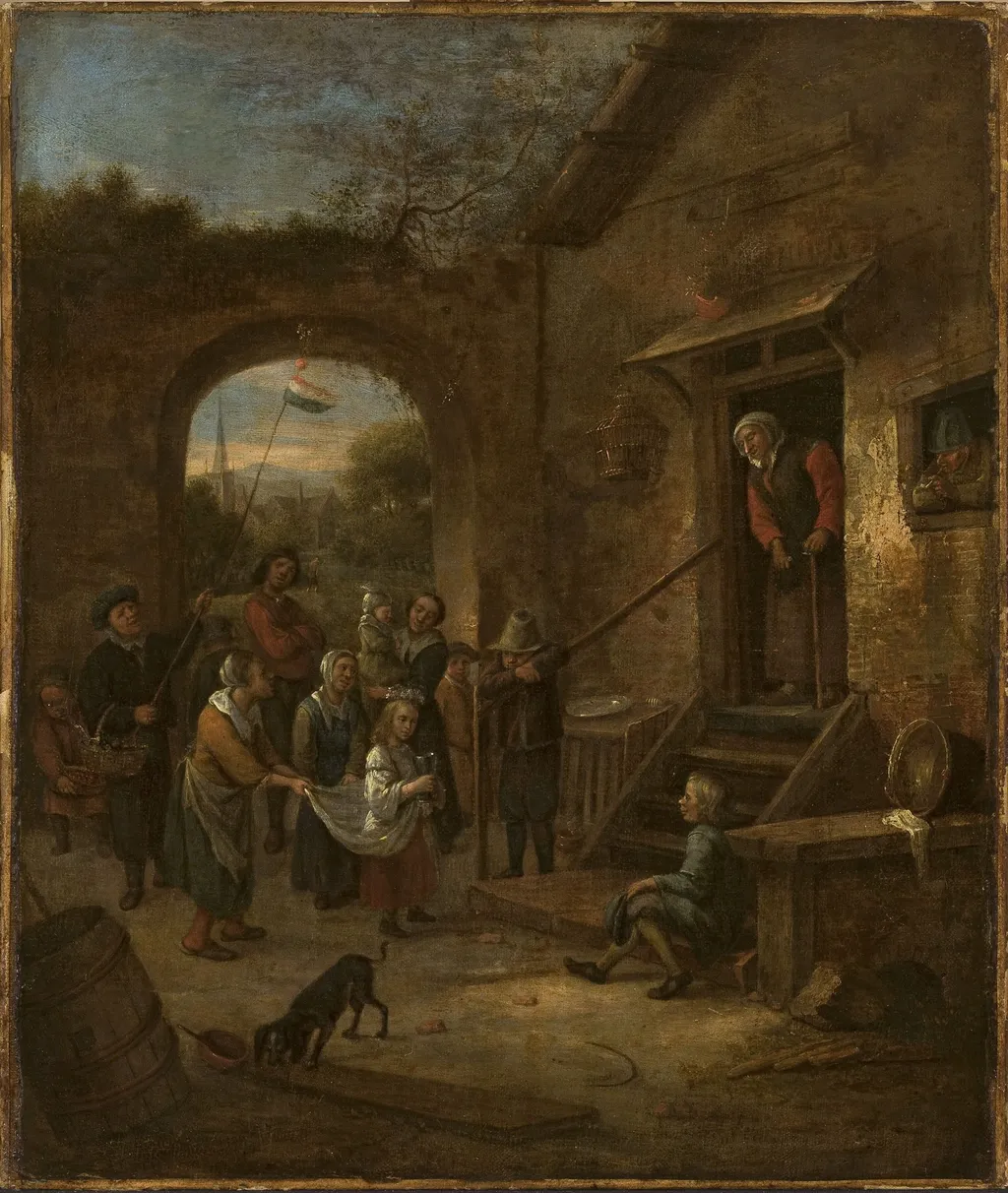
May feast (Gathering alms) is an oil painting by the Dutch Golden Age artist Jan Steen. It dates from 1662 and is held in the collection of the National Museum in Warsaw.
About this work
Overview
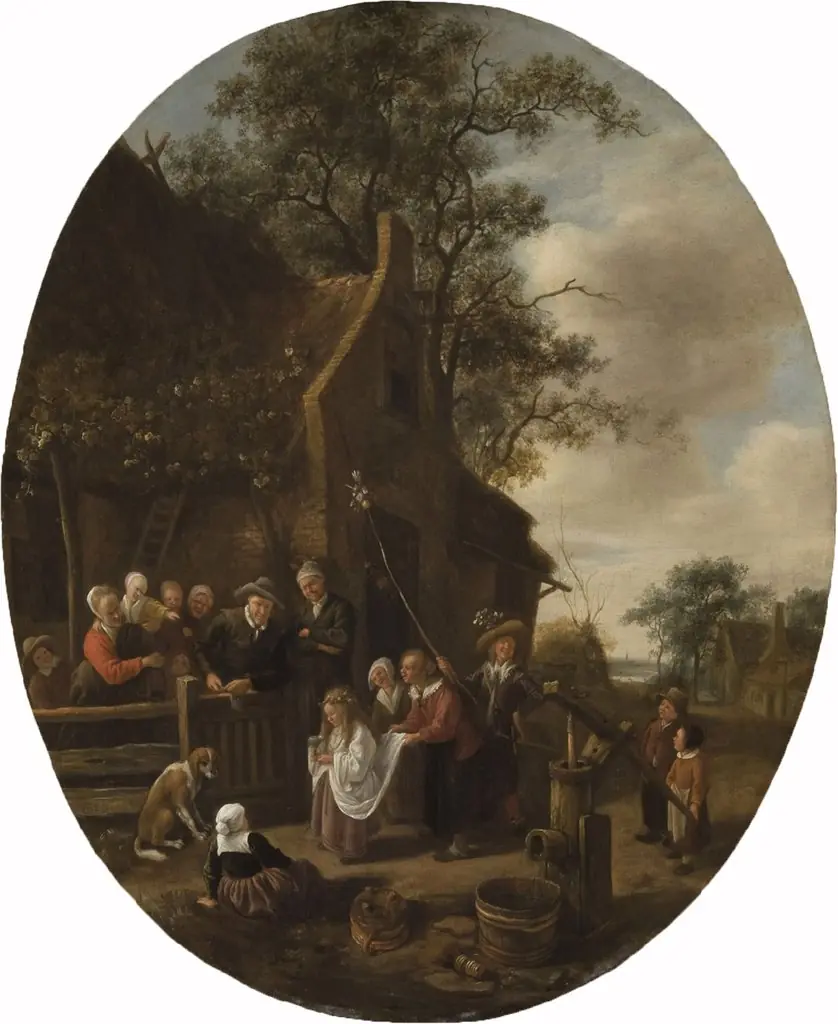
Jan Steen's 'May Feast (Gathering Alms),' painted in 1662, depicts a bustling street scene centered on the traditional Dutch custom of May Day alms-gathering.
Jan Steen's 'May Feast (Gathering Alms),' painted in 1662, depicts a bustling street scene centered on the traditional Dutch custom of May Day alms-gathering. The composition captures a group of figures outside a residential building, where a central woman holds a white cloth, likely to collect donations from passersby. The artist arranges the scene with characteristic dynamism, balancing the standing adults against a seated child in the foreground and a dog nearby, creating a sense of everyday immediacy. The background features a house with an open door and a staircase, framing the social interaction and suggesting the domestic sphere from which the event emanates. Executed in oil paint, the work reflects Steen's mastery of genre painting, blending moral observation with lively, often humorous, depictions of 17th-century Dutch life. This piece exemplifies Steen's recurring interest in festive occasions and the complexities of social behavior, showcasing his ability to infuse ordinary moments with narrative depth and psychological nuance. The painting stands as a testament to Steen's role in documenting the cultural practices of the Dutch Golden Age, offering viewers a vivid glimpse into the communal rituals of the period.
Subject & Meaning
The scene suggests a communal activity, likely a charitable or festive occasion, as indicated by the title’s reference to a May feast and almsgiving. The open doorway and staircase of the house imply hospitality, while the varied gestures of the figures convey a shared purpose among neighbors.
Technique & Style
Steen employs a lively, genre‑painting approach characteristic of Dutch 17th‑century art, using a warm palette and careful attention to everyday details. The brushwork renders textures—from the woman's cloth to the foliage—while the spatial arrangement creates depth, guiding the eye from the foreground figures to the house’s entrance.
History & Provenance
Created in the early 1660s, the work now belongs to the collection of the National Museum in Warsaw. Its acquisition reflects the museum’s broader efforts to represent Dutch genre painting within its European holdings.
Artist & collection
Artist
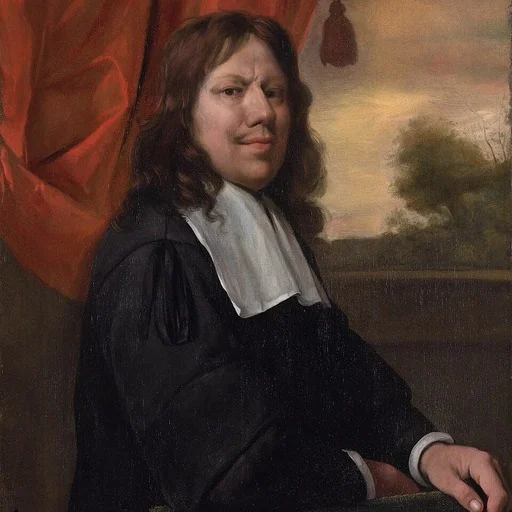
Jan Havickszoon Steen was a Dutch Golden Age painter, one of the leading genre painters of the 17th century.

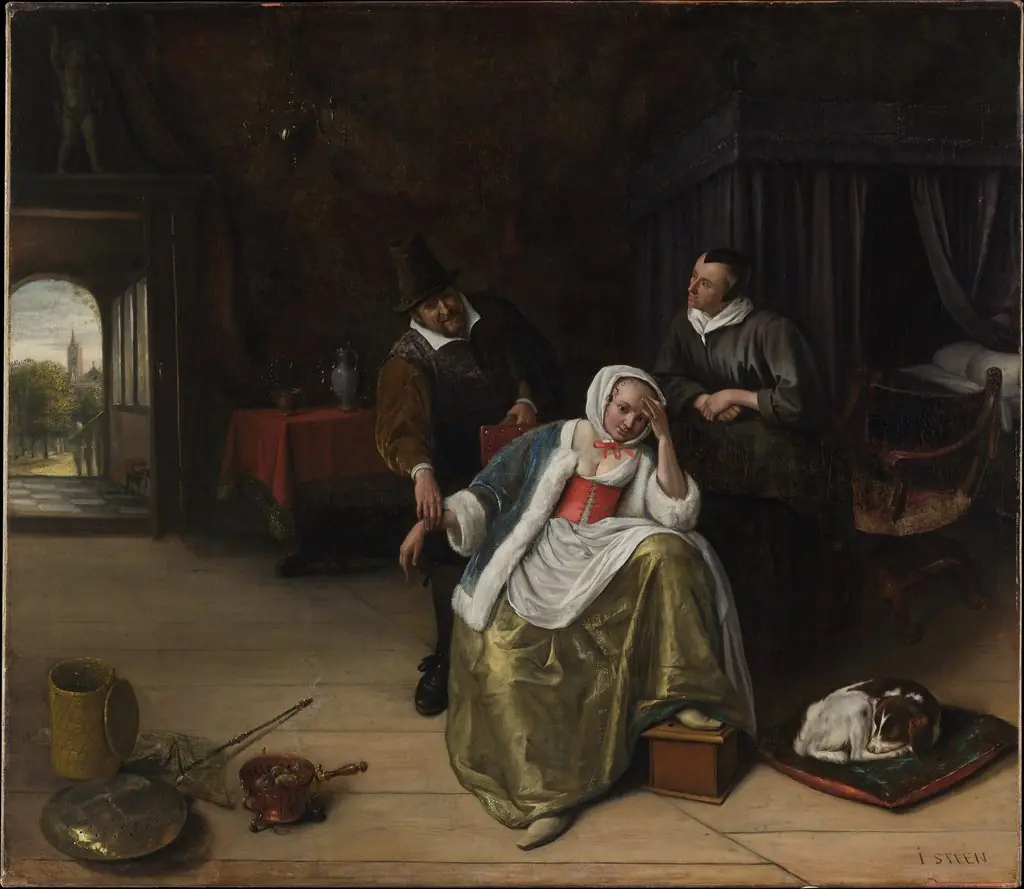 Paintings of physicians by Jan Steen
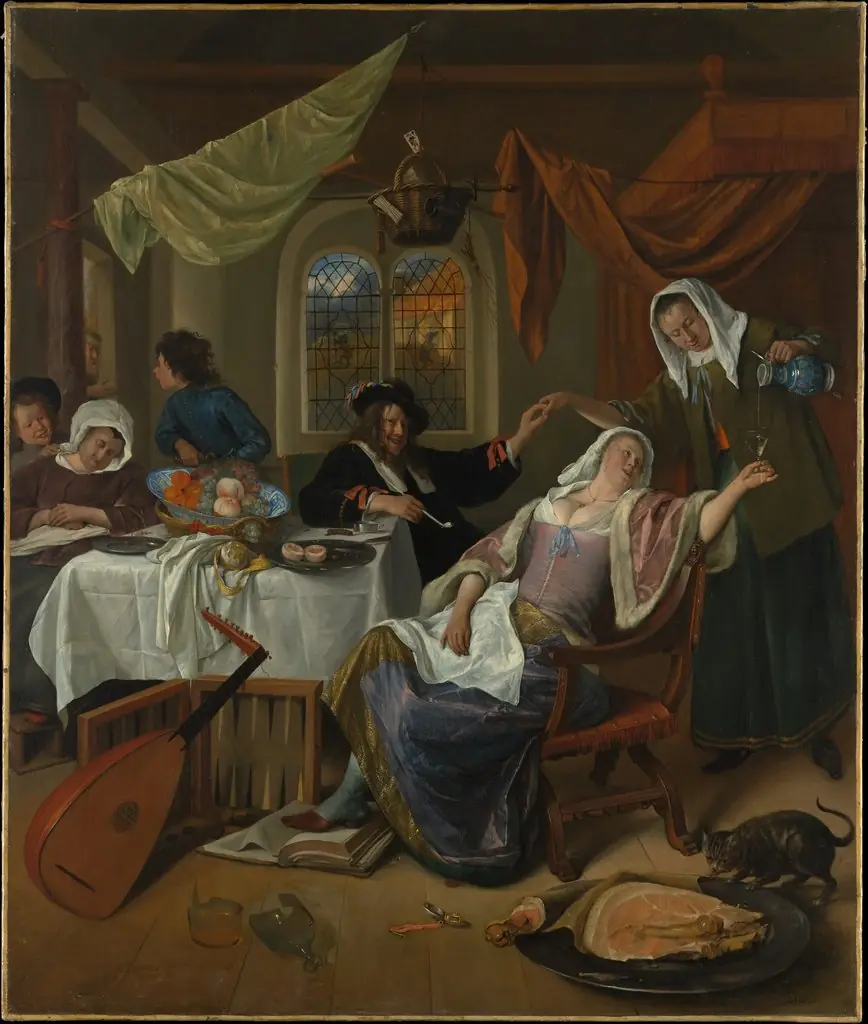 The Dissolute Household
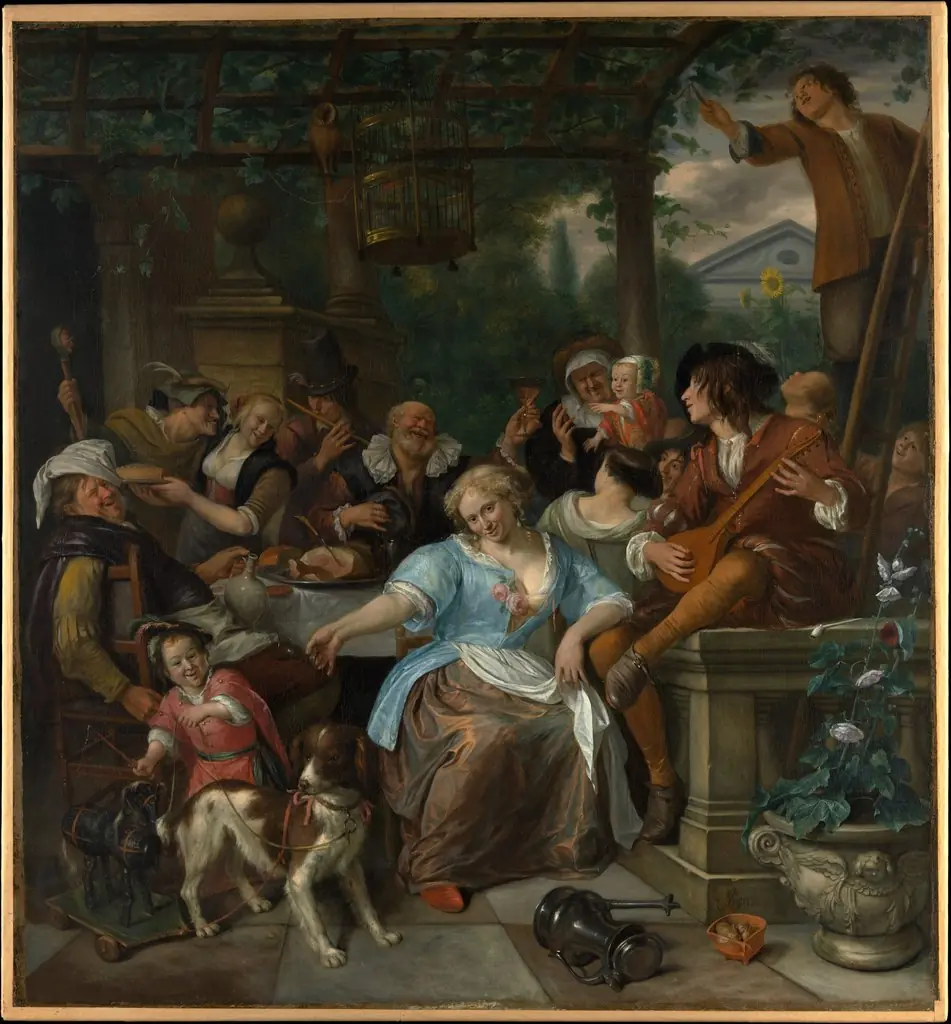 Merry Company on a Terrace
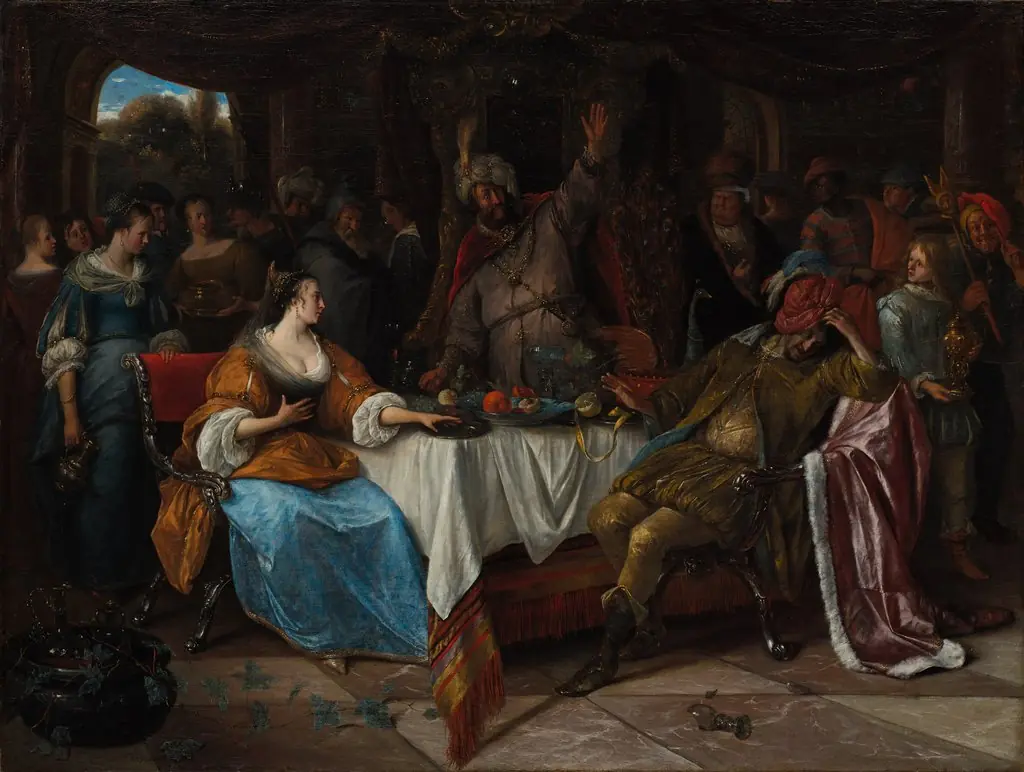 Esther, Ahasuerus, and Haman
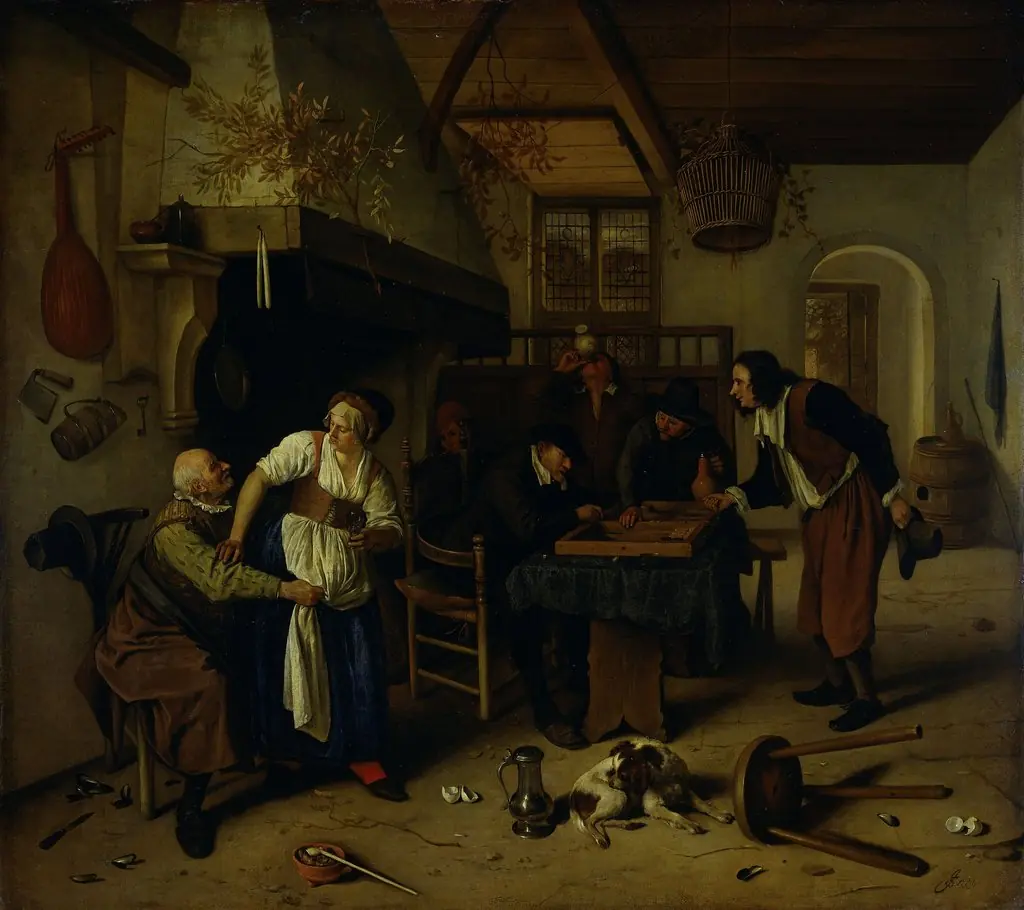 Interior of an inn with an old man amusing himself with the landlady and two men playing backgammon, known as 'Two kinds of games'
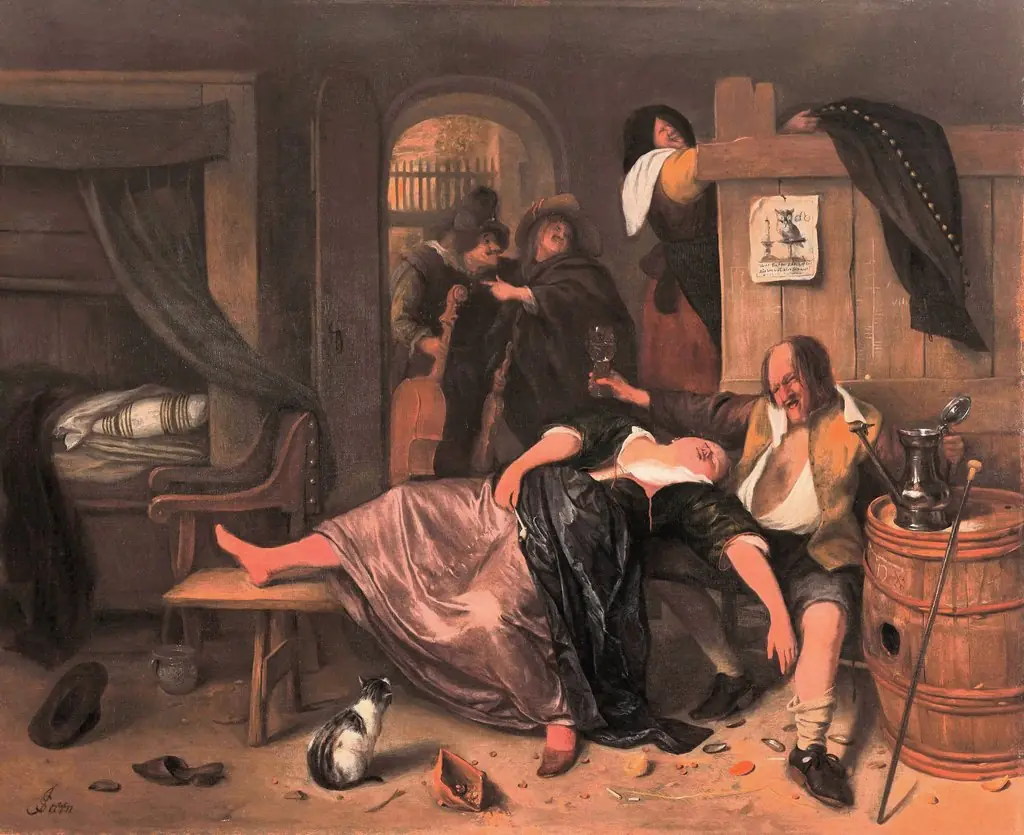 The Drunken Couple
 The Happy Family
 Bathsheba after the Bath
 Farmyard
 The May Queen
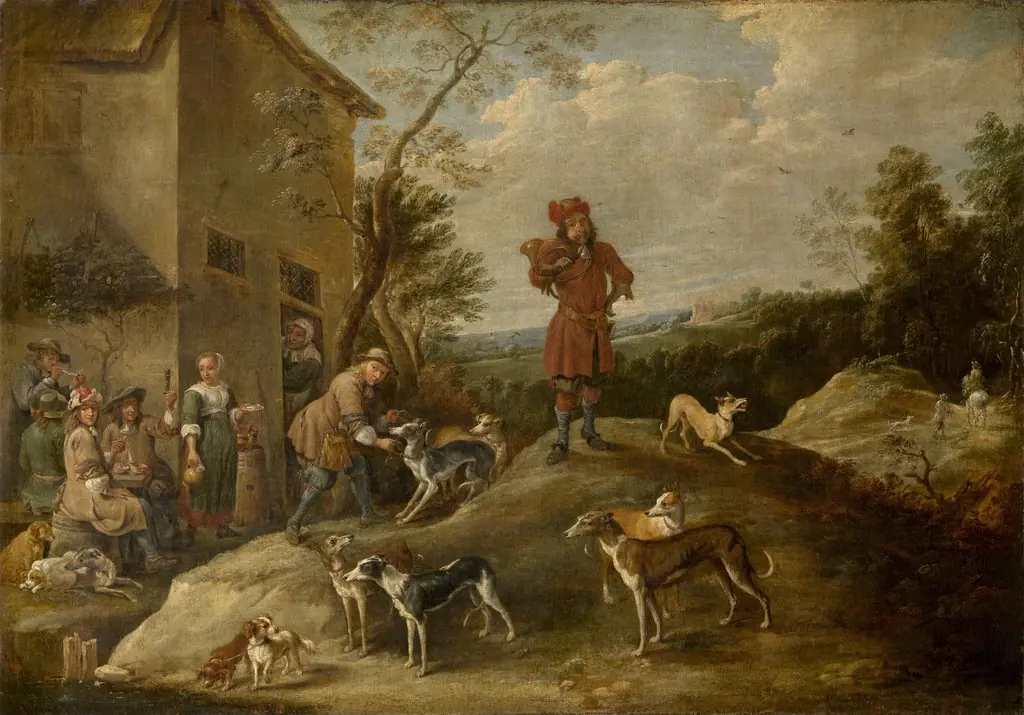 Resting Hunters
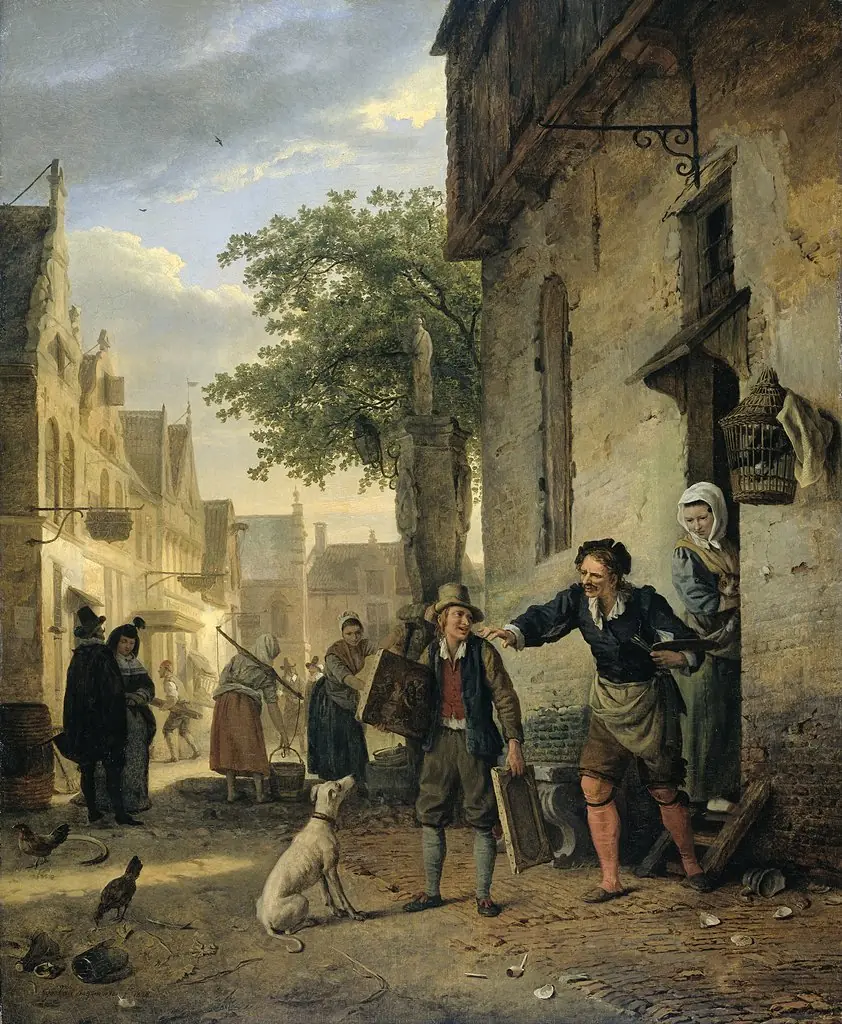 Jan Steen Sends his Son to the Streets to Exchange Paintings for Beer and Wine
 The Organ-Grinder Outside a Cottage
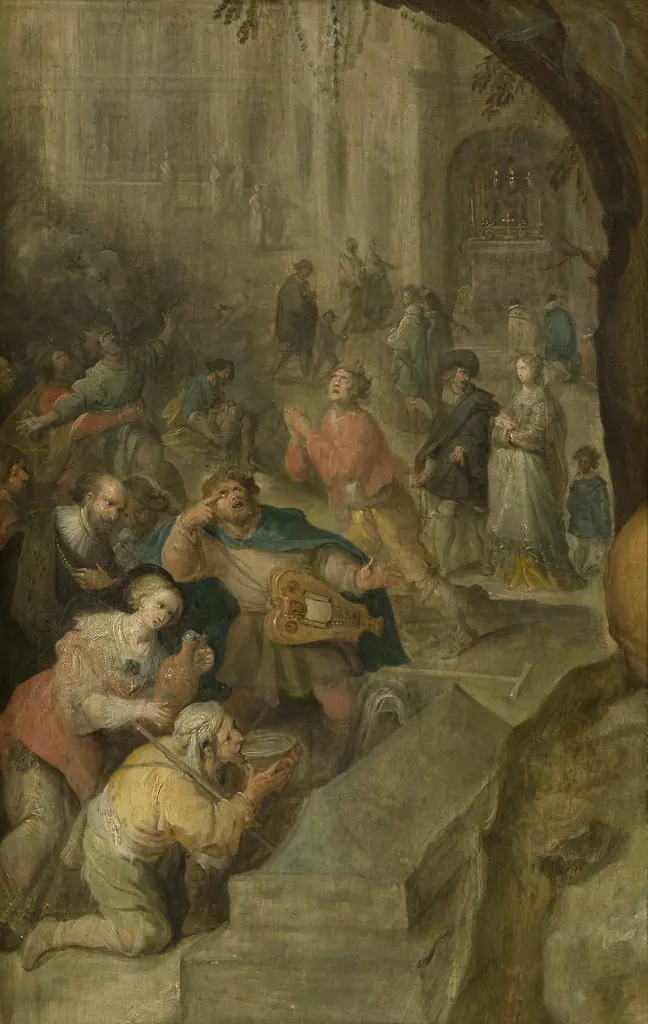 Miraculous Events at the Grave of Saint Bruno the Carthuisian
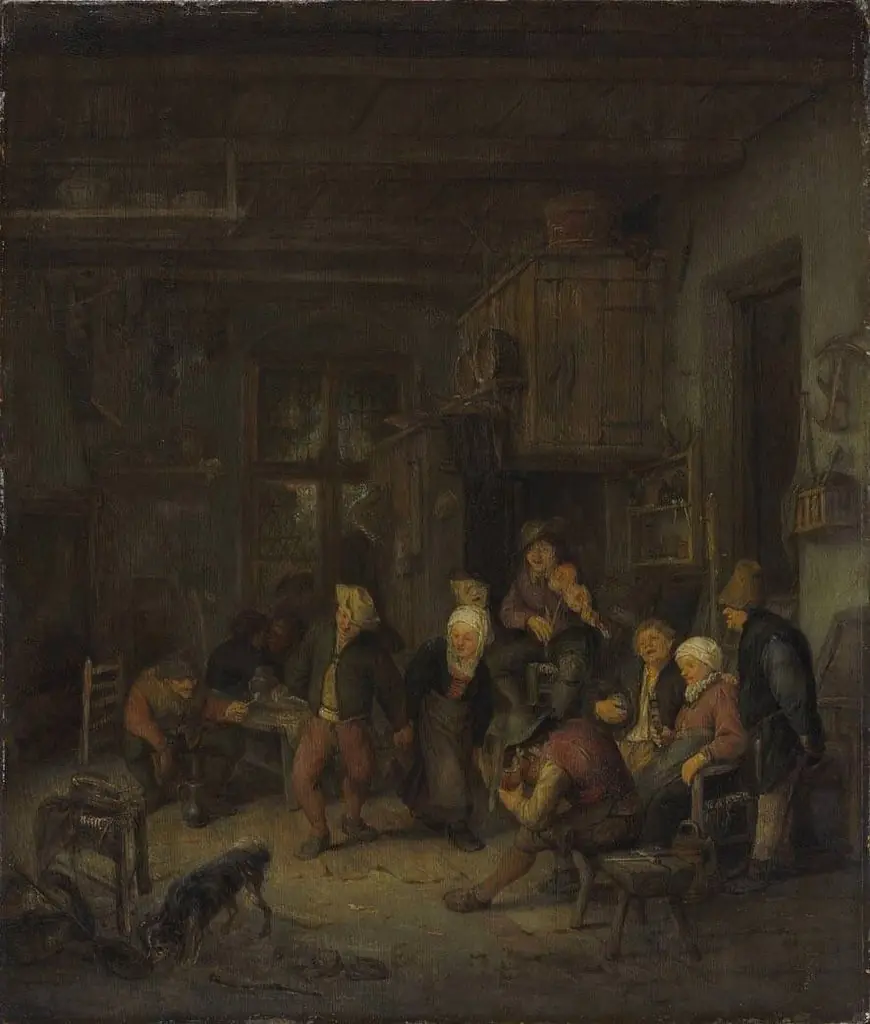 Peasants Drinking and Dancing at an Inn
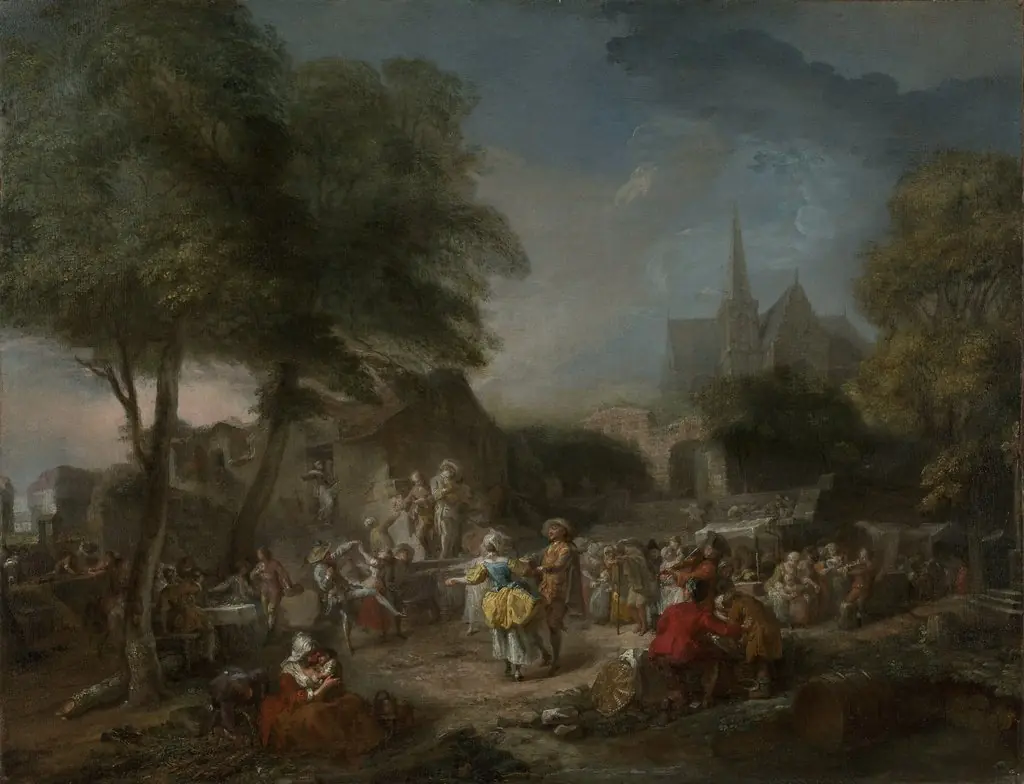 The Country Dance
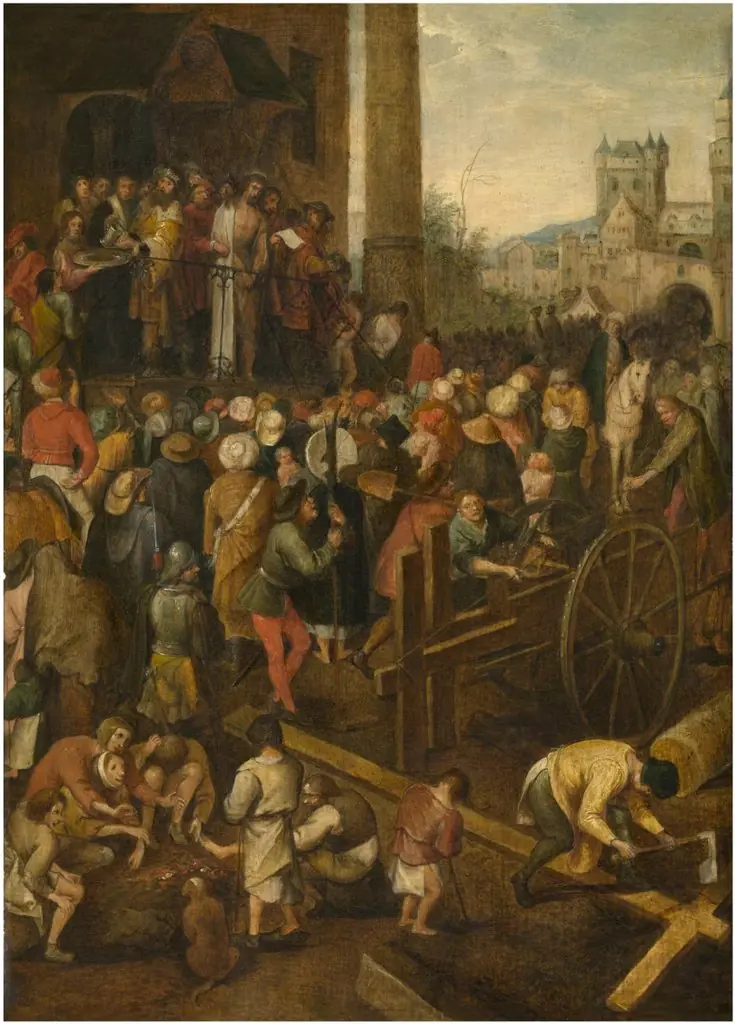 Ecce Homo
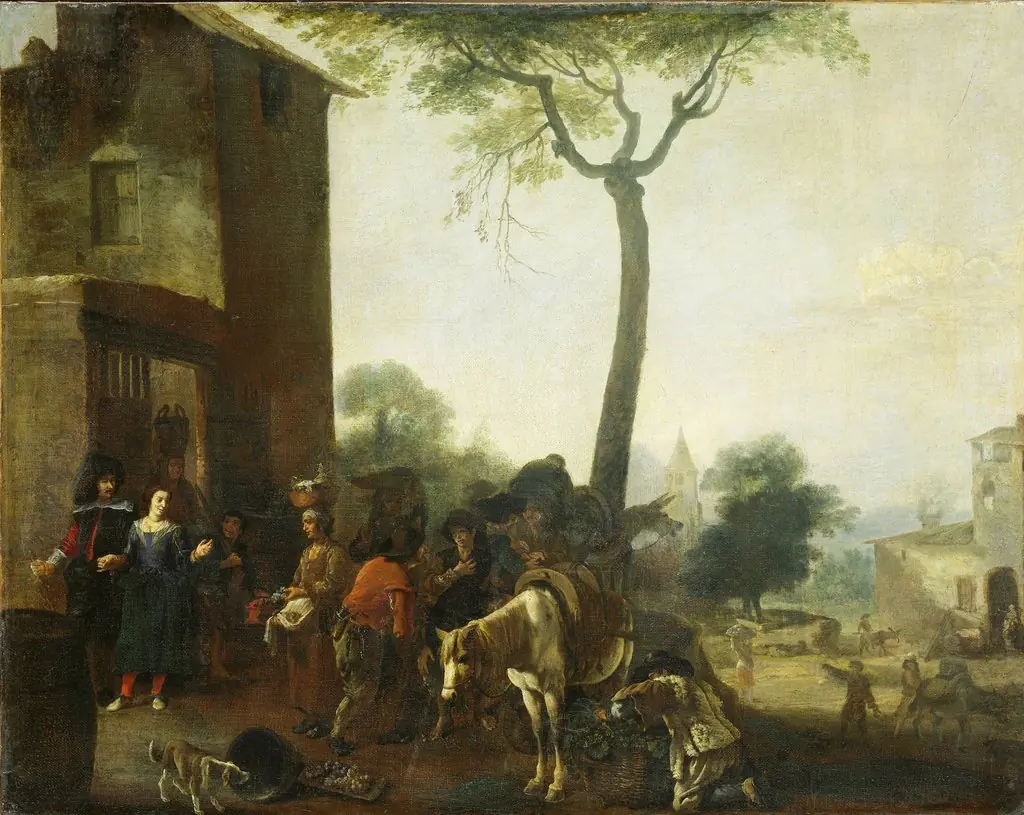 Harvesting the Vines
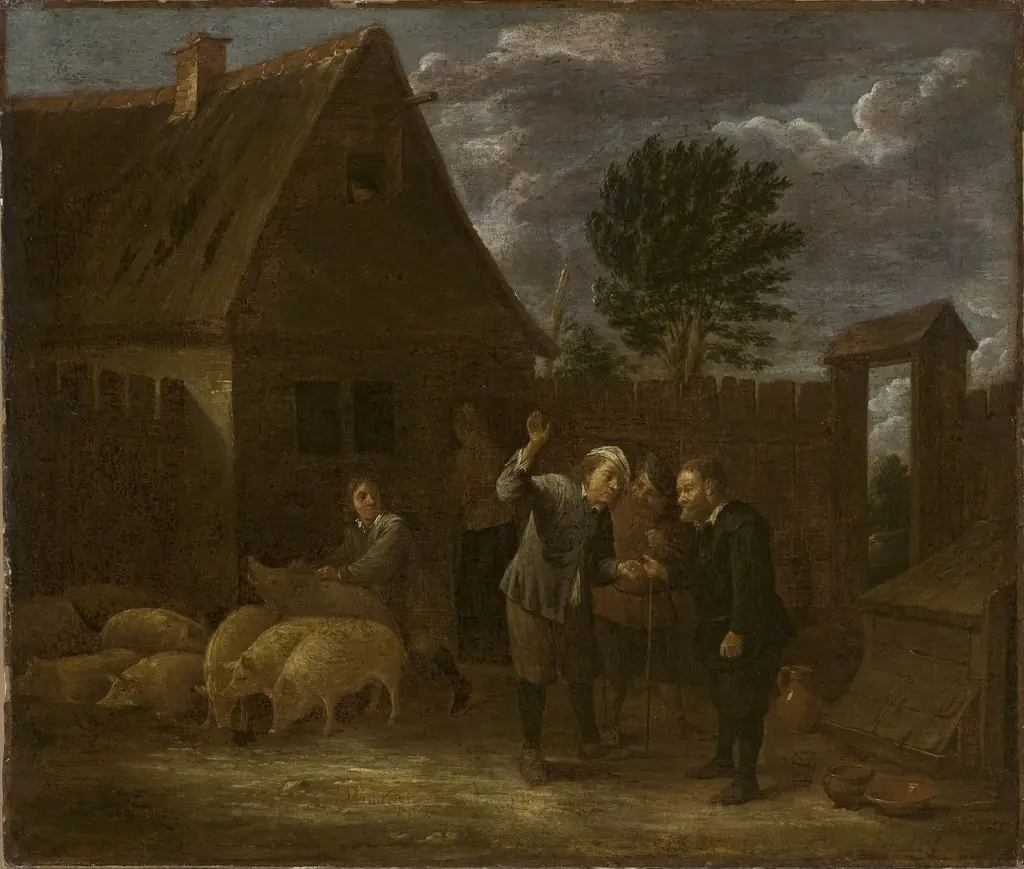 Landscape with a seller of pigs
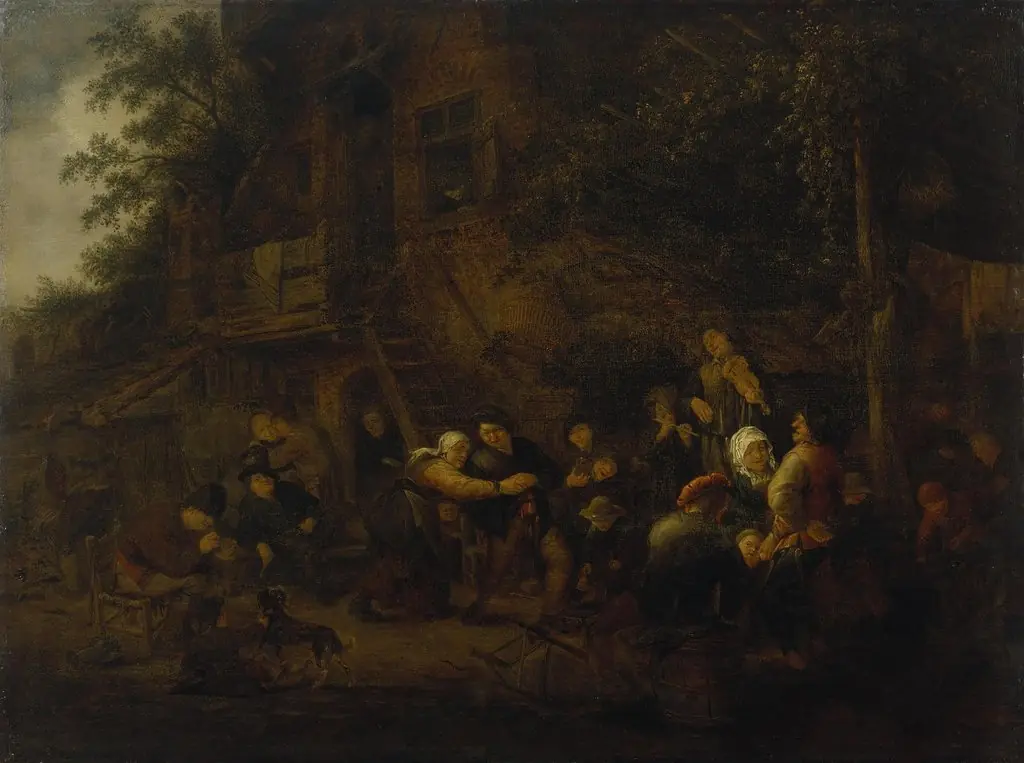 Rural Feast