Artwork
The Sick Greybeard (or, "January and May")
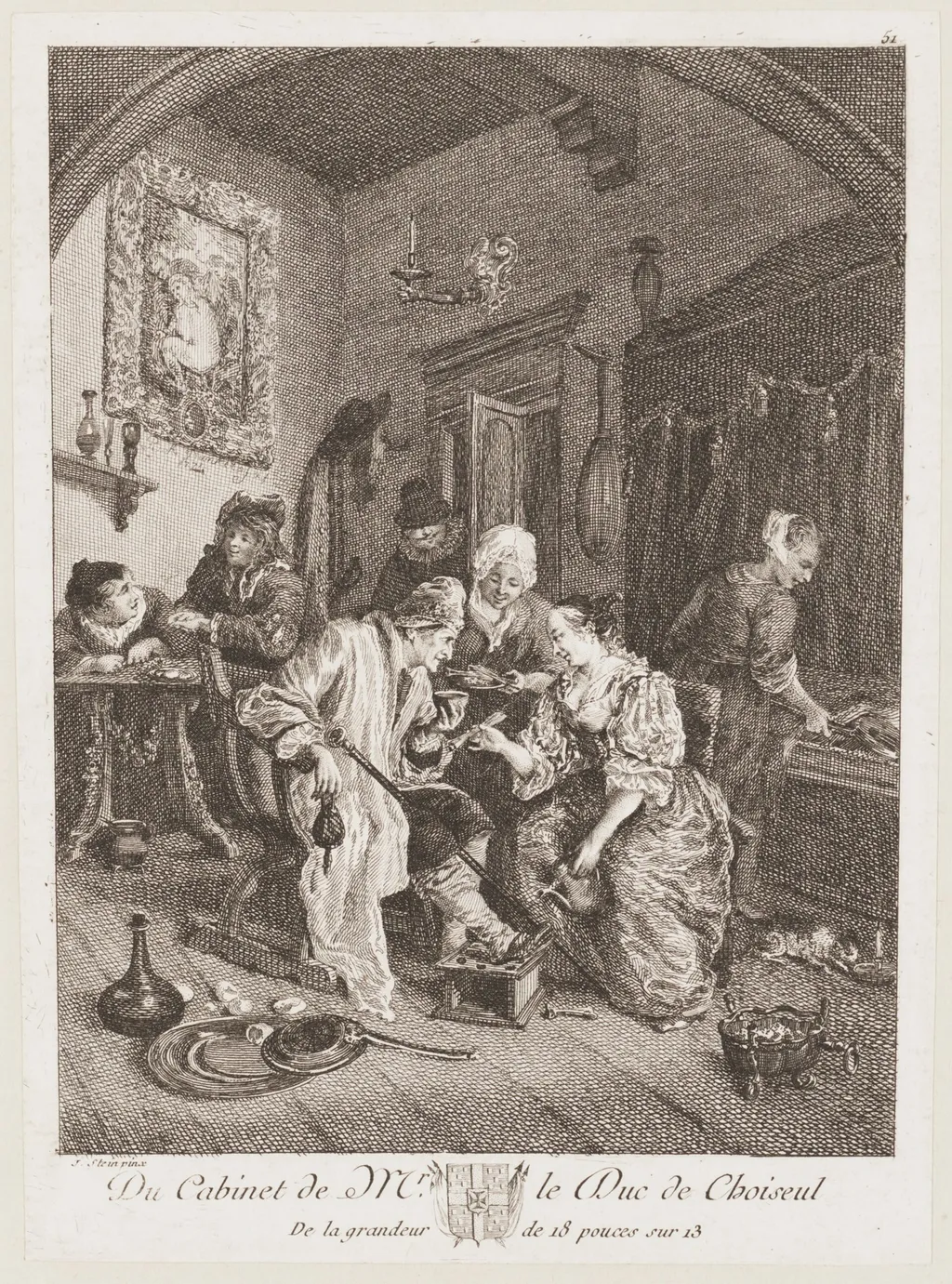
The Sick Greybeard (or, "January and May") is an oil painting by the Dutch Golden Age artist Jan Steen. It dates from 1662 and is held in the collection of the Hermitage Museum.
About this work
Overview
The work is part of the collection at the State Hermitage Museum in Saint Petersburg, where it has remained since the 18th century.
Painted around 1662, The Sick Greybeard, also known as January and May, is an oil-on-canvas genre scene by Dutch artist Jan Steen. It portrays an intimate domestic moment between an elderly man and a younger woman, set in a modest interior. The work is part of the collection at the State Hermitage Museum in Saint Petersburg, where it has remained since the 18th century. Its quiet composition and subtle narrative reflect Steen’s interest in human behavior within everyday settings.
Subject & Meaning
The painting illustrates a traditional allegory of age and youth, referencing the medieval theme of January (an old man) marrying May (a young woman). The grey-bearded man, seated and withdrawn, appears physically frail, while the kneeling woman, hands clasped, seems to offer quiet submission or concern. The arrangement suggests tension between duty and desire, without overt drama. Objects in the room—jug, plate, basket—hint at domestic routine, reinforcing the theme of domestic life’s quiet complexities.
Technique & Style
Steen employs chiaroscuro to model forms with soft contrasts, lending volume to the figures and textures of fabric and wood. Brushwork is precise yet unobtrusive, capturing the sheen of the man’s cloak and the matte surface of the woman’s dress. The composition is tightly framed, drawing focus to the interaction between the two figures. Background elements, like the curtained doorway, are rendered with minimal detail, enhancing the sense of intimacy and psychological stillness.
History & Provenance
The painting entered the Hermitage collection in the 1770s as part of the collection of the French diplomat and art patron Pierre Crozat, later acquired by Catherine the Great. Its attribution to Jan Steen has been consistently supported by scholars since the 19th century. Though its early ownership before Crozat is undocumented, its presence in Russian imperial collections ensured its preservation and visibility in European art historiography.
Context
In mid-17th century Holland, genre painting flourished as a reflection of bourgeois values and moral observation. Steen’s work often explored familial dynamics and human foibles, avoiding overt satire in favor of nuanced realism. The theme of mismatched marriages, drawn from literary and folk traditions, resonated in a society increasingly concerned with domestic order and social conduct. This painting fits within a broader trend of moralizing domestic scenes popular among Dutch collectors.
Legacy
The Sick Greybeard remains a representative example of Steen’s ability to convey psychological depth within ordinary settings. While not widely reproduced in popular culture, it has been studied for its subtle handling of age, gender, and power dynamics. Art historians value it as a quiet counterpoint to more theatrical genre scenes of the period, illustrating how restraint could convey complex human narratives without melodrama.
Artist & collection
Artist
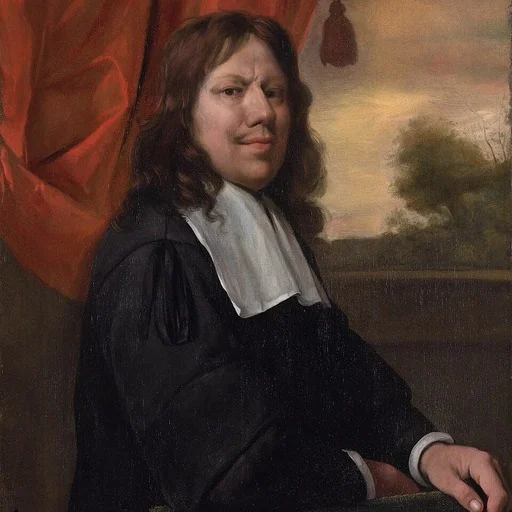
Jan Havickszoon Steen was a Dutch Golden Age painter, one of the leading genre painters of the 17th century.

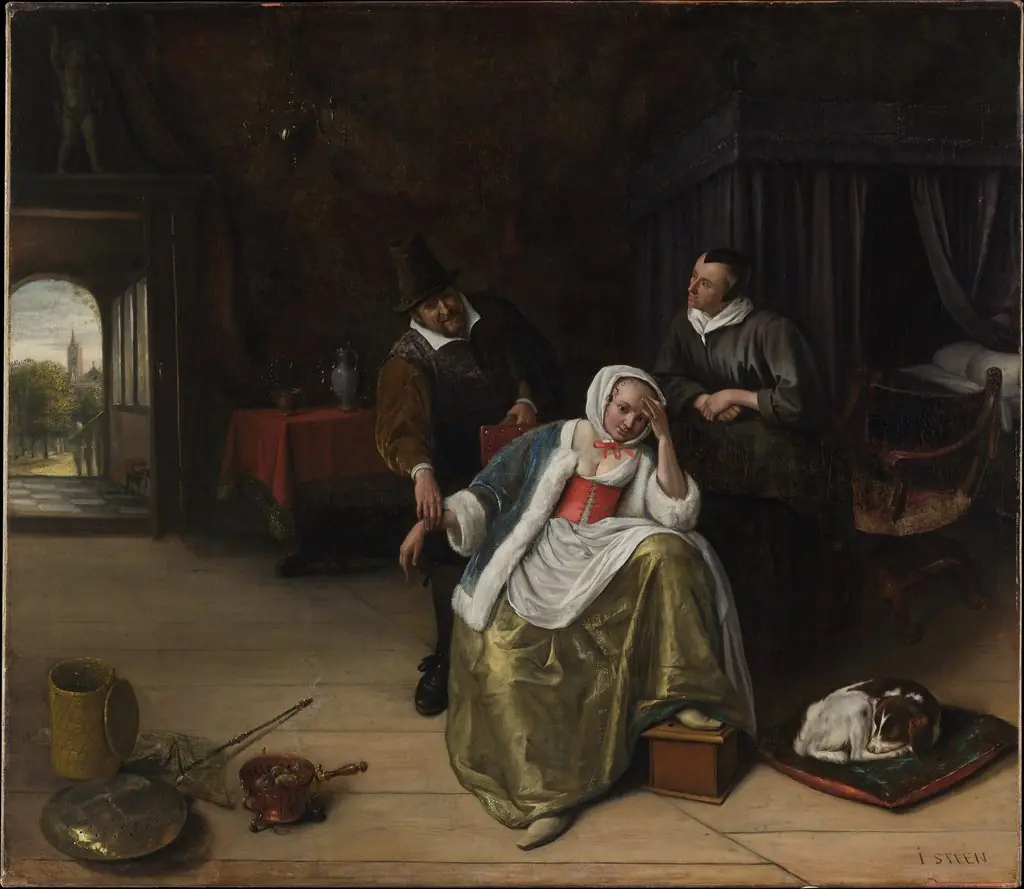 Paintings of physicians by Jan Steen
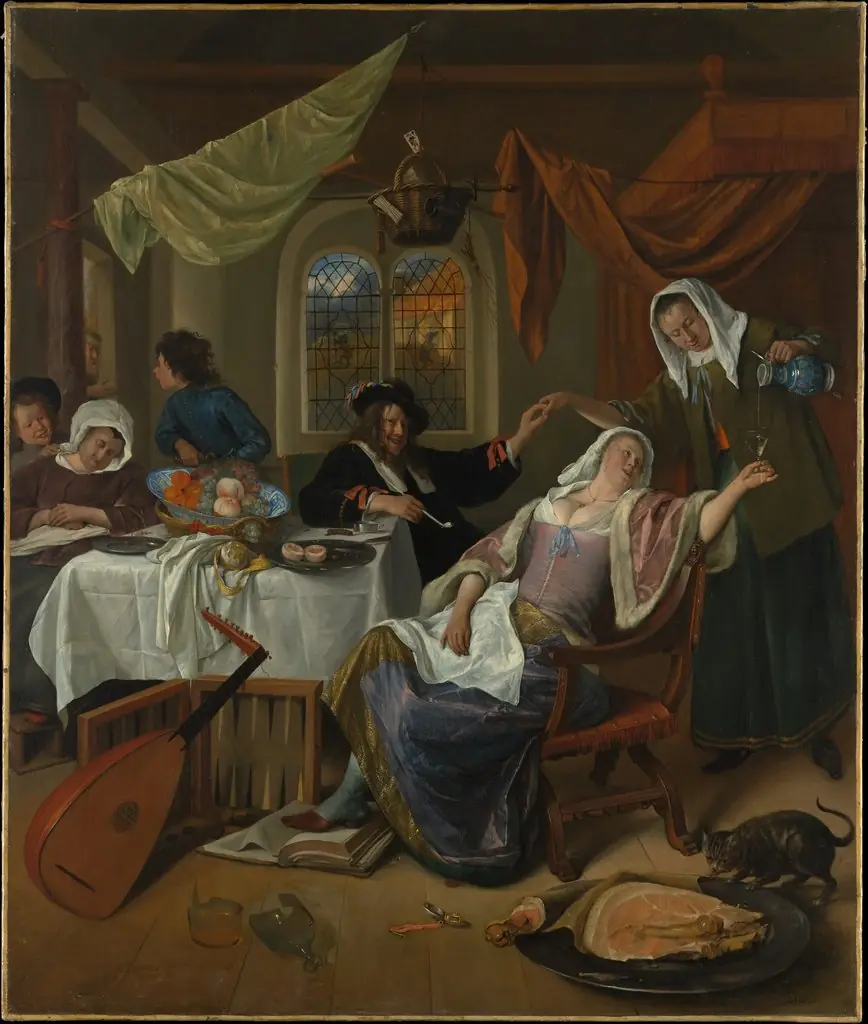 The Dissolute Household
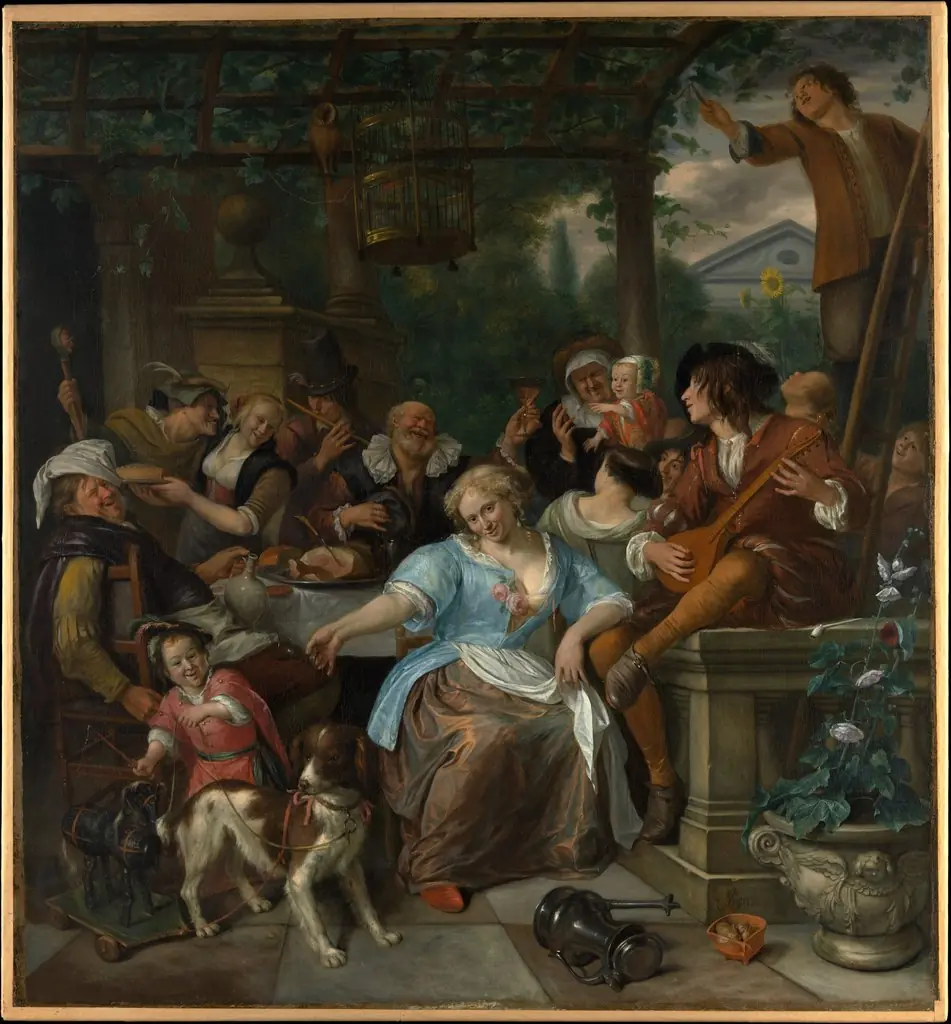 Merry Company on a Terrace
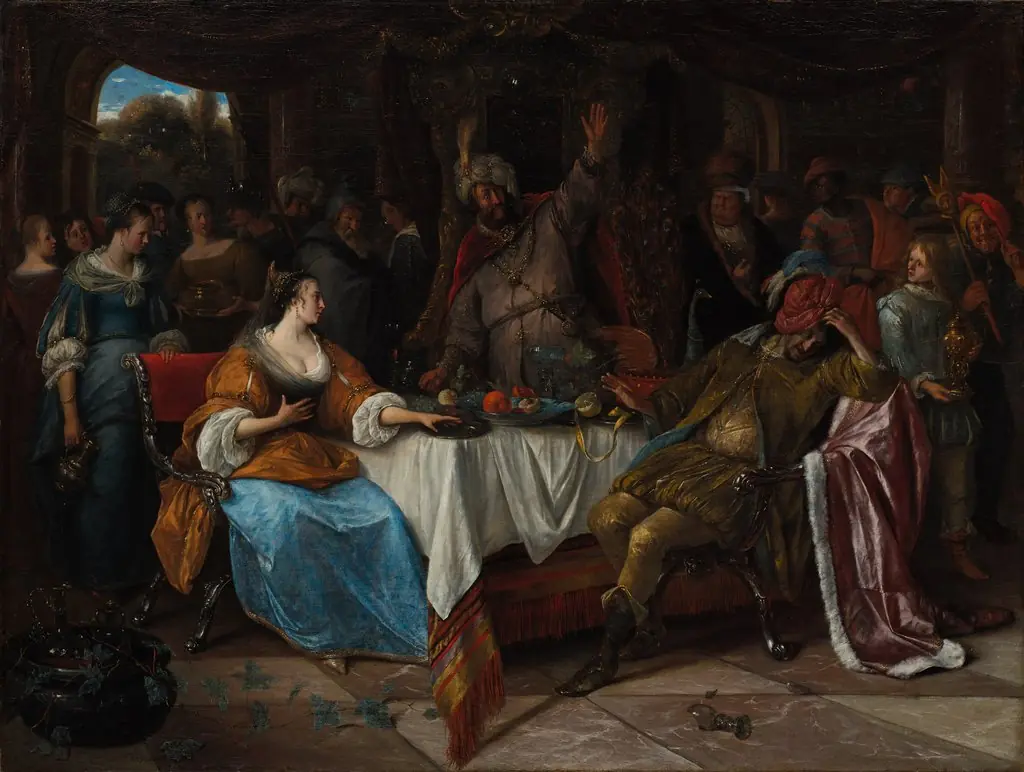 Esther, Ahasuerus, and Haman
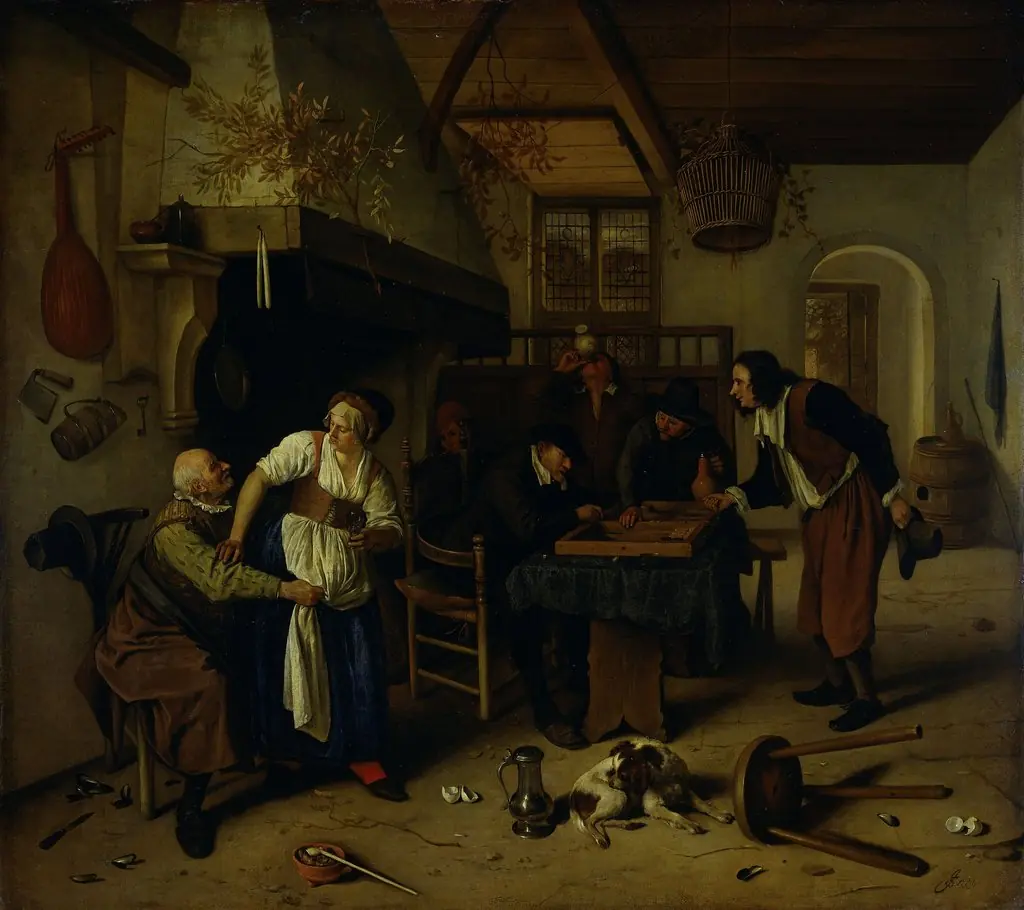 Interior of an inn with an old man amusing himself with the landlady and two men playing backgammon, known as 'Two kinds of games'
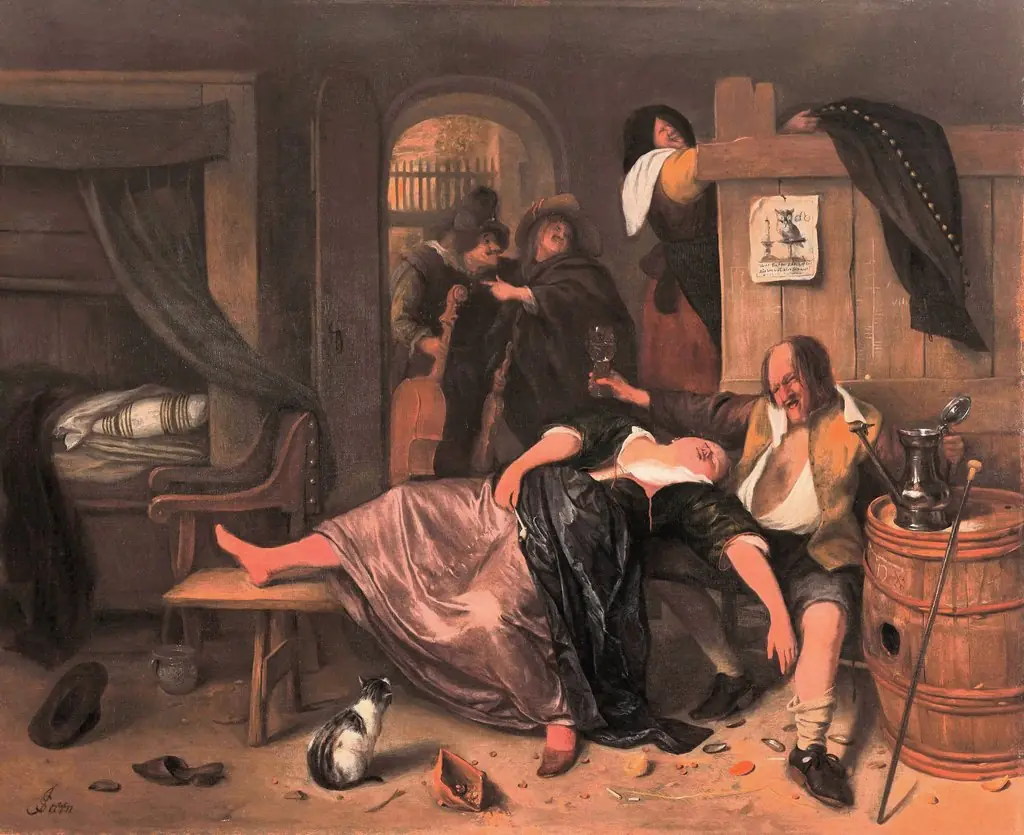 The Drunken Couple
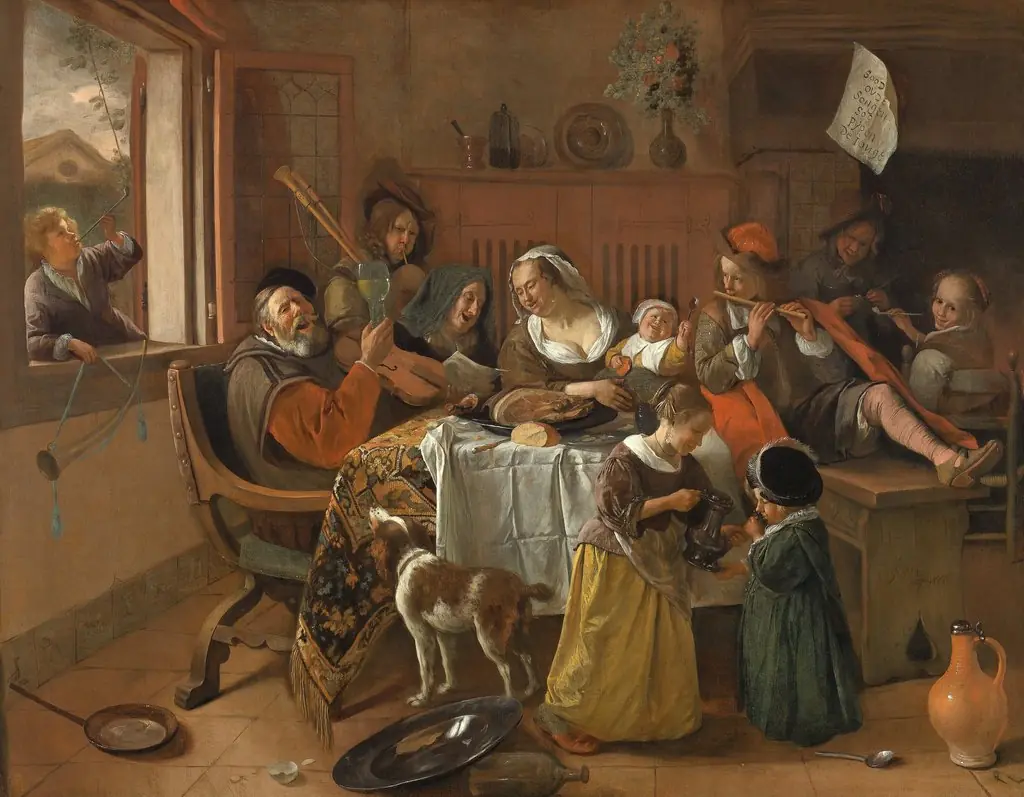 The Happy Family
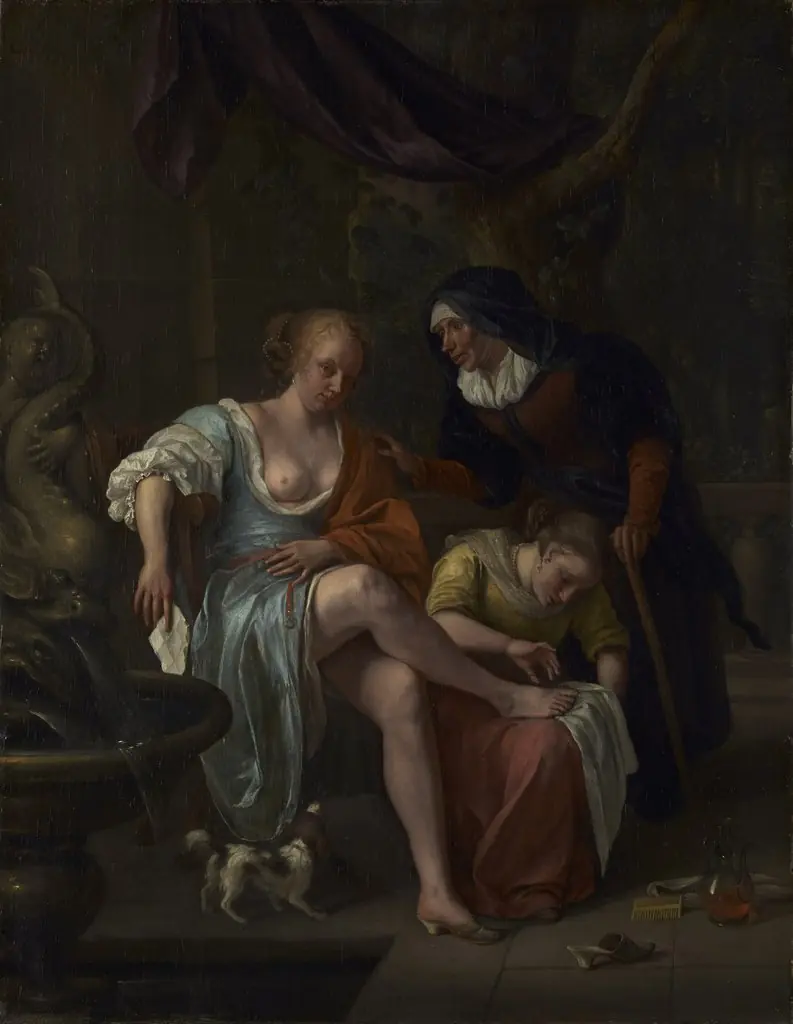 Bathsheba after the Bath