Artwork
H Beard Print Collection
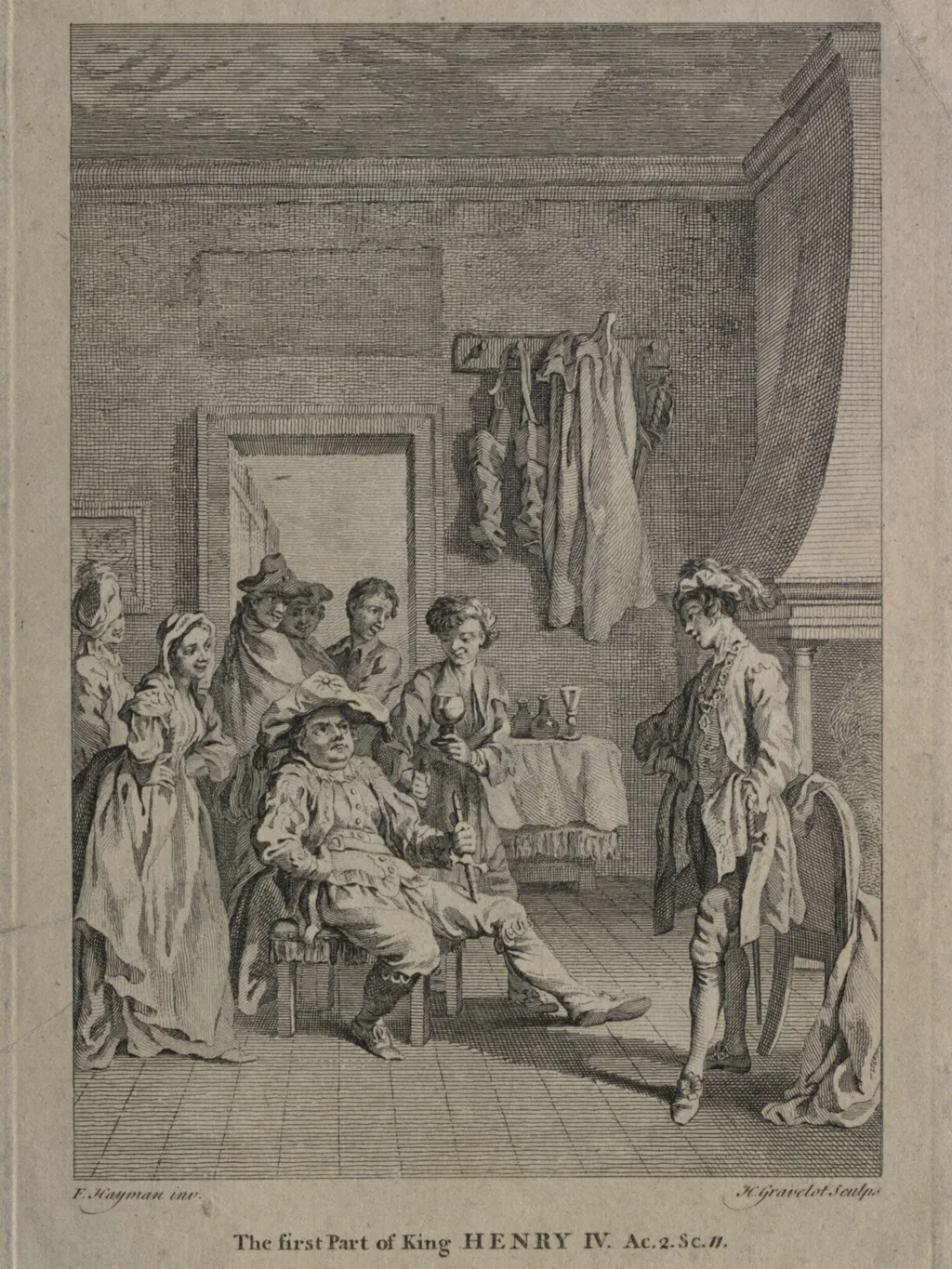
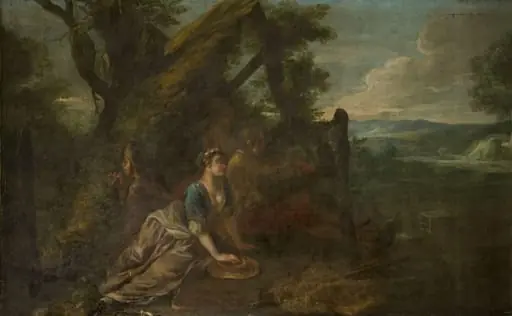
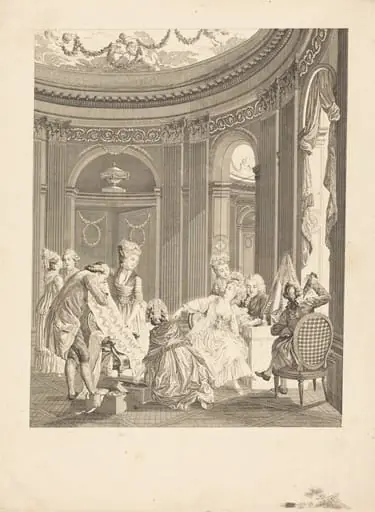
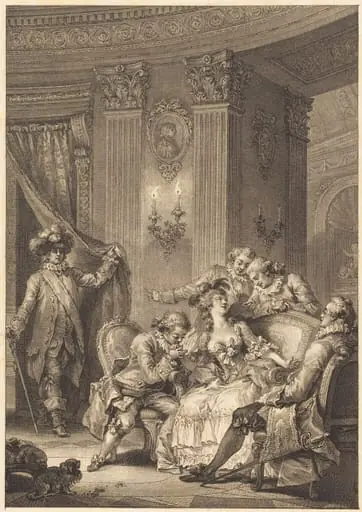
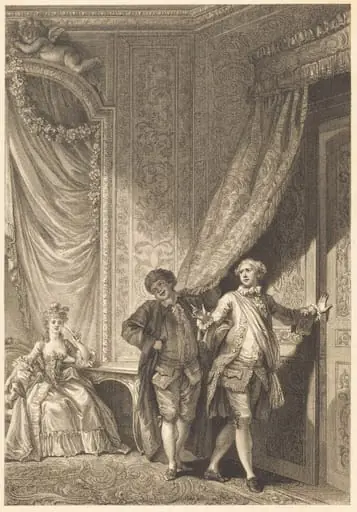
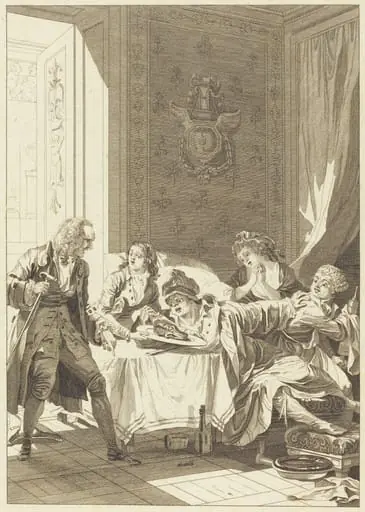
H Beard Print Collection is a print by Francis Hayman. It dates from 1750 and is held in the collection of the Victoria and Albert Museum. This print presents a visual interpretation of Act II, Scene II from Shakespeare’s play Henry IV.
About this work
Overview
This print presents a visual interpretation of Act II, Scene II from Shakespeare’s play Henry IV. Executed as an engraving on paper, the work belongs to the print medium and dates to the eighteenth century, reflecting the period’s interest in theatrical illustration.
Subject & Meaning
The image captures a moment from the specified scene, translating the dramatic action of the play into a static composition. By focusing on a particular episode, the print serves both as a narrative aid for viewers familiar with the text and as an independent representation of the play’s themes.
Technique & Style
Created through the engraving process, the artist incised lines into a metal plate, which were then transferred onto paper. The resulting work exhibits the fine line work and tonal variation characteristic of eighteenth‑century printmaking, emphasizing detail over colour.
History & Provenance
The print is part of the collection at the Victoria and Albert Museum in London. Its acquisition details are recorded by the museum, which identifies the piece as an illustration of Henry IV, Act II, Scene II, and attributes it to the broader tradition of theatrical prints from the 1700s.
Context
During the eighteenth century, printed illustrations of popular stage productions were common, serving both as souvenirs for theatre‑goers and as promotional material. This print reflects that cultural practice, linking visual art with the performance of Shakespeare’s works.
Artist & collection
Artist
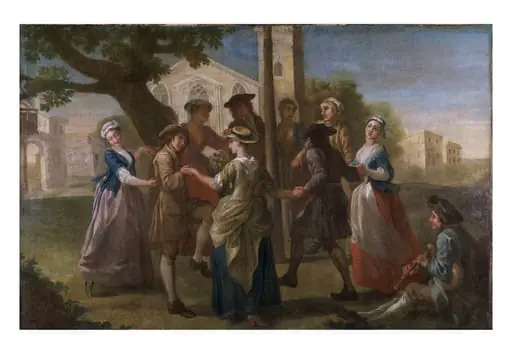
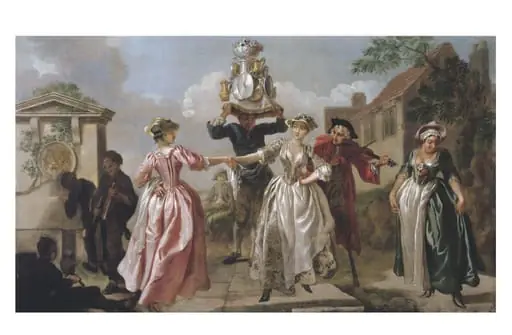
Francis Hayman liked to paint everyday life. He often depicted people having fun, like in "Country Dances Round a Maypole". What's interesting is that his works were sometimes used as decorations, like the supper-box…