Artwork
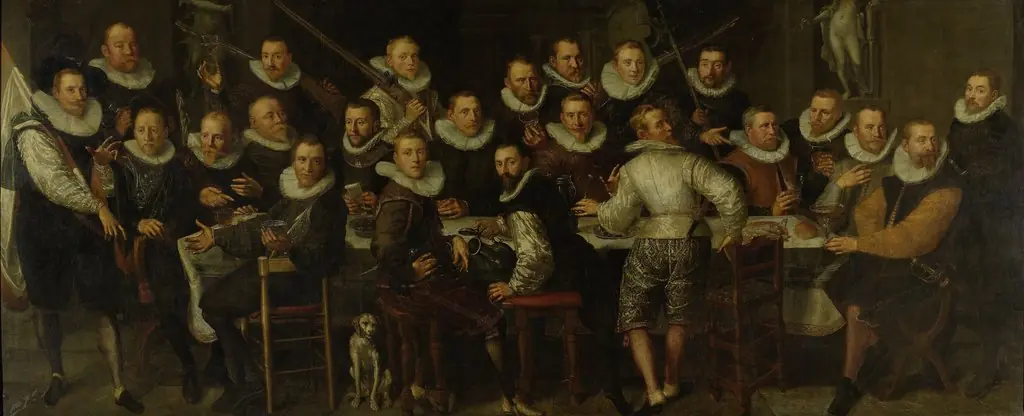
Officers and other civic guardsmen of the XIth District of Amsterdam, under the command of Captain Geurt Dircksz van Beuningen and Lieutenant Pieter Martensz Hoeffijser
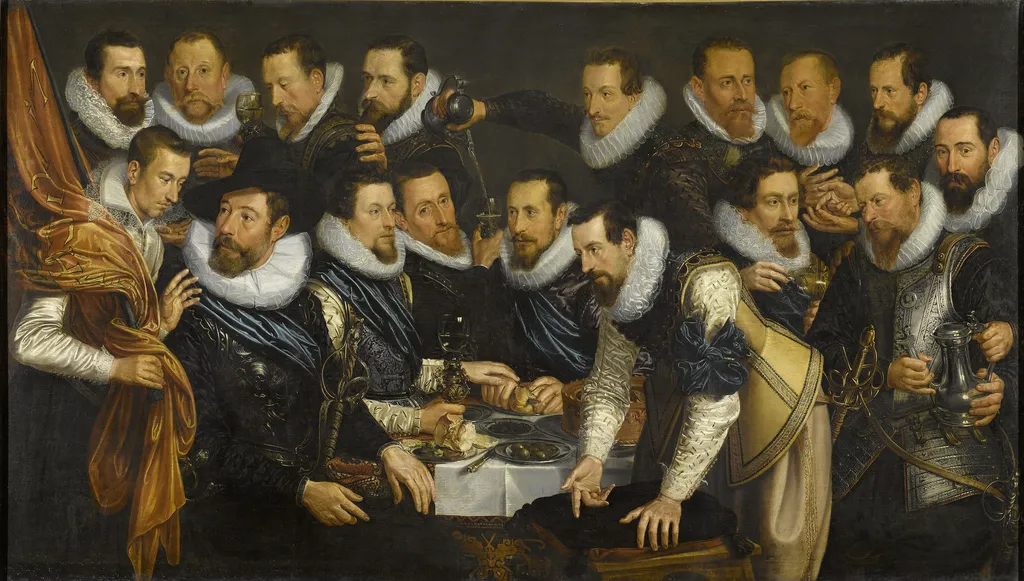
Officers and other civic guardsmen of the XIth District of Amsterdam, under the command of Captain Geurt Dircksz van Beuningen and Lieutenant Pieter Martensz Hoeffijser is an oil painting by the Dutch Golden Age artist Jan Tengnagel. It dates from 1613 and is held in the collection of the Amsterdam Museum.
About this work
Overview
Jan Tengnagel's 1613 oil painting, "Officers and other civic guardsmen of the XIth District of Amsterdam, under the command of Captain Geurt Dircksz van Beuningen and Lieutenant Pieter Martensz Hoeffijser," captures a moment from the Dutch Golden Age. This large-scale work depicts a Schutterij, or civic guard company, from Amsterdam's XIth District, led by Captain Geurt Dircksz van Beuningen and Lieutenant Pieter Martensz Hoeffijser. It represents a departure from Tengnagel's more common religious themes and is a notable example of a group portrait from the period, now housed in the Rijksmuseum.
Subject & Meaning
The painting portrays the officers and members of a Schutterij, a voluntary militia responsible for city defense and order in the Dutch Republic.
The painting portrays the officers and members of a Schutterij, a voluntary militia responsible for city defense and order in the Dutch Republic. Captain Geurt Dircksz van Beuningen and Lieutenant Pieter Martensz Hoeffijser are central figures among the assembled guardsmen. The scene, set within the Handboogdoelen, a civic guard headquarters, shows the men gathered around a table laden with food and drink, engaging in conversation, reflecting their camaraderie and social standing.
Technique & Style
Executed in oil paint, this work exemplifies the detailed realism characteristic of the Dutch Golden Age. Tengnagel meticulously renders the elaborate collars, weaponry, and varied expressions of each guardsman, creating a lively and engaging composition. The arrangement of figures around a table, with elements of still life, allows for a dynamic interplay of gazes and gestures, capturing a sense of shared experience and individual presence within the group.
Context
Jan Tengnagel, an Amsterdam-born painter, completed this civic portrait in 1613. While primarily recognized for his religious and biblical narratives, this commission stands as a significant exception within his relatively small body of work. His artistic development included training under Frans Badens and a formative period in Rome between 1608 and 1611, experiences that likely influenced his approach to composition and figure representation, even in a secular context.
History & Provenance
This group portrait by Jan Tengnagel was created in 1613, a period when such commissions were highly valued by civic organizations in the Netherlands. The painting has since become part of the esteemed collection of the Rijksmuseum in Amsterdam. Its preservation in a national institution underscores its historical and artistic importance as a document of Dutch civic life and a representative work from the early 17th century.
Own this work as a print
Artist & collection
Artist
Jan Tengnagel (baptised 9 September 1584– buried 23 March 1635) was a Dutch draughtsman and painter.

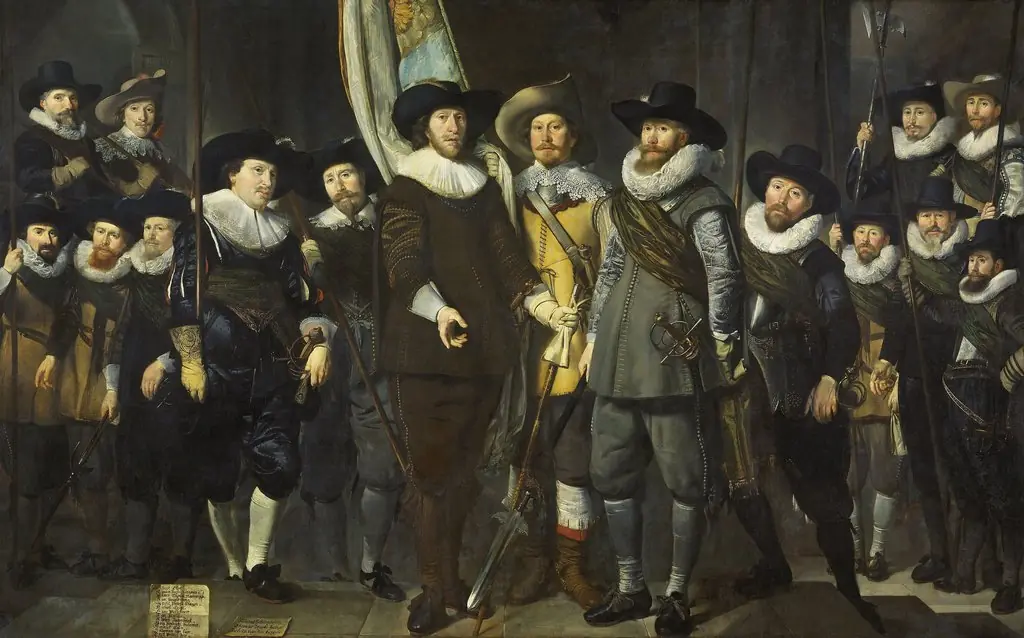 Officers and other civic guardsmen of the IIIrd District of Amsterdam, under the command of Captain Allaert Cloeck and Lieutenant Lucas Jacobsz Rotgans
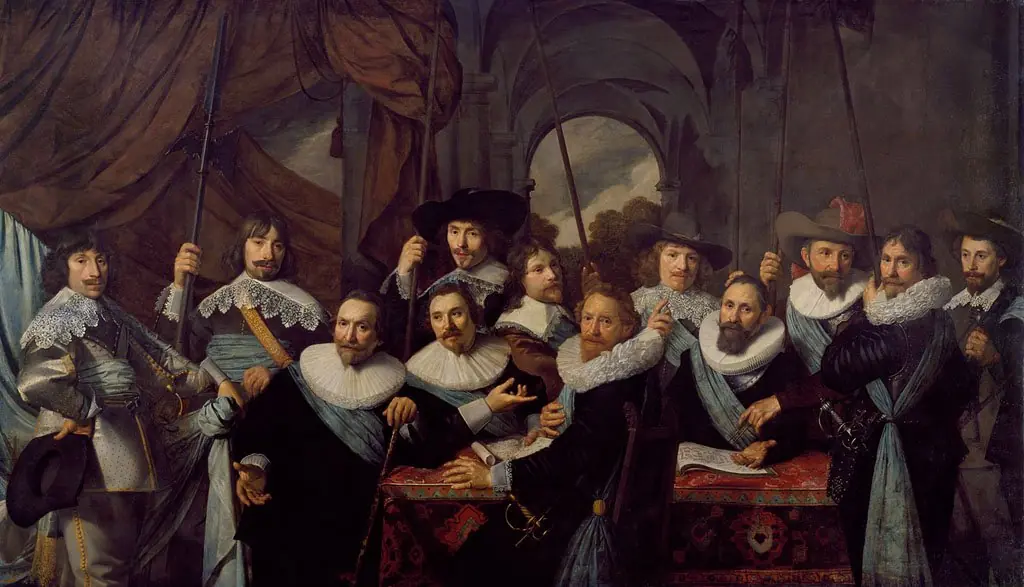 Members of the civic guard company of Captain Dirck Tholinx and Lieutenant Pieter Adriaenszn Raep
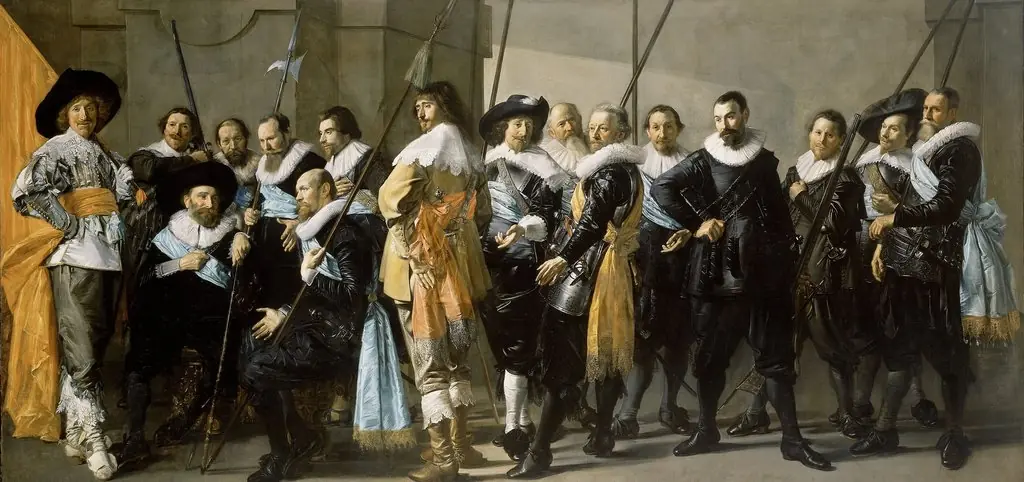 Militia Company of District XI under the Command of Captain Reynier Reael
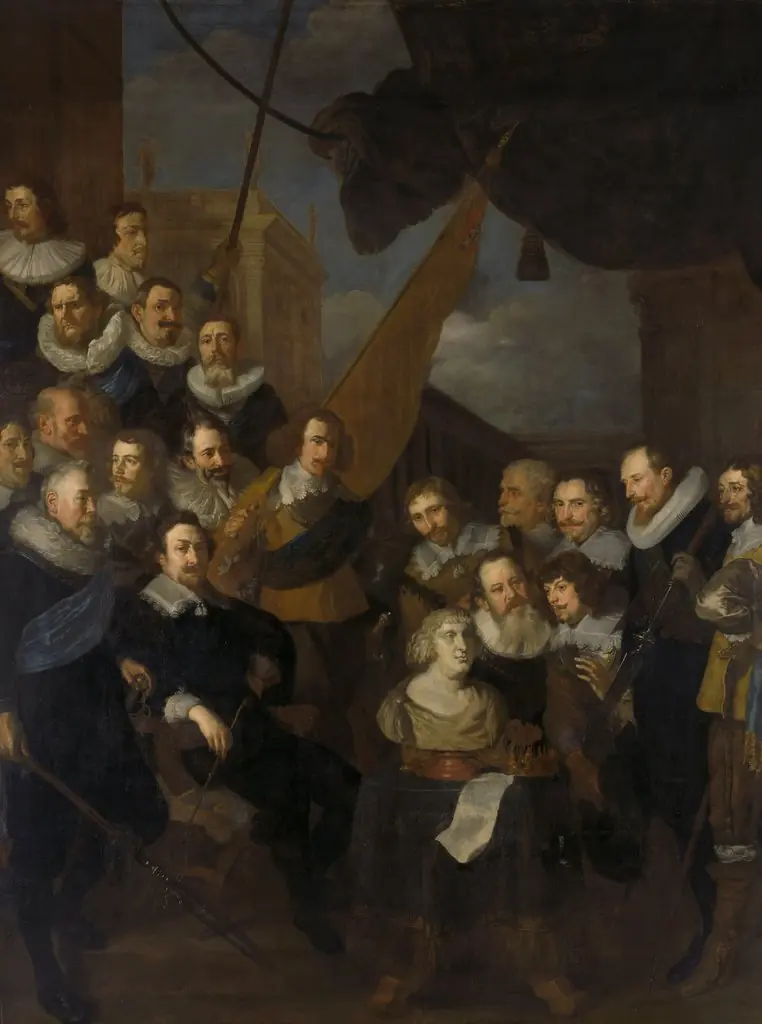 Officers of the militia of departmetn XIX in Amsterdam under the command of Cornelis Bicker and Frederick van Banchem, ready to receive Maria de' Medici in 1638
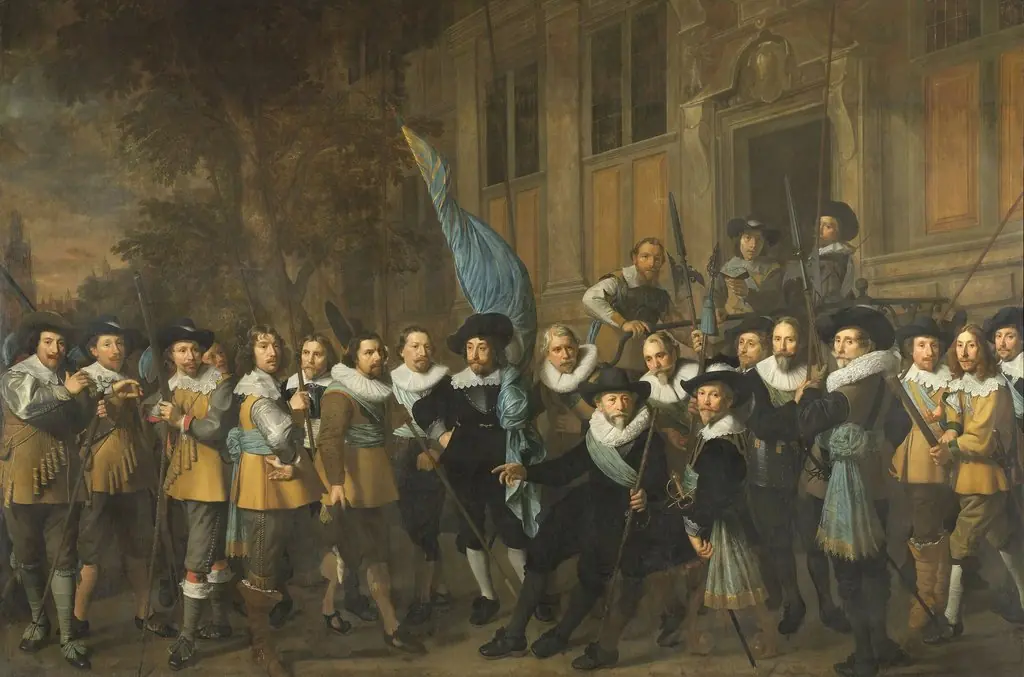 Officers and other civic guardsmen of the IVth District of Amsterdam, under the command of Captain Jan Claesz van Vlooswijck and Lieutenant Gerrit Hudde
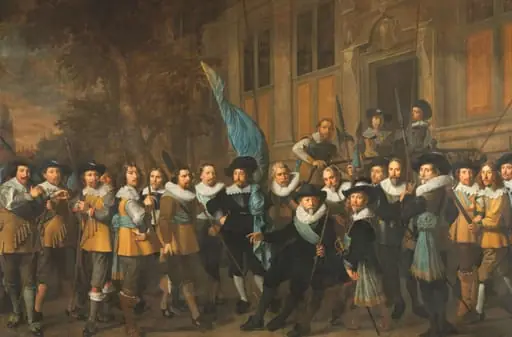 Officers and Other Civic Guardsmen of the IVth District of Amsterdam, under the Command of Captain Jan Claesz van Vlooswijck and Lieutenant Gerrit Hudde
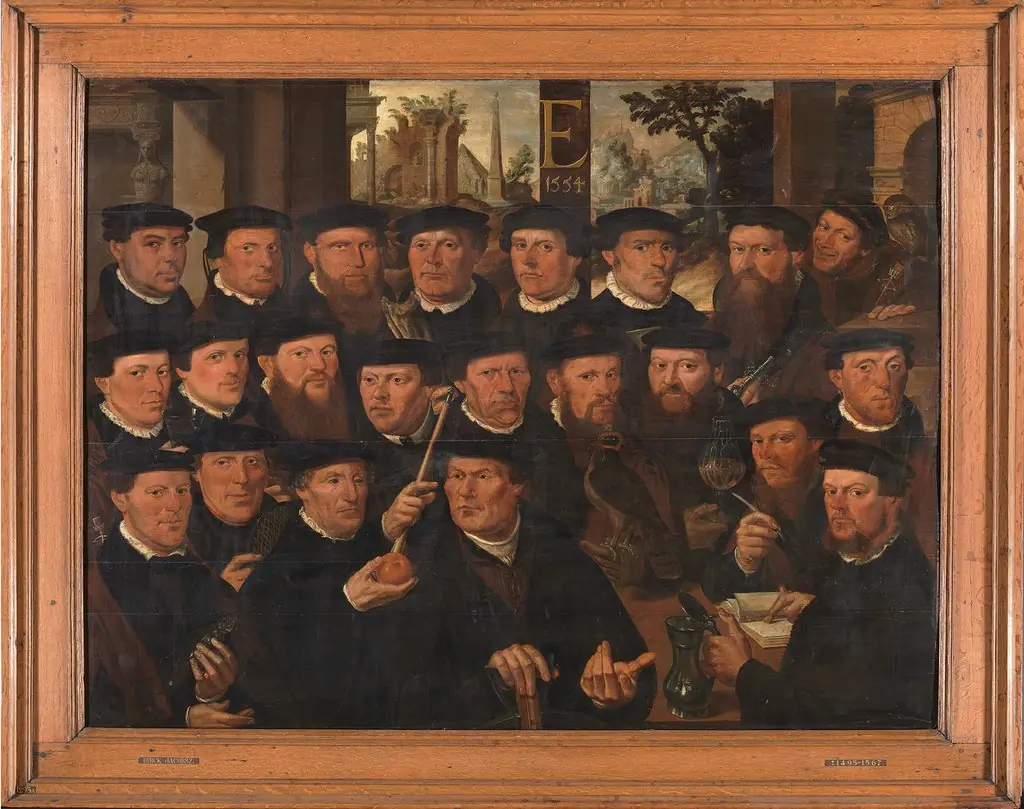 Guardsmen of Company E
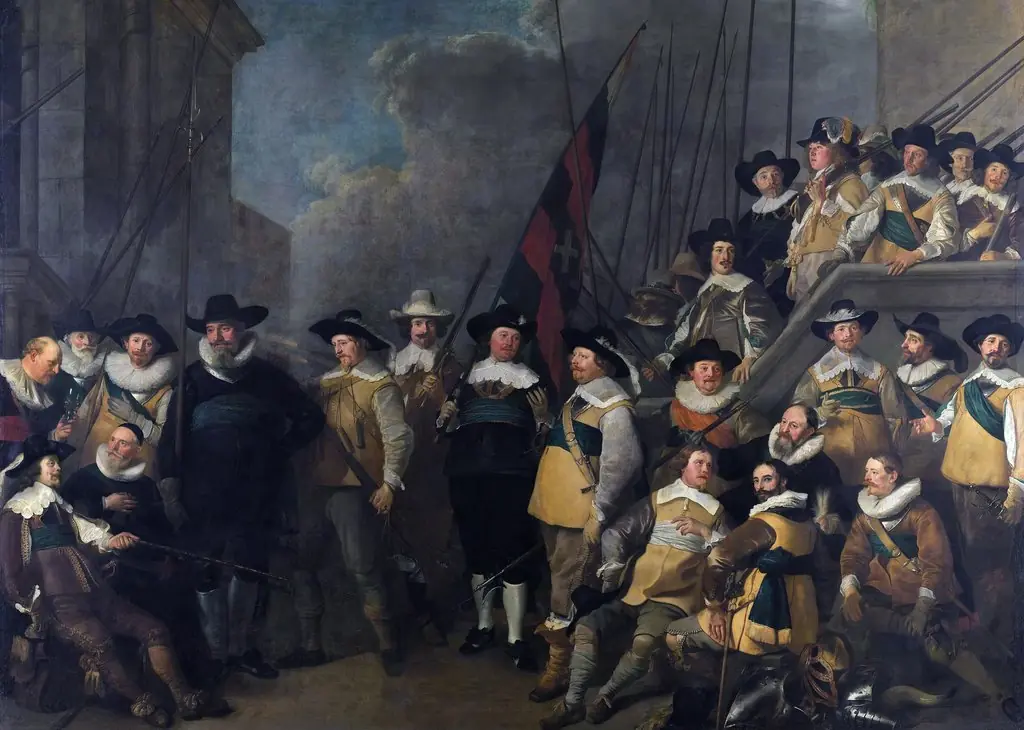 Officers and other Civic Guardsmen of the V District in Amsterdam under the command of Captain Cornelis de Graeff and Lieutenant Hendrick Lauwrensz
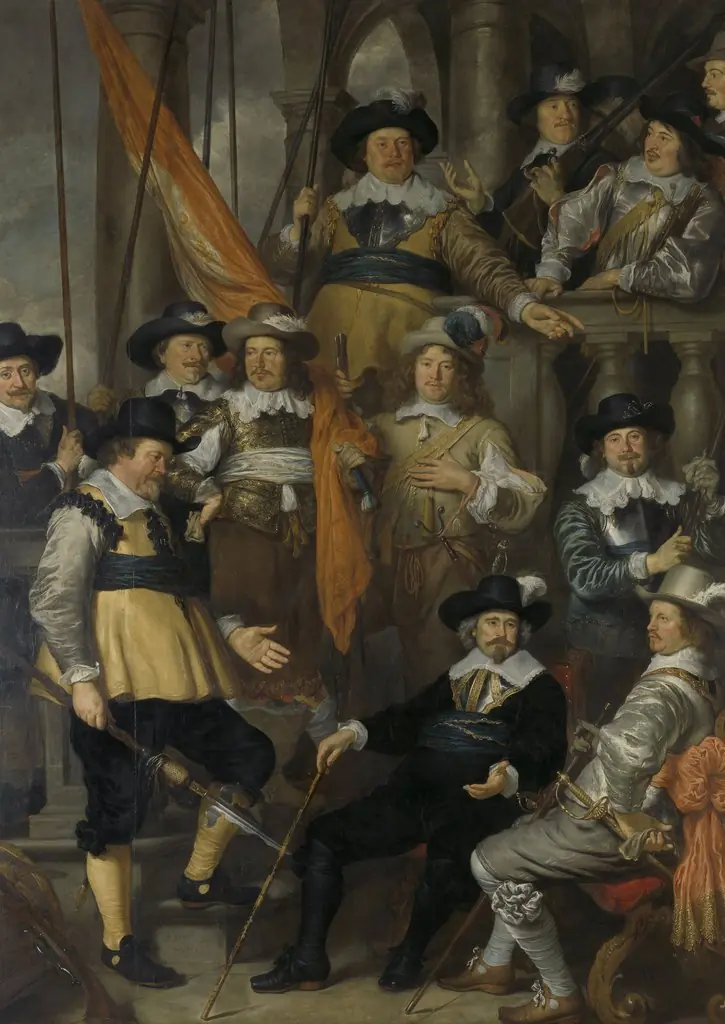 The Company of Captain Albert Bas and Lieutenant Lucas Conijn