Artwork
Girl Teasing a Cat
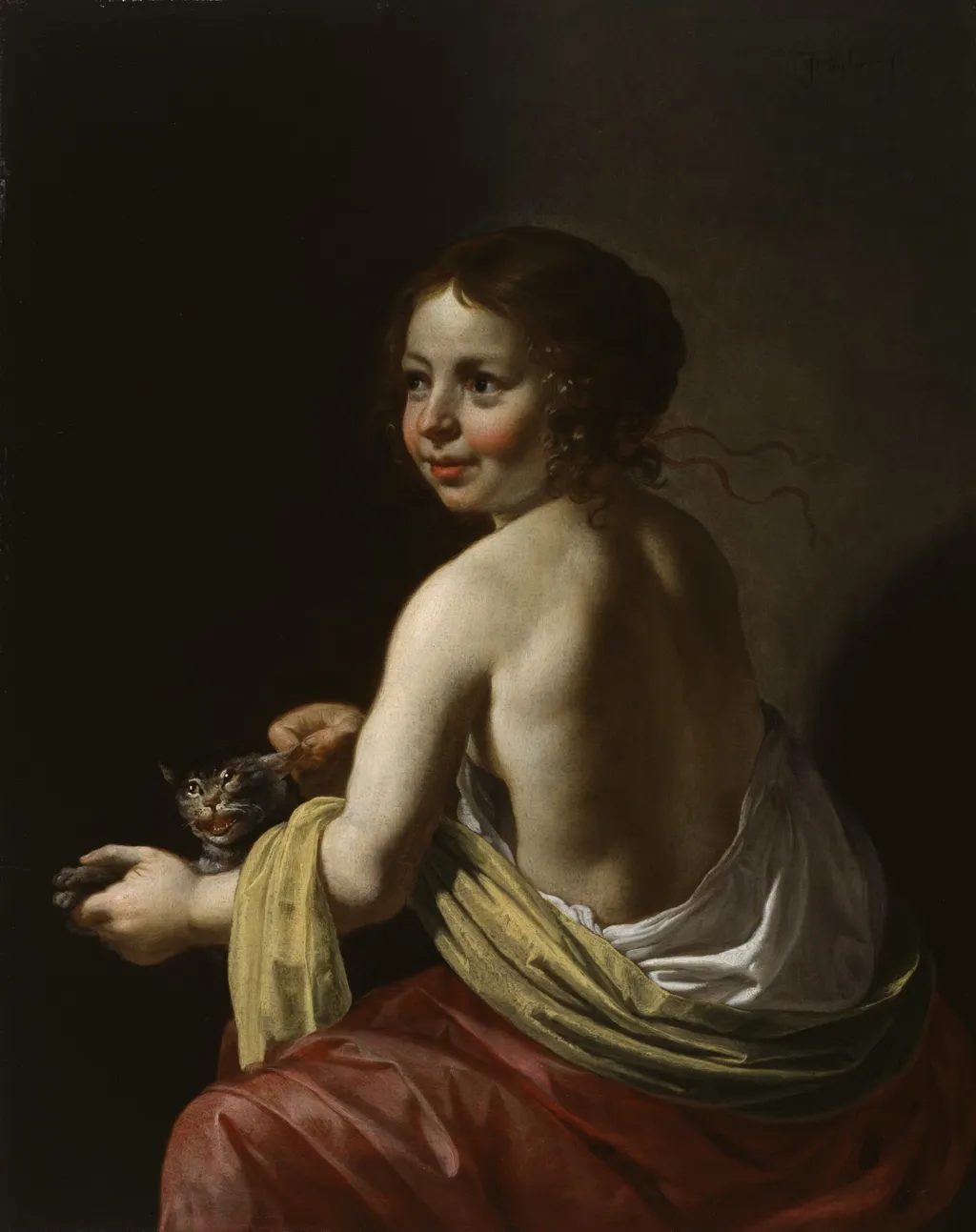
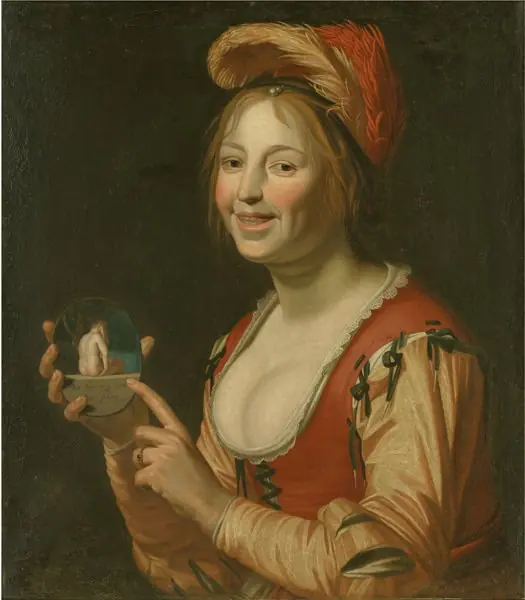
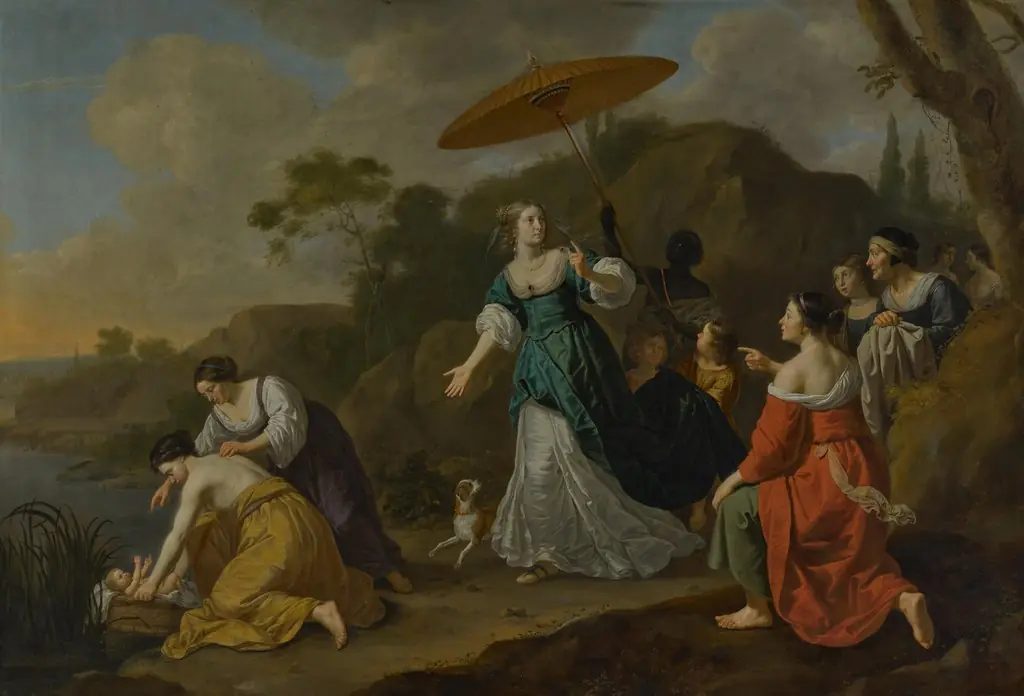
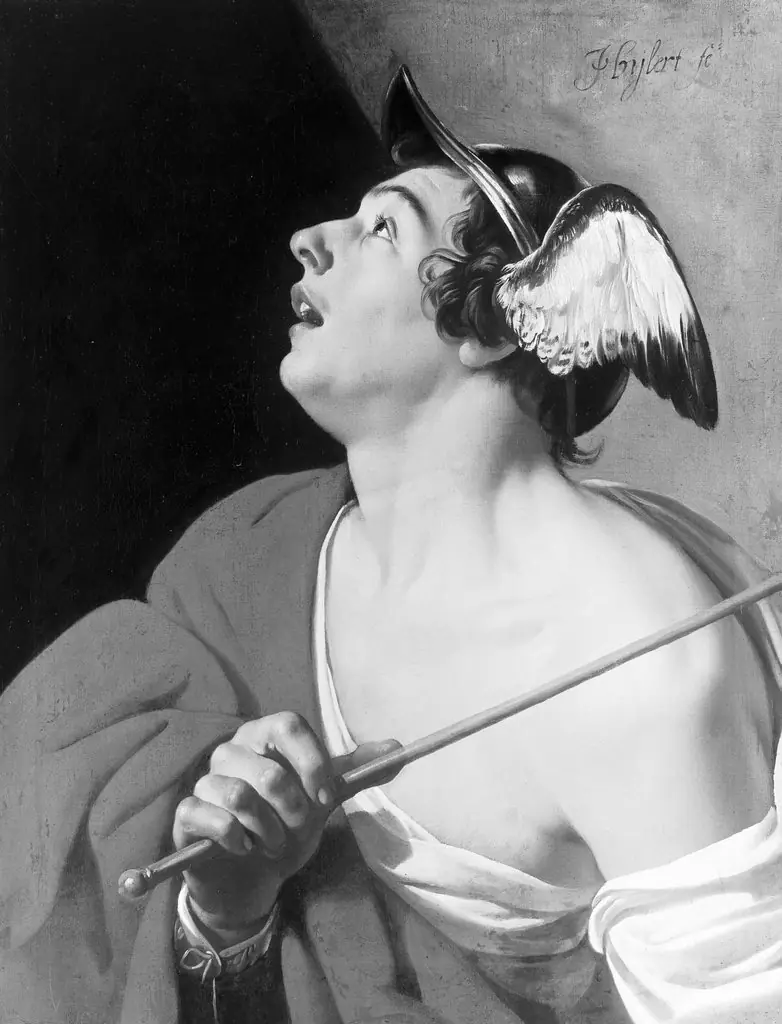
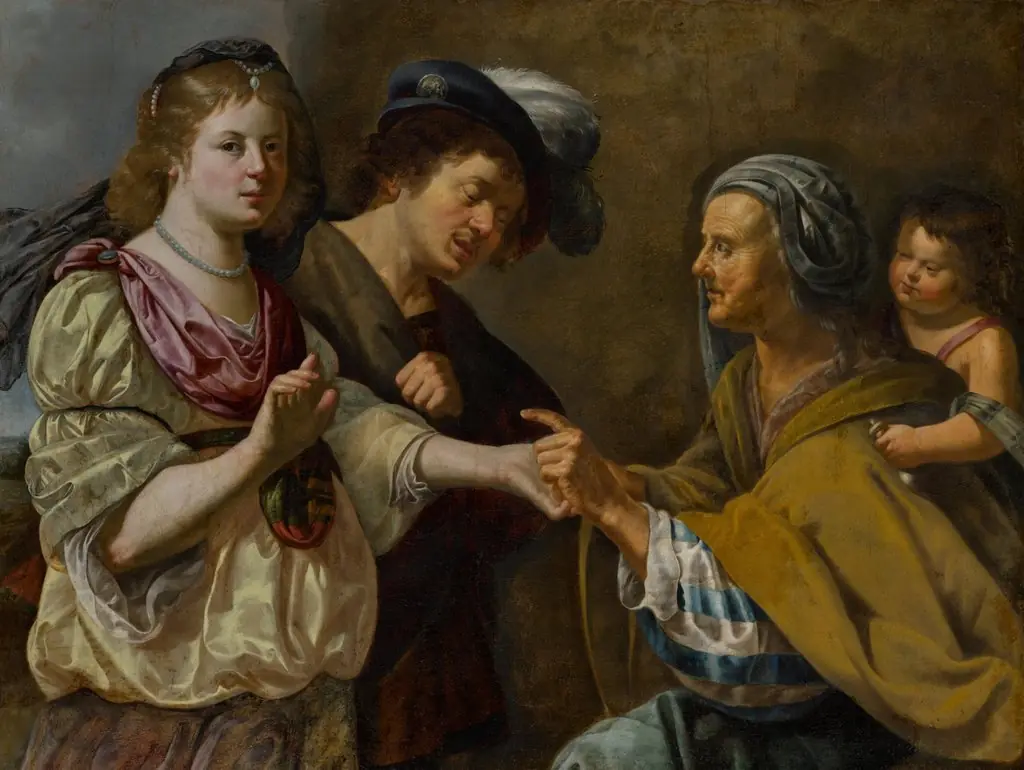
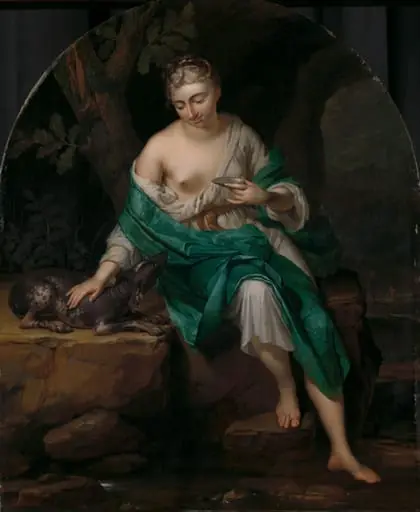
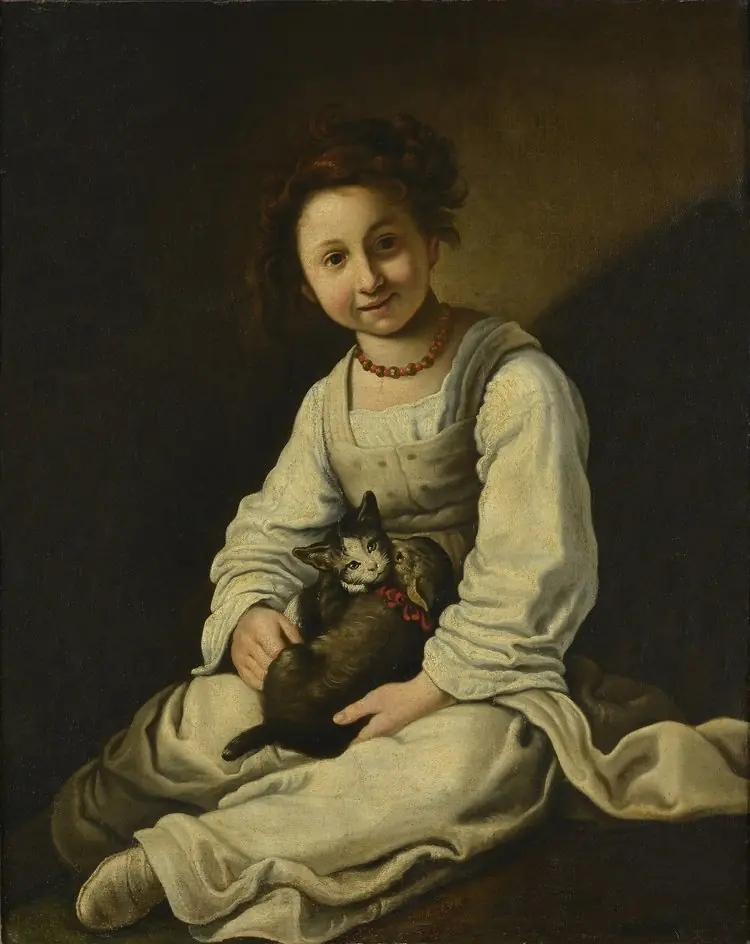
Girl Teasing a Cat is an oil painting by the Dutch Golden Age artist Jan van Bijlert. It dates from 1630 and is held in the collection of the Walters Art Museum.
About this work
Overview
Van Bijlert, trained in Utrecht and influenced by his time in Italy, absorbed Caravaggio’s dramatic lighting and naturalism.
Painted in 1630 by Jan van Bijlert, this oil-on-canvas work belongs to the Dutch Golden Age genre tradition. Van Bijlert, trained in Utrecht and influenced by his time in Italy, absorbed Caravaggio’s dramatic lighting and naturalism. The scene captures a quiet, intimate moment between a girl and a cat, rendered with careful attention to texture and gesture, reflecting the era’s interest in everyday life.
Subject & Meaning
The girl, seated with her back to the viewer, glances over her shoulder as she gently reaches for the cat, which arches away with bared teeth. The interaction suggests playful tension rather than harm, a common motif in Dutch genre painting that balanced charm with subtle unease. The bare shoulder and loose hair hint at informality, grounding the scene in domestic realism rather than idealized narrative.
Technique & Style
Van Bijlert employs strong chiaroscuro to isolate the figures against a deep, shadowed background, enhancing the three-dimensionality of the girl’s form and the cat’s fur. The brushwork is precise in the folds of fabric and the texture of hair, while the cat’s expression is rendered with acute observation. The palette is restrained—white, red, and warm skin tones—heightening the emotional immediacy of the moment.
History & Provenance
Created during van Bijlert’s mature period after his return from Rome, the painting entered the Walters Art Museum’s collection in the early 20th century. It was likely acquired as part of a broader interest in Dutch genre works by American collectors. No earlier documented ownership is known, but its style aligns with other works from his Utrecht phase, confirming its attribution.
Context
In early 17th-century Utrecht, artists like van Bijlert adapted Italian Baroque innovations to depict ordinary Dutch life. Genre scenes featuring children and animals were popular, often implying moral or psychological nuance beneath their surface charm. The Utrecht Caravaggisti, including van Bijlert, brought a heightened realism and dramatic lighting to these subjects, distinguishing them from Flemish or Venetian counterparts.
Legacy
Though not widely exhibited, the painting exemplifies how northern artists synthesized Italian chiaroscuro with local subject matter. Van Bijlert’s work contributed to the evolution of Dutch genre painting, influencing later depictions of domestic intimacy. Its preservation in a major American museum ensures continued study of Caravaggisti adaptations outside Italy.
Own this work as a print
Artist & collection
Artist
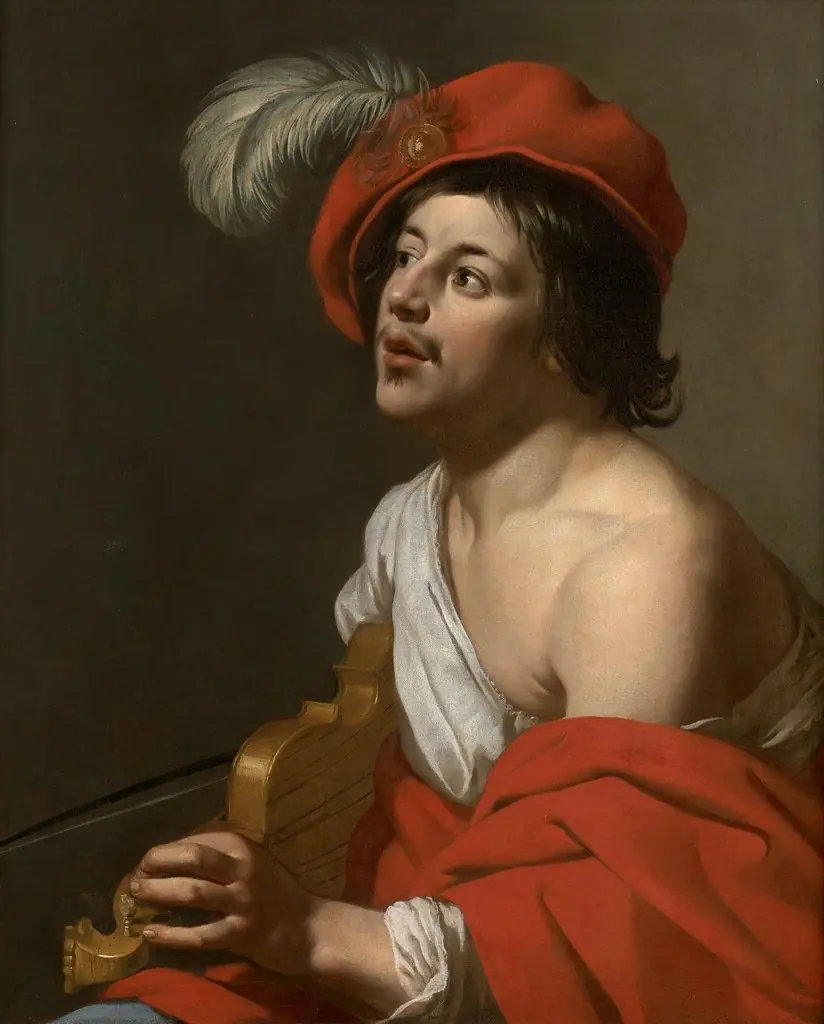
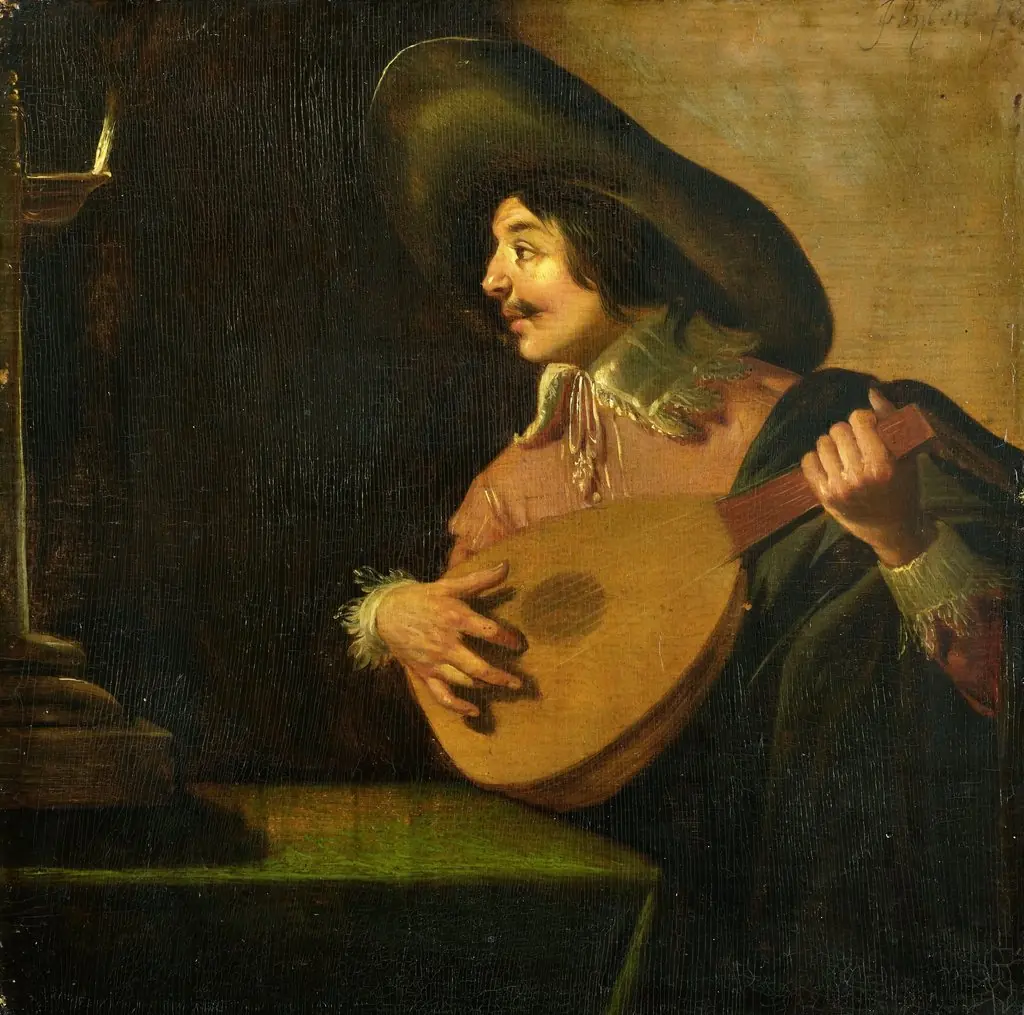
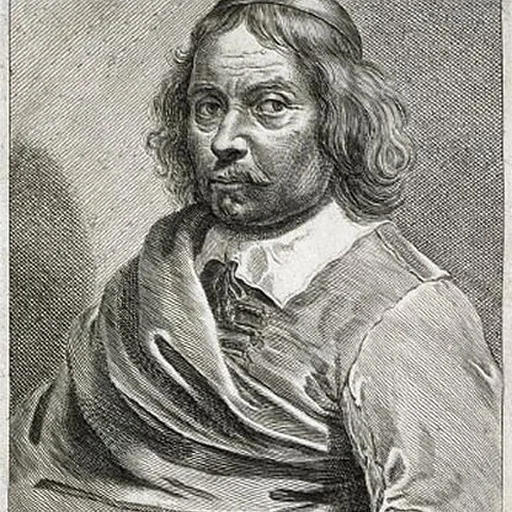
Jan Hermansz van Bijlert (1597 or 1598 – November 1671) was a Dutch Golden Age painter from Utrecht, one of the Utrecht Caravaggisti whose style was influenced by Caravaggio.