Artwork
Landscapes: A Little Chapel by a Pond
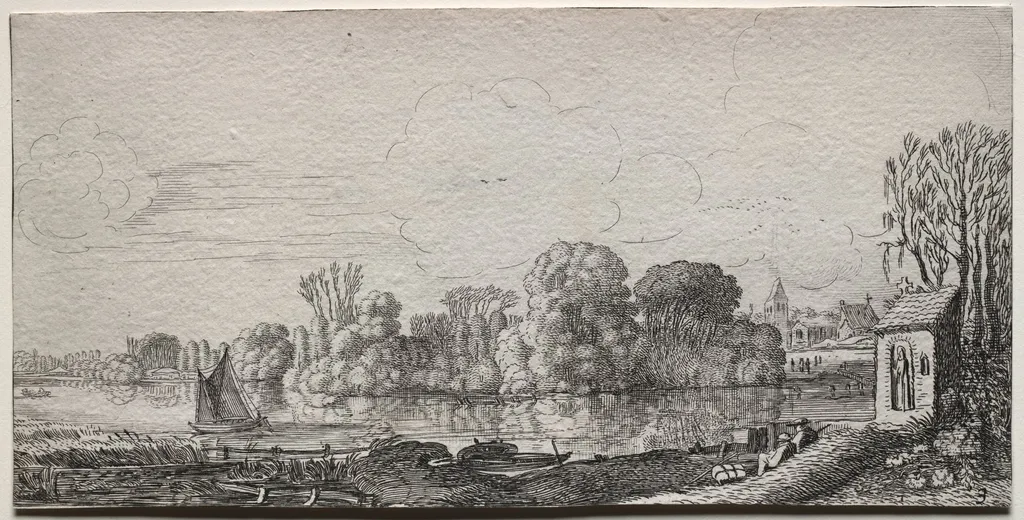
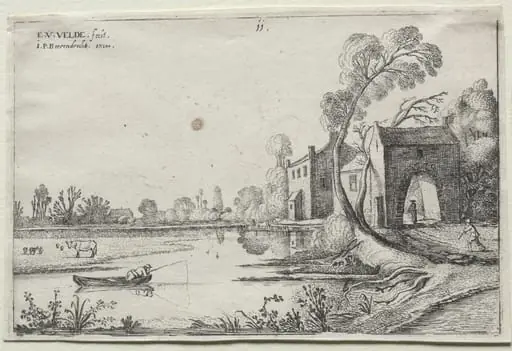
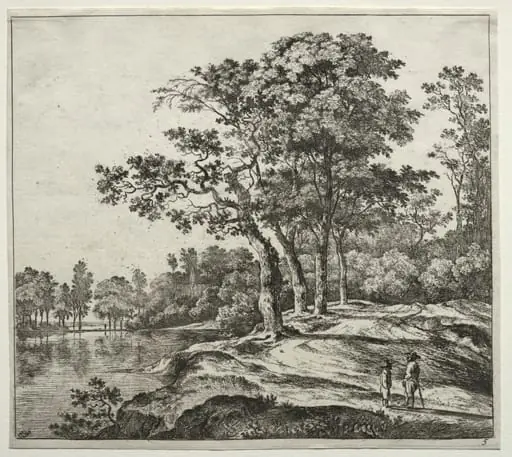
Landscapes: A Little Chapel by a Pond is a print by the Baroque artist Jan van de Velde. It dates from 1634 and is held in the collection of the Cleveland Museum of Art.
About this work
Overview
As a Dutch Golden Age printmaker, van de Velde specialized in naturalistic views, and this work exemplifies his skill in capturing subtle atmospheric effects.
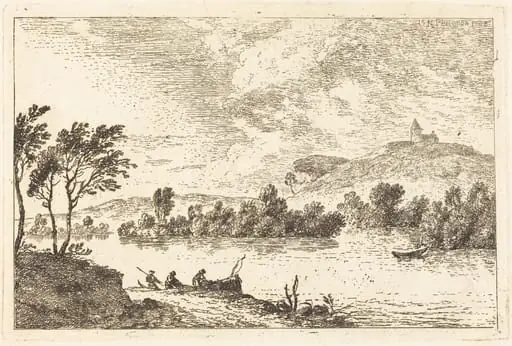
Created in 1634 by Jan van de Velde II, this print is a quiet landscape scene depicting a modest chapel beside a still pond. As a Dutch Golden Age printmaker, van de Velde specialized in naturalistic views, and this work exemplifies his skill in capturing subtle atmospheric effects. It resides in the collection of The Cleveland Museum of Art, where it is valued for its restrained composition and delicate tonal gradations.
Subject & Meaning
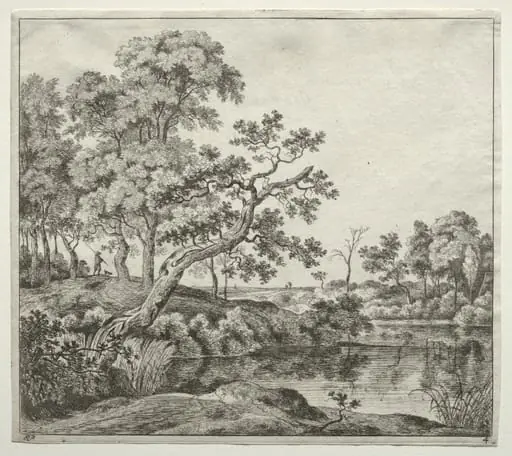
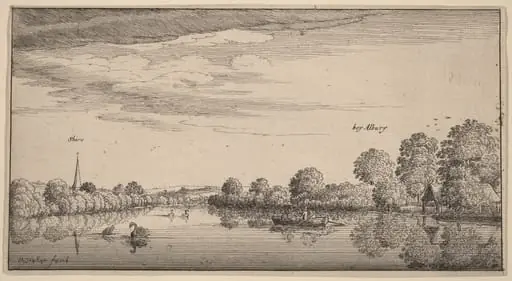
The scene centers on a small rural chapel, its tiled roof and single window suggesting modest religious devotion. Surrounded by trees and water, the chapel appears integrated into the landscape rather than dominating it. A few boats rest on the pond, hinting at quiet human activity. The absence of figures amplifies the sense of solitude, evoking contemplation rather than narrative, consistent with Dutch landscape traditions of the period.
Technique & Style
Executed as a print, likely an etching or engraving, the work employs fine linear detail and controlled hatching to suggest texture and depth. Light falls gently across the scene, modeling forms without dramatic contrast. The composition is balanced, with the chapel placed to the right and the pond receding into the distance. Van de Velde’s handling of foliage and water reflects a keen observation of nature, typical of Dutch printmakers of the era.
History & Provenance
Jan van de Velde II, son of Jan van de Velde the Elder and father of still-life painter Jan Jansz van de Velde, belonged to a family of artists active in the early 17th century. This print was made during his mature period, when he focused on landscapes and genre scenes. It entered The Cleveland Museum of Art’s collection through documented acquisition, though its earlier ownership history remains largely unrecorded beyond its artistic lineage.
Context
In the 1630s, Dutch artists increasingly turned to secular landscapes as subjects worthy of artistic attention. Religious imagery was often subdued, embedded within everyday scenes. Van de Velde’s chapel, unadorned and unattended, reflects this trend—spiritual presence implied rather than declared. His work aligns with contemporaries like Rembrandt and Jacobsz, who elevated humble natural settings through careful observation and tonal nuance.
Legacy
Though less widely known than his contemporaries, Jan van de Velde II contributed to the development of landscape printmaking in the Netherlands. His emphasis on tranquility and naturalism influenced later generations of printmakers who sought to capture the quiet dignity of rural life. This work remains a representative example of how Dutch artists transformed ordinary scenes into enduring visual studies of light, space, and stillness.
Artist & collection
Artist
Jan van de Velde the younger (1593 – c. 1 November 1641) was a Dutch Golden Age painter and printmaker, mostly of animal, landscape and still-life subjects. He was the son of Jan van de Velde the Elder and the father of…