Artwork
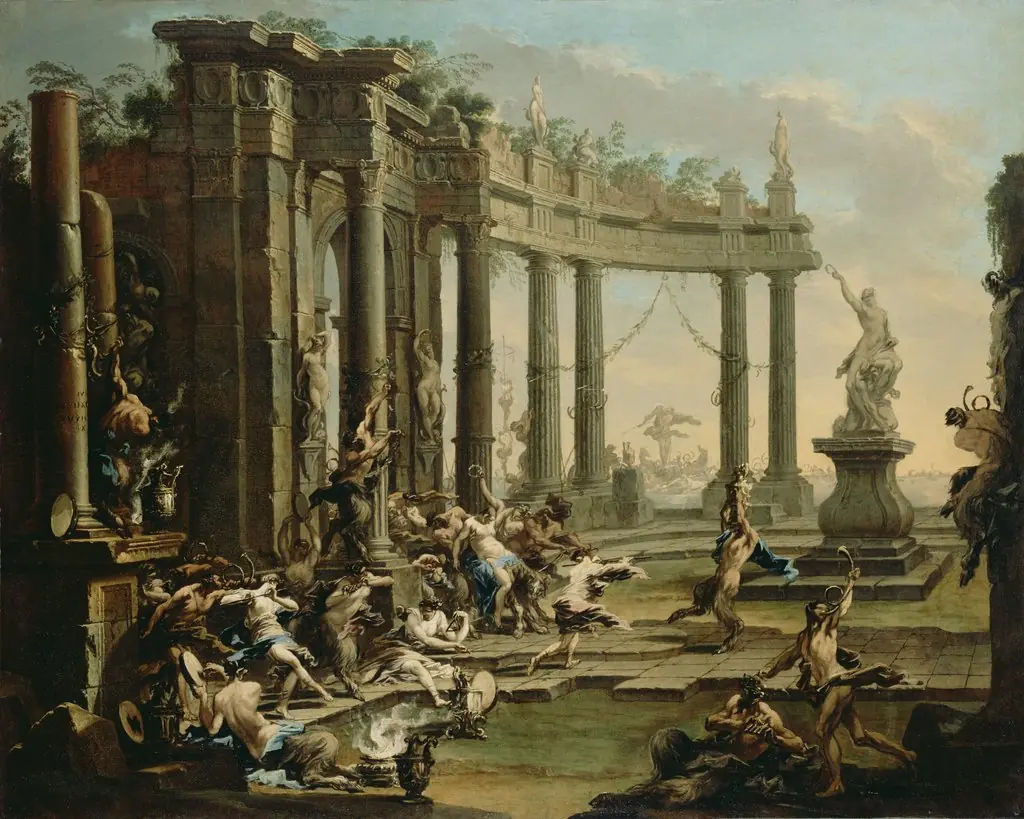
The Triumph of Venus
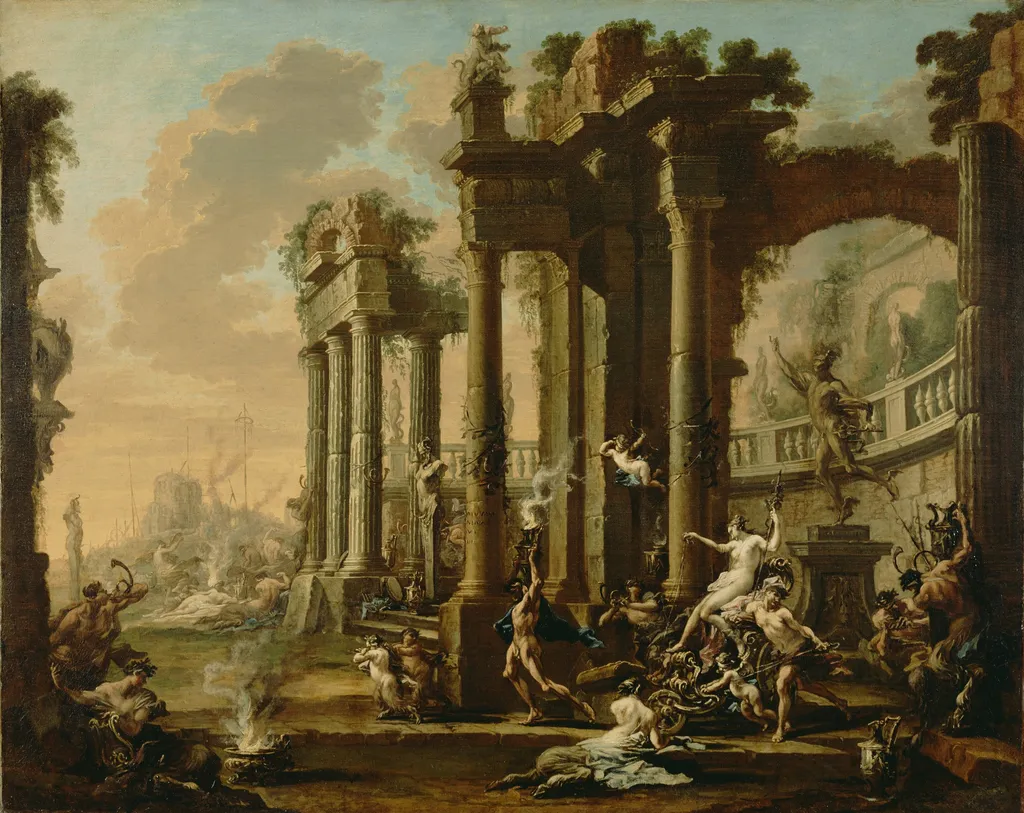
The Triumph of Venus is an oil painting by the Rococo painting artist Alessandro Magnasco. It dates from 1725 and is held in the collection of the J. Paul Getty Museum.
About this work
Overview
Paul Getty Museum’s permanent collection, where it stands as an example of his unconventional interpretation of classical themes.
Painted in 1725, *The Triumph of Venus* is an oil-on-canvas work by Alessandro Magnasco, an Italian artist known for his distinctive approach to late-Baroque subjects. Unlike the polished elegance typical of Rococo, Magnasco’s version embraces a more restless, atmospheric quality. The painting is part of the J. Paul Getty Museum’s permanent collection, where it stands as an example of his unconventional interpretation of classical themes.
Subject & Meaning
The painting portrays Venus, the Roman goddess of love, surrounded by mythological figures in a dreamlike procession. Rather than a grand, orderly celebration, Magnasco presents a fragmented, almost chaotic gathering—figures drift in and out of shadow, suggesting transience rather than divine permanence. The scene evokes myth not as doctrine but as a fleeting, emotional experience, filtered through the artist’s introspective vision.
Technique & Style
Magnasco employed rapid, expressive brushwork to suggest movement and atmosphere rather than define form with precision. His use of light is diffuse and erratic, casting figures in partial obscurity and enhancing the painting’s ethereal mood. Colors are muted yet subtly layered, avoiding the pastel brightness associated with Rococo. The style leans toward the poetic and unsettled, distinguishing it from contemporaneous decorative traditions.
History & Provenance
Created during Magnasco’s mature period in Genoa, the painting reflects his long-standing interest in mythological subjects, though rarely treated with conventional grandeur. It remained in private collections in Italy before entering the Getty’s holdings. Its journey through collectors underscores its niche appeal—valued not for popularity but for its idiosyncratic voice within 18th-century Italian painting.
Context
While Rococo art in France and Austria emphasized ornament and lighthearted elegance, Magnasco’s work diverged by embracing ambiguity and emotional tension. His paintings responded less to courtly tastes and more to personal, almost melancholic reflections on myth and nature. In this context, *The Triumph of Venus* appears as a quiet counterpoint to the dominant aesthetic of his time.
Legacy
Magnasco’s unconventional style influenced later artists drawn to expressive brushwork and psychological depth over idealized form. Though overlooked in his lifetime, his work gained renewed attention in the 19th and 20th centuries for its pre-Romantic sensibility. *The Triumph of Venus* remains a touchstone for understanding how myth could be rendered not as spectacle, but as introspective vision.
Own this work as a print
Artist & collection

Artist
Alessandro Magnasco (February 4, 1667 – March 12, 1749), also known as il Lissandrino, was an Italian late-Baroque painter active mostly in Milan and Genoa.

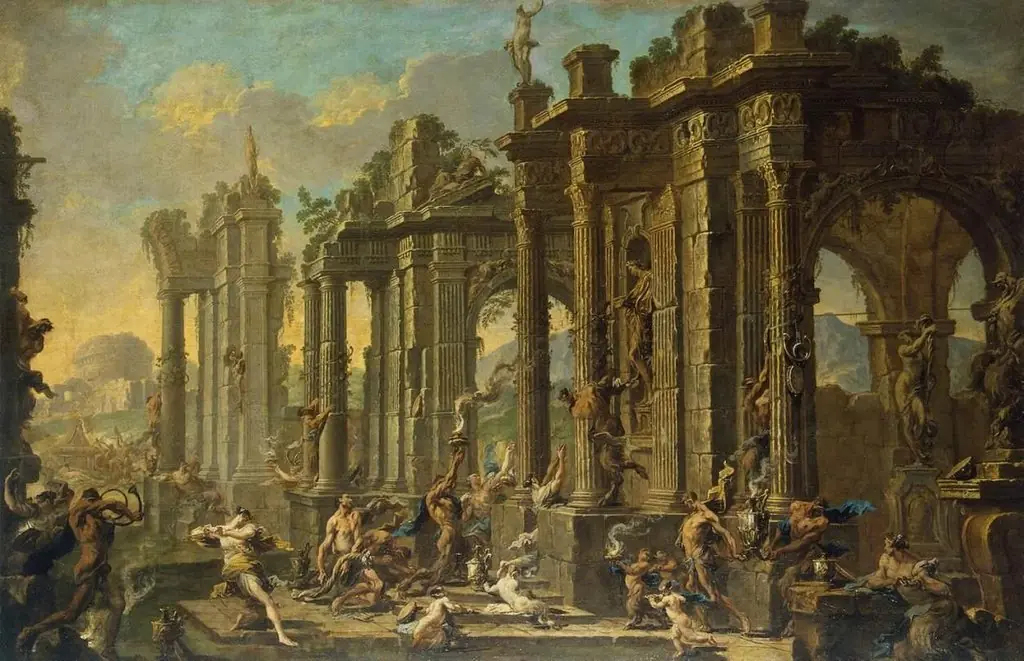
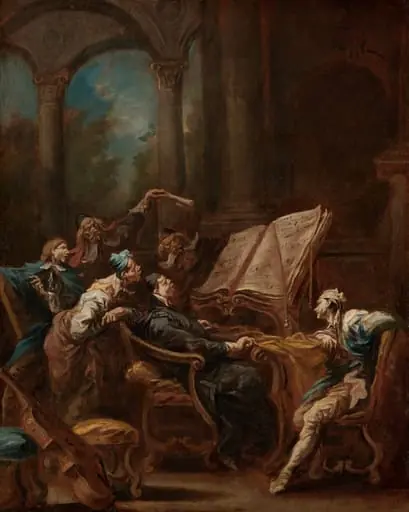
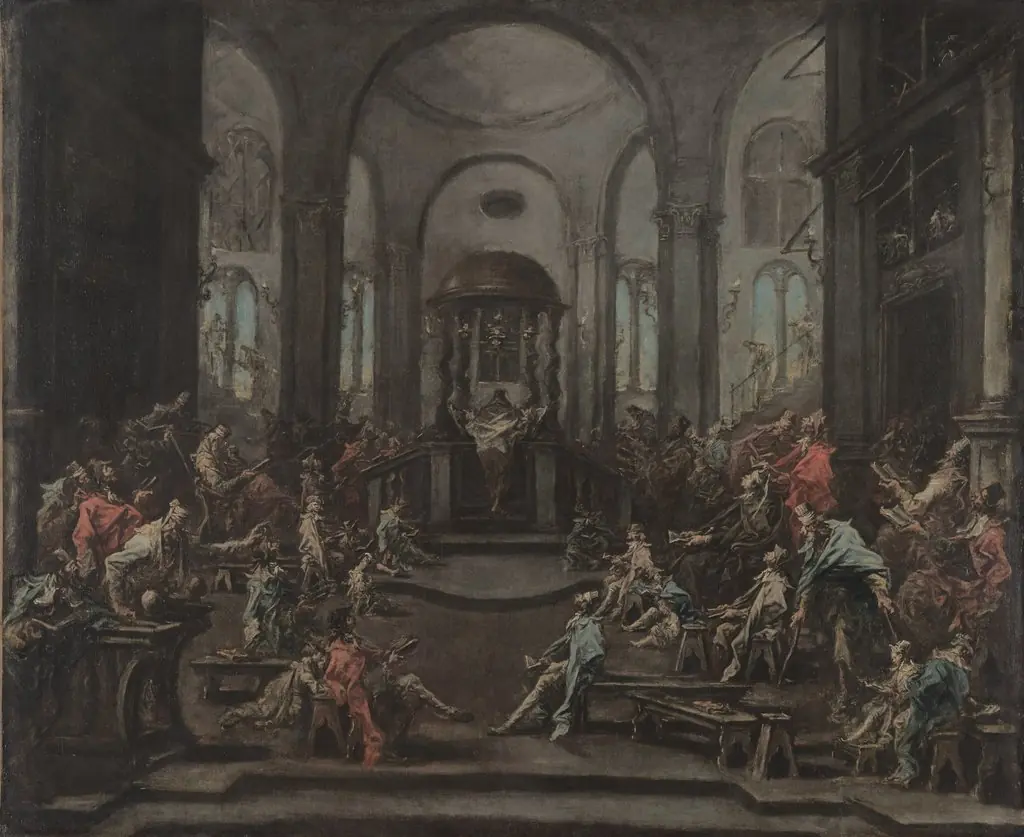
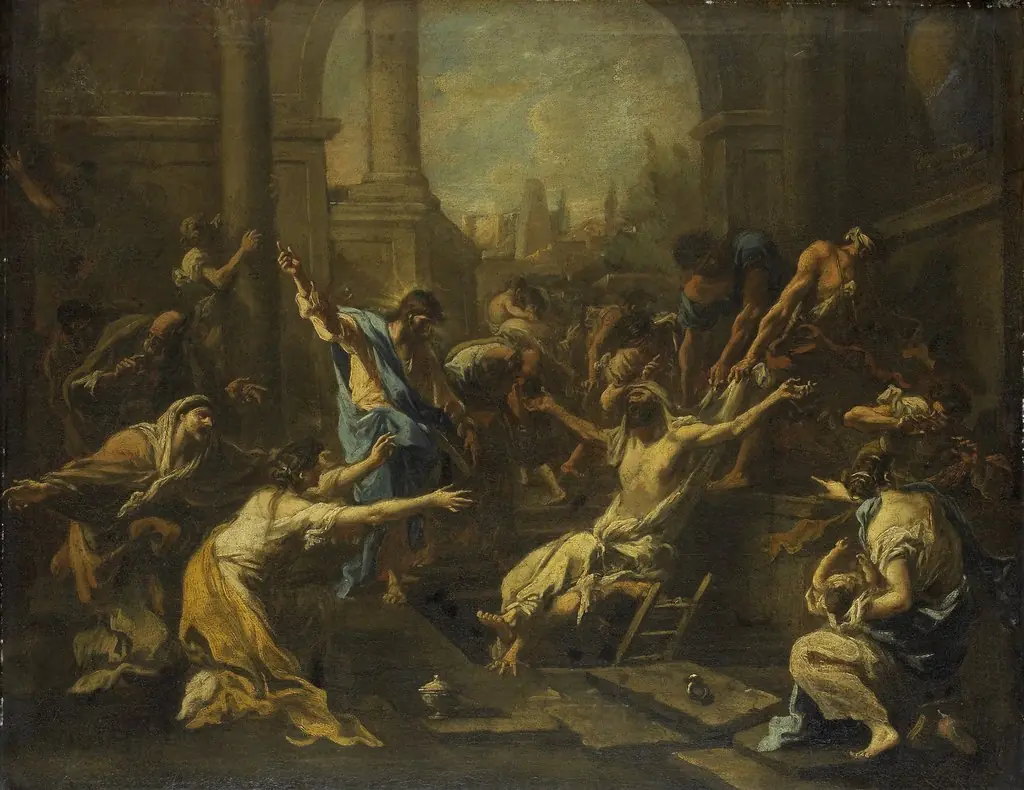
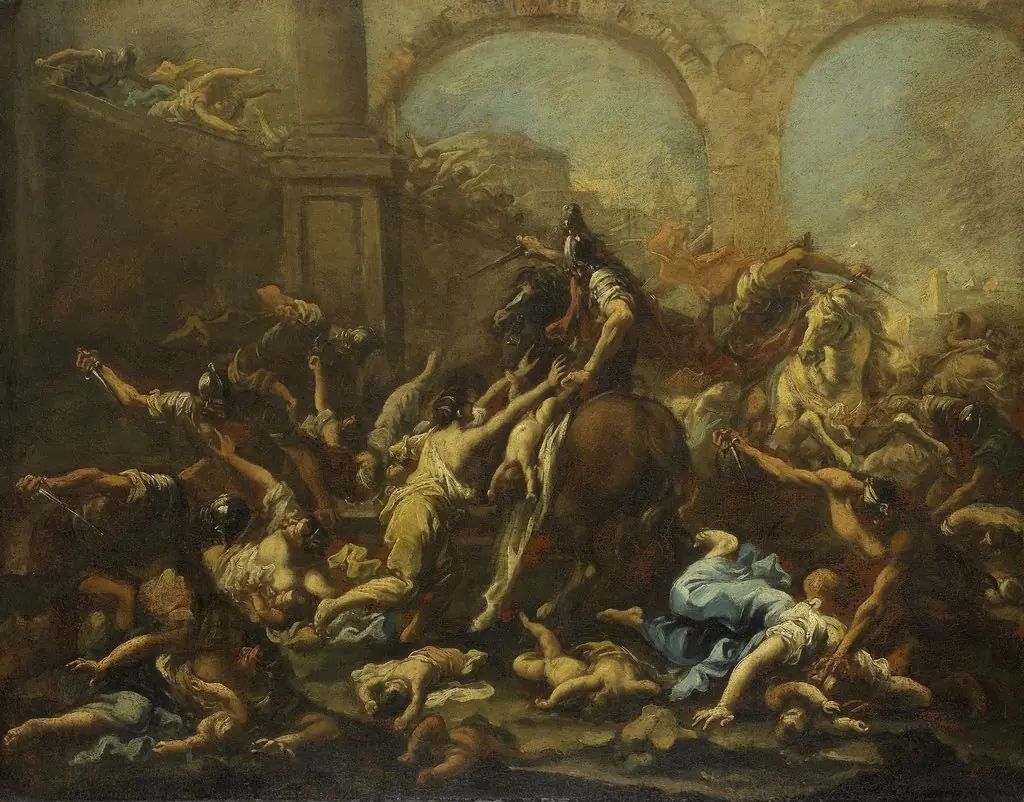
 Bacchanale
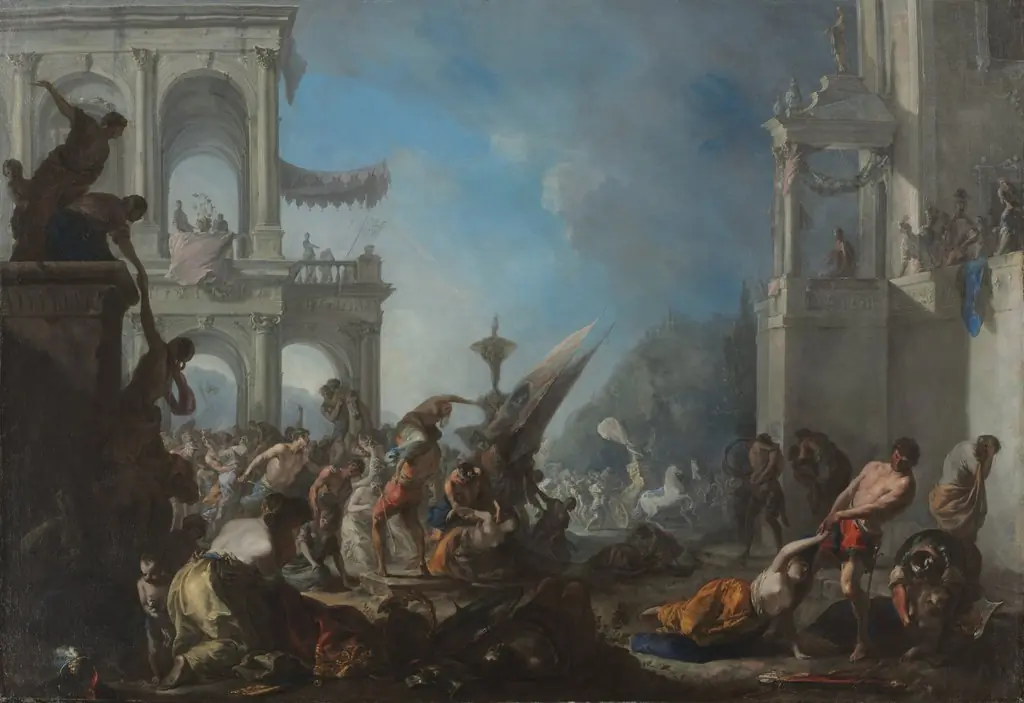 Abduction of the Sabine Women
 Abduction of the Sabine Women
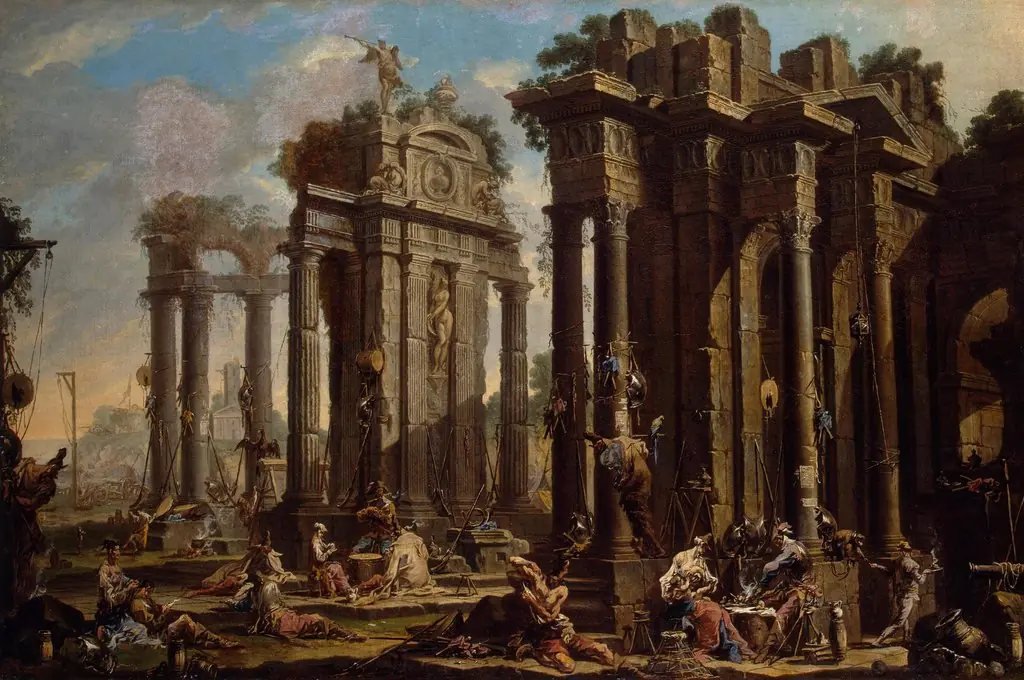 Halt of the Brigands
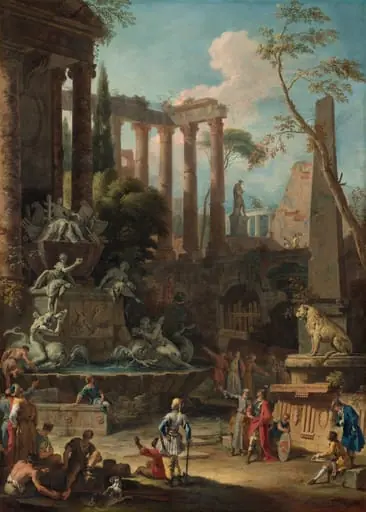 Memorial to Admiral Sir Clowdisley Shovell
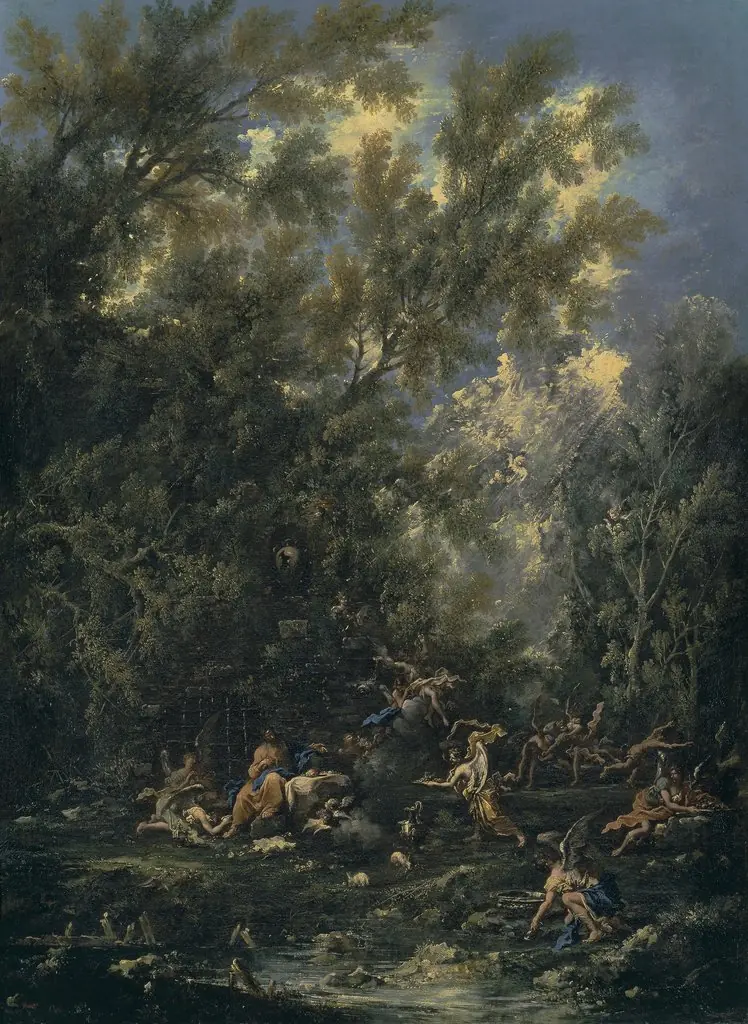 Christ attended by Angels
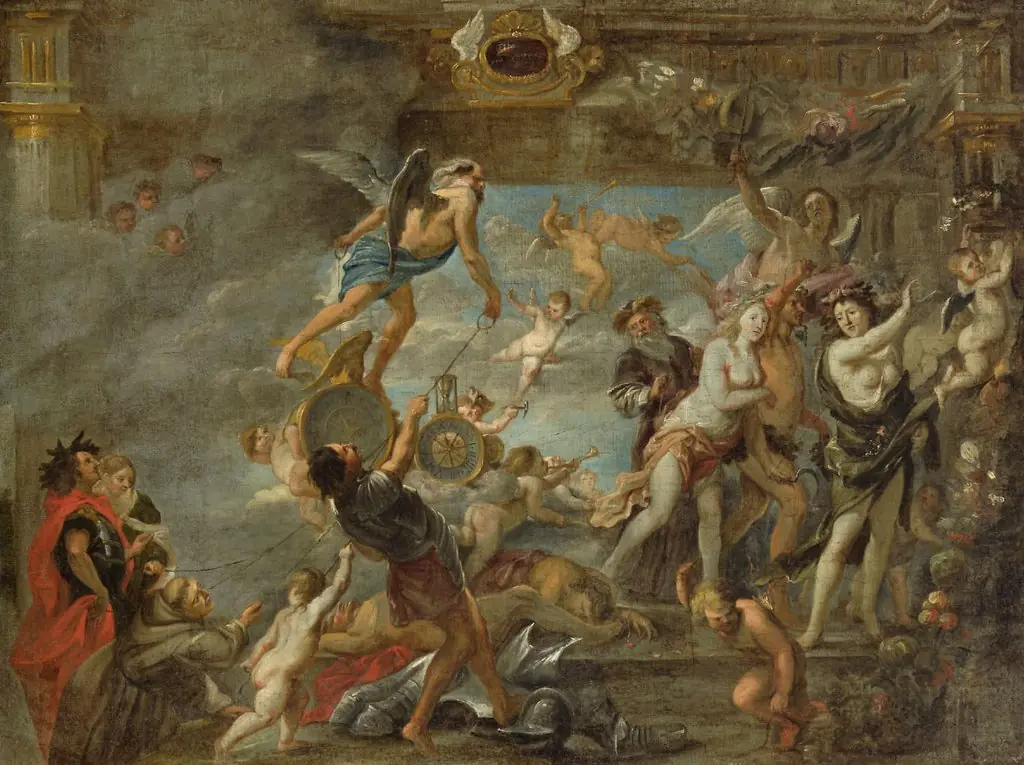 Triumph of Time
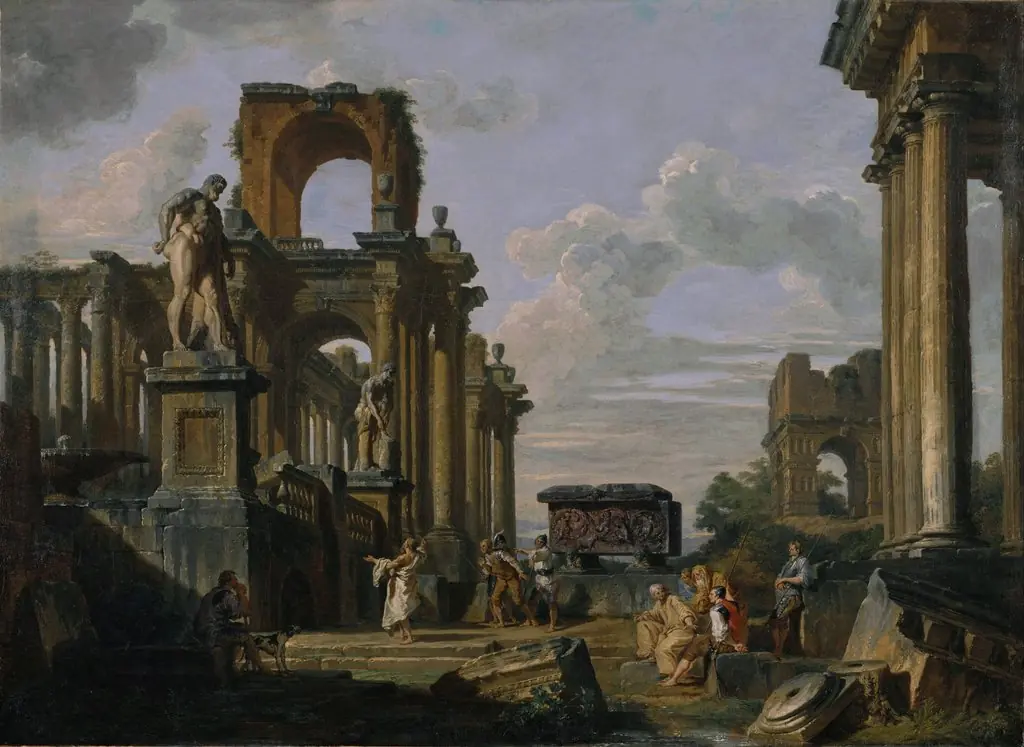 An Architectural Capriccio of the Roman Forum with Philosophers and Soldiers among Ancient Ruins, including the Arch of Janus Quadrifrons, the Sarcophagus of Santa Constanza, the Farnese Hercules and the Cincinnatus
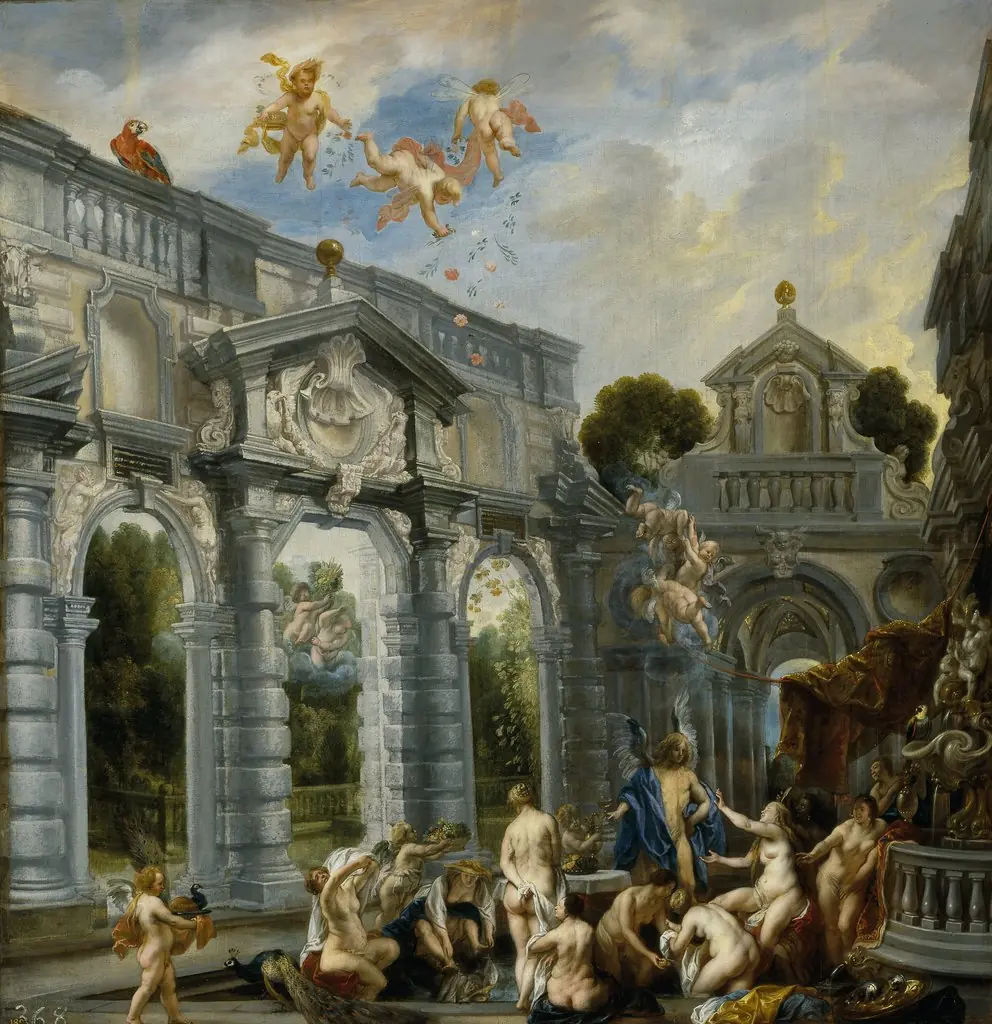 Nymphs at the Fountain of Love
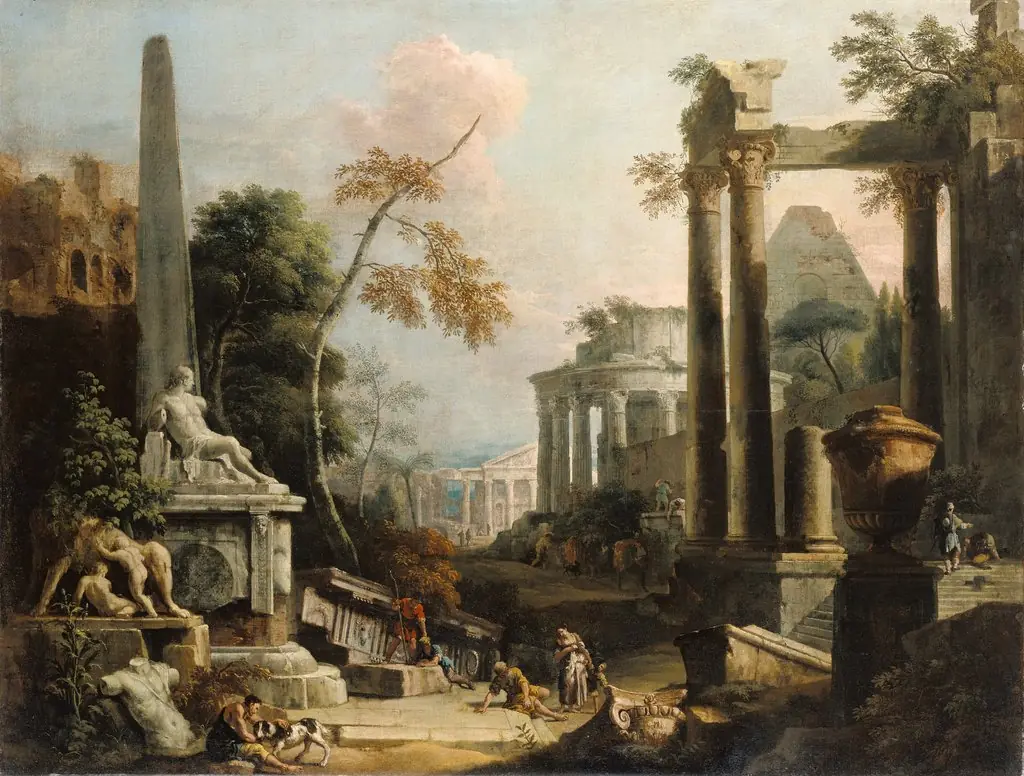 Landscape with Classical Ruins and Figures
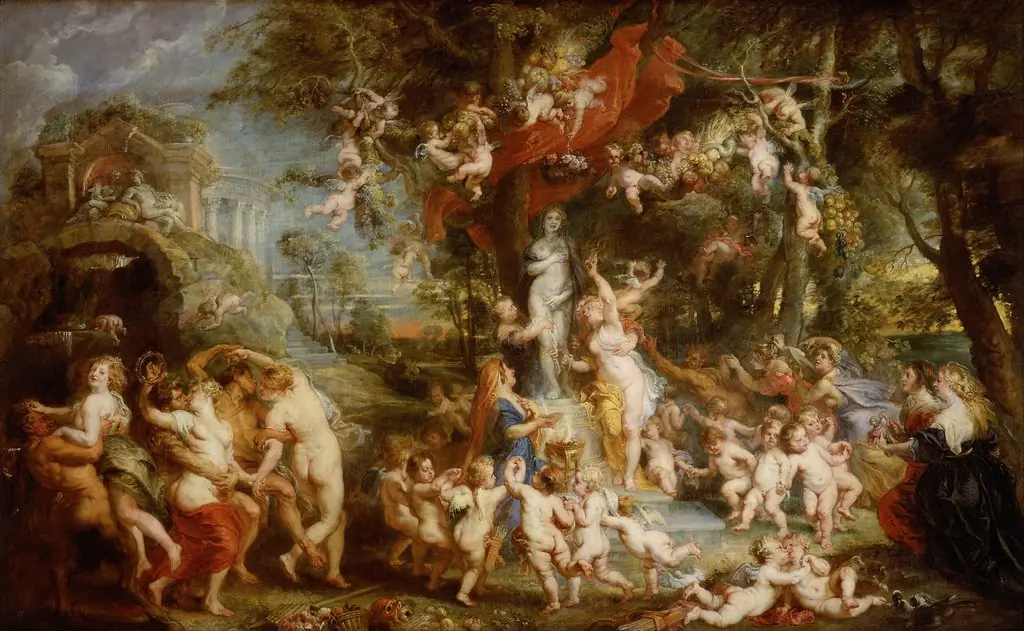 The Feast of Venus