Artwork
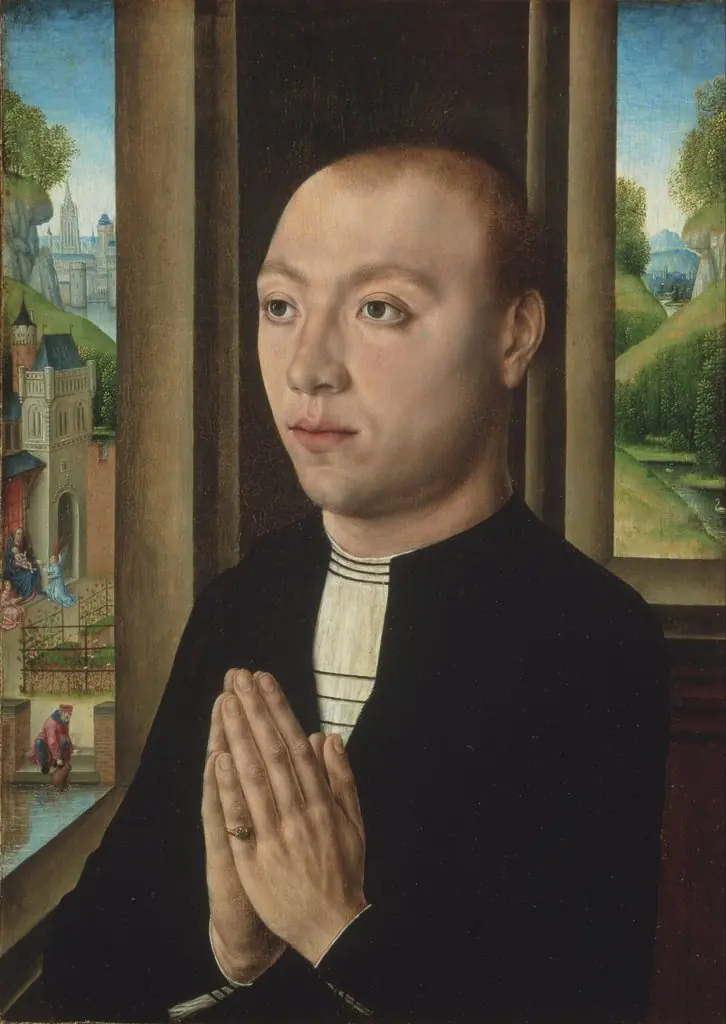
Portrait of a Fat Man
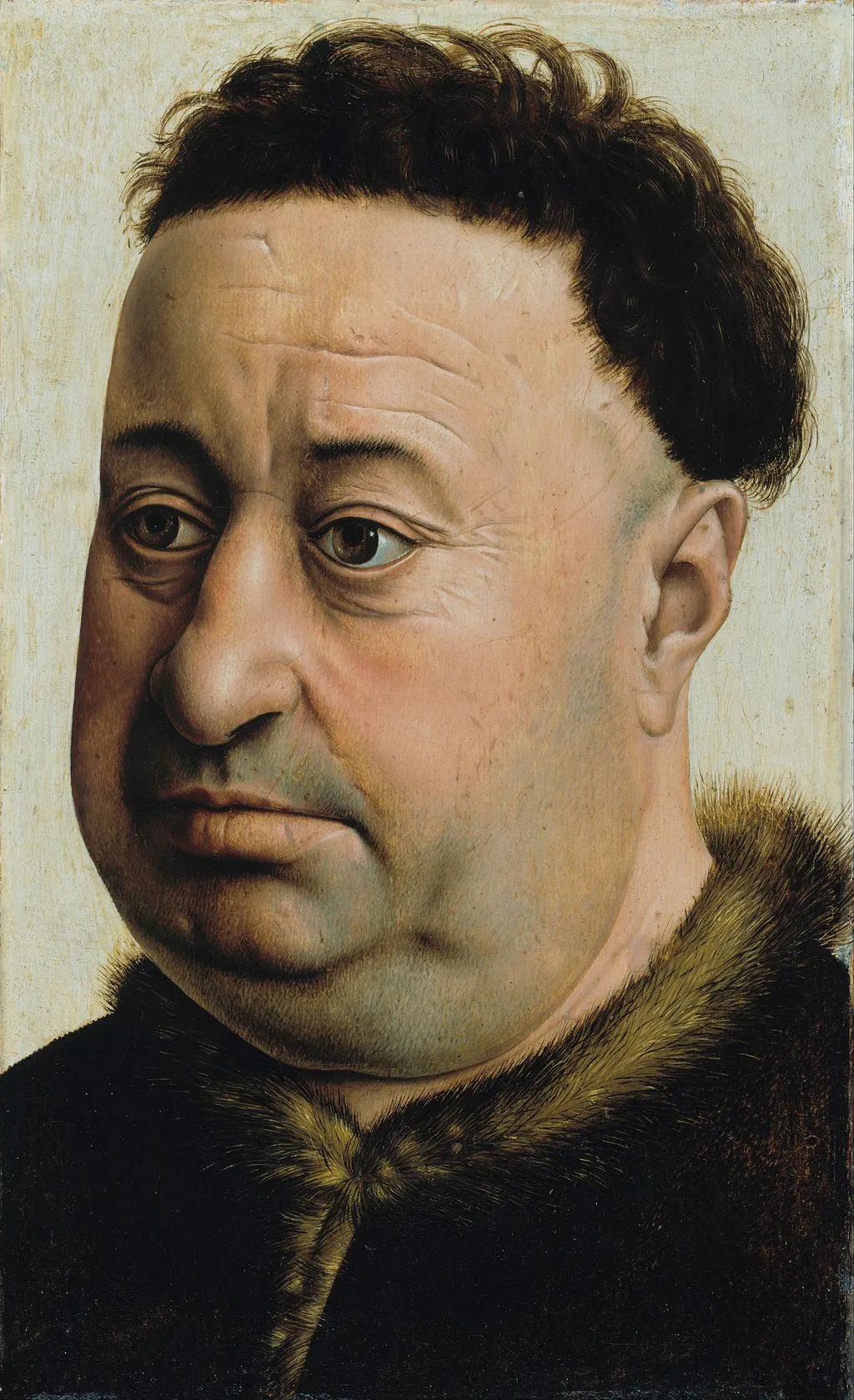
Portrait of a Fat Man is an oil painting by the Northern Renaissance artist Robert Campin. It dates from 1440 and is held in the collection of the Gemäldegalerie Berlin.
About this work
Overview
Created around 1440, this oil painting presents a solitary male sitter rendered with the meticulous detail characteristic of early Netherlandish art. The work resides in Berlin’s Gemäldegalerie and exemplifies the portrait genre that emerged in the Northern Renaissance, focusing on a realistic depiction of an individual rather than an idealized figure.
Subject & Meaning
The figure is a middle‑aged man with dark, tightly curled hair, dressed in a black coat edged with fur. He looks straight at the viewer with a calm, slightly contemplative expression, suggesting a self‑assured yet introspective personality. The attire and bearing imply a status linked to the affluent mercantile class of the period.
Technique & Style
Executed in oil on panel, the painting showcases Campin’s pioneering use of layered glazes to achieve subtle tonal variations in skin and fabric. The fine rendering of the fur trim and the soft modeling of the face reflect a keen observation of texture and light, hallmarks of the early Northern Renaissance approach to realism.
History & Provenance
Attributed to Robert Campin, a central figure in the development of early Netherlandish painting, the work was long associated with the anonymous Master of Flémalle before scholarly consensus linked it to Campin. It entered the Gemäldegalerie’s collection in the early 20th century, where it has remained on public display.
Own this work as a print
Artist & collection
Artist
Robert Campin (Valenciennes (France) c. 1375 - Tournai (Belgium) 26 April 1444) now usually identified with the Master of Flémalle (earlier the Master of the Merode Triptych, before the discovery of three other similar…

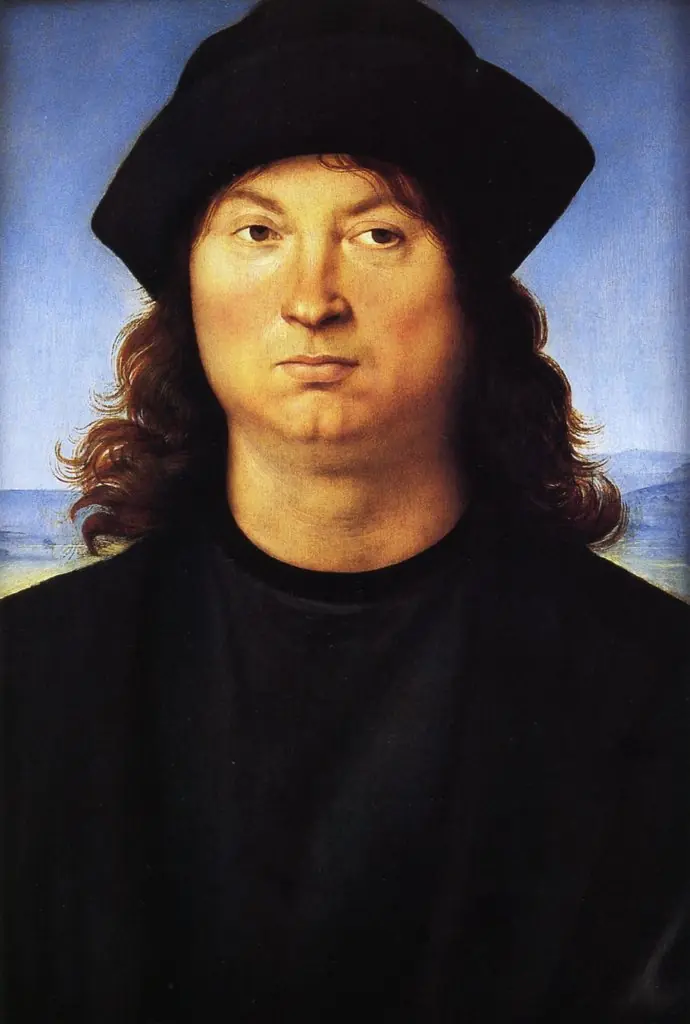 Portrait of a Man
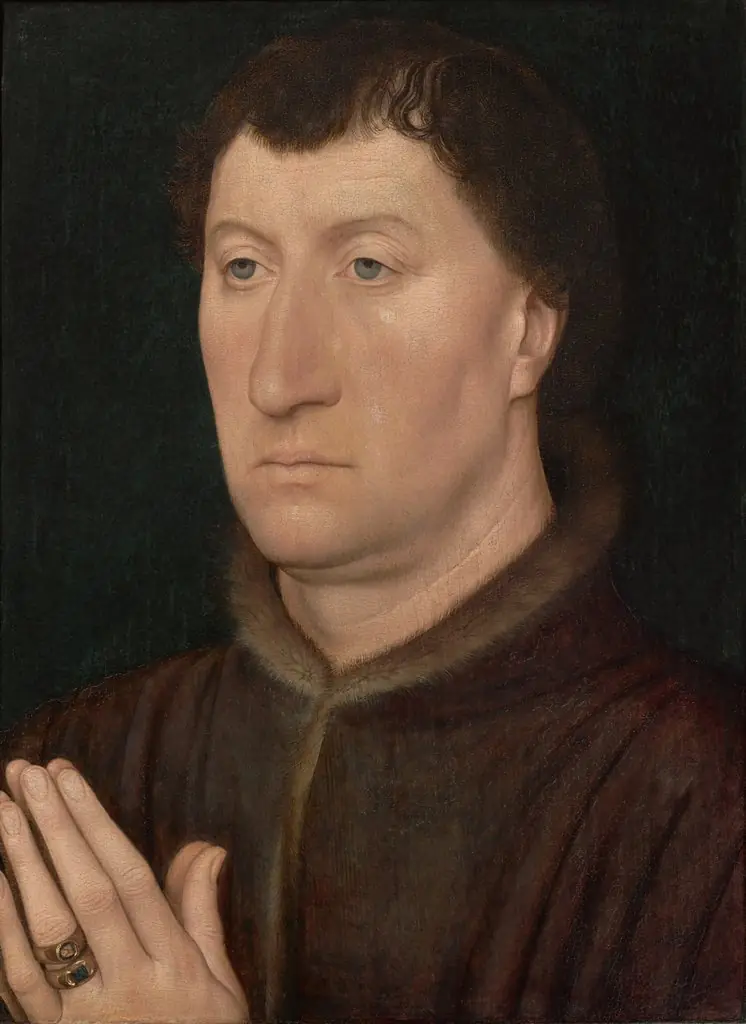 The Canon Gilles Joye
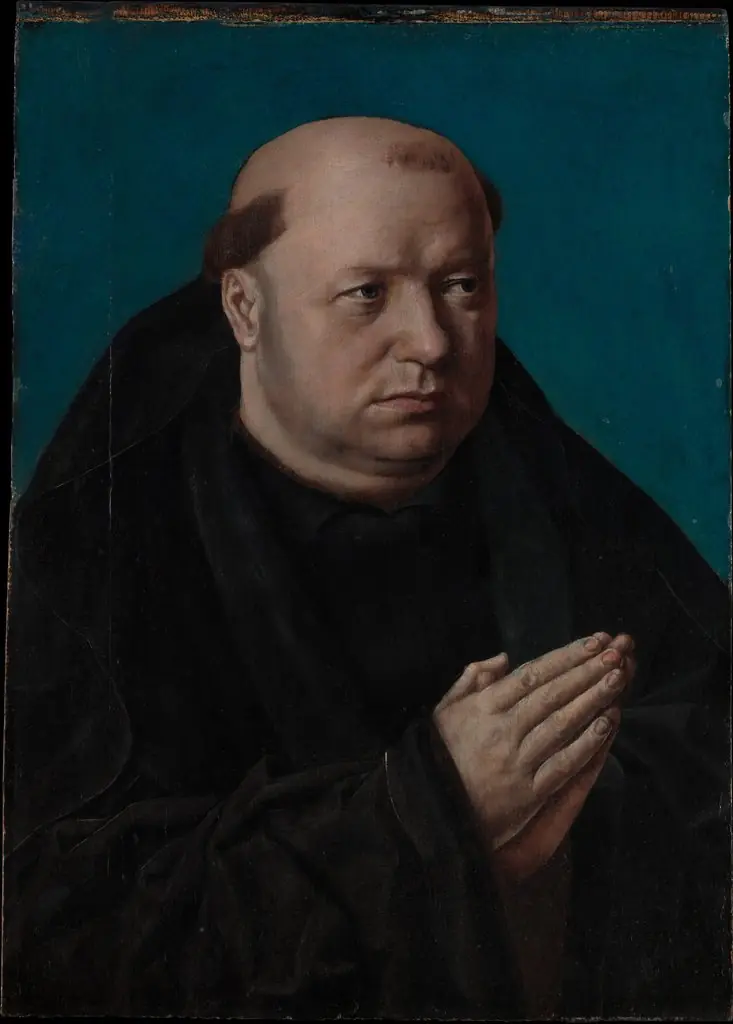 Portrait of a Monk in Prayer
 Untitled
 Portrait of Willibald Pirckheimer
 Portrait of a man
 Portrait of a Man
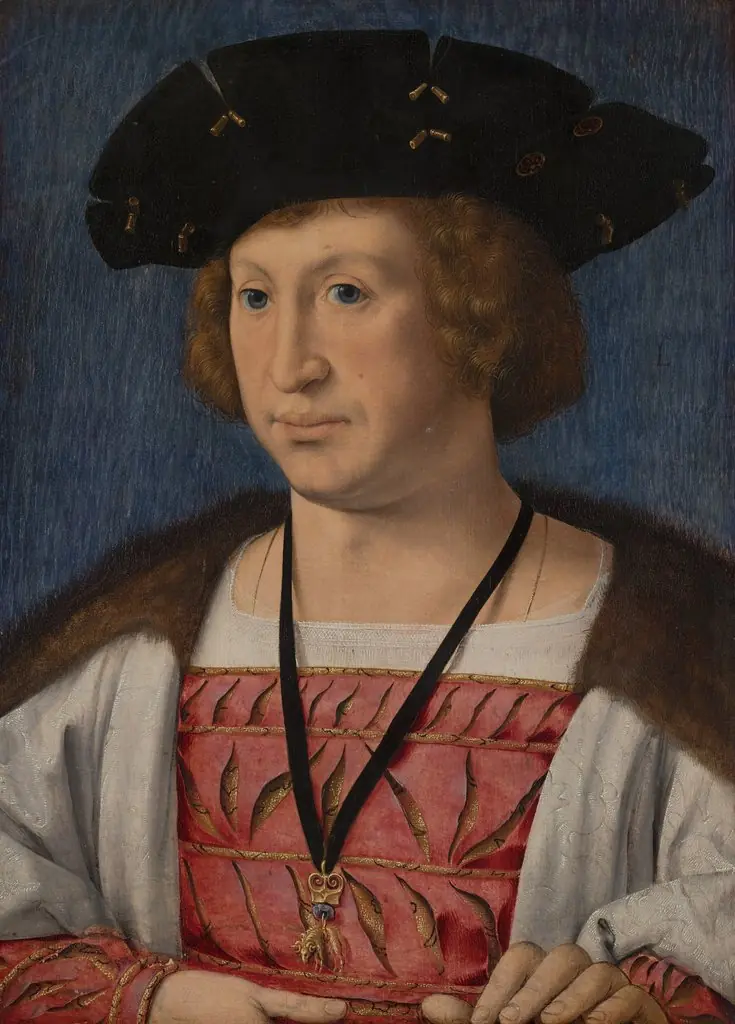 Portrait of Floris van Egmond (1469-1539), Count of Buren and Leerdam
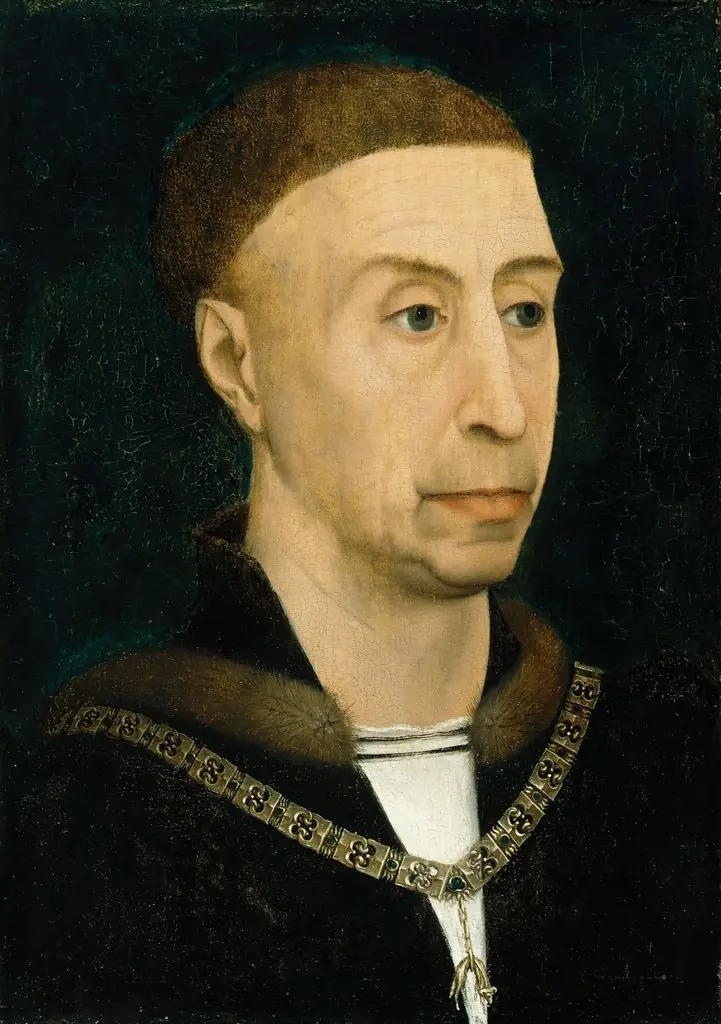 Portrait of Philip the Good, Duke of Burgundy
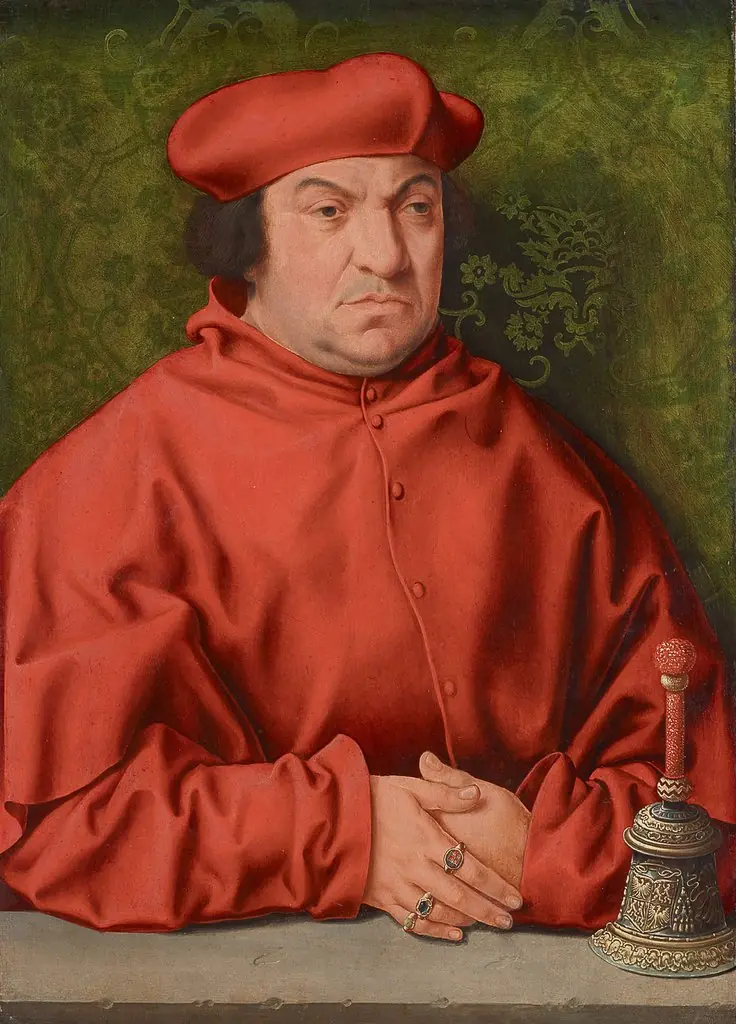 Cardinal Bernhardus Clesius
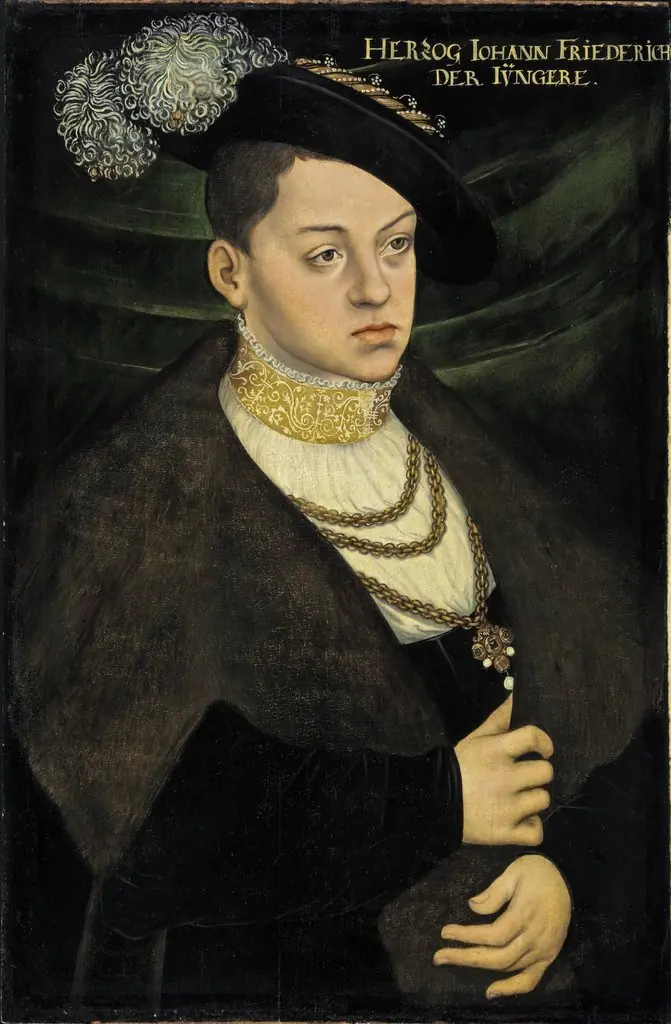 Johann Ernst, Duke of Saxe-Coburg
 Portrait of Ludovico Portinari