Artwork
Dünenlandschaft
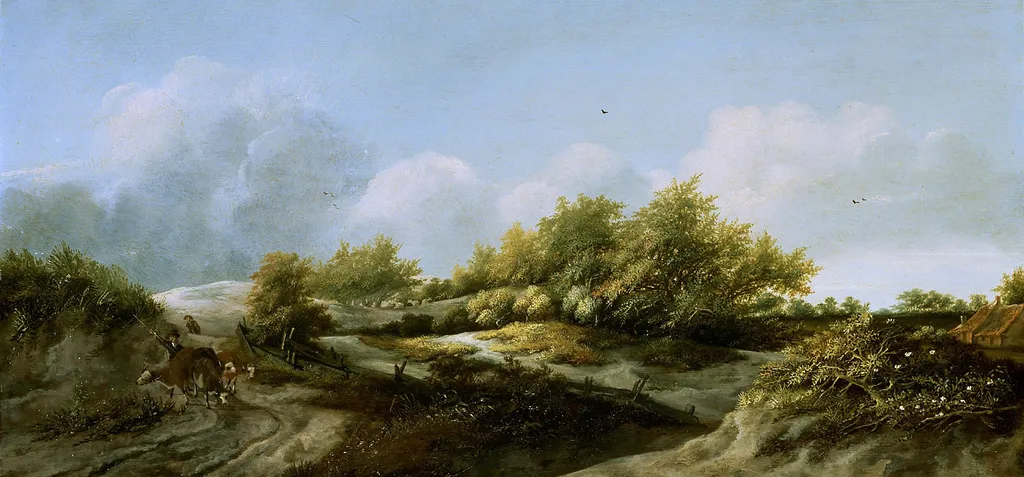
Dünenlandschaft is an unspecified painting by Jan Vermeer van Haarlem. It dates from 1690 and is held in the collection of the Kunsthistorisches Museum.
About this work
Overview
Dünenlandschaft, created circa 1690 by Dutch Golden Age landscape painter Jan Vermeer van Haarlem, is a characteristic example of his natural scenery focus. The painting is part of the Kunsthistorisches Museum's collection.
Subject & Meaning
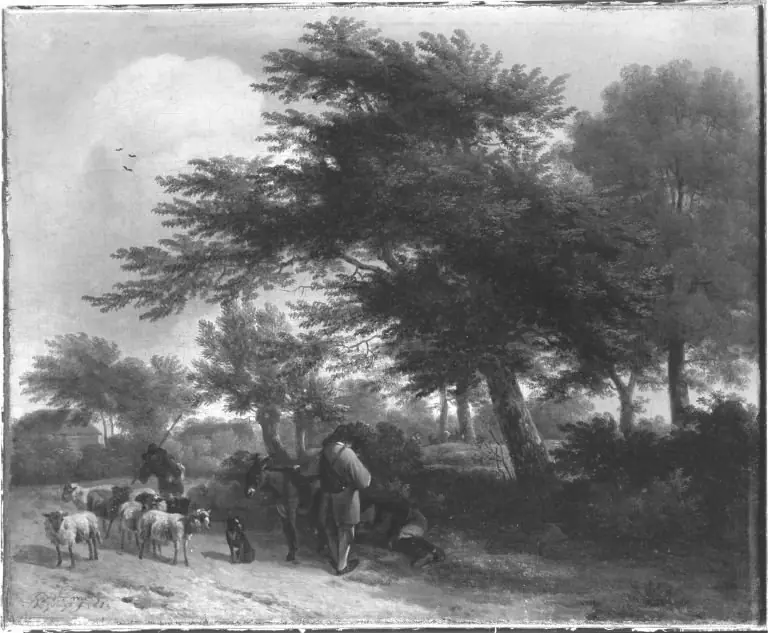
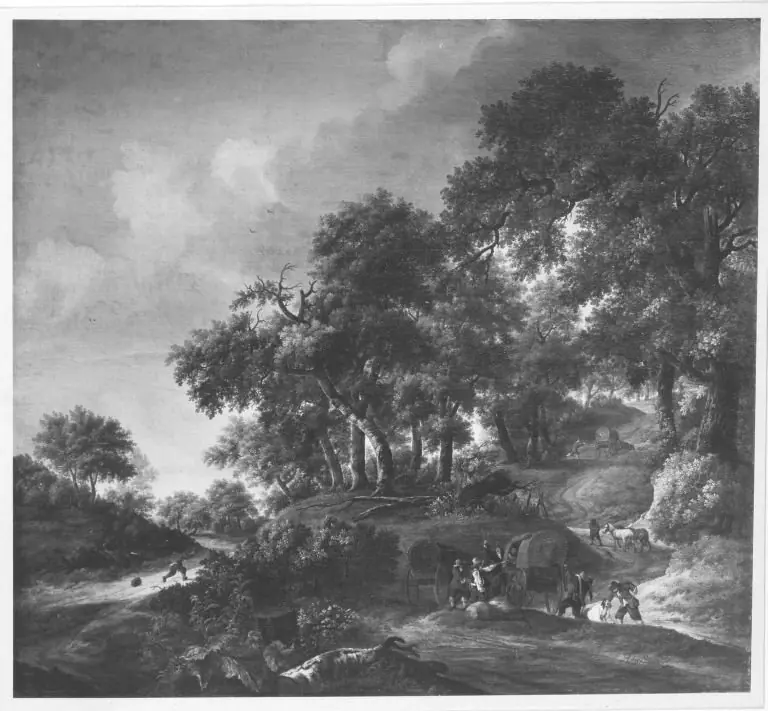
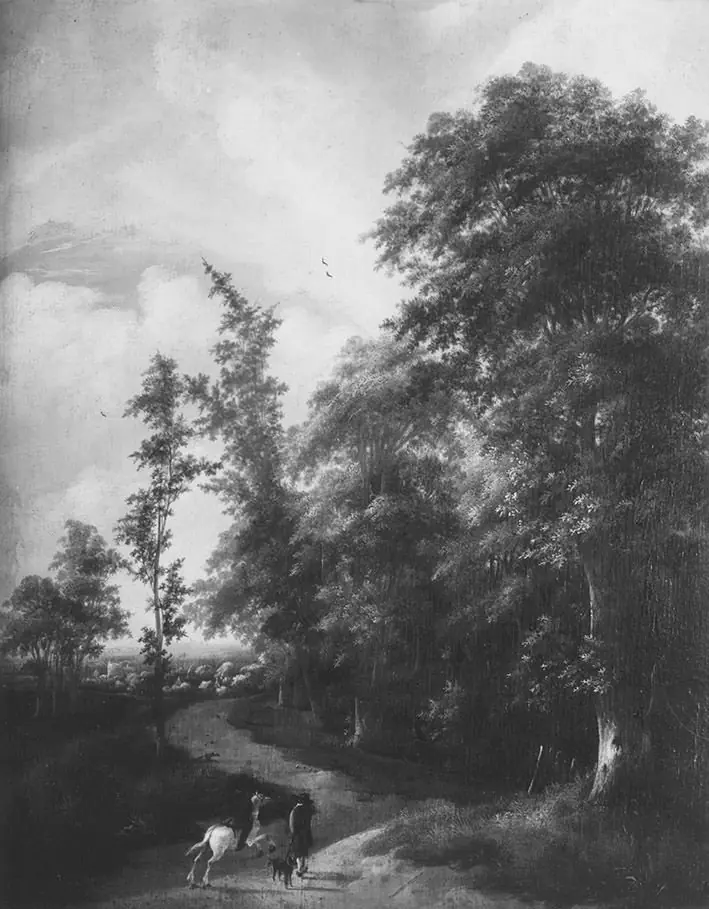
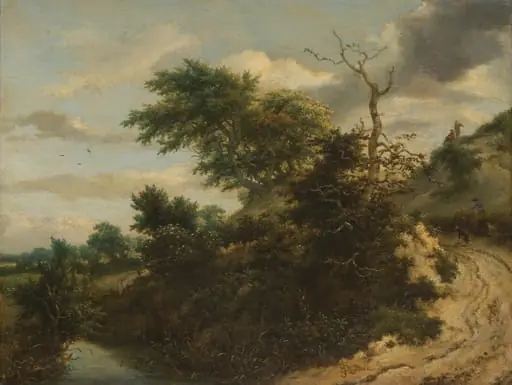
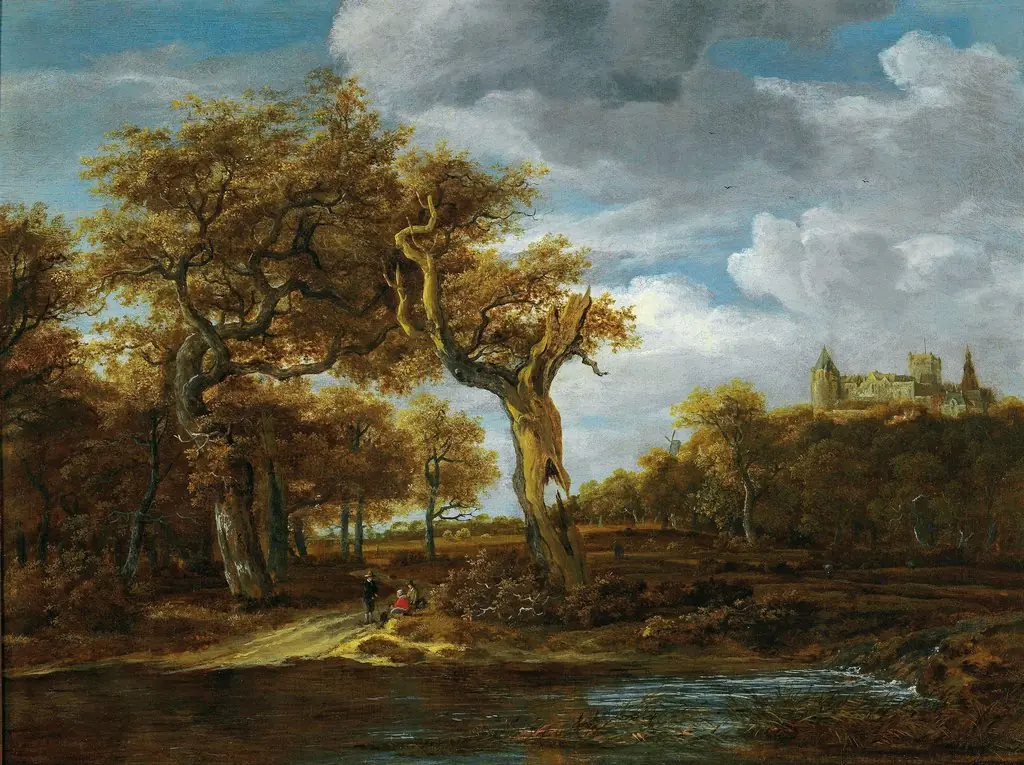
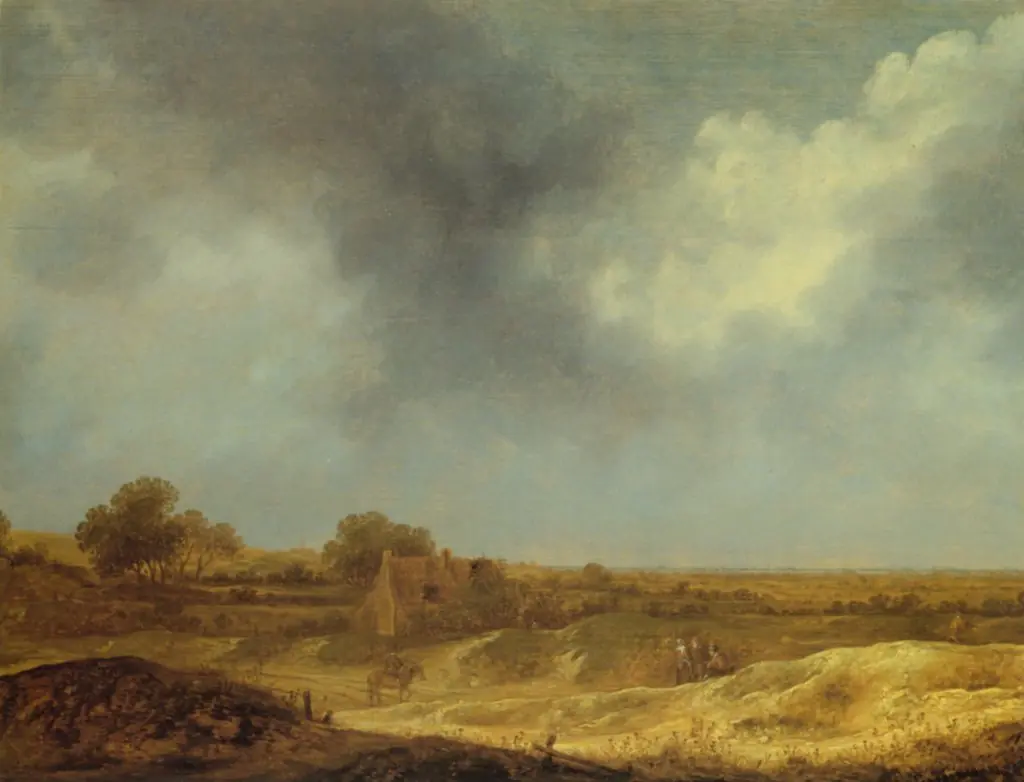
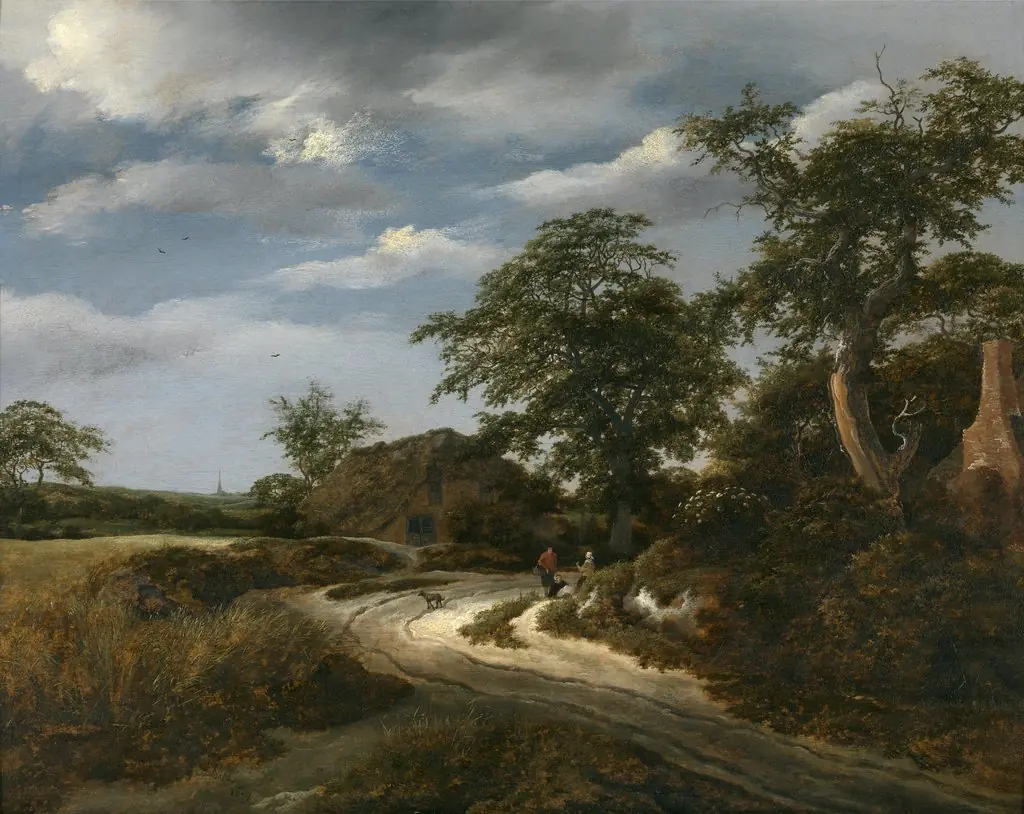
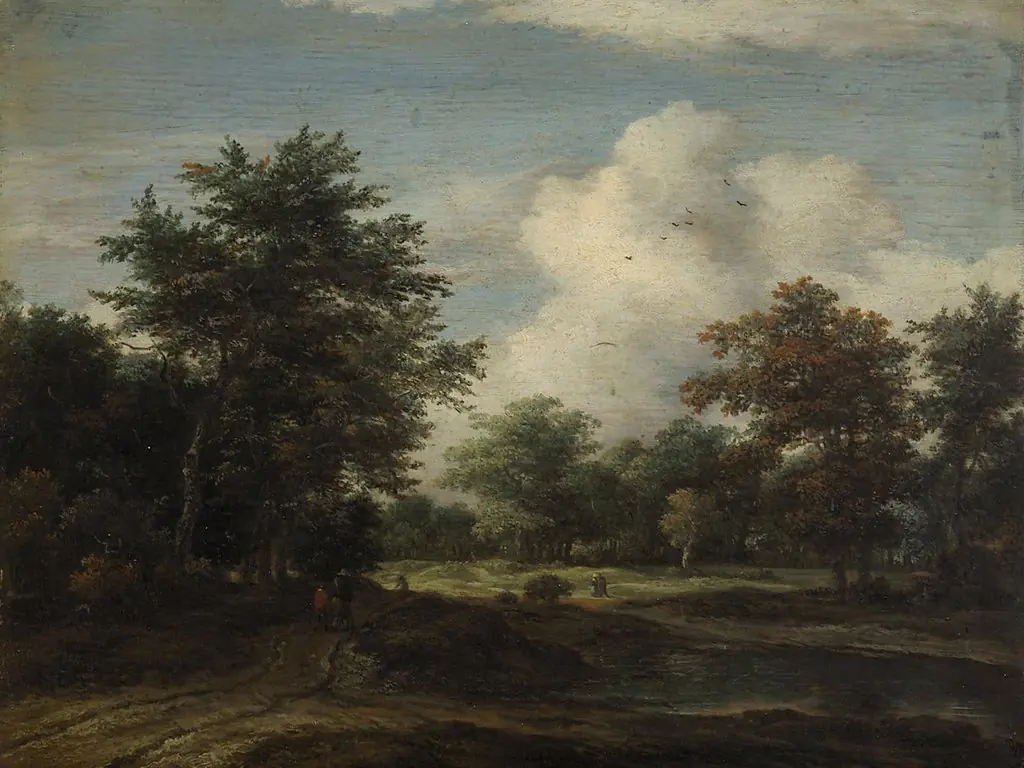
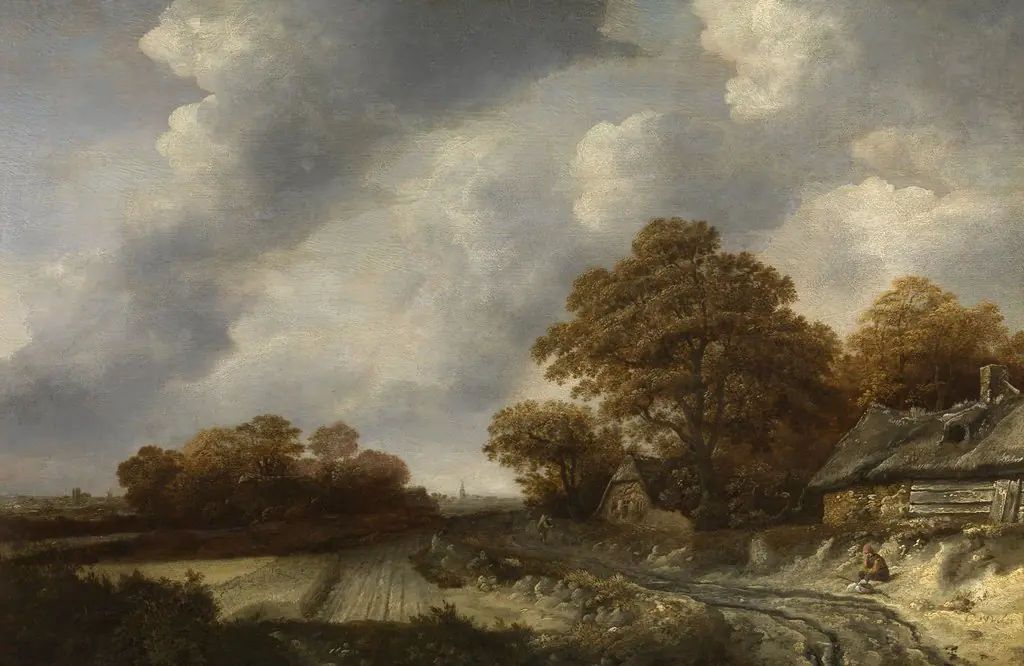
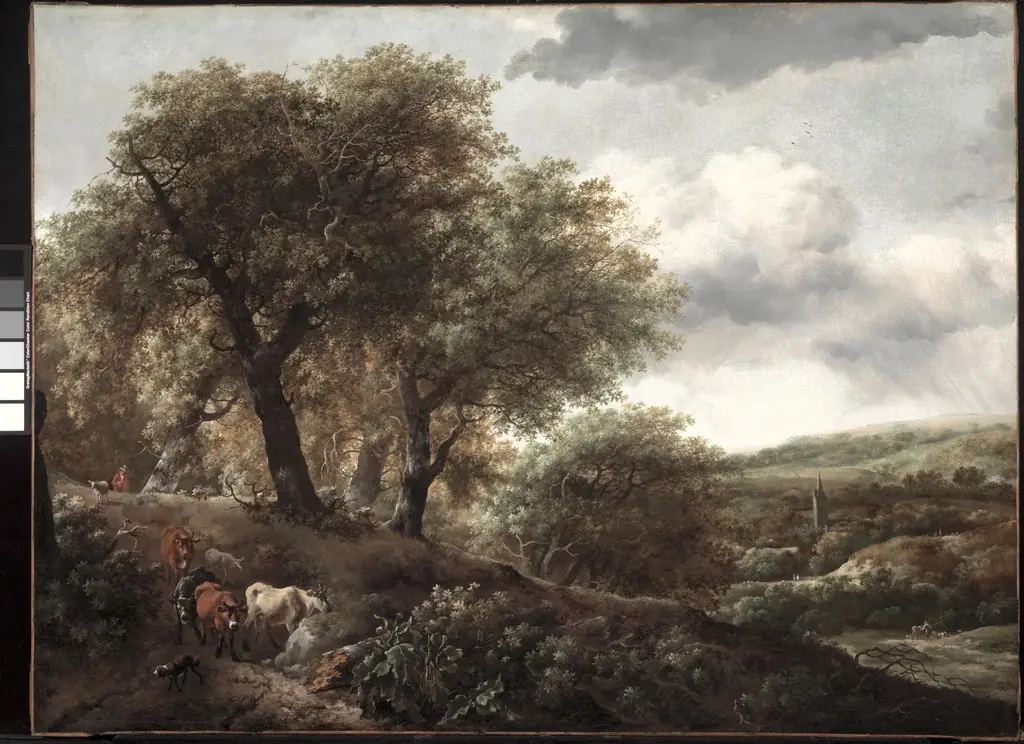
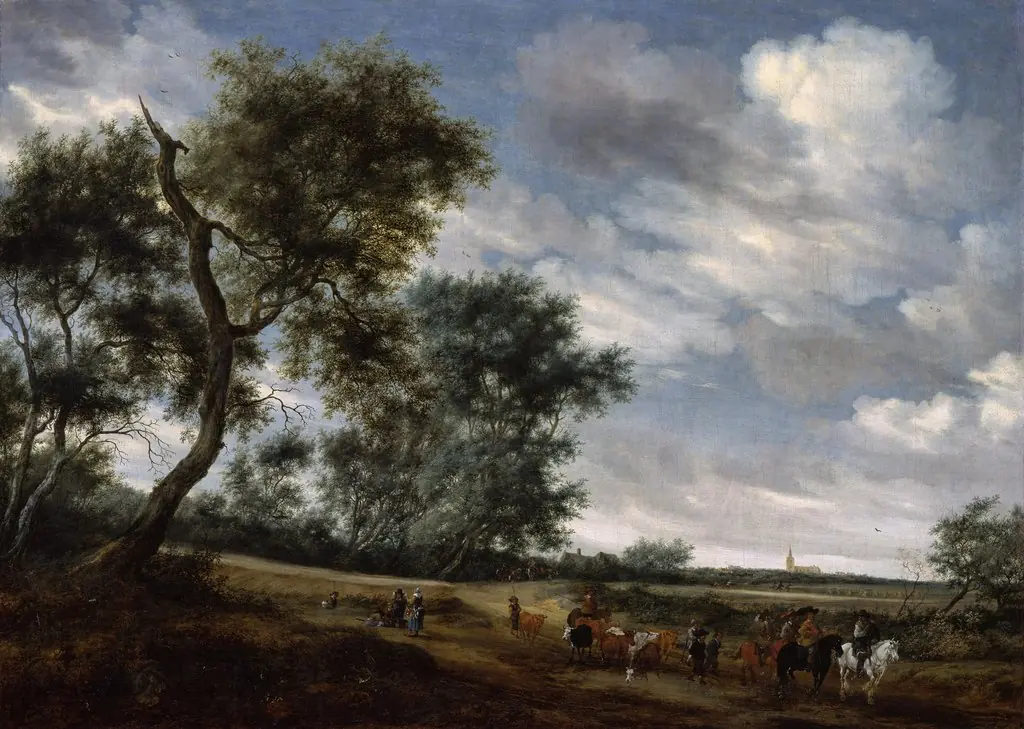
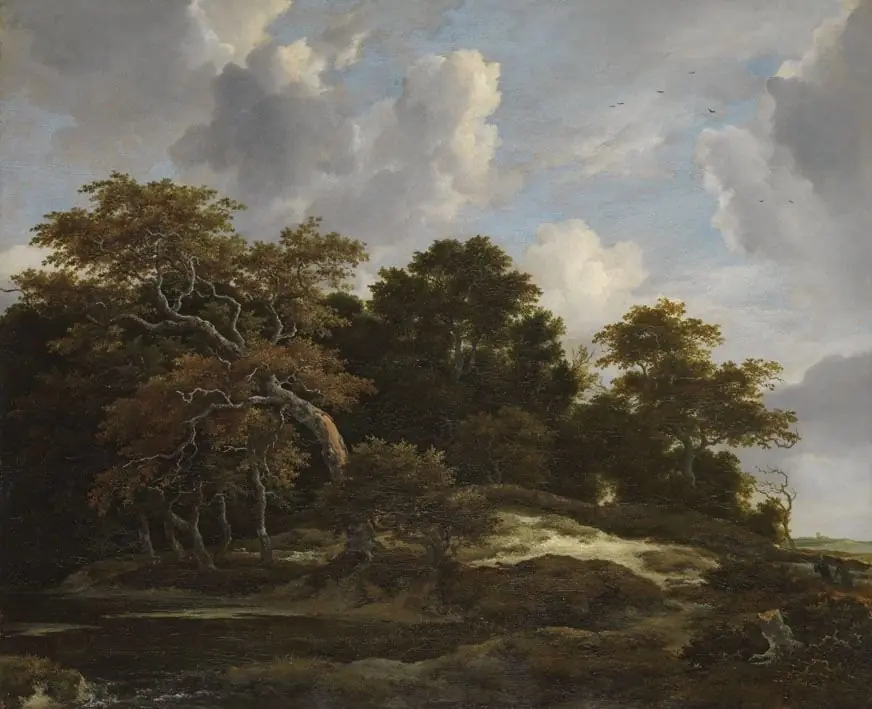
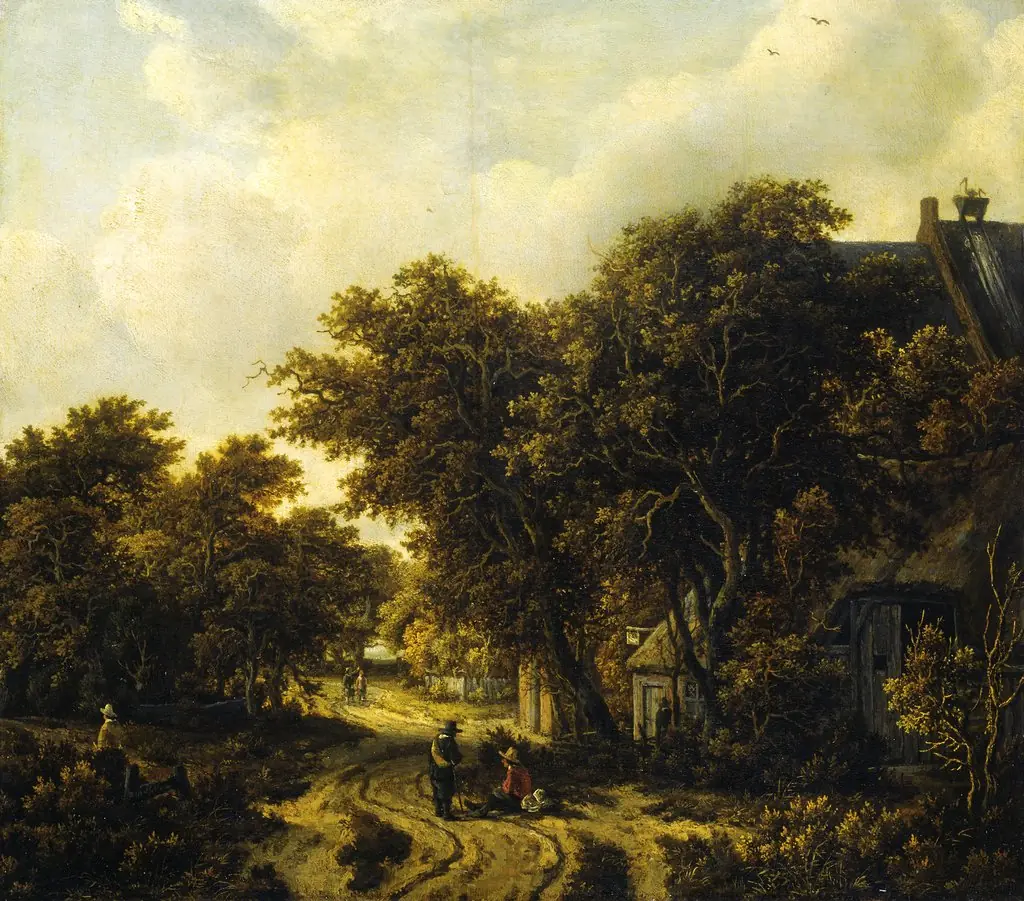
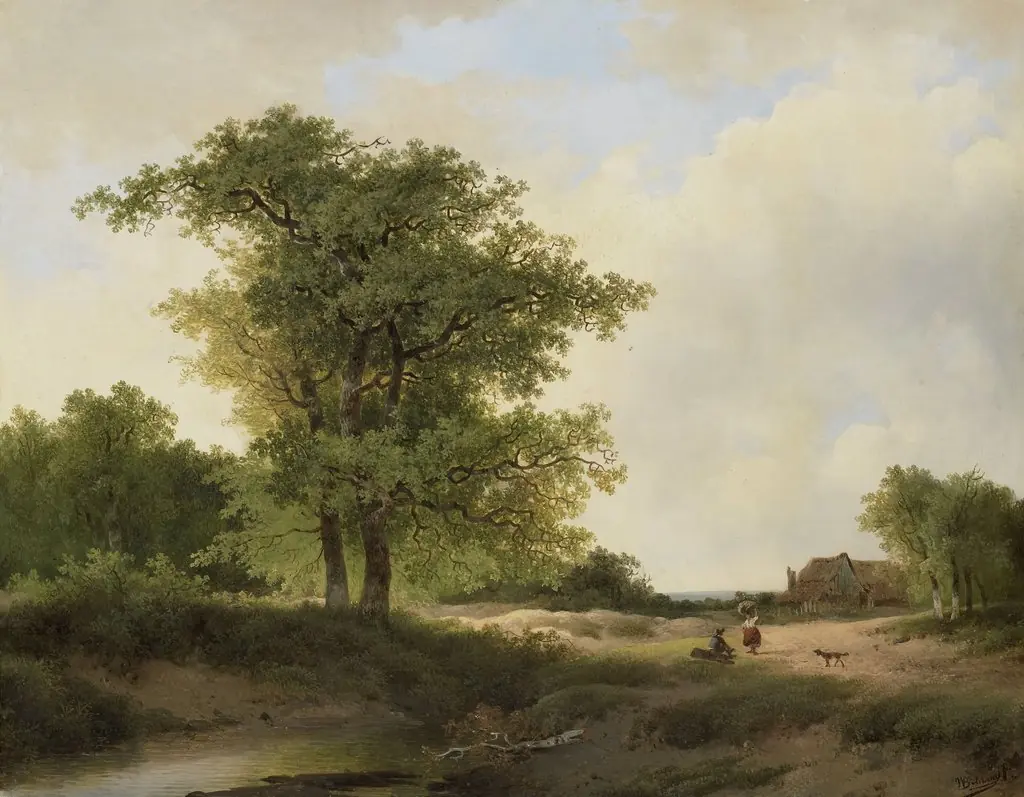
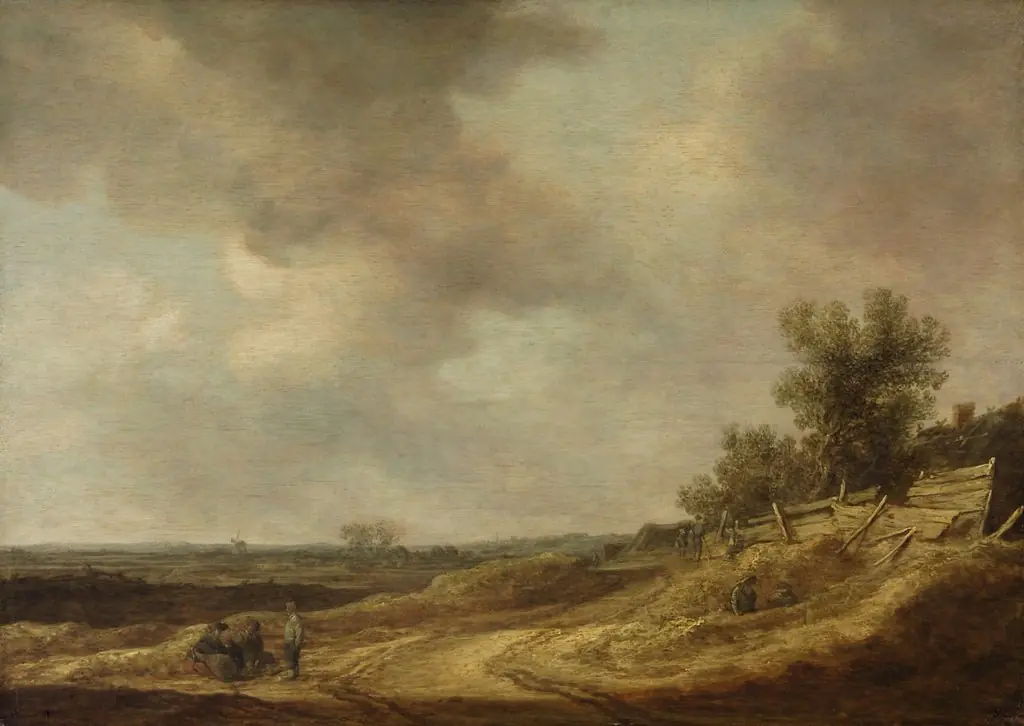
The painting depicts a serene dune landscape with a winding dirt path, fenced and lined with trees and bushes. A distant house, a rider on a brown horse accompanied by a small white dog, and a figure in a hat and long coat add human presence to the natural setting.
Technique & Style
While specific technical details of Dünenlandschaft are not provided, Vermeer van Haarlem's style typically features meticulous rendering of light and texture, suggesting the piece may capture the play of light on the dunes, foliage, and sky.
History & Provenance
Jan Vermeer van Haarlem (1656-1705), baptized and buried in Haarlem, created Dünenlandschaft late in his career. The work's provenance prior to its inclusion in the Kunsthistorisches Museum is not detailed here.
Context
As a Dutch Golden Age landscape, Dünenlandschaft reflects the period's emphasis on depicting the natural world. Dunes, common in the Netherlands, are here portrayed in a tranquil, everyday scene, contrasting with more dramatic landscape traditions.
Legacy
The legacy of Dünenlandschaft is intertwined with Vermeer van Haarlem's overall contribution to Dutch landscape painting. Though not extensively detailed here, his works, including this piece, contribute to the understanding and appreciation of 17th-century Dutch art.
Artist & collection
Artist
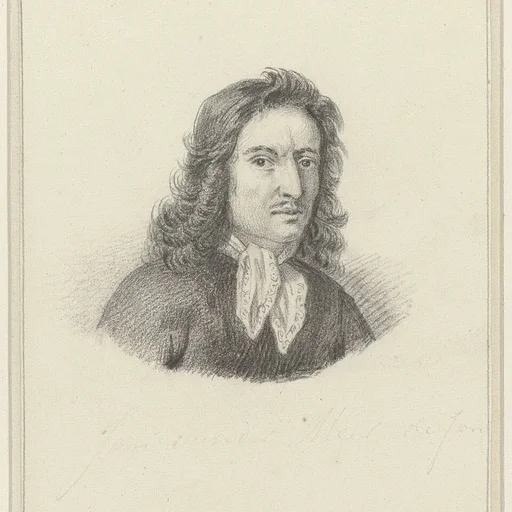
Jan Vermeer van Haarlem, or Jan van der Meer II (1656 – May 28, 1705) was a Dutch Golden Age painter from Haarlem. A landscape painter primarily, he was baptized there on November 29, 1656.