Artwork
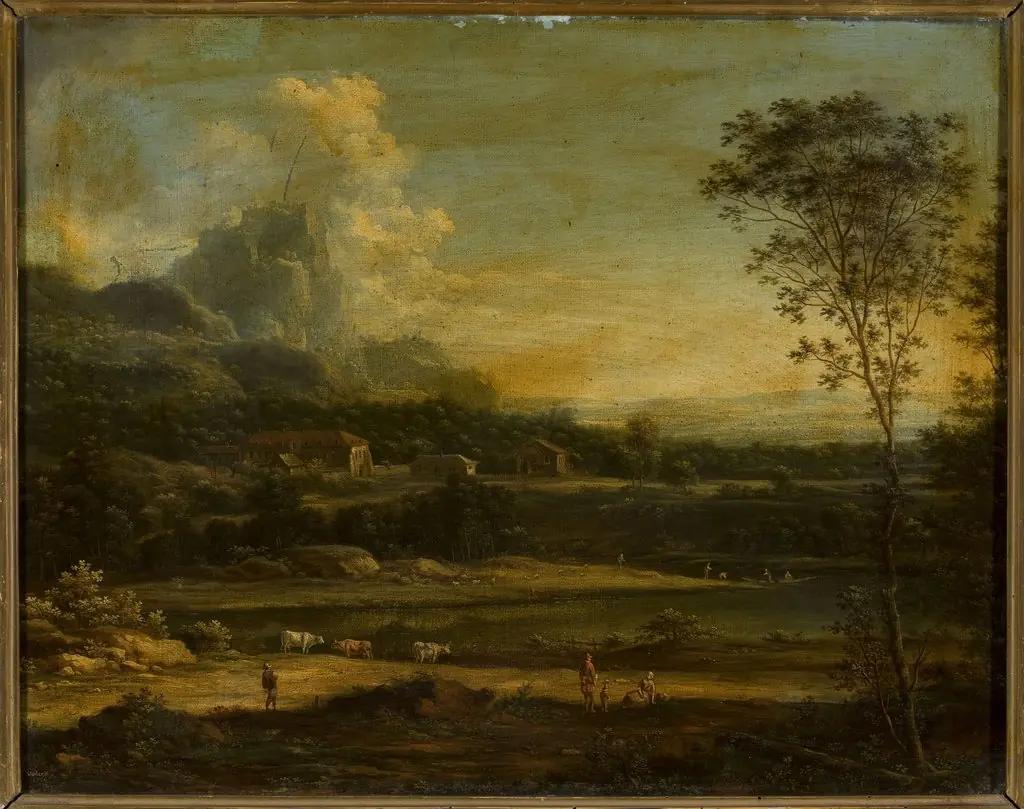
Mountain landscape with travellers
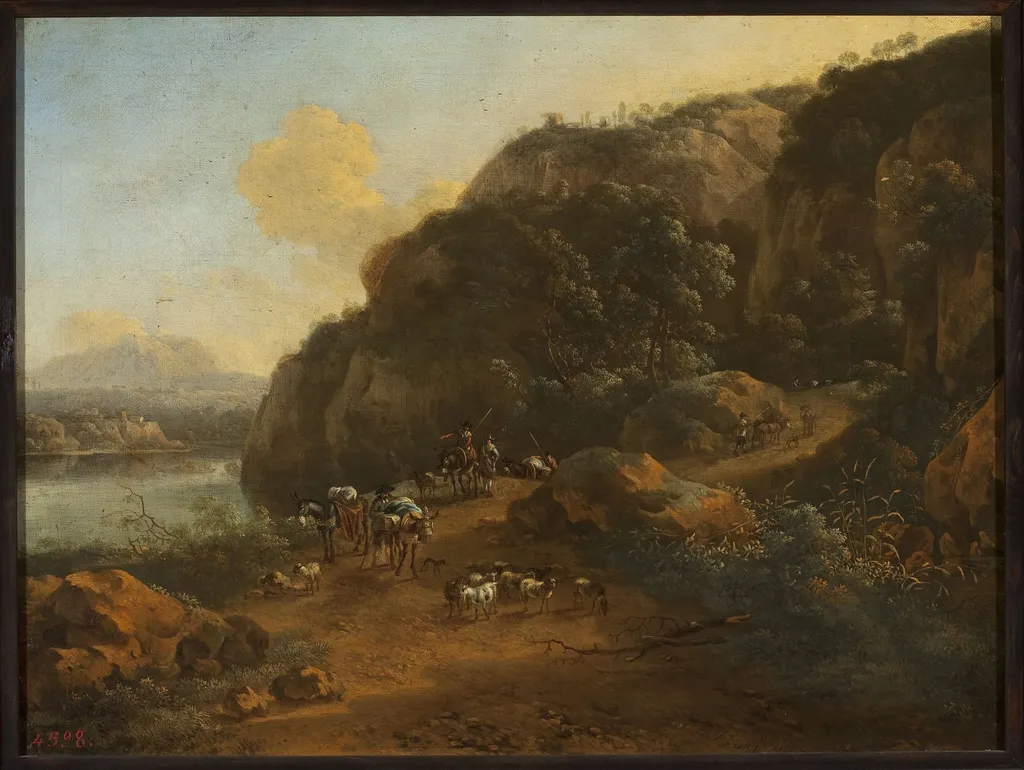
Mountain landscape with travellers is an oil painting by the Dutch Golden Age artist Jan Vermeer van Haarlem. It dates from 1689 and is held in the collection of the National Museum in Warsaw.
About this work
Overview
Painted in 1689 by Jan Vermeer van Haarlem, this oil-on-canvas work presents a quiet mountainous scene populated by travelers and animals. As a Dutch Golden Age artist from Haarlem, Vermeer focused on natural landscapes rather than human drama. The painting reflects the period’s interest in observed terrain, rendered with attention to topography and atmosphere rather than idealized grandeur.
Subject & Meaning
The scene depicts a group of travelers—on foot and horseback—along with goats and dogs, moving along a winding path through rugged hills. No narrative or symbolic intent is evident; the focus lies in the act of passage itself. The figures are small relative to the landscape, suggesting a contemplative relationship between humans and nature, typical of Dutch landscape conventions of the time.
Technique & Style
Vermeer employed visible brushwork to convey texture in rock, foliage, and earth, using a restrained palette of browns, greens, and grays to evoke naturalism.
Vermeer employed visible brushwork to convey texture in rock, foliage, and earth, using a restrained palette of browns, greens, and grays to evoke naturalism. Light falls evenly across the scene, without dramatic chiaroscuro, emphasizing atmospheric cohesion over contrast. The composition guides the eye along the path, reinforcing a sense of quiet movement through an unremarkable yet carefully observed terrain.
History & Provenance
The painting entered the collection of the National Museum in Warsaw, where it remains today. Its journey from Haarlem to Poland is undocumented, but its presence in a major European institution suggests it was acquired during the 19th or early 20th century, likely through private or institutional channels common among collectors of Dutch art.
Context
During the late 17th century, Dutch landscape painting shifted from grand vistas to intimate, everyday terrains. Vermeer, part of a regional tradition in Haarlem, contributed to this trend by depicting modest, unheroic scenery. His work aligns with contemporaries who valued observational accuracy over theatricality, reflecting broader cultural preferences for realism and quietude.
Legacy
Though not widely known today, Vermeer van Haarlem’s works contribute to the understanding of regional Dutch landscape practices beyond the more famous names of his era. This painting exemplifies the quiet, enduring interest in nature as a subject worthy of sustained attention, a legacy embedded in the broader evolution of European landscape art.
Artist & collection
Artist
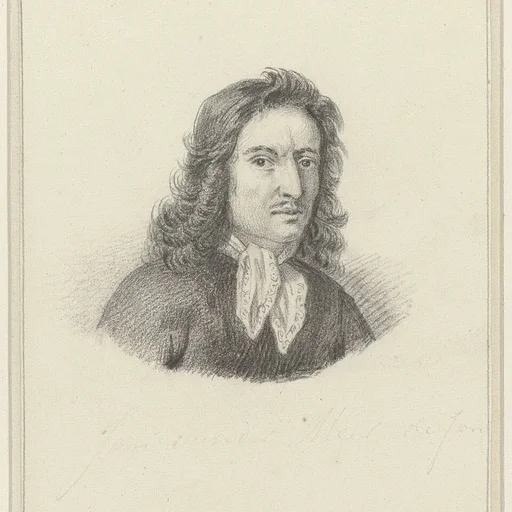
Jan Vermeer van Haarlem, or Jan van der Meer II (1656 – May 28, 1705) was a Dutch Golden Age painter from Haarlem. A landscape painter primarily, he was baptized there on November 29, 1656.

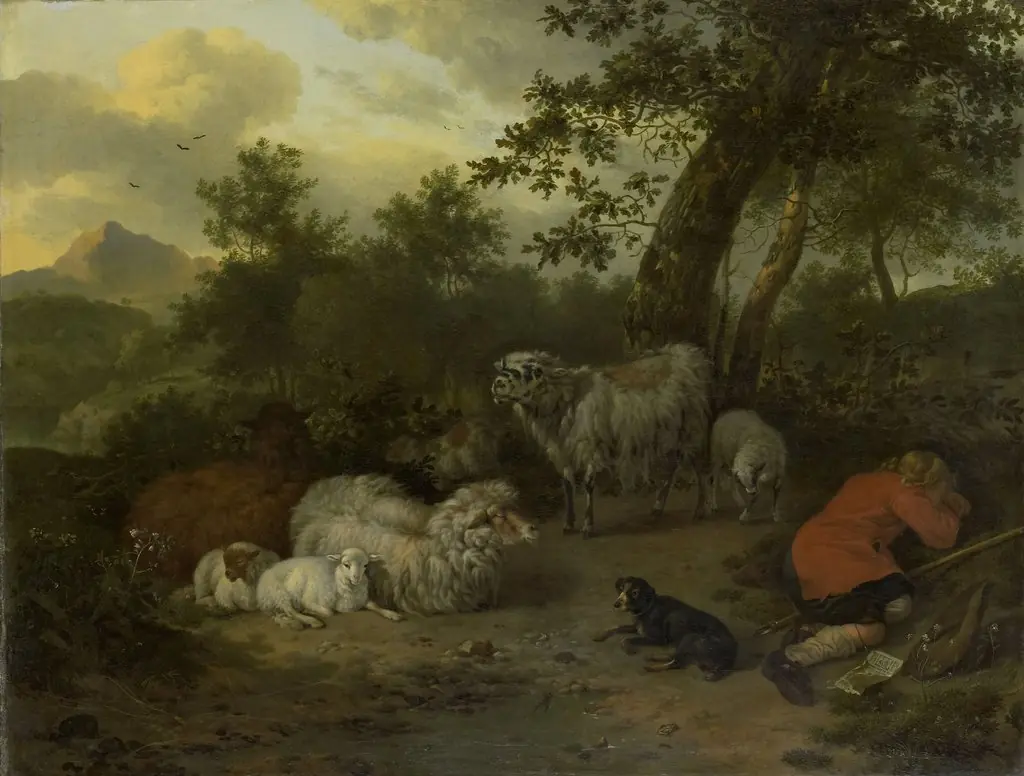
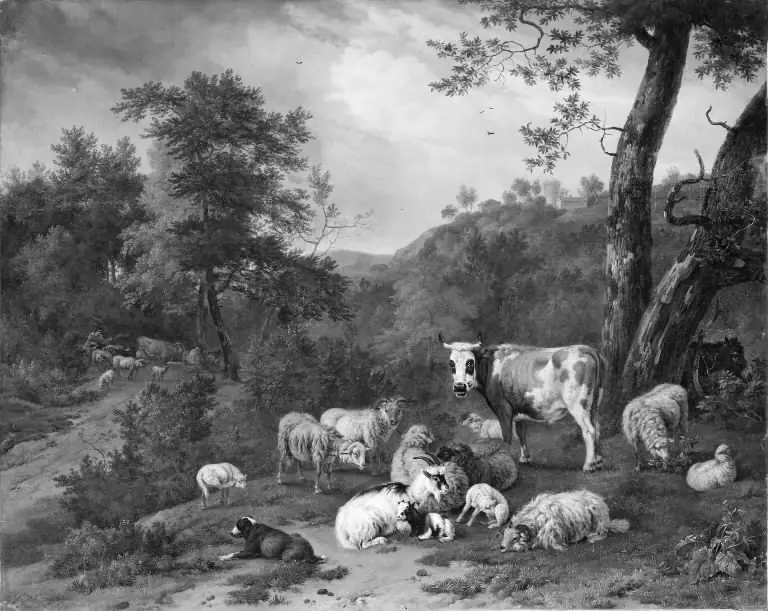
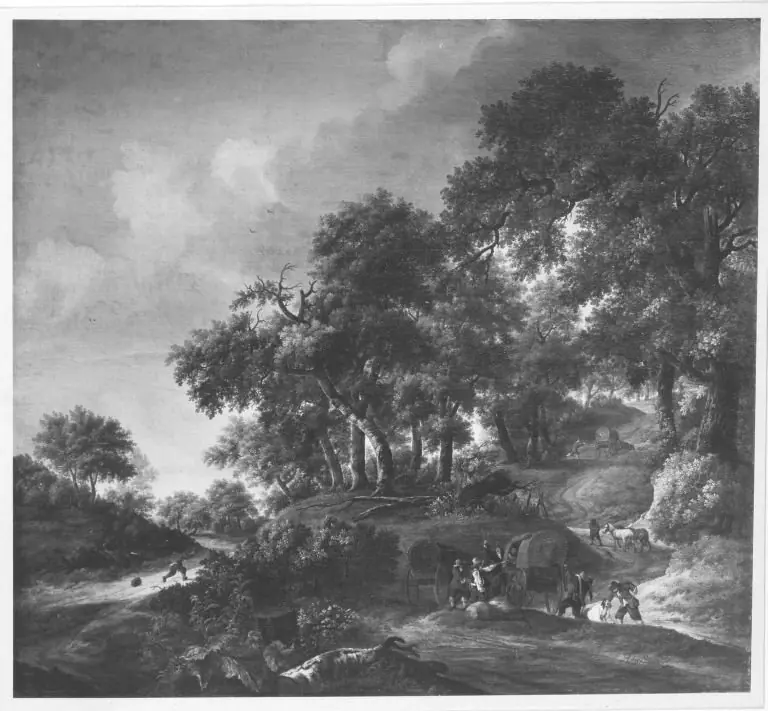
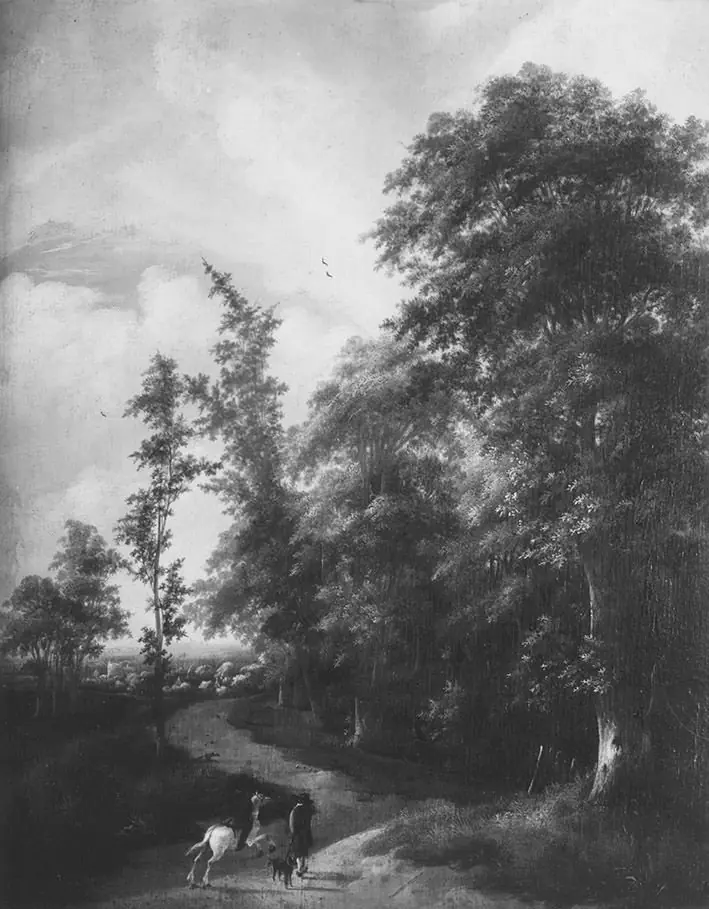
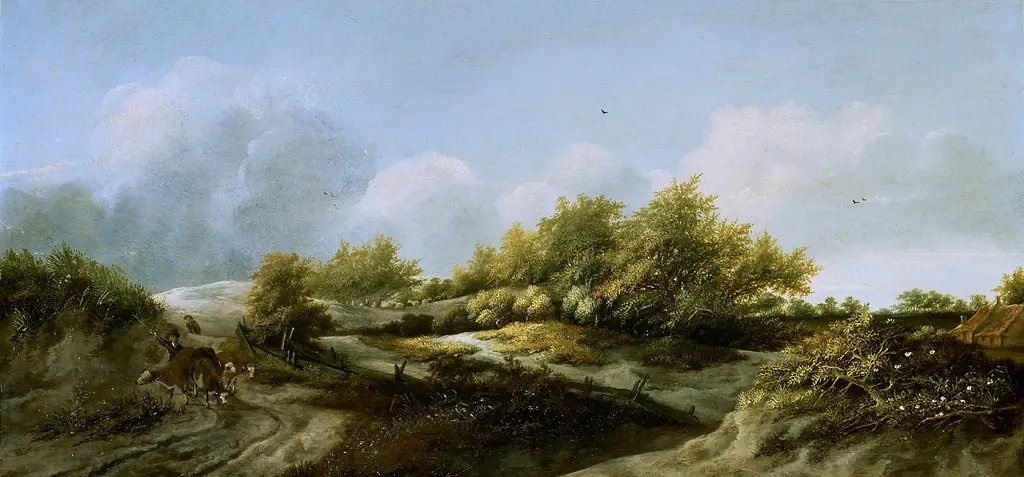
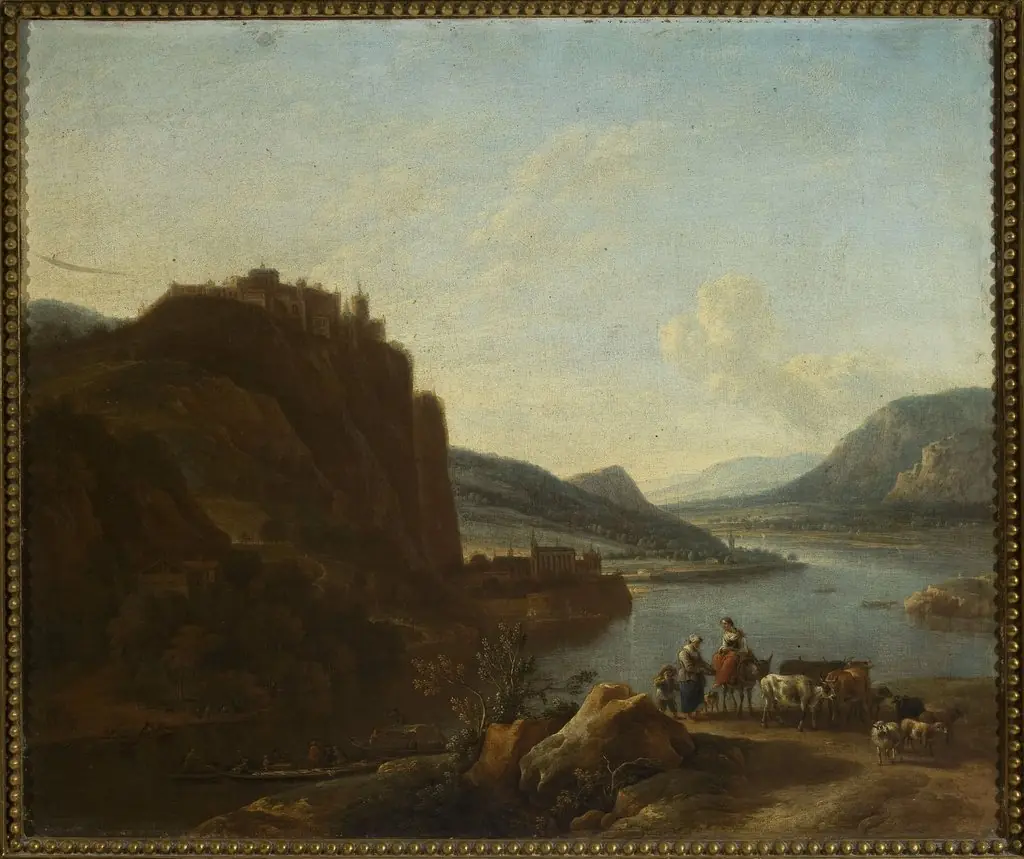
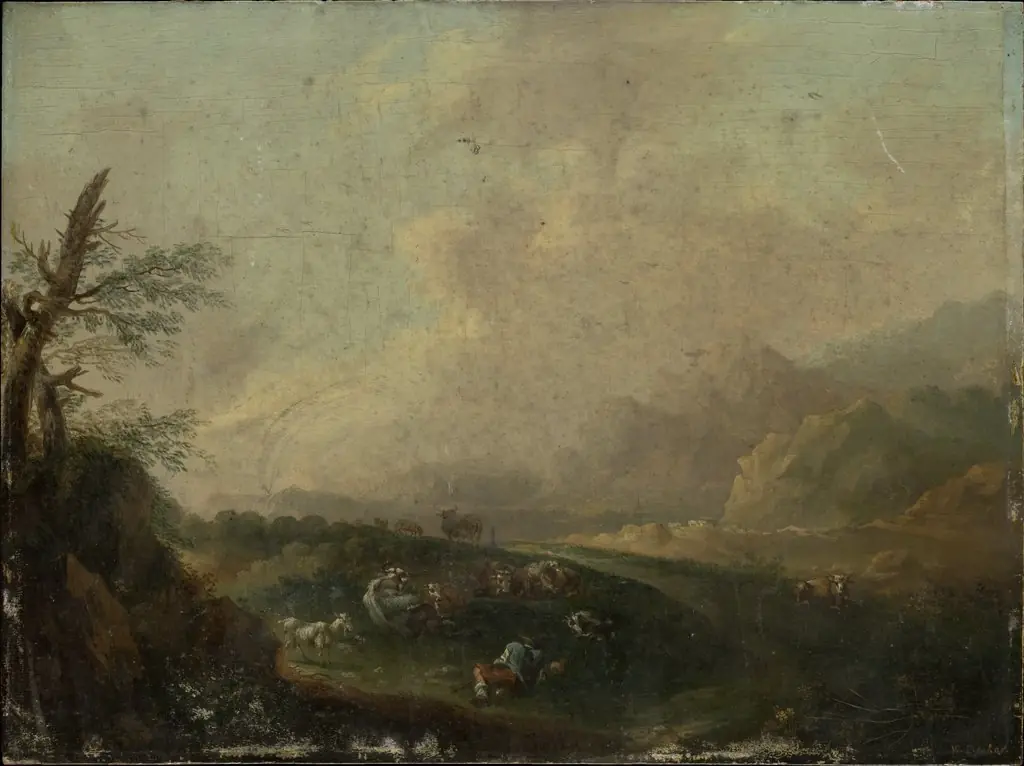 Landscape with Resting Shepherd
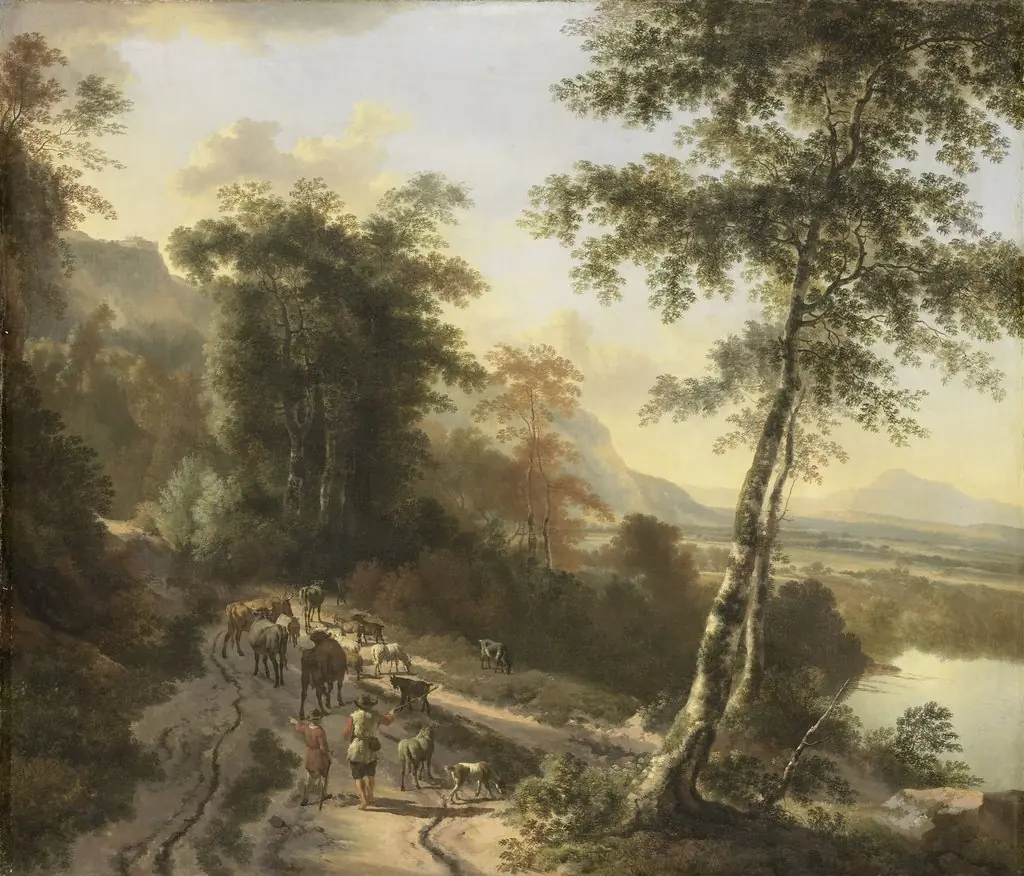 Landscape with cattle herders
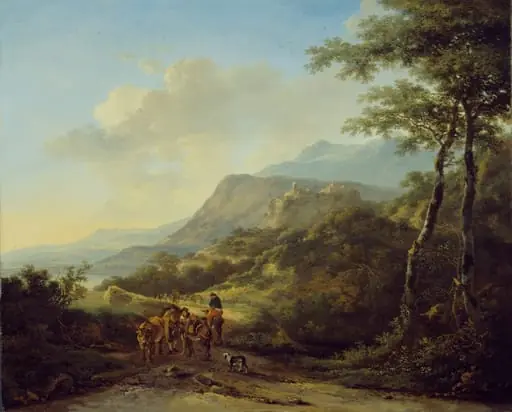 Italian Landscape with Travelers
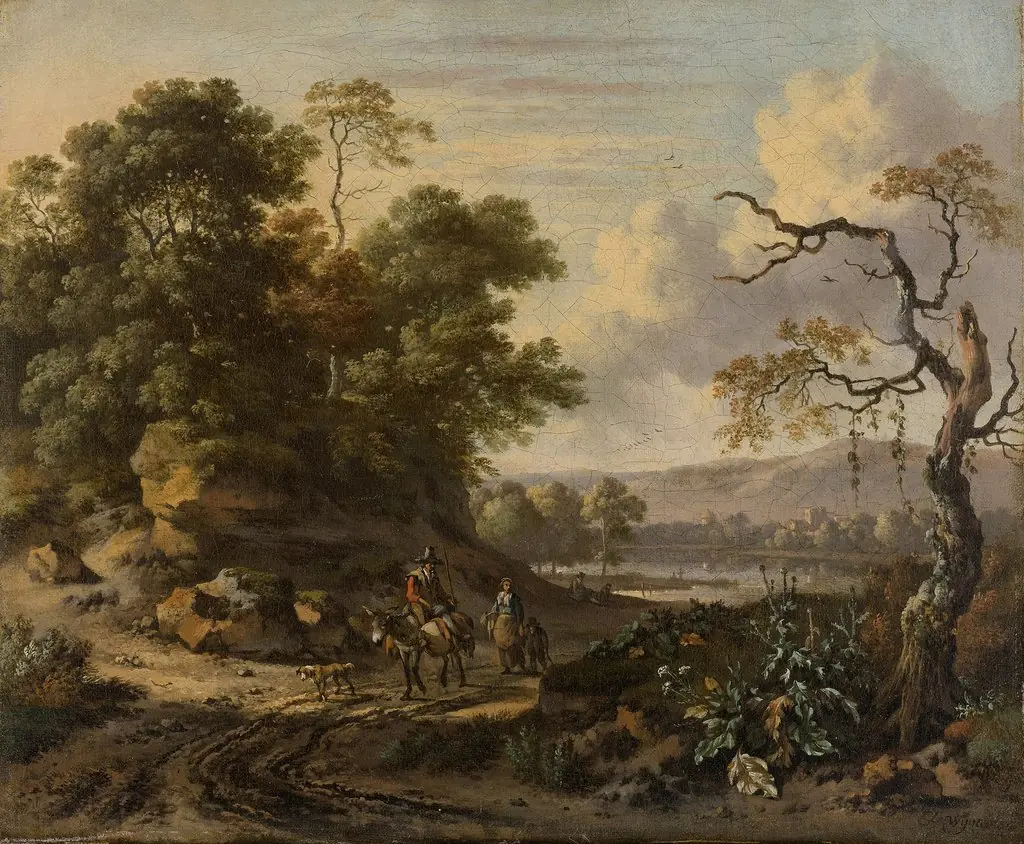 Landscape with donkey rider
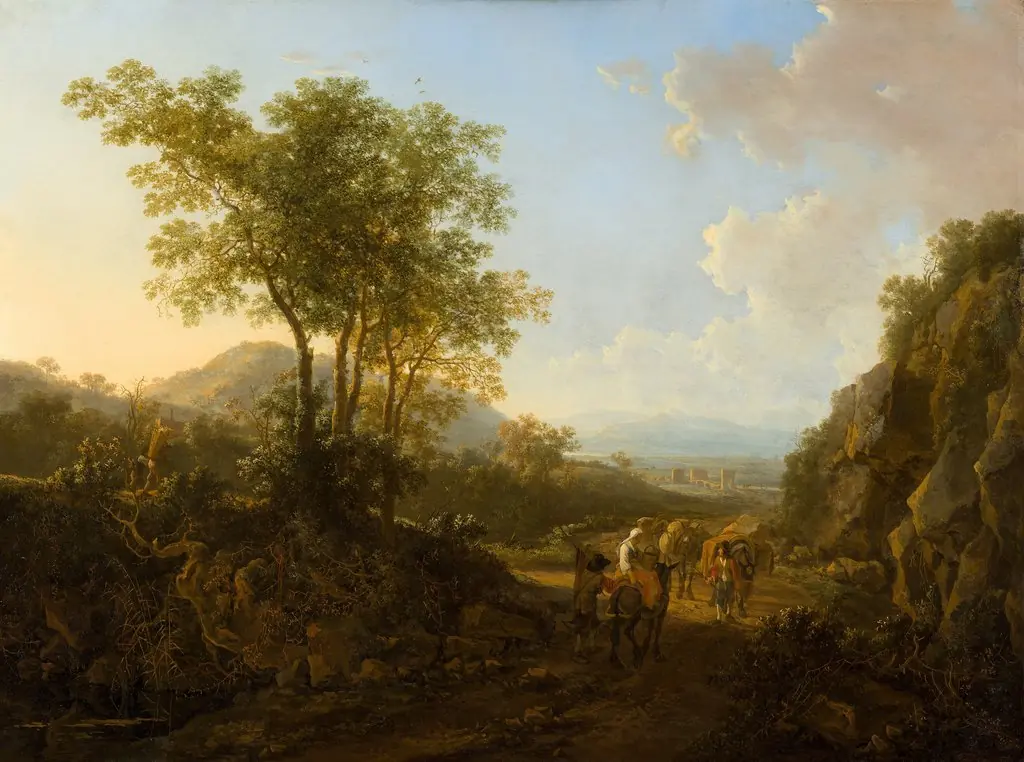 Italian landscape
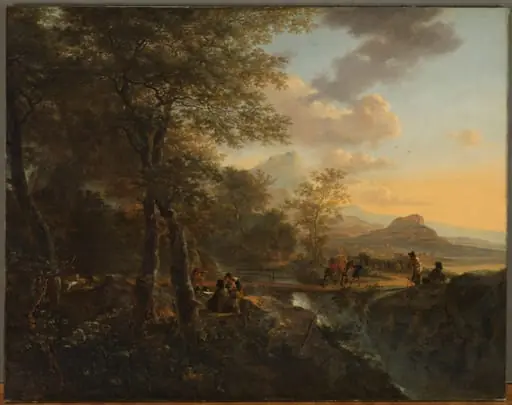 Italiaans landschap met tekenaar
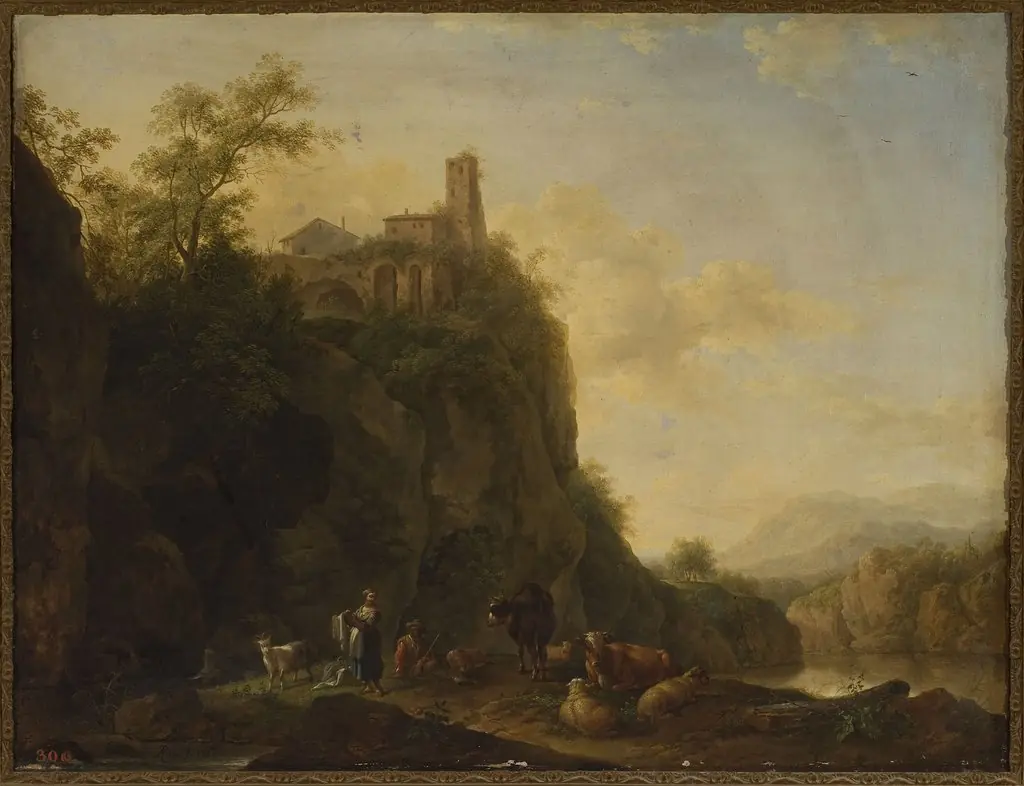 Mountain landscape with cattle
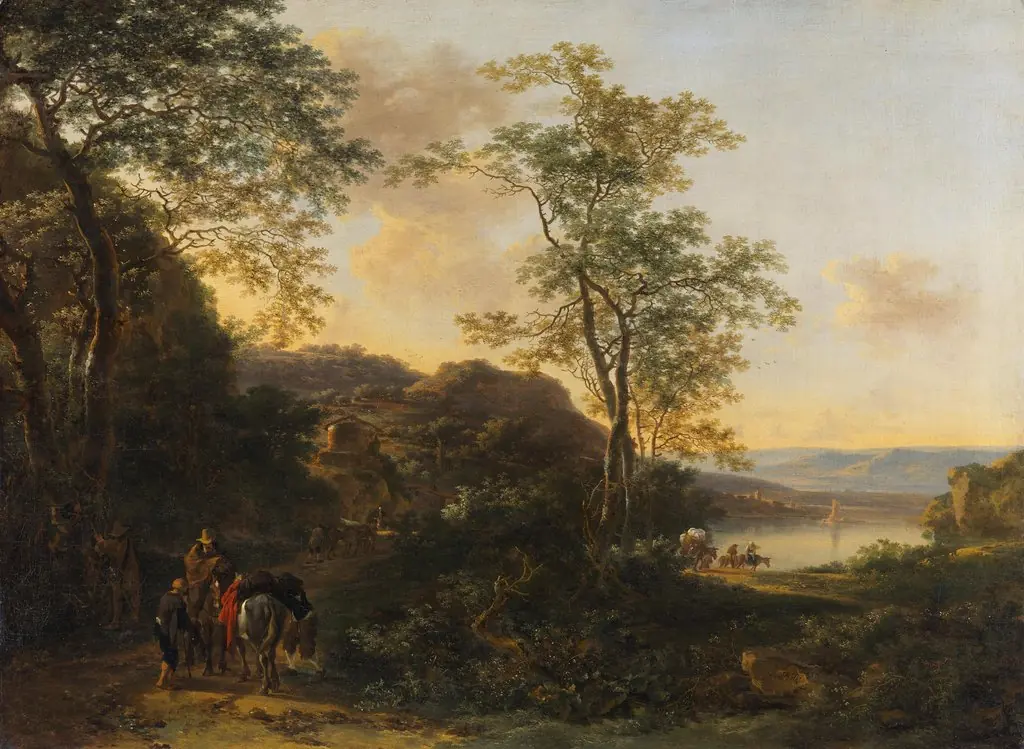 An Italian Landscape
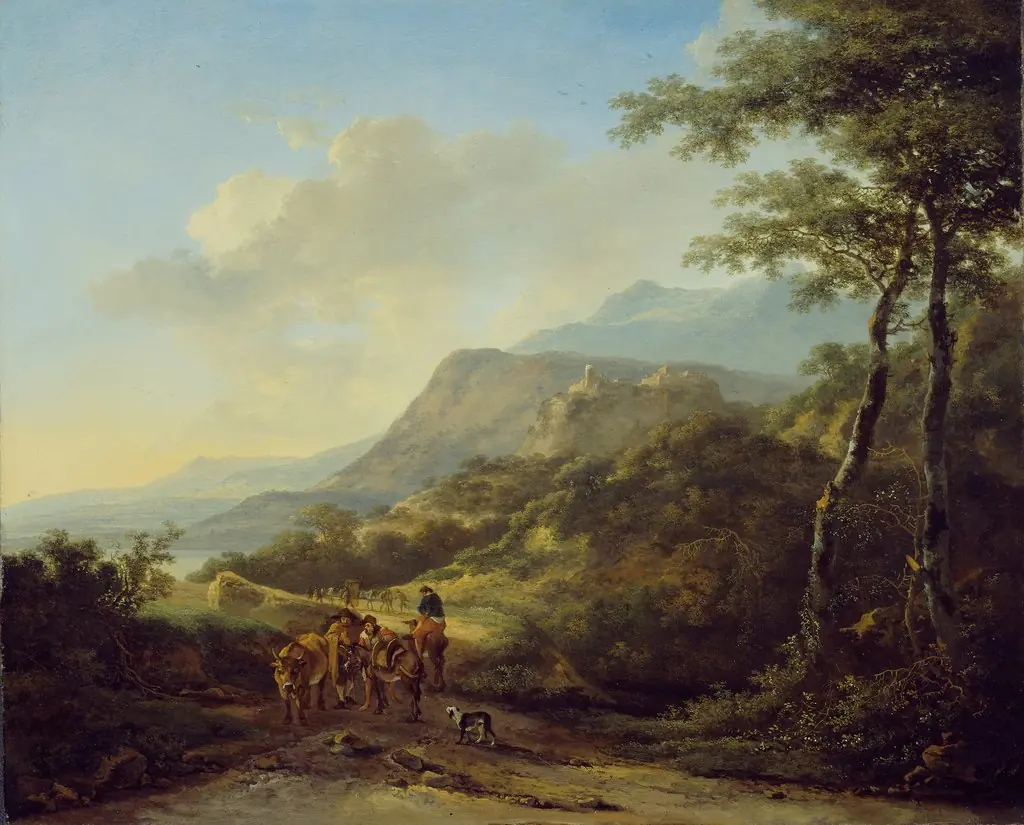 Italian Landscape with Travelers
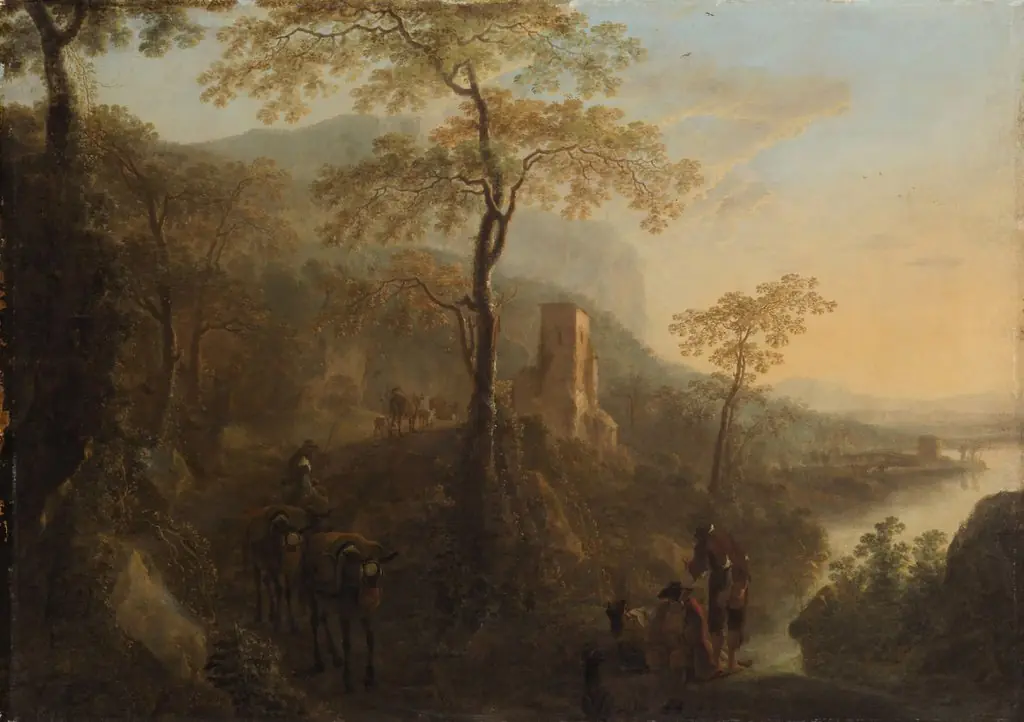 Italienische Landschaft
 Mountain landscape with a lake and buildings
 Pastoral landscape