Artwork
Wooded Country with Cattle
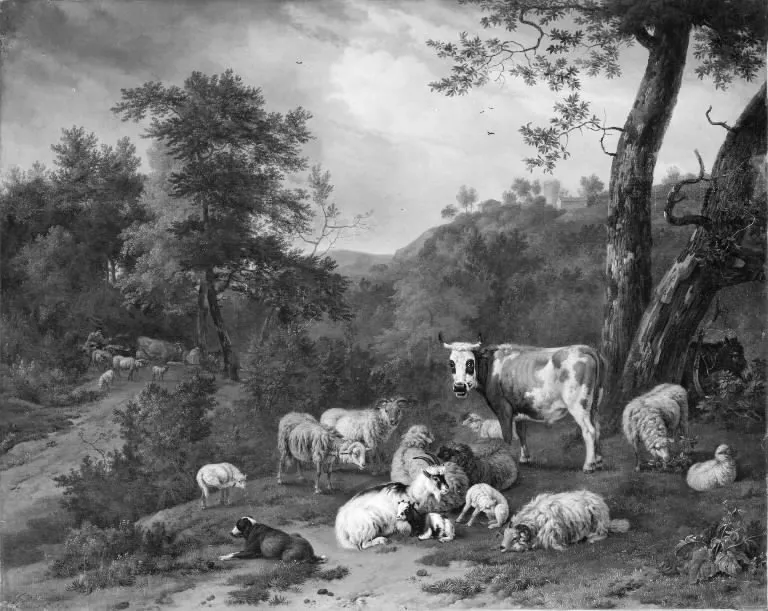
Wooded Country with Cattle is an oil painting by the Dutch Golden Age artist Jan Vermeer van Haarlem. It dates from 1690 and is held in the collection of the Statens Museum for Kunst.
About this work
Overview
This oil on panel work reflects his consistent focus on natural settings, rendered with careful attention to atmospheric detail and spatial harmony.
Painted in 1690, *Wooded Country with Cattle* is a landscape by Jan Vermeer van Haarlem, a Dutch artist active during the late Golden Age. Unlike his more famous namesake, Vermeer van Haarlem specialized in rural scenes, capturing the quiet rhythms of the countryside. This oil on panel work reflects his consistent focus on natural settings, rendered with careful attention to atmospheric detail and spatial harmony.
Subject & Meaning
The painting presents a tranquil rural idyll: a herd of cattle grazes beneath mature trees, while a narrow path winds into the distance, hinting at human presence without intrusion. Distant buildings suggest a modest agricultural community, integrated subtly into the landscape. The absence of human figures emphasizes nature’s quiet autonomy, aligning with Dutch traditions that valued harmony between land and livelihood.
Technique & Style
Vermeer van Haarlem employed soft, layered brushwork to model foliage and ground, using subtle tonal shifts to suggest depth. Light filters through the canopy, casting gentle shadows that define form without harsh contrast. The sky, rendered with loose, cloud-filled strokes, balances the composition and enhances the scene’s stillness. His technique prioritizes atmospheric cohesion over dramatic effect, characteristic of Haarlem’s landscape school.
History & Provenance
The painting has been part of the Statens Museum for Kunst’s collection since at least the 19th century, though its earlier ownership remains undocumented. It was likely acquired during a period of renewed interest in 17th-century Dutch landscapes. Its survival in good condition reflects careful preservation, though it has never been widely exhibited outside Denmark, contributing to its relative obscurity.
Context
Created near the close of the Dutch Golden Age, the work emerges as landscape painting shifted from idealized vistas to more intimate, observed scenes. Haarlem’s artistic community, including artists like Salomon van Ruysdael, influenced Vermeer van Haarlem’s approach. His focus on everyday rural life mirrored broader societal values that celebrated the Dutch countryside as both practical and spiritually resonant.
Legacy
Though overshadowed by contemporaries like Rembrandt or Ruisdael, Vermeer van Haarlem’s oeuvre represents a quiet, persistent strand of Dutch landscape tradition. His works, including this one, offer a measured vision of nature unembellished by grandeur. Today, they serve as valuable records of regional artistic practice and the enduring appeal of pastoral serenity in 17th-century Dutch culture.
Artist & collection
Artist
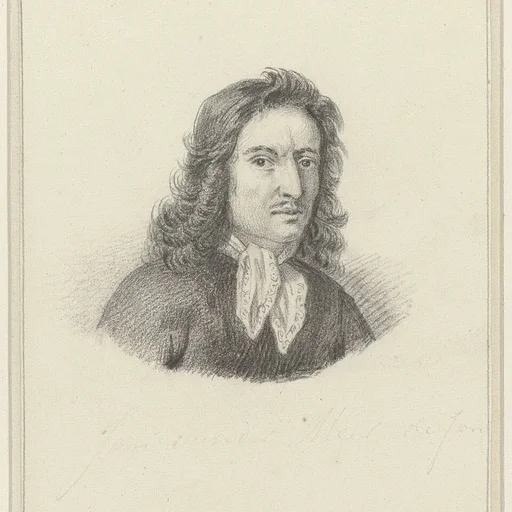
Jan Vermeer van Haarlem, or Jan van der Meer II (1656 – May 28, 1705) was a Dutch Golden Age painter from Haarlem. A landscape painter primarily, he was baptized there on November 29, 1656.

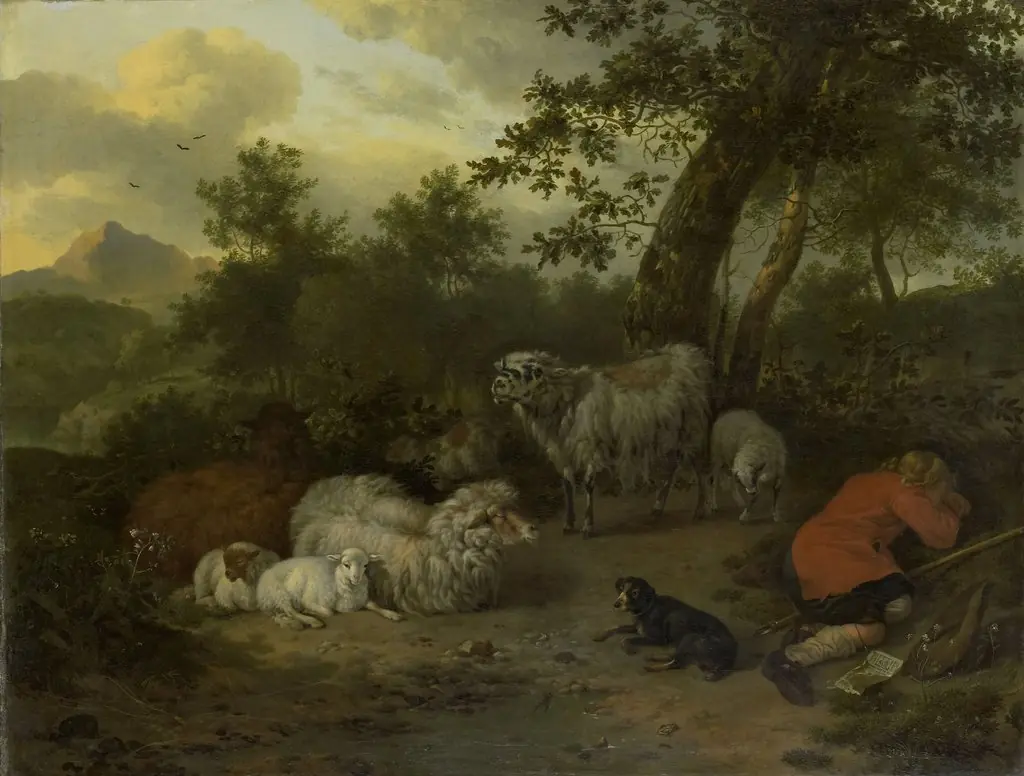
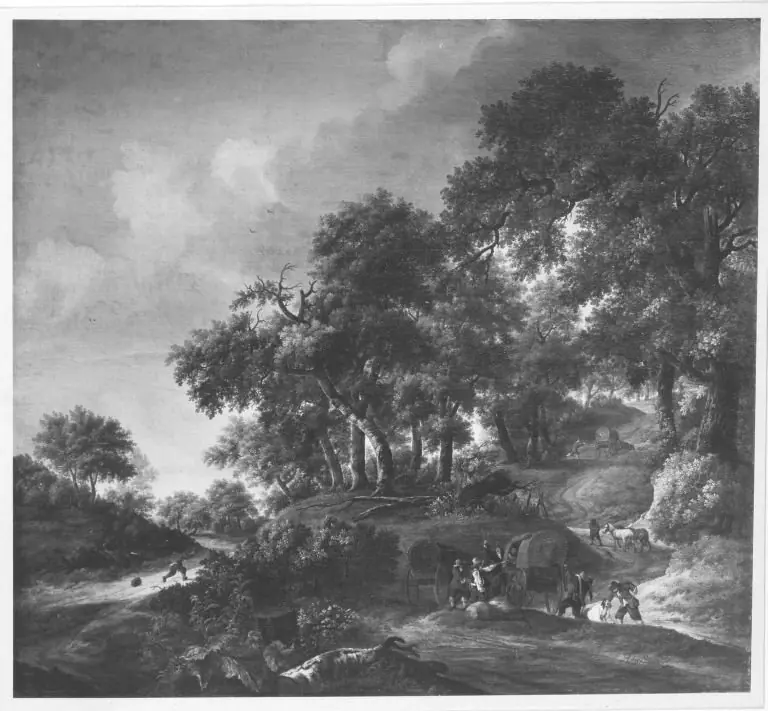
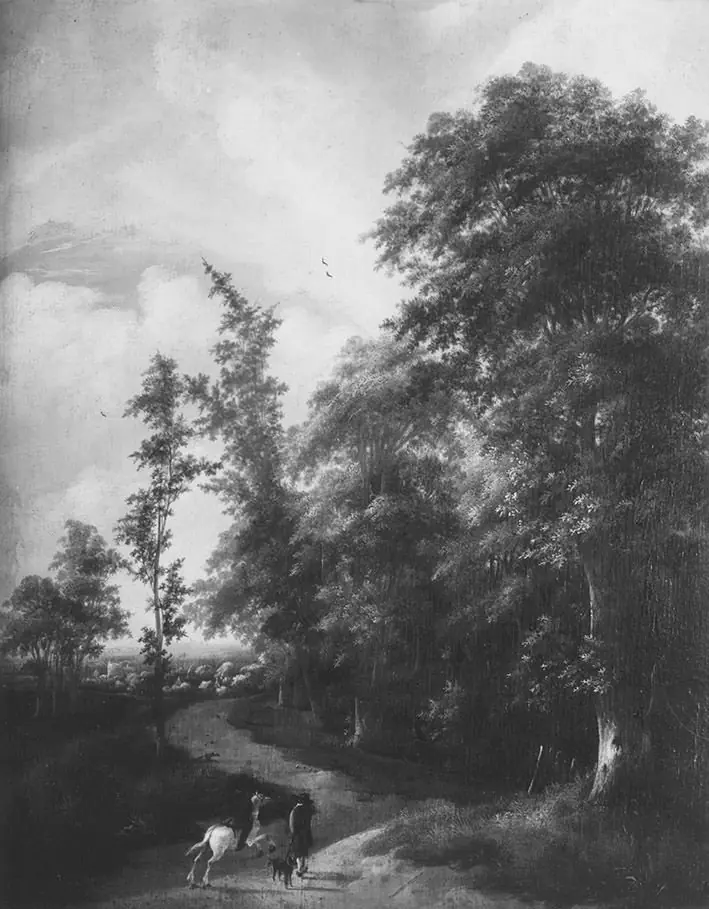
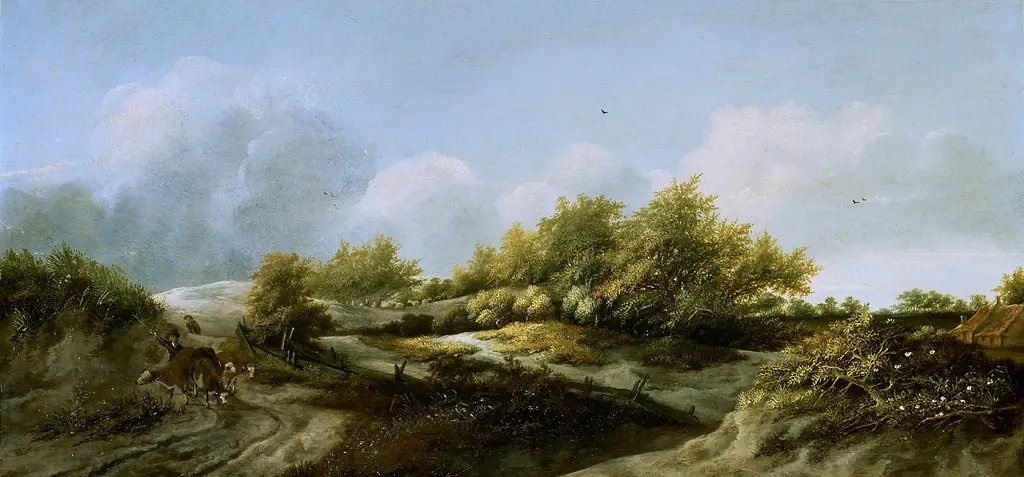
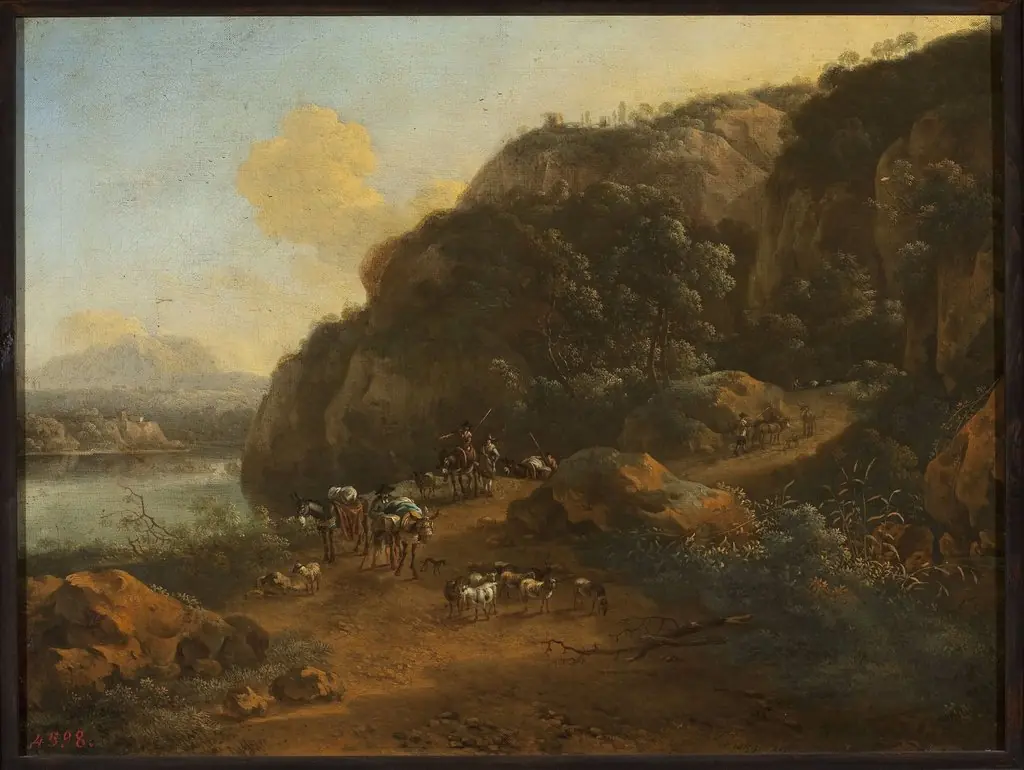
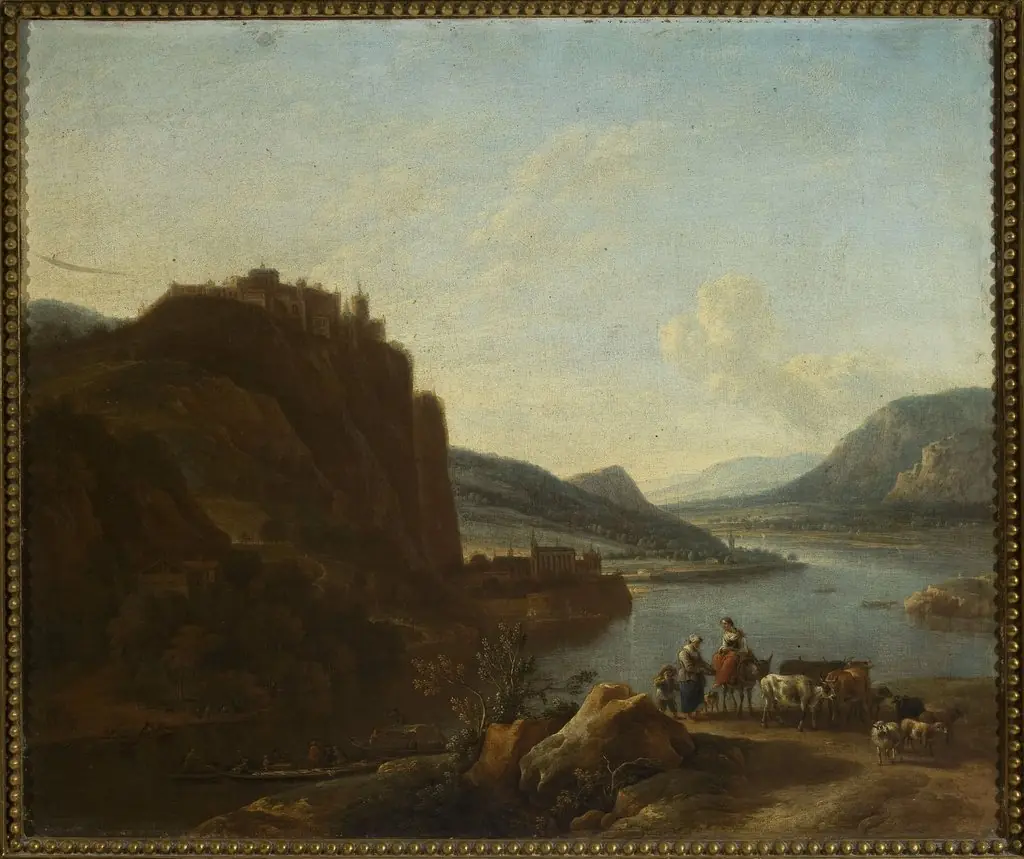
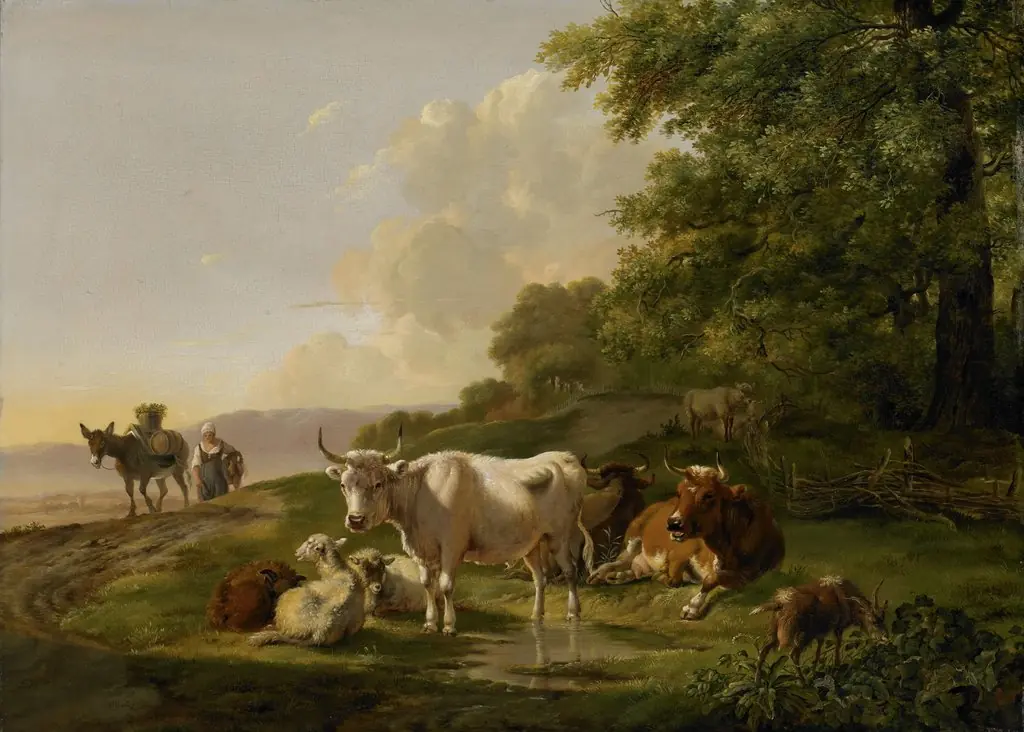 Landscape with Cattle
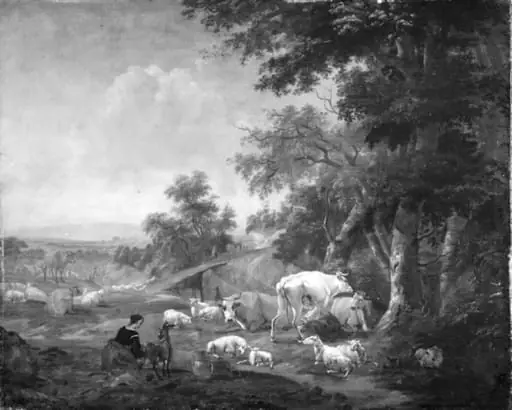 Landscape
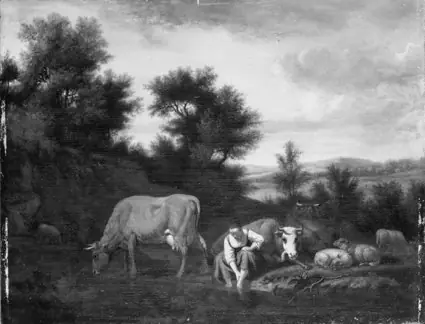 Shepherdess with Cattle
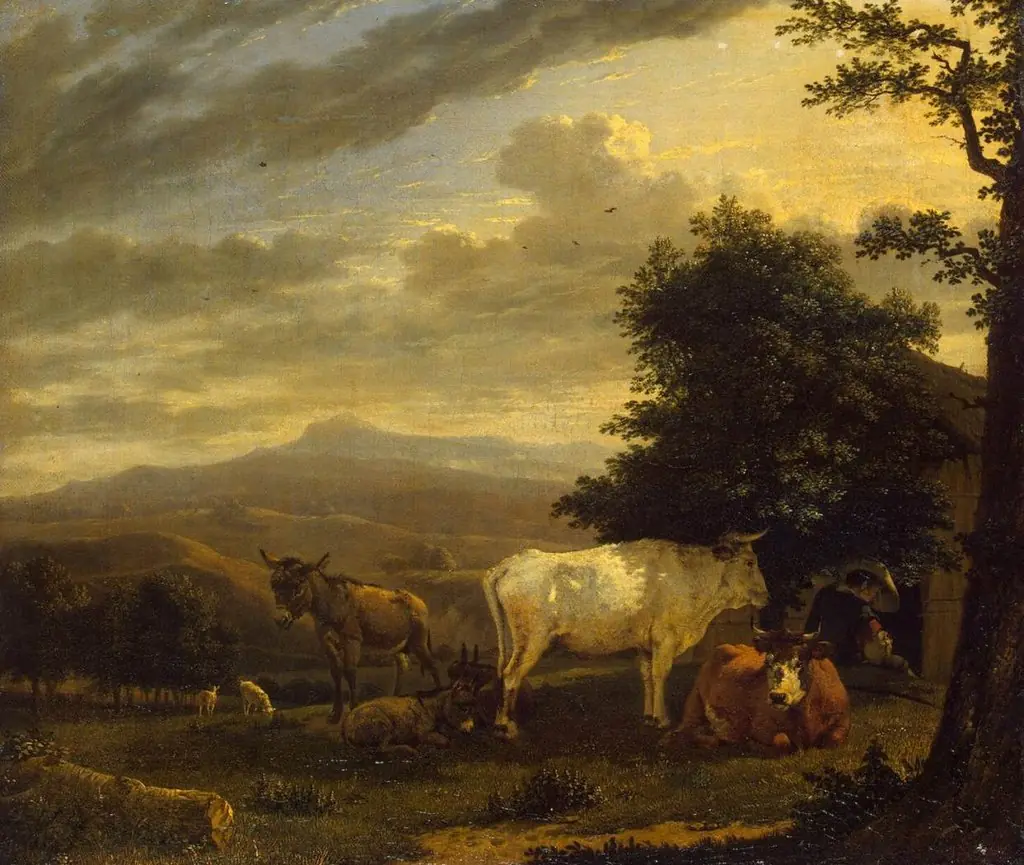 Landscape with Cattle
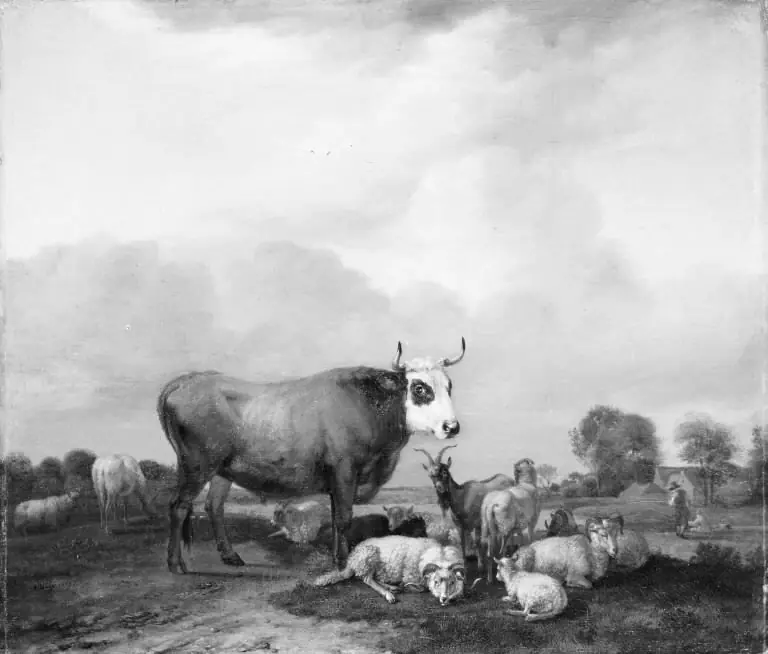 Cattle in the Field
 Cattle in the Field
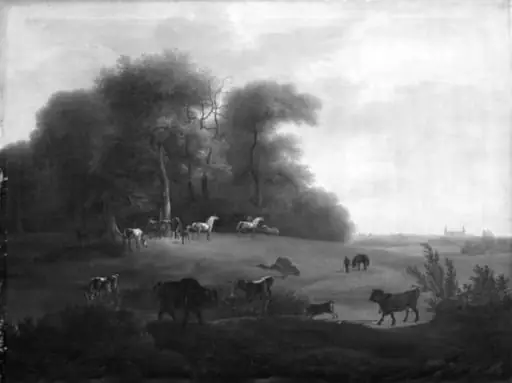 Keld Skov ved Frederiksborg med en del af det kongelige stutteri. I forgrunden schweizer- og tyrolerkvæg
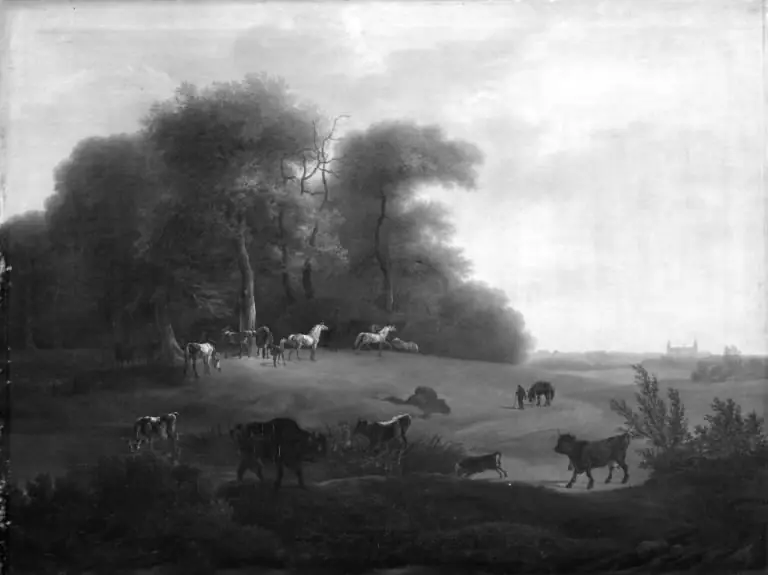 Keld Skov ved Frederiksborg med en del af det kongelige stutteri. I forgrunden schweizer- og tyrolerkvæg