Artwork
Peisaj
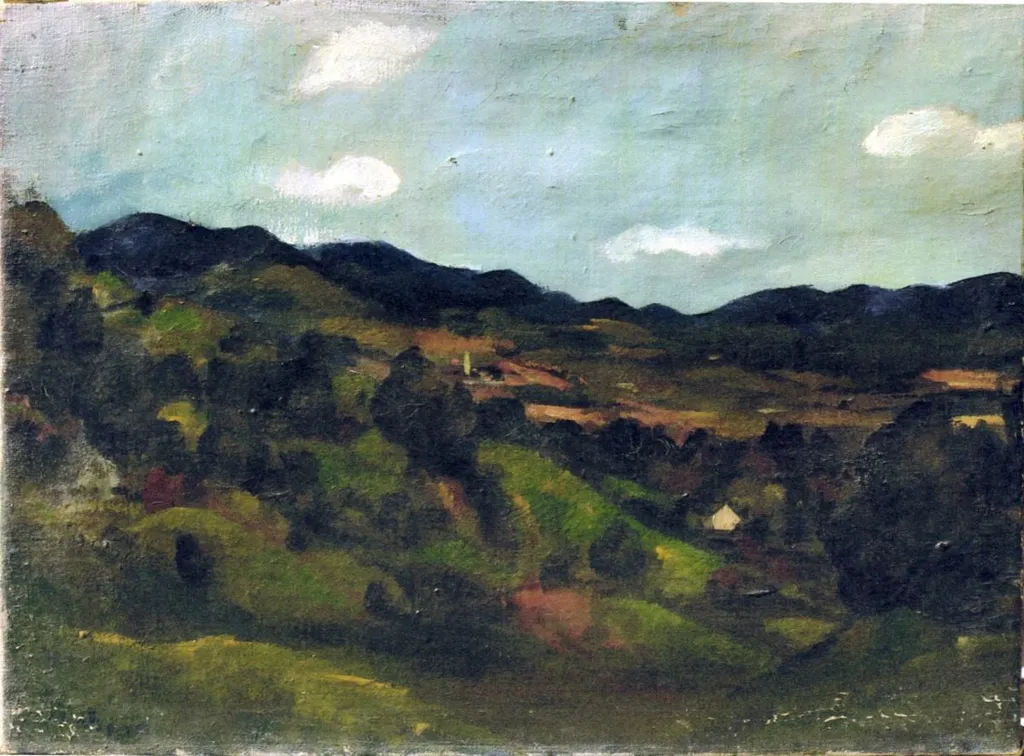
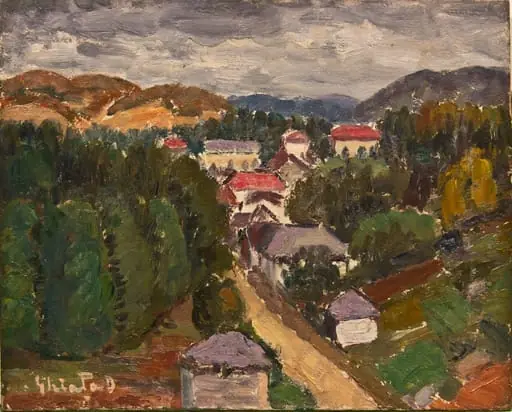
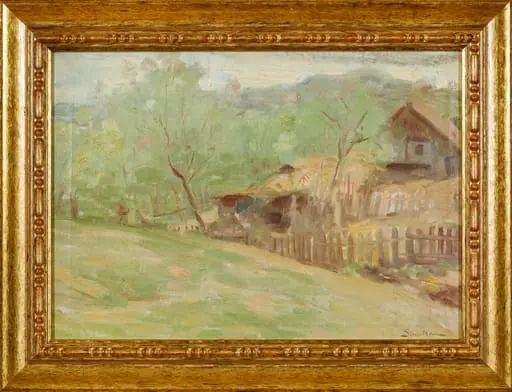
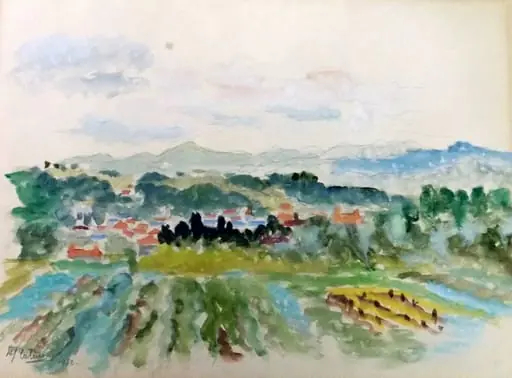
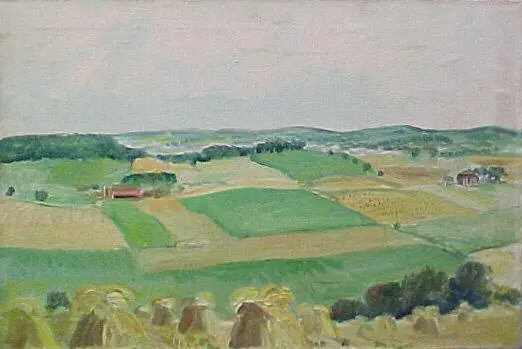
Peisaj is an unspecified painting by David Jandy. It dates from 1923 and is held in the collection of the Museum of Art Cluj-Napoca.
About this work
Overview
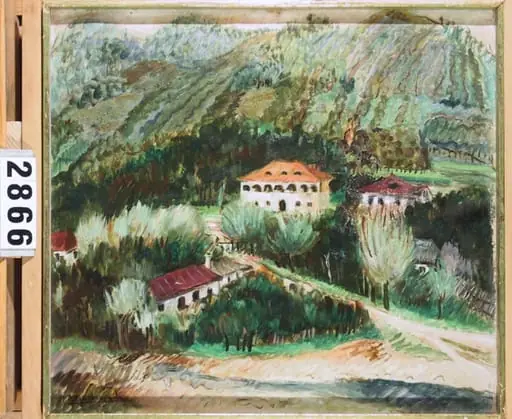
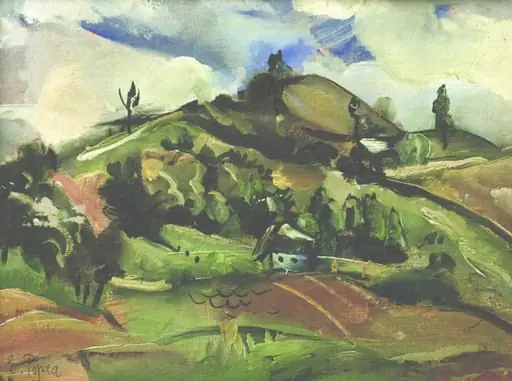
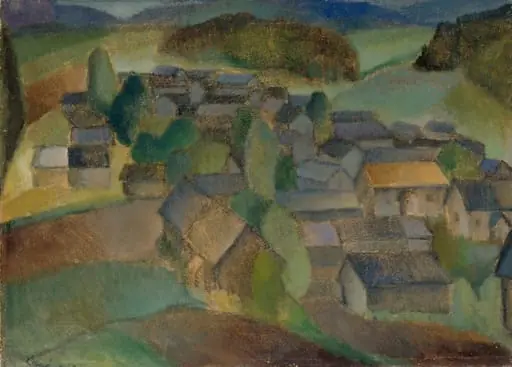
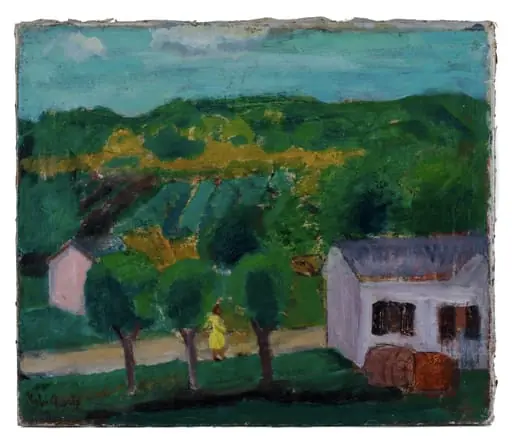
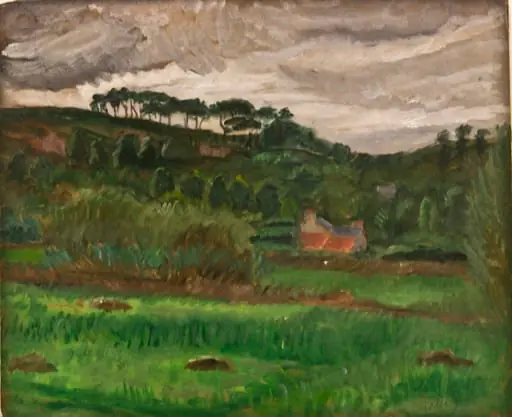
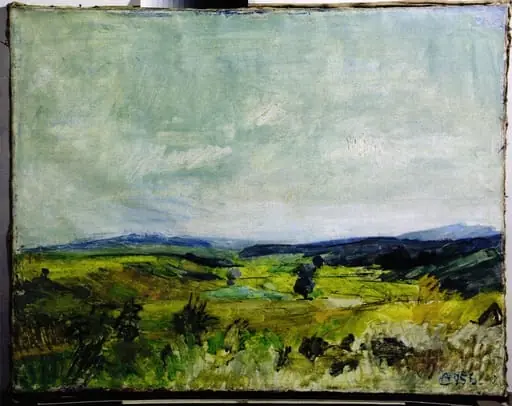
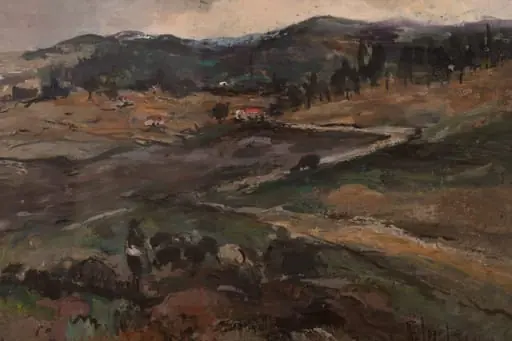
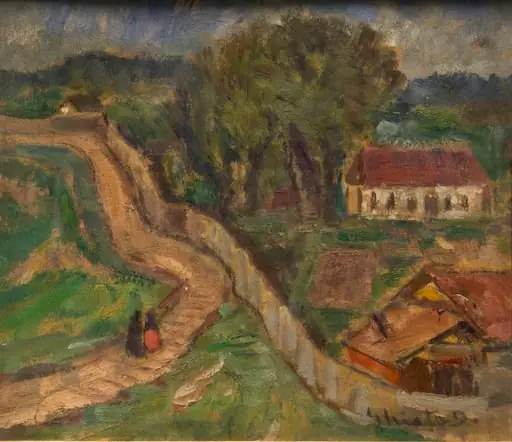
Peisaj, painted in 1923 by David Jandy, is a landscape work held in the collection of the Museum of Ethnography. Though categorized as an image, it functions as a painted representation of natural terrain, emphasizing atmosphere over narrative. The composition centers on undulating hills and scattered trees, rendered with deliberate brushwork that conveys motion and presence without idealization.
Subject & Meaning
The painting presents a quiet, unpopulated countryside under a clear sky, suggesting solitude and calm. There is no human figure or architectural element to anchor the scene, allowing the land itself to become the subject. The absence of overt symbolism invites contemplation of nature’s quiet persistence, reflecting early 20th-century shifts toward emotional resonance in landscape representation.
Technique & Style
Earth tones in the foreground—ochres, umbers, and muted greens—build tactile depth, while cooler hues in the sky and distant hills create spatial recession.
Jandy employs thick, directional brushstrokes to model form and suggest wind or terrain movement. Earth tones in the foreground—ochres, umbers, and muted greens—build tactile depth, while cooler hues in the sky and distant hills create spatial recession. Light is diffused rather than sharply modeled, avoiding dramatic chiaroscuro in favor of a more even, ambient glow that enhances the scene’s stillness.
History & Provenance
The painting entered the Museum of Ethnography’s collection shortly after its creation, likely through direct acquisition or donation. Its placement within an ethnographic institution, rather than a fine arts museum, suggests an interest in cultural expressions of land and environment. Documentation from the period is limited, but its early inclusion implies recognition within Jandy’s immediate artistic circle.
Context
Created in the aftermath of World War I, Peisaj reflects a broader European trend of returning to nature as a source of stability. While modernist movements pushed abstraction, Jandy retained figurative elements, aligning with regional painters who sought emotional authenticity through landscape. The work shares affinities with post-impressionist approaches in Eastern Europe, where personal expression merged with observed reality.
Legacy
Peisaj remains a quiet example of interwar landscape painting in the Museum of Ethnography’s holdings. It has not been widely exhibited outside its home institution, nor has it influenced major art movements. Its significance lies in its unassuming presence—offering a personal, contemplative view of nature that contrasts with the era’s more radical artistic experiments.
Artist & collection
Artist
This artist made prints and paintings in early 20th-century Romania. Look at Coborârea de pe cruce, a print that shows a religious scene, and Peisaj from 1923, a quiet landscape painting of fields or hills. The two…