Artwork
An Embarrasing Proposal
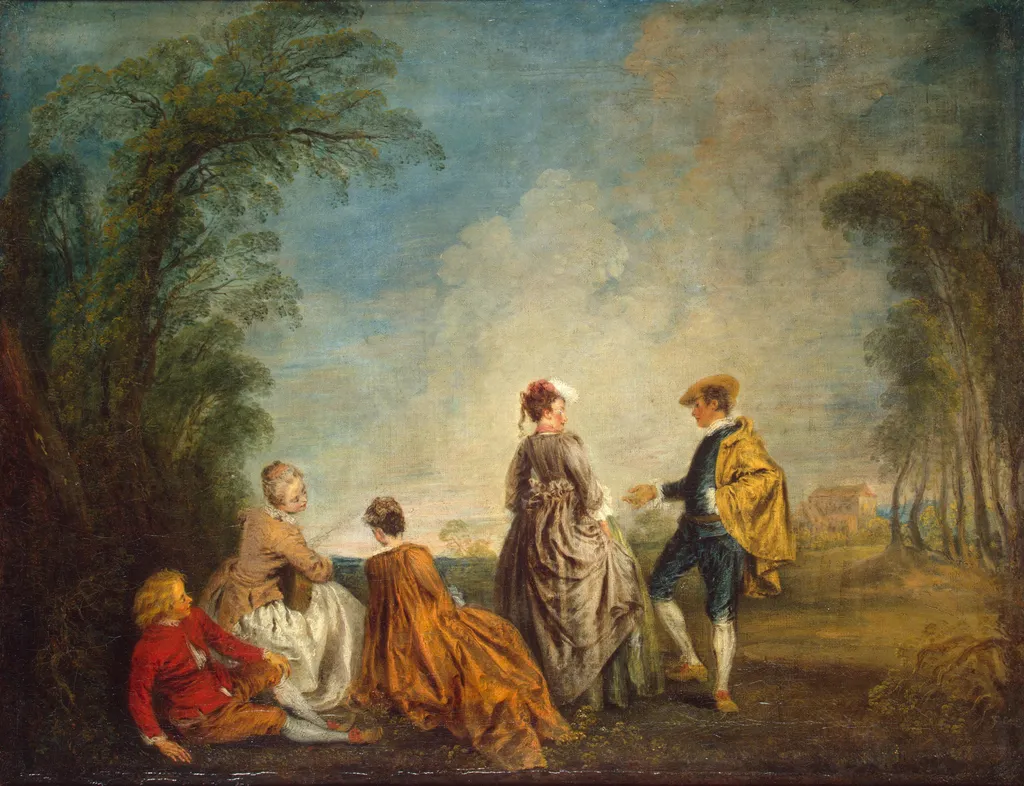
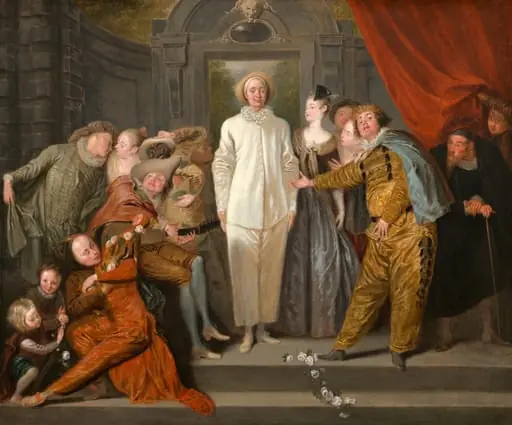
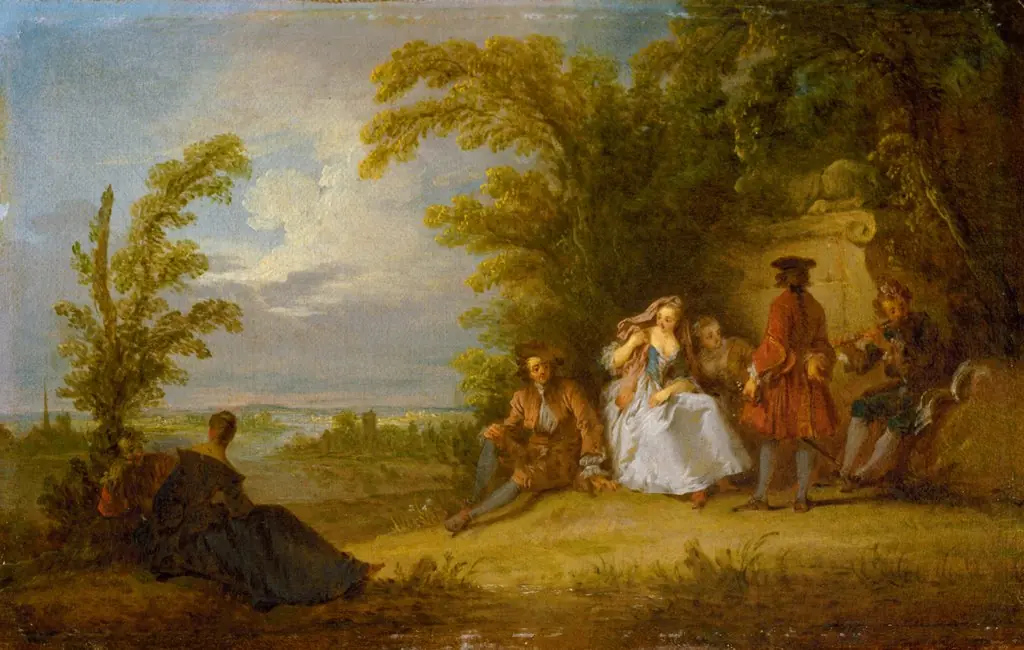
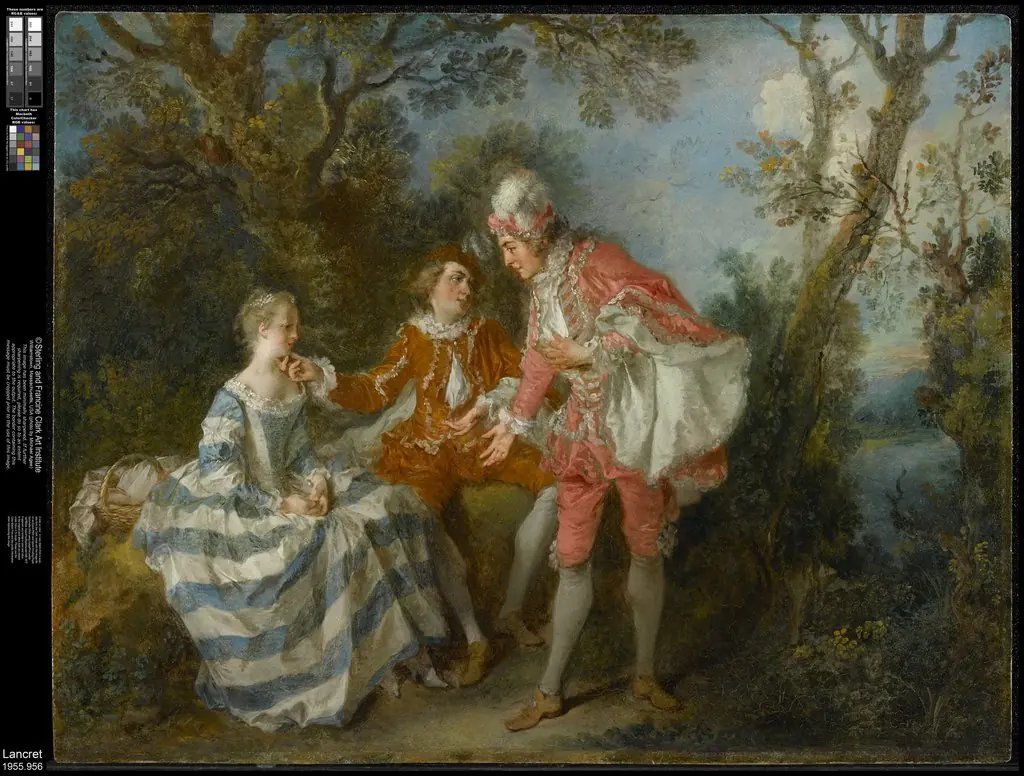
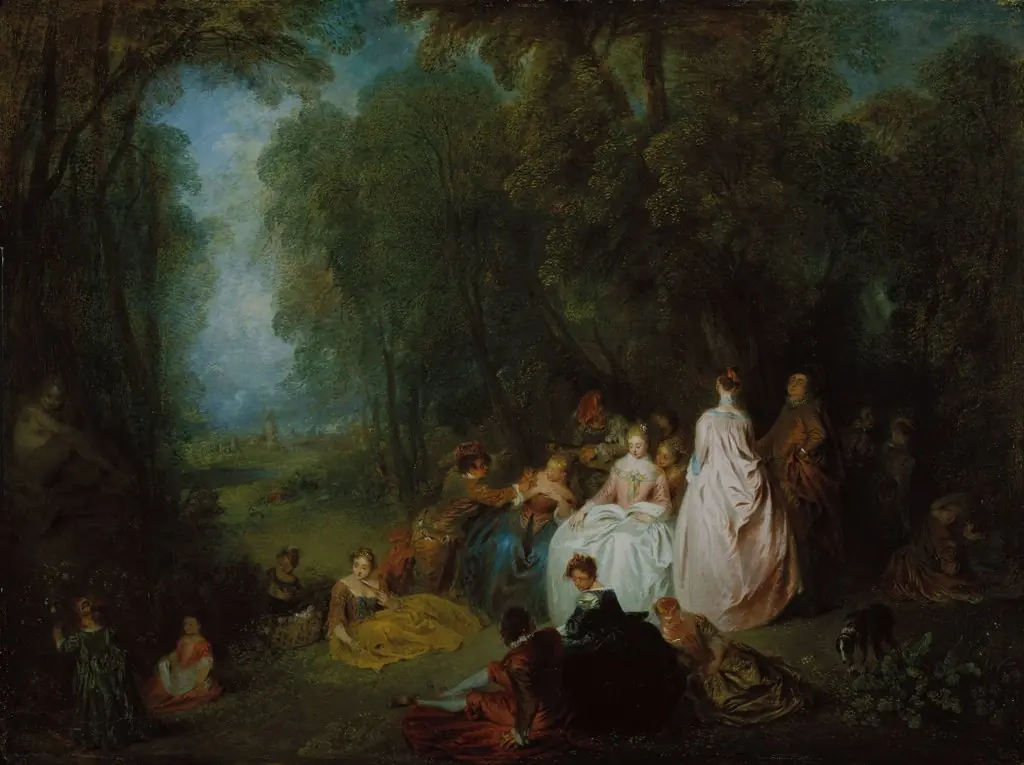
An Embarrasing Proposal is an oil painting by Jean Antoine Watteau. It dates from 1715 and is held in the collection of the Hermitage Museum. An Embarrassing Proposal is an oil painting created by Antoine Watteau between 1715 and 1716.
About this work
This painting is called An Embarrasing Proposal. It's a genre scene made with oil paint.
The painting has an interesting history. It was once part of a collection in Dresden before being purchased for the Hermitage Museum in 1769. This purchase was made under Catherine II of Russia.
You can learn more about the artist who created this work, Jean Antoine Watteau.
Overview
The work belongs to the genre of fêtes galantes, a style Watteau helped define, blending pastoral settings with subtle interpersonal dynamics.
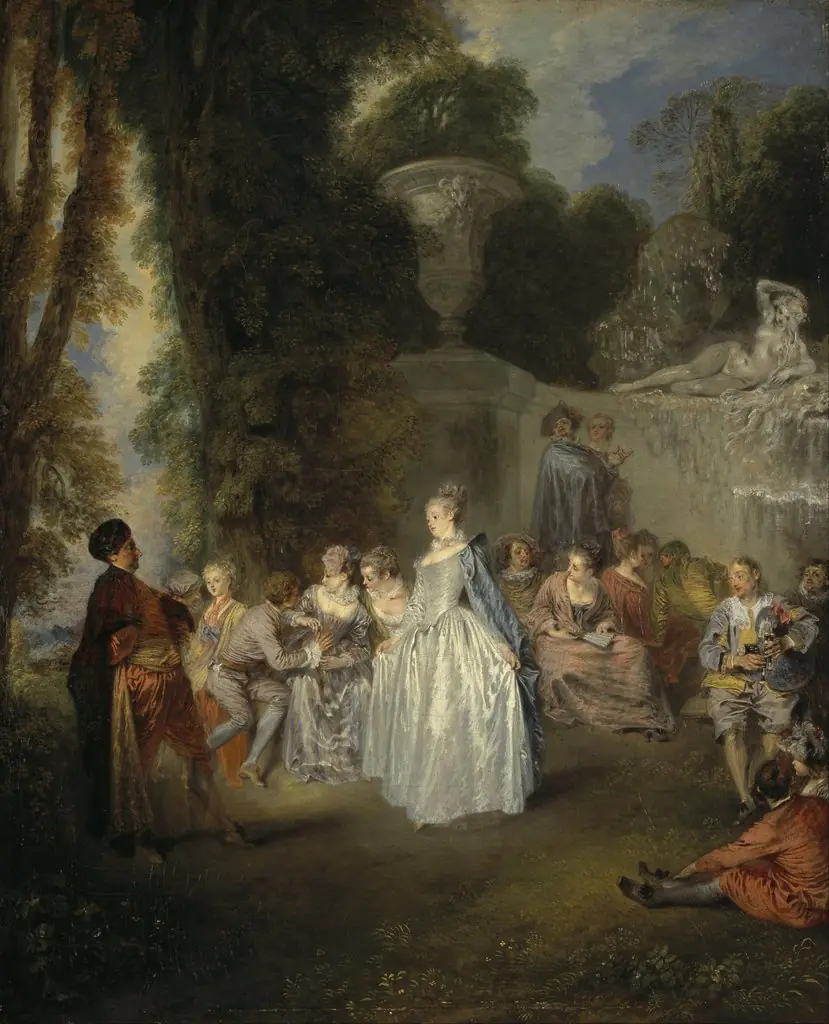
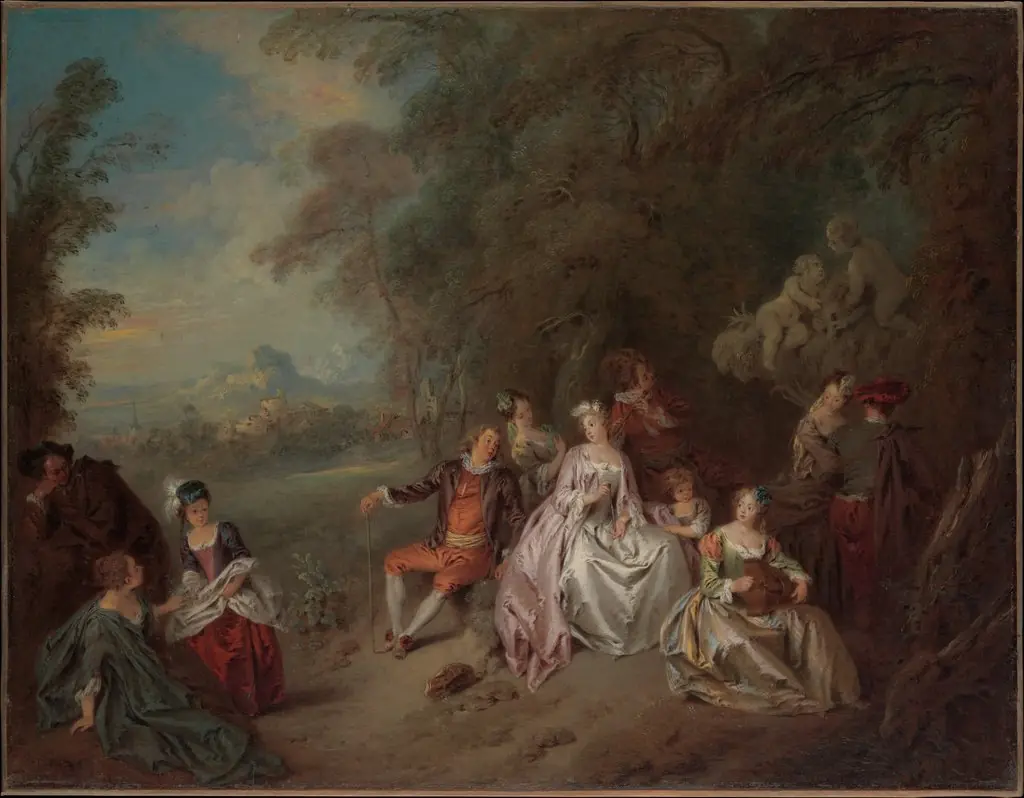
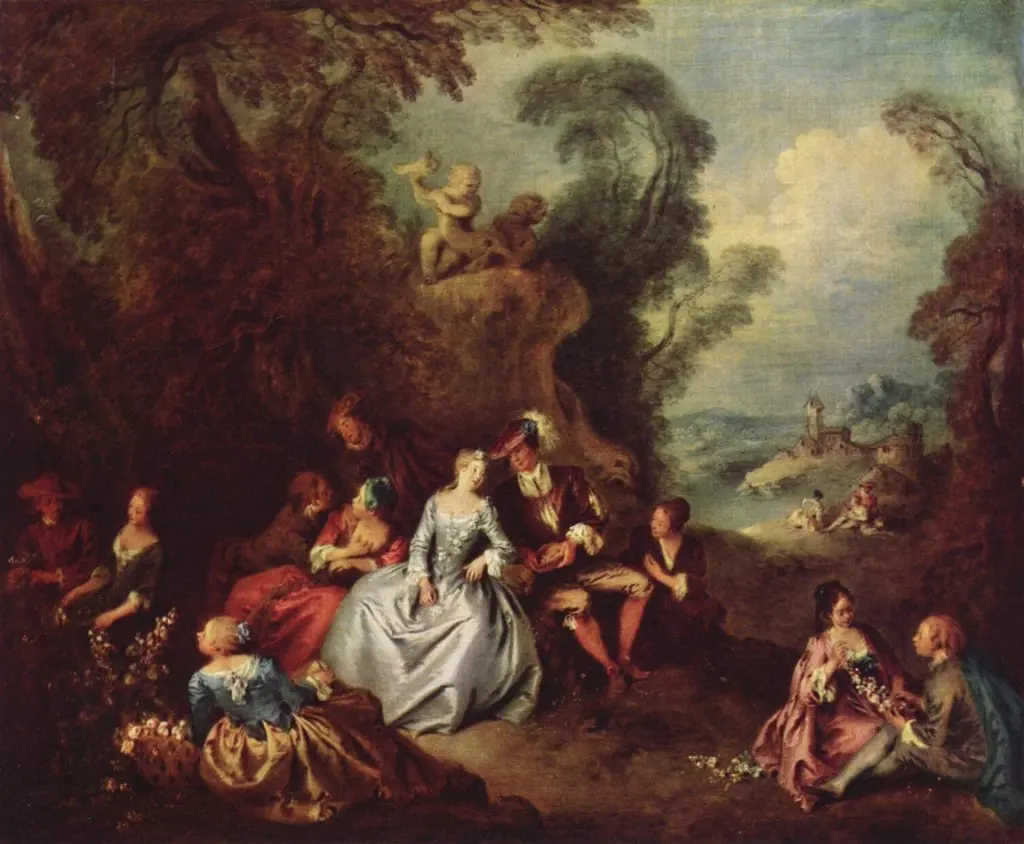
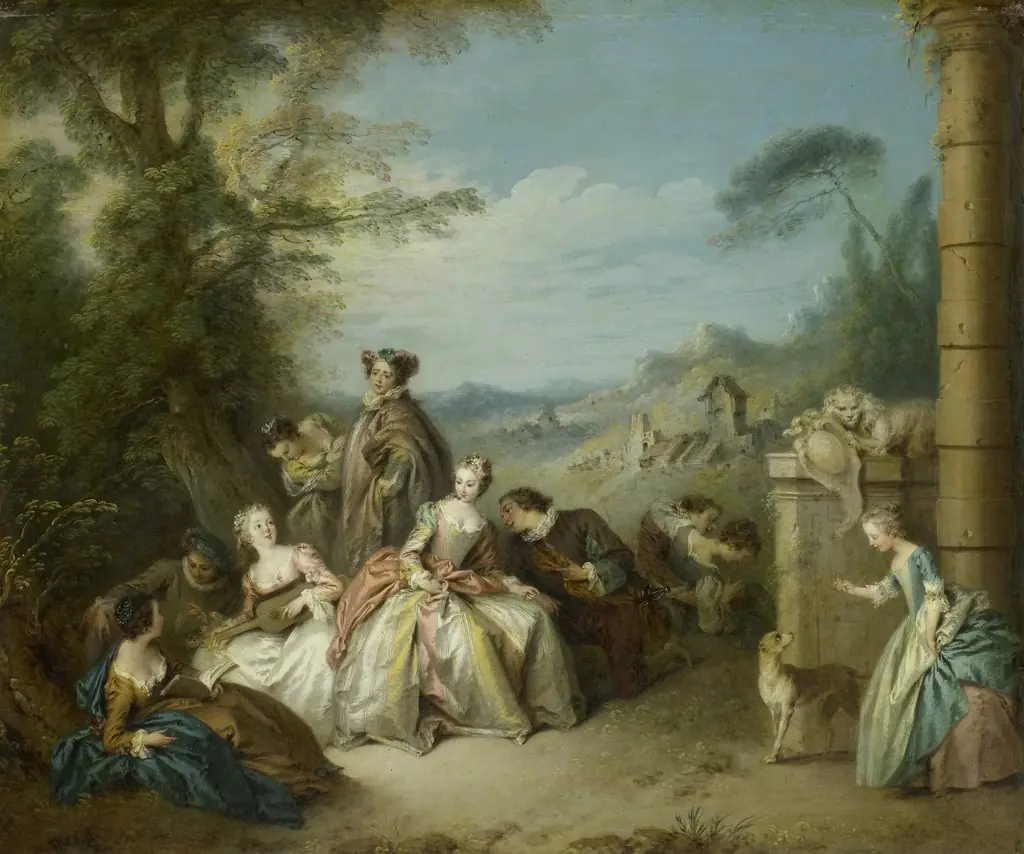
An Embarrassing Proposal is an oil painting created by Antoine Watteau between 1715 and 1716. It depicts a quiet outdoor scene with three young women and two men, capturing a moment of social tension. The work belongs to the genre of fêtes galantes, a style Watteau helped define, blending pastoral settings with subtle interpersonal dynamics. It remains in the collection of the Hermitage Museum in Saint Petersburg.
Subject & Meaning
The scene portrays a moment of social unease: one man appears to make an advance toward a woman, while the others react with hesitation or distraction. The ambiguity of the interaction—whether it is a proposal, a flirtation, or an intrusion—invites interpretation without resolution. Watteau avoids moral judgment, instead focusing on the delicate, unspoken tensions of courtship in aristocratic leisure.
Technique & Style
Watteau employed delicate brushwork and a soft, muted palette to evoke atmosphere over narrative clarity. The figures are rendered with a sense of movement and naturalism, set against a loosely painted landscape that recedes into hazy distance. His use of light and tone creates a dreamlike quality, characteristic of his fêtes galantes, where emotion is suggested rather than stated.
History & Provenance
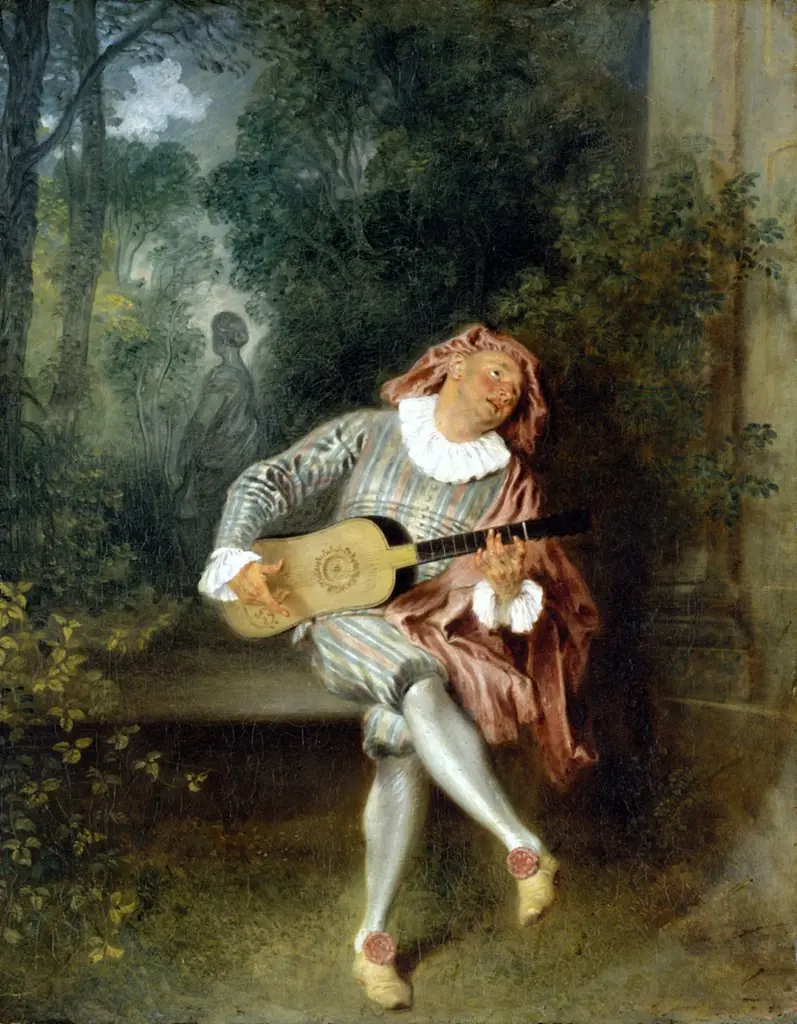
The painting was once in the collection of Heinrich von Brühl in Dresden. In 1769, it was acquired by order of Catherine the Great for the Hermitage Museum. X-ray analysis reveals the canvas was previously reused: an earlier composition featuring a guitar-playing woman and a man was painted over, suggesting Watteau adapted the support for this new scene, possibly due to material constraints or shifting artistic intent.
Context
Created during the early 18th century, the painting reflects the cultural preoccupations of French aristocracy: refined leisure, coded social rituals, and the performance of courtship. Watteau’s work emerged in the wake of Louis XIV’s reign, when courtly formality gave way to more intimate, private scenes. His paintings offered a new visual language for the emerging bourgeoisie and nobility seeking emotional nuance in art.
Legacy
An Embarrassing Proposal exemplifies Watteau’s influence on later genre painting and Rococo aesthetics. Its psychological subtlety and atmospheric technique inspired artists such as Fragonard and Boucher. Though not widely exhibited outside the Hermitage, it remains a key example of how 18th-century painters captured the quiet complexities of human interaction within idealized natural settings.
Own this work as a print
Artist & collection
Artist
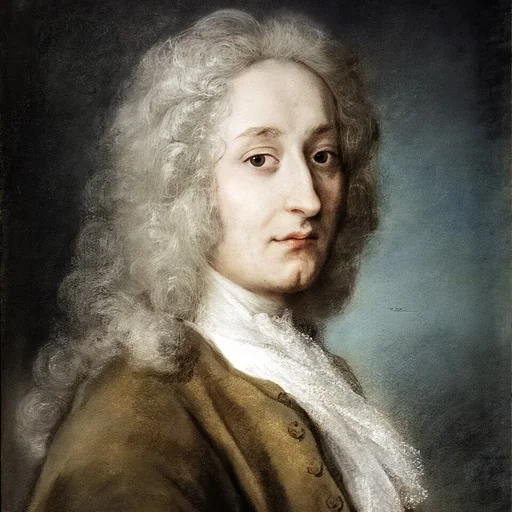
Jean-Antoine Watteau was a French painter and draughtsman whose brief career spurred the revival of interest in colour and movement, as seen in the tradition of Correggio and Rubens.