Artwork
The Embarkation for Cythera
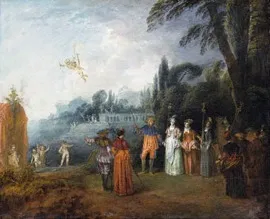
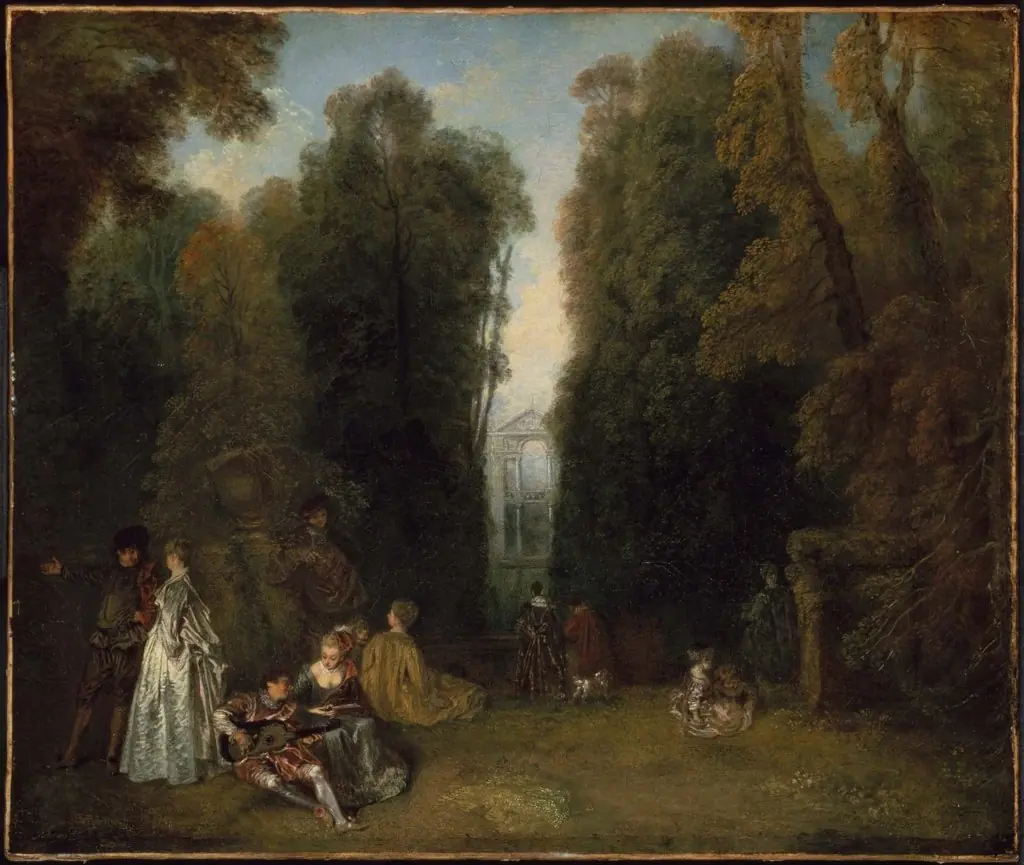
The Embarkation for Cythera is an oil painting by the Rococo painting artist Jean Antoine Watteau. It dates from 1700 and is held in the collection of the Städel Museum.
About this work
Overview
Painted around 1717, The Embarkation for Cythera is an oil-on-canvas work by Jean-Antoine Watteau.
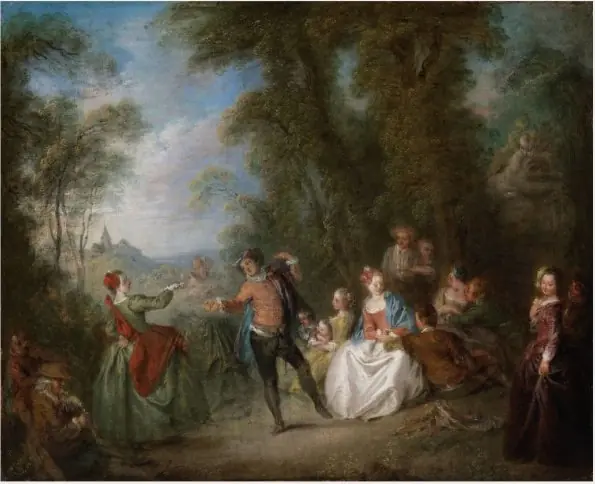
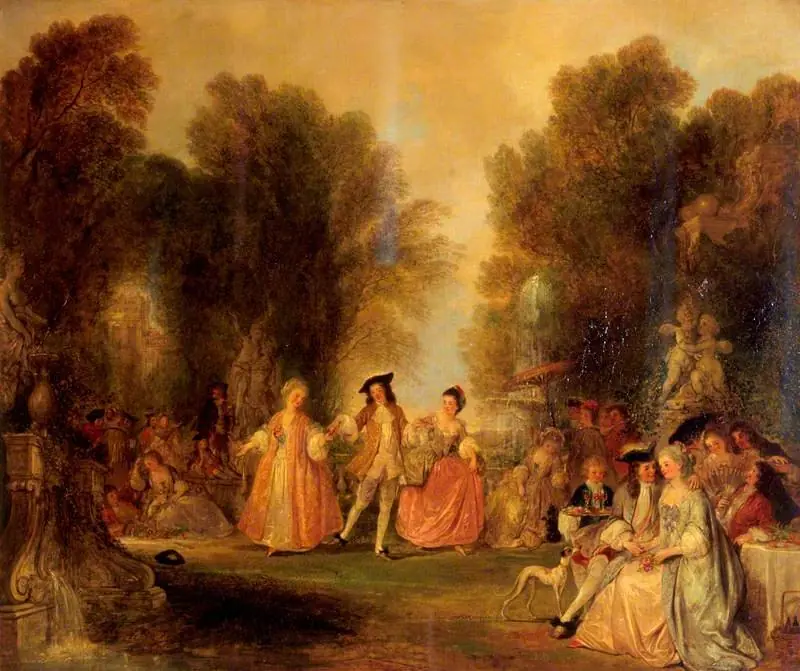
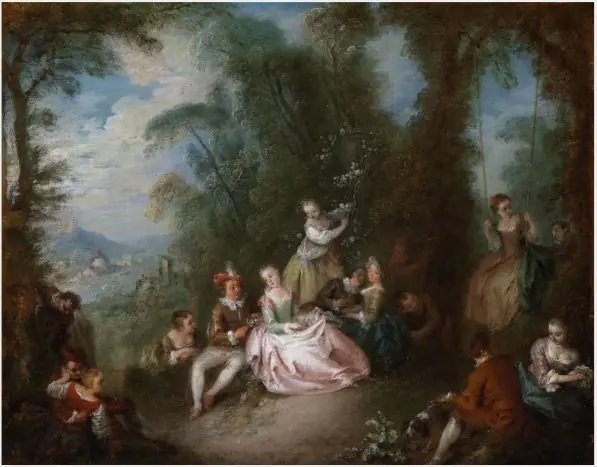
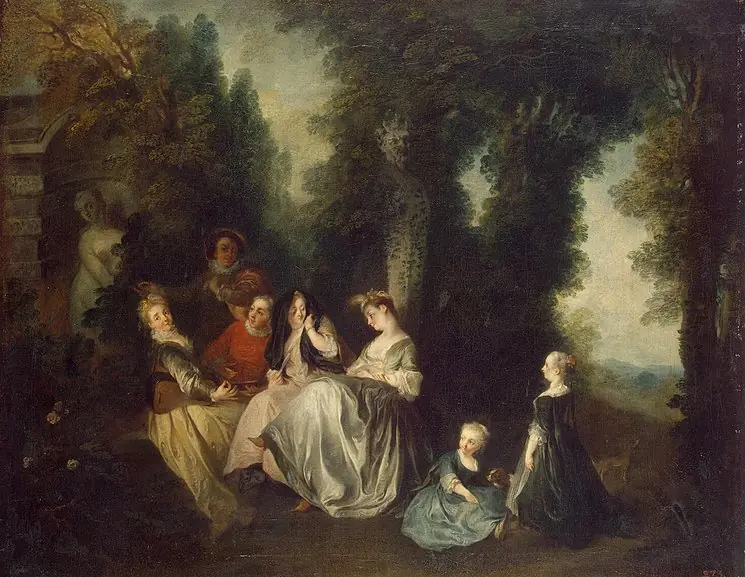
Painted around 1717, The Embarkation for Cythera is an oil-on-canvas work by Jean-Antoine Watteau. It portrays a group of elegantly dressed figures in a pastoral setting, preparing to depart for the mythical island of Cythera, associated with love and pleasure. The scene captures a moment of quiet transition, blending reality with allegory. The painting is part of the Städel Museum’s collection in Frankfurt.
Subject & Meaning
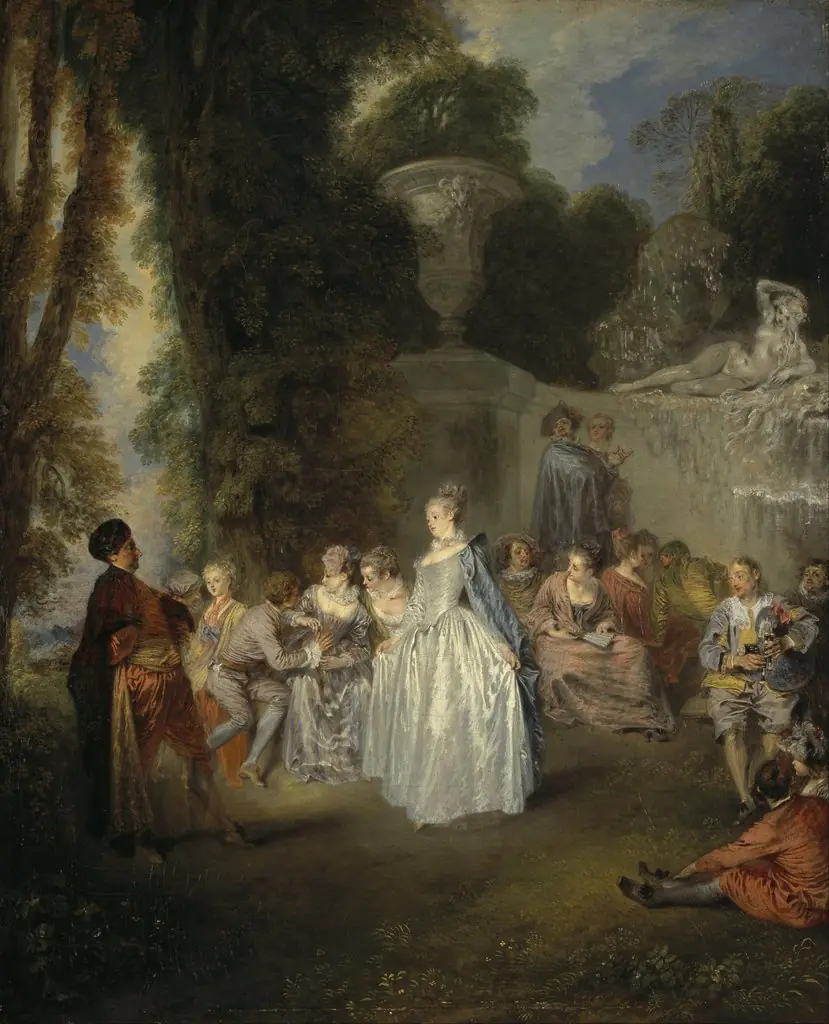
The painting illustrates a fete galante, a genre Watteau helped define, where aristocrats engage in refined leisure amid nature. The journey to Cythera, sacred to Venus, symbolizes the pursuit of love. Figures linger in contemplative poses, suggesting both anticipation and melancholy. The act of departure, rather than arrival, implies the fleeting nature of romantic idealism, a subtle commentary on human desire.
Technique & Style
Watteau employed soft, blended brushwork and a muted palette of pastels and earth tones to evoke atmosphere over detail. Figures are rendered with delicate gestures and fluid drapery, their forms dissolving slightly into the hazy landscape. The composition guides the eye diagonally from foreground to distant hill, reinforcing the sense of movement and quiet transition. Light is diffused, enhancing the dreamlike quality of the scene.
History & Provenance
Completed around 1717, the painting was accepted by the French Academy as Watteau’s reception piece, establishing the fete galante as a recognized genre. It entered the Städel Museum’s collection in the 19th century, having passed through private European collections after its creation. Its attribution has remained consistent, with no significant disputes over authorship or date.
Context
In early 18th-century France, aristocratic culture favored refined social rituals and escapism. Watteau’s work responded to this climate, offering visual poetry that avoided grand narratives in favor of intimate, ambiguous moments. The painting reflects the waning influence of Baroque drama and the rise of Rococo sensibility, where emotion, nature, and elegance took precedence over moral or religious themes.
Legacy
The Embarkation for Cythera helped legitimize a new category of painting focused on aristocratic leisure, influencing generations of French artists. Its emotional subtlety and atmospheric technique became hallmarks of Rococo aesthetics. Though not widely copied, its thematic concerns—love’s transience, nature as refuge—resonated in later Romantic and Symbolist works, securing Watteau’s place as a pivotal figure in European painting.
Artist & collection
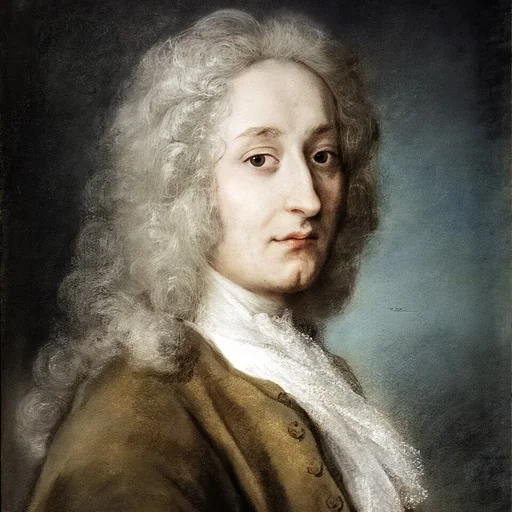
Artist
Jean-Antoine Watteau was a French painter and draughtsman whose brief career spurred the revival of interest in colour and movement, as seen in the tradition of Correggio and Rubens.