Artwork
An Embassy Building in Pera
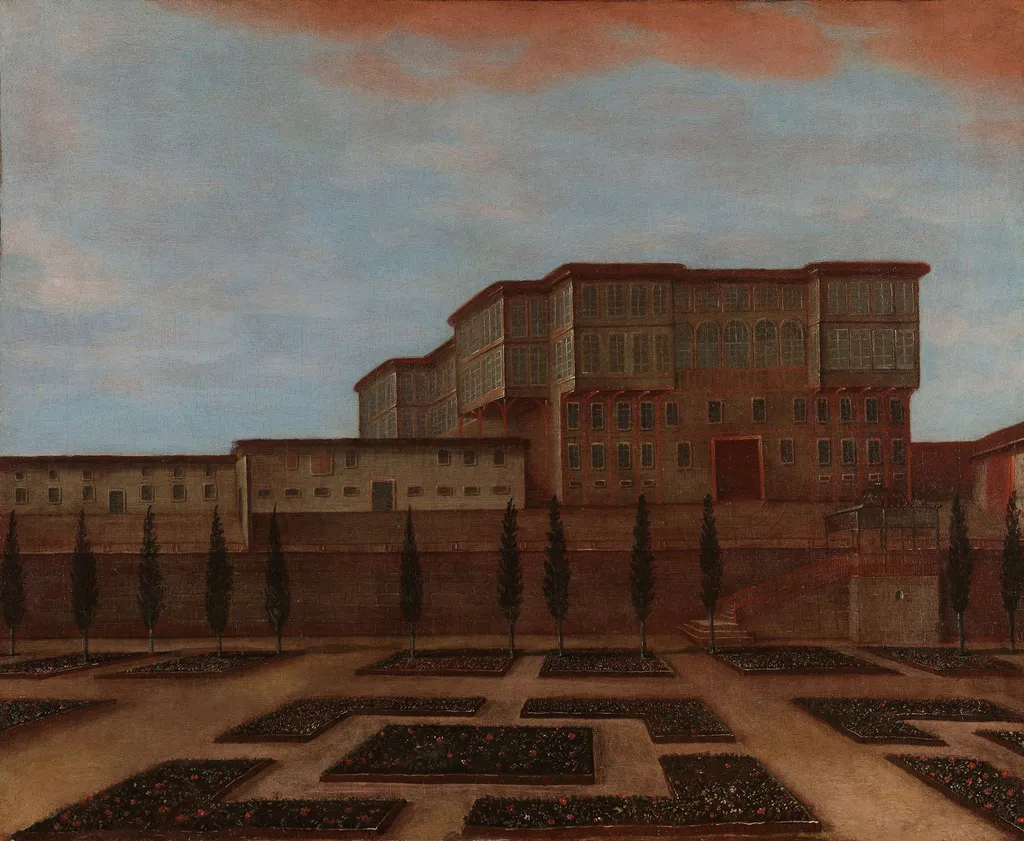
An Embassy Building in Pera is an oil painting by Jean Baptiste Vanmour. It dates from 1732 and is held in the collection of the Rijksmuseum.
About this work
Overview
Vanmour, a Flemish artist based in the Ottoman capital, specialized in documenting the urban and social landscape during the Tulip Era.
Painted in 1732 by Jean Baptiste Vanmour, this oil on canvas depicts a diplomatic residence in Pera, a district of Constantinople known for its foreign embassies. Vanmour, a Flemish artist based in the Ottoman capital, specialized in documenting the urban and social landscape during the Tulip Era. The work is part of the Rijksmuseum’s collection and exemplifies his commitment to recording the material culture of cross-cultural interaction in the early 18th century.
Subject & Meaning
The painting portrays a substantial embassy building, likely belonging to a European power, set within a cultivated garden. The architecture suggests both local Ottoman influences and Western stylistic elements, reflecting the hybrid nature of diplomatic quarters. The orderly garden and accessible staircase imply a space of welcome and protocol, symbolizing the formal yet intimate encounters between Ottoman and foreign dignitaries during a period of relative openness.
Technique & Style
Vanmour employed oil paint with careful attention to light and texture, using chiaroscuro to model the building’s façade and define spatial depth. Warm tones in the stone and foliage contrast with cooler shadows, enhancing the painting’s calm atmosphere. The composition is balanced and measured, with a central axis leading the eye from the garden path to the building’s entrance, reinforcing a sense of order and quiet dignity.
History & Provenance
Created during Vanmour’s decades-long residence in Istanbul, the painting is one of many works commissioned by European diplomats and collectors seeking authentic records of Ottoman life. It entered the Rijksmuseum’s collection through established channels of 18th- and 19th-century European art acquisition, likely via Dutch diplomatic networks. Its preservation reflects early interest in ethnographic documentation through visual art.
Context
In the early 1700s, Pera served as a cosmopolitan enclave where European envoys lived alongside Ottoman elites. The Tulip Era, marked by cultural exchange and relative peace, encouraged artistic representation of daily life. Vanmour’s paintings, including this one, functioned as both personal records and diplomatic souvenirs, offering European audiences a glimpse into a world they rarely experienced firsthand.
Legacy
Vanmour’s body of work remains a key visual archive of Ottoman urban life during a transitional period. While not widely known outside specialist circles, his paintings provide scholars with insights into architecture, dress, and social customs. This piece, like others in his oeuvre, contributes to a broader understanding of cross-cultural representation in early modern European art.
Own this work as a print
Artist & collection
Artist
Jean Baptiste Vanmour or Van Mour (9 January 1671 – 22 January 1737) was a Flemish-French painter, remembered for his detailed portrayal of life in the Ottoman Empire during the Tulip Era and the rule of Sultan Ahmed III.

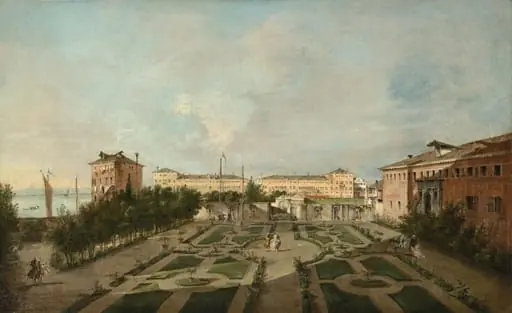 The Garden of Palazzo Contarini dal Zaffo
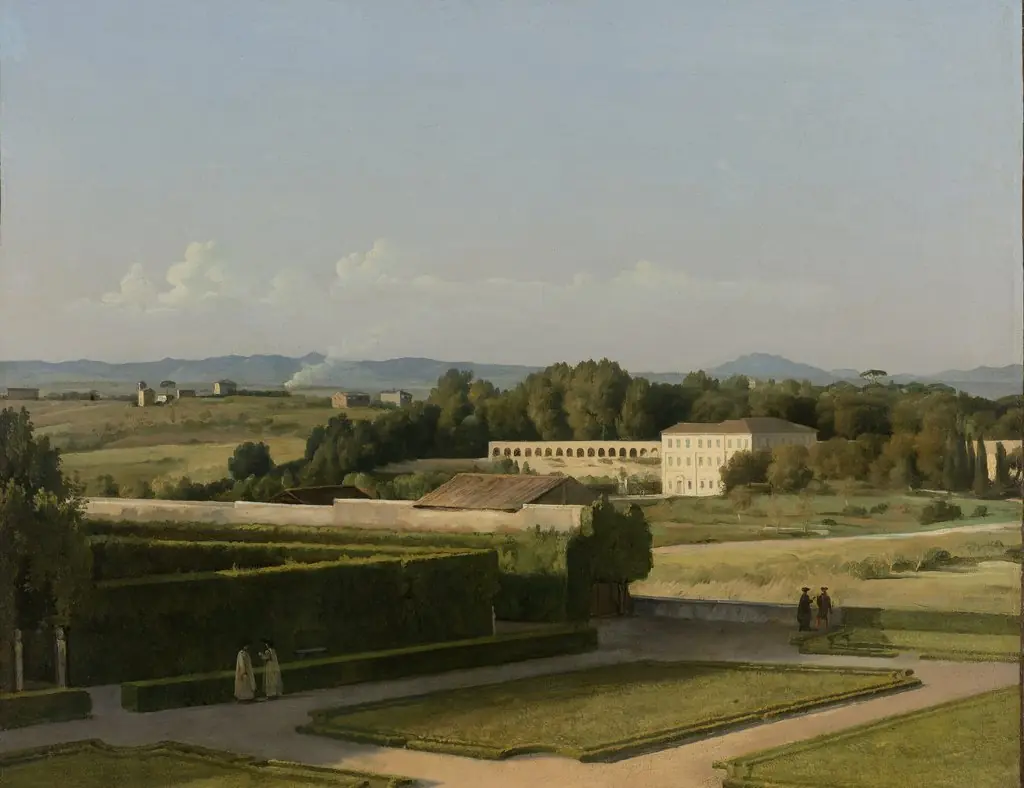 View of the Gardens of Villa Medici
![Topçular Barracks on the outskirts of Pera[?], by Anonymous Greek artist](https://artifactworldgallery.com/img/anonymous-greek-artist--topcular-barracks-on-the-outskirts-of-pera--81cd3e7e912c2328-w320.webp) Topçular Barracks on the outskirts of Pera[?]
Topçular Barracks on the outskirts of Pera[?]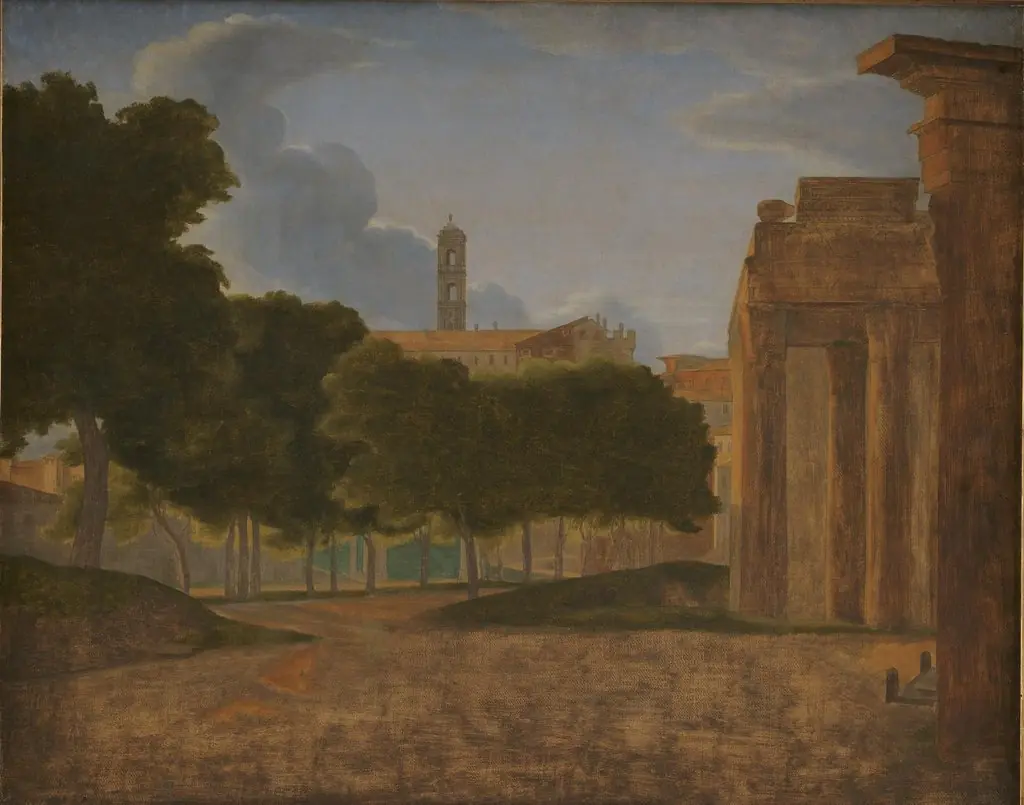 View of the Forum Romanum and the Via Sacra. In the background the Capitol
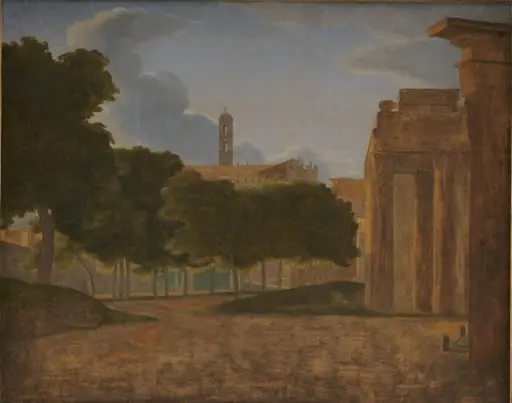 View of the Forum Romanum and the Via Sacra. In the background the Capitol
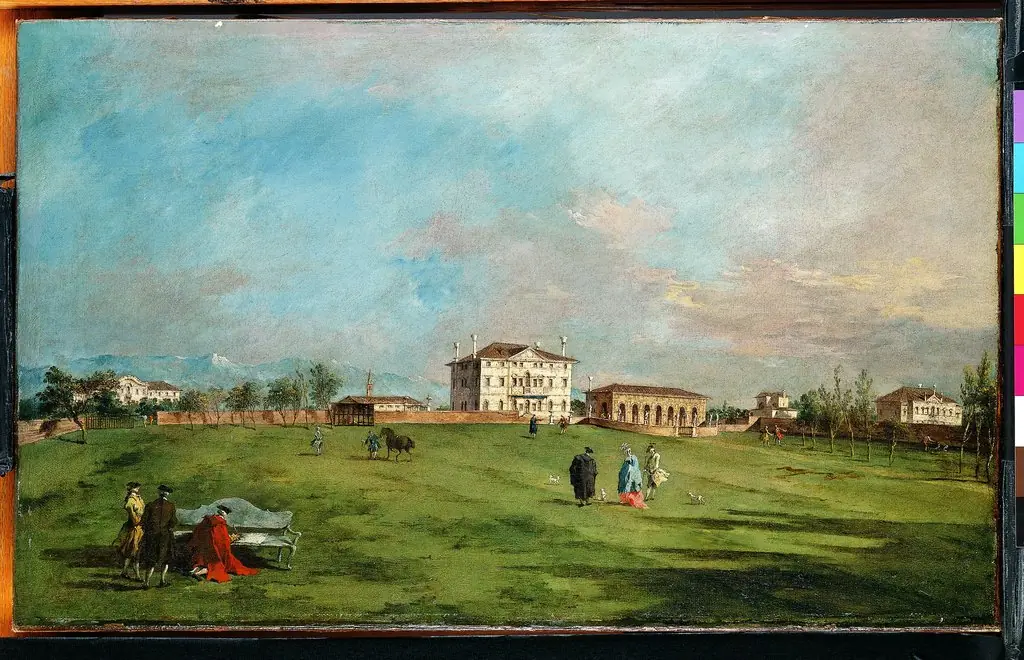 The Villa Loredan, Paese
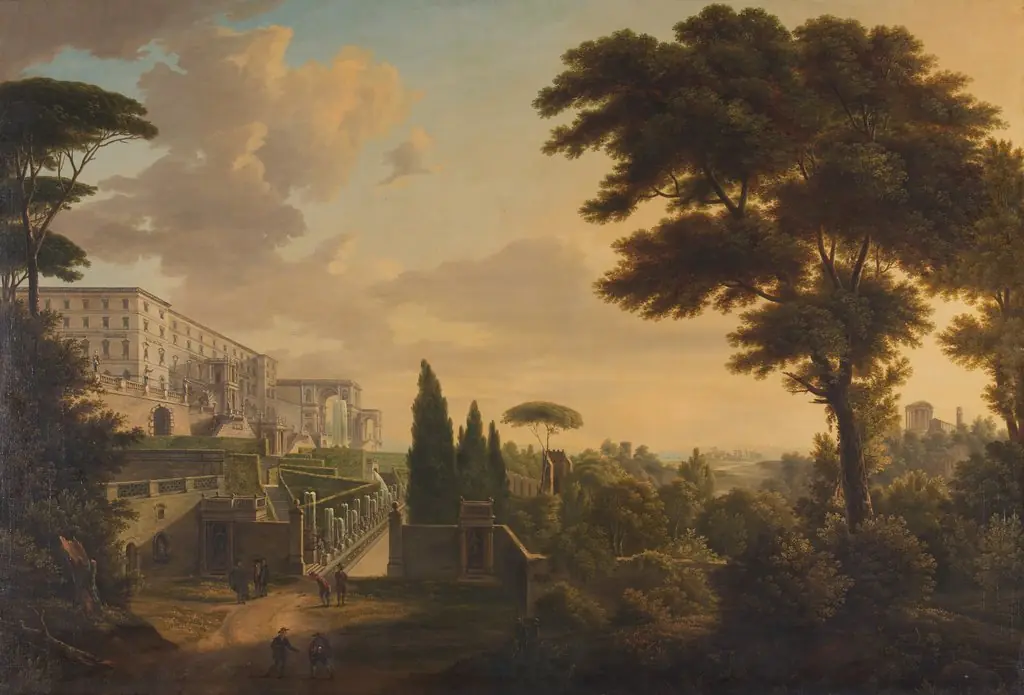 The Villa d'Este in Tivoli
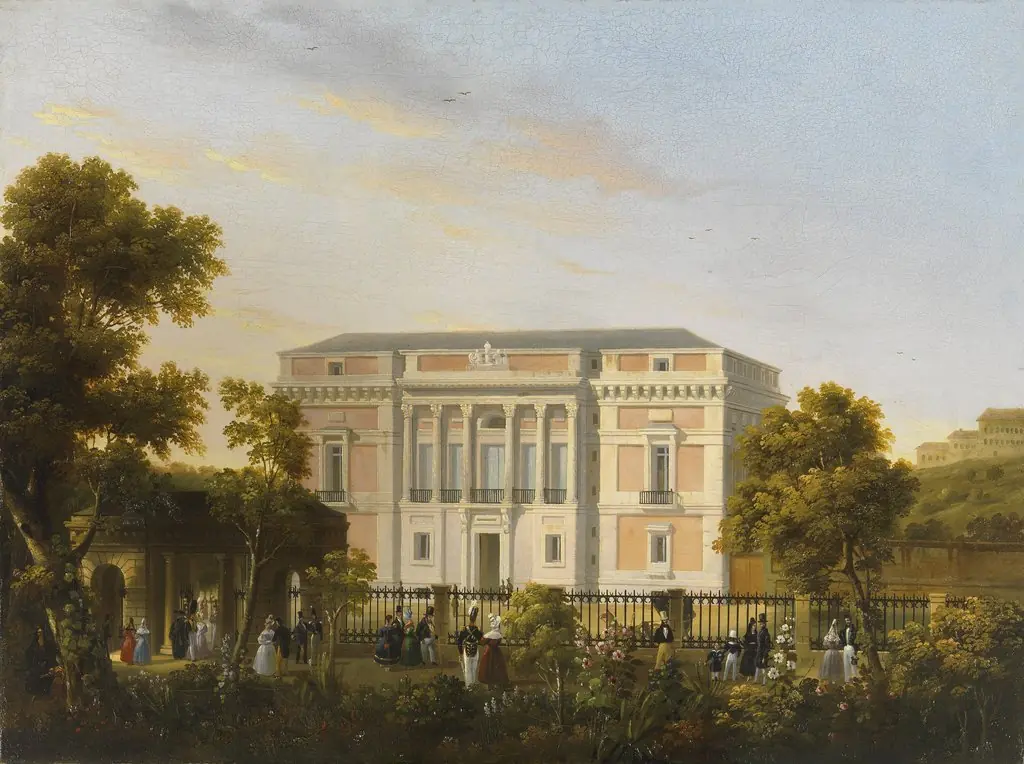 View of the south Façade of the Museo del Prado from inside the Botanical Gardens
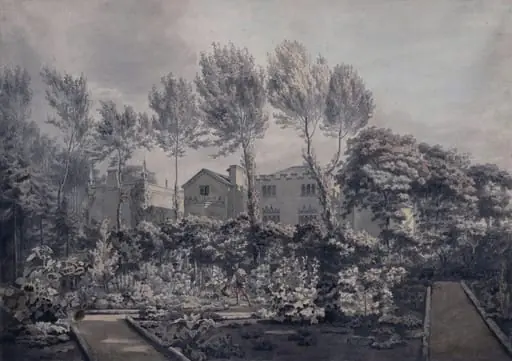 The Garden at Strawberry Hill
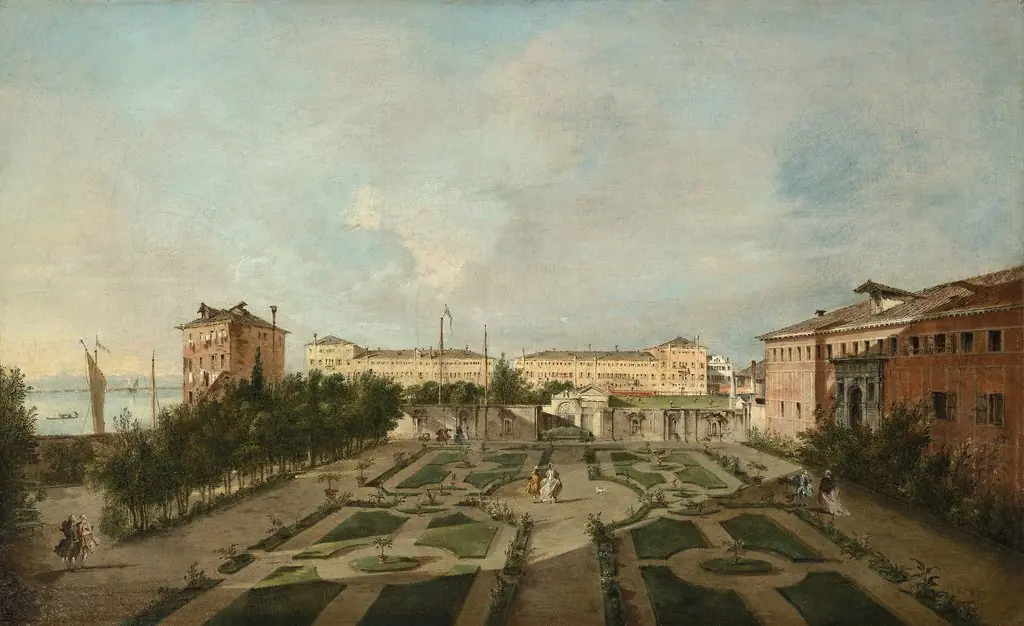 The Garden of Palazzo Contarini dal Zaffo
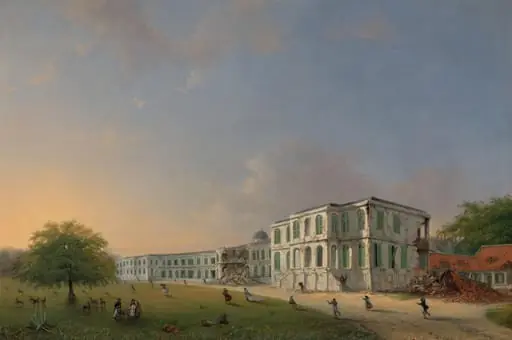 Front View of Buitenzorg Palace during the Earthquake of 10 October 1834
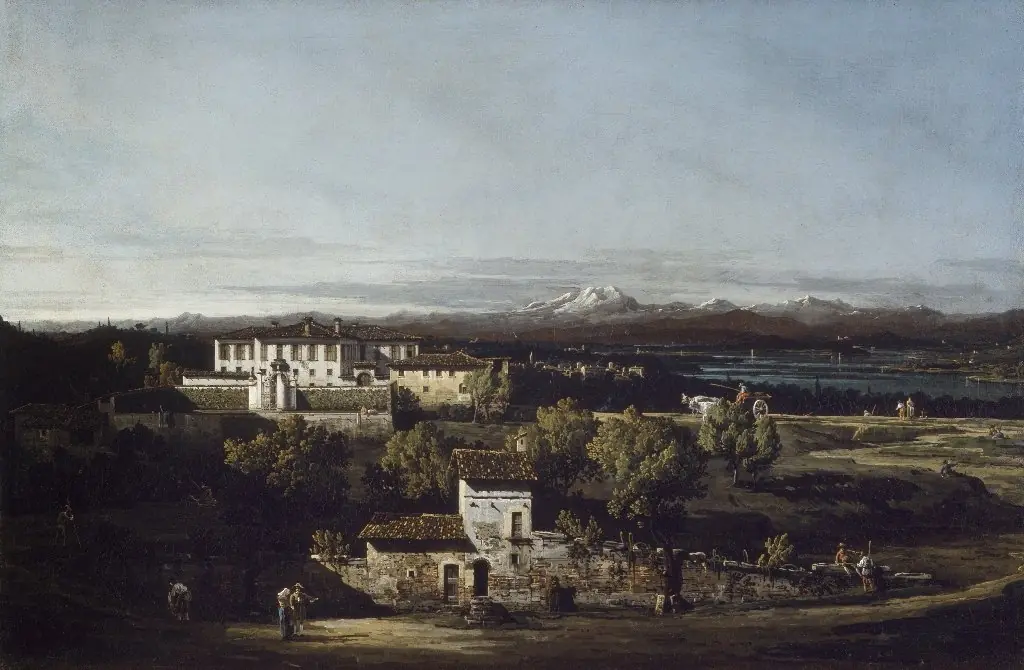 View of Villa Perabò, later Melzi, in Gazzada