Artwork
Voltaire Planting Trees
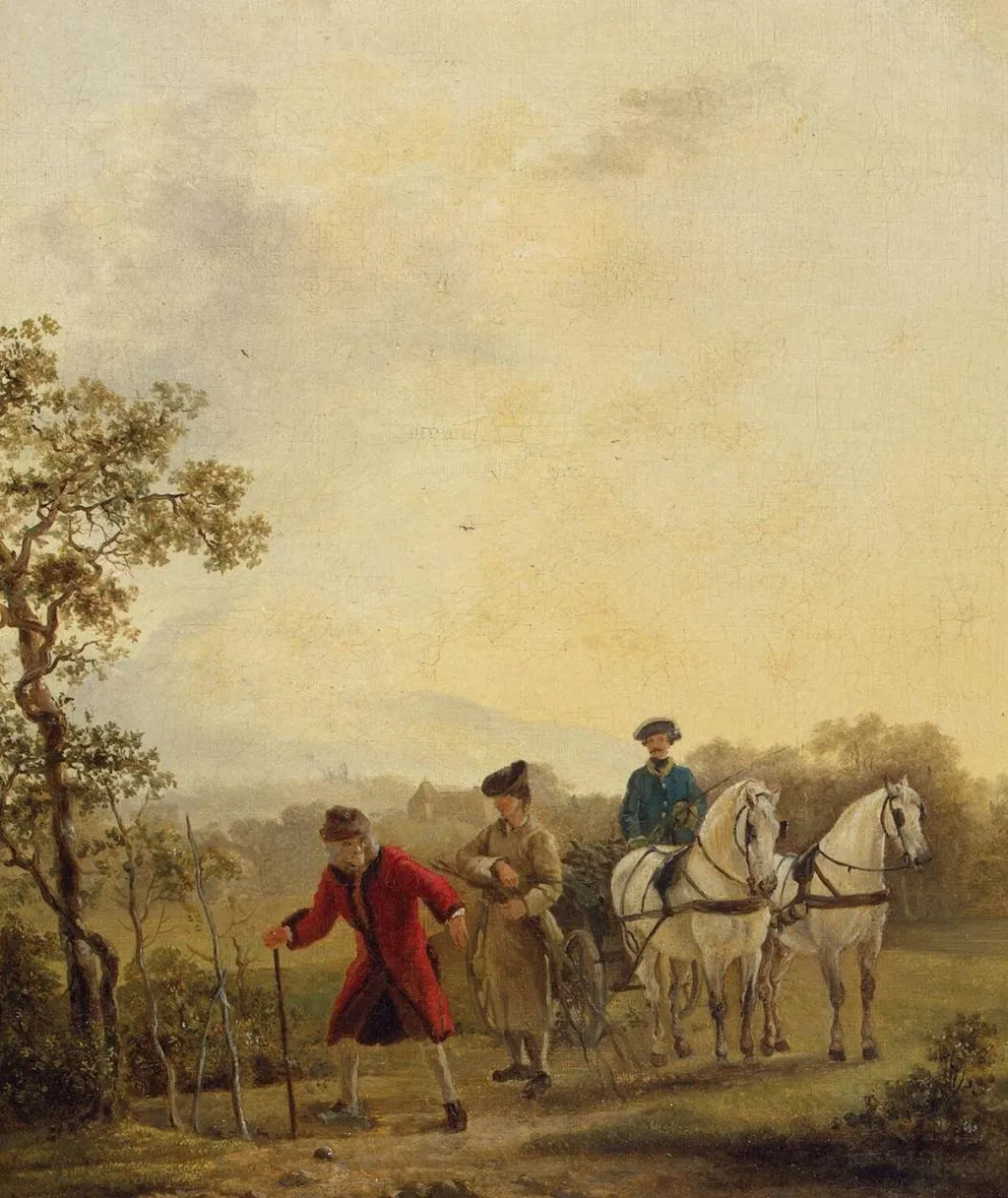
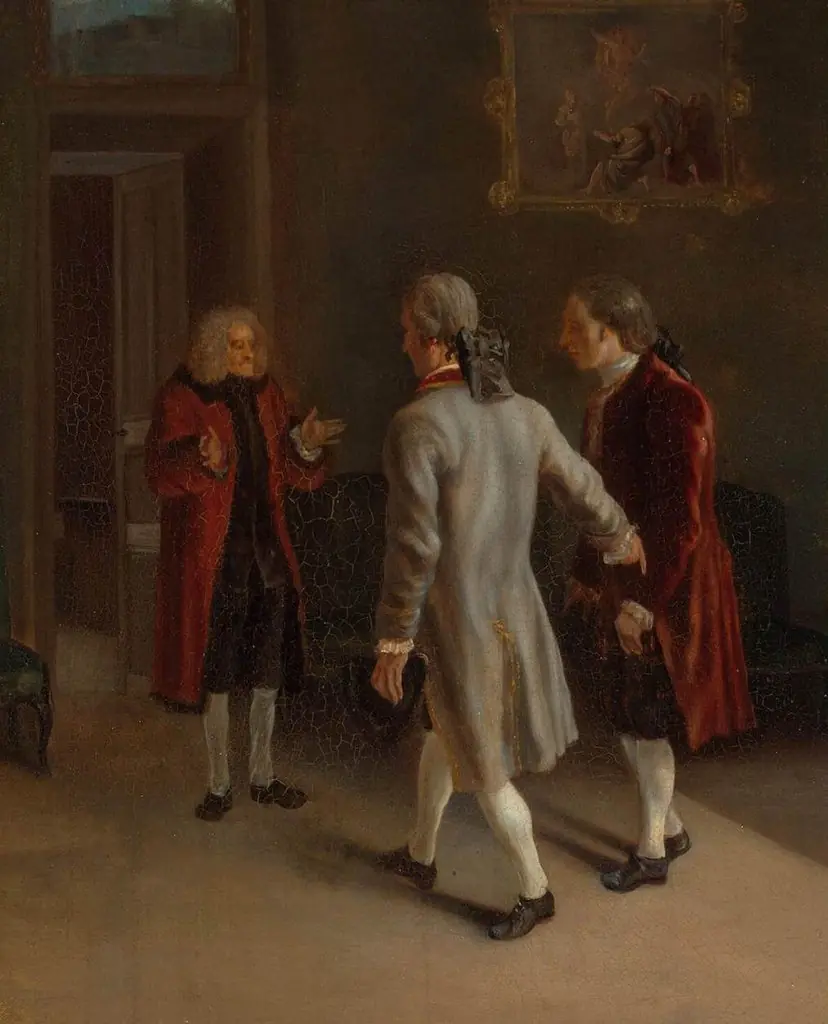
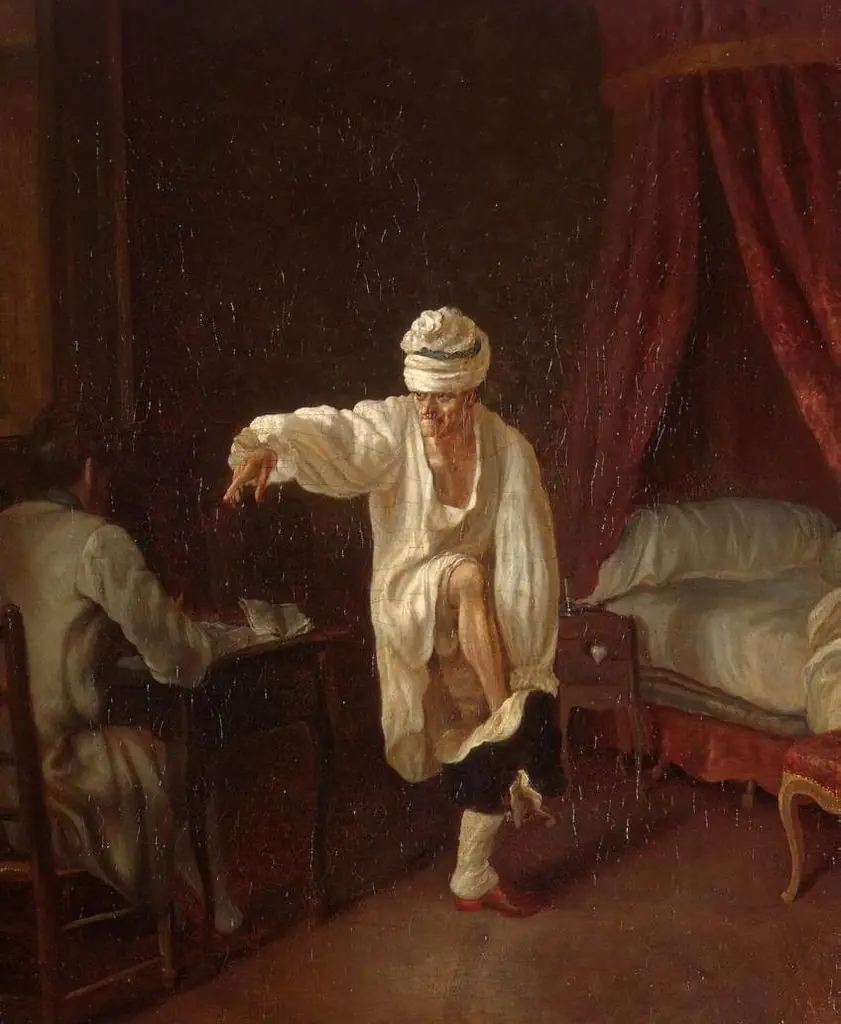
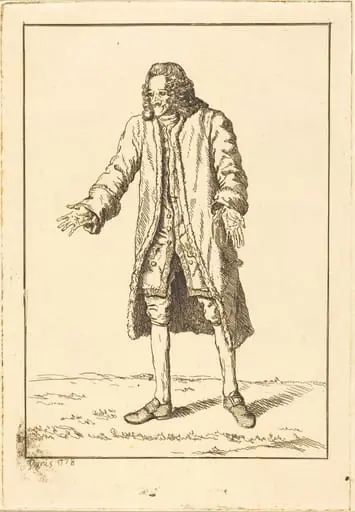
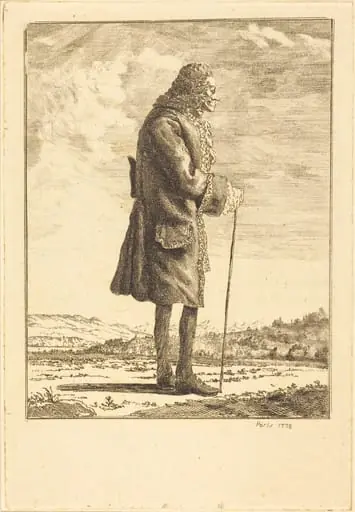
Voltaire Planting Trees is an oil painting by the Rococo painting artist Jean Huber. It dates from 1762 and is held in the collection of the Hermitage Museum.
About this work
Overview
Huber, known for his diverse talents beyond painting, crafted this image during the height of Rococo’s influence in decorative arts.
Painted in 1762 by Swiss artist Jean Huber, this oil-on-canvas work portrays the Enlightenment thinker Voltaire in a rural setting, engaged in the act of planting trees. Huber, known for his diverse talents beyond painting, crafted this image during the height of Rococo’s influence in decorative arts. The scene blends leisurely pastoral imagery with intellectual symbolism, reflecting the cultural tone of mid-18th-century Europe. The painting is now part of the State Hermitage Museum’s collection.
Subject & Meaning
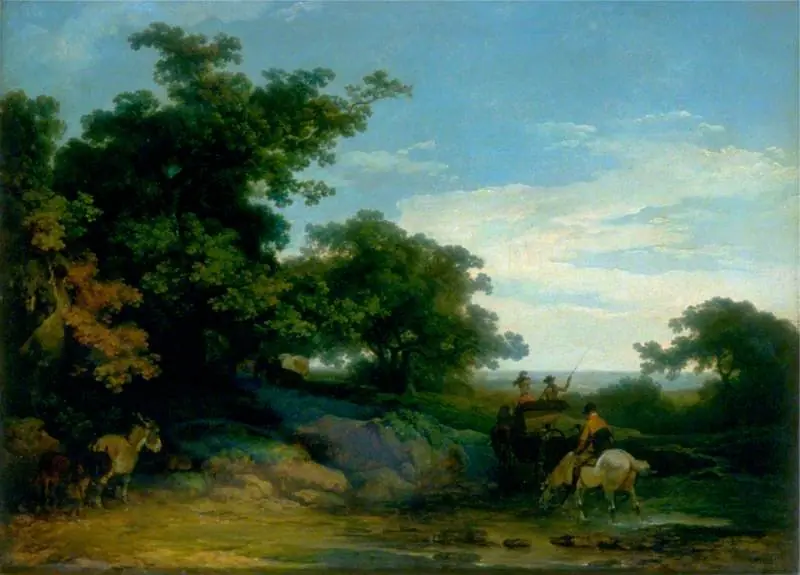
Voltaire is depicted not in scholarly attire but in active, physical labor—planting a sapling with a shovel in one hand and the young tree in the other. This gesture alludes to Enlightenment ideals of progress, reason, and stewardship of nature. The presence of attendants and a horse-drawn cart suggests organized effort, subtly framing philosophy as a practical, generative force. The scene avoids grandeur, instead emphasizing quiet, enduring contribution over dramatic spectacle.
Technique & Style
Huber employed visible, textured brushwork to render the landscape and figures with a tactile quality. The red coat of Voltaire contrasts sharply with the muted greens and browns of the countryside, drawing focus without theatricality. The composition balances informal spontaneity with careful arrangement: the white horse and cart anchor the background, while the figures’ postures suggest quiet collaboration. The style retains Rococo’s lightness but tempers its frivolity with restrained naturalism.
History & Provenance
Created during Voltaire’s later years at Ferney, near the Swiss border, the painting likely originated as a personal or commissioned tribute. Jean Huber, a close observer of intellectual circles, may have known Voltaire personally. The work entered the Hermitage collection in the 18th or early 19th century, possibly through imperial acquisitions of European art. Its survival through political upheavals reflects its quiet significance rather than overt political resonance.
Context
In the 1760s, European elites increasingly associated philosophical thought with moral responsibility toward land and society. Voltaire’s public image as a critic of dogma and advocate for reform made him a symbol of enlightened action. Huber’s depiction aligns with this trend, transforming the philosopher into a figure of quiet civic virtue. The painting avoids overt satire, instead offering a gentle, humanizing portrait amid a culture that often idealized thinkers as distant intellects.
Legacy
Though not widely reproduced, the painting remains a distinctive example of how Enlightenment ideals were visually translated into domestic, pastoral scenes. Huber’s approach—blending portraiture, landscape, and allegory without grandiosity—offers a counterpoint to more monumental depictions of philosophers. It endures as a quiet testament to the era’s belief in incremental, tangible change through everyday acts.
Artist & collection
Artist
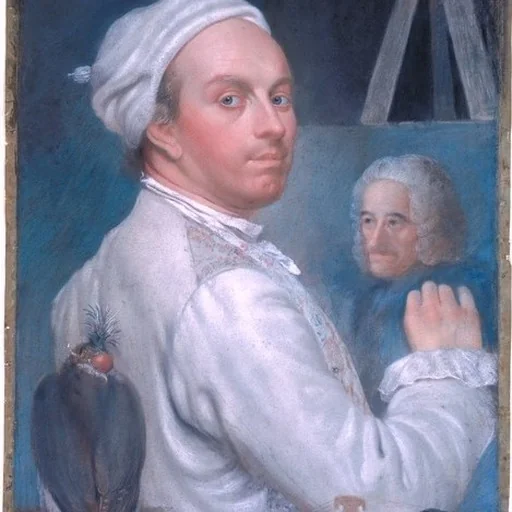
Jean Huber (13 February 1721 – 21 August 1786) was a Genevan painter, silhouettiste, soldier, politician and author, who was a citizen of the Republic of Geneva.