Artwork
Achilles Discovered Among the Daughters of Lycomedes
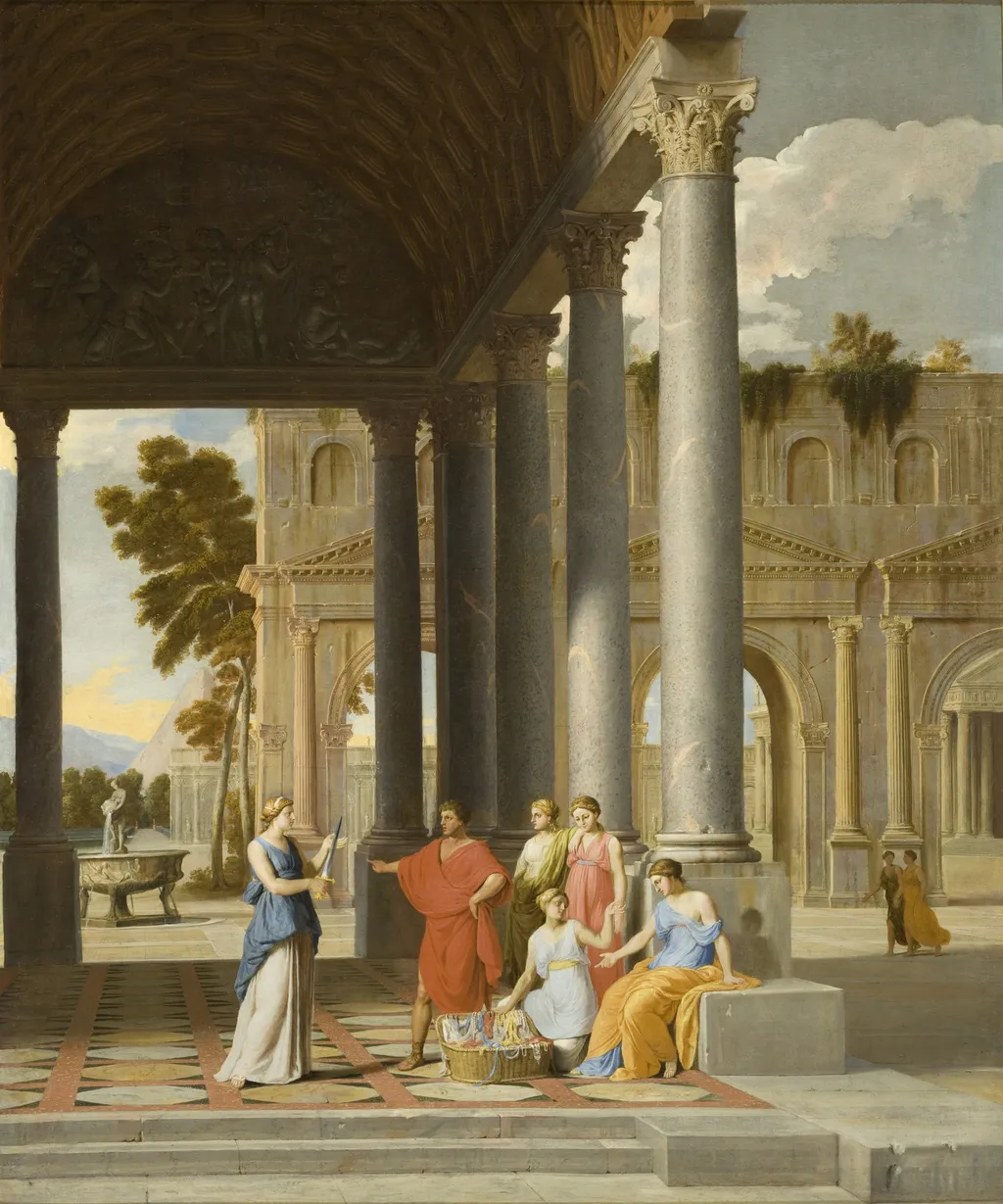
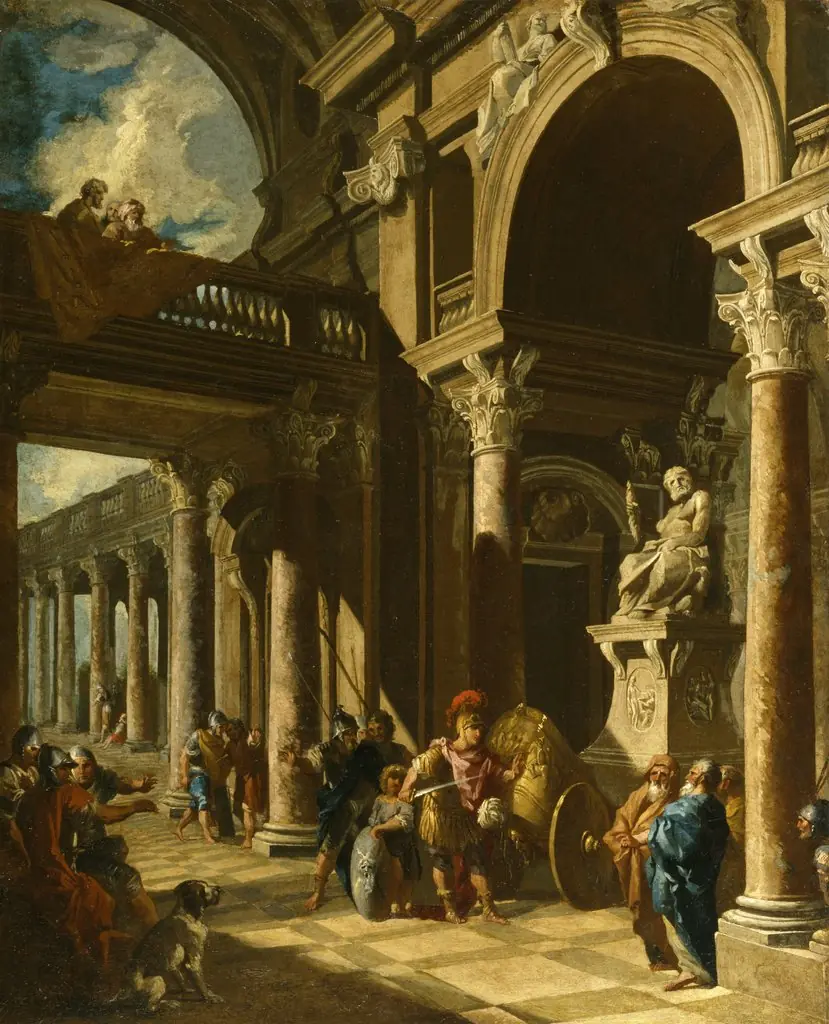
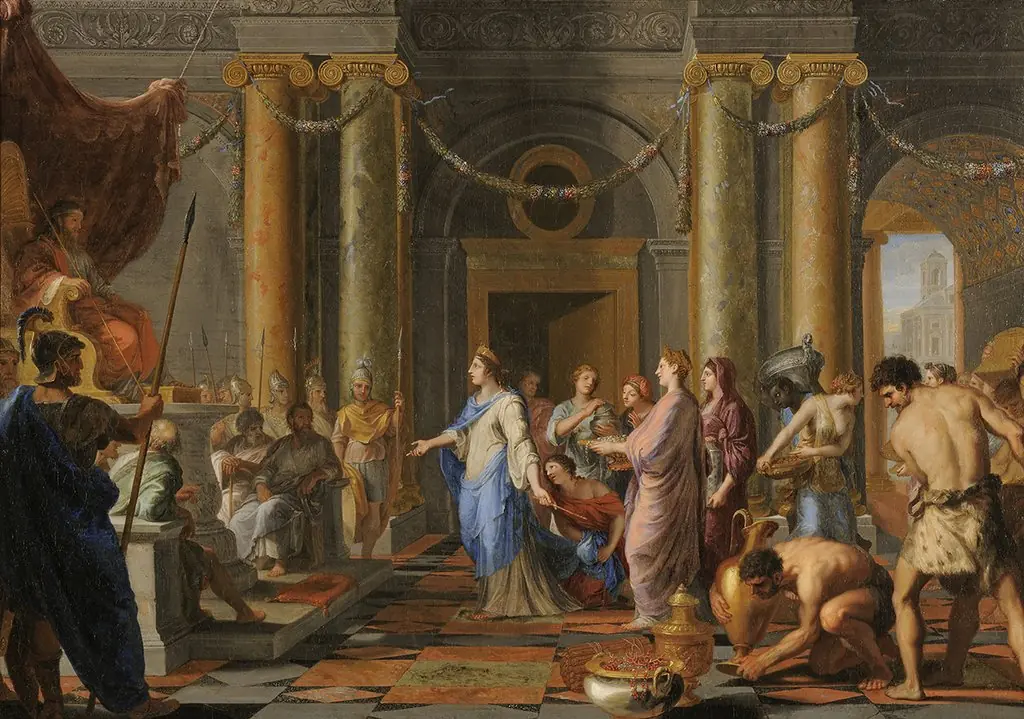
Achilles Discovered Among the Daughters of Lycomedes is an oil painting by the French Classical Baroque artist Jean Lemaire. It dates from 1642 and is held in the collection of the Los Angeles County Museum of Art.
About this work
Overview
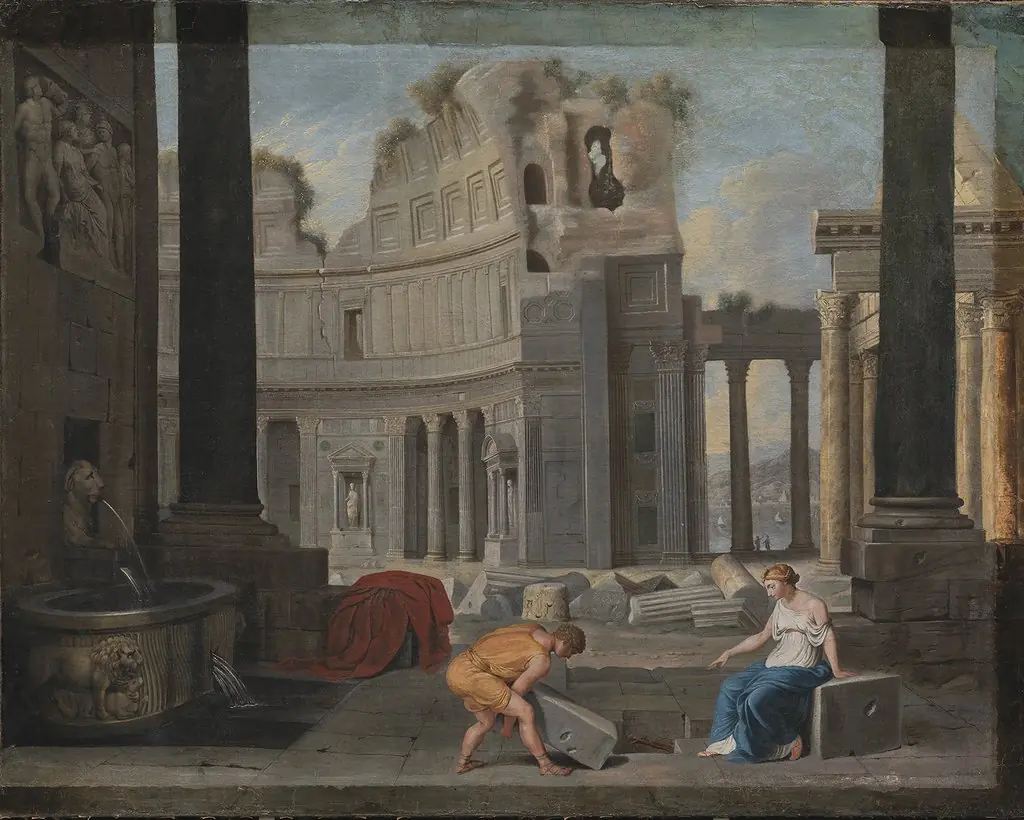
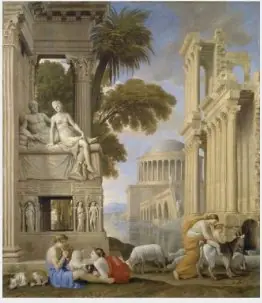
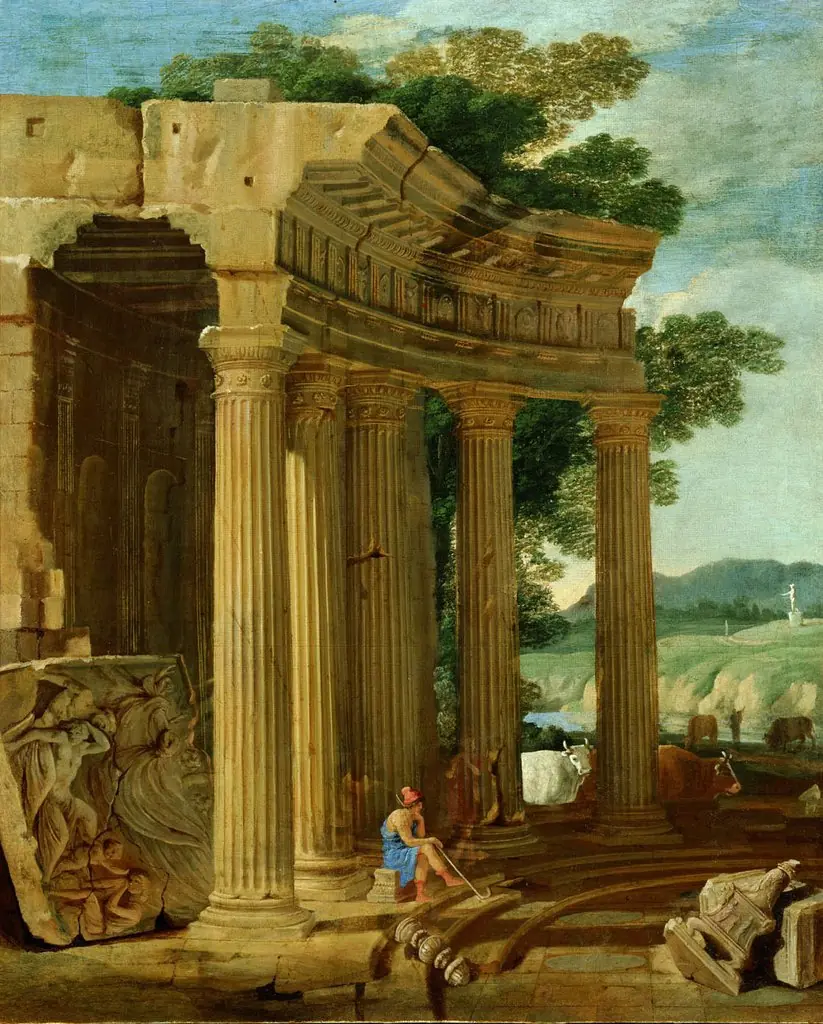
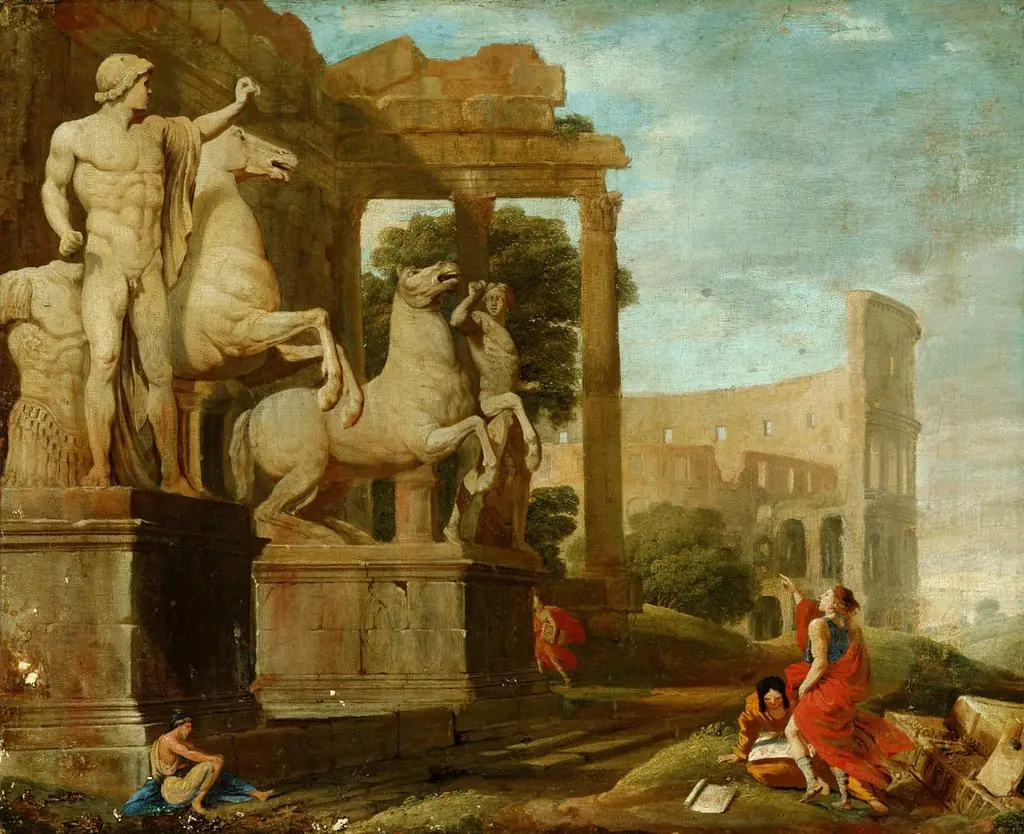
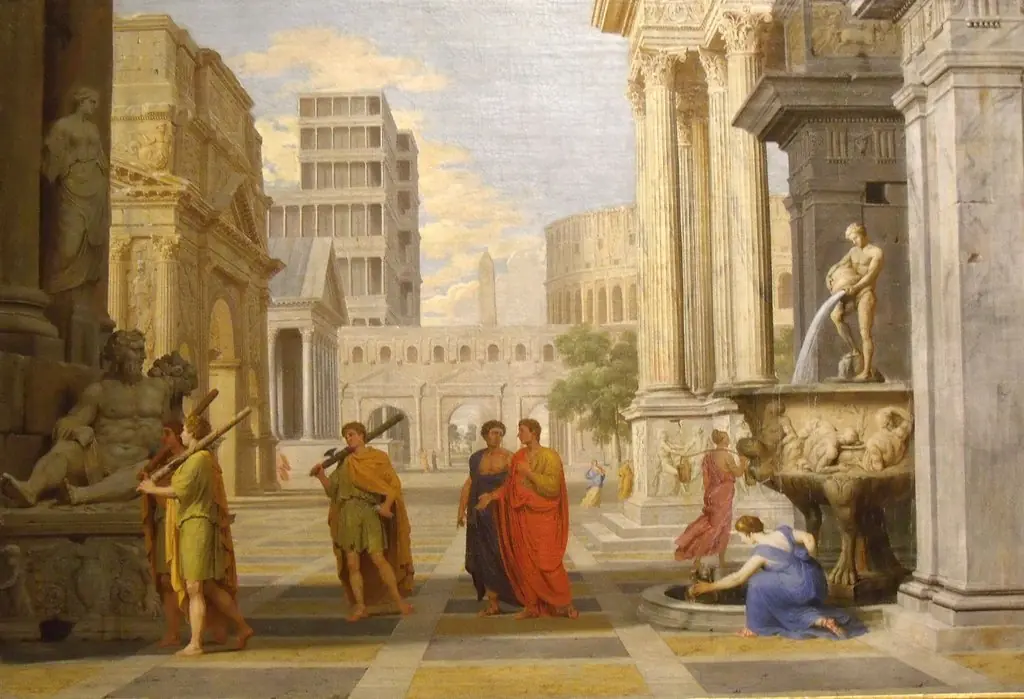
Painted in 1642 by the French artist Jean Lemaire, this oil-on-canvas work illustrates a moment from Greek myth in which the hero Achilles is revealed while disguised among the daughters of King Lycomedes. Lemaire, known for his classical themes and architectural settings, rendered the scene with careful attention to spatial depth and formal composition, aligning with the ideals of French Classical Baroque painting of the period.
Subject & Meaning
The scene depicts the moment Achilles, hidden among Lycomedes’ daughters to avoid the Trojan War, is uncovered by Odysseus.
The scene depicts the moment Achilles, hidden among Lycomedes’ daughters to avoid the Trojan War, is uncovered by Odysseus. The woman holding the sword—symbolizing his true identity—faces the figure in red, likely Odysseus, who has exposed him. The surrounding women, engaged in quiet activity, contrast with the tension of revelation, emphasizing the disruption of disguise and the inescapability of fate.
Technique & Style
Lemaire employed a restrained palette and controlled lighting to enhance the narrative clarity. Figures are arranged with geometric precision around a monumental stone structure, reflecting classical ideals of order. The drapery of garments and the rendering of architectural elements show influence from Poussin, with an emphasis on clarity, balance, and restrained emotion over theatricality.
History & Provenance
Created during Lemaire’s active period in Paris, the painting was likely commissioned by a patron interested in classical antiquity. It entered the collection of the Los Angeles County Museum of Art in the 20th century, where it remains as one of the few surviving works by the artist. Its provenance before the 1900s is not well documented, though its style suggests it was part of a broader French interest in mythological narrative painting.
Context
In mid-17th century France, mythological subjects were favored in academic art as vehicles for moral and intellectual reflection. Lemaire’s work reflects the influence of Poussin and the growing institutional emphasis on classical learning. The painting’s setting, with its idealized architecture and serene landscape, aligns with contemporary efforts to revive the grandeur of ancient Greece through visual form.
Legacy
Though Lemaire is less widely known than his contemporaries, this painting contributes to the understanding of French classical painting’s development. It exemplifies how mythological narratives were adapted to suit the era’s aesthetic values—emphasizing harmony, restraint, and intellectual resonance over emotional drama. Its presence in a major American museum ensures continued scholarly engagement with lesser-known Baroque artists.
Own this work as a print
Artist & collection
Artist
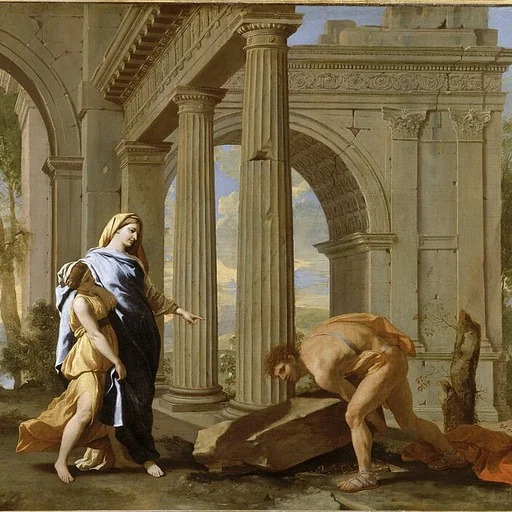
Jean Lemaire (1598–1659) was a French painter. He is also known as Lemaire-Poussin, due to his frequent close collaborations with Nicolas Poussin. He specialised in landscapes and classical architectural scenes,…