Artwork
Theseus finding his Father's Sword and Sandals
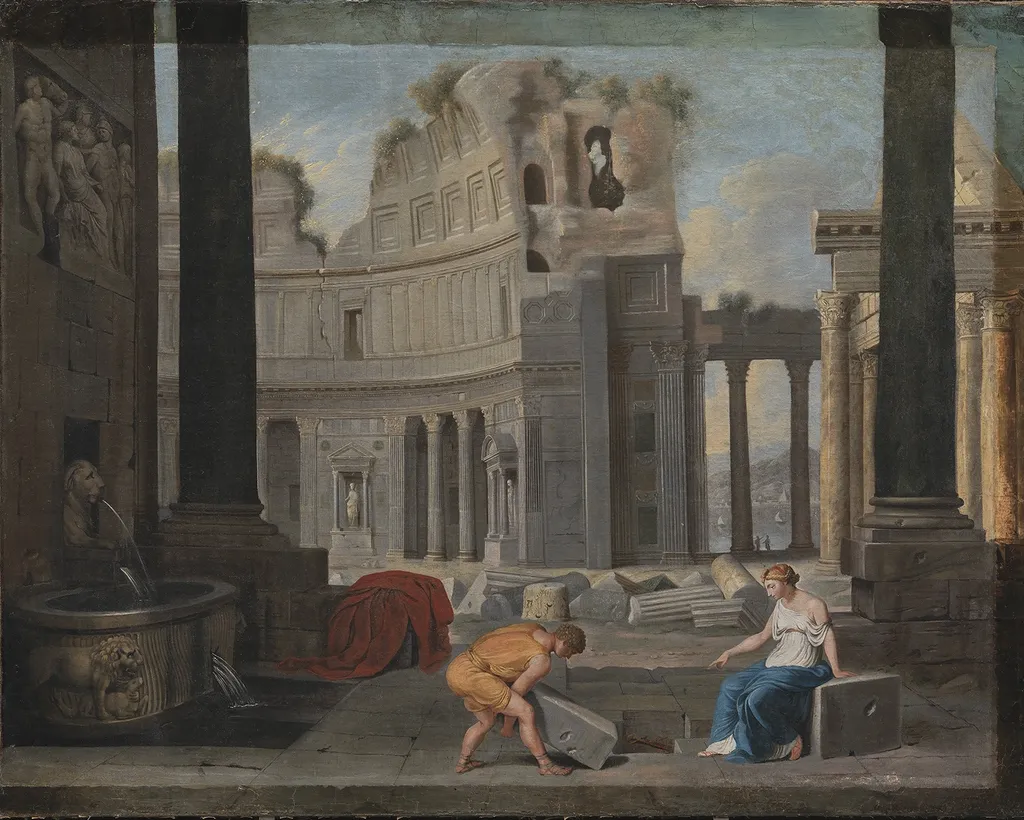
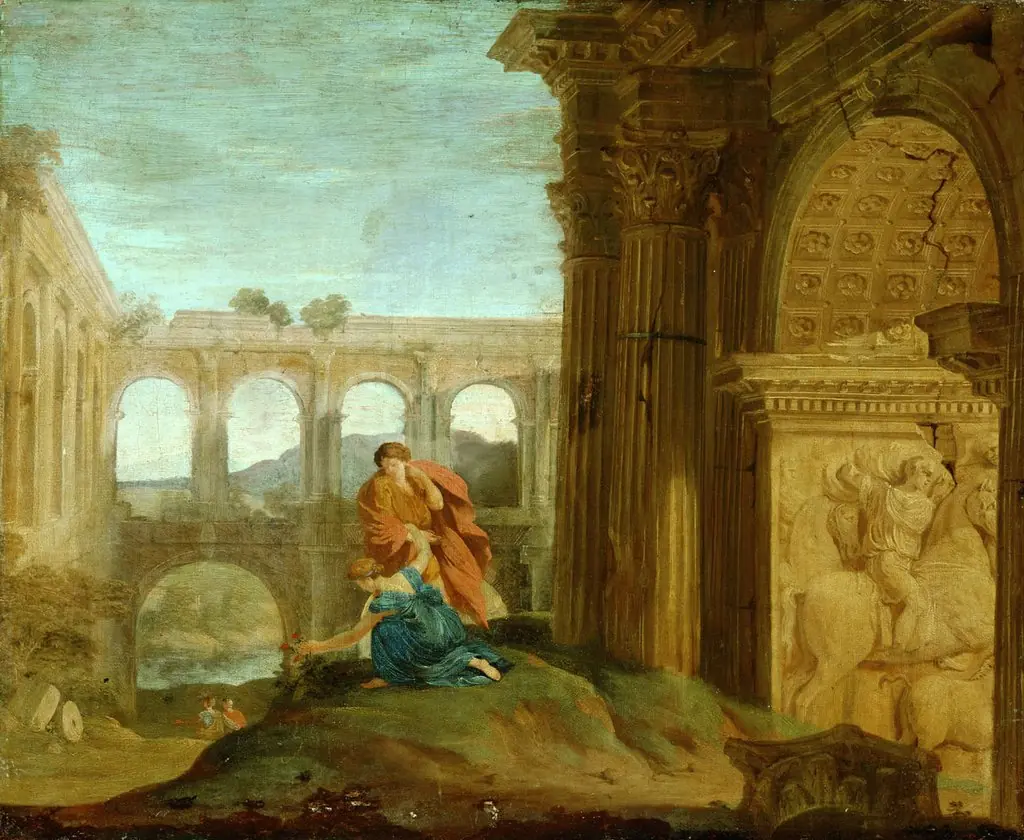
Theseus finding his Father's Sword and Sandals is an oil painting by the Early Baroque Italian artist Jean Lemaire. It dates from 1635 and is held in the collection of the Statens Museum for Kunst.
About this work
Overview
Jean Lemaire’s 1635 oil painting, *Theseus Finding His Father’s Sword and Sandals*, presents a mythic episode set amid the ruins of a once‑grand structure. Three figures—two men and a woman—are arranged before a crumbling colonnade, with a broken stone slab being lifted and smoke curling from the distant remains. The work is part of the Statens Museum for Kunst’s permanent collection.
Subject & Meaning
The ruined architecture underscores the passage of time and the uncovering of hidden heritage, echoing the hero’s emergence from obscurity.
The composition visualizes the moment Theseus, the Athenian hero, discovers the weapons left by his father Aegeus, a rite of passage that confirms his royal lineage. The woman in blue, likely Aethra, points toward the hidden objects, guiding the kneeling Theseus and his companion. The ruined architecture underscores the passage of time and the uncovering of hidden heritage, echoing the hero’s emergence from obscurity.
Technique & Style
Executed in oil on canvas, Lemaure employs a restrained palette of earth tones highlighted by the vivid red cloak and blue dress, creating focal contrast. The handling of light emphasizes the dust‑laden atmosphere, while the partially collapsed columns reveal a Baroque interest in dramatic spatial depth. The painter’s precise rendering of stone and fabric reflects his training alongside Nicolas Poussin and his affinity for classical landscape conventions.
History & Provenance
Created during Lemaure’s early Baroque period, the painting reflects his collaboration with the French classicist Nicolas Poussin. After remaining in private hands for several centuries, it entered the Statens Museum for Kunst in Copenhagen, where it has been displayed as part of the museum’s European 17th‑century holdings.
Context
The work belongs to a broader 17th‑century fascination with antiquity, where artists combined archaeological motifs with mythological narratives. Lemaure’s choice of a ruinous setting mirrors contemporary interests in the decay of ancient civilizations, while the heroic theme aligns with the period’s moralizing use of classical stories to illustrate virtue and destiny.
Artist & collection
Artist
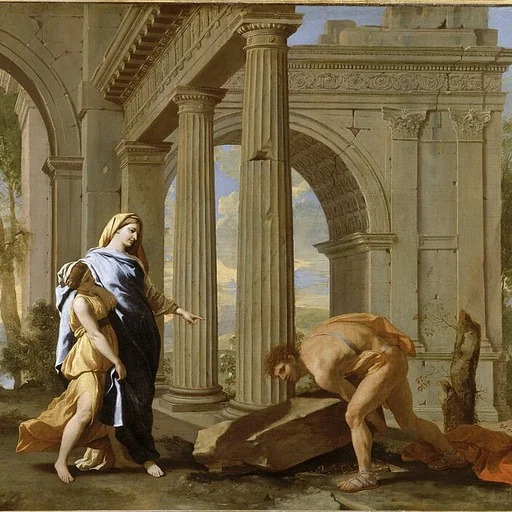
Jean Lemaire (1598–1659) was a French painter. He is also known as Lemaire-Poussin, due to his frequent close collaborations with Nicolas Poussin. He specialised in landscapes and classical architectural scenes,…

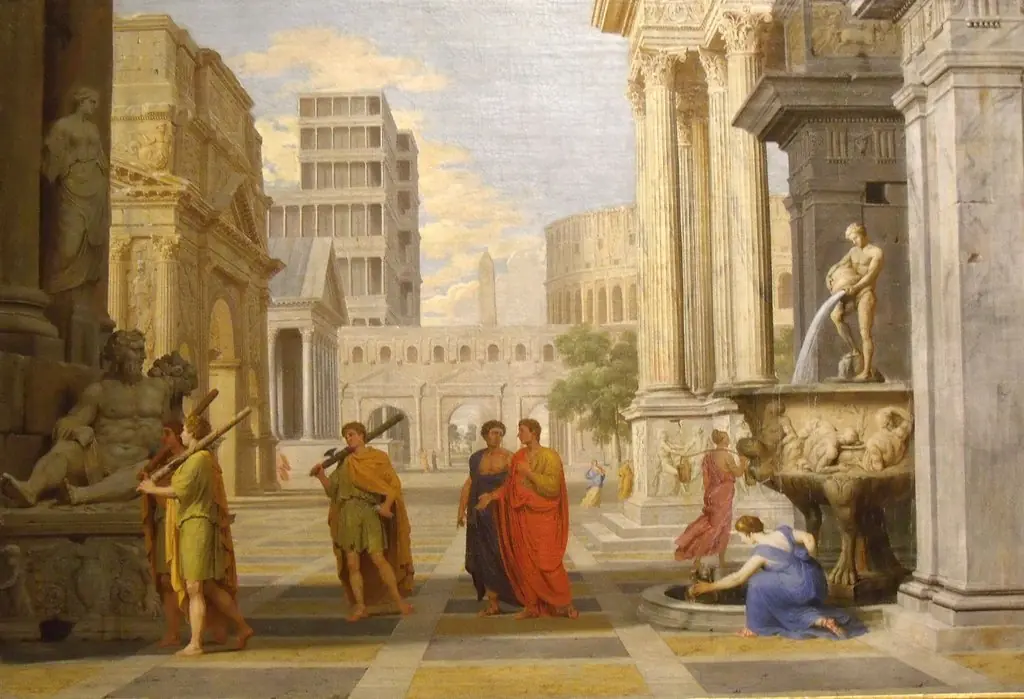
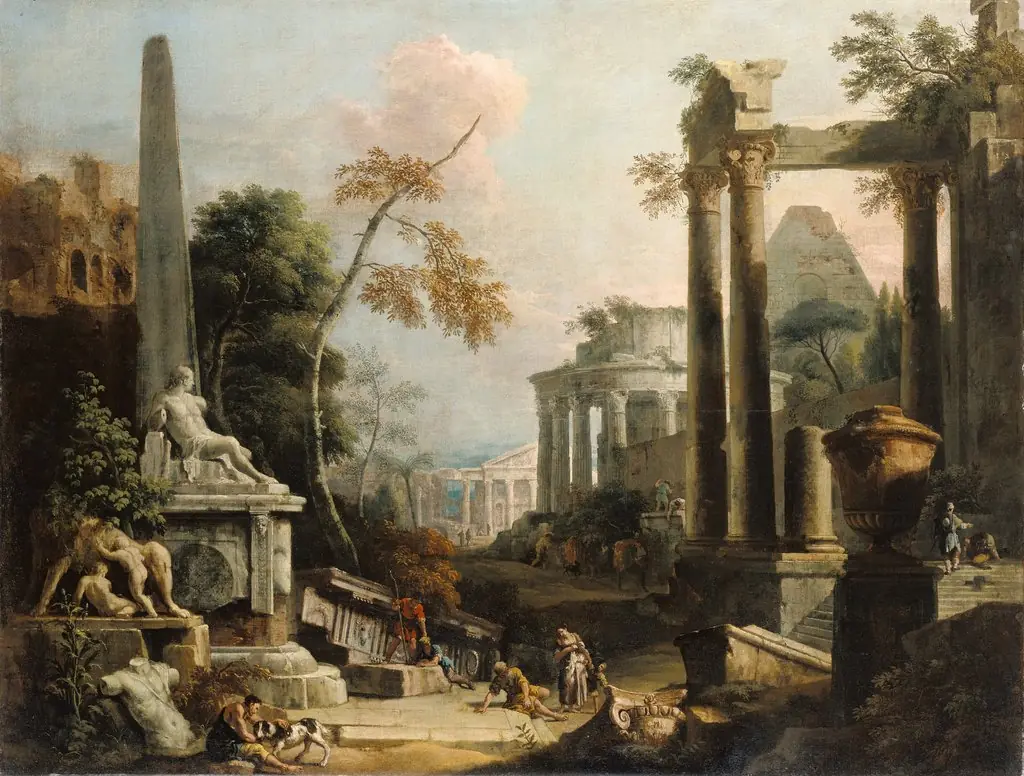 Landscape with Classical Ruins and Figures
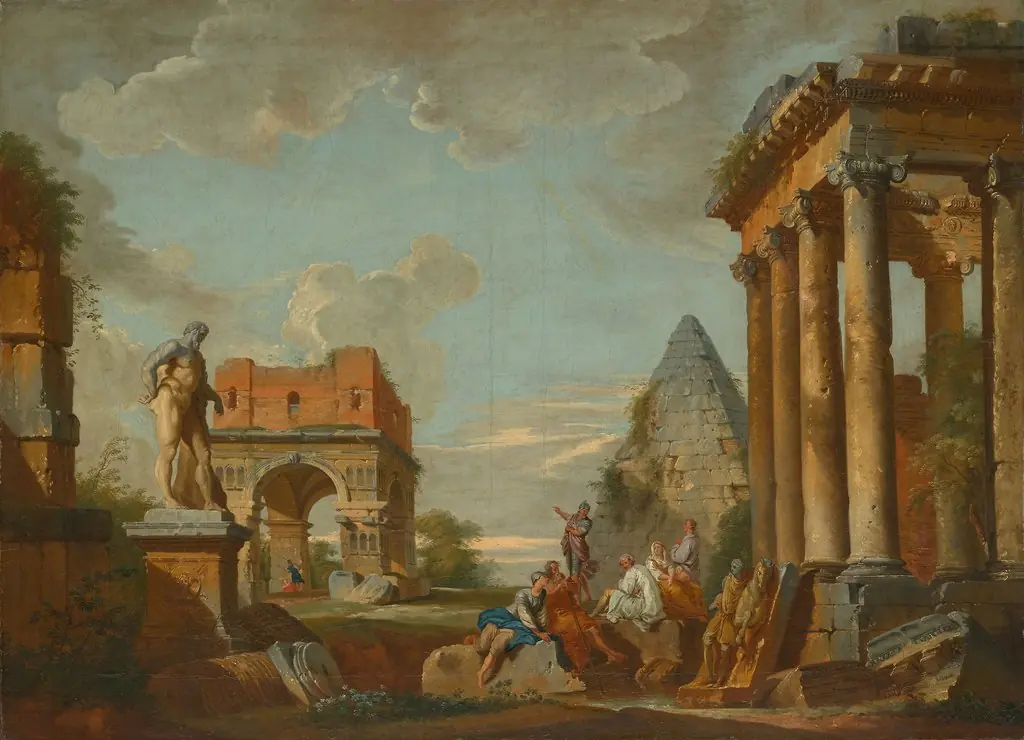 Classical Landscape
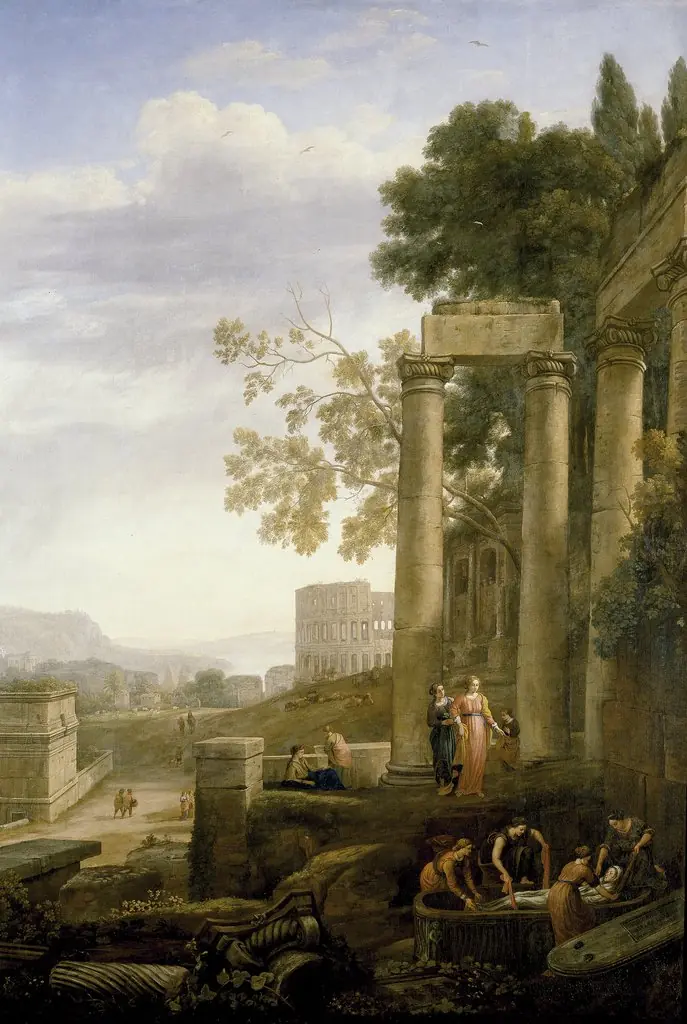 Landscape with the Burial of Saint Serapia
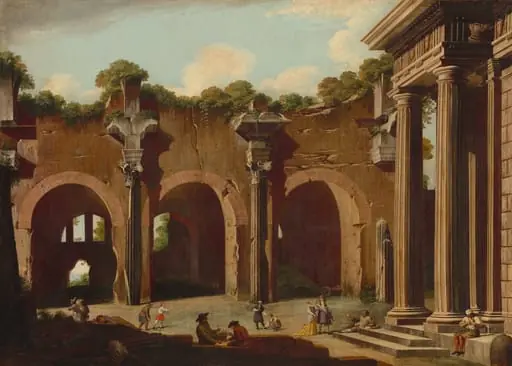 The Basilica of Constantine with a Doric Colonnade
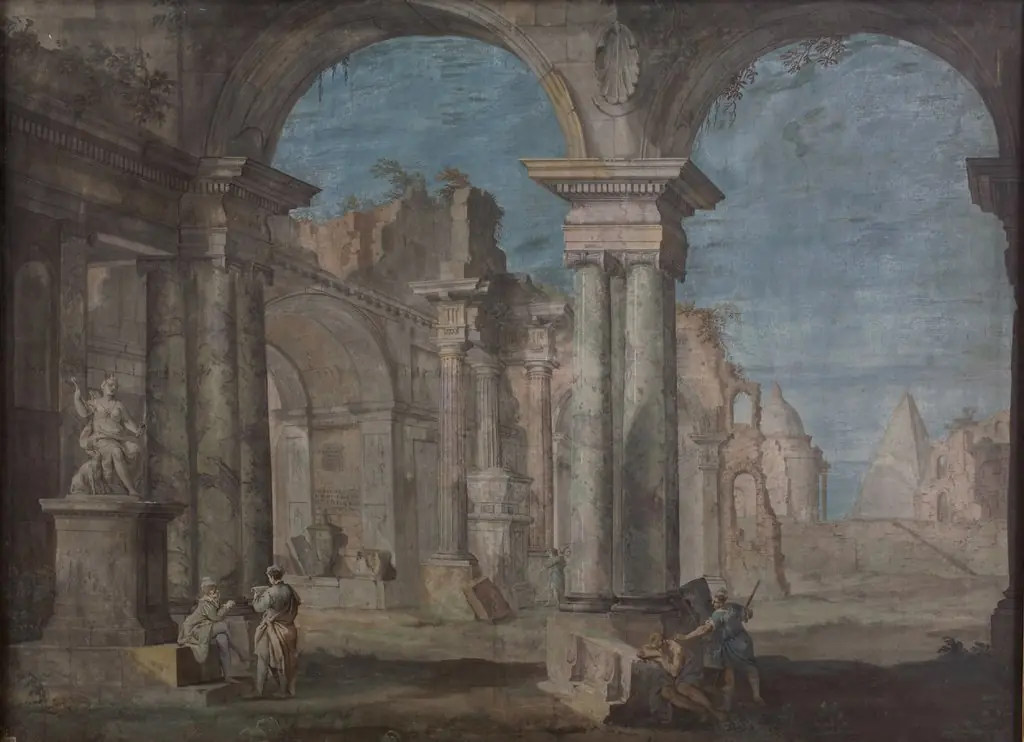 Architekturstück
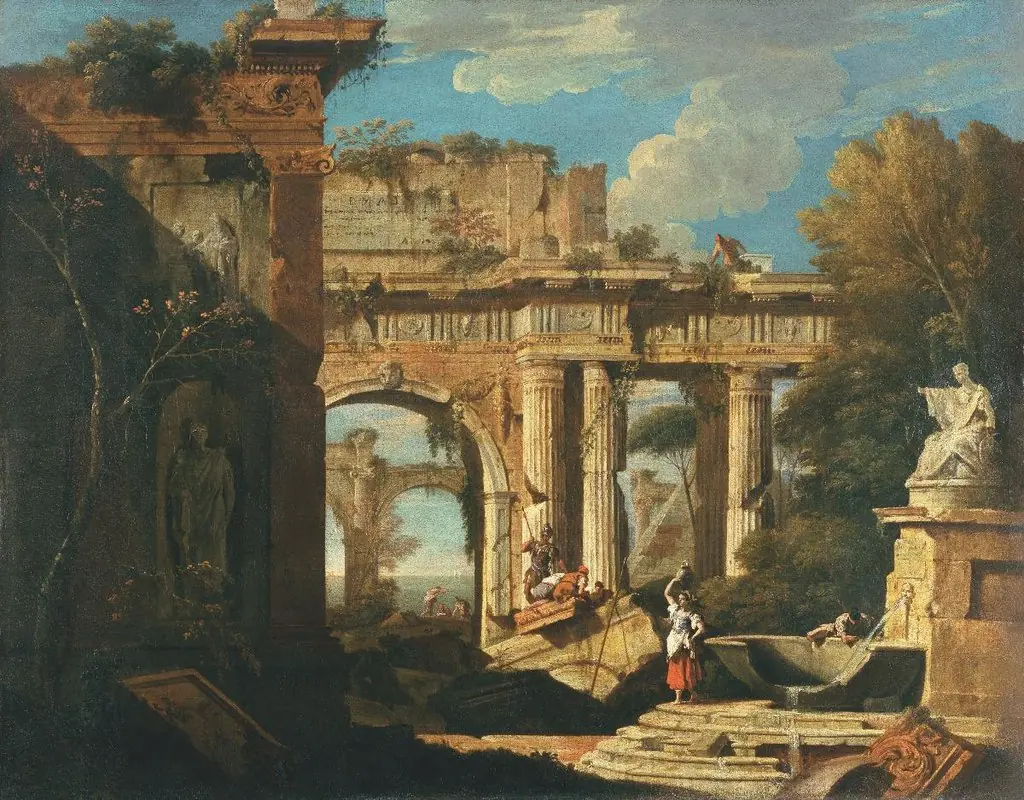 Capriccio con rovine romane
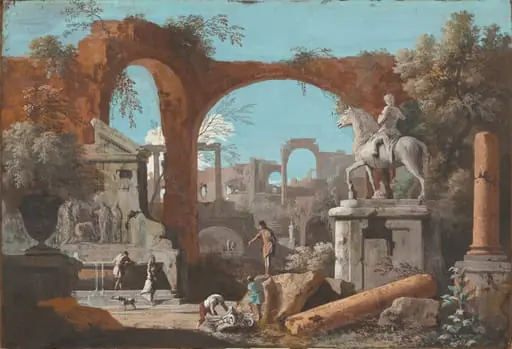 A Capriccio of Roman Ruins
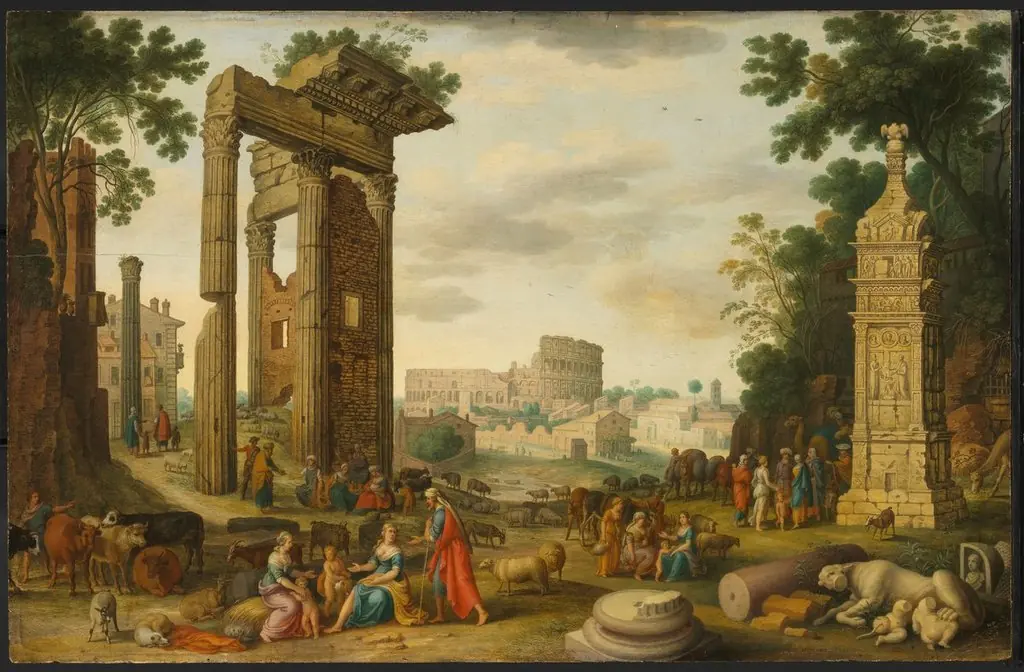 Roman Ruins and the Monument of Igel
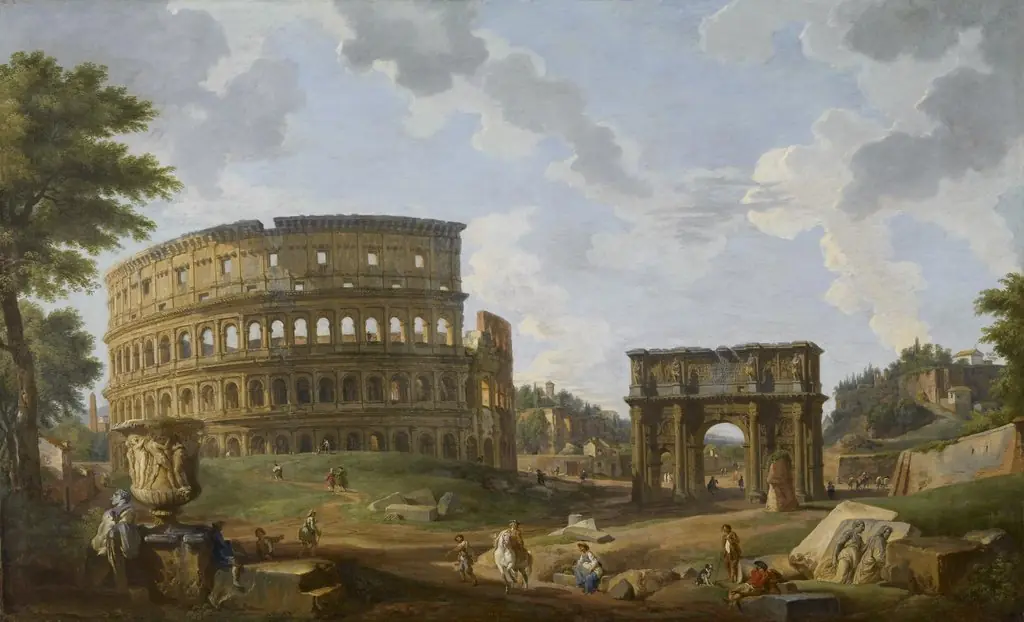 View of the Colosseum
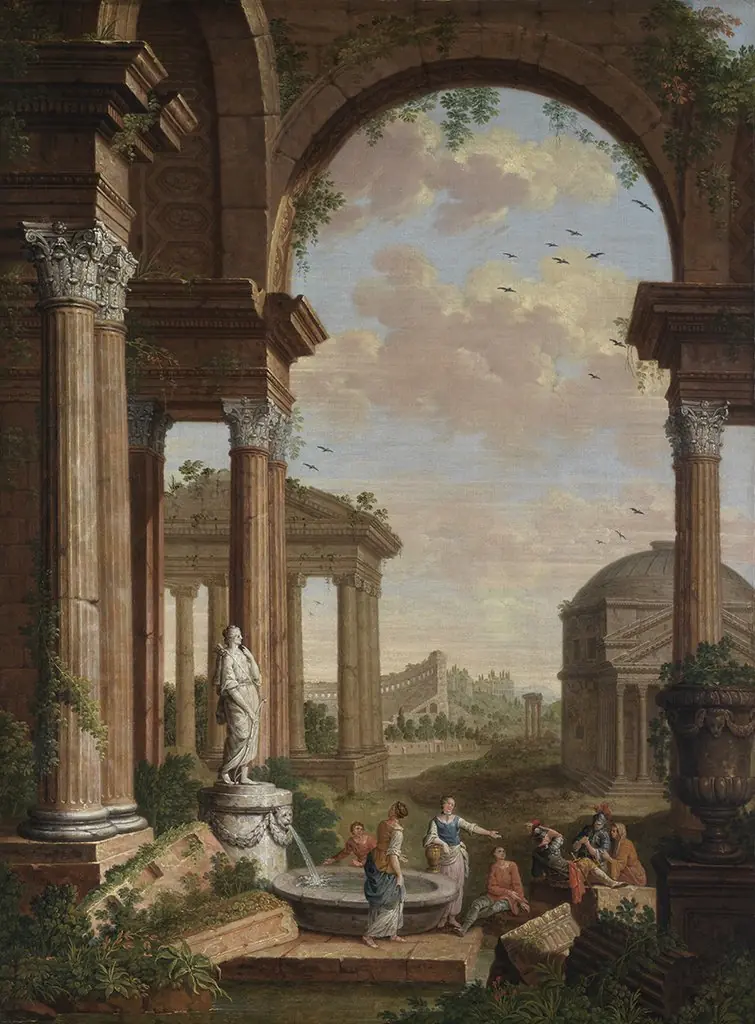 Landscape with Roman Ruins