Artwork
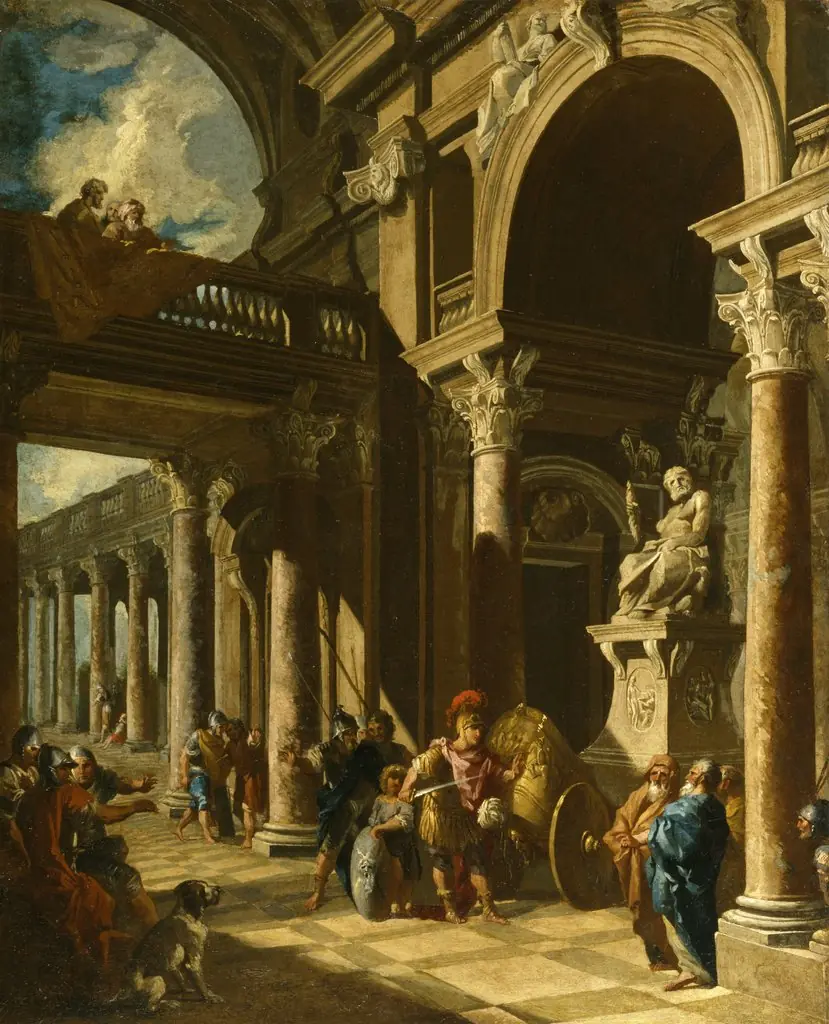
Alexander the Great at the Tomb of Achilles
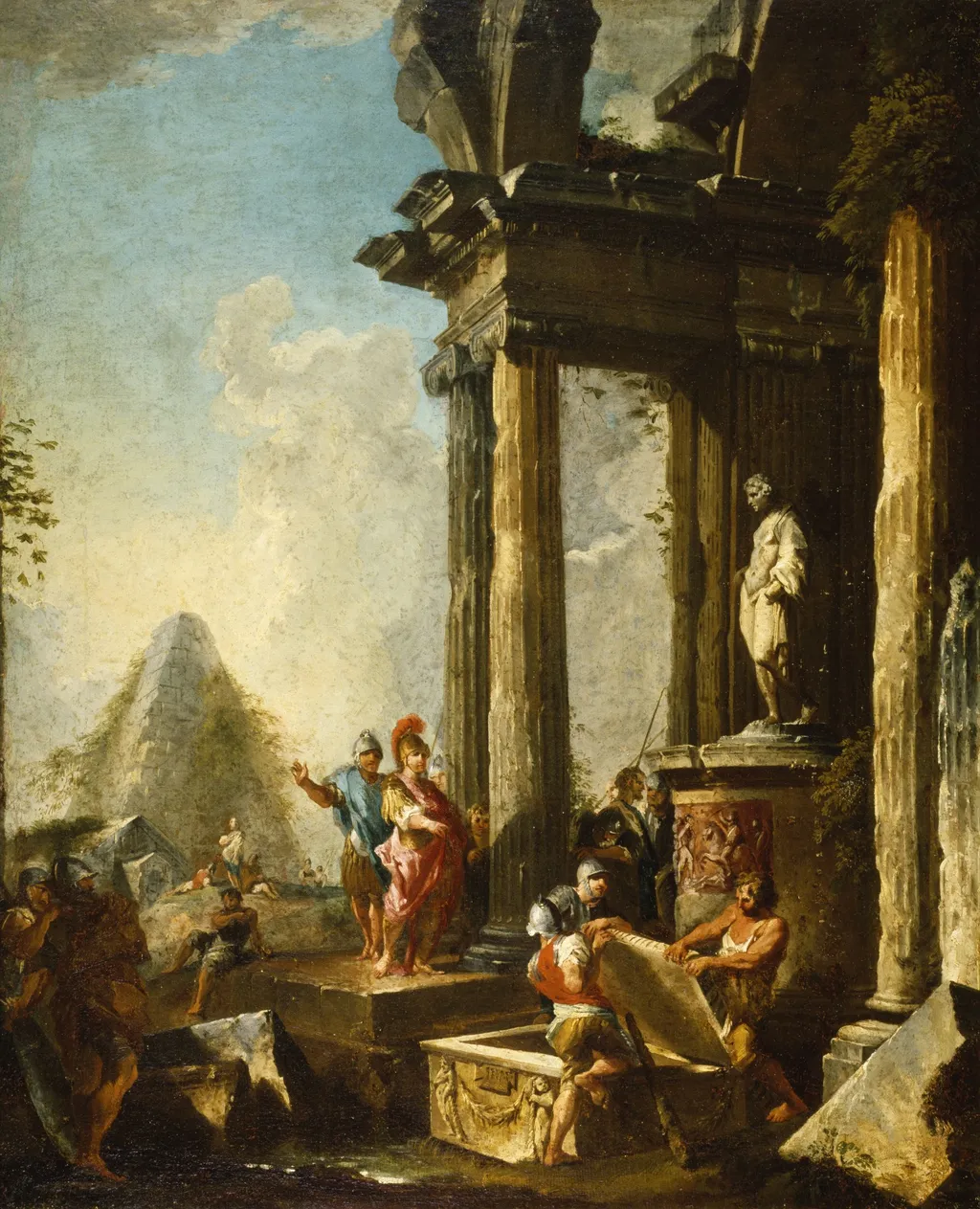
Alexander the Great at the Tomb of Achilles is an oil painting by the Rococo painting artist Giovanni Paolo Panini. It dates from 1718 and is held in the collection of the Walters Art Museum.
About this work
Overview
Painted in 1718 by Giovanni Paolo Panini, this oil on canvas work depicts a historical moment from antiquity within a landscape of classical ruins.
Painted in 1718 by Giovanni Paolo Panini, this oil on canvas work depicts a historical moment from antiquity within a landscape of classical ruins. Though Panini is best known for his architectural vedute, this piece diverges into narrative history painting, blending his fascination with ancient structures with a legendary episode from Greek tradition. The composition centers on Alexander the Great, framed by weathered monuments, reflecting the artist’s skill in merging topographical accuracy with symbolic storytelling.
Subject & Meaning
The scene illustrates Alexander the Great’s visit to the tomb of Achilles in Troy, a moment recorded in ancient sources as an act of reverence. By paying homage to the fallen hero, Alexander aligns himself with the ideals of glory and heroism embodied by Achilles. The gesture toward his companions suggests reflection or instruction, framing the moment as one of moral contemplation rather than mere conquest. The ruins surrounding them underscore the passage of time and the weight of legacy.
Technique & Style
Panini employs chiaroscuro to model forms with subtle gradations of light and shadow, enhancing the monumentality of the ruins and figures. The palette is restrained, dominated by earth tones—ochres, grays, and muted browns—that evoke aged stone and weathered marble. Details in clothing and architecture are rendered with precision, reflecting his architectural training. The composition directs the viewer’s eye toward Alexander through spatial depth and careful placement of figures within the ruinous landscape.
History & Provenance
Created during Panini’s mature period in Rome, the painting reflects the 18th-century European fascination with classical antiquity. It entered the Walters Art Museum’s collection in the early 20th century, having passed through private European hands after its completion. Its survival and preservation offer insight into how Baroque and early Rococo artists reinterpreted historical narratives through the lens of contemporary architectural study and scholarly interest in the ancient world.
Context
In early 18th-century Rome, artists like Panini responded to a growing intellectual appetite for antiquity fueled by archaeological discoveries and Grand Tour travel. While many painted idealized cityscapes, Panini occasionally turned to mythic history to explore themes of legacy and power. This work aligns with broader trends in European art that linked contemporary elite identity with the virtues of ancient heroes, using architecture as both setting and metaphor.
Legacy
Though not among Panini’s most widely reproduced works, this painting exemplifies his unique ability to fuse topographical detail with historical narrative. It stands as a quiet testament to the enduring cultural currency of Alexander’s legend in Enlightenment-era Europe. Its presence in a major American museum ensures continued scholarly attention to how Baroque artists negotiated history, memory, and the physical remains of antiquity.
Own this work as a print
Artist & collection
Artist
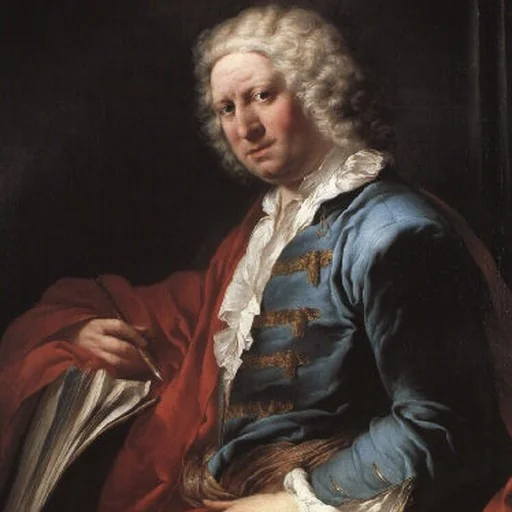
Giovanni Paolo, also known as Gian Paolo Panini or Pannini (17 June 1691 – 21 October 1765), was an Italian Baroque painter and architect who worked in Rome and is primarily known as one of the vedutisti ("view painters").

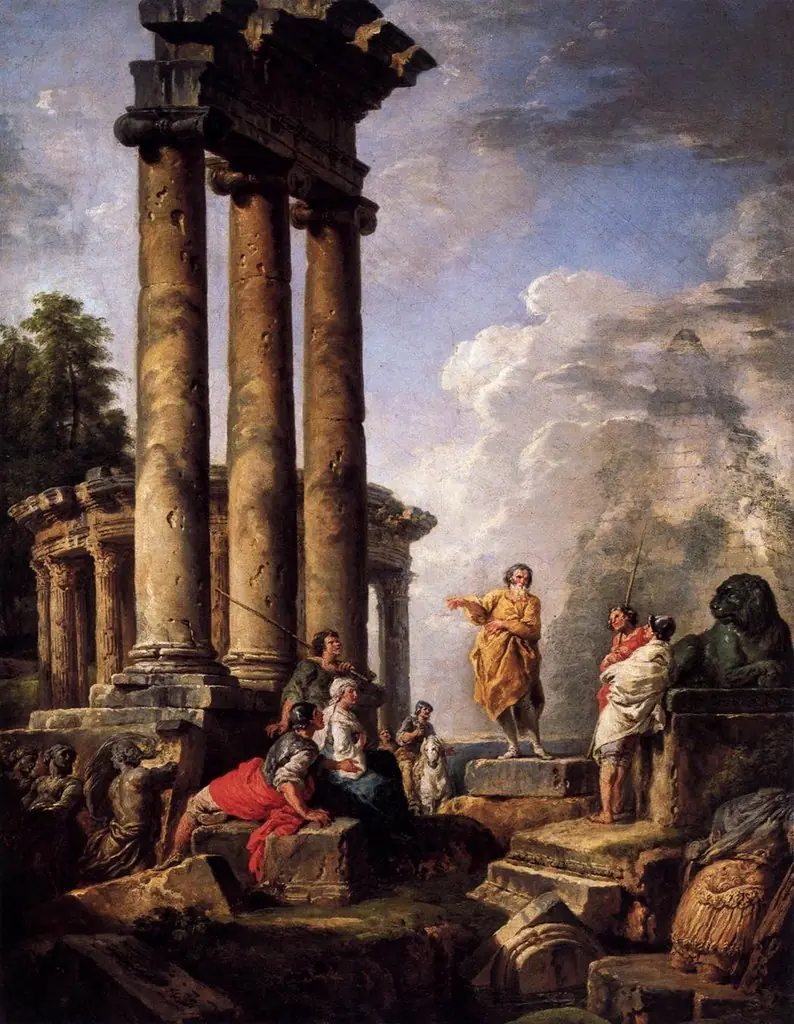
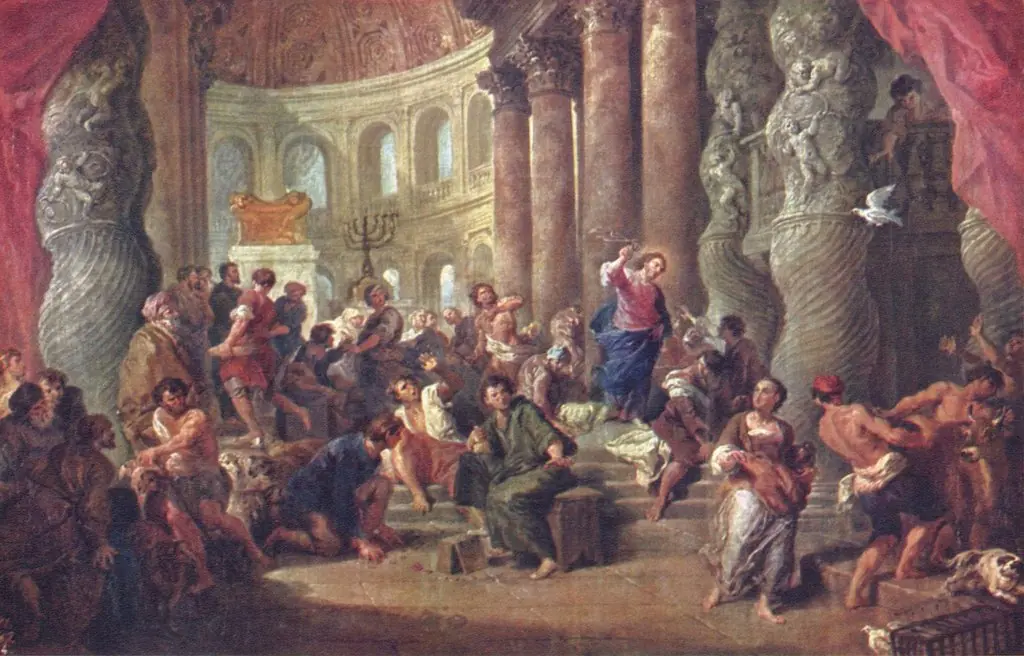
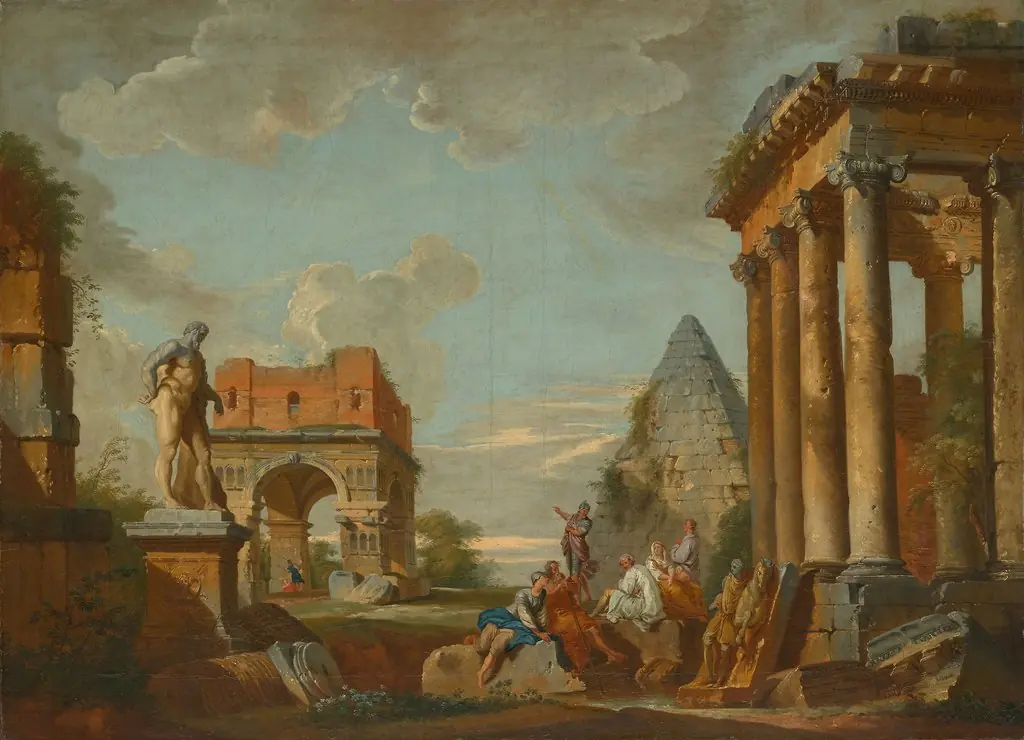 Classical Landscape
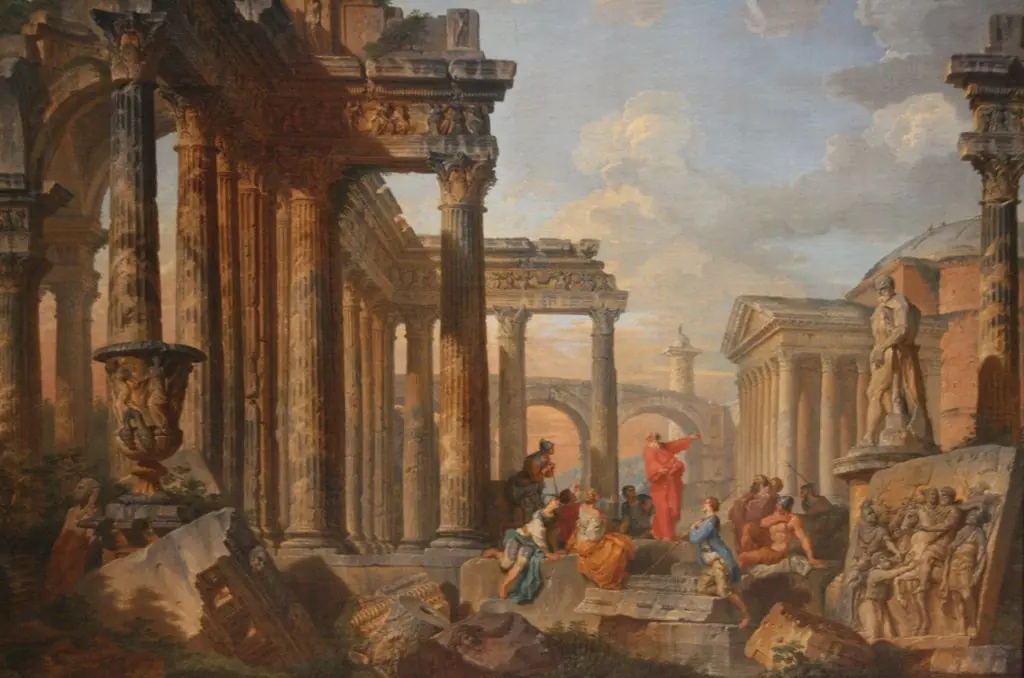 Roman Ruins with a Preacher
 Halt of the Brigands
 St Sibyl's Sermon in Roman Ruins with the Statue of Apollo
 Roman ruins
 Memorial to Admiral Sir Clowdisley Shovell
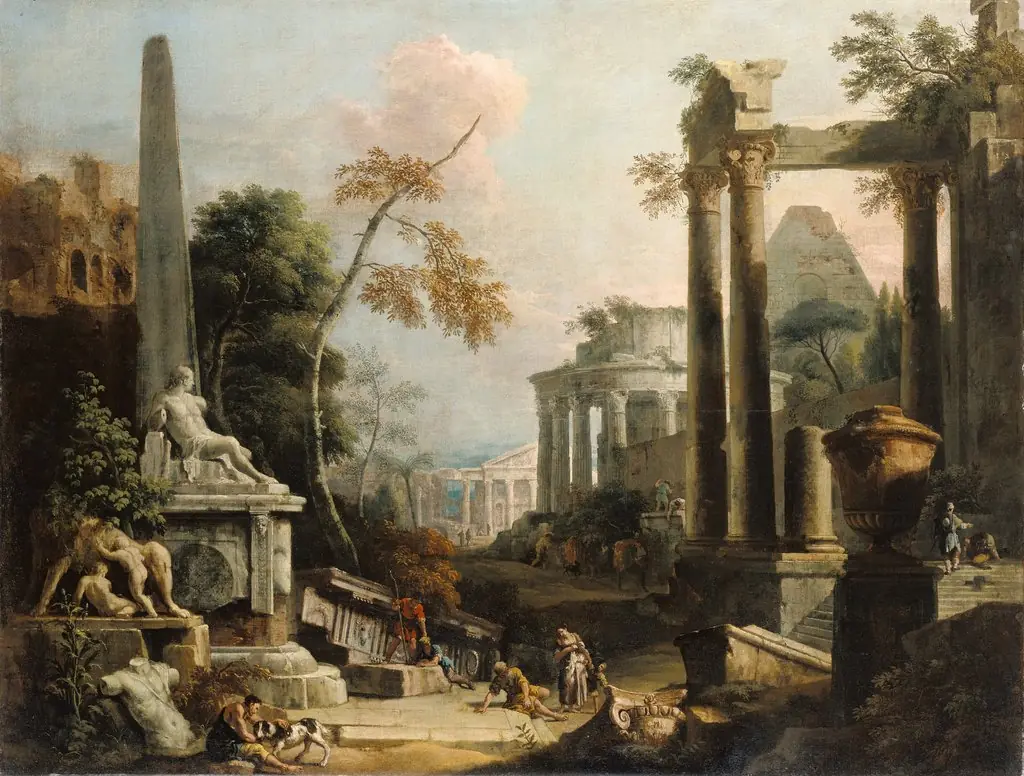 Landscape with Classical Ruins and Figures
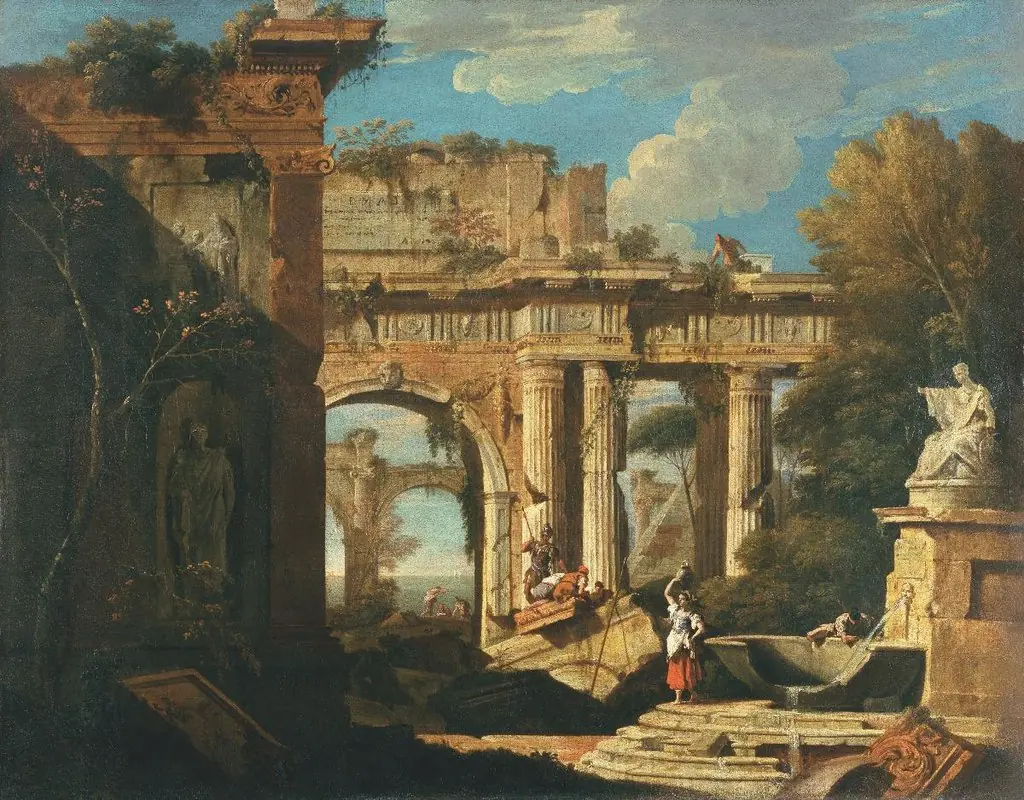 Capriccio con rovine romane
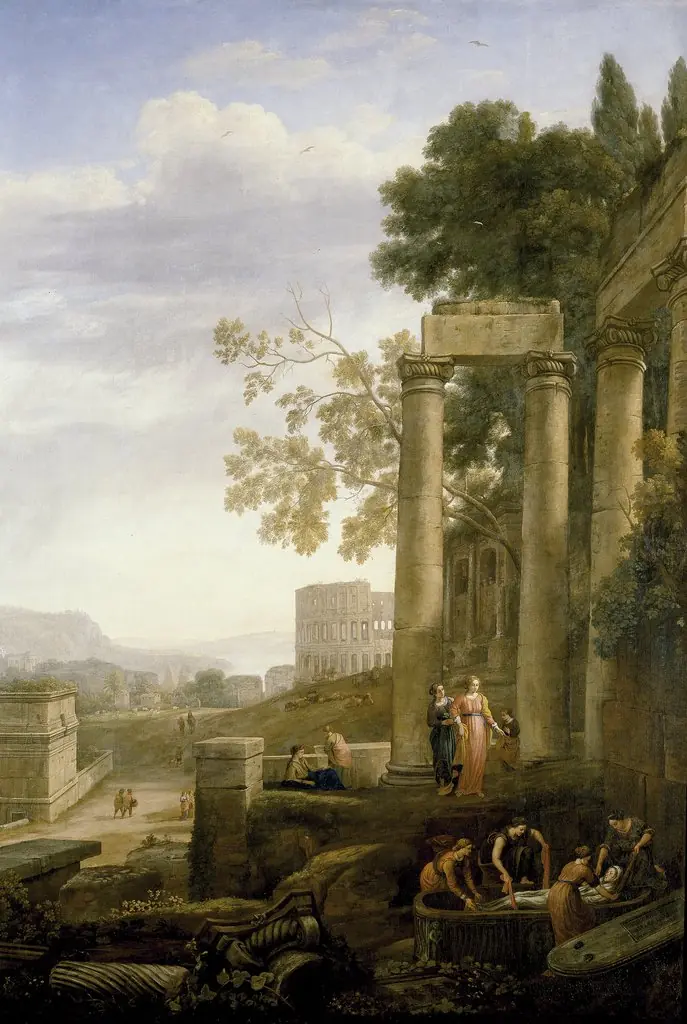 Landscape with the Burial of Saint Serapia
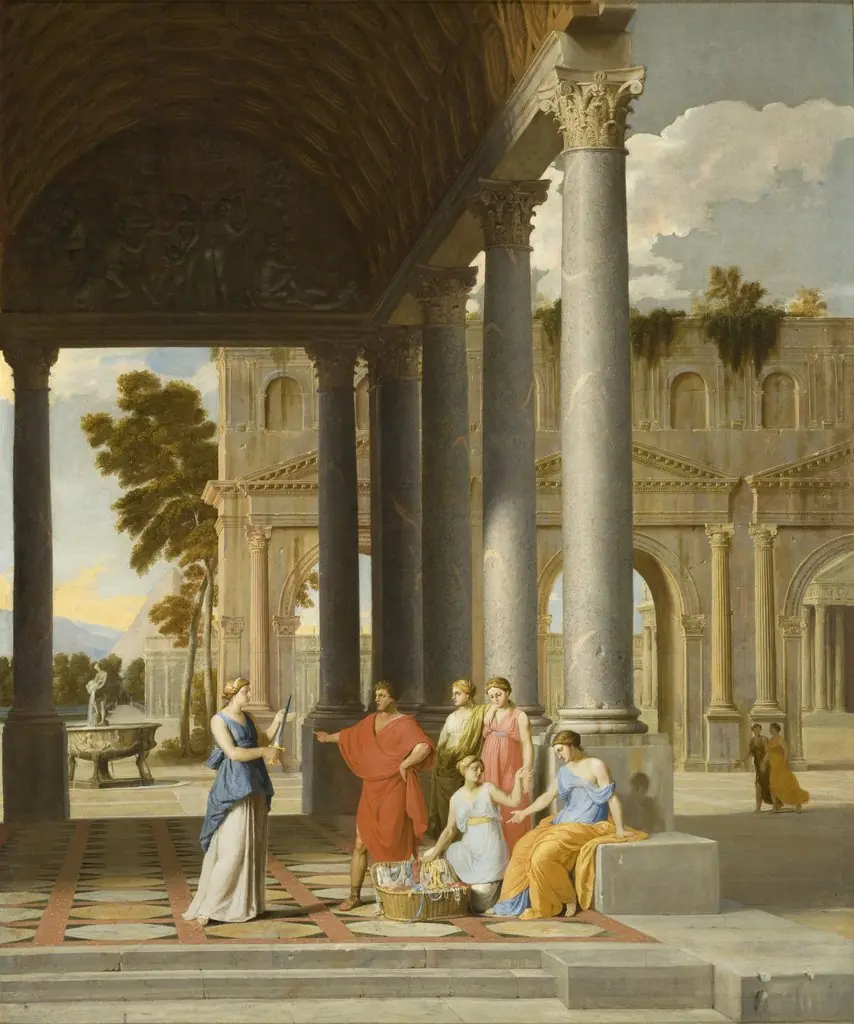 Achilles Discovered Among the Daughters of Lycomedes
 Alexander the Great Cutting the Gordian Knot