Artwork
Exotic scene
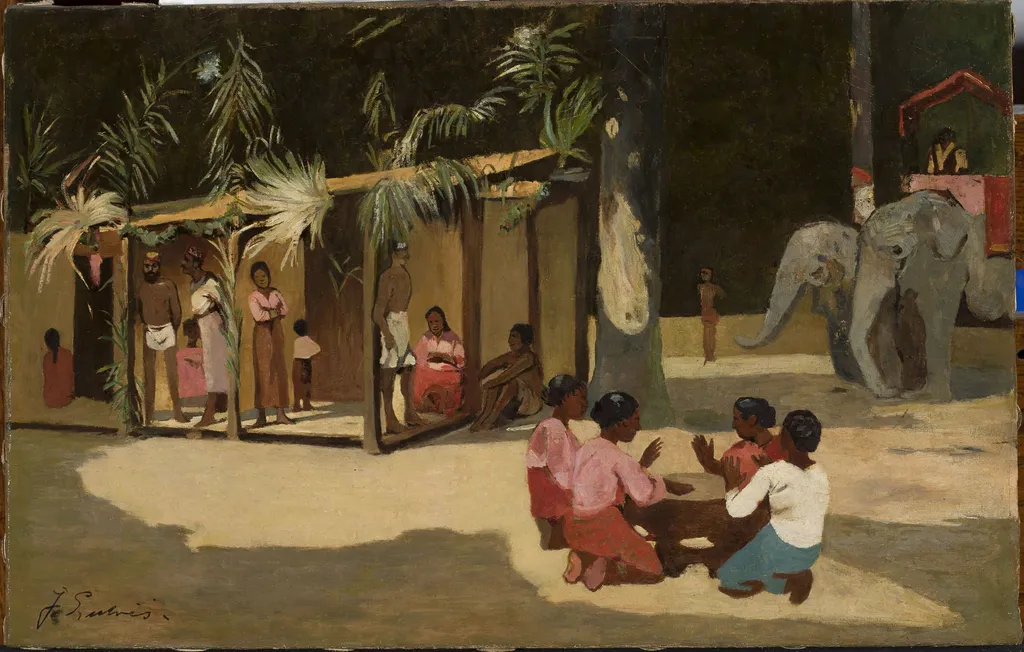
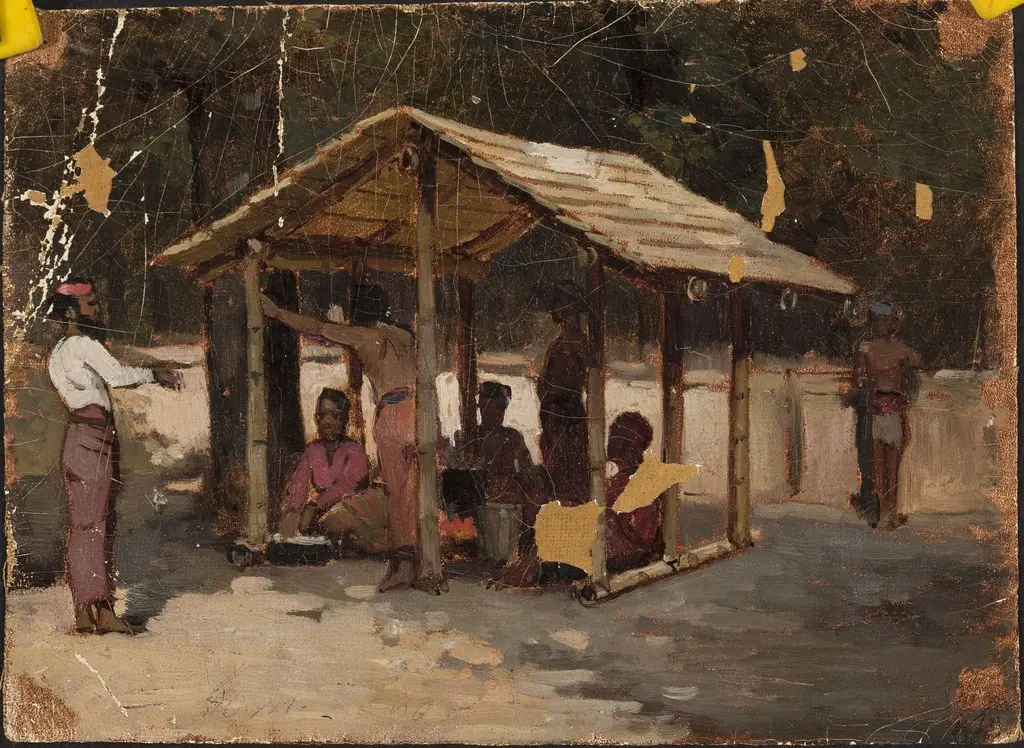
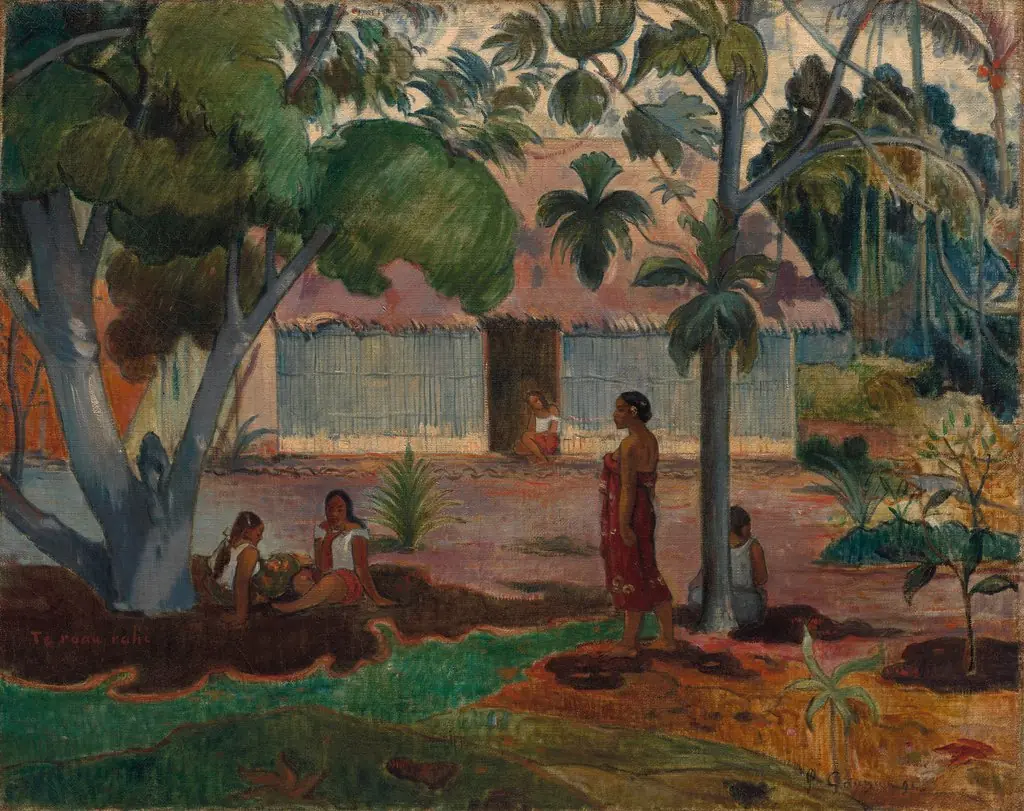
Exotic scene is an oil painting by Jean Lulves. It dates from 1871 and is held in the collection of the National Museum in Warsaw.
About this work
Overview
Painted around 1871 by Jean Lulvès, a Franco-German artist active in the 19th century, this oil-on-canvas work presents a fictionalized tropical gathering.
Painted around 1871 by Jean Lulvès, a Franco-German artist active in the 19th century, this oil-on-canvas work presents a fictionalized tropical gathering. Though not tied to a specific historical event, it reflects the period’s fascination with imagined distant cultures. The painting resides in the National Museum in Warsaw, part of a broader body of work in which Lulvès frequently revisited scenes from early modern global encounters.
Subject & Meaning
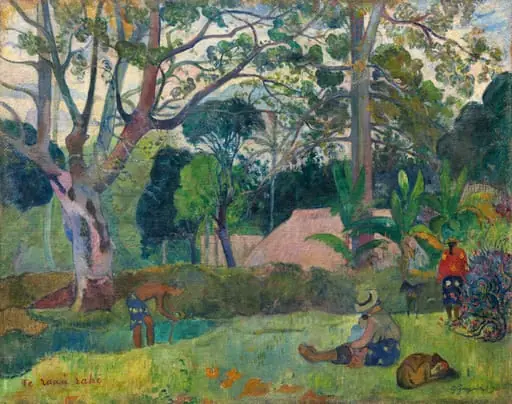
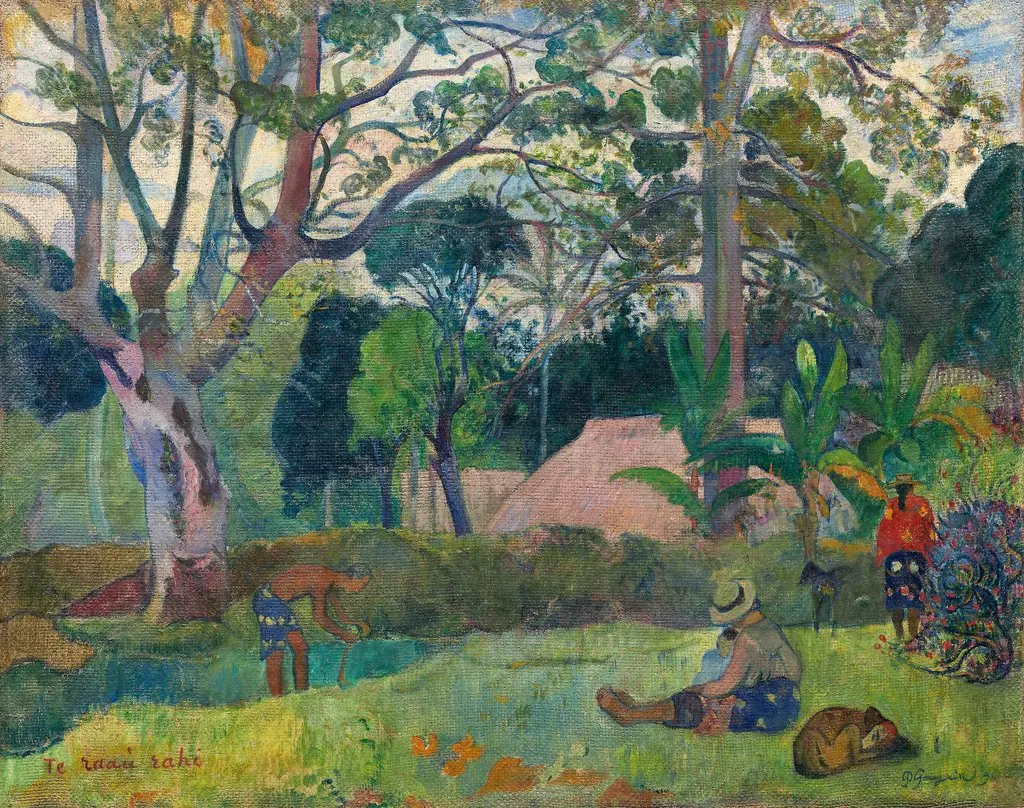
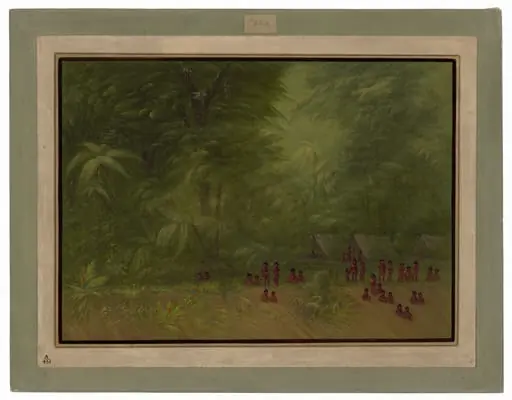
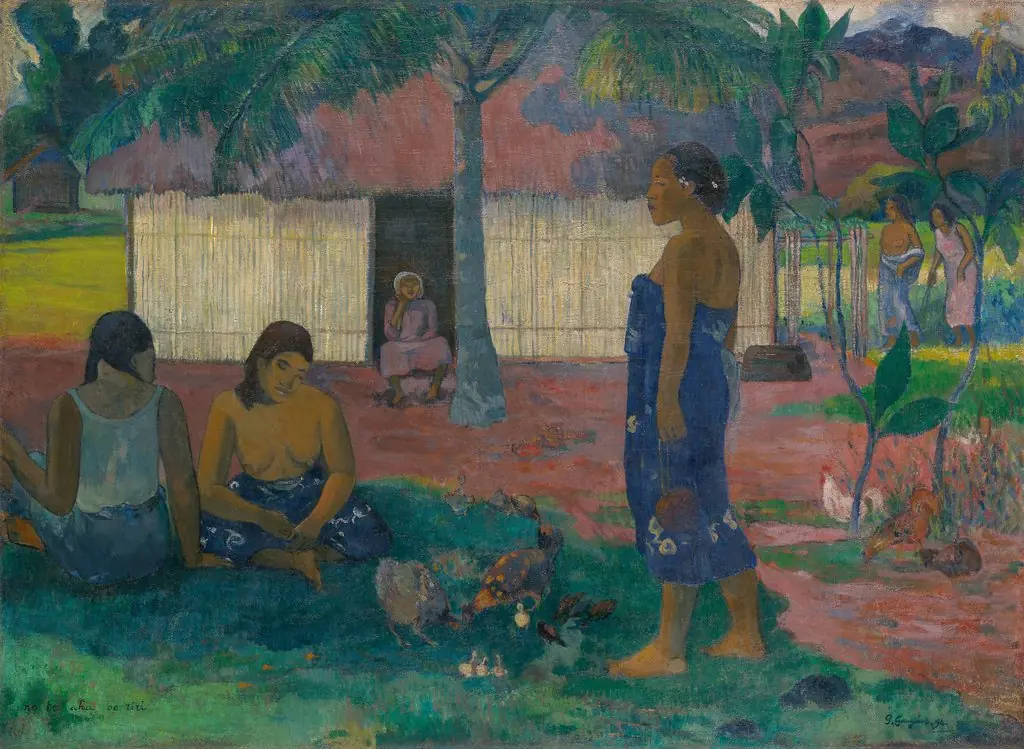
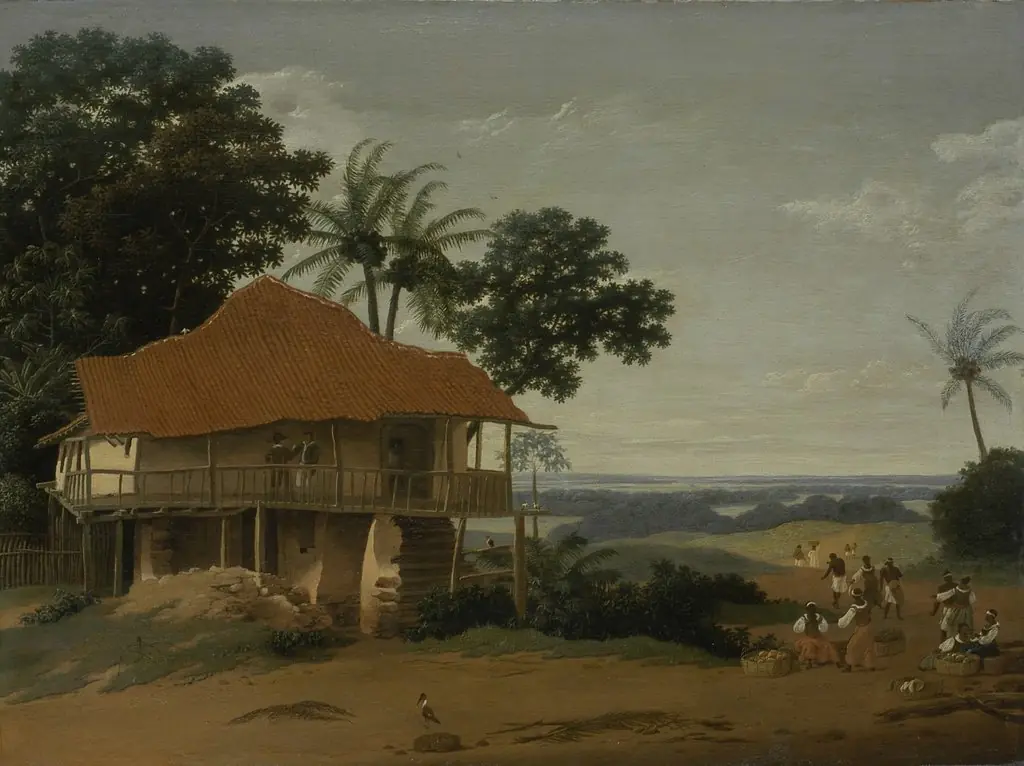
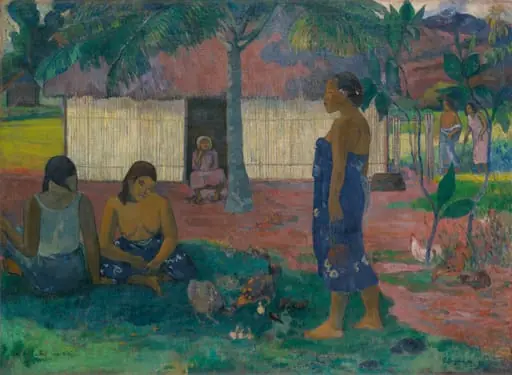
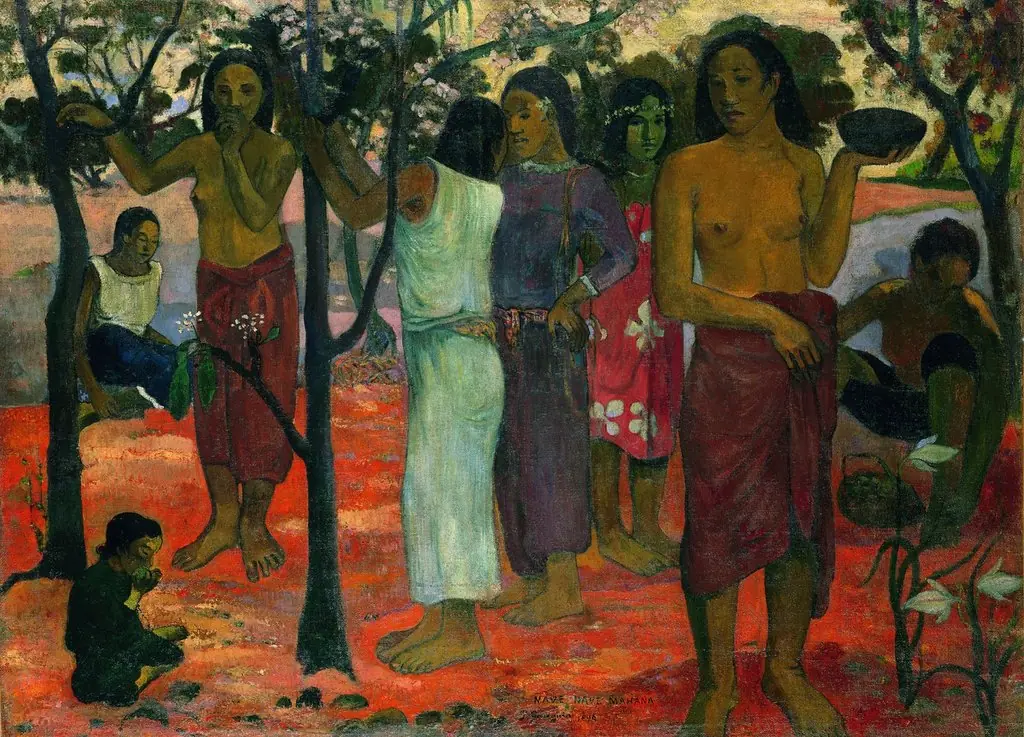
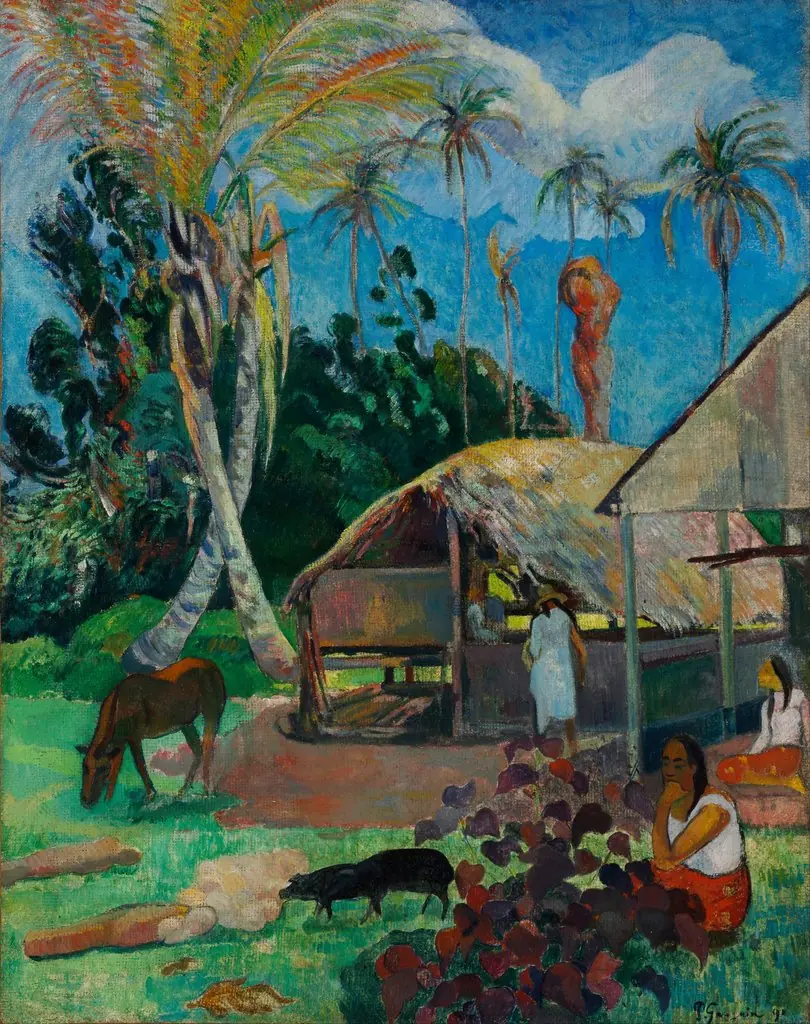
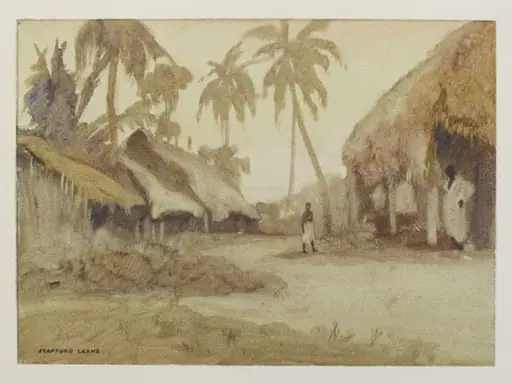
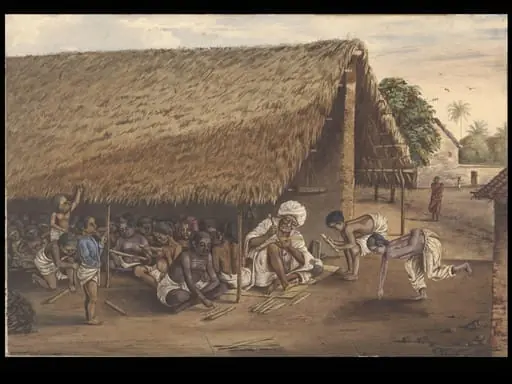
The scene depicts a group of figures in a lush, tropical environment, gathered beneath a large tree. Some sit, others stand, engaged in quiet, communal activity—perhaps sharing food or playing a game. The setting, with its thatched-roof structure and palm trees, evokes an idealized vision of the tropics rather than a documented place. The atmosphere conveys calm social interaction, aligning with 19th-century European romanticized notions of non-Western life as harmonious and untroubled.
Technique & Style
Lulvès employed oil paint with soft, blended brushwork to create a gentle, atmospheric effect. Warm tones dominate the palette, enhancing the sense of sunlight and thermal comfort. Subtle contrasts of light and shadow, reminiscent of chiaroscuro, model forms and suggest spatial depth without dramatic intensity. The rendering avoids sharp detail, favoring a hazy, dreamlike quality that prioritizes mood over precision.
History & Provenance
The painting entered the collection of the National Museum in Warsaw at some point after its creation, though its exact acquisition date is not documented. It was likely acquired during the late 19th or early 20th century, when European institutions expanded holdings of genre and orientalist works. Lulvès’s reputation as a decorative painter contributed to the painting’s appeal among collectors seeking evocative, non-confrontational imagery.
Context
Created during a period of heightened European colonial expansion, the painting reflects prevailing orientalist tendencies—idealizing non-European cultures as exotic, serene, and timeless. While not overtly political, its depiction of a harmonious tropical gathering aligns with popular visual narratives that softened the realities of imperial domination. Such works catered to urban audiences seeking escapism through imagined distant worlds.
Legacy
Though not widely exhibited outside Poland, the painting remains a representative example of 19th-century genre painting influenced by orientalism. It contributes to the understanding of how European artists interpreted and reconstructed foreign cultures through aesthetic conventions rather than ethnographic accuracy. Its presence in a major national collection underscores its role in shaping historical perceptions of global diversity.
Own this work as a print
Artist & collection
Artist
Jean Lulvès (26 November 1833, Mulhouse, Alsace – 8 January 1889, Berlin was a Franco-German painter, specializing in genre painting and decorative works for large rooms such as the Coronation Hall in the Kremlin and…