Artwork
Louis I, Prince of Asturias
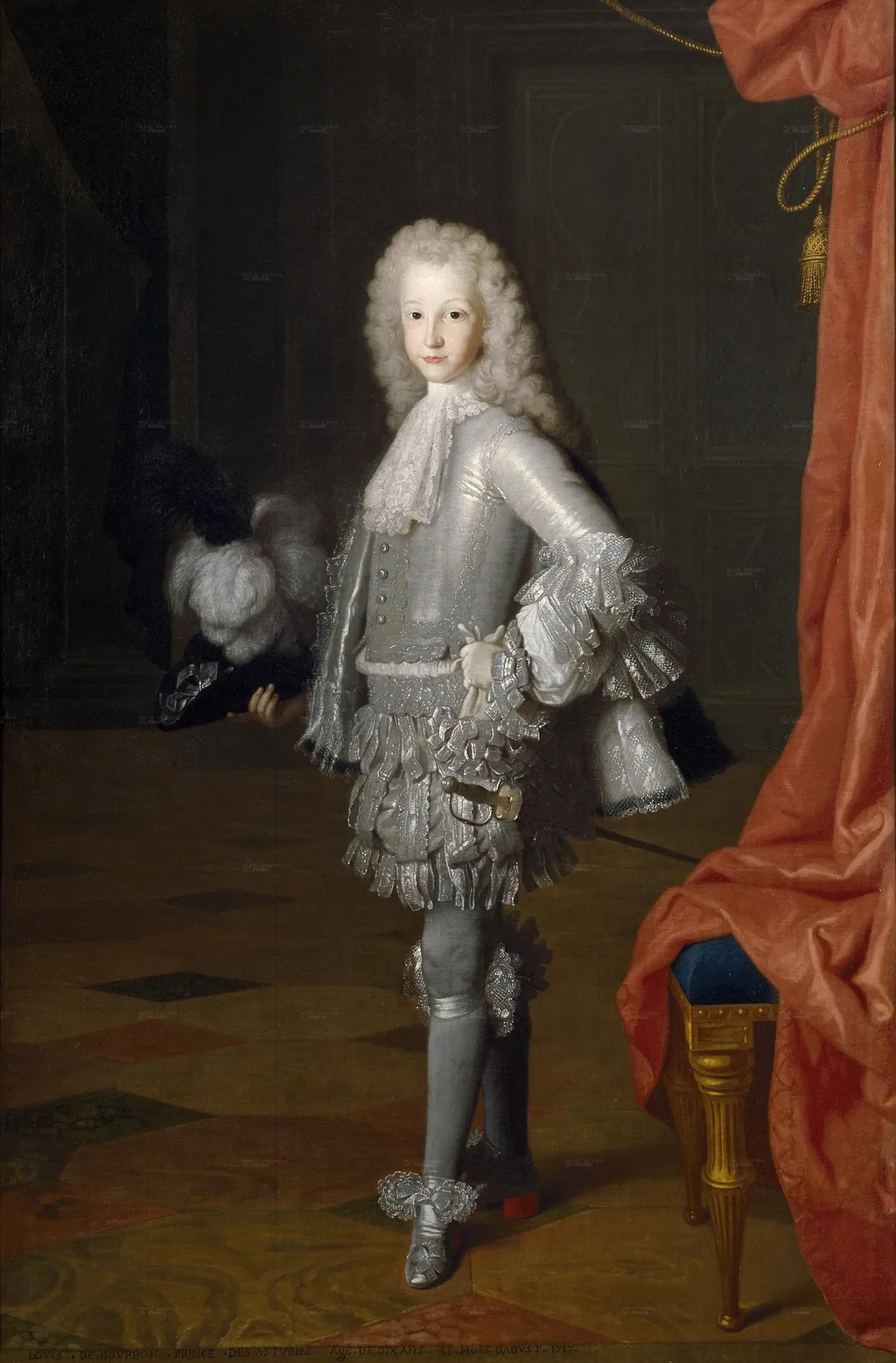
Louis I, Prince of Asturias is an oil painting by the French Classical Baroque artist Michel Ange Houasse. It dates from 1717 and is held in the collection of the Museo del Prado. Created in 1717, this oil portrait shows Louis I, the short‑lived Prince of Asturias, standing in a dimly lit interior.
About this work
Overview
Created in 1717, this oil portrait shows Louis I, the short‑lived Prince of Asturias, standing in a dimly lit interior. He is dressed in an elaborate silver‑white costume with ruffled cuffs, a powdered wig, and a small dog at his feet. A red curtain and a gilded chair with a blue cushion form a subdued backdrop, emphasizing the figure’s presence.
Subject & Meaning
The painting presents the young heir holding a sword, a conventional symbol of princely authority and future military role. The inclusion of the attentive dog adds a note of loyalty and domestic intimacy, while the illuminated face against a shadowed background underscores the prince’s elevated status within the royal lineage.
Technique & Style
Executed in the French Classical Baroque idiom, the work employs strong chiaroscuro to model the sitter’s features, creating a luminous effect on the face and attire. The brushwork balances fine detail in the costume with broader, softer treatment of the surrounding drapery, reflecting Houasse’s training in his father’s studio and the influence of Flemish Baroque realism.
History & Provenance
French painter Michel Ange Houasse was invited to the Spanish court in 1715 by Philip V, who commissioned a series of royal portraits. This portrait of the prince was completed two years later and remained in the Spanish royal collection. Houasse’s tenure in Madrid introduced French portraiture to Spanish patrons while also bringing mythological and pastoral subjects inspired by Flemish art.
Own this work as a print
Artist & collection
Artist
Michel Ange Houasse (1680–1730) was a French painter, most of whose career was spent at the court of Philip V of Spain, who summoned him to the court in Madrid in 1715 whilst he was still Philip of Anjou.

 Offering to Bacchus
 Bacchanal
 The Holy Family with the Infant Saint John the Baptist
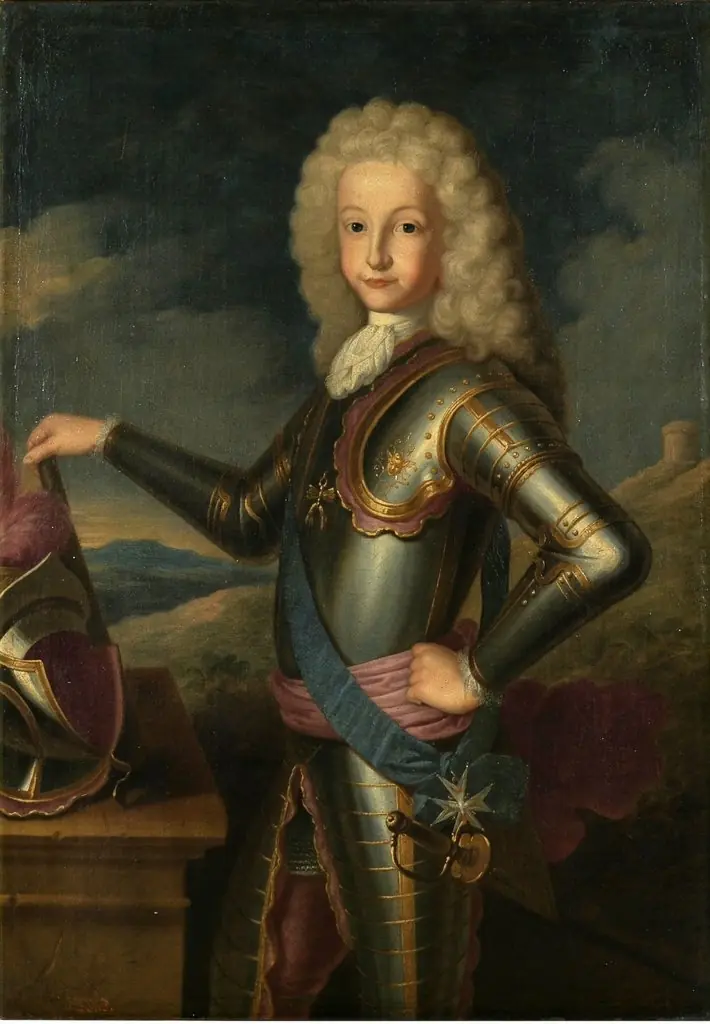 Luis I con armadura a los 10 años
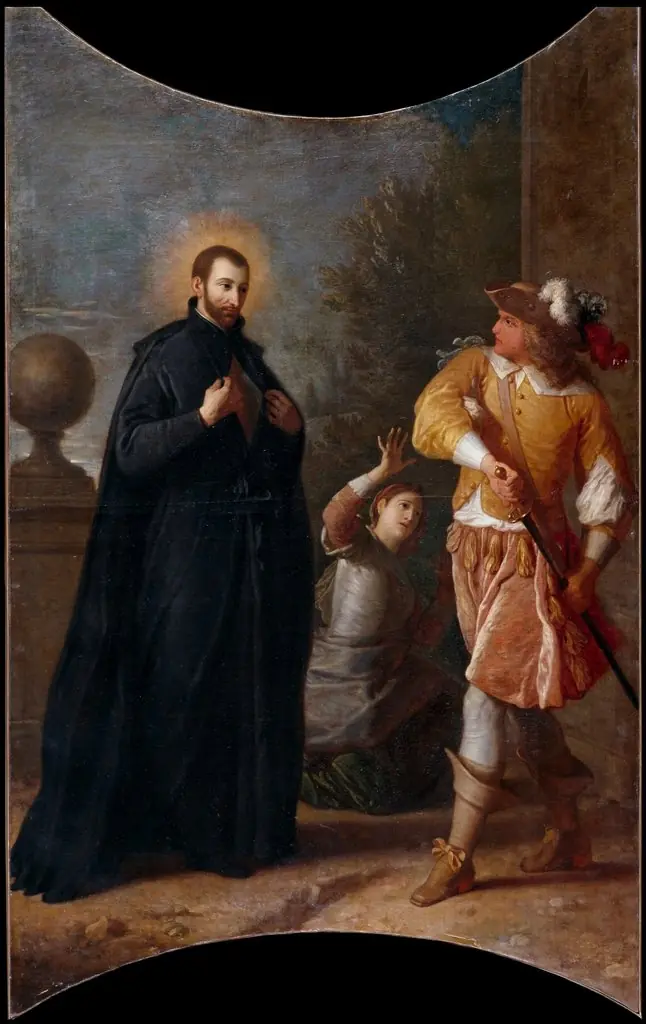 Milagro de san Francisco de Regis
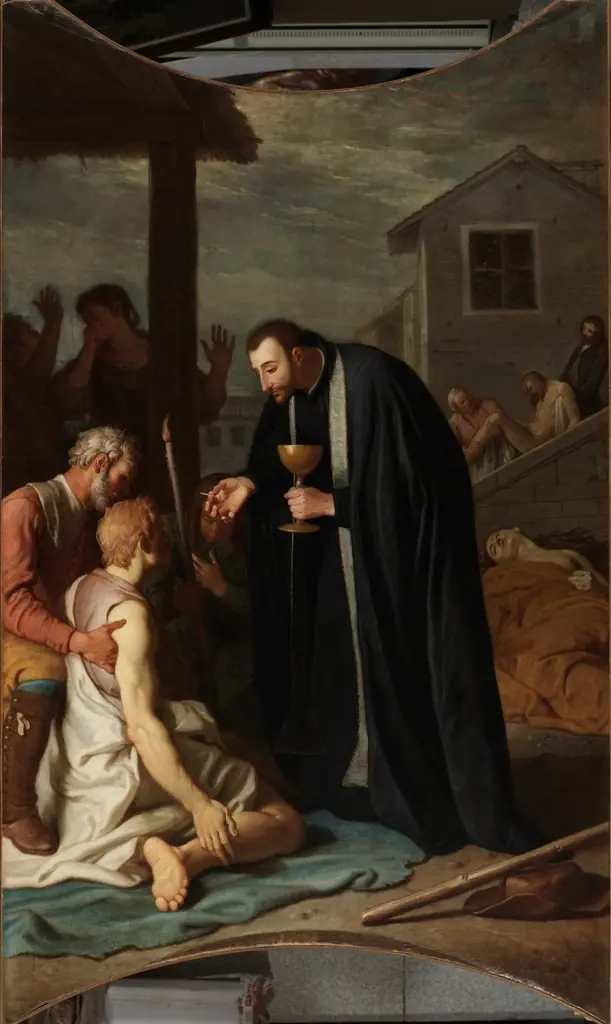 San Francisco de Regis dando la comunión a un tullido
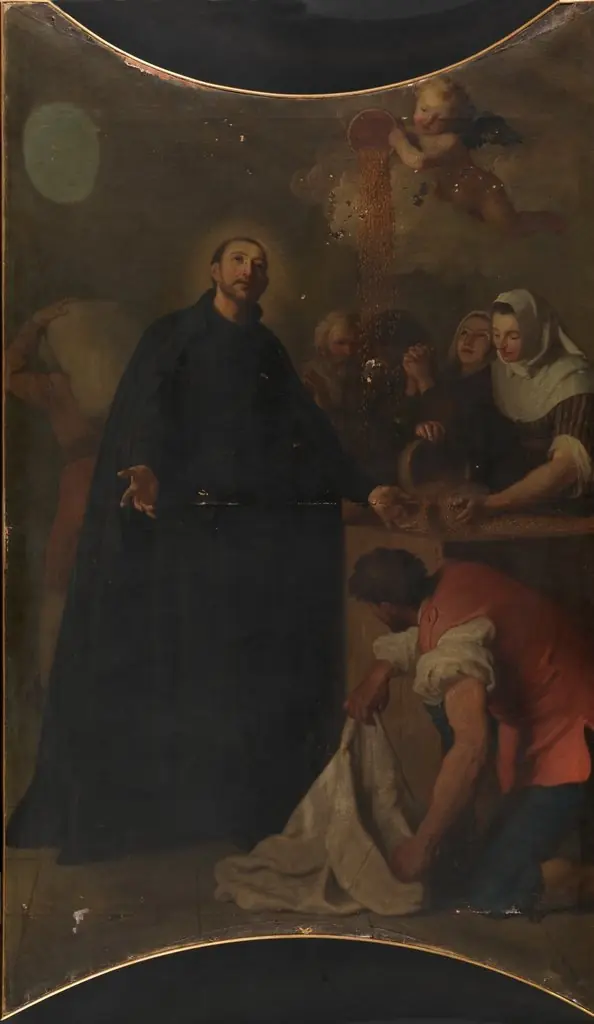 Multiplicación del trigo en la ciudad de Puy por san Francisco de Regis
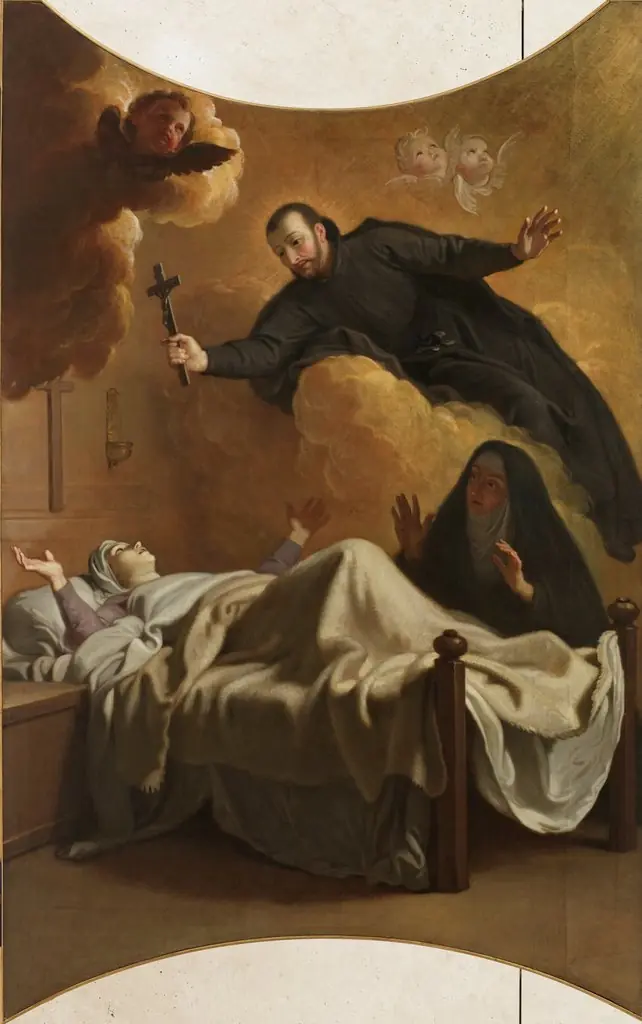 Aparición de san Francisco de Regis a la madre Momplaisant
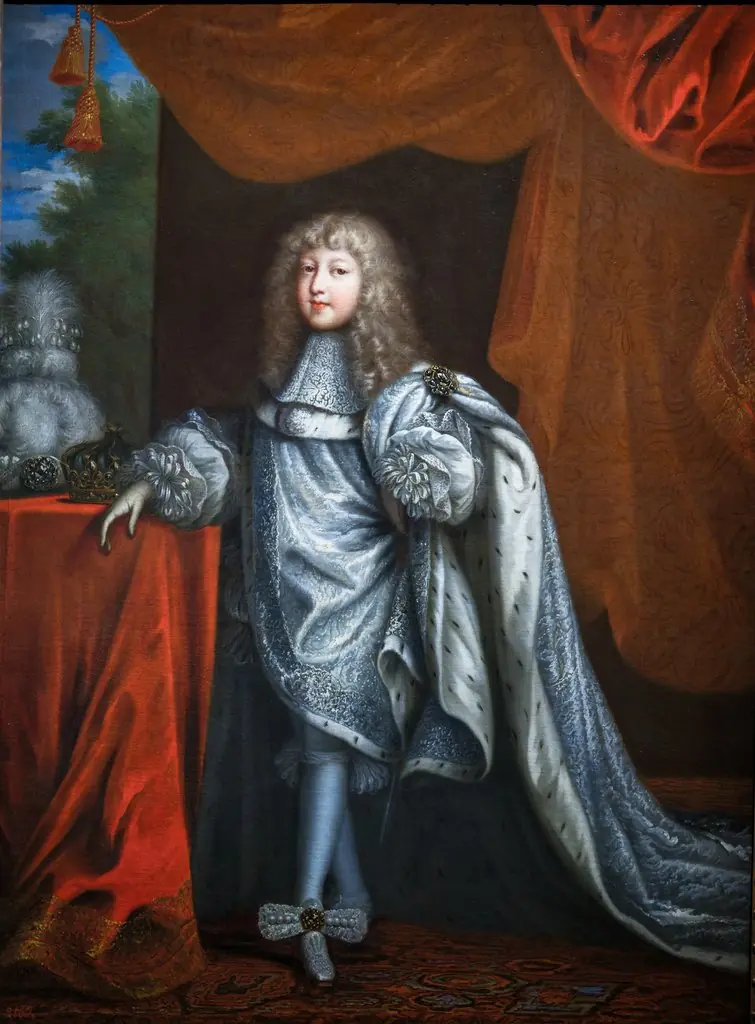 Louis of France, the Grand Dauphin
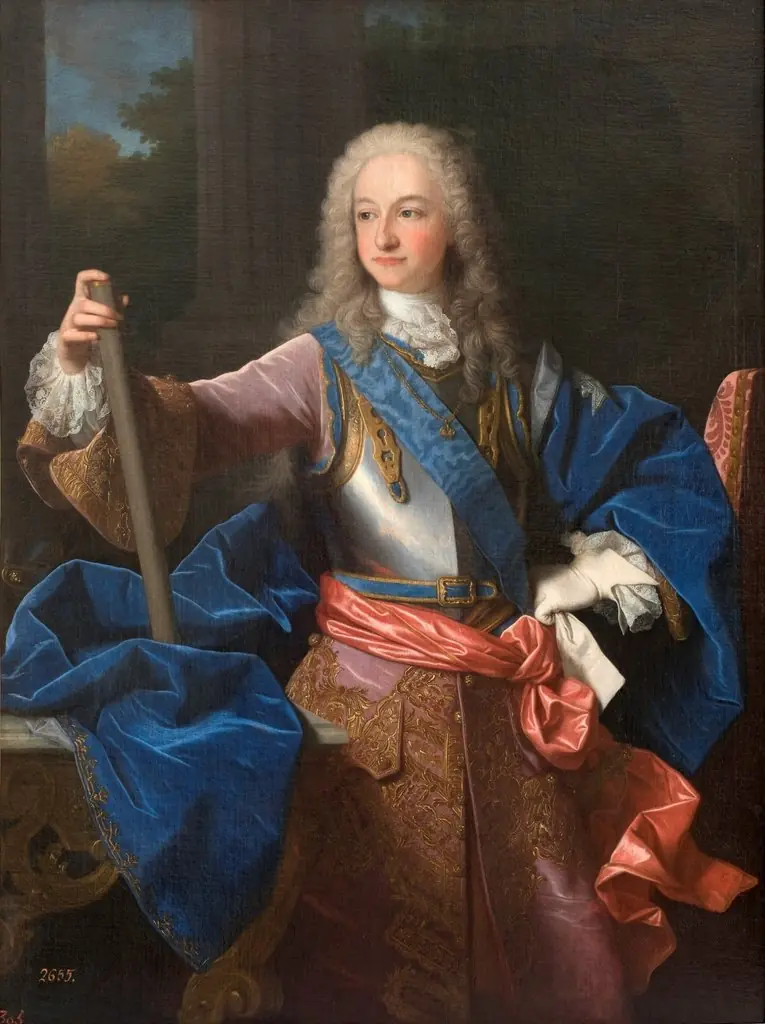 Portrait of Prince Louis of Spain
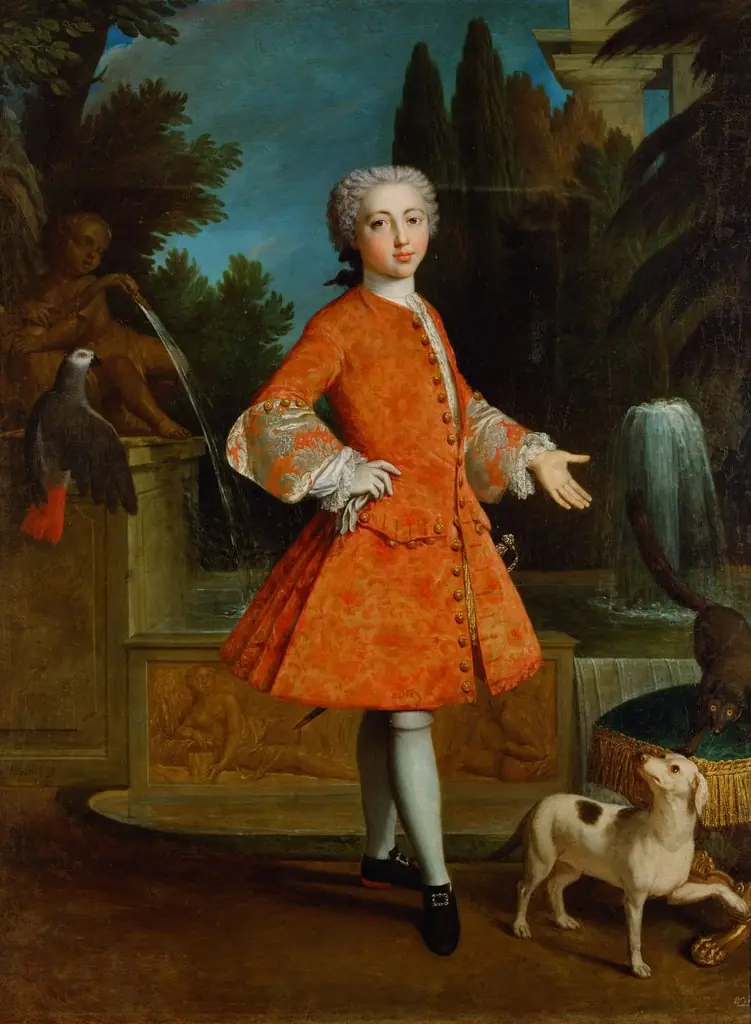 Duke Louis-Philippe of Orleans
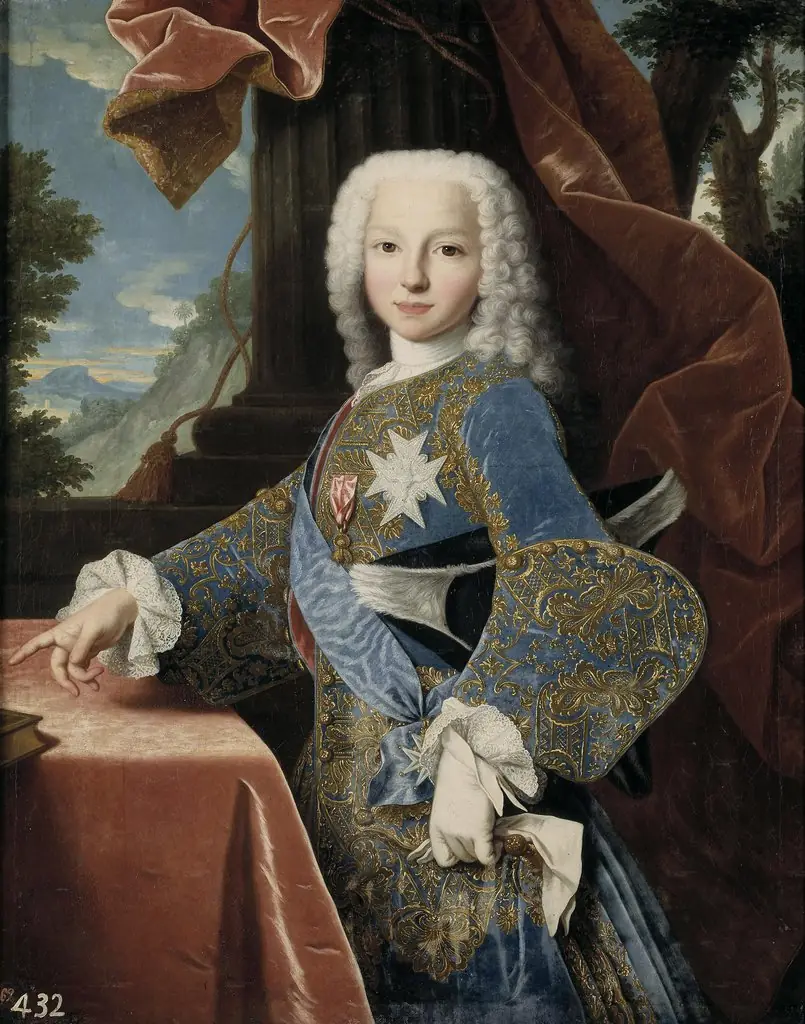 Felipe de Borbón y Farnesio, future Duke of Parma
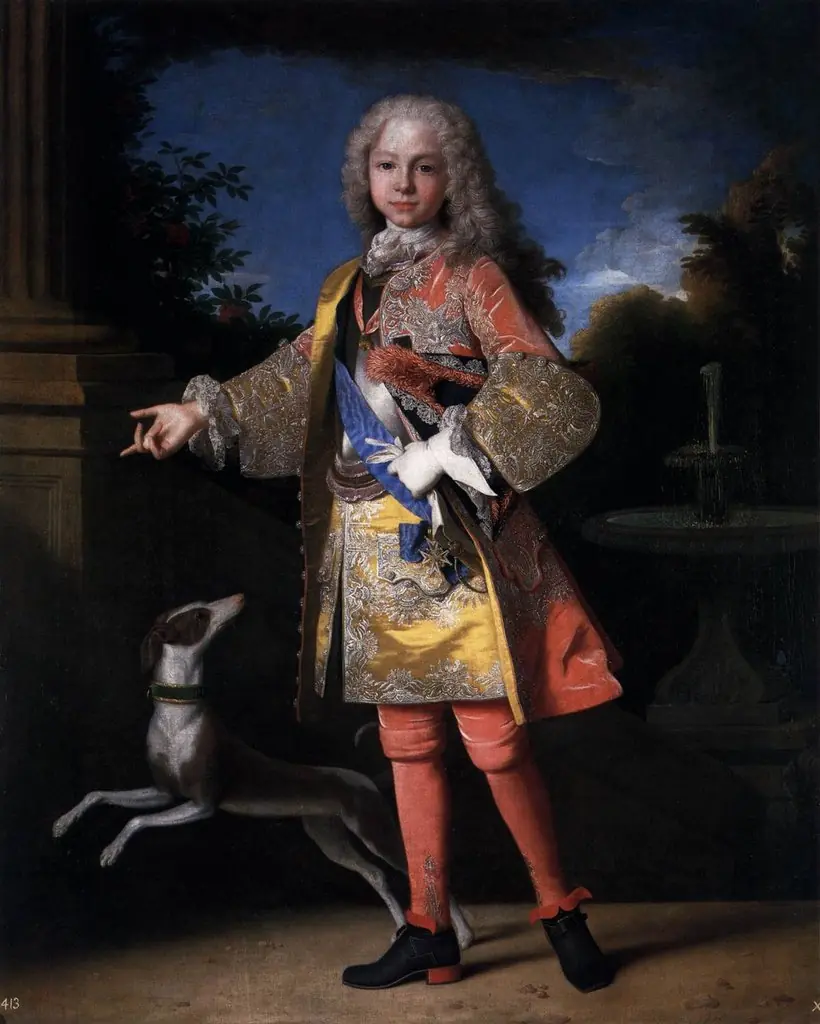 Portrait of Ferdinand VI as a Boy
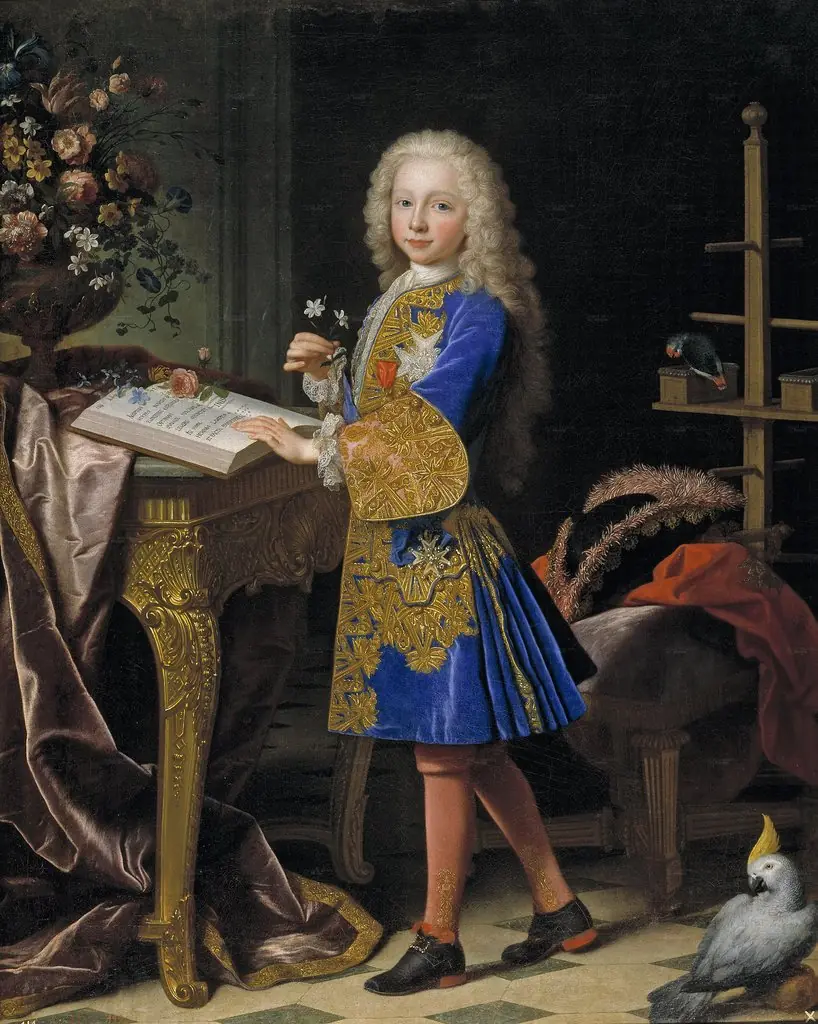 Charles III as a Child
 Portrait of Frederik V in Anointment Robe
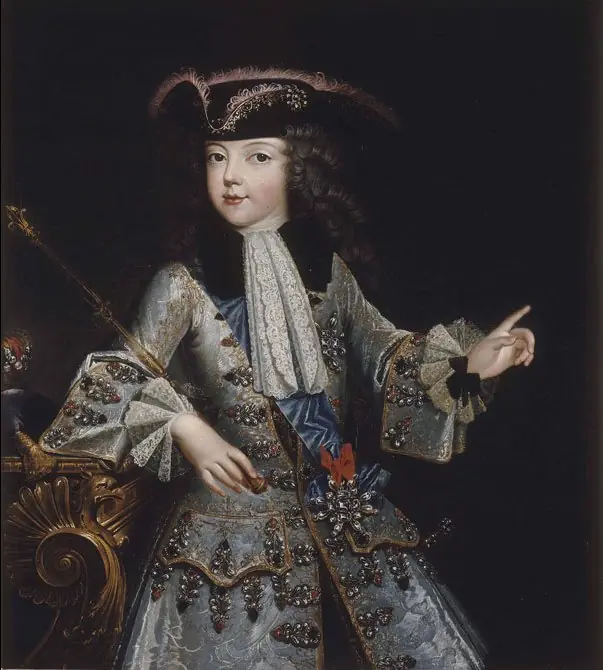 Portrait of a young Louis XV of France (1710-1774)
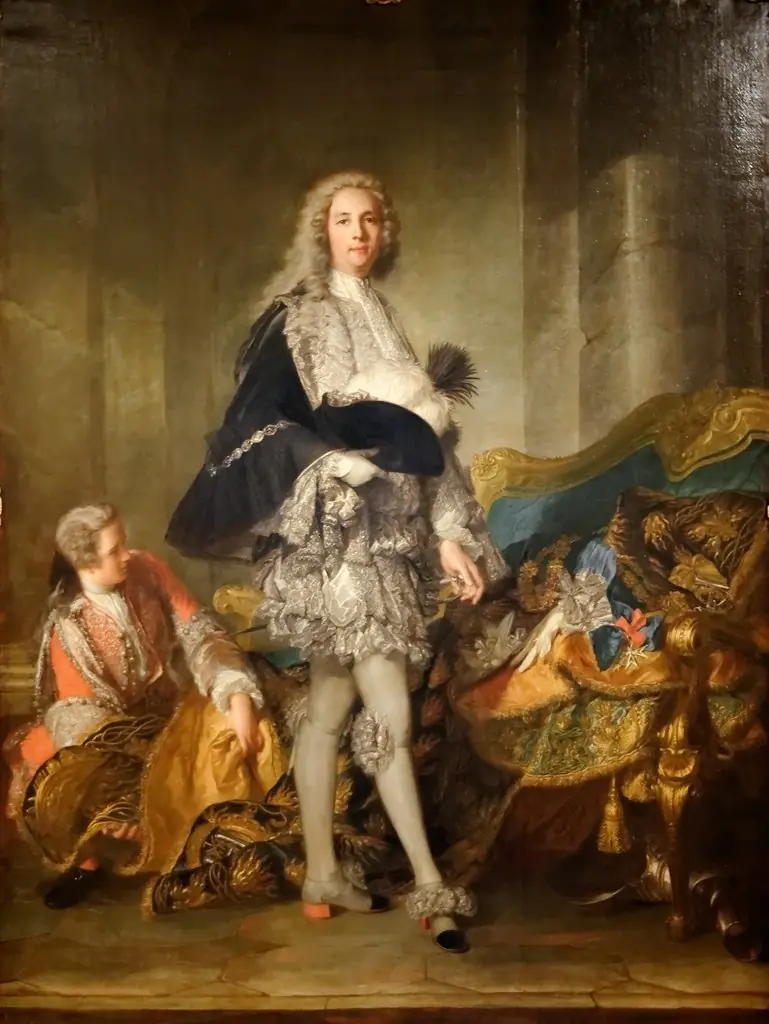 Portrait of the Duke of Richelieu
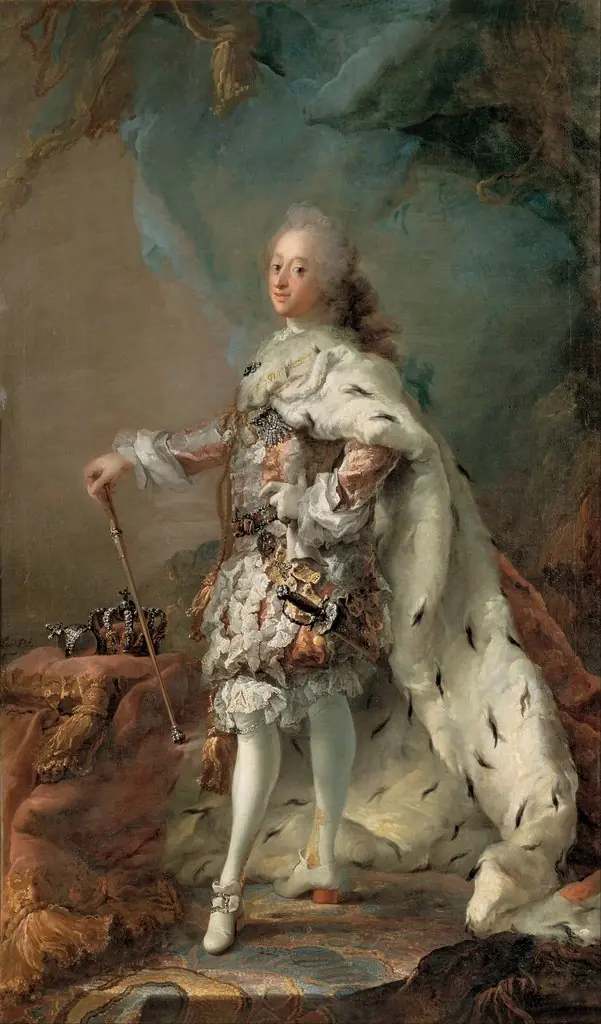 Portrait of Frederik V in Anointment Robe
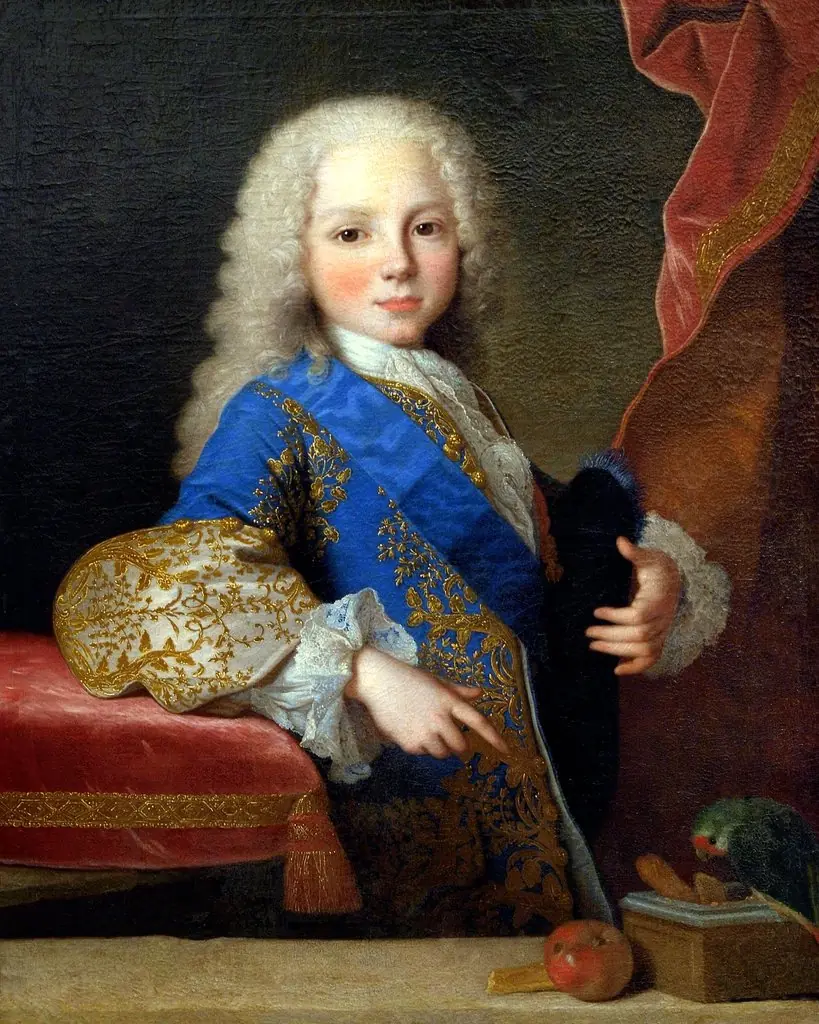 The Infant Philip of Bourbon, future Duke of Parma, Piacenza and Guastalla, in his childhood