Artwork
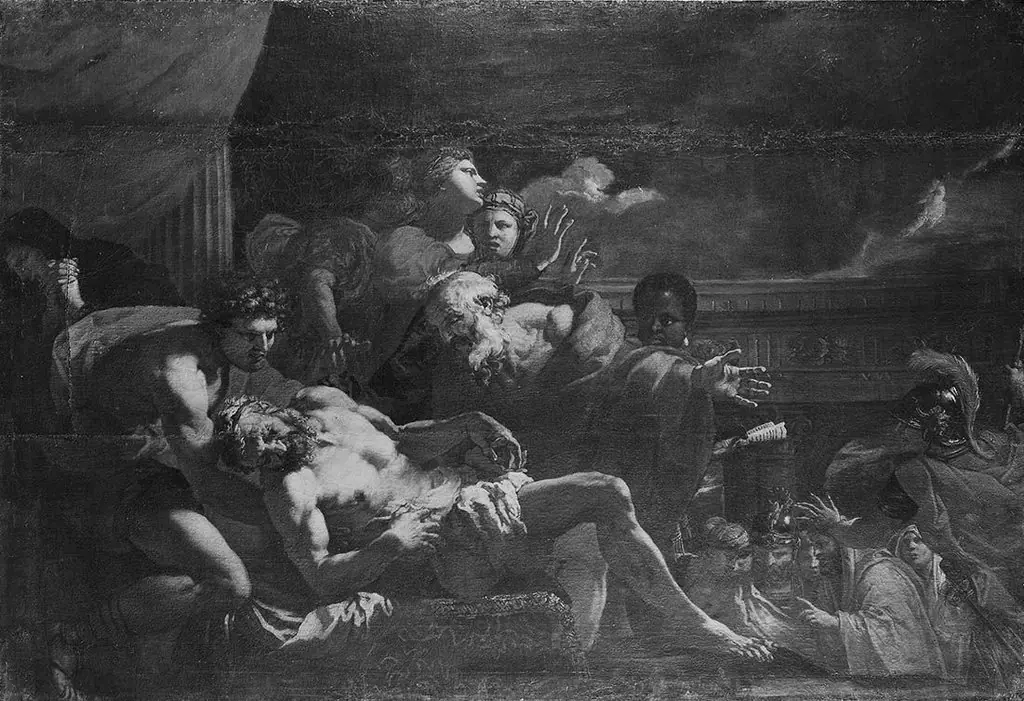
The Death of Seneca
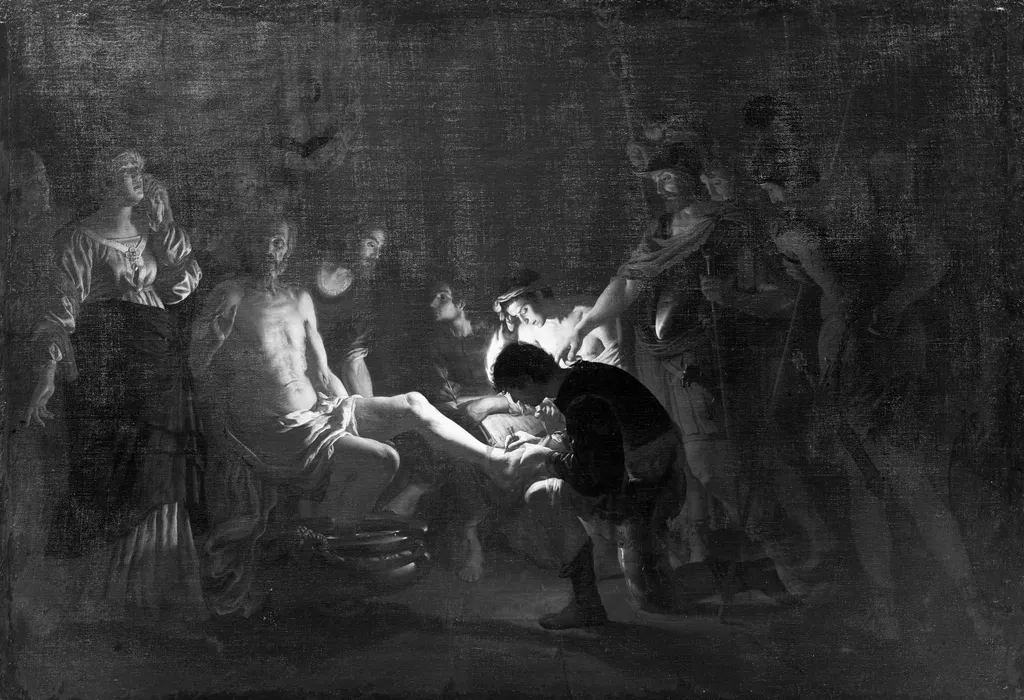
The Death of Seneca is a paint painting by the Early Baroque Italian artist Joachim von Sandrart the Elder. It dates from 1635 and is held in the collection of the Gemäldegalerie Berlin.
About this work
Overview
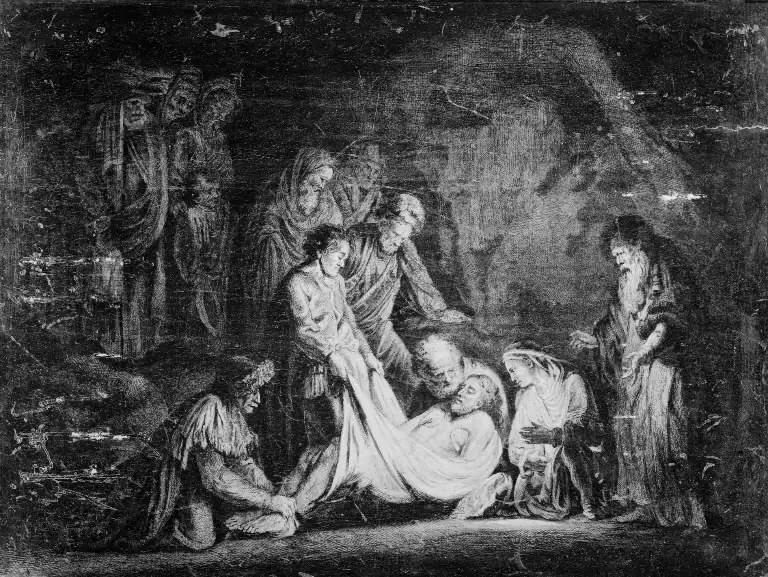
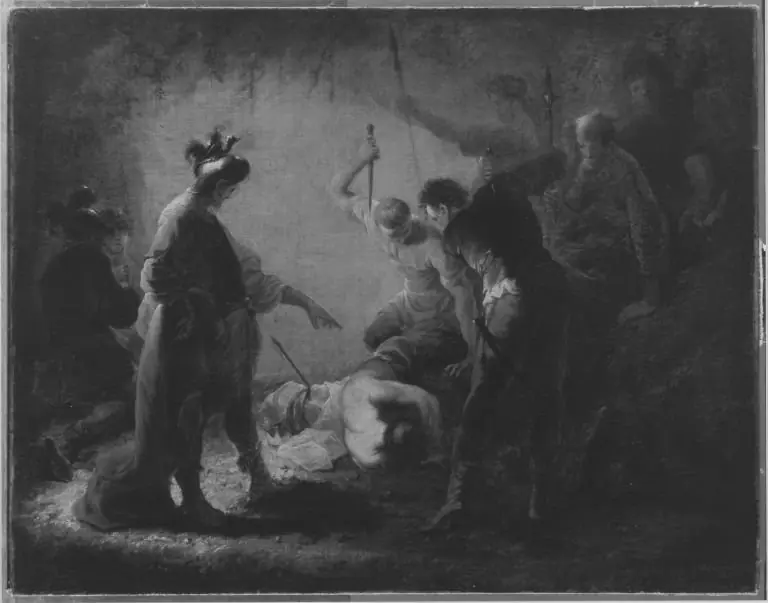
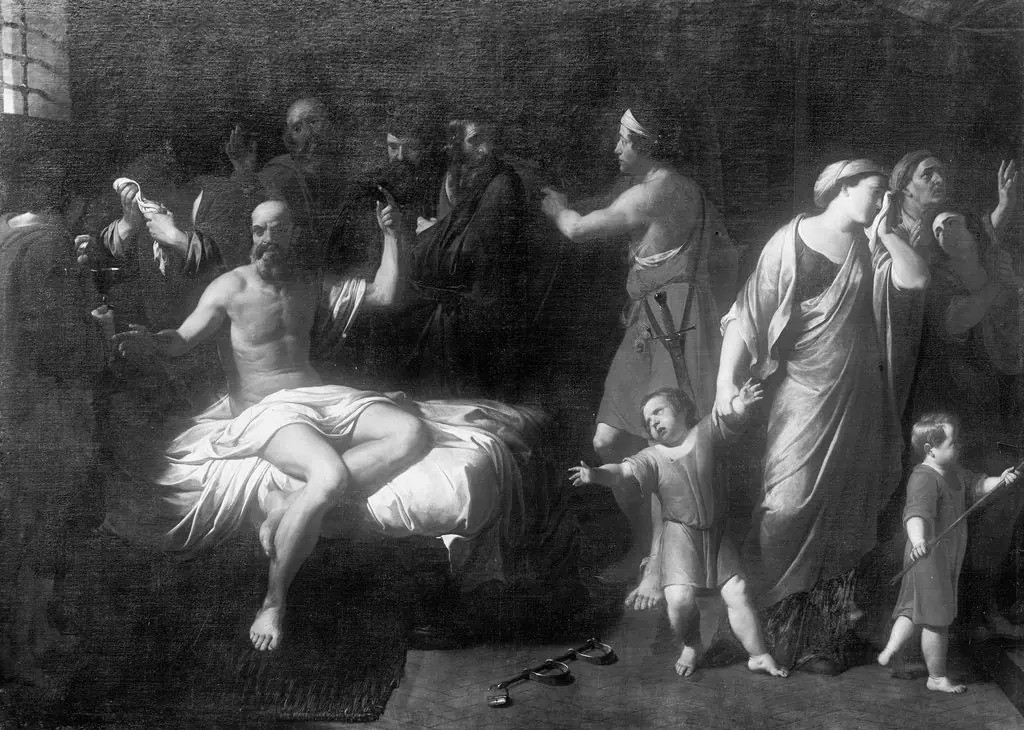
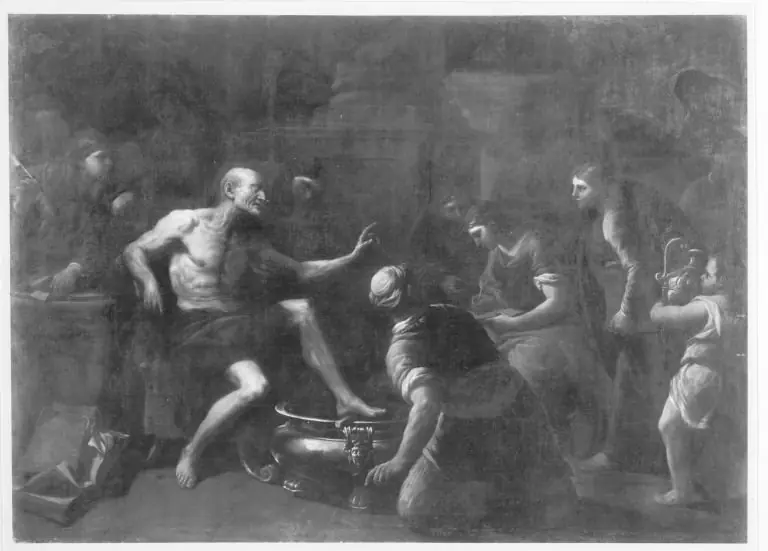
Joachim von Sandrart the Elder’s 1635 oil painting titled The Death of Seneca portrays the Roman philosopher in his final moments. The composition centers on Seneca seated on a simple stool, his legs crossed, while a small group of attendants surrounds him. A muted light falls across the scene, creating a contemplative atmosphere that emphasizes the gravity of the event.
Subject & Meaning
The surrounding onlookers, some standing in the background, convey a collective witness to the moral and political weight of the act.
The work illustrates the historical episode of Seneca’s forced suicide under Emperor Nero. The philosopher is shown in a white cloth, a symbol of purity or resignation, while a companion steadies his right leg, suggesting both physical support and the inevitability of death. The surrounding onlookers, some standing in the background, convey a collective witness to the moral and political weight of the act.
Technique & Style
Sandrart employs a restrained chiaroscuro, using a single light source to model the figures and generate deep shadows that recede into darkness. The limited palette of earth tones and subdued whites reinforces the somber mood. The brushwork is careful and detailed, particularly in the rendering of fabric folds and the expressions of the surrounding figures.
History & Provenance
Completed in 1635, The Death of Seneca entered the collection of the Gemäldegalerie in Berlin, where it remains on display. The painting reflects Sandrart’s engagement with classical themes popular among 17th‑century German artists, aligning his work with the broader European interest in moralizing historical subjects.
Own this work as a print
Artist & collection
Artist
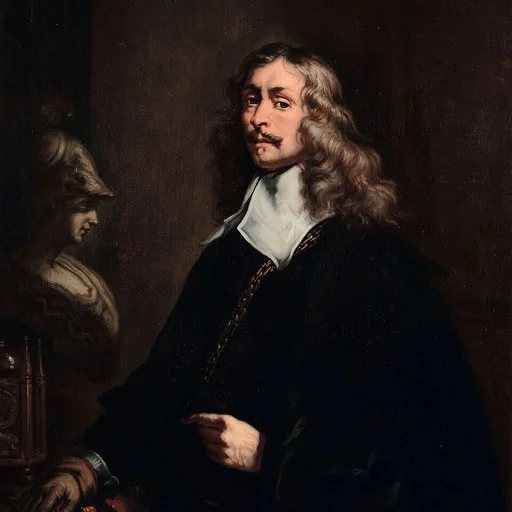
Joachim von Sandrart the Elder
Joachim von Sandrart the Elder (1606–1688) was a German artist, born in Frankfurt.

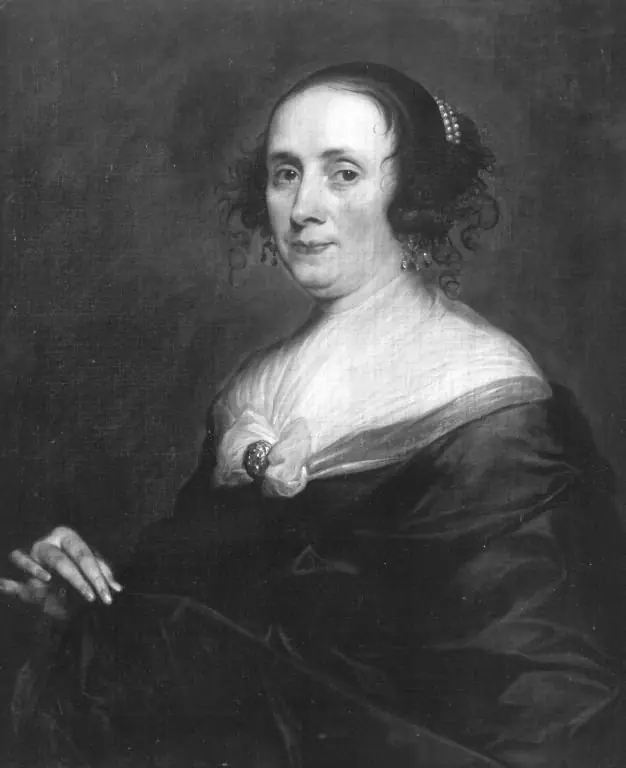 Bildnis einer Frau (?)
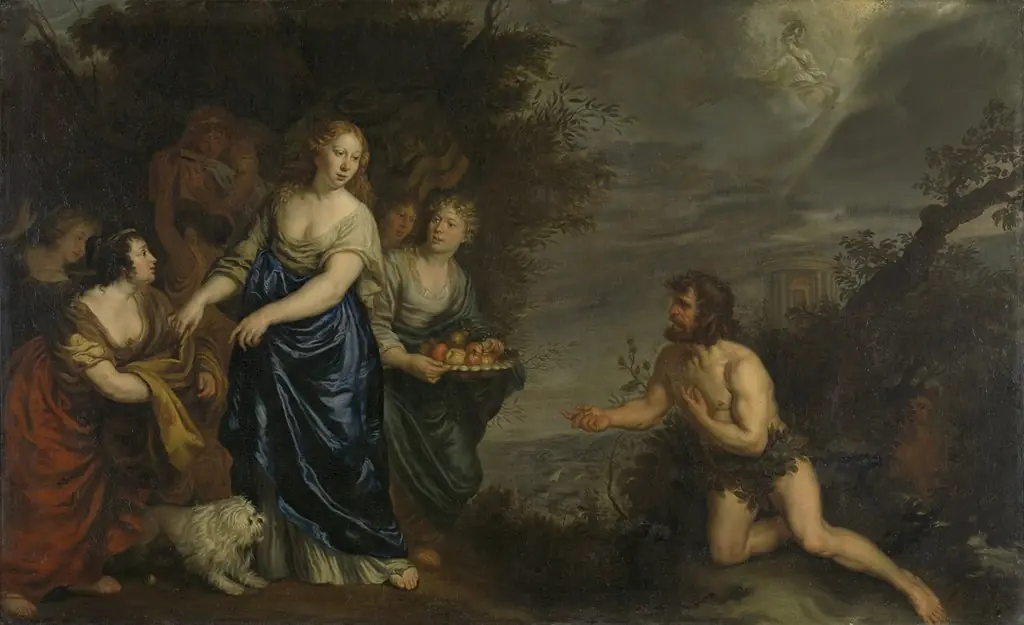 Odysseus and Nausikaä
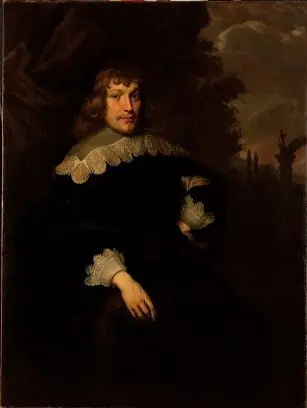 Portrait of Hendrick Bicker (1615-1651)
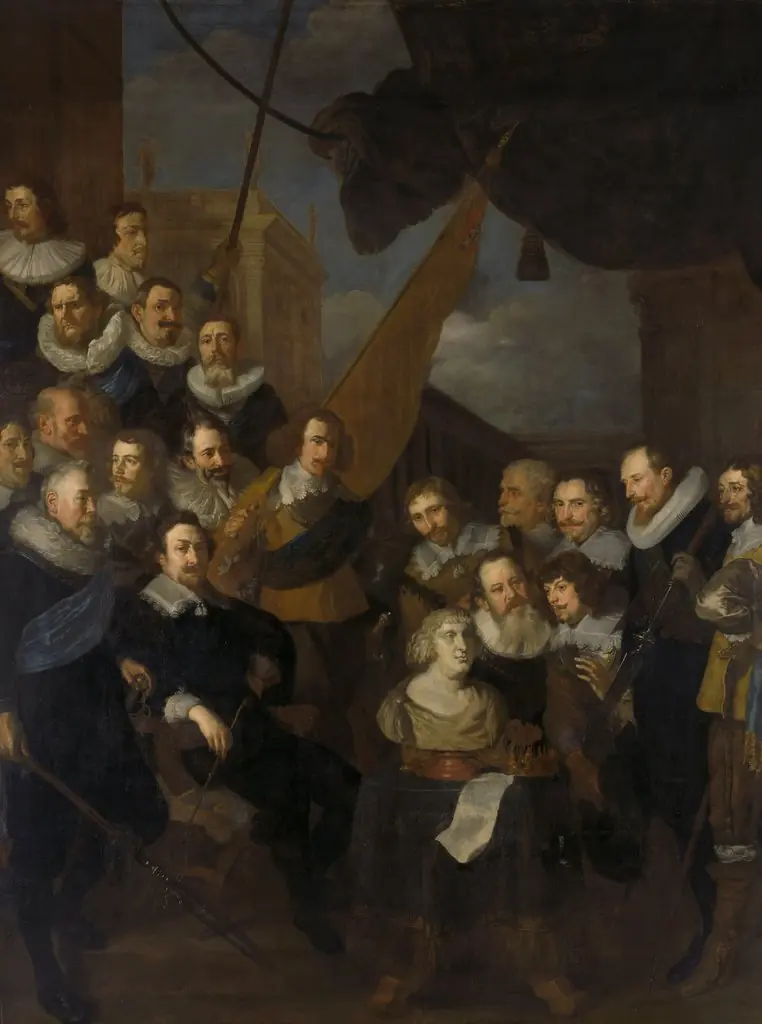 Officers of the militia of departmetn XIX in Amsterdam under the command of Cornelis Bicker and Frederick van Banchem, ready to receive Maria de' Medici in 1638
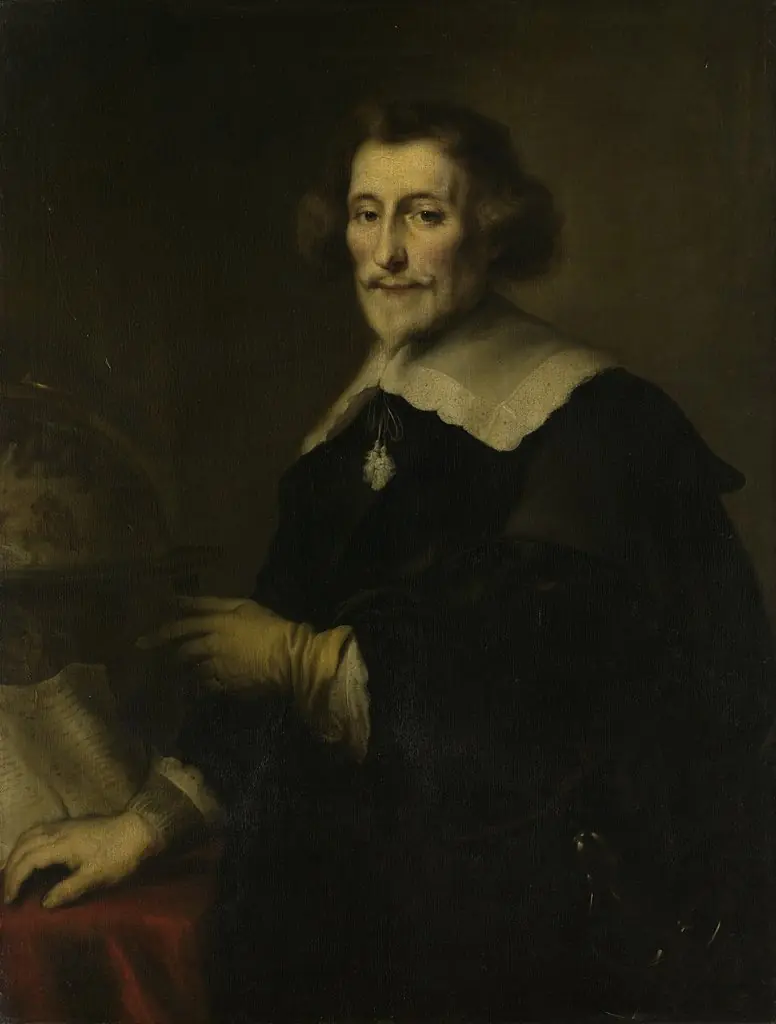 Pieter Cornelisz Hooft (1581-1647). High bailiff of Muiden, historian and poet
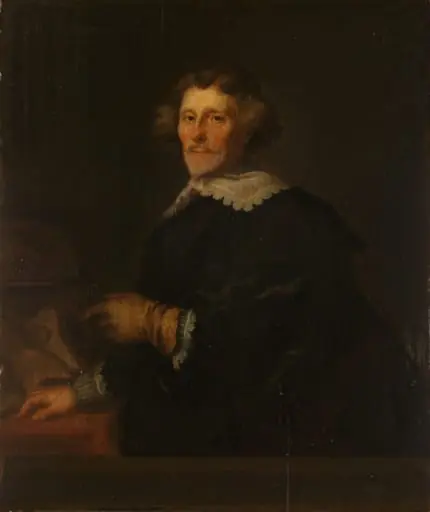 Portrait of Pieter Corneliszoon Hooft, Bailiff of Muiden, Historian and Poet
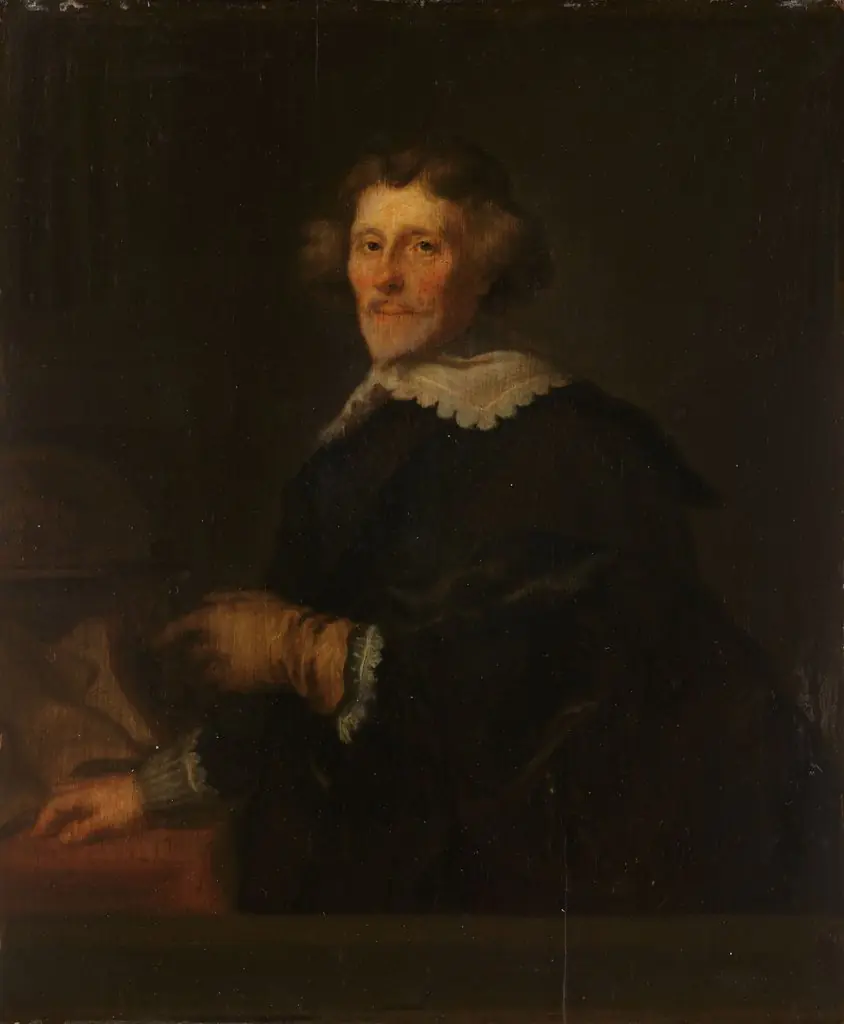 Portrait of Pieter Cornelis Hooft (1581-1647), High bailiff of Muiden, historian and poet
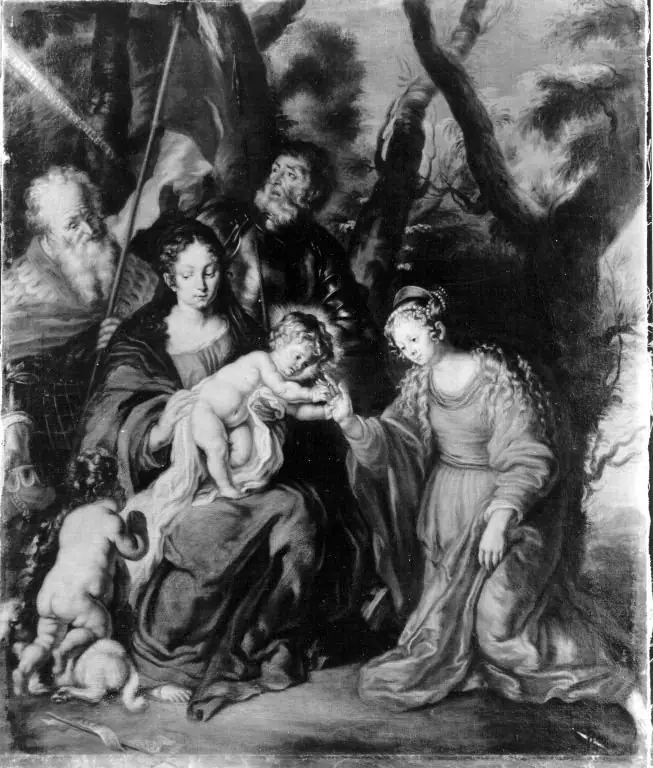 Die mystische Vermählung der hl. Katharina (Kopie nach)