Artwork
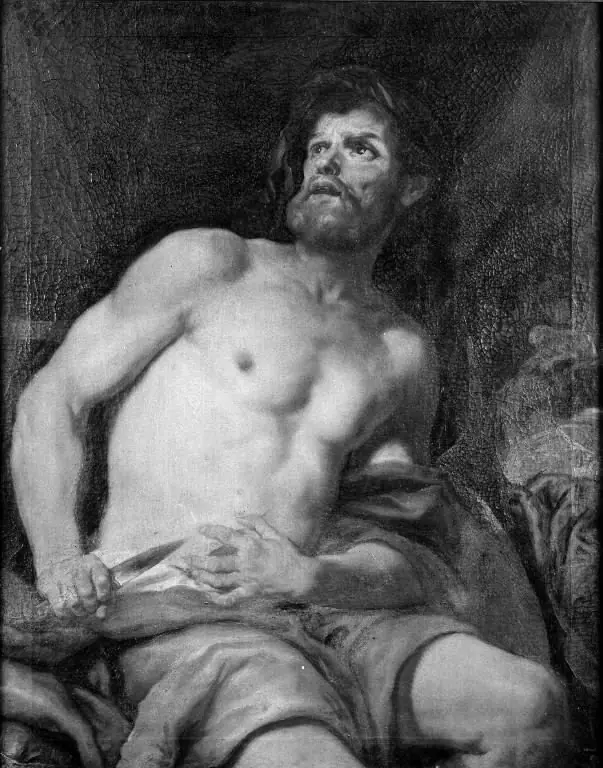
Der sterbende Seneca
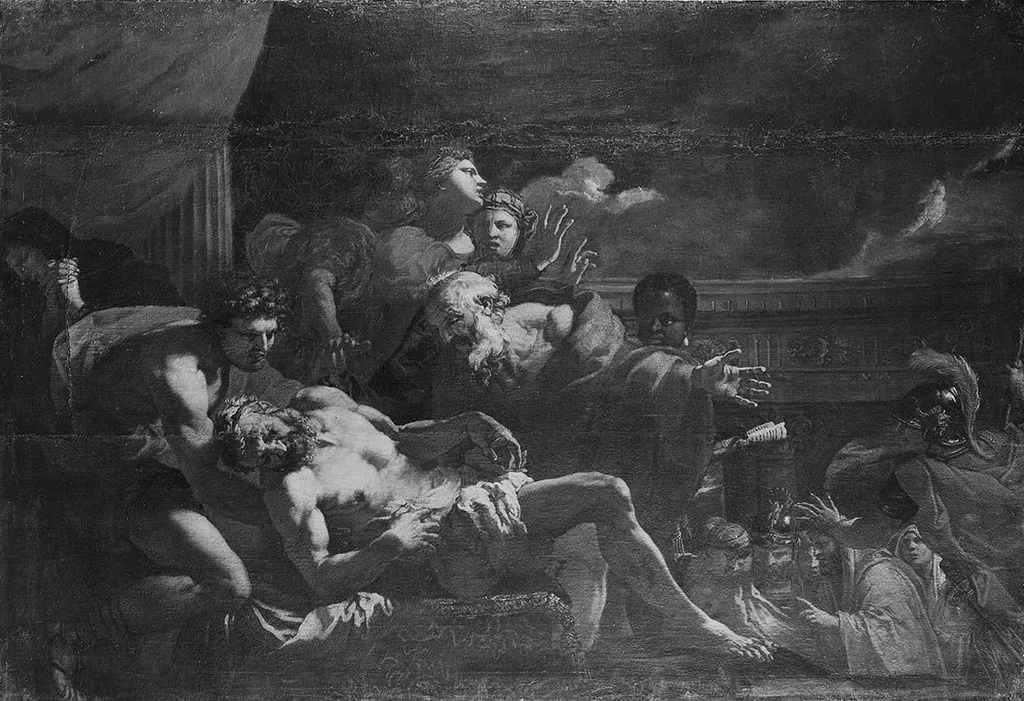
Der sterbende Seneca is an unspecified painting by the Barbizon school artist Johann Carl Loth. It dates from 1665 and is held in the collection of the Bavarian State Painting Collections.
About this work
Overview
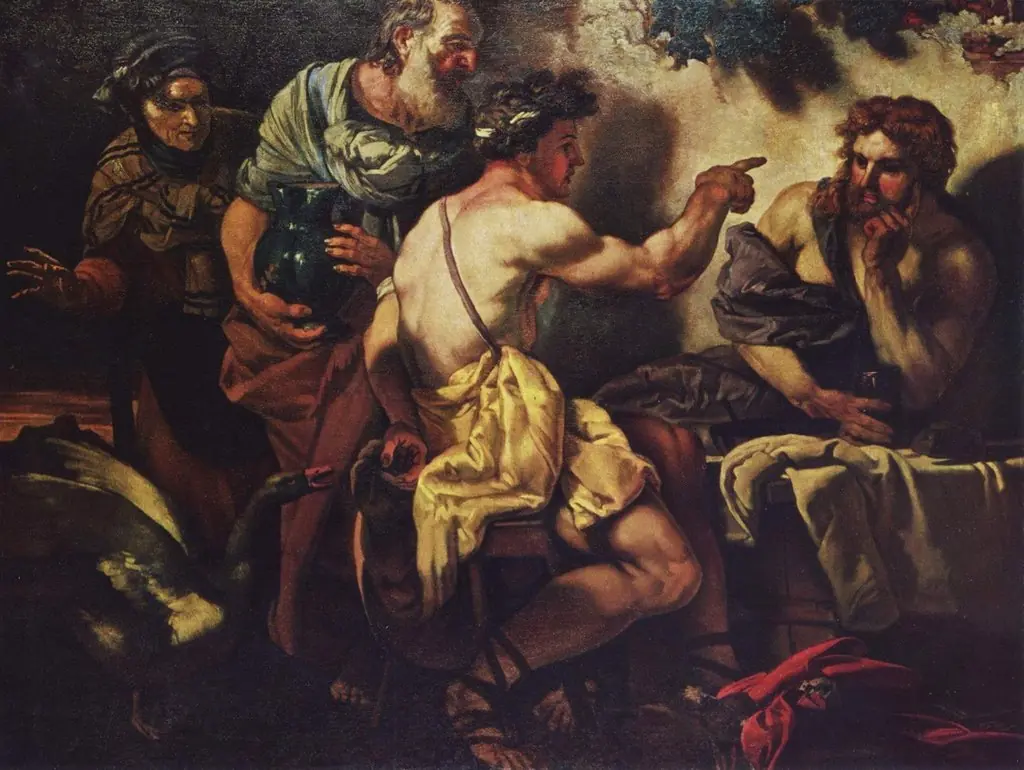
Der sterbende Seneca is a 1665 painting by Johann Carl Loth, currently part of the Alte Pinakothek's collection. The work depicts a dramatic, multi-figure scene with a central figure lying on the ground, surrounded by others in a state of tension and distress.
Subject & Meaning
The painting illustrates the death of Seneca, a Roman statesman and philosopher, as he meets his end. The scene conveys the emotional turmoil and reactions of those present, highlighting the gravity of the moment.
Technique & Style
Loth employs dynamic composition and expressive use of chiaroscuro, where contrasts of light and dark create depth and guide the viewer's focus towards the prone figure, emphasizing the dramatic intensity of the scene.
History & Provenance
Created in 1665, the painting has been held in the Alte Pinakothek's collection, with its history of ownership prior to acquisition not detailed in available information.
Context
Painted during the Baroque period, 'Der sterbende Seneca' reflects the era's penchant for dramatic, emotionally charged scenes, often inspired by classical subjects like the life and death of Seneca.
Legacy
While specific influences or notable exhibitions of 'Der sterbende Seneca' are not highlighted in provided sources, it contributes to the broader understanding of Loth's oeuvre and Baroque artistic themes.
Artist & collection

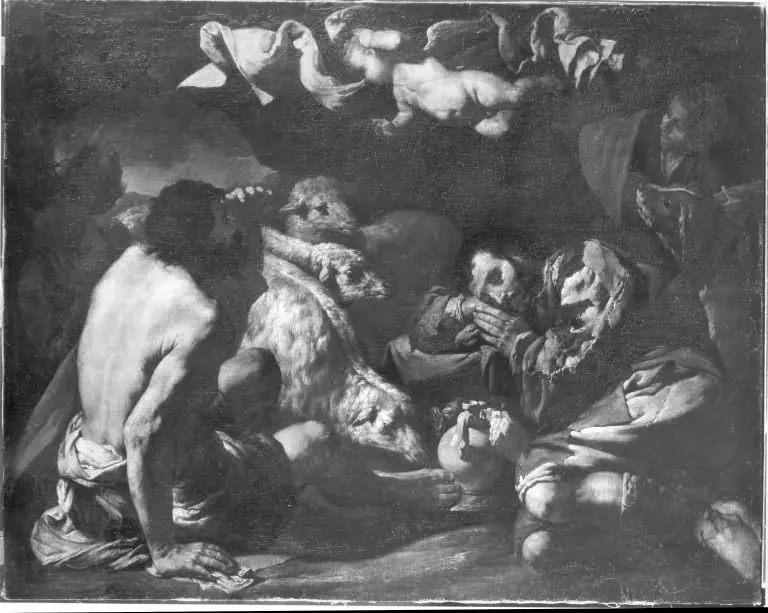 Verkündigung an die Hirten
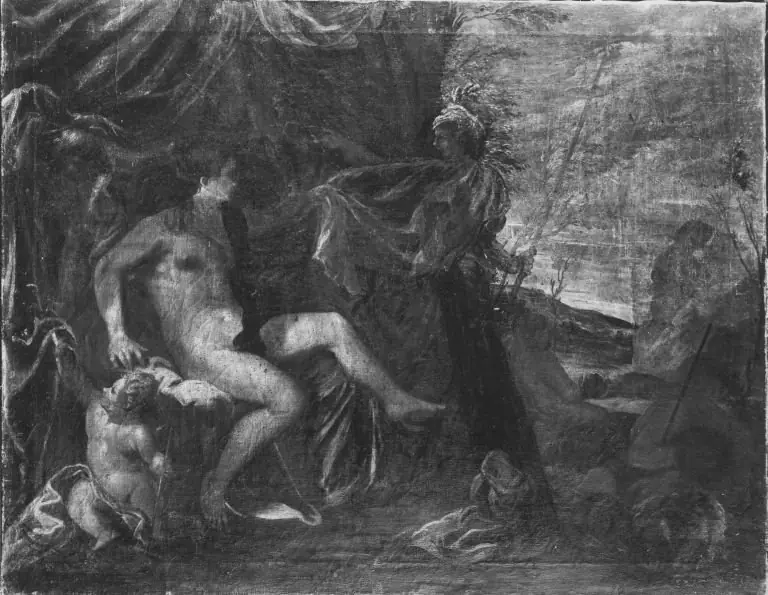 Venus und Adonis (zugeschrieben)
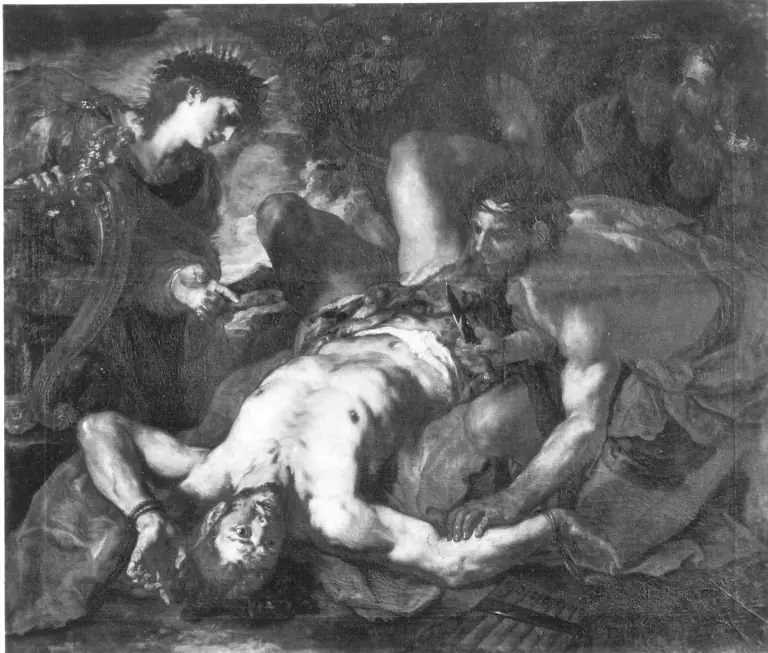 Apoll schindet Marsyas
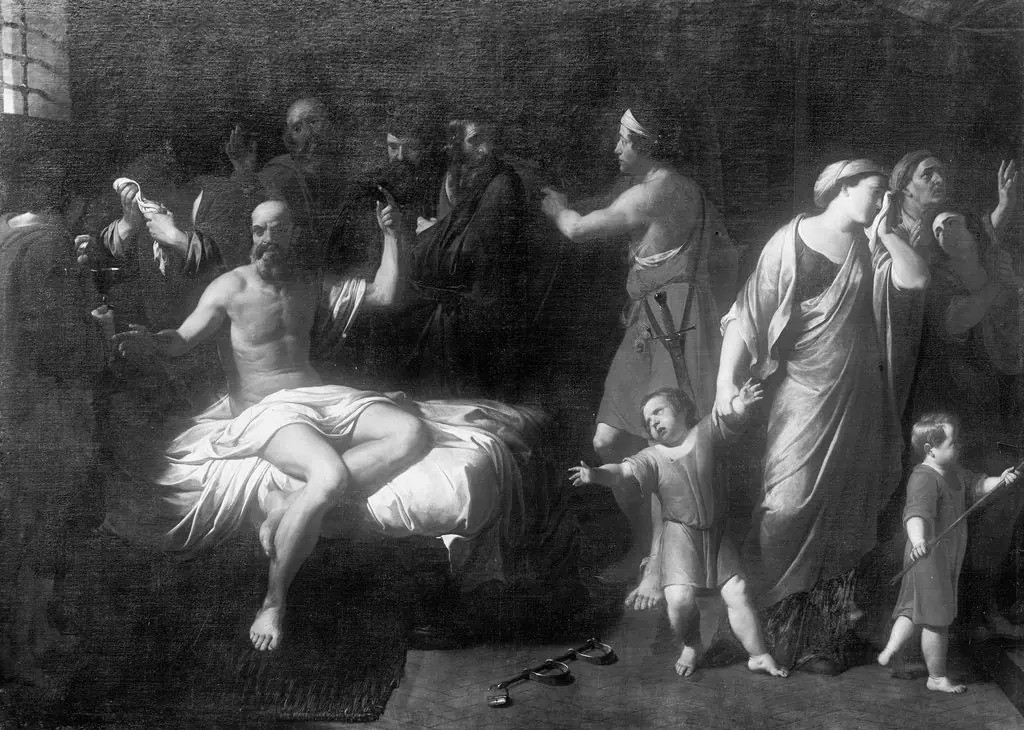 Socrates drinks the cup of poison
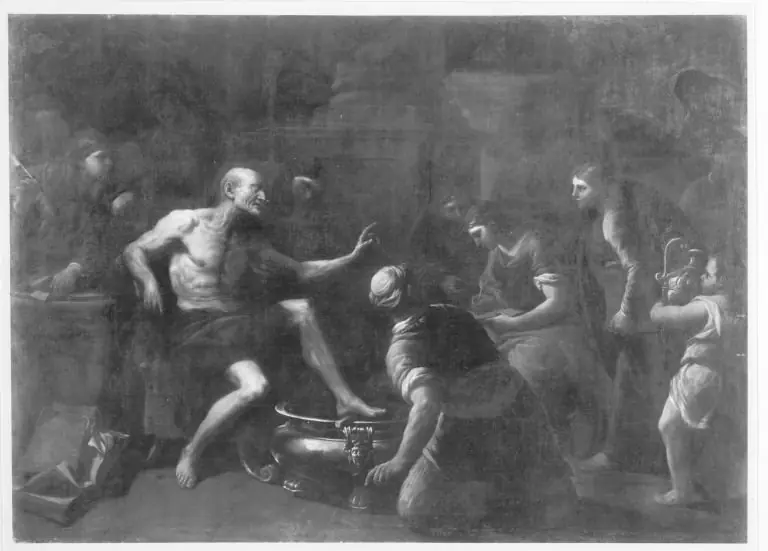 The dying Seneca
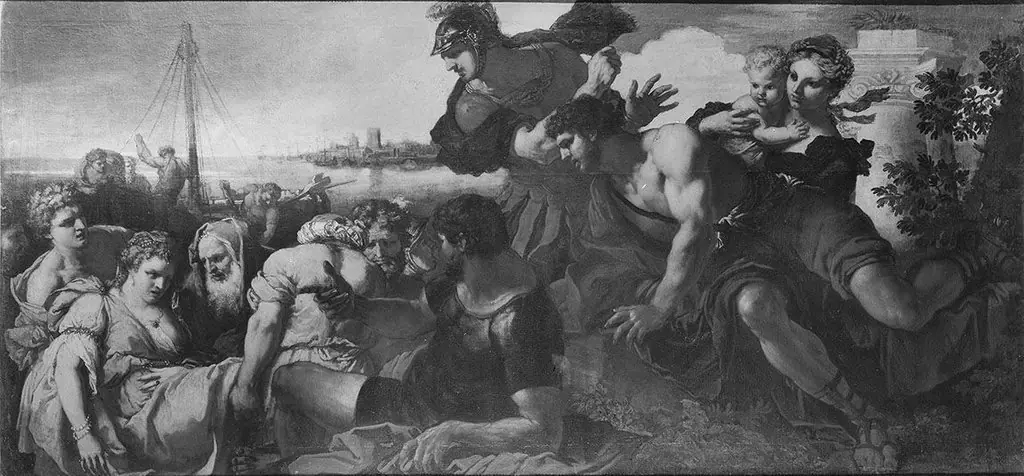 The Rescue of Agrippina, Mother of Nero
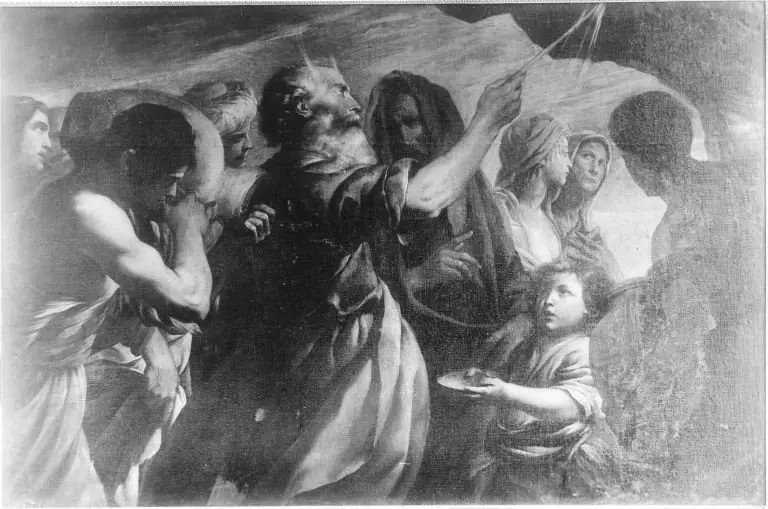 Moses schlägt Wasser aus dem Felsen
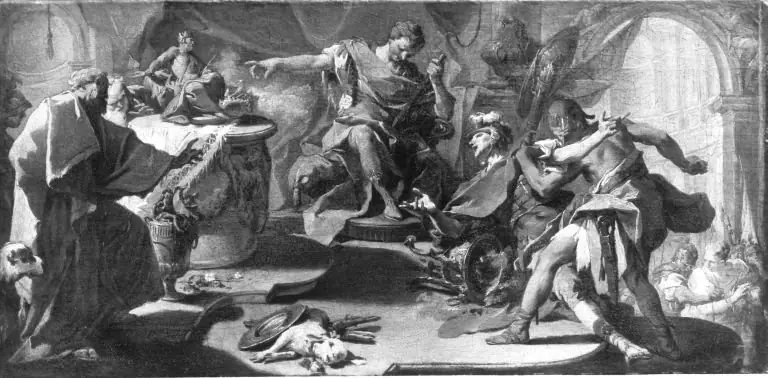 The St. Eustace refuses idolatry
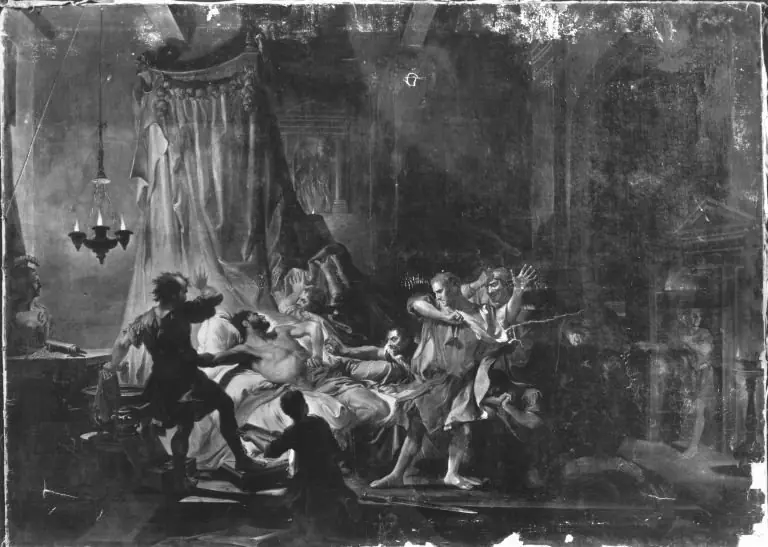 Der Tod des Cato von Utica
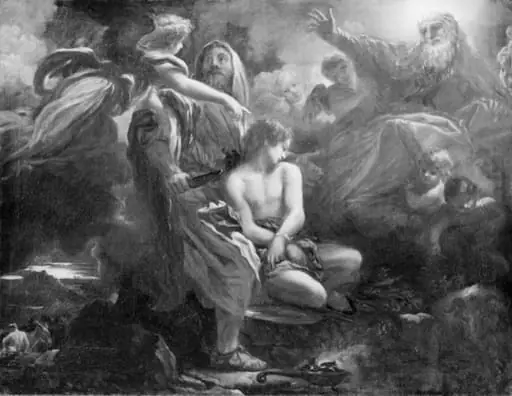 The Sacrifice of Isaac
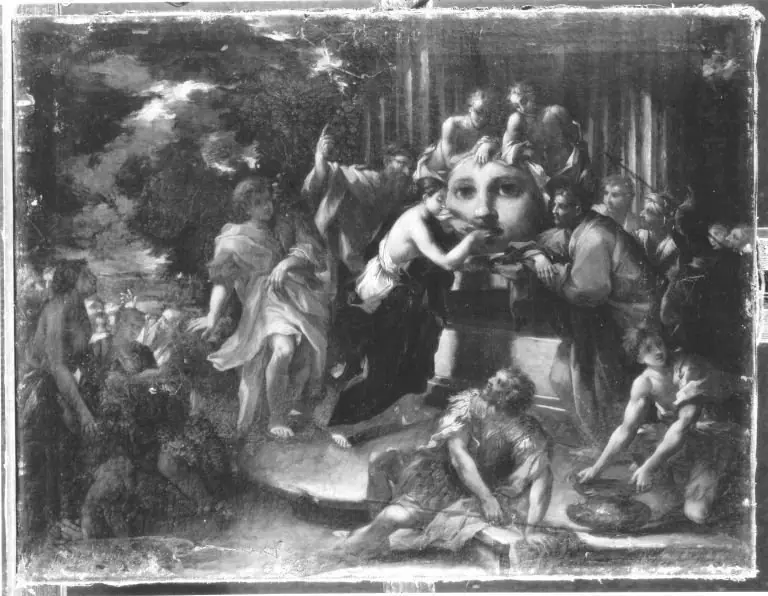 Der Mund der Wahrheit
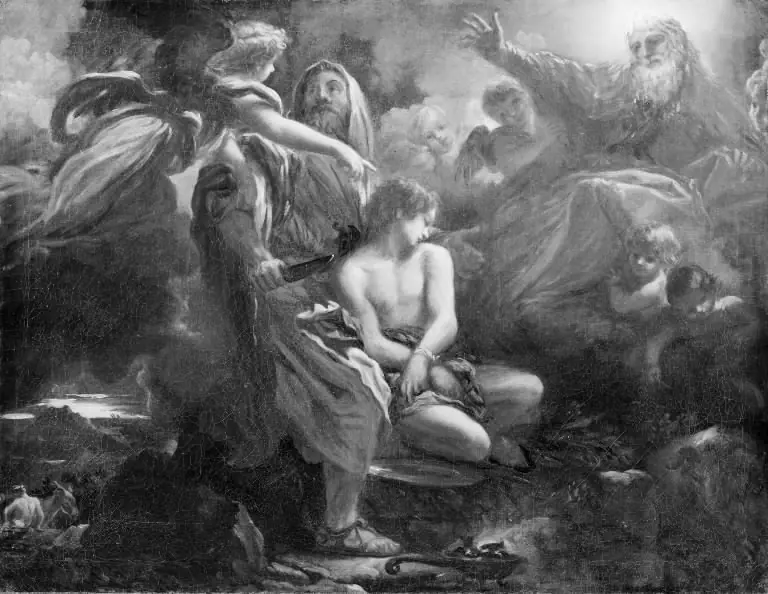 The Sacrifice of Isaac