Artwork
Saint Matthew
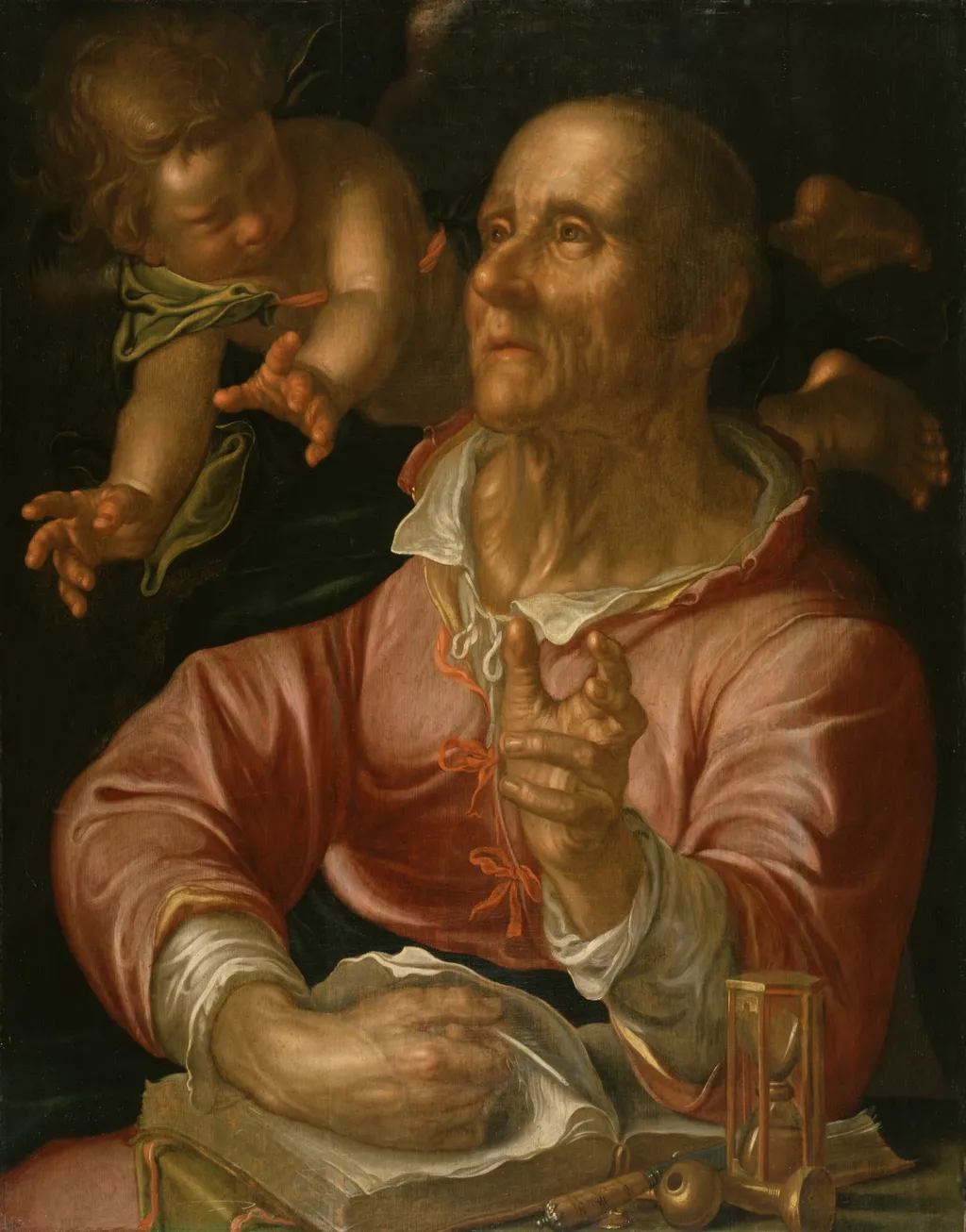
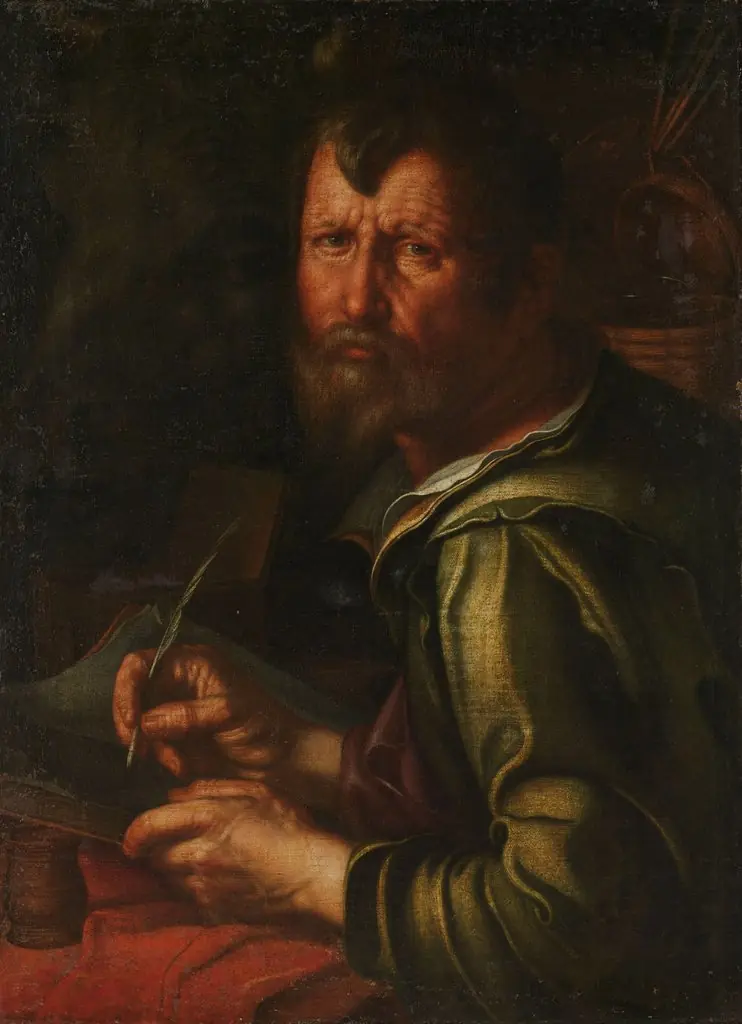
Saint Matthew is an oil painting by the Mannerist artist Joachim Wtewael. It dates from 1616 and is held in the collection of the Walters Art Museum.
About this work
Overview
Created in 1616, this oil painting by Dutch artist Joachim Wtewael portrays a seated figure in a vivid red robe, white collar and cuffs, engaged in writing with a quill. A diminutive winged being hovers near his left shoulder, lending a celestial aspect to the scene. The work exemplifies the religious genre typical of early‑17th‑century Dutch art and is part of the Walters Art Museum collection.
Subject & Meaning
The angelic attendant underscores the divine inspiration behind the gospel writer’s work, suggesting a moment of revelation or transcription of sacred text.
The central figure is identified as Saint Matthew, the evangelist traditionally shown with a book or writing instrument. The angelic attendant underscores the divine inspiration behind the gospel writer’s work, suggesting a moment of revelation or transcription of sacred text. The composition emphasizes the intellectual and spiritual duties of the saint, linking earthly scholarship with heavenly guidance.
Technique & Style
Wtewael employs a refined Mannerist approach, characterized by elongated forms, stylized poses, and meticulous surface detail. The oil medium allows for luminous coloration, particularly the deep reds of the robe and the delicate flesh tones. Fine brushwork renders the textures of fabric, parchment, and feathered wings, while the composition balances artificial elegance with a controlled sense of space.
History & Provenance
The painting remained in private hands for several centuries before entering the Walters Art Museum, where it is displayed as part of the European paintings collection. Documentation traces its acquisition to the early 20th century, confirming its attribution to Wtewael and its dating to the year 1616.
Context
Joachim Wtewael was a prominent figure in Northern Mannerism, a movement that favored sophisticated artificiality over the emerging naturalism of the Dutch Golden Age. His work often featured mythological and religious subjects rendered with elaborate gestures and decorative detail, positioning him as a counter‑current to contemporaries who embraced more realistic depictions.
Own this work as a print
Artist & collection
Artist
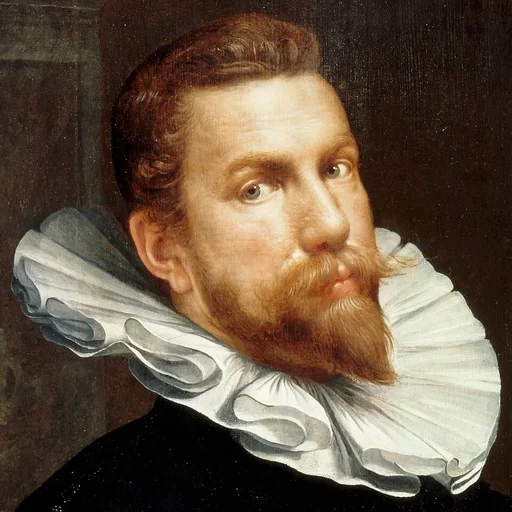
Joachim Anthoniszoon Wtewael (Dutch pronunciation: ; 1566 – 1 August 1638), also known as Uytewael (pronounced ), was a Dutch Mannerist painter and draughtsman, as well as a highly successful flax merchant, and town councillor of Utrecht.