Artwork
The Seasons: Spring
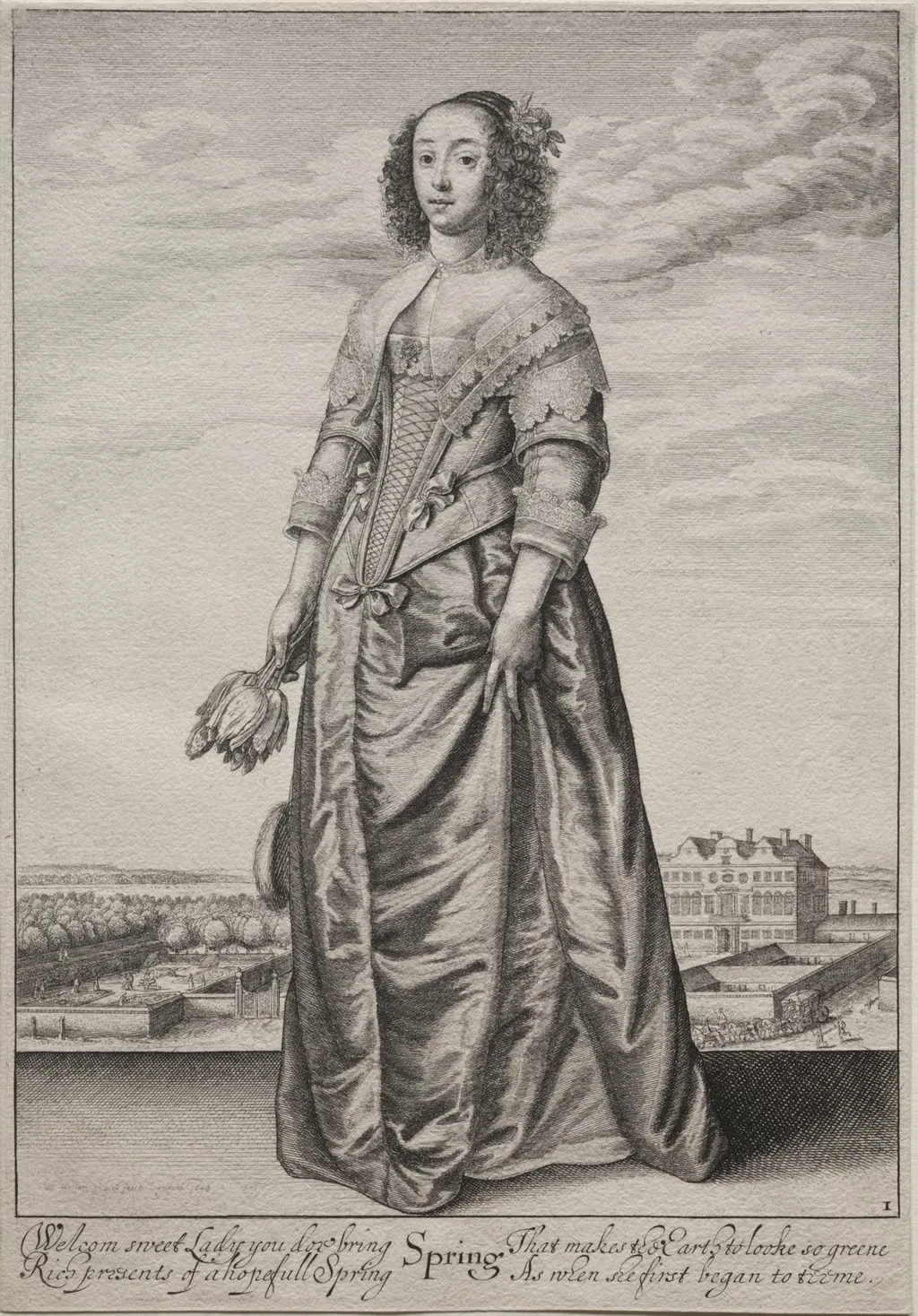
The Seasons: Spring is a print by the Baroque artist Wenceslaus Hollar. It dates from 1644 and is held in the collection of the Cleveland Museum of Art.
About this work
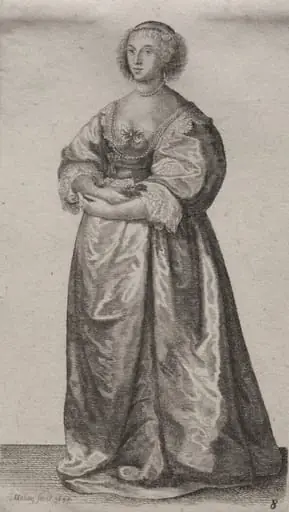
This engraving shows Spring with a woman in a simple dress holding a basket of flowers.
This engraving shows Spring with a woman in a simple dress holding a basket of flowers. Her hair falls loose over her shoulder, and a small lamb stands near her feet. Tiny birds perch on branches behind her.
It’s one of six seasonal prints Hollar made. Most artists grouped seasons in paintings, but Hollar made them as prints. That made the images easier to share and collect.
Look up Wenceslaus Hollar (Bohemian, 1607–1677).
Overview
Wenceslaus Hollar, a Bohemian printmaker active across Europe, produced a series of six engravings depicting the seasons between 1643 and 1644. This particular work, representing Spring, was part of a broader trend in print culture that favored sequential imagery. Unlike painted cycles, Hollar’s prints were designed for wider distribution, allowing collectors and the public to own and exchange these seasonal allegories. His prolific output—over 3,000 prints—reflects his role as a professional engraver rather than a fine artist working in isolation.
Subject & Meaning
Spring is personified by a young woman in a modest, flowing dress, holding a basket of blossoms, with a lamb resting at her feet and birds perched in the branches above. The imagery evokes renewal and fertility, aligning with traditional seasonal symbolism. Inscriptions in archaic English frame the scene with poetic warmth, celebrating the season’s return as a gift to the earth. The tone is gentle and lyrical, avoiding overt moralizing, and instead inviting quiet appreciation of nature’s cyclical rhythms.
Technique & Style
Hollar employed fine-line etching to render delicate textures—the softness of wool on the lamb, the feathery detail of leaves, and the folds of fabric. His background landscapes feature recognizable London landmarks, rendered with topographical precision yet softened by atmospheric perspective. The composition balances naturalism with allegorical grace, using subtle tonal gradations to suggest depth without heavy shading. The precision of his draftsmanship reflects his training in continental printmaking traditions.
History & Provenance
Hollar arrived in London in 1636 under the patronage of Thomas Howard, Earl of Arundel, a major collector of art and antiquities. While employed by Arundel, he retained creative autonomy, producing independent series like the Seasons. The 1643–44 prints were likely intended for sale to private collectors and civic institutions. Their survival in multiple institutional and private collections attests to their popularity during the mid-17th century, despite the disruptions of the English Civil War.
Context
Seasonal cycles were a common theme in European visual culture, often appearing in tapestries, paintings, and manuscripts. Hollar’s innovation lay in translating this motif into affordable, reproducible prints. His series responded to a growing market for domestic decoration and intellectual pastimes among the middling classes. By situating allegorical figures within identifiable London locales, he merged classical tradition with contemporary urban identity, making the abstract tangible for his audience.
Legacy
Hollar’s Seasons series exemplifies the shift from elite, singular artworks to accessible, serial imagery in early modern Europe. His prints influenced later illustrators and topographical artists who sought to blend allegory with realism. Though less celebrated than his architectural views or portraits, this series remains a key example of how printmaking democratized symbolic imagery. The work continues to be studied for its fusion of literary tone, visual detail, and cultural specificity in a time of political upheaval.
Artist & collection
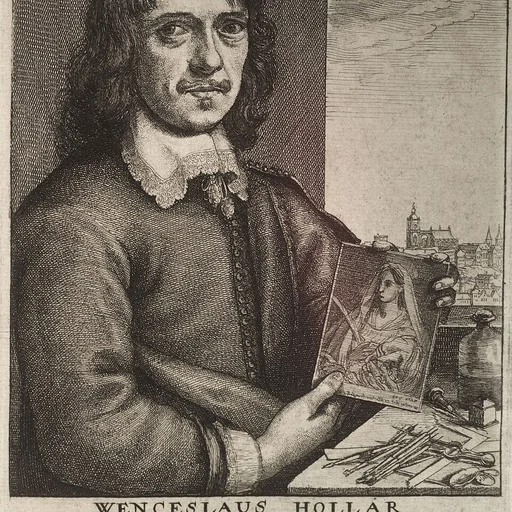
Artist
Wenceslaus Hollar (Czech: Václav Hollar (Czech pronunciation: ), German: Wenzel Hollar; 23 July 1607 – 25 March 1677) was a Czech engraver, etcher and painter.


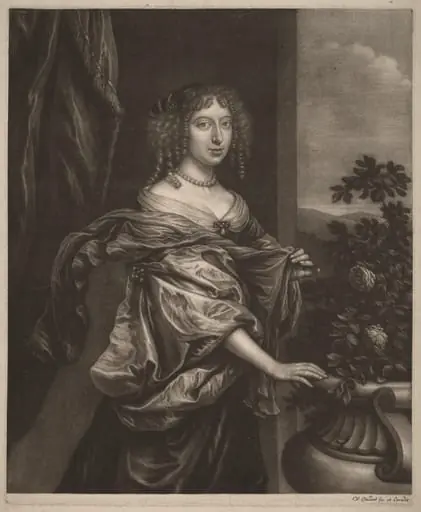 Portrait of a Lady beside a Rose Bush
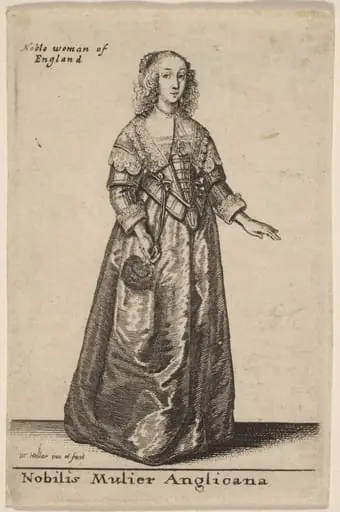 Nobilis Mulier Anglicana
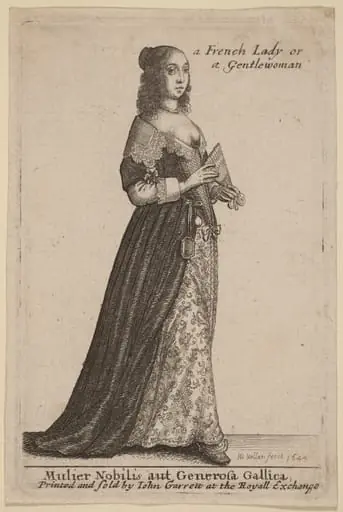 Mulier Nobilis aut Generosa Gallica
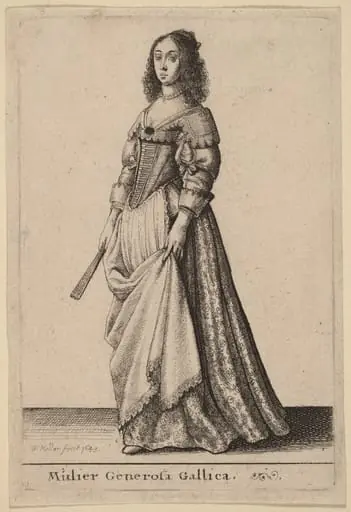 Mulier Generosa Gallica
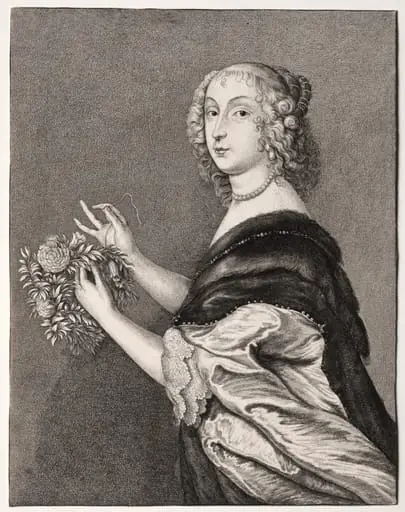 Cecilia, Lady Killigrew
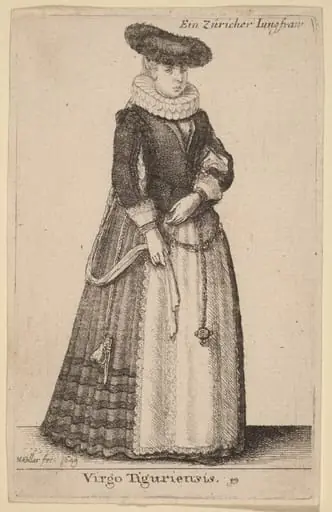 Virgo Tiguriensis
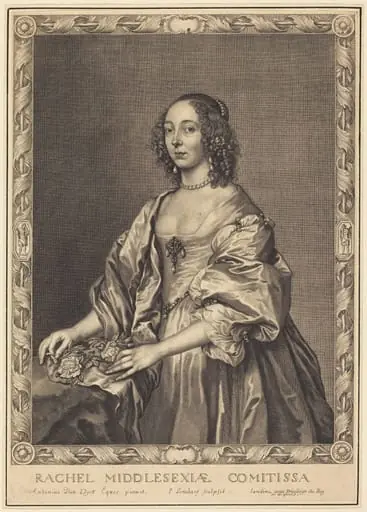 Rachel, Countess of Middlesex
 The Several Habits of English Women, from the Nobility to the Country Women as they are in these times: The Woman with Flowers