Artwork
The Seasons
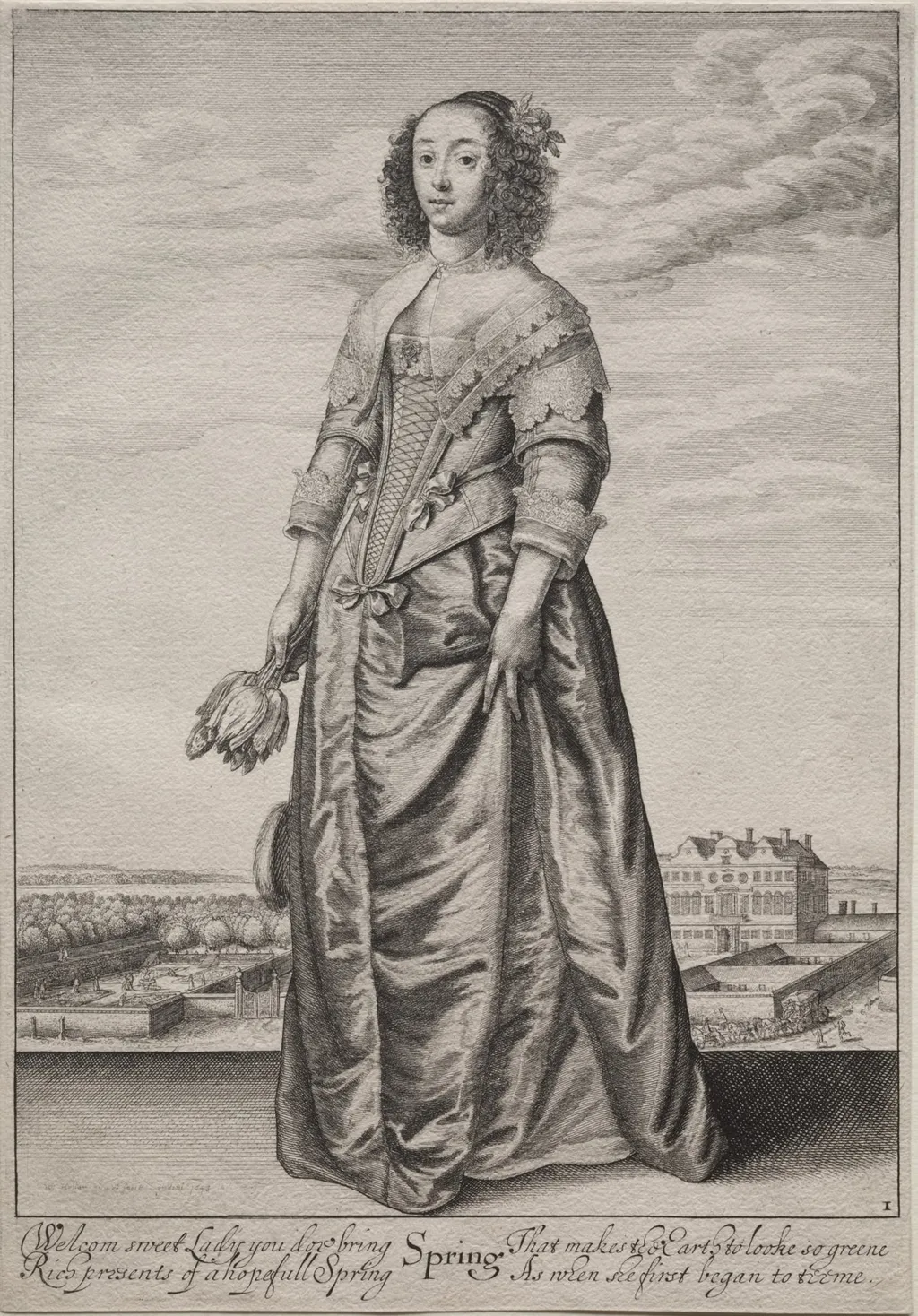
The Seasons is a print by the Baroque artist Wenceslaus Hollar. It dates from 1644 and is held in the collection of the Cleveland Museum of Art. The work is a series of four etchings, each representing one of the four seasons.
About this work
If you like this, check out Wenceslaus Hollar (Bohemian, 1607–1677) next.
This etching shows four panels, one for each season. Winter is snow-covered trees and bare branches. Spring has blooming flowers and a young deer. Summer shows ripe fruit and a resting man. Fall has a wheat field and a farmer.
Hollar made six versions of this set. He etched them around 1643-44. Each season’s panel fits in one sheet.
If you like this, check out Wenceslaus Hollar (Bohemian, 1607–1677) next.
Overview
The work is a series of four etchings, each representing one of the four seasons. In each plate a female figure, dressed to suit the climatic conditions of the season, stands before a landscape that includes identifiable London landmarks. The images are accompanied by brief verses in early modern English that add a playful, celebratory tone to the seasonal theme.
Subject & Meaning
The allegorical figures embody the passage of time, linking human activity to the natural cycle. Spring’s lady is surrounded by blossoms and a young deer, suggesting renewal; Summer’s scene features ripe fruit and a reclining man, evoking abundance; Autumn presents a wheat field and a farmer, highlighting harvest; Winter shows barren trees under snow, conveying dormancy. The verses reinforce the optimistic view of each season’s gifts.
Technique & Style
Etched by Wenceslaus Hollar around 1643–44, the plates display fine line work characteristic of his mature printmaking. The artist employs delicate cross‑hatching to render texture in foliage, sky, and architectural details, while the figures are rendered with elegant, flowing drapery. The composition balances the central allegorical figure with a panoramic background, creating a harmonious integration of portraiture and landscape.
History & Provenance
Hollar, a Bohemian-born printmaker active in Germany, London, and Antwerp, produced six distinct versions of this seasonal series. He arrived in London in 1636 while employed by the Earl of Arundel, a prominent collector who likely facilitated Hollar’s access to the city’s landmarks. The series was issued as individual sheets, allowing collectors to assemble a complete set.
Context
During the mid‑17th century, seasonal cycles were a favored motif in printed art, reflecting both scientific interest in the calendar and a popular taste for allegory. Hollar’s series aligns with this trend, yet distinguishes itself through the inclusion of contemporary London scenery, linking the universal theme of time to a specific urban environment.
Artist & collection
Artist
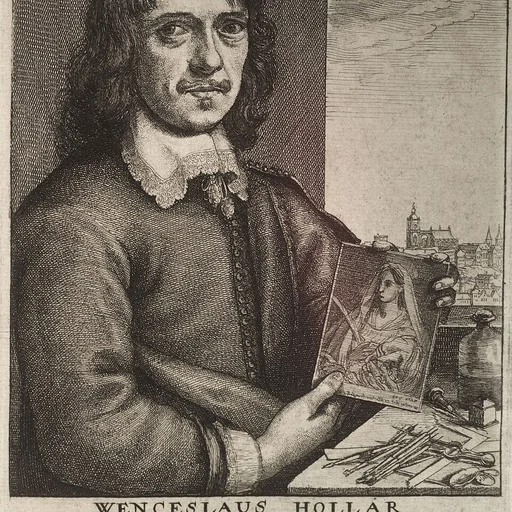
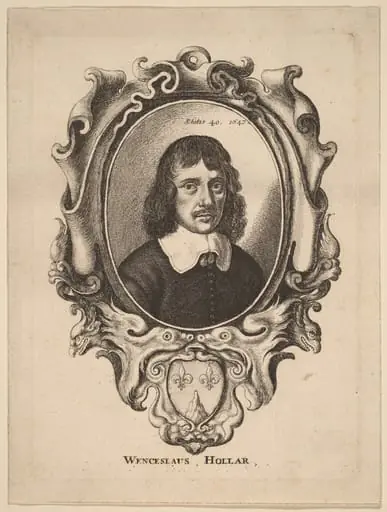
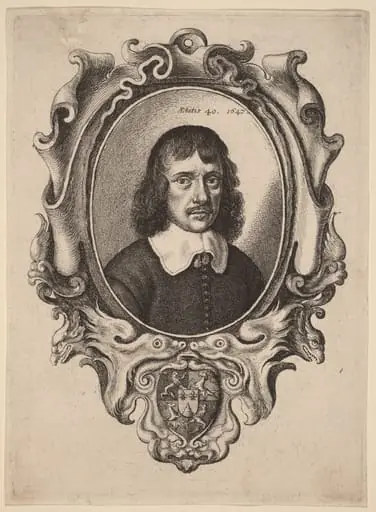
Wenceslaus Hollar (Czech: Václav Hollar (Czech pronunciation: ), German: Wenzel Hollar; 23 July 1607 – 25 March 1677) was a Czech engraver, etcher and painter.


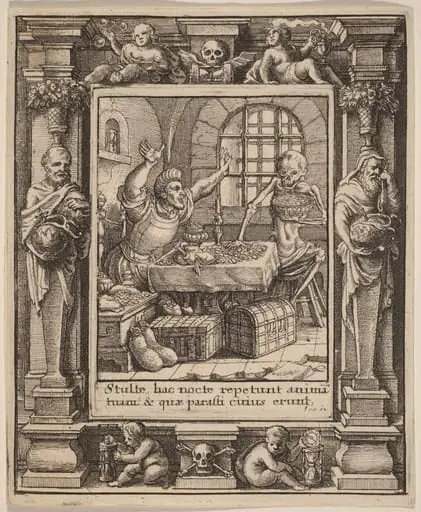
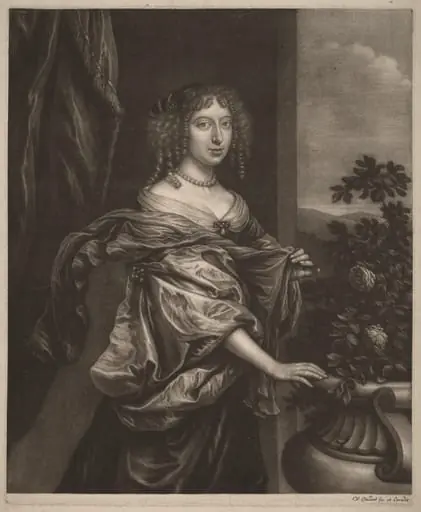 Portrait of a Lady beside a Rose Bush
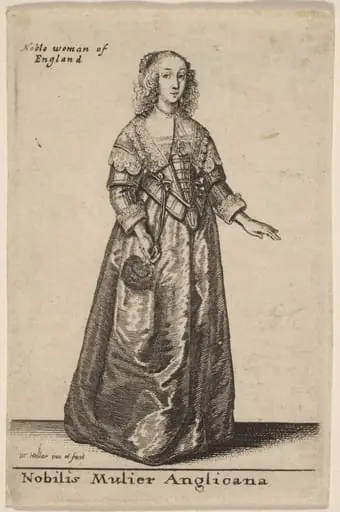 Nobilis Mulier Anglicana
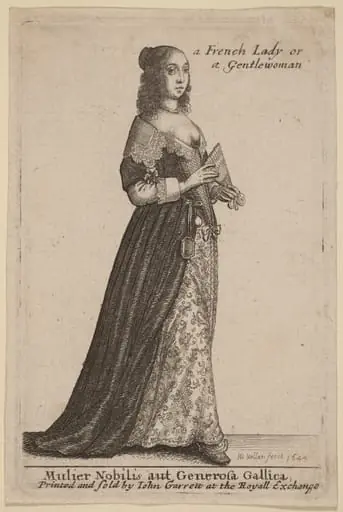 Mulier Nobilis aut Generosa Gallica
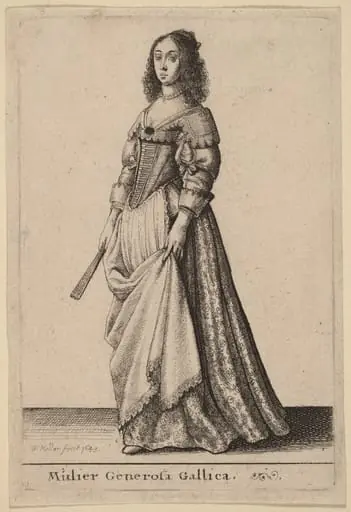 Mulier Generosa Gallica
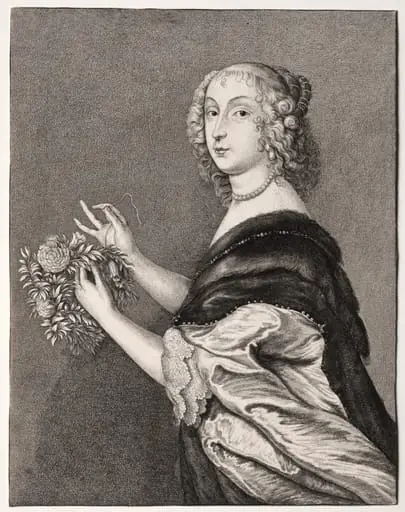 Cecilia, Lady Killigrew
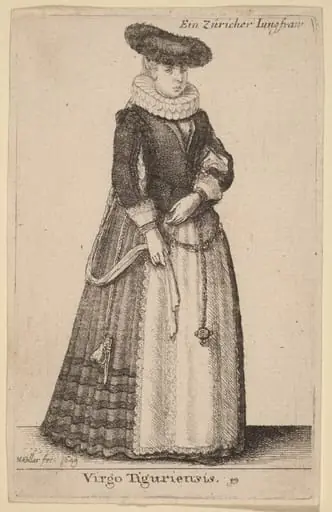 Virgo Tiguriensis
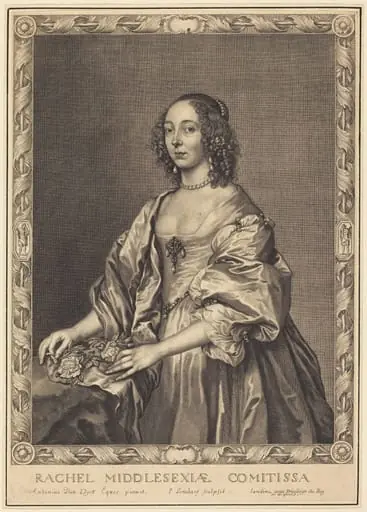 Rachel, Countess of Middlesex
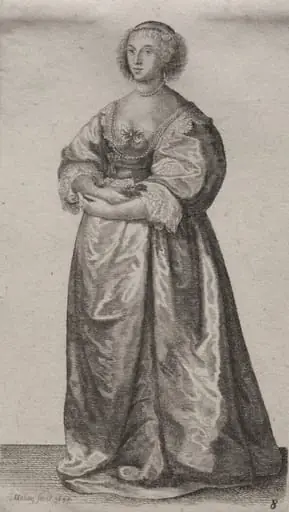 The Several Habits of English Women, from the Nobility to the Country Women as they are in these times: The Woman with Flowers