Artwork
Old Man Lighting a Pipe
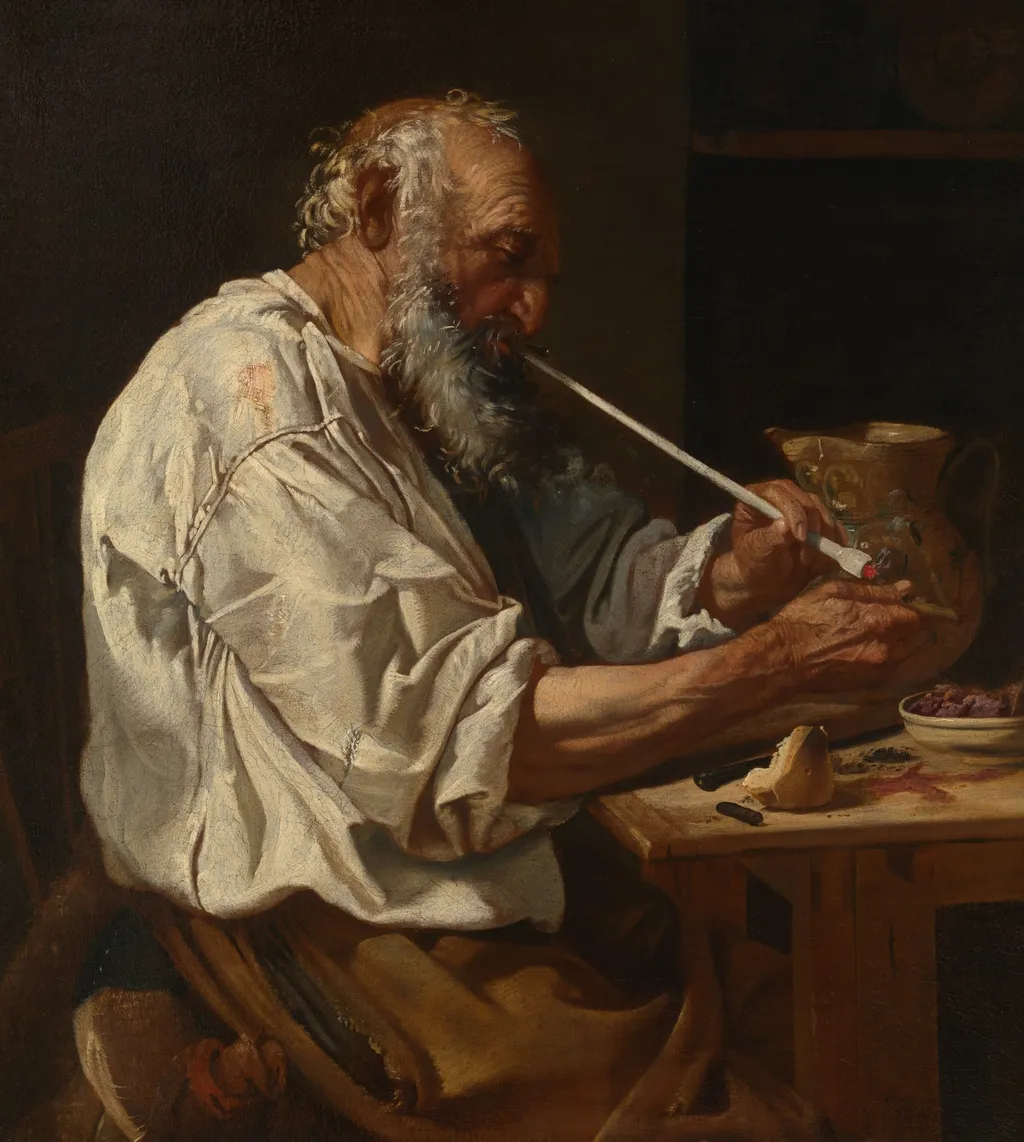
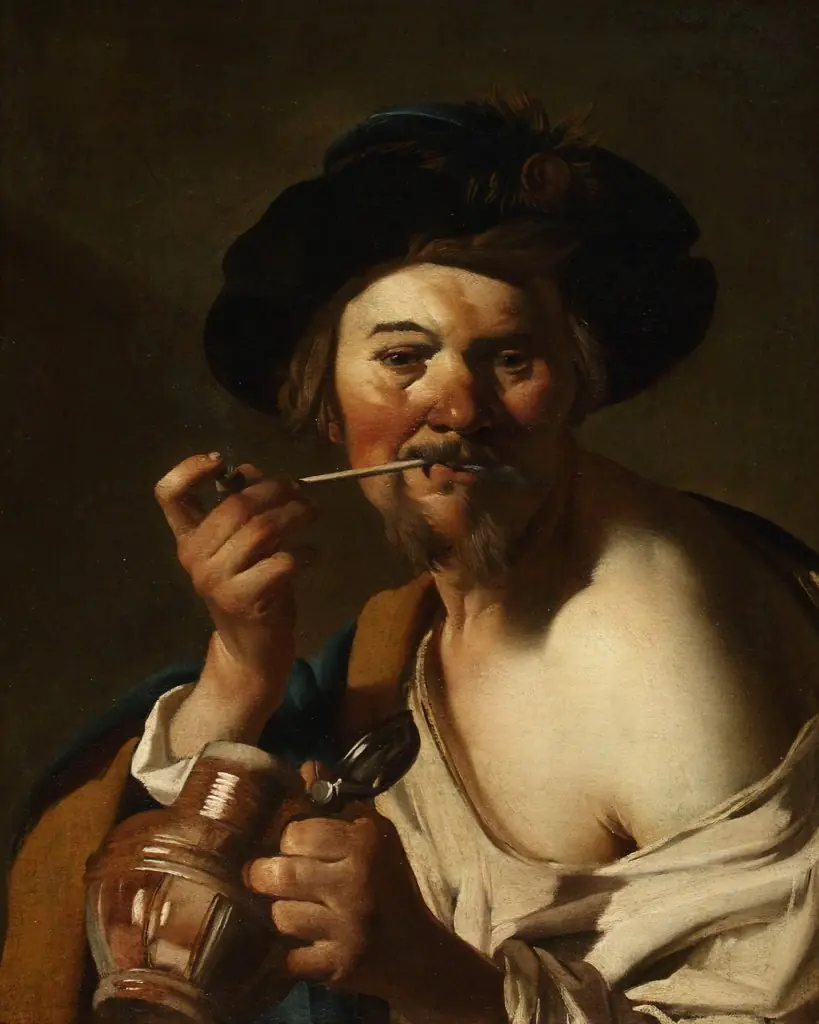
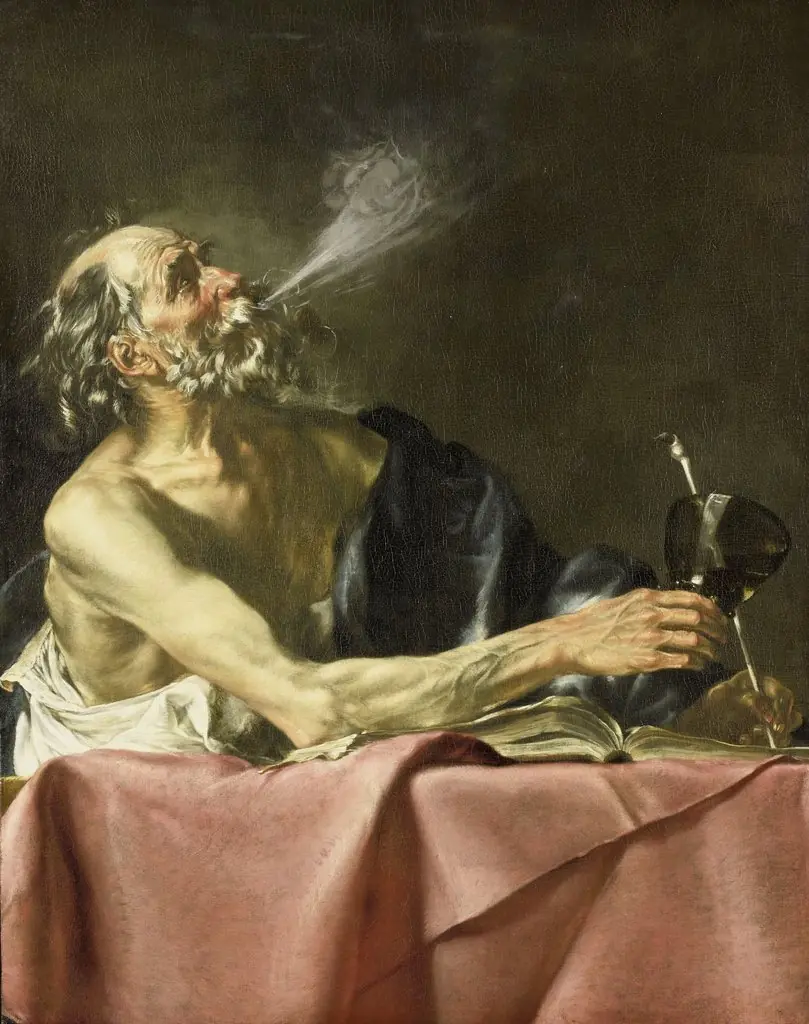
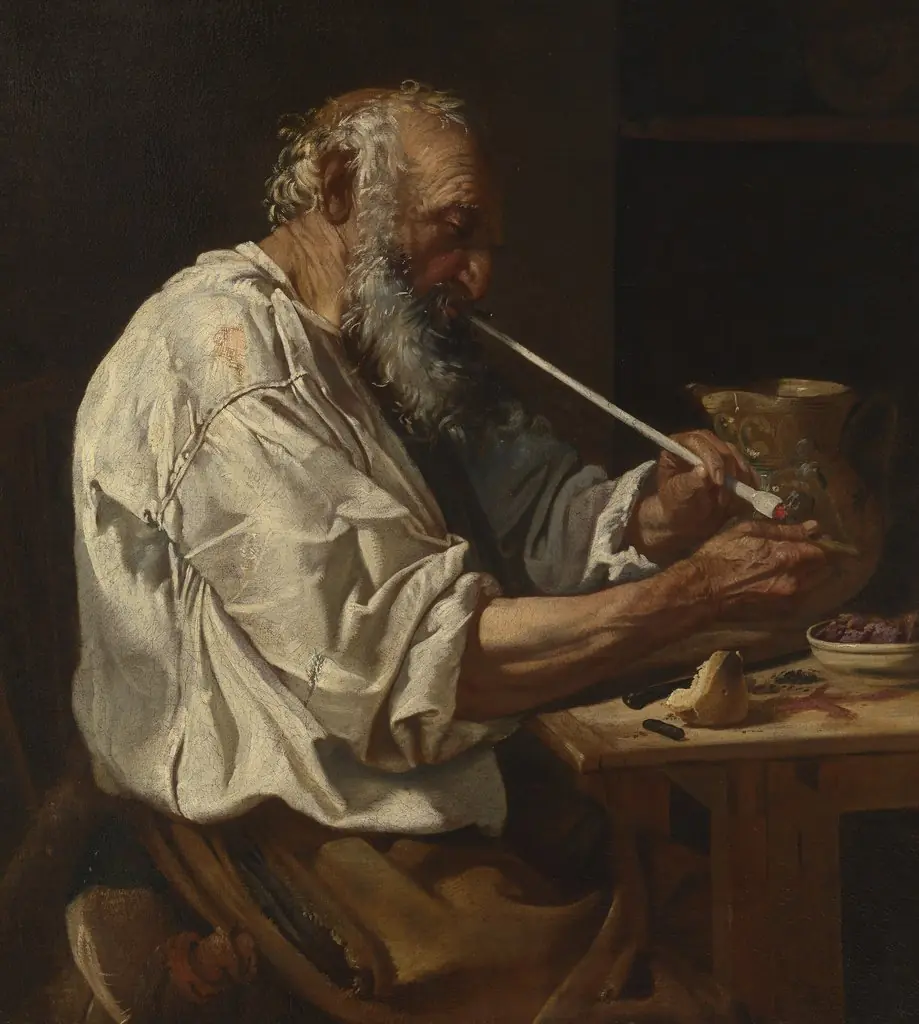
Old Man Lighting a Pipe is an oil painting by the Baroque artist Johann Carl Loth. It dates from 1660 and is held in the collection of the Art Institute of Chicago. This oil painting depicts an elderly man in quiet concentration as he lights a clay pipe.
About this work
Overview
The lighting, soft yet directional, draws attention to the ember’s glow and the man’s focused expression, creating a sense of stillness and solitude.
This oil painting depicts an elderly man in quiet concentration as he lights a clay pipe. Set against a dark background, the scene isolates the figure in a moment of intimate ritual. The composition emphasizes tactile details—wrinkled skin, rough hands, and worn fabric—rendered with subtle tonal shifts. The lighting, soft yet directional, draws attention to the ember’s glow and the man’s focused expression, creating a sense of stillness and solitude.
Subject & Meaning
The figure represents a common rural laborer, his weathered appearance suggesting a life of physical toil. Smoking, recently introduced to Europe from the Americas, was not yet stigmatized and often associated with comfort or medicinal practice. Here, the act is portrayed without moral judgment, as a private, habitual gesture. The man’s absorbed demeanor invites contemplation rather than narrative, framing smoking as a quiet, personal ritual rather than a social performance.
Technique & Style
Johann Carl Loth employs a restrained palette dominated by earth tones, aligning with Northern European traditions of detailed realism. The lighting follows a Caravaggesque approach, using strong contrasts between shadow and a single warm source to model form. The flame’s glow illuminates the man’s face and hands with delicate gradations, enhancing texture without theatricality. Brushwork is precise yet unobtrusive, prioritizing naturalism over ornamentation.
History & Provenance
Painted in the mid-17th century, the work reflects the influence of Dutch and Flemish genre painting, which frequently portrayed solitary figures engaged in everyday acts. Loth, a German artist trained in Italy, synthesized Northern attention to material detail with Italianate chiaroscuro. The painting’s early provenance is undocumented, but its subject and style place it within a broader European trend of depicting smokers as subjects of psychological and visual interest.
Context
Tobacco arrived in Northern Europe in the late 1500s and by the 1600s had become a common, if controversial, habit. Artists were drawn to the visual drama of smoke and flame, particularly in dim interiors where candlelight could heighten emotional resonance. This painting aligns with a growing interest in individual character and quiet moments, moving away from grand historical or religious themes toward the dignity of ordinary life.
Legacy
The painting contributes to a genre that elevated mundane acts into subjects of artistic study. While not widely known today, it exemplifies how 17th-century painters used light and texture to convey inner states through external details. Its restrained approach influenced later realist traditions, particularly in the depiction of aging and labor, where emotional depth emerged from subtle observation rather than dramatic gesture.
Own this work as a print
Artist & collection