Artwork
Cato the Younger's Death
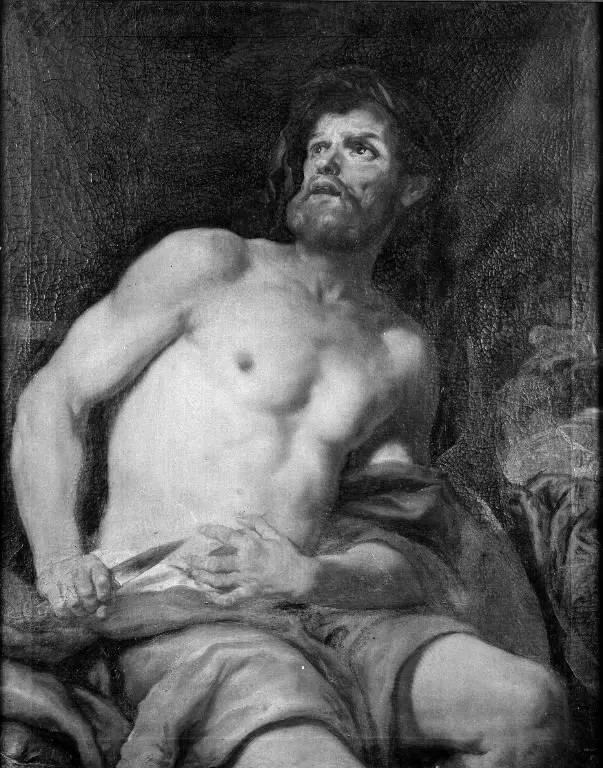
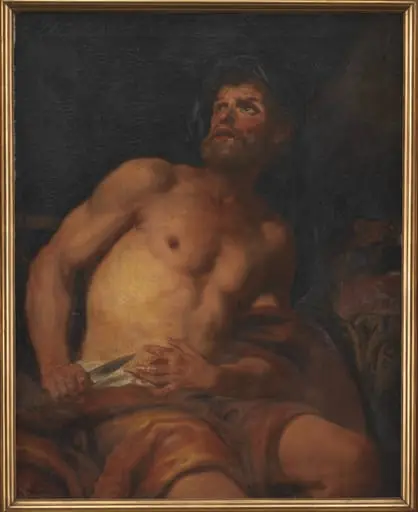
Cato the Younger's Death is an oil painting by the Flemish Baroque painting artist Johann Carl Loth. It dates from 1672 and is held in the collection of the Statens Museum for Kunst.
About this work
Overview
This work exemplifies Loth's interest in Stoic virtue and historical tragedy, themes prevalent in 17th-century academic painting.
Johann Carl Loth's 'Cato the Younger's Death,' executed in 1672, portrays the Roman statesman Cato the Uticensis immediately after attempting suicide by stabbing himself. The composition centers on the protagonist seated on the ground, his torso exposed save for a cloth draped across his waist. Cato's left hand clutches the dagger that has pierced his abdomen, while his right hand presses against the wound, capturing the precise moment of physical agony and moral resolve. Loth renders the figure with a naturalistic attention to anatomy and dramatic chiaroscuro, characteristic of his synthesis of German and Italian Baroque traditions. The artist, who spent much of his career in Venice, utilizes deep shadows and focused lighting to isolate the tragic figure against a dark, indistinct background, intensifying the emotional gravity of the scene. This work exemplifies Loth's interest in Stoic virtue and historical tragedy, themes prevalent in 17th-century academic painting. The painting serves as a significant example of Loth's mature style, demonstrating his ability to convey psychological depth and physical realism within a classical narrative framework.
Subject & Meaning
The work captures the dramatic climax of Cato’s life, when he chose suicide rather than submit to the tyranny of Julius Caesar. The figure’s clenched left hand grips a dagger, while his right hand clutches his abdomen, suggesting the physical act of cutting his own throat and the emotional weight of his principled sacrifice.
Technique & Style
Loth employs a stark chiaroscuro, bathing the subject in a focused light that isolates him against a deep, shadowed backdrop. The rendering of musculature and flesh is meticulous, emphasizing the realism of the body’s tension. The limited palette and dramatic contrast heighten the sense of immediacy and inner turmoil.
History & Provenance
Completed in 1672, the painting entered the collection of Denmark’s national gallery, the Statens Museum for Kunst, where it remains on display. Its presence in the museum reflects the 17th‑century Northern European interest in classical themes and moral exempla drawn from antiquity.
Artist & collection

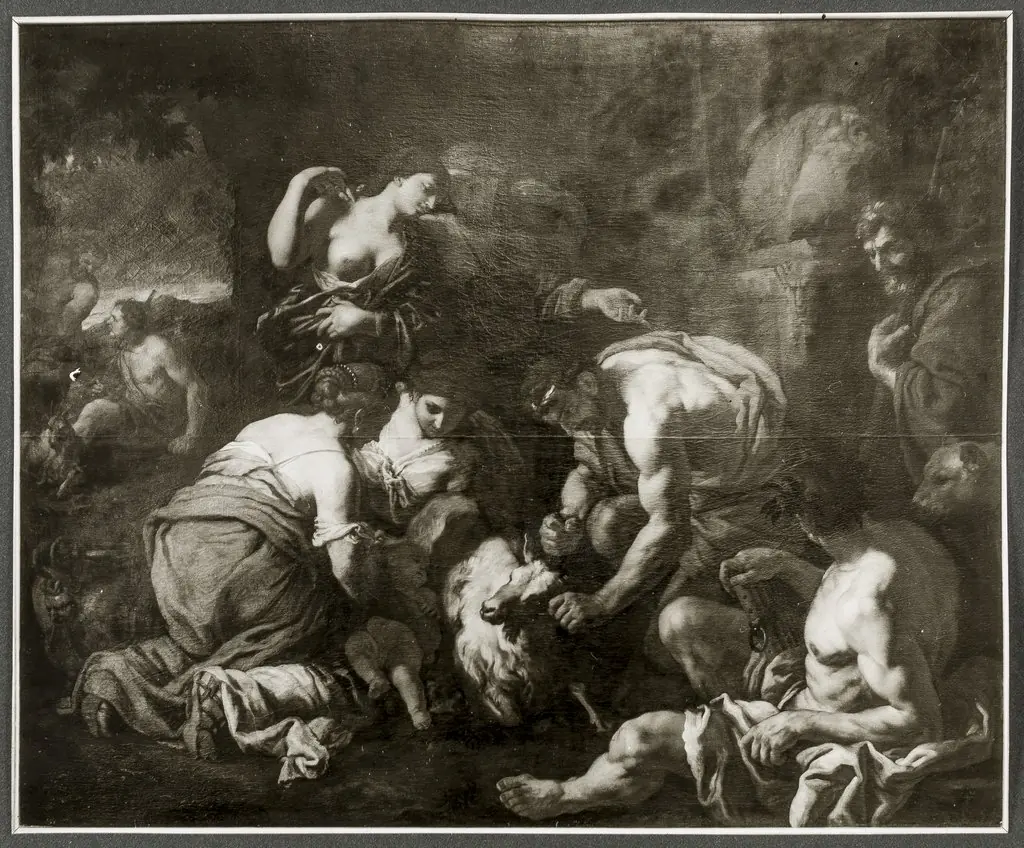
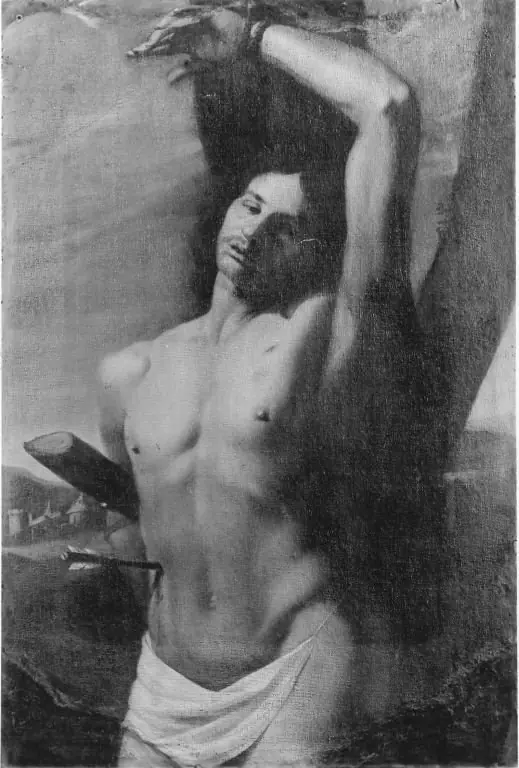 St Sebastian
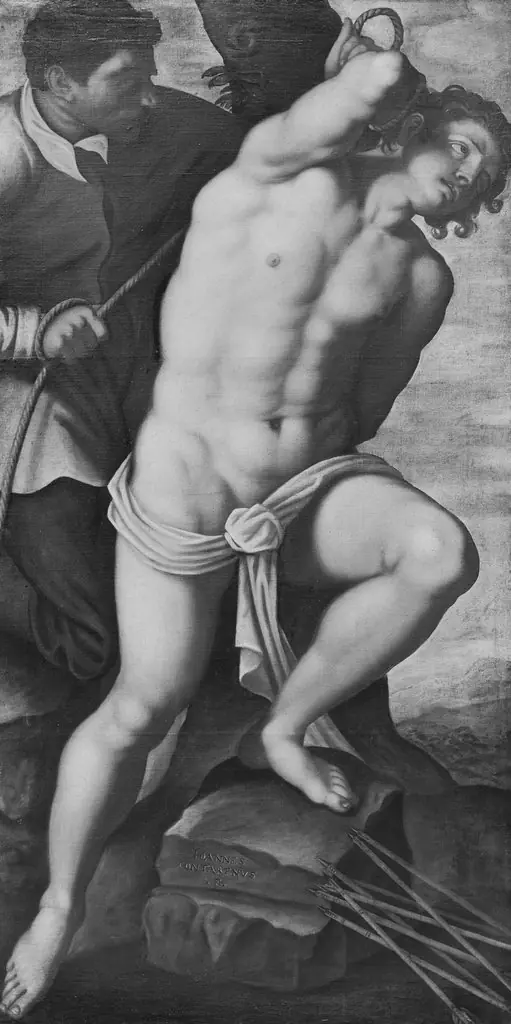 Saint Sebastian
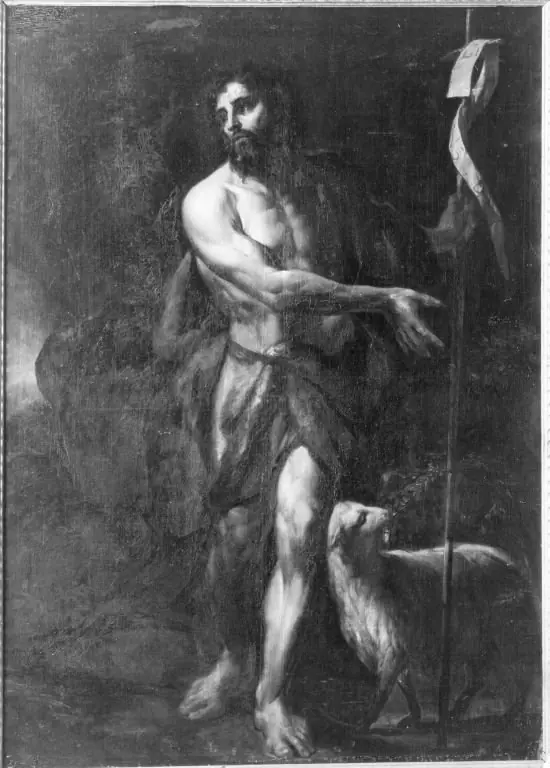 Johannes der Täufer
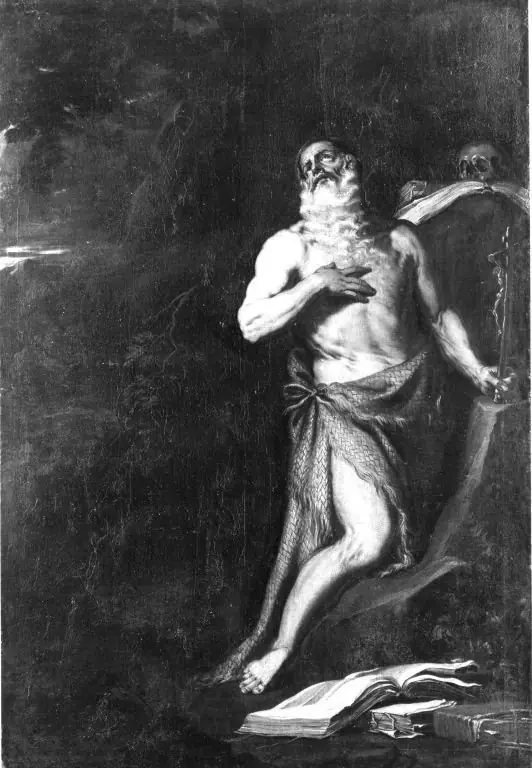 Der hl. Hieronymus
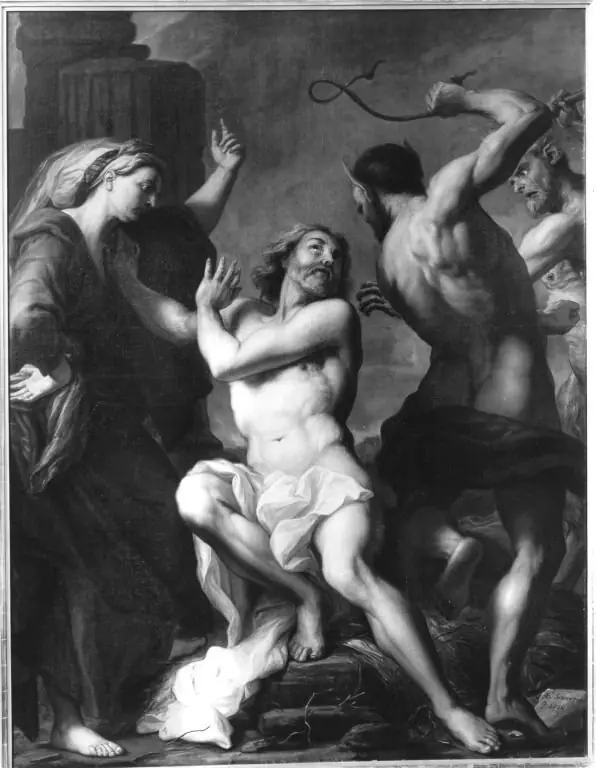 Hiobs Leiden
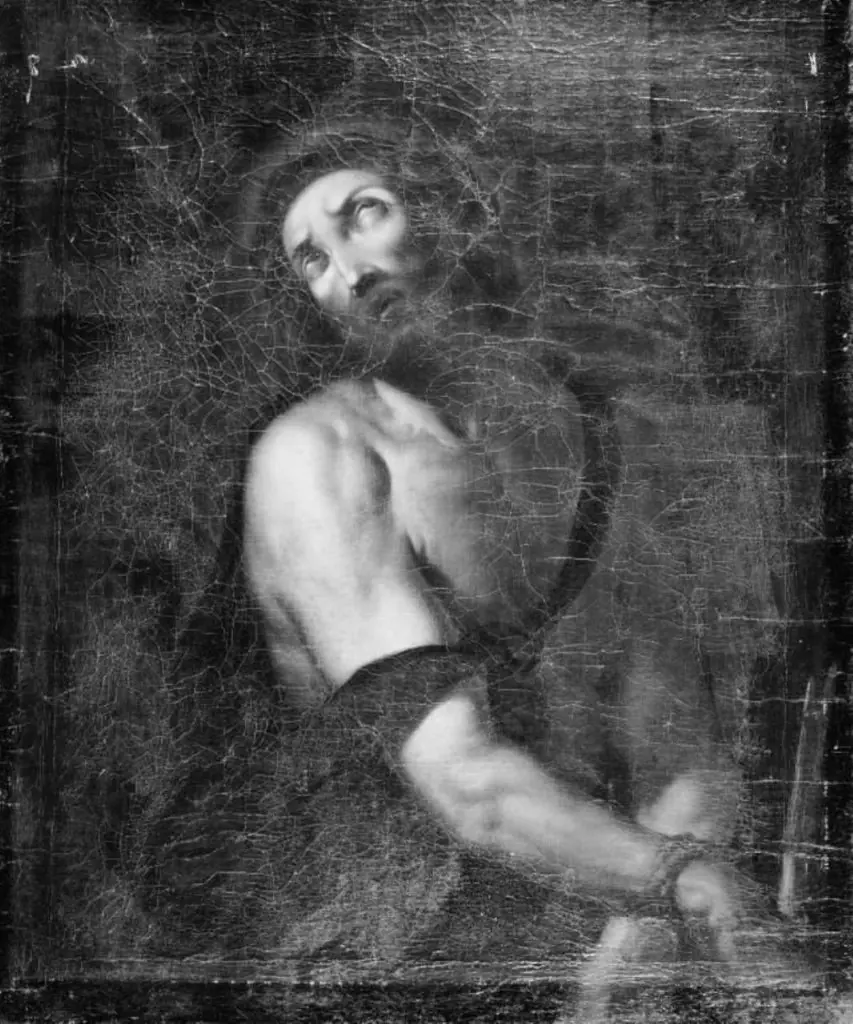 Kristus med tornekronen og sammenbundne hænder, holder i den højre hånd et rør
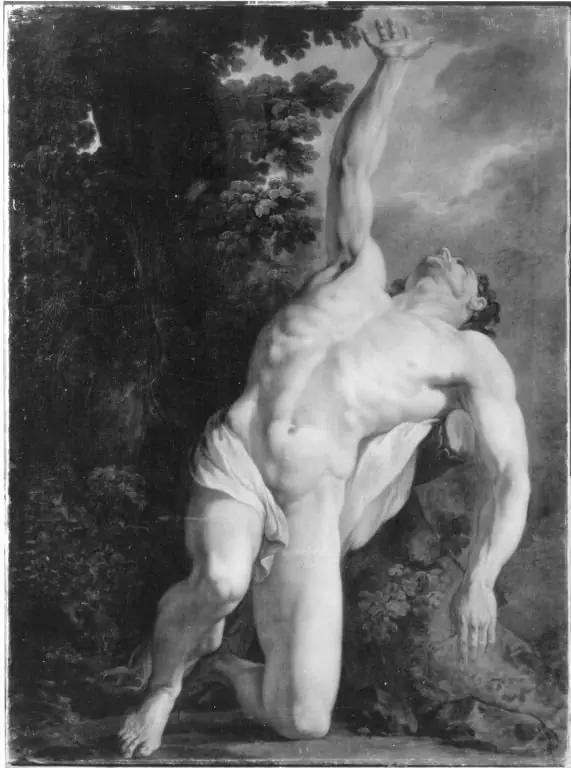 Männliche Aktstudie
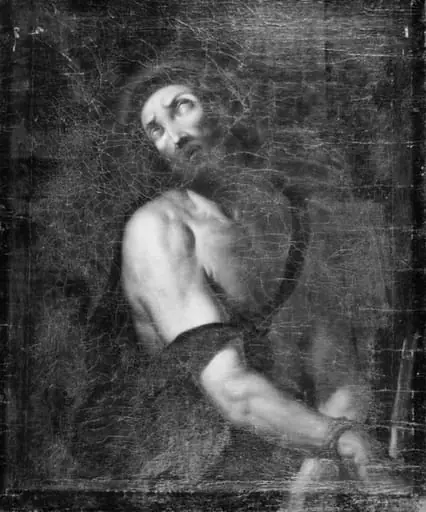 Kristus med tornekronen og sammenbundne hænder, holder i den højre hånd et rør
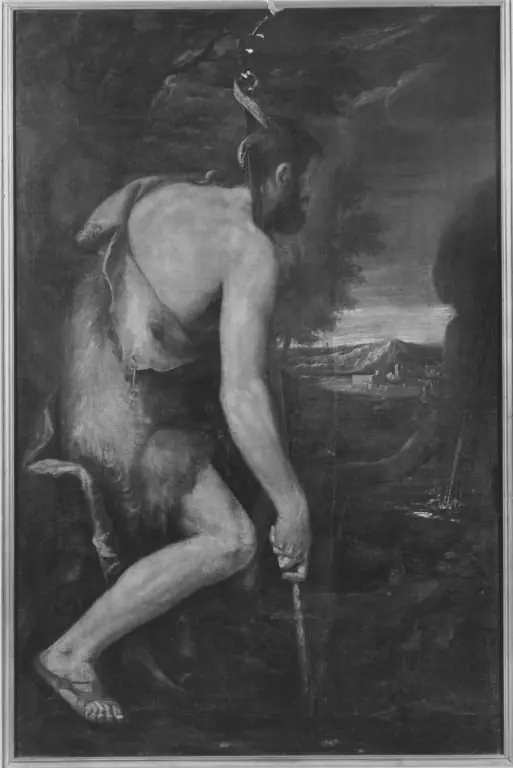 Johannes der Täufer
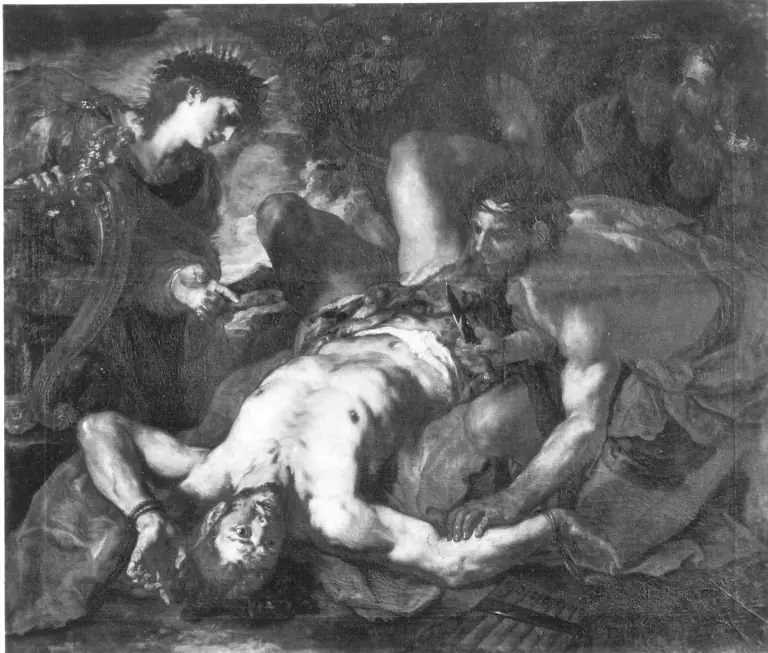 Apoll schindet Marsyas
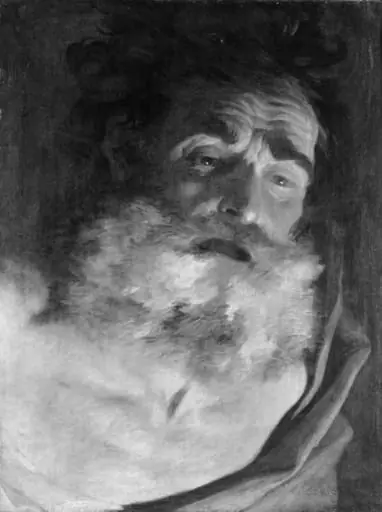 Male Head
 Cato the Younger's Death