Artwork
Portrait of Sarah Greig
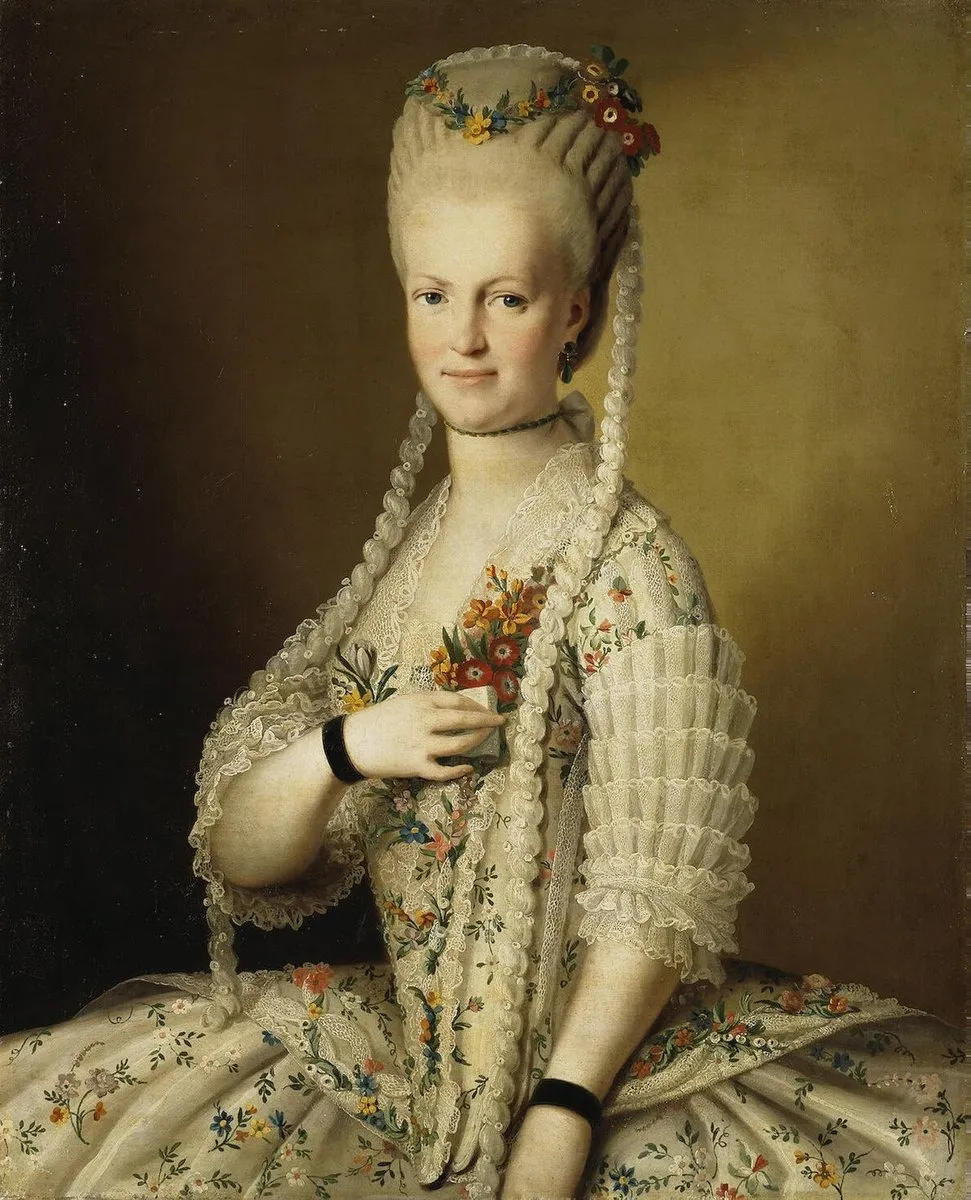
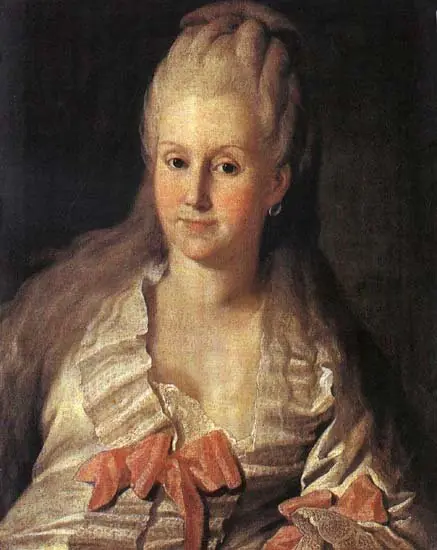
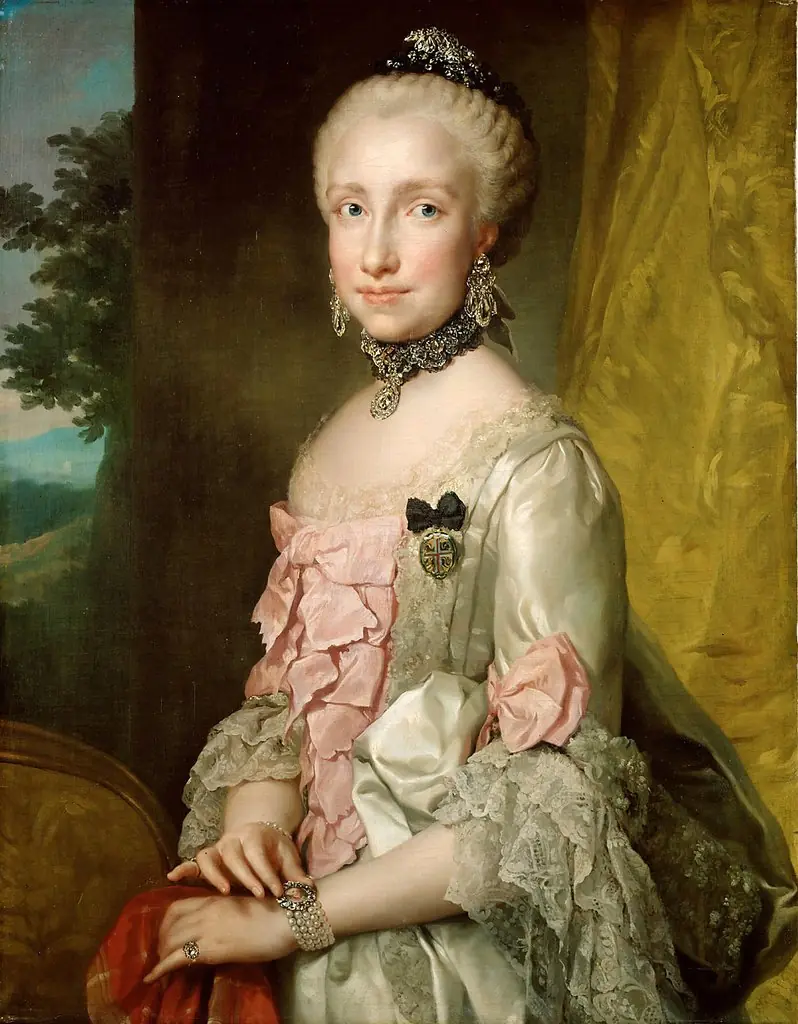
Portrait of Sarah Greig is an oil painting by Carl Ludwig Johann Christineck. It dates from 1770 and is held in the collection of the Hermitage Museum.
About this work
Overview
The painting resides in the State Hermitage Museum, where it represents the refined portraiture favored by Russian nobility in the late 18th century.
Painted in 1770 by Carl Ludwig Johann Christineck, a German-born artist active in Russia, this oil portrait depicts Sarah Greig, a woman of probable aristocratic standing. Christineck, known for his work among St. Petersburg’s elite, rendered the subject with quiet precision. The painting resides in the State Hermitage Museum, where it represents the refined portraiture favored by Russian nobility in the late 18th century.
Subject & Meaning
Sarah Greig is portrayed in a moment of composed elegance, her posture and attire suggesting social refinement. The floral dress and bouquet she holds may allude to themes of beauty, transience, or personal taste rather than symbolic narrative. Her adorned hair and delicate bracelet reinforce an emphasis on personal adornment, reflecting contemporary ideals of feminine grace among the Russian upper class.
Technique & Style
Christineck employed oil paint with careful attention to texture and light. Chiaroscuro is used subtly to model the figure’s form, creating volume against the dark, neutral background. The lace trim and floral details of the dress are rendered with fine brushwork, while the skin tones are softened to suggest naturalism. The composition avoids theatricality, favoring a restrained, intimate presence.
History & Provenance
The painting entered the collection of the State Hermitage Museum in the 18th or early 19th century, likely through imperial acquisition or donation. Its documented history is limited, but its presence in the Hermitage indicates it was recognized as a work of merit during its time. No significant alterations or reattributions are recorded, and it remains attributed to Christineck based on stylistic and archival evidence.
Context
In late 18th-century Russia, portraiture served as both personal commemoration and social assertion. Artists like Christineck, trained in Western European traditions, adapted these styles for Russian patrons seeking to align with European aristocratic norms. This portrait reflects that cultural convergence — a blend of German technique, French-inspired fashion, and Russian patronage.
Legacy
Though Christineck is not widely known outside specialized circles, this portrait contributes to the understanding of lesser-known artists who shaped Russian imperial portraiture. It stands as an example of how regional studios absorbed and localized broader European artistic trends, offering insight into the visual culture of St. Petersburg’s elite during a period of cultural consolidation.
Artist & collection
Artist
Carl Ludwig Johann Christineck
Carl-Ludwig Christinek (1730/1732–c.1794) was a Russian painter. Christinek was born to German parents and was initially taught in German, but lived his whole life in Russia. He painted primarily portraits of Russian…

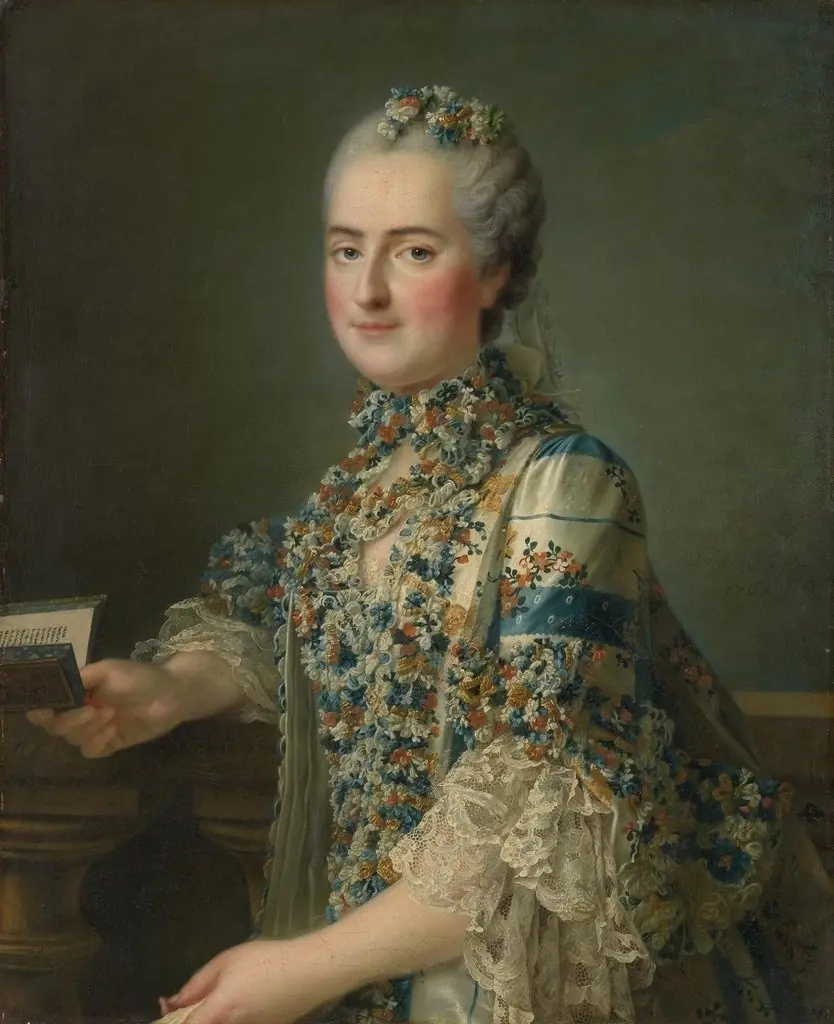 Louise-Marie de France
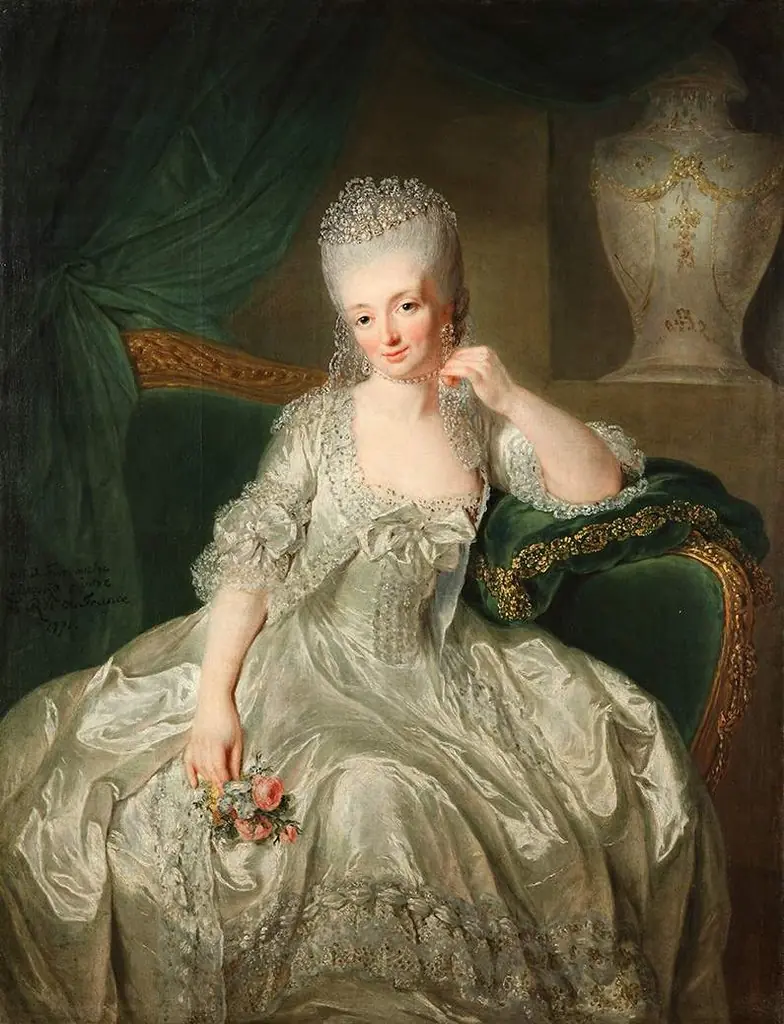 Bildnis Amalie Prinzessin von Preußen (1723-1787)
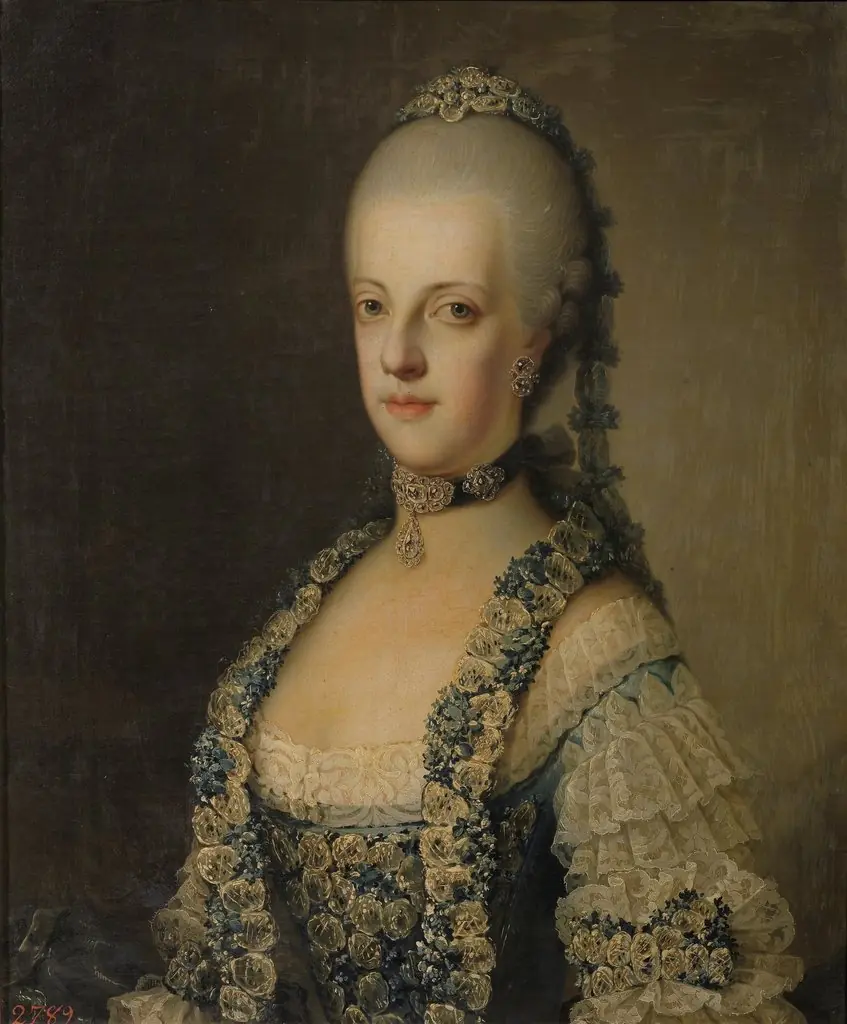 Maria Carolina of Habsburg-Lorraine, Queen of Naples
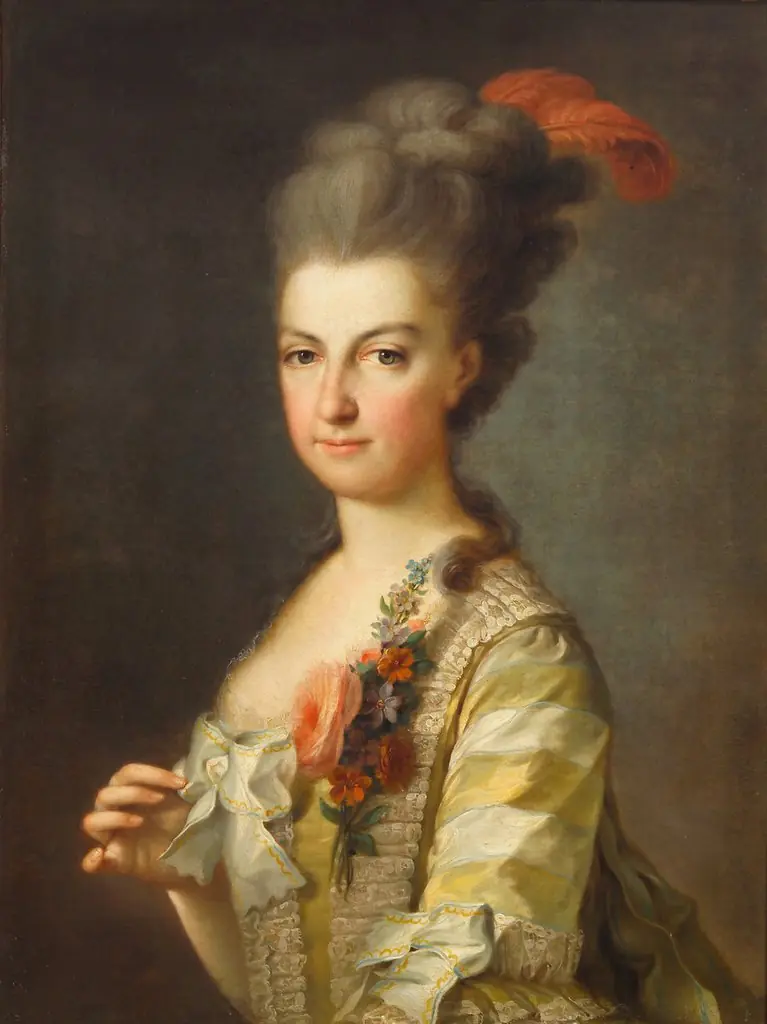 Erzherzogin Maria Christine (1742-1798), Herzogin von Sachsen - Teschen, in gestreiftem Seidenkleid, Halbfigur
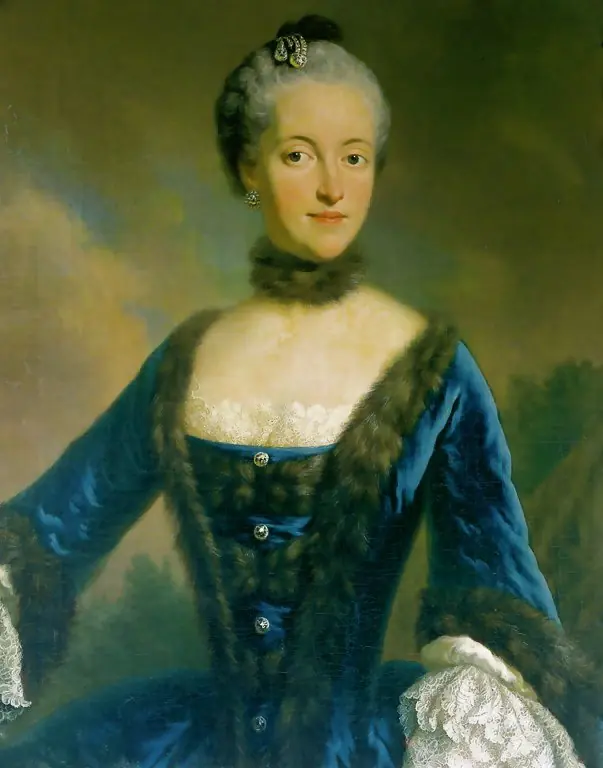 Portrait of Maria Josepha of Bavaria (1739-1767)
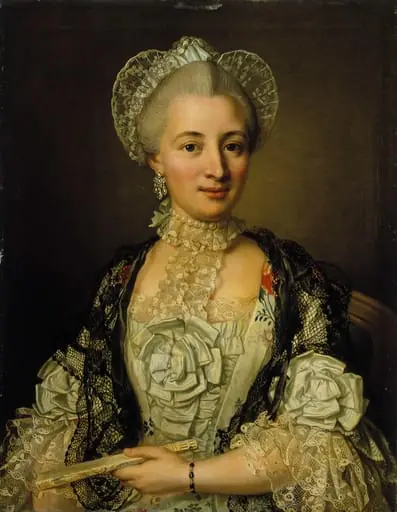 Naisen muotokuva
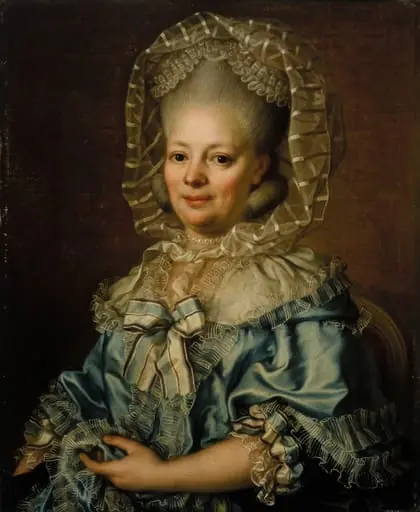 Catharina Charlotta L'Estrade
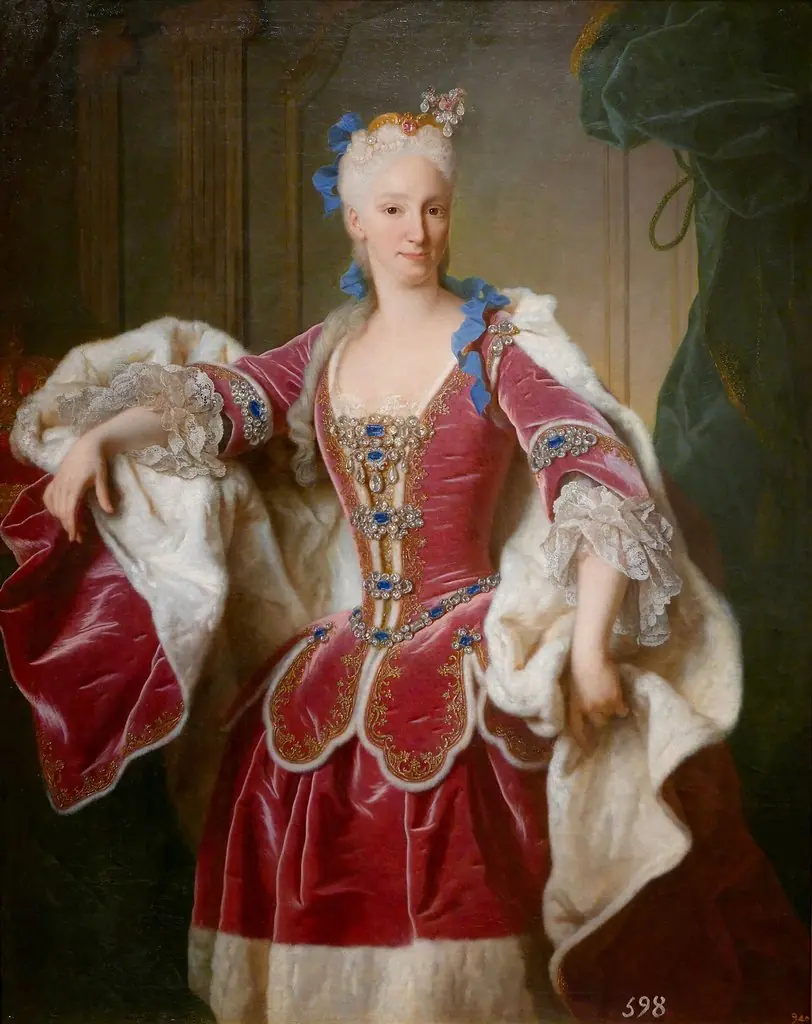 Elisabeth Farnese, Queen of Spain
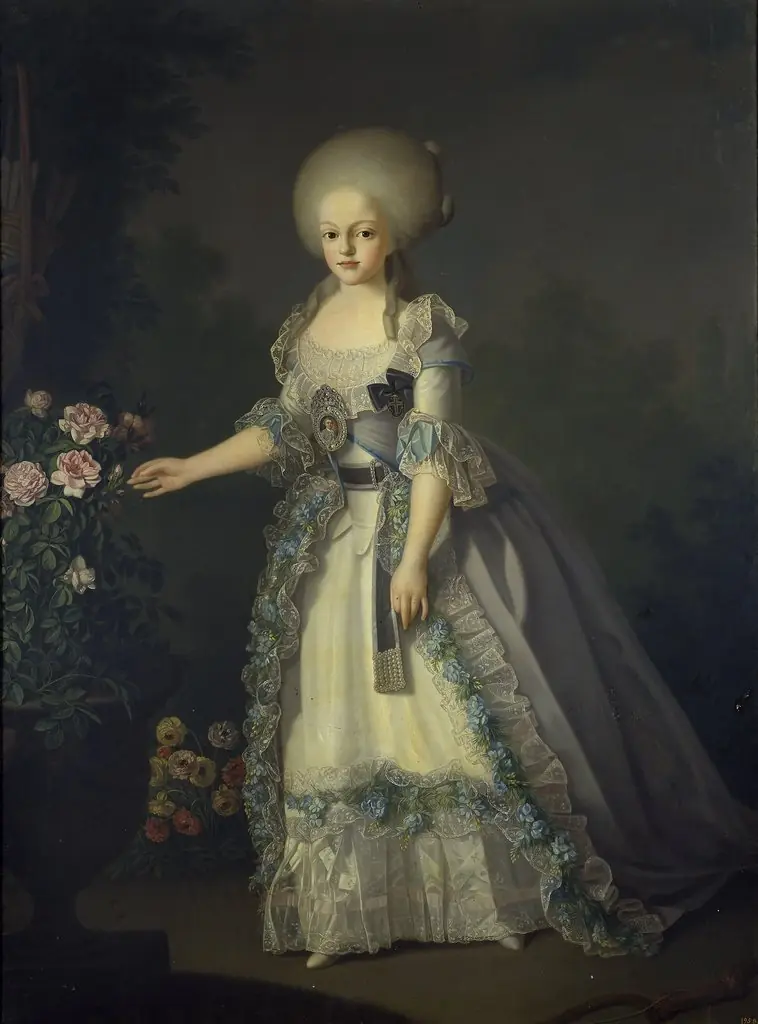 Carlota Joaquina infanta de España reina de Portugal
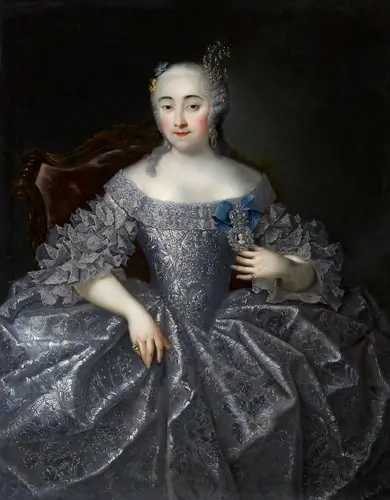 Porträt der Varvara Alexeevna Sheremeteva
 Portrait of M.I. Tatischeva
 Portrait of Maria Luisa of Spain