Artwork
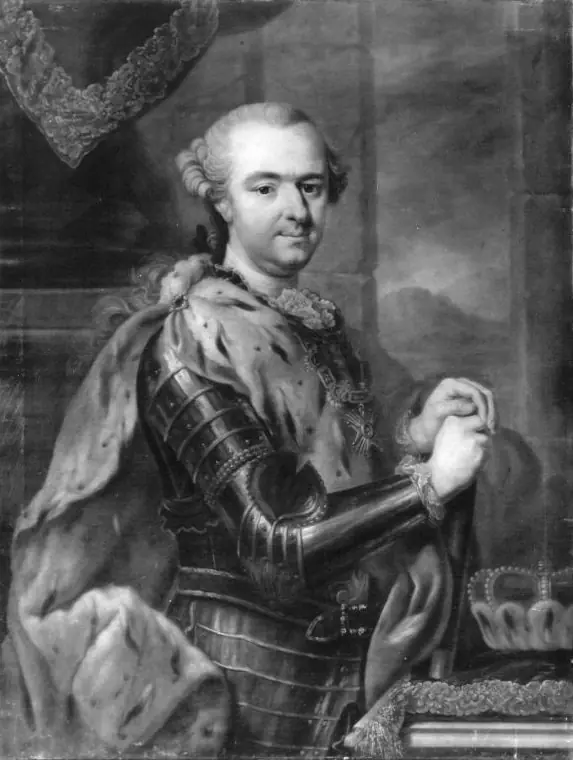
Bildnis des Kurfürsten Karl Theodor von der Pfalz (Kopie nach)
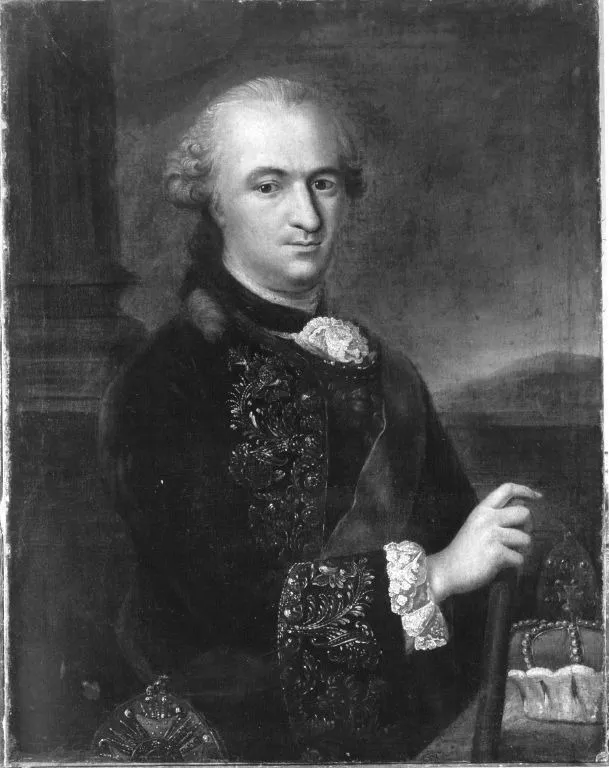
Bildnis des Kurfürsten Karl Theodor von der Pfalz (Kopie nach) is an unspecified painting by the Rococo painting artist Johann Georg Ziesenis. It dates from 1753 and is held in the collection of the Bavarian State Painting Collections.
About this work
This painting depicts a man with light-colored hair, wearing a dark jacket adorned with intricate embroidery on the front and cuffs.
This painting depicts a man with light-colored hair, wearing a dark jacket adorned with intricate embroidery on the front and cuffs. He is seated in a chair, with his right hand resting on the armrest. The background of the painting is a muted color, with a subtle landscape visible behind the subject.
The man's attire and the style of the painting suggest that it may be a portrait from the 18th century. The level of detail in the embroidery on the jacket is noteworthy, indicating a high level of craftsmanship.
To learn more about this style of portraiture, you might want to explore the work of artist Johann Georg Ziesenis.
Overview
Bildnis des Kurfürsten Karl Theodor von der Pfalz (Copy after) is an 18th-century portrait painting, specifically dated to 1753, attributed to Johann Georg Ziesenis. It is part of the collection at the Alte Pinakothek.
Subject & Meaning
The painting portrays Elector Karl Theodor of the Palatinate, depicted in a formal, embroidered dark jacket, with his right hand resting on a chair armrest, conveying an air of dignified composure.
Technique & Style
Notable for its detailed embroidery on the subject's jacket, the work showcases Ziesenis's craftsmanship. The muted background, with a faint landscape, contrasts with the subject's intricate attire, characteristic of 18th-century portraiture.
History & Provenance
Created in 1753 by Johann Georg Ziesenis, the painting is a copy of an original portrait of Elector Karl Theodor. Its current location is the Alte Pinakothek, Munich.
Context
This portrait reflects the artistic tastes of the European nobility in the mid-18th century, emphasizing status through detailed, ornate clothing and formal poses.
Legacy
As a work by Ziesenis, it contributes to the understanding of 18th-century German portraiture, though its significance as a copy rather than an original may influence its place within the artist's overall oeuvre.
Artist & collection
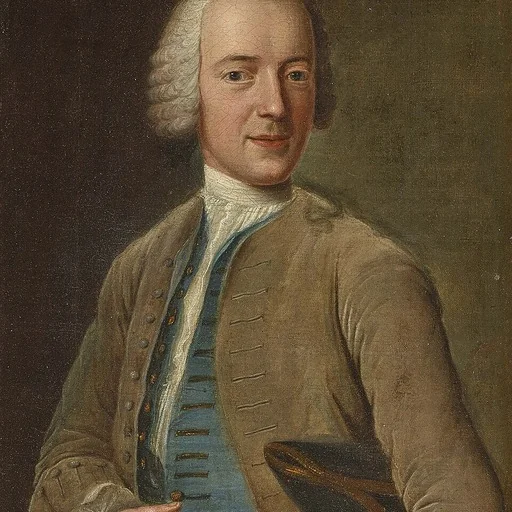

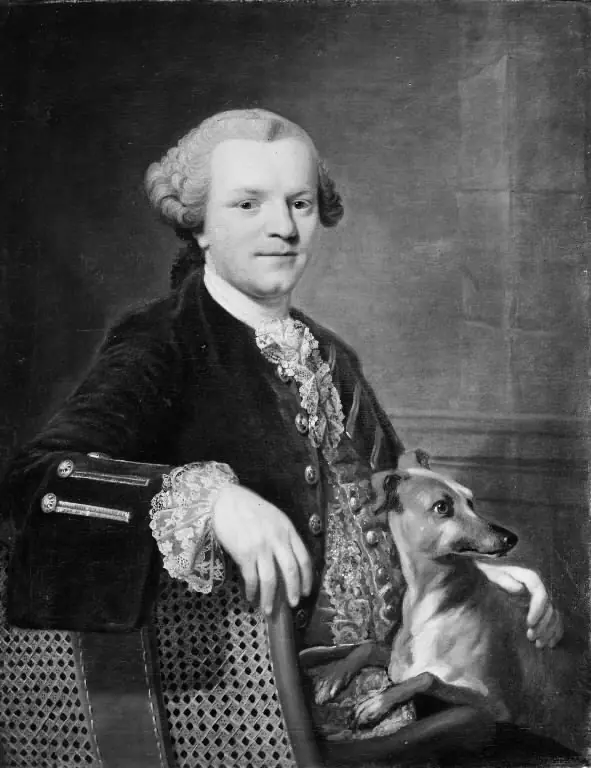 Portrait of Freiherr von Münchhausen
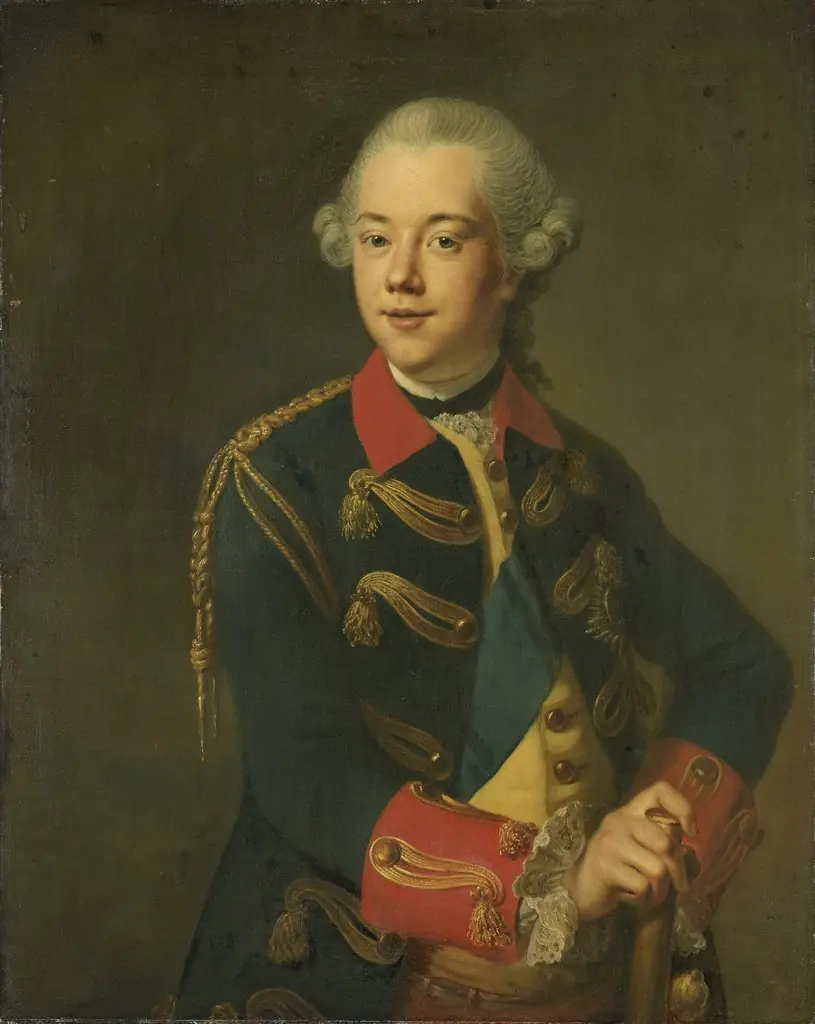 Portrait of William V, Prince of Orange-Nassau
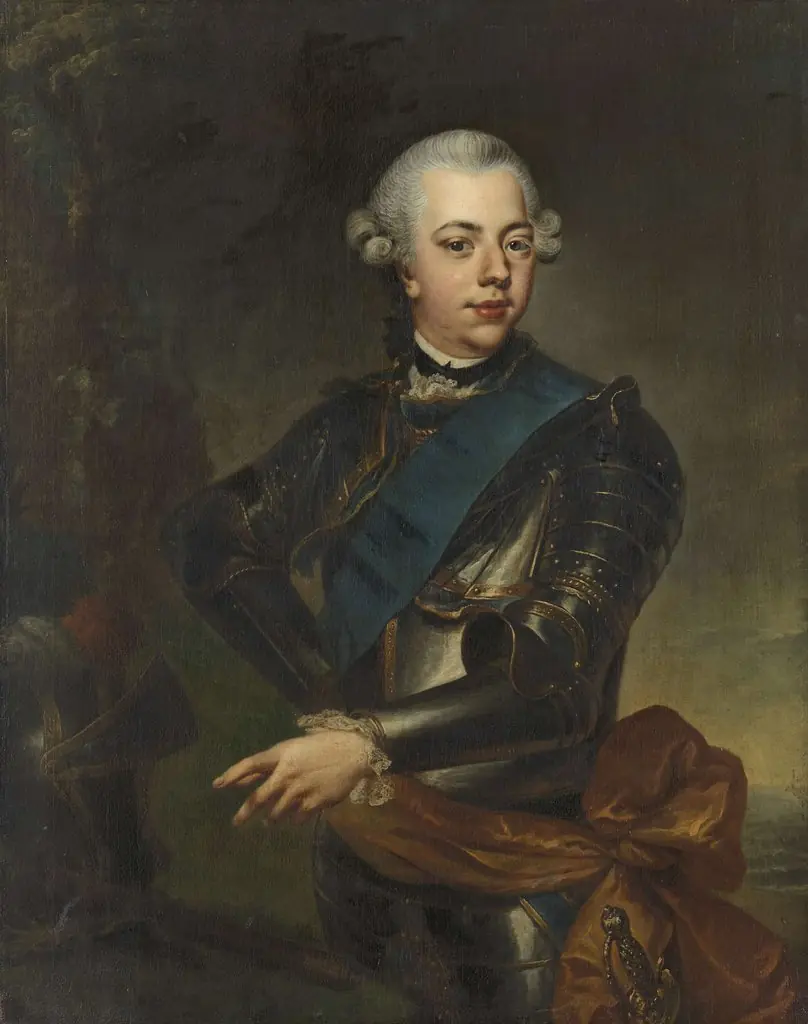 Willem V (1748-1806), prins van Oranje-Nassau
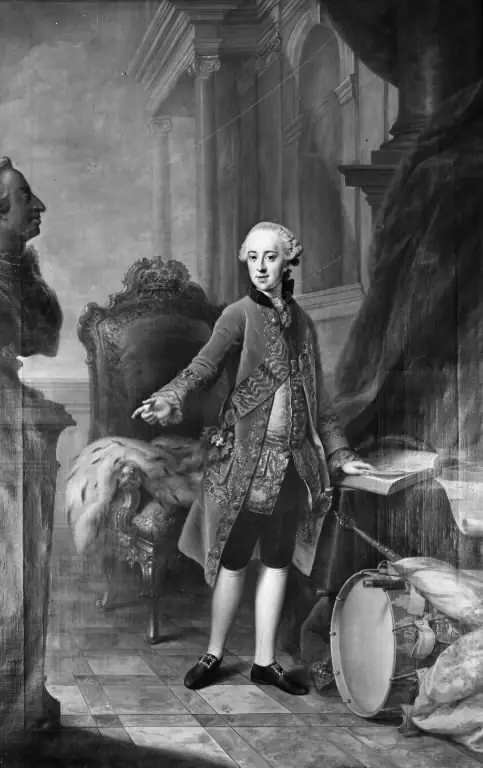 Portrait of Frederik, Heir Presumptive
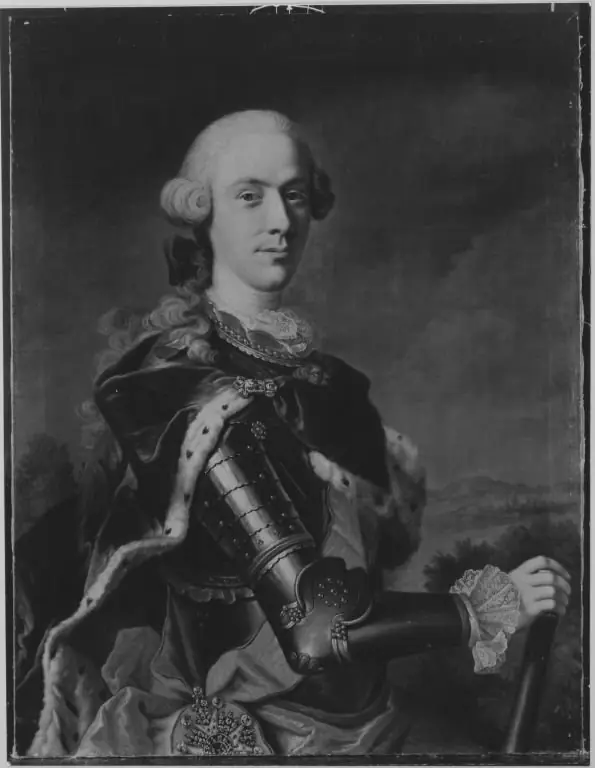 Bildnis von Christian IV., Herzog von Pfalz-Zweibrücken (1722-1775)
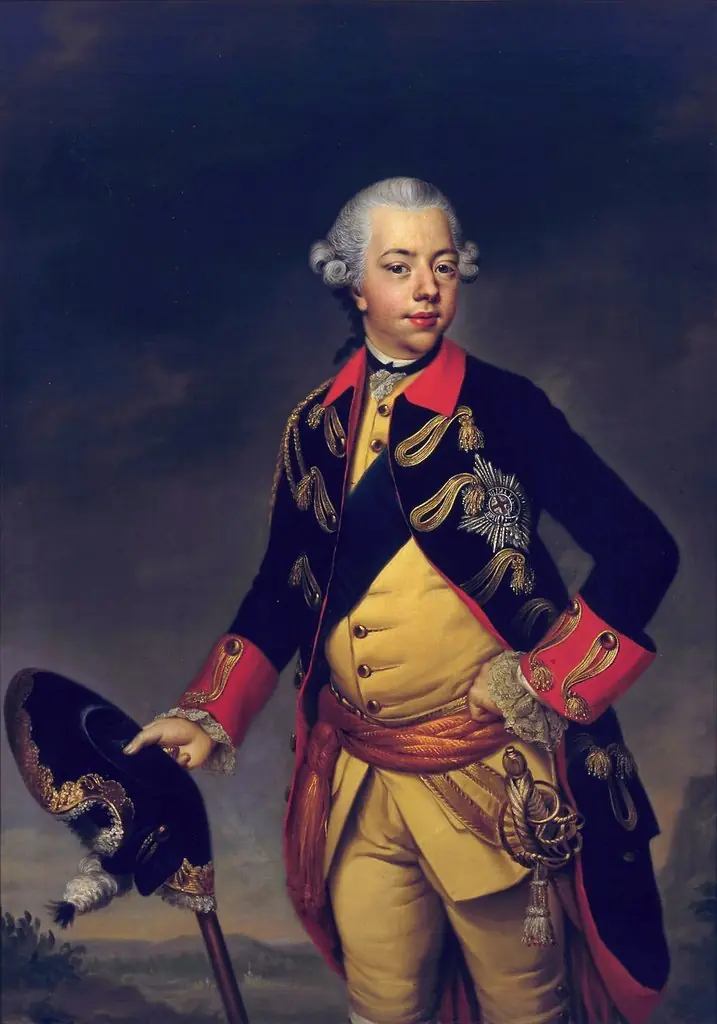 Portrait of Willem V (1748-1806), Prinz von Oranien-Nassau
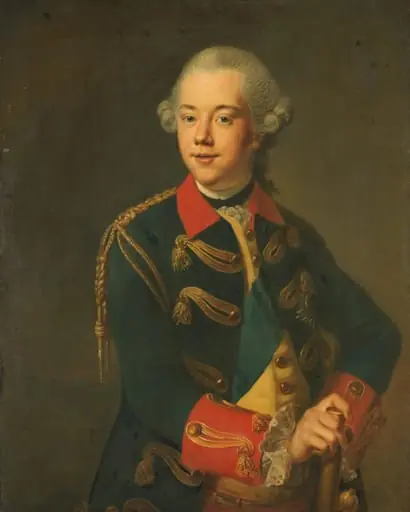 Portrait of William V, Prince of Orange-Nassau
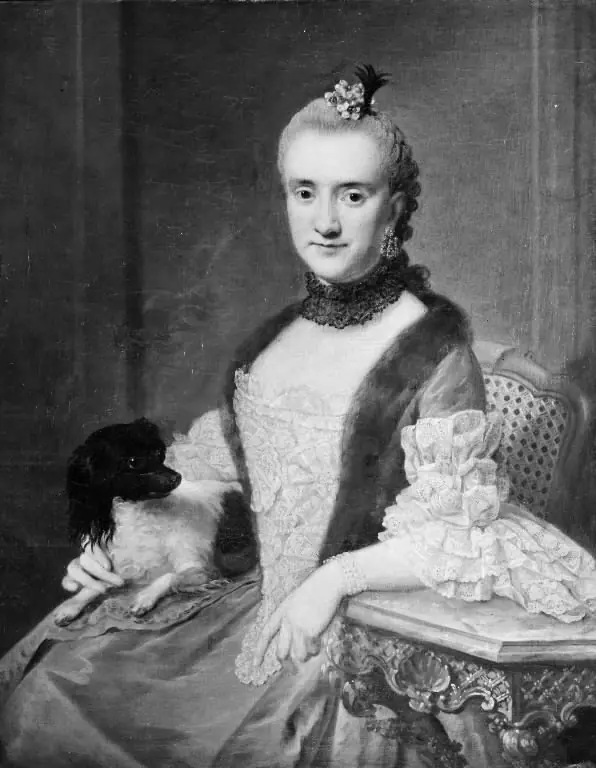 Portrait of Freifrau von Münchhausen
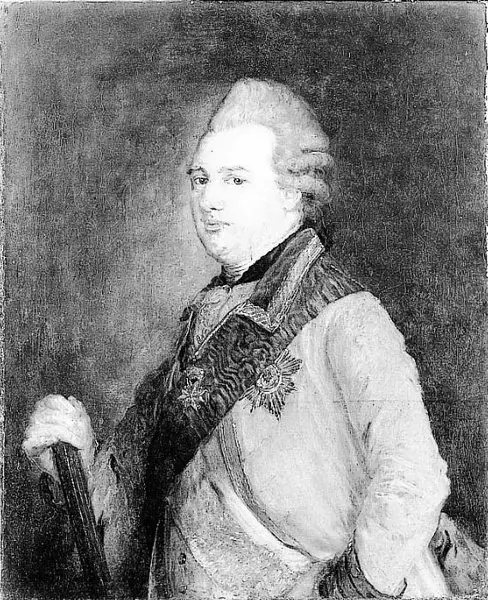 Carl Landgraf von Hessen-Kassel
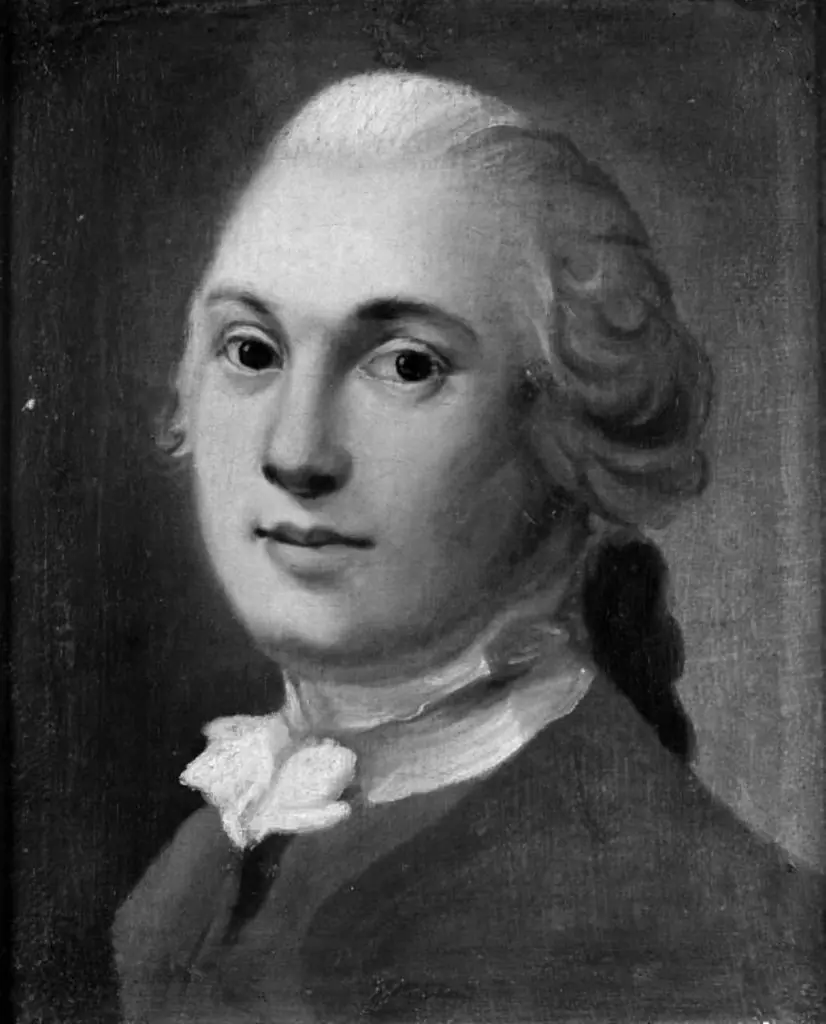 Materialforvalter Bartholin (?)
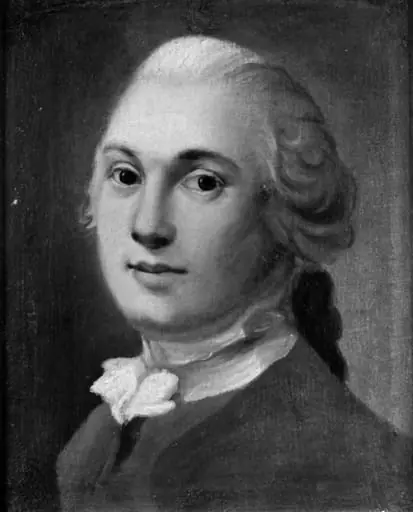 Materialforvalter Bartholin (?)
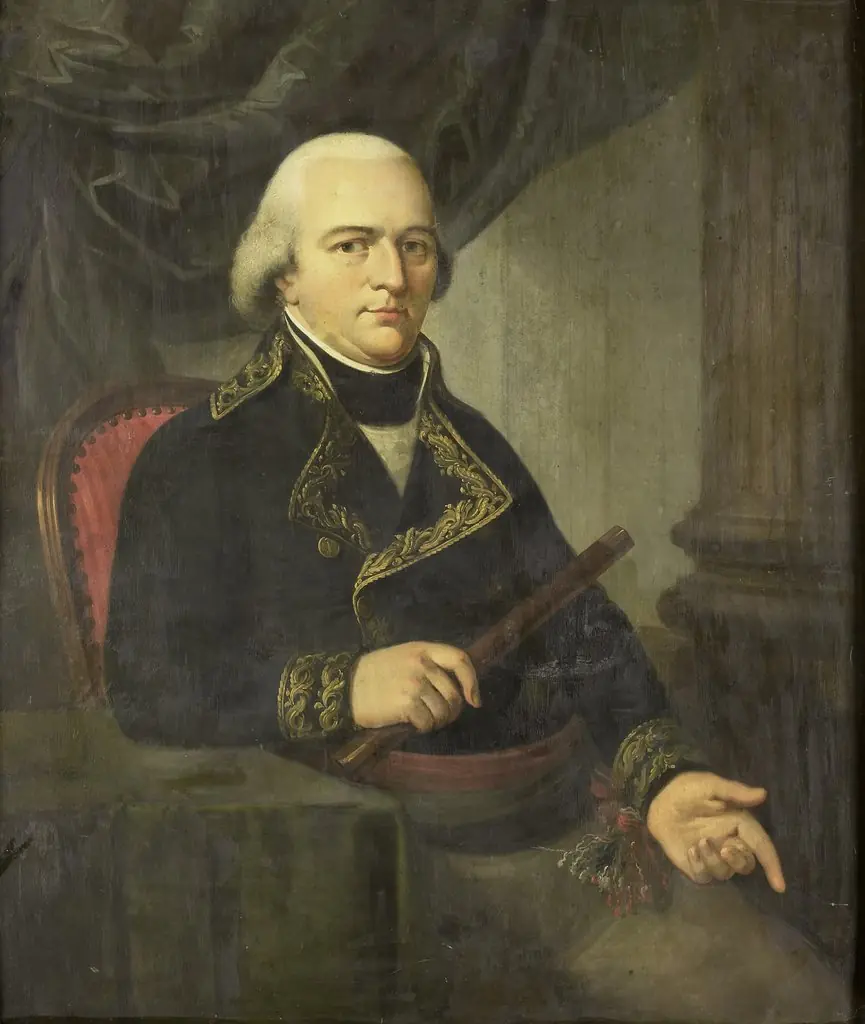 Portrait of Pieter Gerardus van Overstraten, Governor-General of the Dutch East Indies
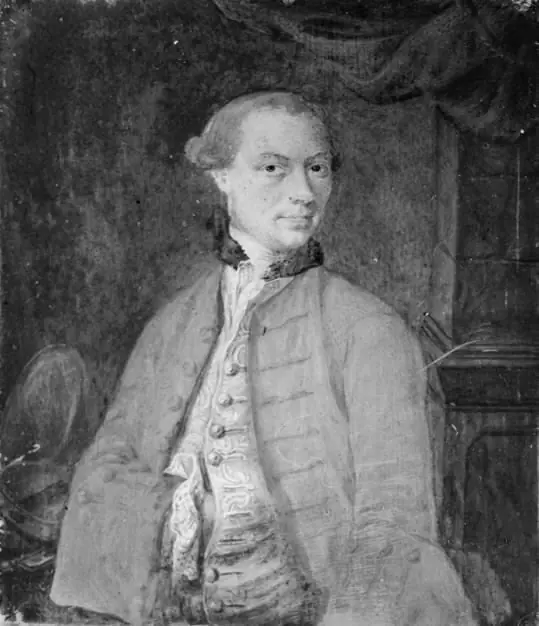 Portræt af J. J. Brandt
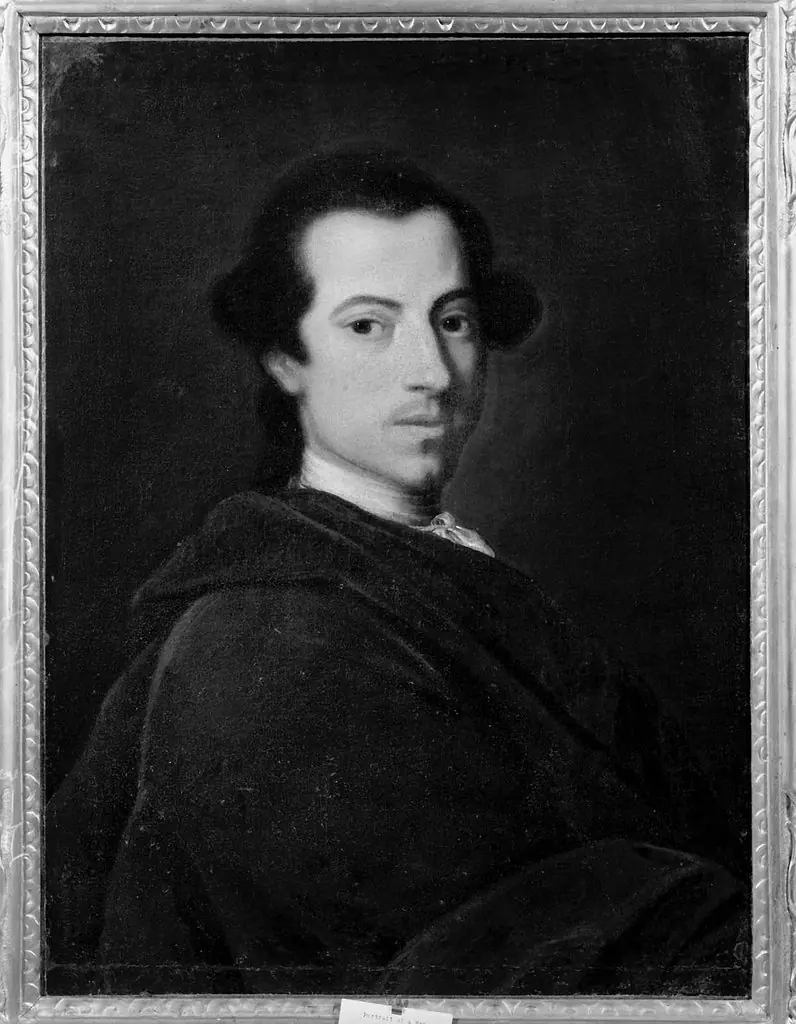 Portrait of a Man in a Brown Cloak
 Portrait of Louis XVIII, when comte de Provence ?
 Catharine II
 Portrait of Louis XVIII, when comte de Provence ?
 A Patrician and His Wife
 Portrait of Claes Fredrik Horn
 Bildnis des Kurfürsten Karl Theodor