Artwork
Kaiser Karl VI (1685-1740)
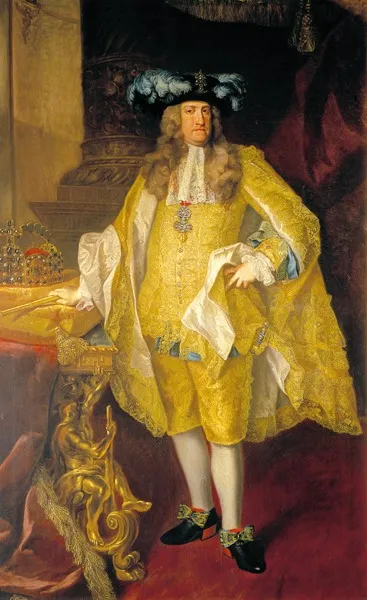
Kaiser Karl VI (1685-1740) is an oil painting by the Rococo painting artist Johann Gottfried Auerbach. It dates from 1735 and is held in the collection of the Kunsthistorisches Museum.
About this work
Overview
The work is a formal portrait commissioned during the emperor’s reign and reflects the decorative sensibilities of the early Rococo period.
Johann Gottfried Auerbach painted Charles VI, Holy Roman Emperor, in 1735 using oil on canvas. The work is a formal portrait commissioned during the emperor’s reign and reflects the decorative sensibilities of the early Rococo period. Auerbach, appointed Imperial Court Painter that same year, created this image as part of his official duties, aligning visual representation with imperial authority.
Subject & Meaning
Charles VI is portrayed in full regalia, emphasizing his status as ruler. The yellow garment, feathered hat, and ornate footwear signal aristocratic privilege, while the cherub statue and red drapery evoke classical and divine associations. His poised stance and direct gaze convey control and presence, reinforcing the legitimacy of Habsburg rule during a period of political consolidation in Central Europe.
Technique & Style
Auerbach employed fine brushwork to render textures: the lace on the sleeves, the sheen of silk, and the metallic gleam of the shoe buckle. The dark background isolates the figure, heightening the contrast with the luminous attire. The composition follows courtly conventions, balancing elaborate detail with restrained spatial depth, typical of mid-18th-century imperial portraiture.
History & Provenance
Commissioned in 1735, the portrait entered the Habsburg collection shortly after its completion. It remained within imperial holdings and was later transferred to the Kunsthistorisches Museum in Vienna, where it is now preserved. Auerbach’s official role ensured the painting’s direct connection to the court, making it a documented artifact of imperial visual policy.
Context
Charles VI’s reign focused on securing the Pragmatic Sanction to ensure his daughter’s succession. Portraits like this one served political ends, projecting stability and continuity. Auerbach’s style, blending Baroque formality with Rococo ornamentation, mirrored the transitional aesthetic of the Viennese court as it moved from solemn grandeur toward lighter, more decorative modes.
Legacy
The portrait remains a key example of courtly representation under Charles VI. While Auerbach is less widely known than contemporaries, this work illustrates the role of official painters in shaping imperial image. Its preservation in the Kunsthistorisches Museum underscores its value as a historical document of Habsburg visual culture in the early 1700s.
Artist & collection
Artist
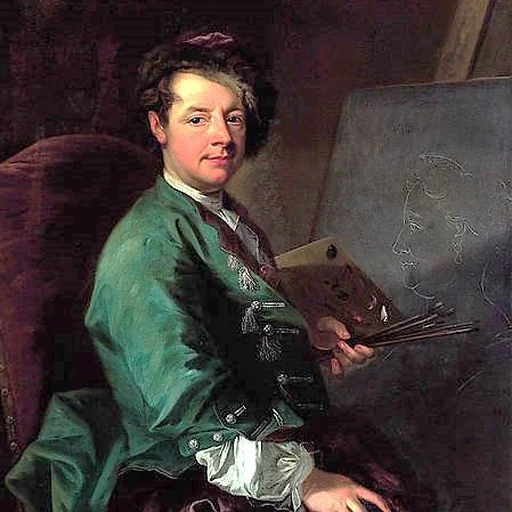
Johann Gottfried Auerbach (28 October 1697 – 5 August 1753) was an Austrian painter and etcher.

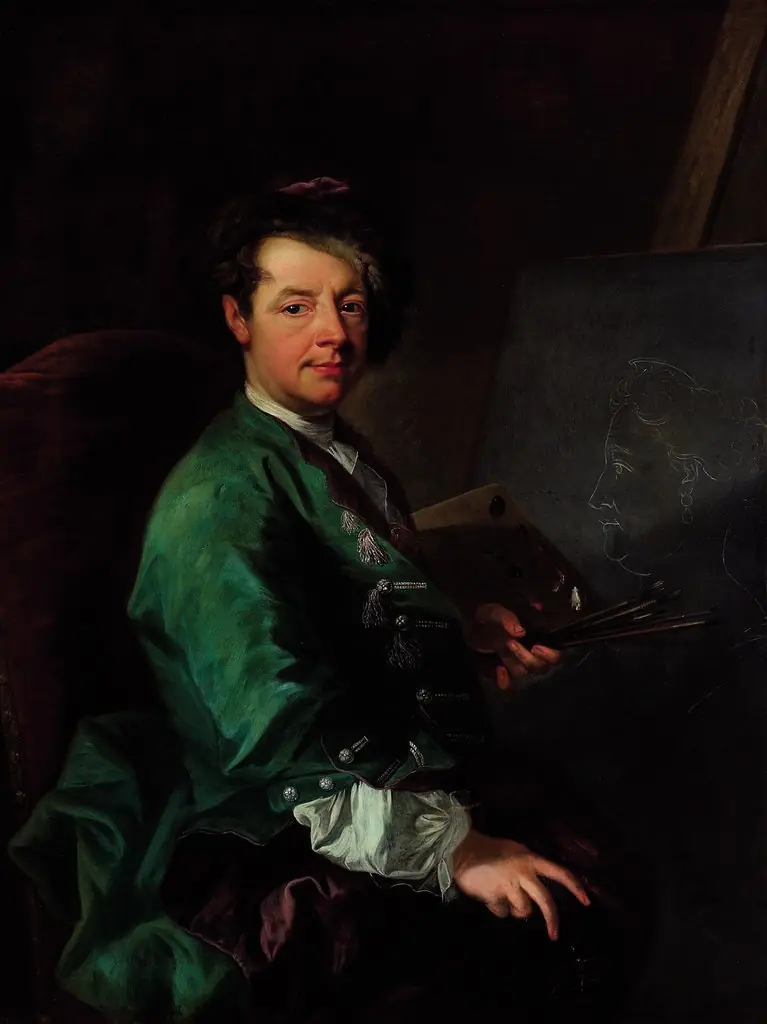 Self-portrait
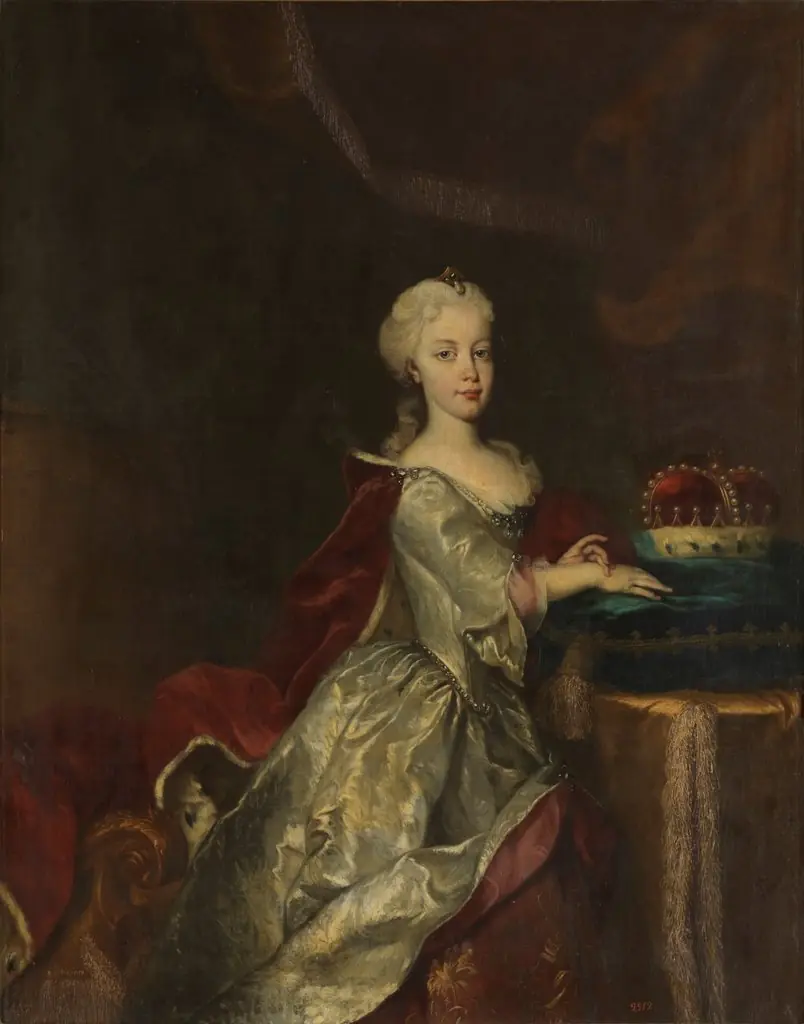 María Teresa archiduquesa de Austria
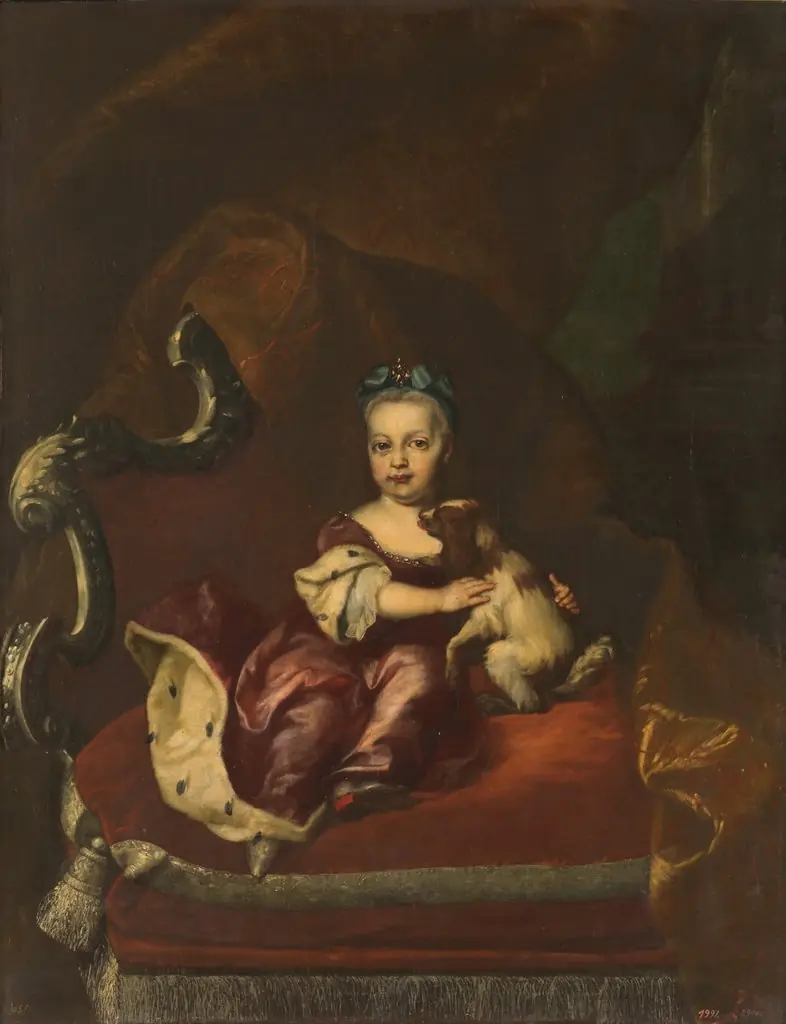 María Amalia de Habsburgo archiduquesa de Austria
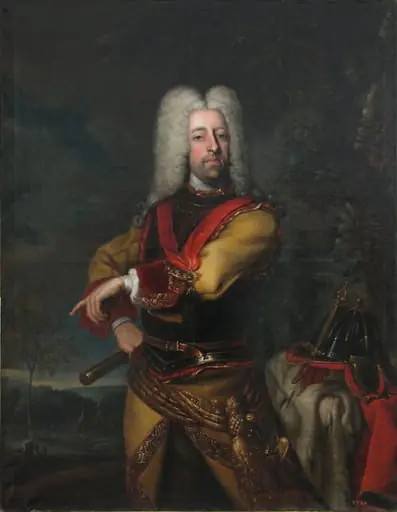 Principele Johann Georg Christian von Lobkowitz, general-comandant în Transilvaniei (în Registrul inventar: Principele Georg Christian von Lobkowitz).Pandant: Marie Henriette von Waldstein-Wartenburg, soția principelui Johann Georg Christian von Lobkowitz
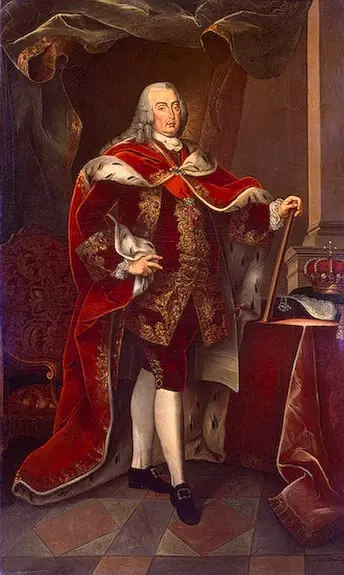 Portrait of Joseph Emanuel, King of Portugal
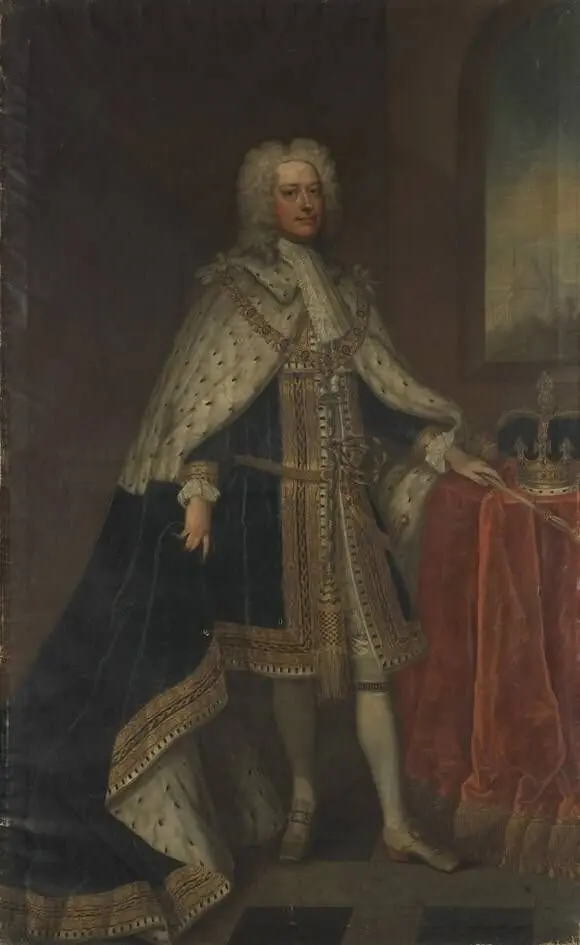 König Georg II. von England (Krönungsporträt) (Werkstatt)
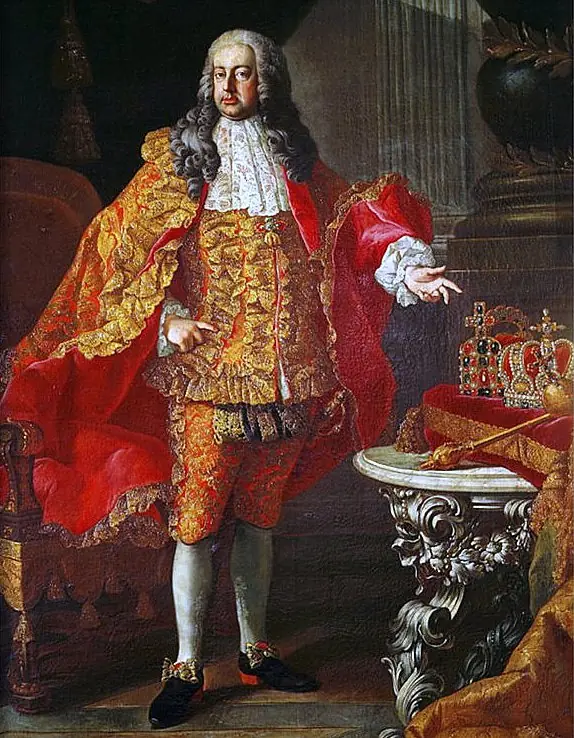 So-called Portrait of Charles VI of Austria
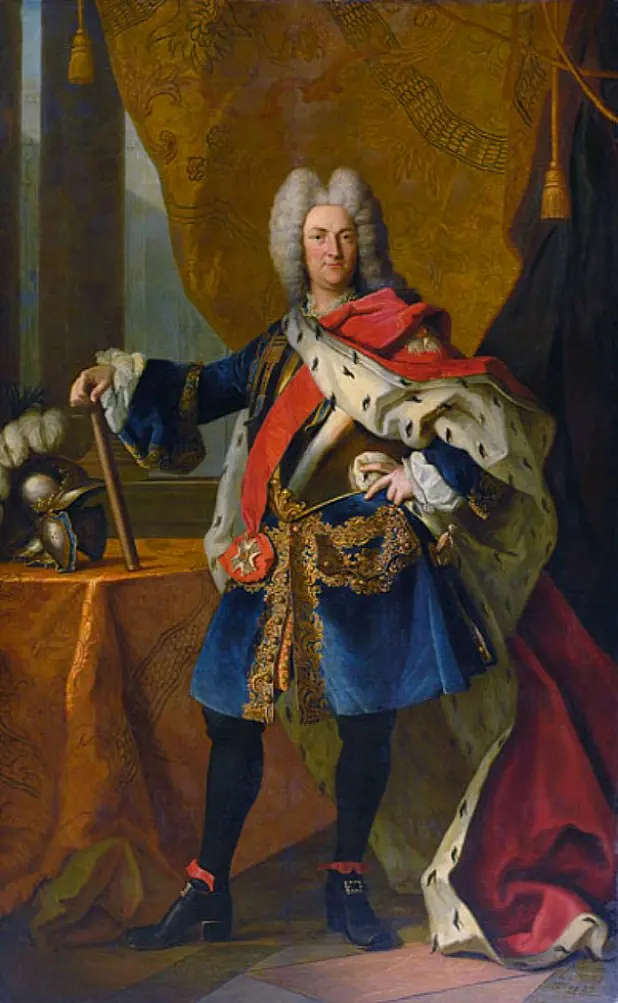 Bildnis des Gustav Samuel Leopold von Zweibrücken-Kleeburg
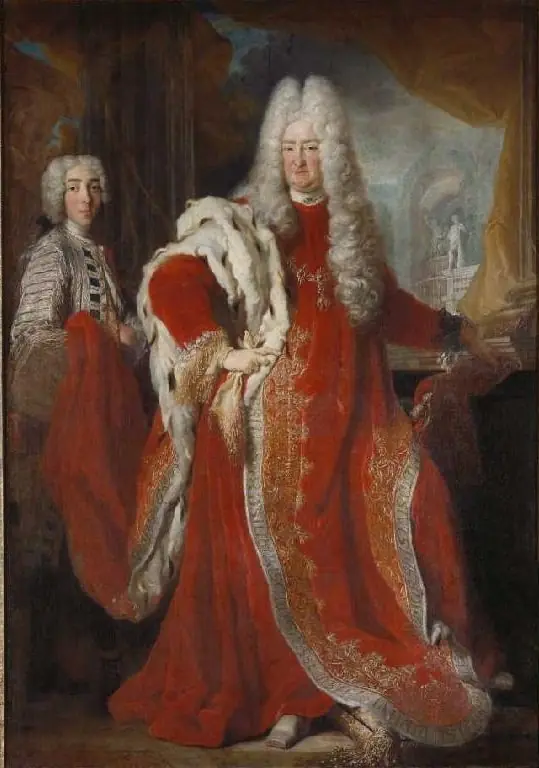 Kurfürst Karl III. Philipp von der Pfalz als Ordensgroßmeister mit Page
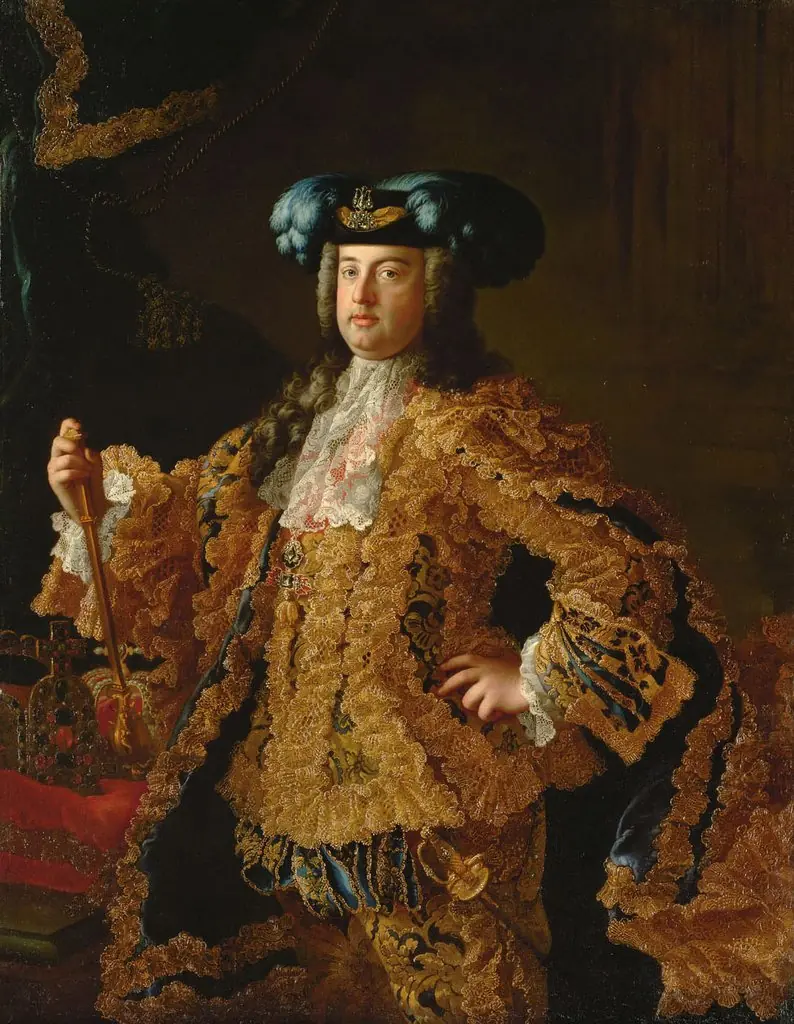 Herzog Franz (I.) Stephan von Lothringen (1708-1765), in reichem Hofkleid, Kniestück
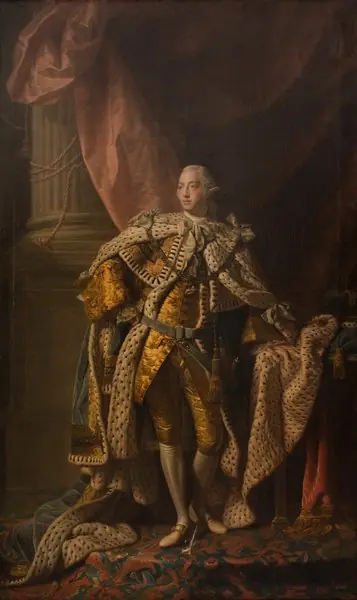 George III of England
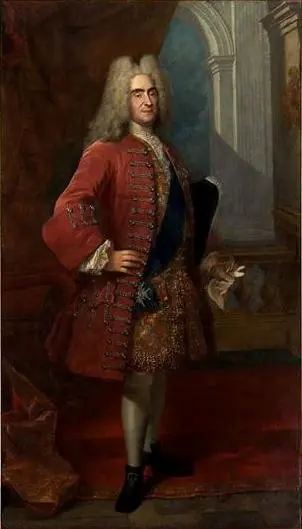 Portrait of Augustus II of Poland (1670-1733)
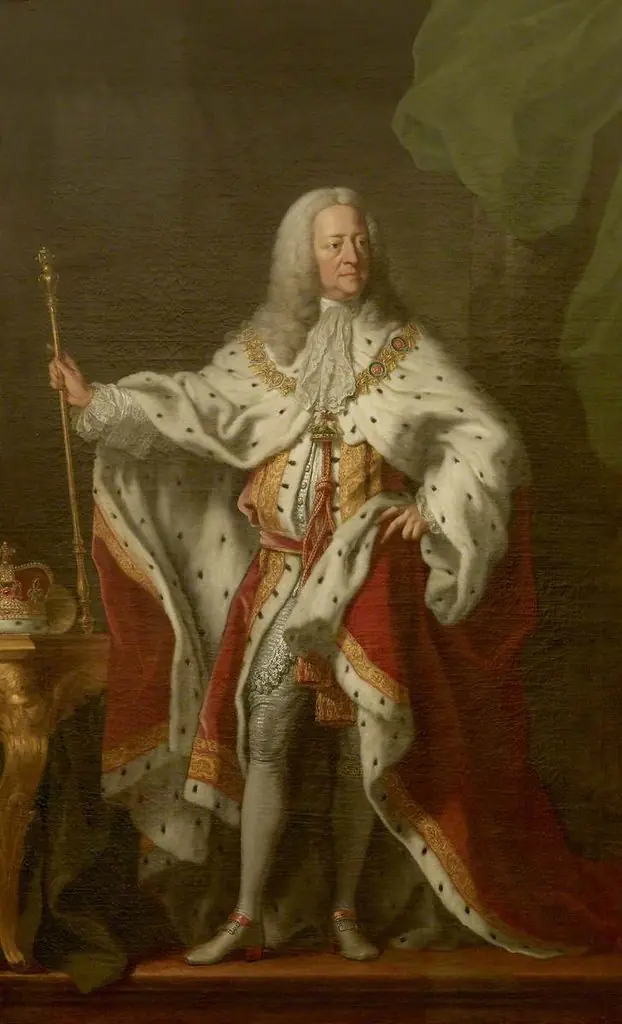 George II (1683–1760)
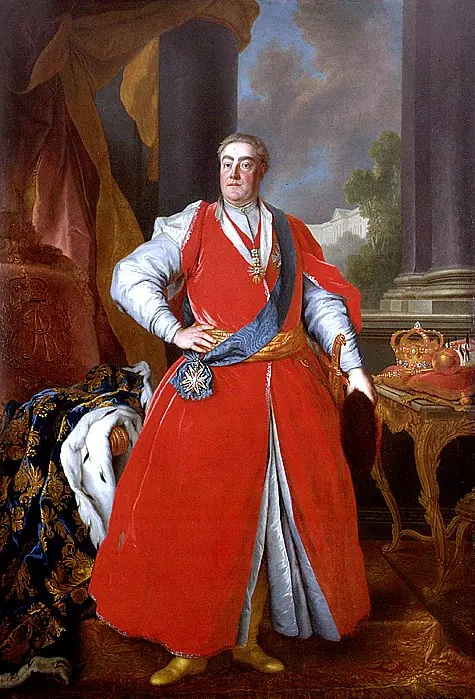 King August III in Polish costume by Louis de Silvestre
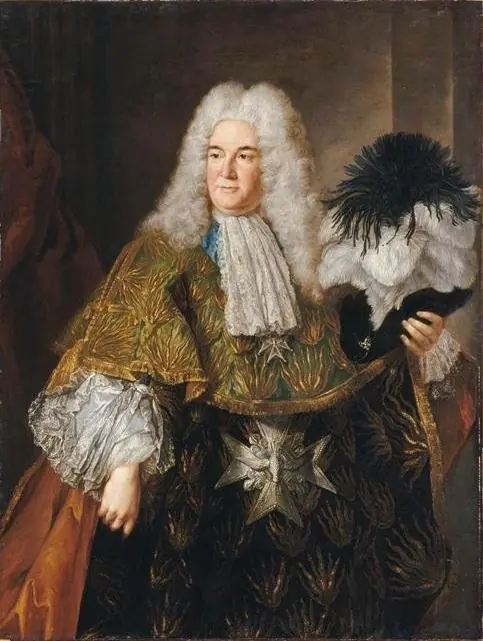 Portrait of Antoine Crozat (Marquis du Chatel)
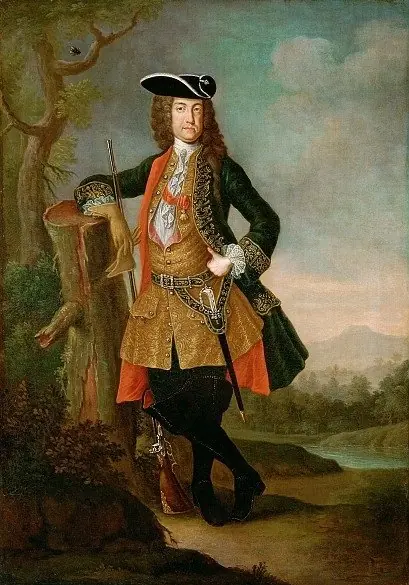 Kaiser Karl VI. (1685-1740) im Jagdkostüm