Artwork
Bildnis des Gustav Samuel Leopold von Zweibrücken-Kleeburg
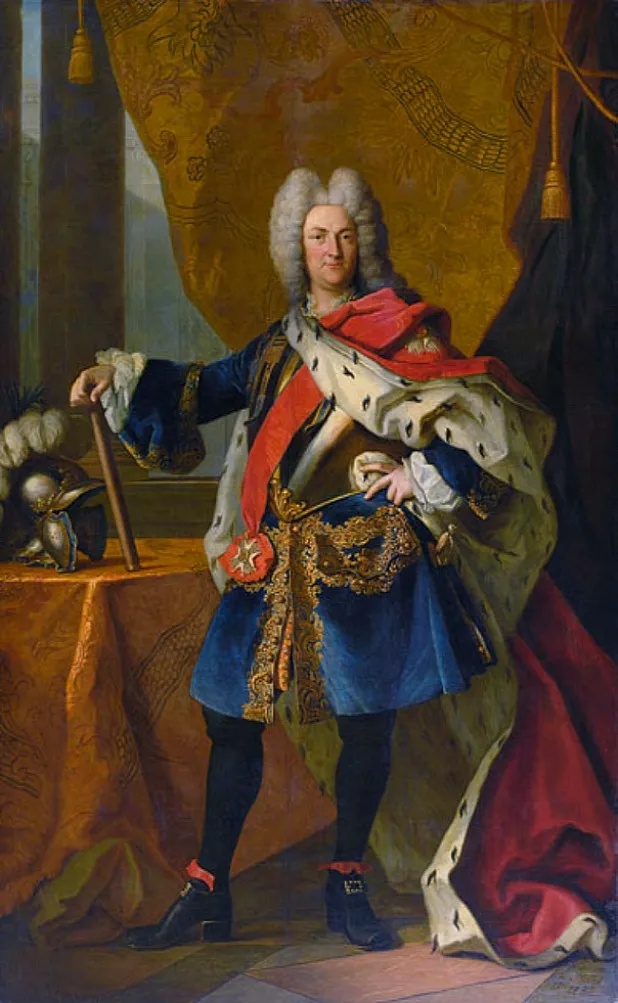
Bildnis des Gustav Samuel Leopold von Zweibrücken-Kleeburg is an oil painting by the Rococo painting artist Henri Millot. It dates from 1722 and is held in the collection of the Bavarian State Painting Collections.
About this work
The background features a large piece of fabric draped over a wall, with a small table to the left holding a decorative object.
The painting depicts a man standing in front of a table, dressed in a blue velvet coat with gold embroidery and a red sash. He wears a white wig and holds a cane in his right hand. The background features a large piece of fabric draped over a wall, with a small table to the left holding a decorative object.
The man's attire suggests a formal or ceremonial setting, possibly from the 18th century. The level of detail in the painting, particularly in the clothing and accessories, indicates a high level of craftsmanship.
If you're interested in learning more about this style of painting, you might want to look up the artist Henri Millot.
Overview
Henri Millot’s 1722 oil portrait presents Gustav Samuel Leopold, Duke of Zweibrücken‑Kleeburg, in a formal pose. The work is part of the collection of Munich’s Alte Pinakothek, where it is displayed among other 18th‑century court paintings.
Subject & Meaning
The sitter stands before a modest table, his posture dignified and his gaze directed outward. Dressed in a blue velvet coat trimmed with gold embroidery, a red sash, and a powdered white wig, he holds a cane, signalling aristocratic rank and the ceremonial duties associated with his ducal office.
Technique & Style
Millot renders the textiles with meticulous attention to texture, capturing the sheen of velvet and the intricate gold thread work. The background is restrained—a draped fabric against a wall and a small side table—allowing the focus to remain on the figure’s elaborate attire and the subtle play of light across his features.
History & Provenance
Created in 1722, the portrait entered the Alte Pinakothek’s holdings in the 19th century as part of the museum’s effort to assemble representative works of German court portraiture. Its provenance traces back to the ducal family’s collection before being transferred to the public institution.
Artist & collection

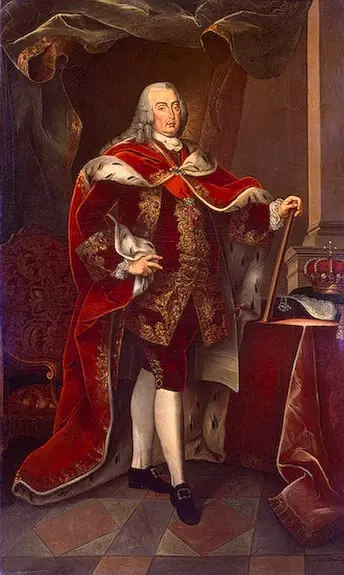 Portrait of Joseph Emanuel, King of Portugal
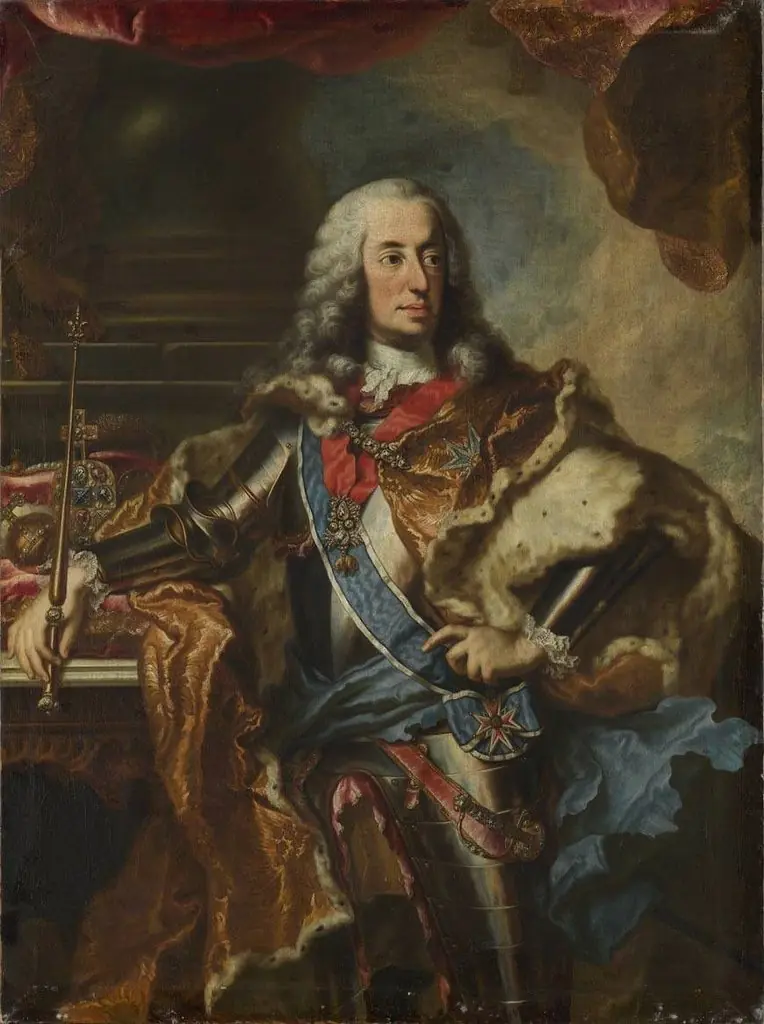 Kurfürst Karl Albrecht als Kaiser Karl VII. (1697-1745)
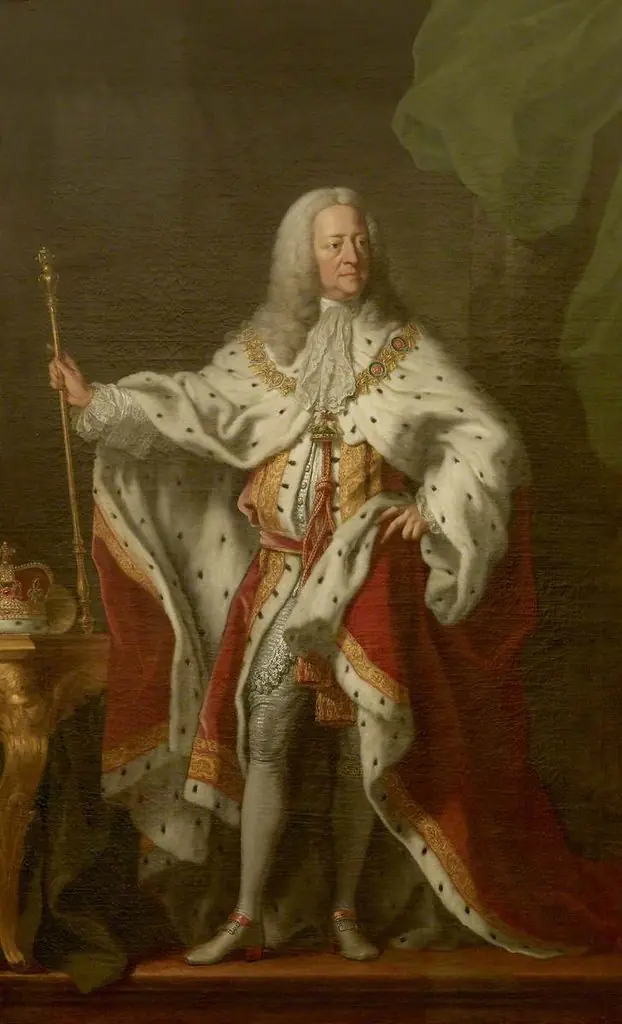 George II (1683–1760)
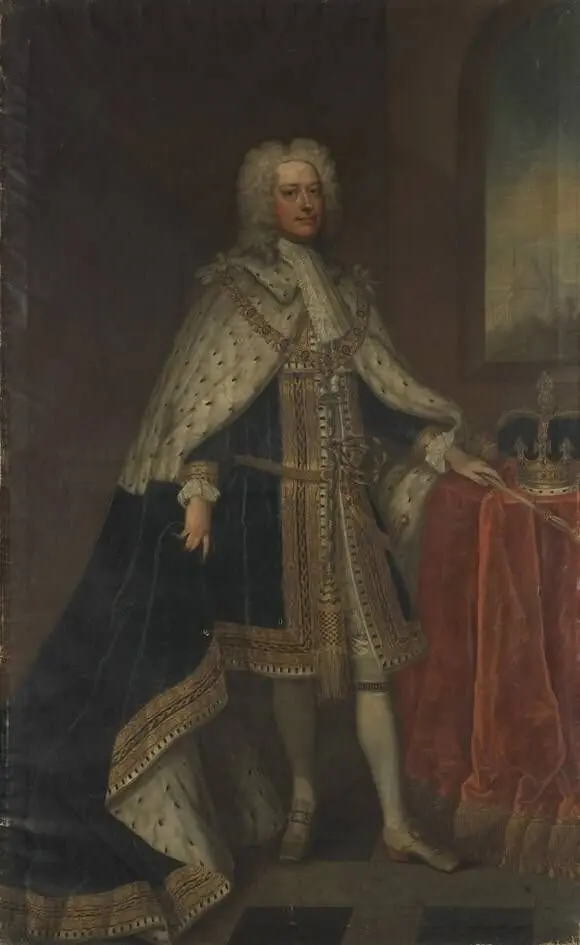 König Georg II. von England (Krönungsporträt) (Werkstatt)
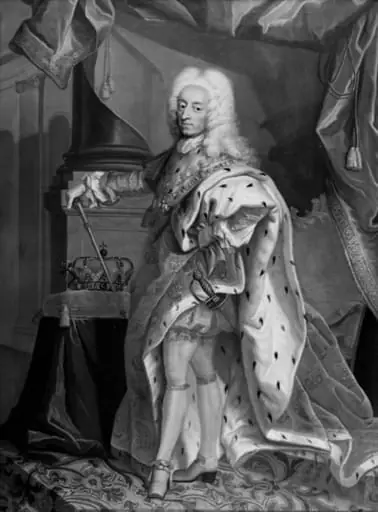 Frederik IV
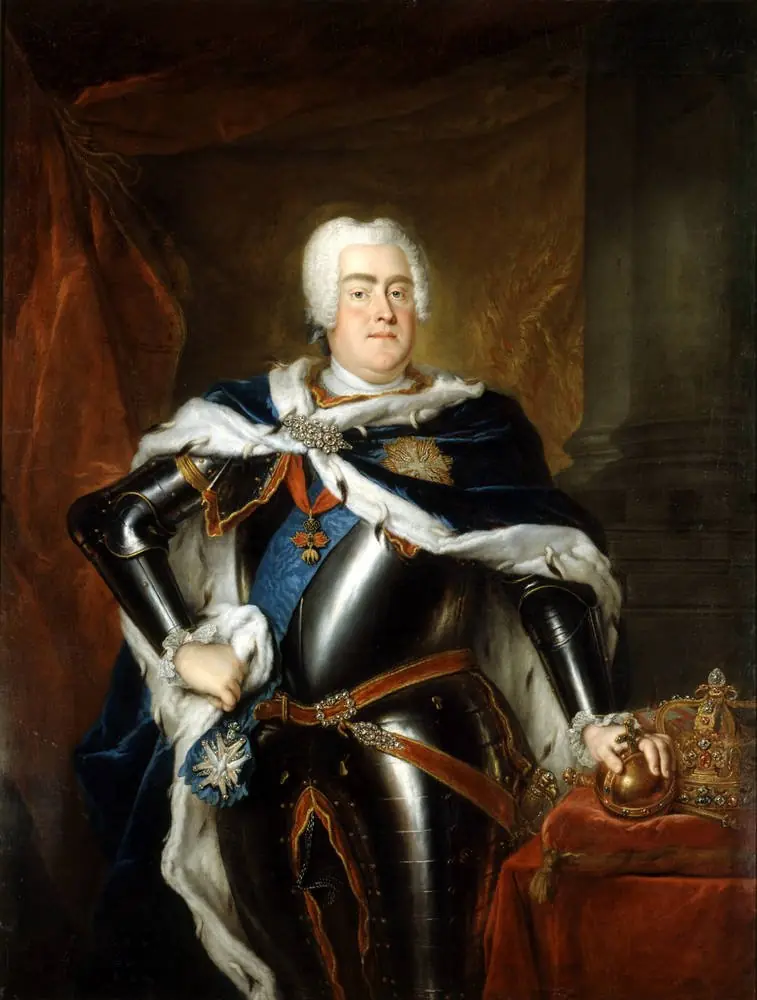 König August III. von Polen (1696–1763)
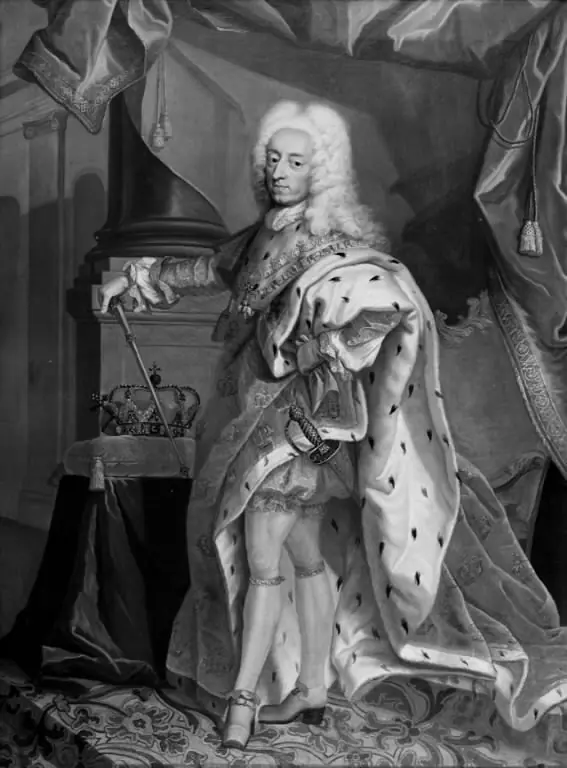 Frederik IV
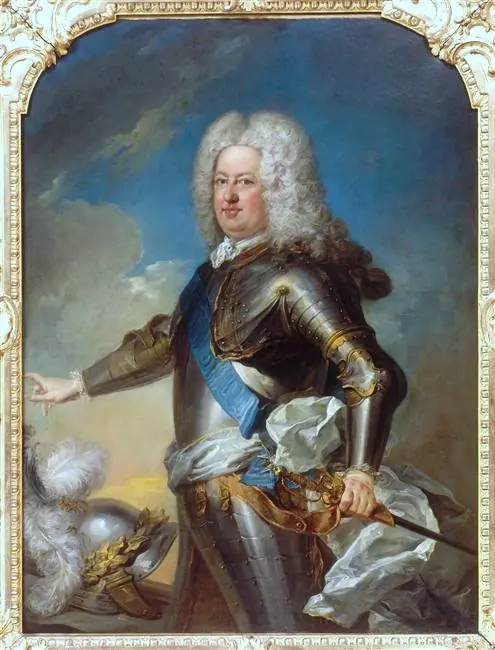 Portrait of Stanisław Leszczyński (1677-1766), King of Poland
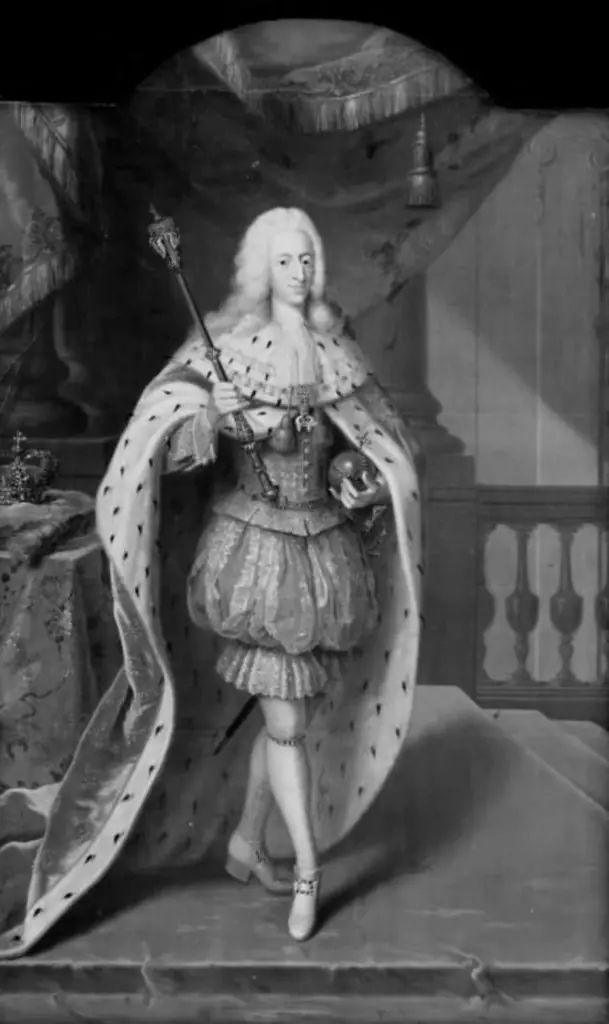 Christian VI
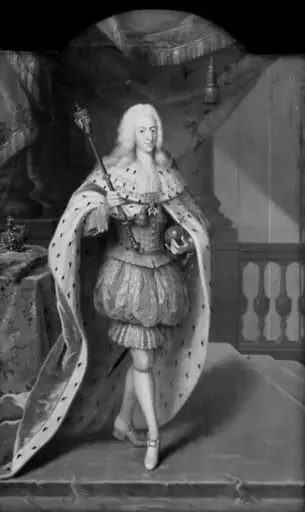 Christian VI
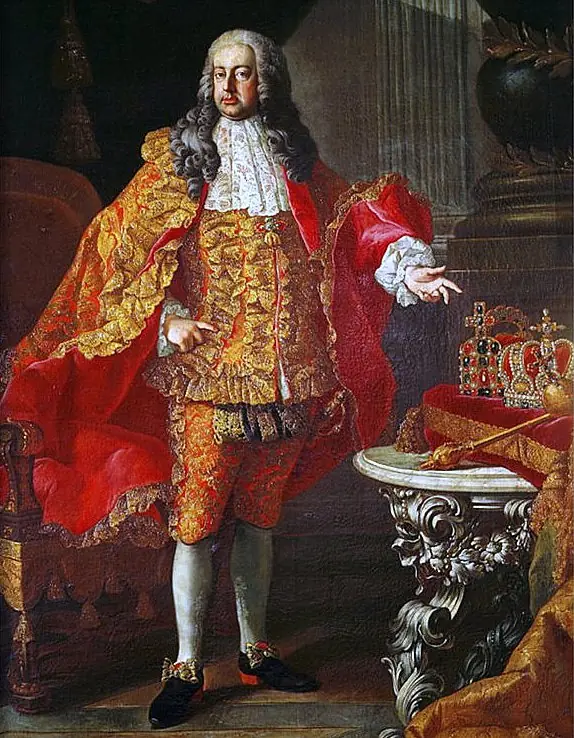 So-called Portrait of Charles VI of Austria
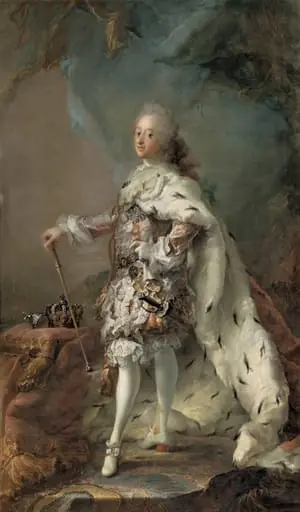 Portrait of Frederik V in Anointment Robe