Artwork
King August III in Polish costume by Louis de Silvestre
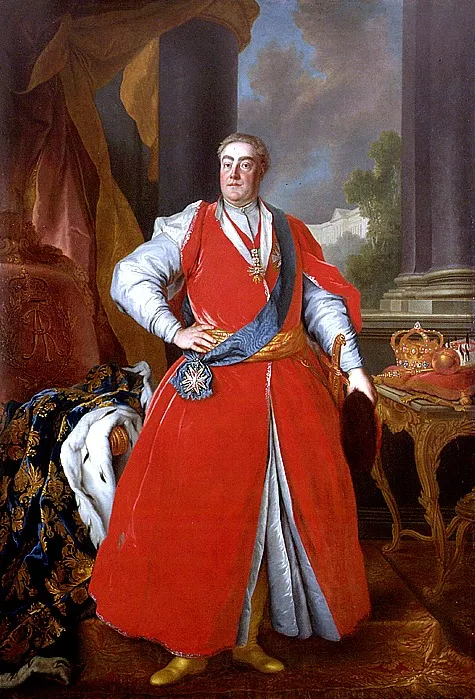
King August III in Polish costume by Louis de Silvestre is an oil painting by the Rococo painting artist Louis de Silvestre. It dates from 1737 and is held in the collection of the Staatliche Kunstsammlungen Dresden.
About this work
Overview
Silvestre, a French artist long attached to the Saxon court, produced the work during his tenure as director of the Dresden Academy.
Painted in 1737 by Louis de Silvestre, this oil-on-canvas portrait captures Augustus III of Poland in ceremonial attire. Silvestre, a French artist long attached to the Saxon court, produced the work during his tenure as director of the Dresden Academy. The painting resides in the Gemäldegalerie Alte Meister, part of a broader effort to visually affirm the legitimacy and cultural stature of the Polish-Saxon monarchy through portraiture.
Subject & Meaning
Augustus III is depicted in traditional Polish noble dress, emphasizing his dual identity as both Elector of Saxony and King of Poland. The red robe, blue sash, and gold boots are not merely ornamental but signify political allegiance and royal authority. His stance—hand on hip, sword held loosely—conveys composure and command, reinforcing his role as a sovereign rather than a mere figurehead.
Technique & Style
Silvestre employs a refined Rococo aesthetic, with soft transitions between light and shadow and delicate rendering of fabric textures. The brushwork is precise yet fluid, particularly in the rendering of the sash and embroidery. The background, a muted landscape, avoids distraction, directing focus to the figure. While chiaroscuro is present, it is subdued, favoring elegance over dramatic contrast.
History & Provenance
Commissioned during Augustus III’s reign, the portrait was likely intended for display in Dresden’s royal residences. It entered the Gemäldegalerie Alte Meister’s collection in the 19th century, following the reorganization of Saxon royal holdings. Its preservation reflects its continued value as a document of courtly identity, even after the decline of the Polish-Saxon union.
Context
In the mid-18th century, Polish monarchs often adopted Saxon cultural norms, yet public imagery still emphasized Polish traditions to maintain legitimacy among the nobility. Silvestre’s portrait navigates this tension, blending French academic training with Polish symbols. Such works were part of a broader strategy to project stability and continuity amid political fragmentation in the Polish-Lithuanian Commonwealth.
Legacy
The painting remains a key example of how European courts used portraiture to negotiate complex political identities. Silvestre’s approach influenced later court painters in Central Europe, particularly in the depiction of hybrid monarchies. Though not widely reproduced, it continues to inform scholarly understanding of 18th-century dynastic representation in Eastern Europe.
Artist & collection
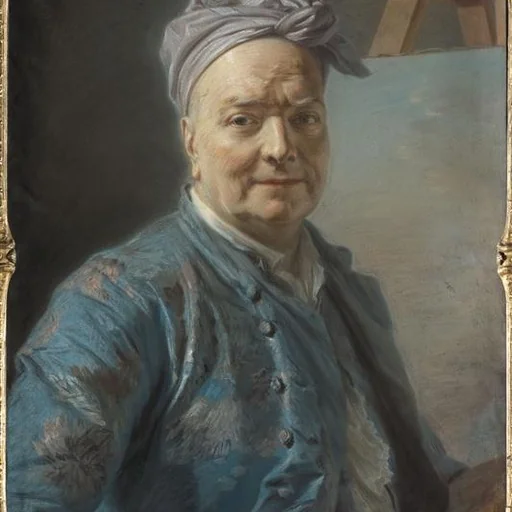
Artist
Louis de Silvestre (23 June 1675 – 11 April 1760), also known as Louis de Silvestre the Younger, was a French portrait and history painter.

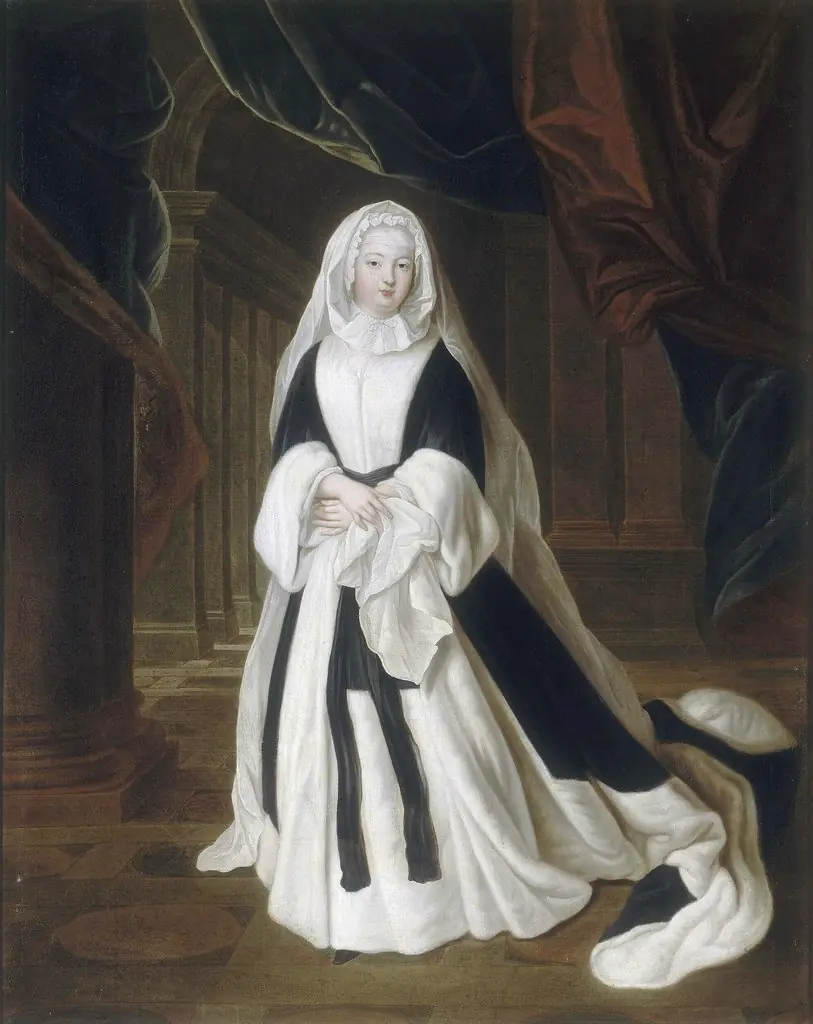 Louise Françoise de Bourbon, Duchess of Bourbon
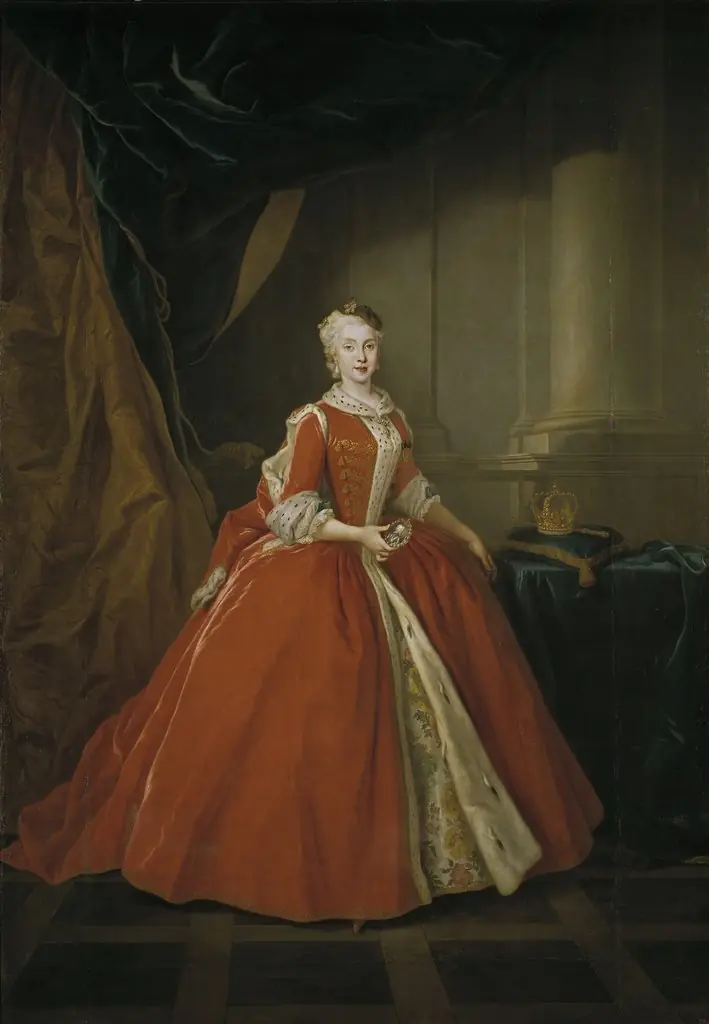 Maria Amalia de Saxony
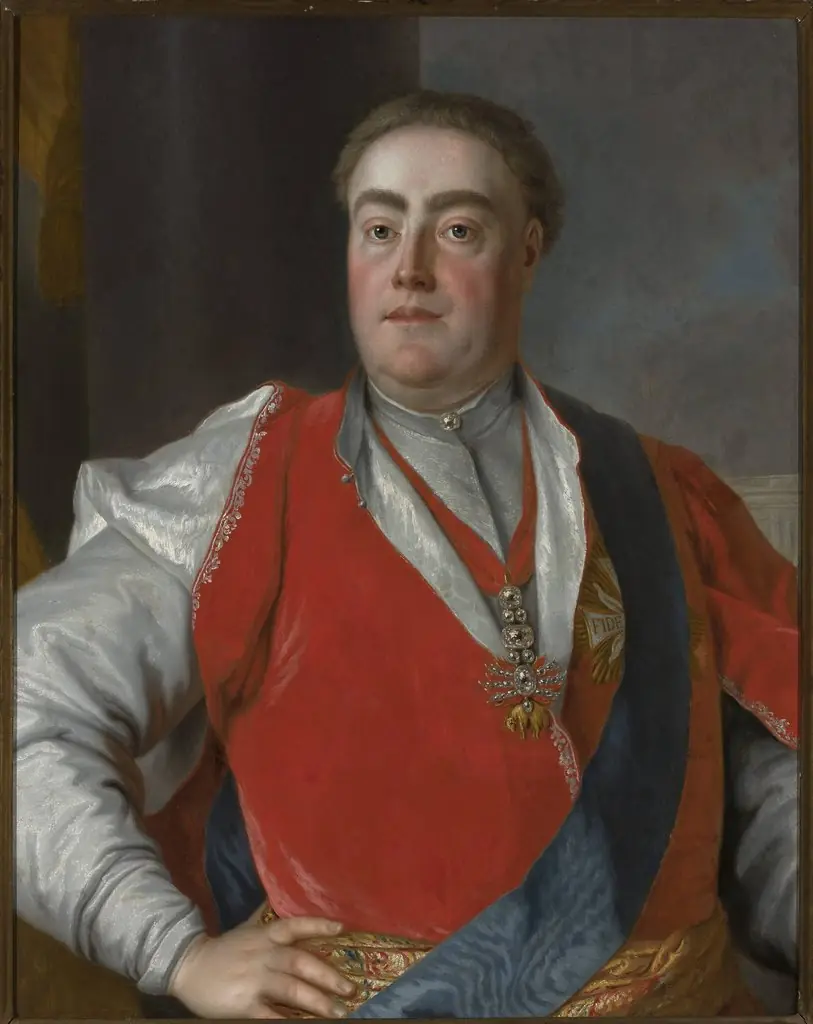 Portrait of Augustus III (1696–1763), King of Poland
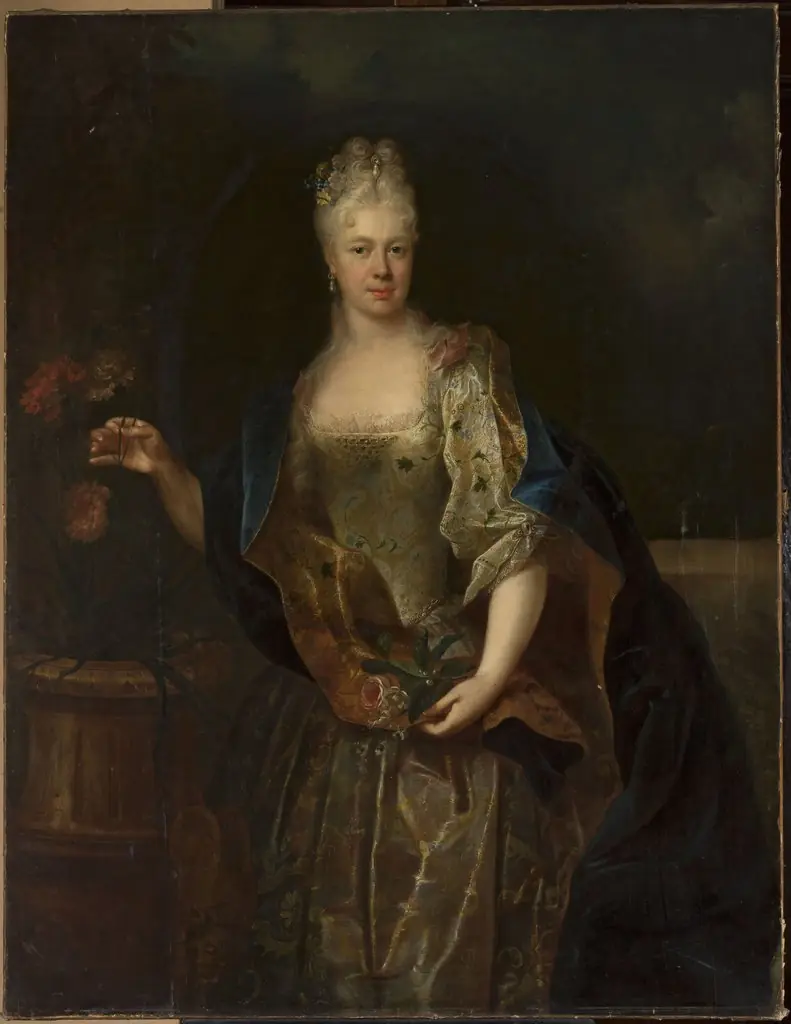 Portrait of Ludwika Amalia Lubomirska (1722–1778)
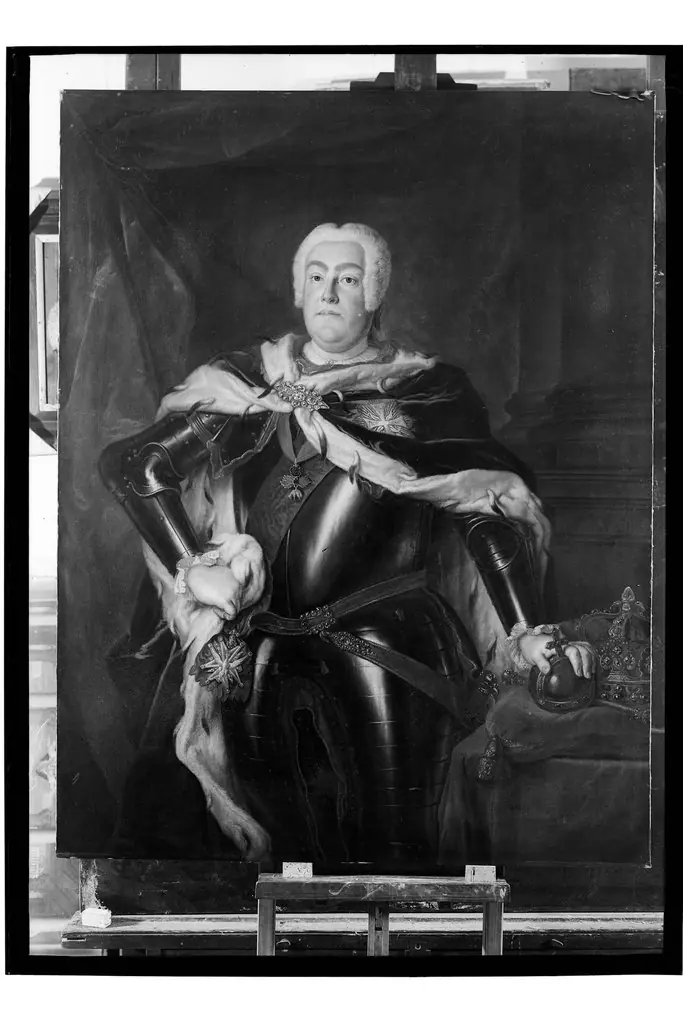 Portrait of Augustus III (1696–1763)
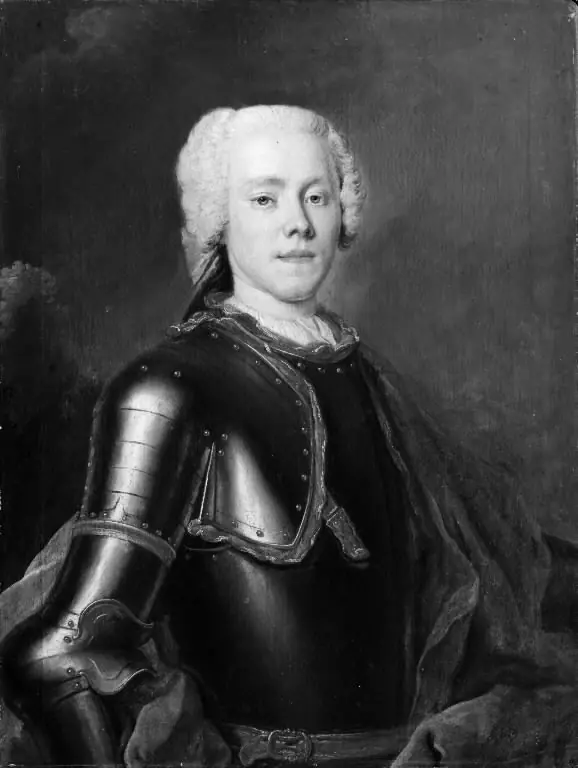 Portrait of Count Jørgen Scheel (1721-1786)
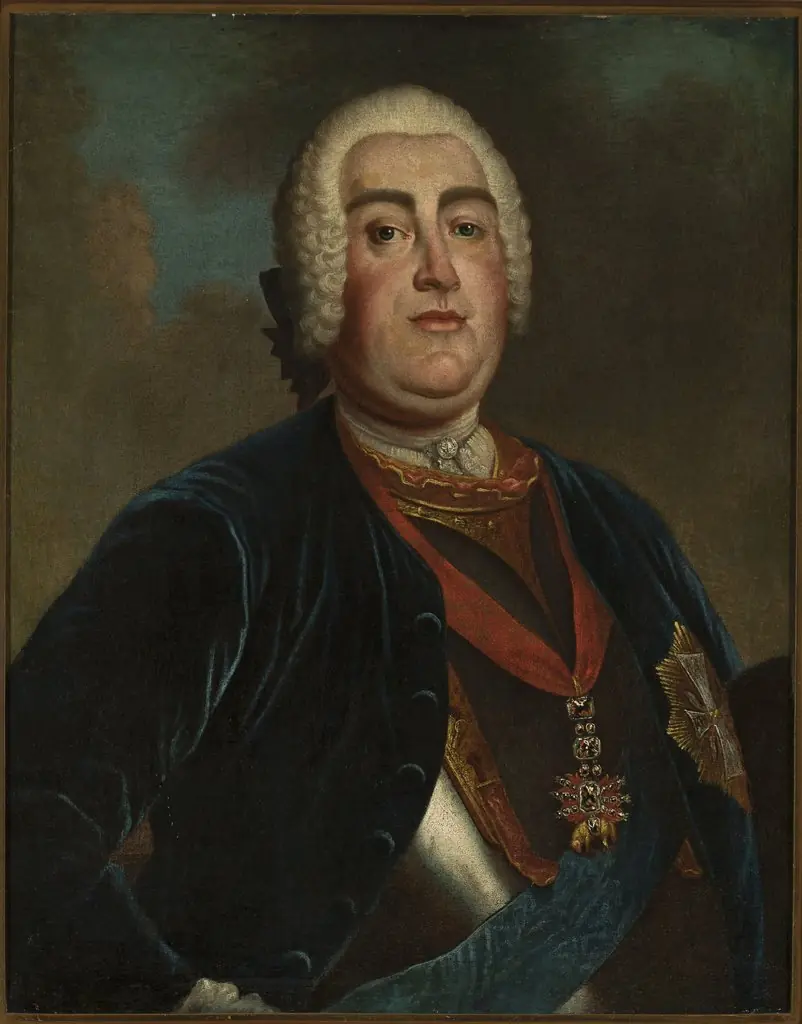 Portrait of Augustus III
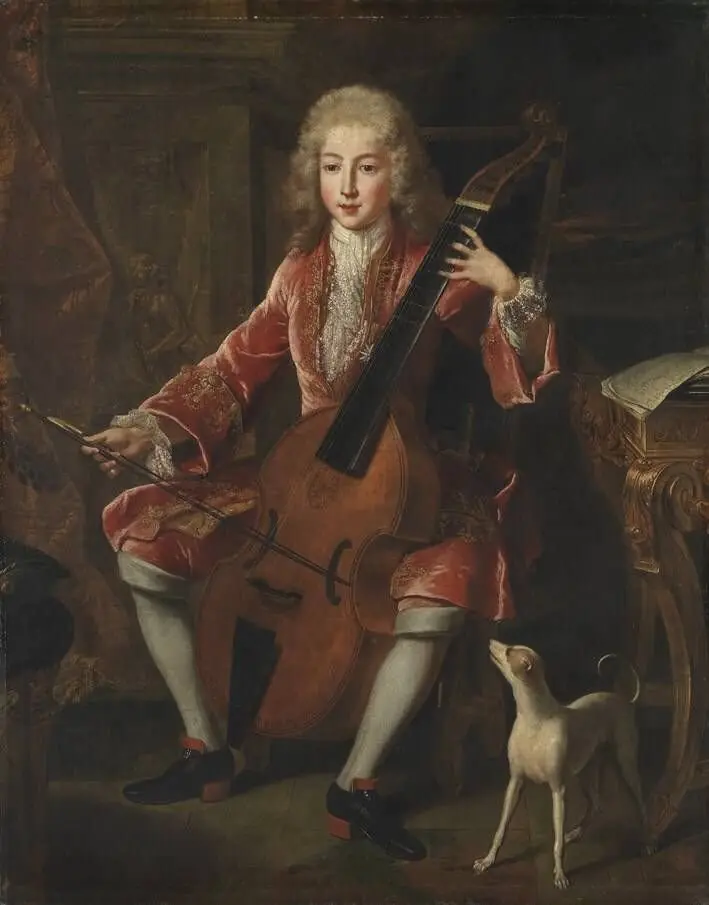 Maximilien-Emmanuel, Chevalier de Bavière
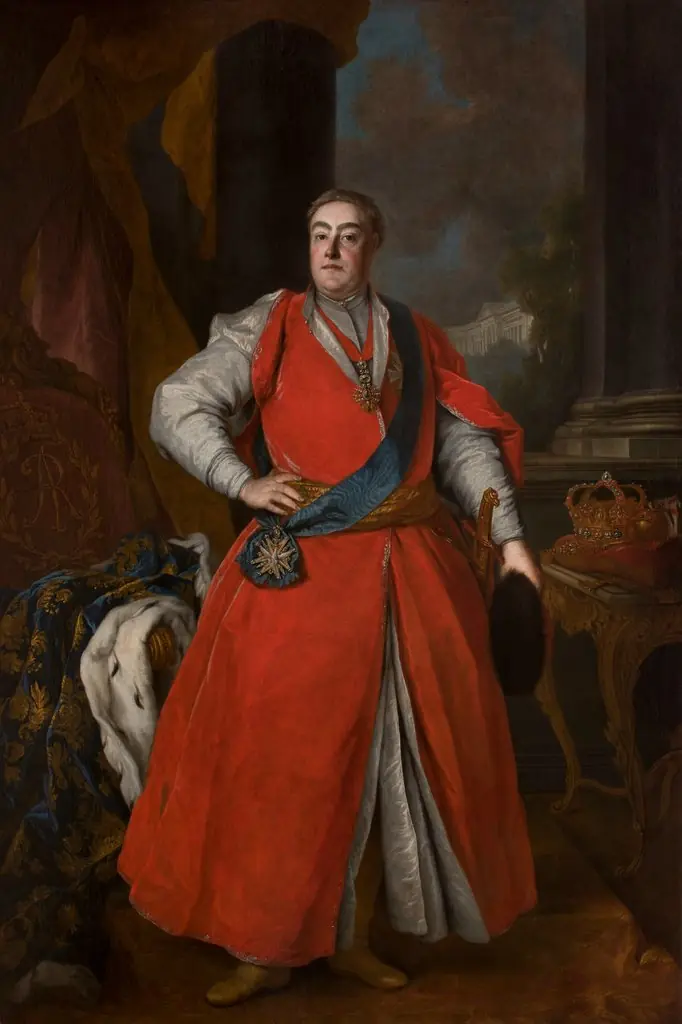 Portrait of August III the Saxon in Polish costume
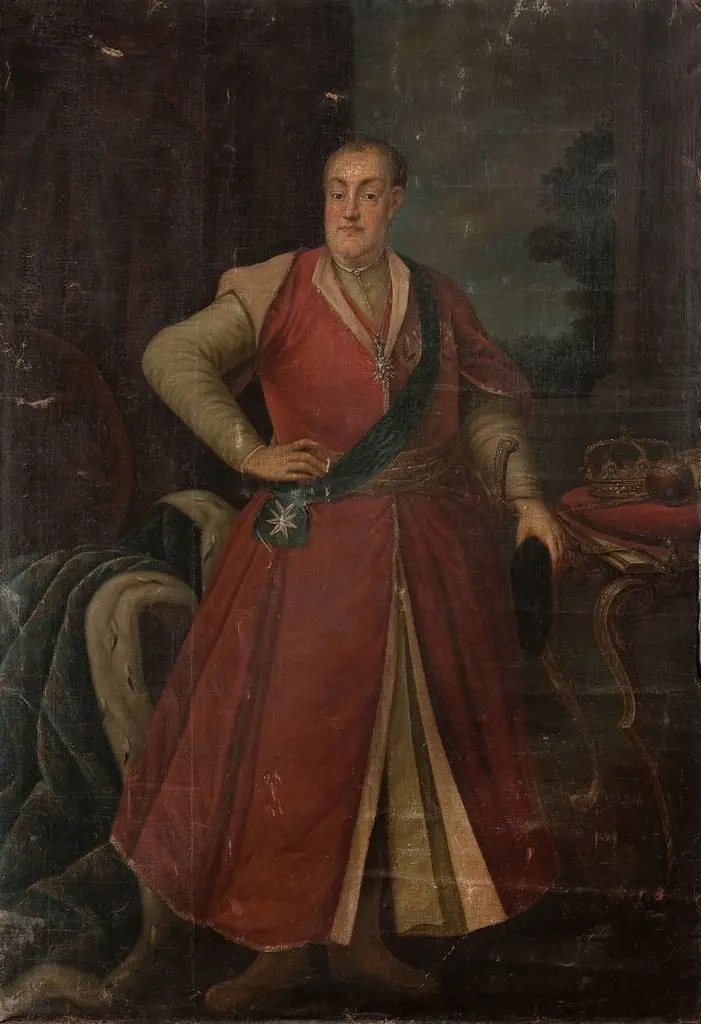 Portrait of Augustus III (1696–1763), King of Poland
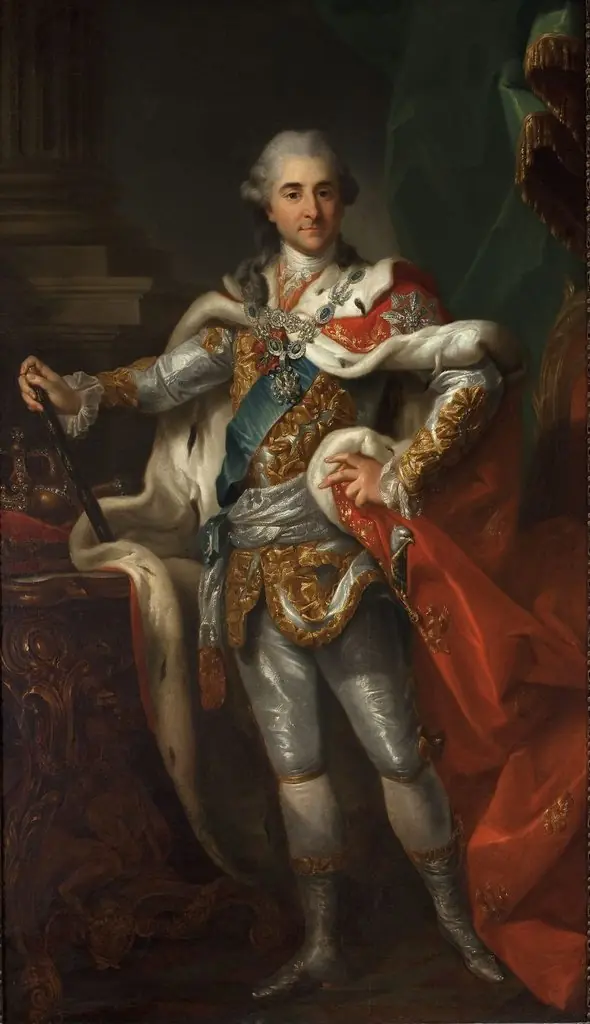 Portrait of Stanisław August Poniatowski in the coronation costume
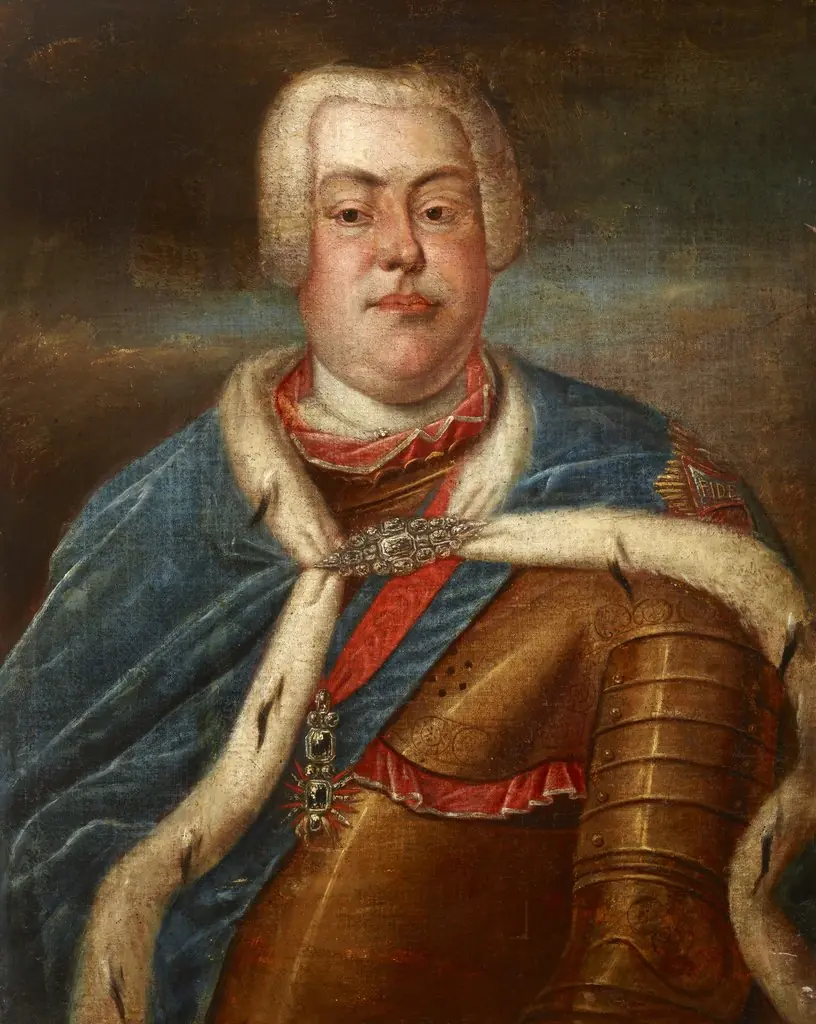 Portrait of Augustus III of Saxony (1696–1763), King of Poland in 1733–1763
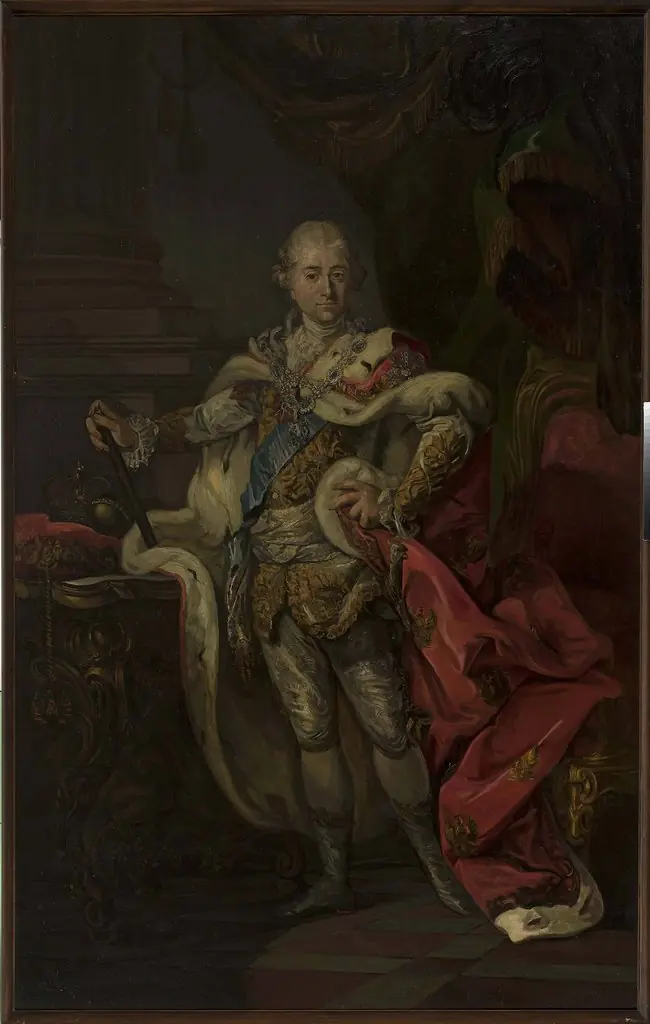 Portrait of Stanisław August in the coronation costume
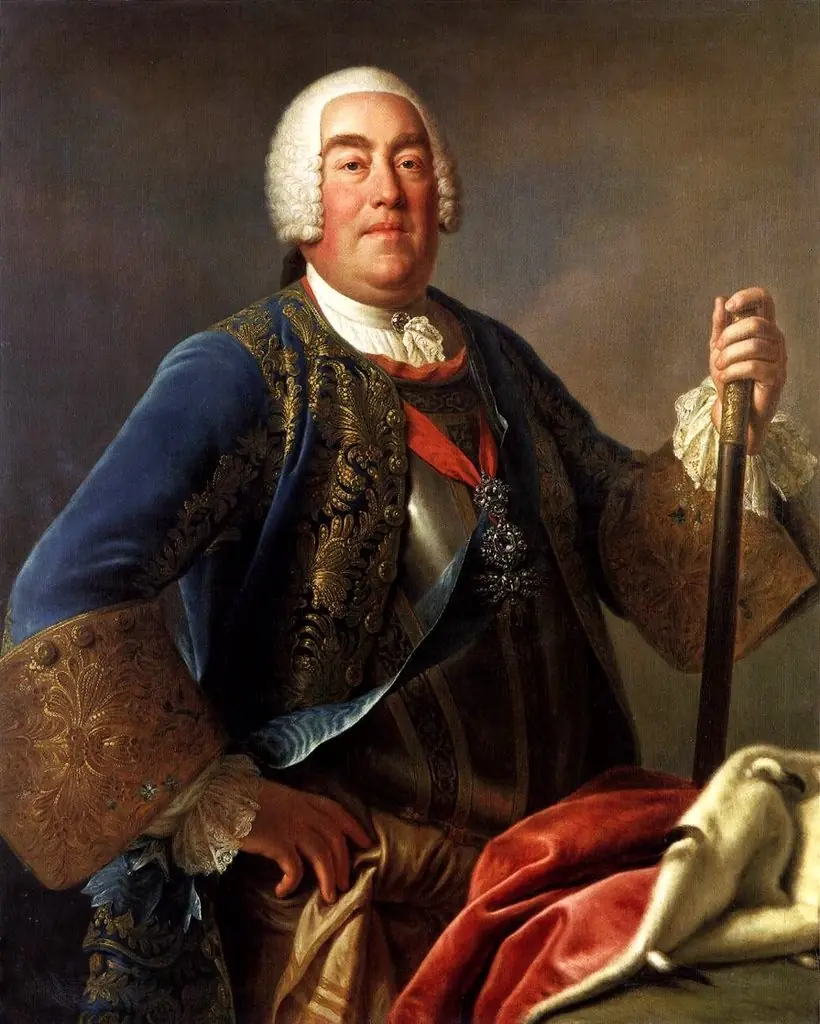 Elector Friedrich August II of Saxony, as King Augustus III of Poland (1696-1763)