Artwork
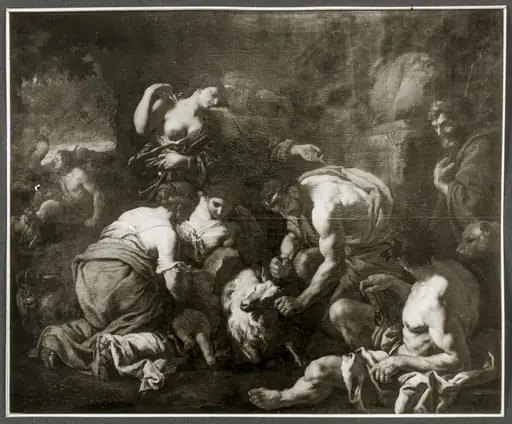
Jupiter Suckling from the Goat Amalthea
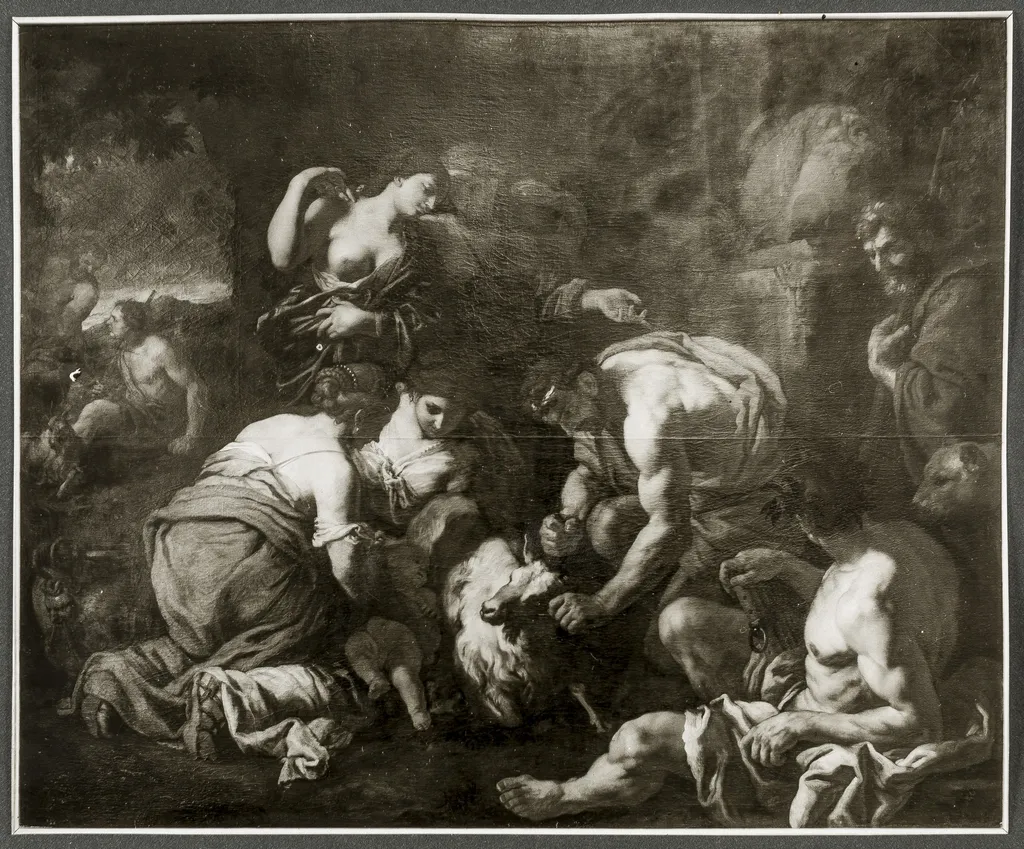
Jupiter Suckling from the Goat Amalthea is an oil painting by Johann Carl Loth. It dates from 1657 and is held in the collection of the Statens Museum for Kunst.
About this work
Overview
The painting serves as a significant example of 17th-century mythological narrative, prioritizing dramatic immediacy over decorative clarity.
Johann Carl Loth's 'Jupiter Suckling from the Goat Amalthea,' executed in 1657, depicts the mythological infancy of Jupiter, who was hidden from his father Saturn and nourished by the goat Amalthea. The composition is characterized by a dense, tangle of figures set within a dark, cavernous environment, typical of the artist's mature style developed during his tenure in Venice. Loth employs a dramatic chiaroscuro technique, where a focused light source illuminates the infant god's face and the goat's udder, while the surrounding figures and the rocky background recede into deep shadow. This work exemplifies the German Baroque artist's synthesis of Italian influences, particularly the tenebrism of Caravaggio and the dynamic figural arrangements of Venetian masters. Painted during a period when Loth had established himself as a leading history painter in Italy, the piece demonstrates his mastery in conveying movement and emotional intensity through complex groupings and stark lighting contrasts. The painting serves as a significant example of 17th-century mythological narrative, prioritizing dramatic immediacy over decorative clarity.
Subject & Meaning
The work visualizes the early myth of Jupiter, who as an infant is nourished by the goat Amalthea. By focusing on the intimate act of suckling amid a chaotic backdrop, the painting underscores themes of divine infancy, survival, and the intertwining of the mortal and the celestial.
Technique & Style
Loth employs a pronounced chiaroscuro, allowing deep shadows to dominate the scene while a narrow beam of light isolates the infant’s face and the goat’s udder. Thick, impasto brushwork in the darker areas adds texture, giving the figures a tactile, almost struggling presence as they emerge from the darkness.
History & Provenance
Created in 1657, the canvas remained in private collections before entering the holdings of Denmark’s national gallery, the Statens Museum for Kunst, where it is displayed as part of the museum’s Baroque holdings. Its provenance reflects the typical movement of Northern European mythological paintings through aristocratic and institutional hands.
Context
Loth, a German-born painter active in Venice, often blended the dramatic lighting of Caravaggio with the rich color palette of the Venetian school. This painting exemplifies his synthesis of Northern chiaroscuro and Southern sensuality, situating the work within the broader 17th‑century European fascination with classical mythology.
Artist & collection

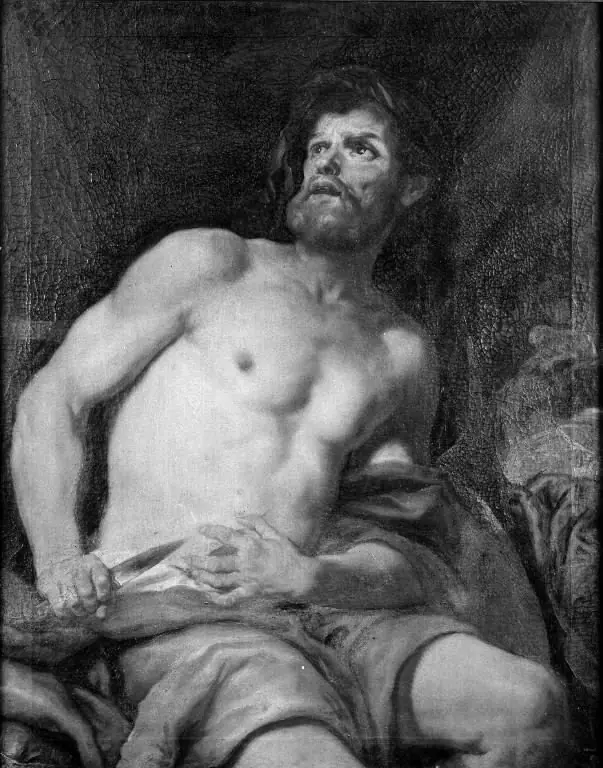
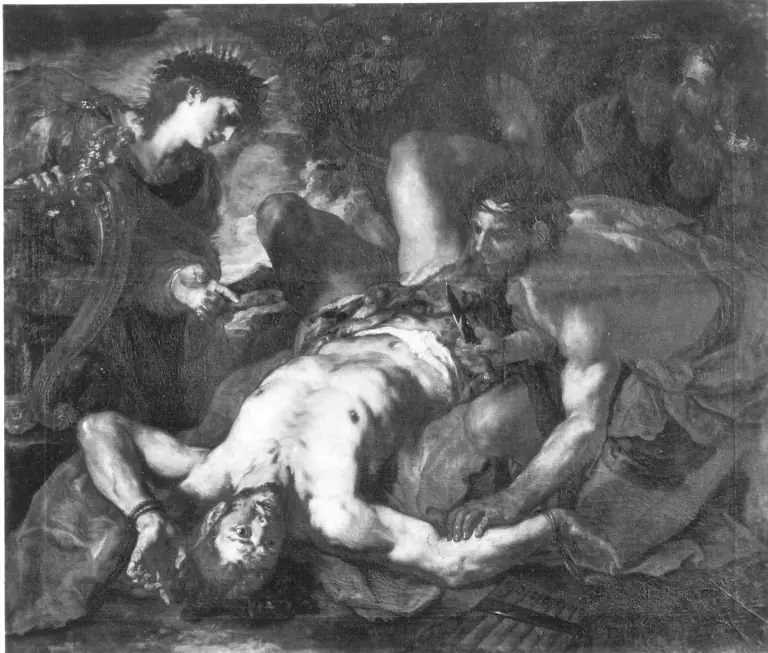 Apoll schindet Marsyas
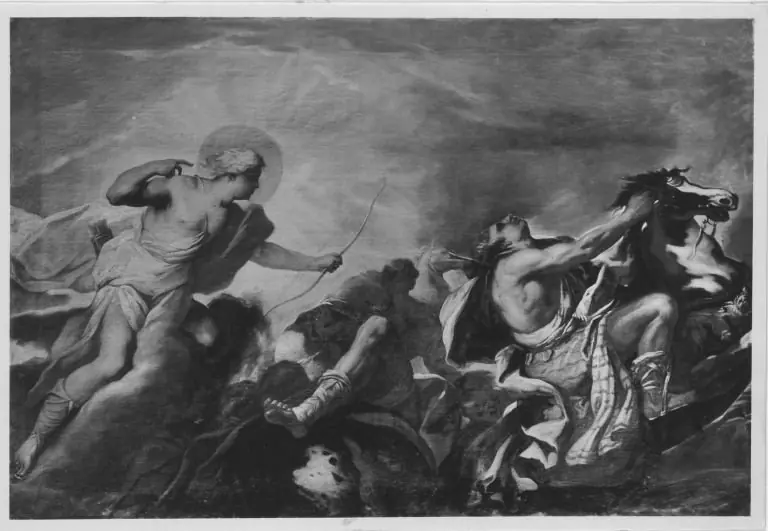 Apollo tötet die Kinder der Niobe
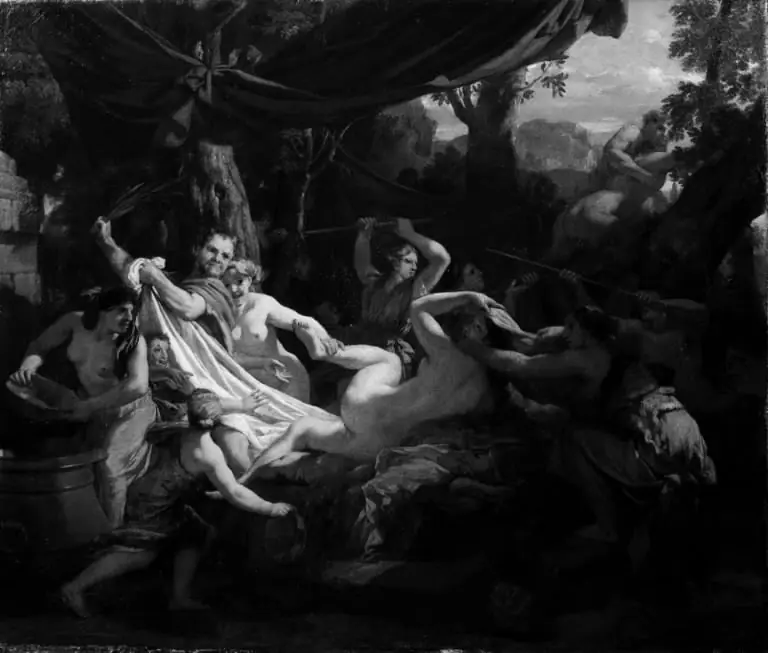 Nymphs Surprised by Satyrs
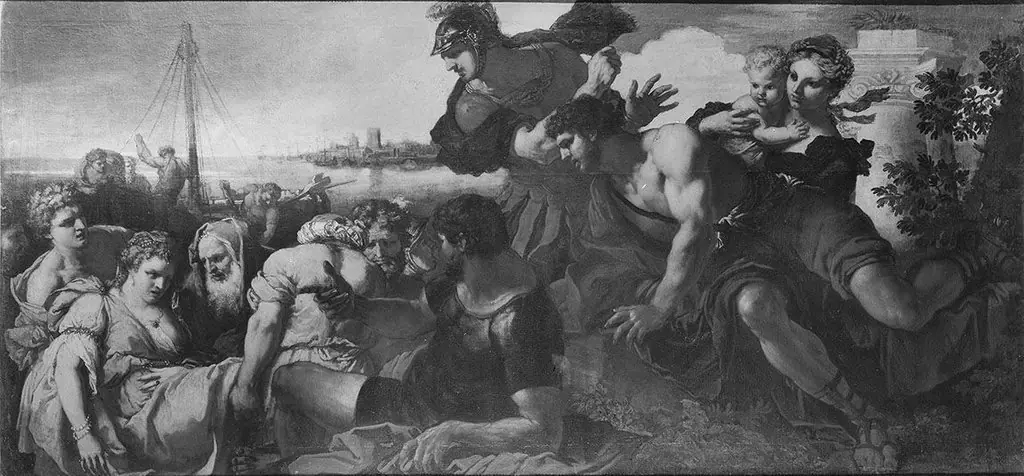 The Rescue of Agrippina, Mother of Nero
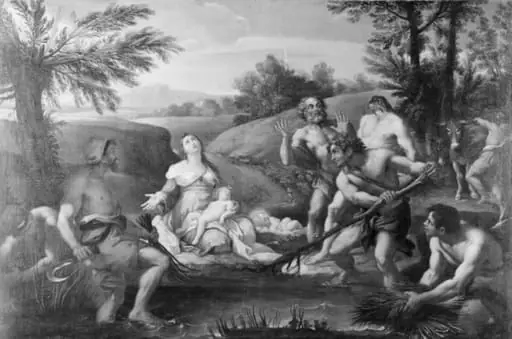 Latona forvandler Licias hyrder til frøer. Motiv fra Ovids "Metamorfoser", VI sang
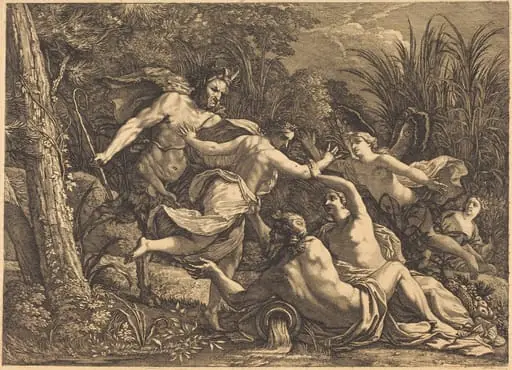 Pan and Syrinx
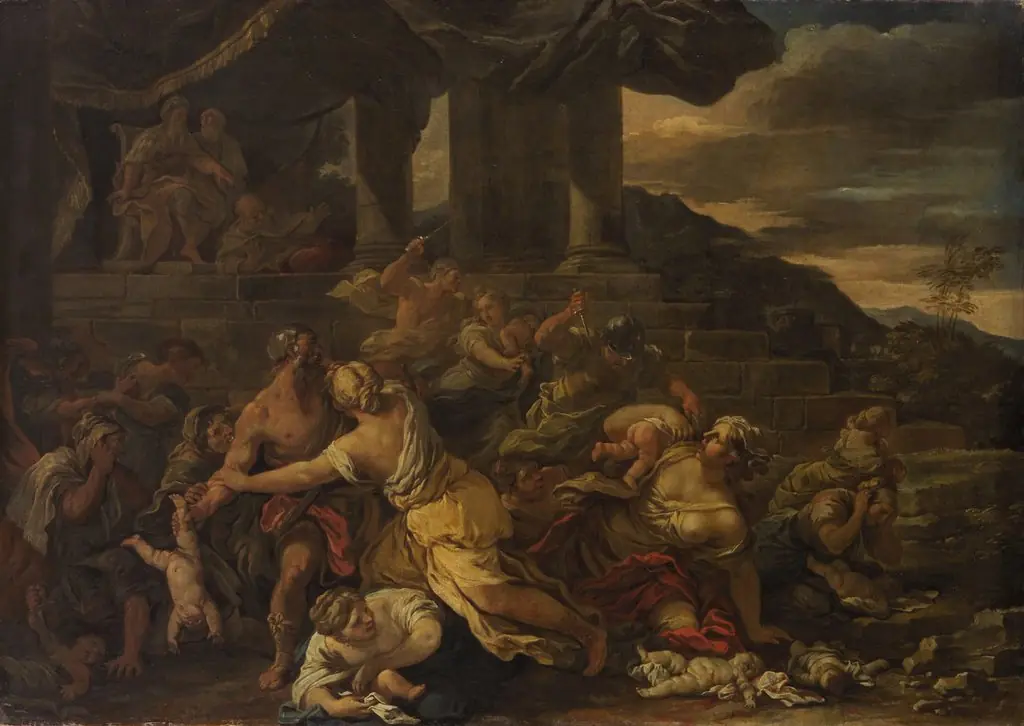 Killing of the Children in Bethlehem
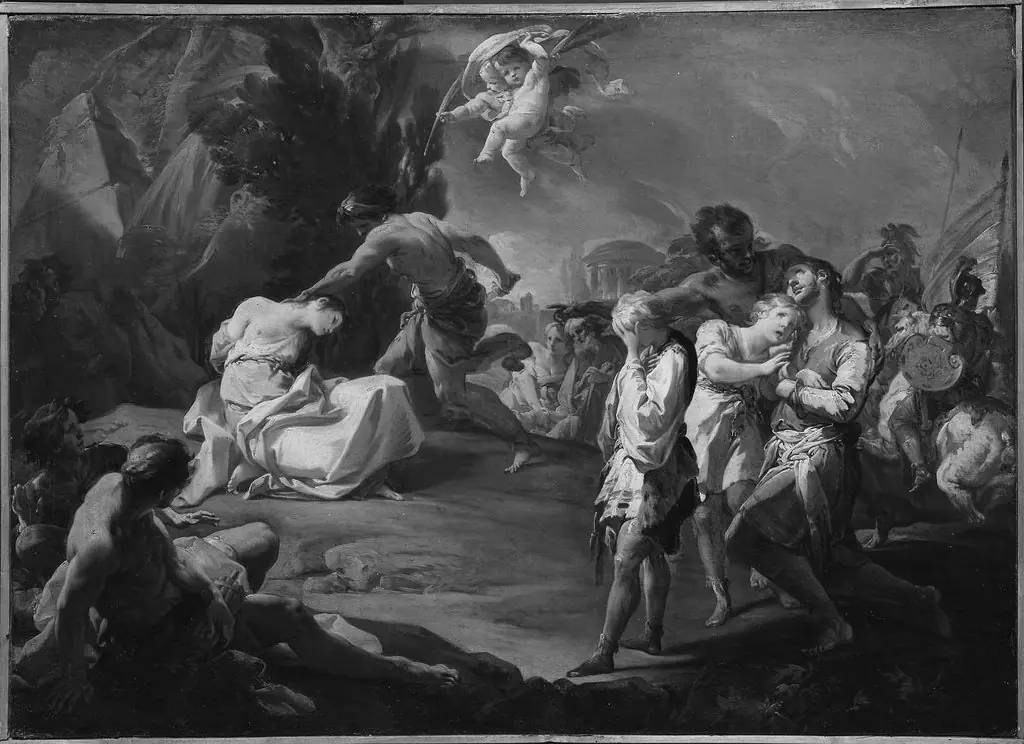 Martyrdom of Saint Marta
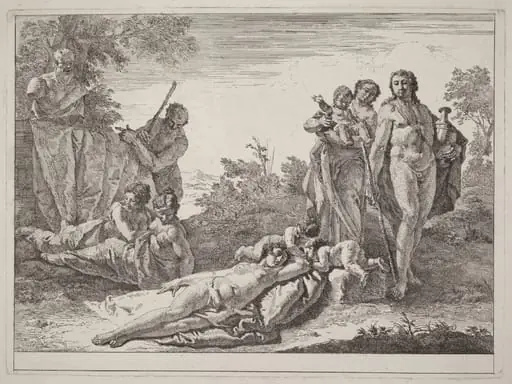 Apollo and Nymphs in a Landscape with a Bust of Pan
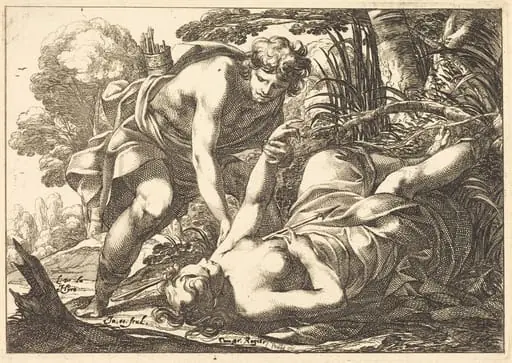 Cephalus and Procris
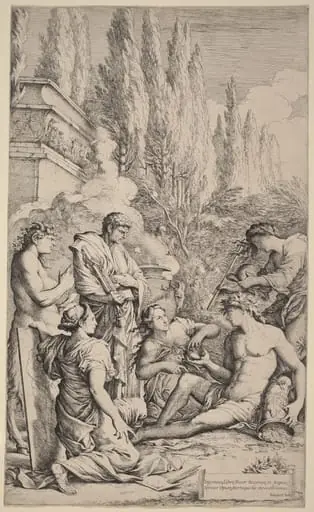 The Genius of Salvator Rosa
 Jupiter Suckling from the Goat Amalthea