Artwork
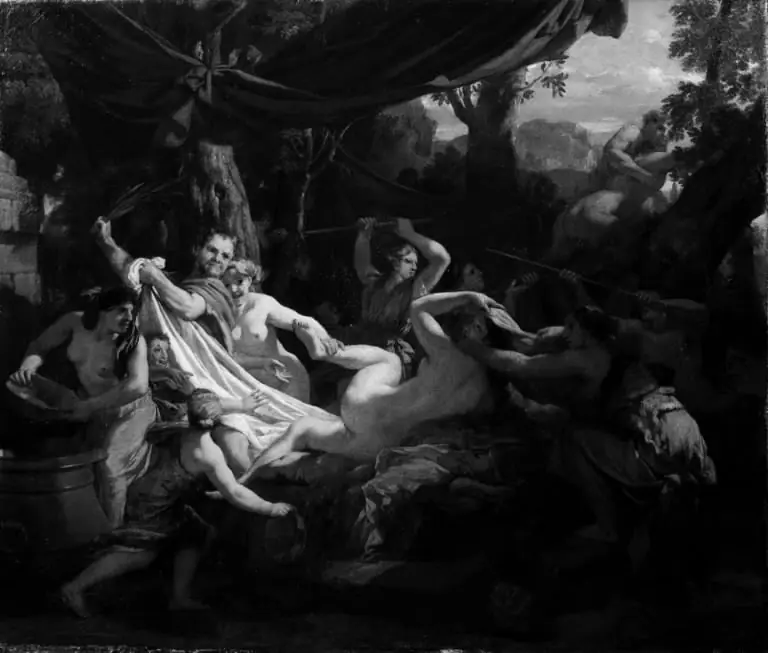
The Rescue of Agrippina, Mother of Nero
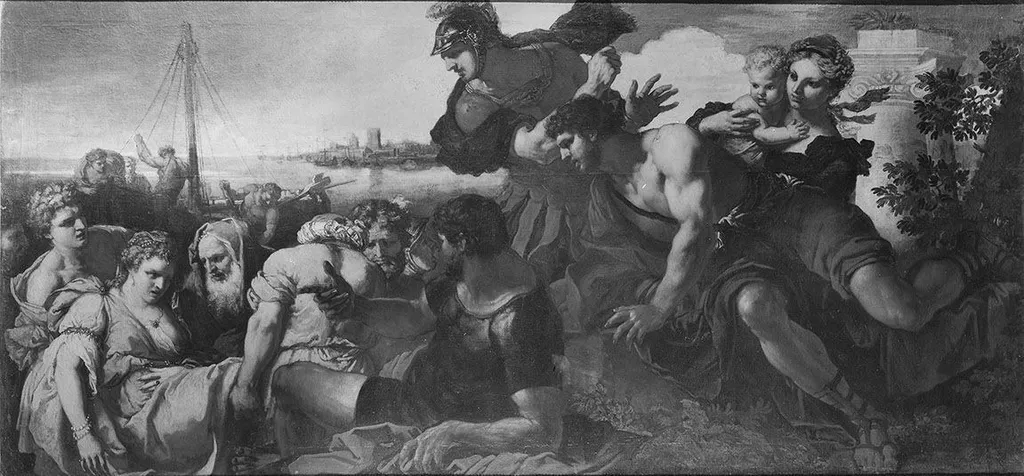
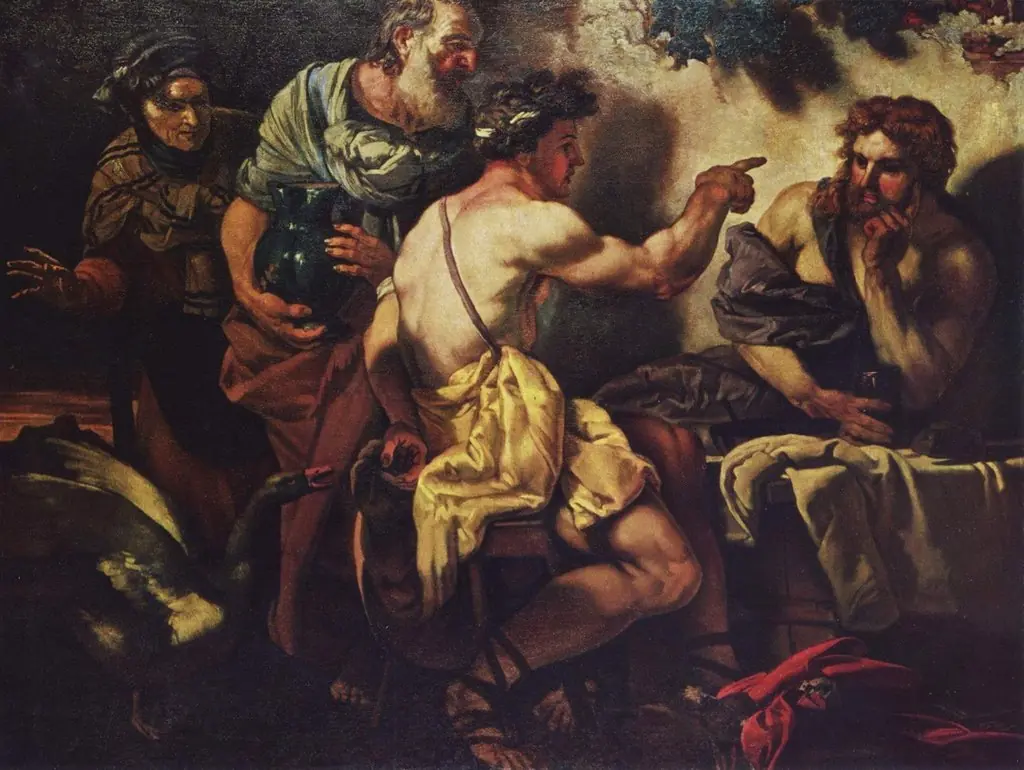
The Rescue of Agrippina, Mother of Nero is an unspecified painting by the Barbizon school artist Johann Carl Loth. It dates from 1665 and is held in the collection of the Bavarian State Painting Collections.
About this work
Overview
Johann Carl Loth’s oil painting The Rescue of Agrippina, Mother of Nero, completed in 1665, depicts a dramatic episode from Roman history. The work is part of the collection of the Alte Pinakothek in Munich, where it is displayed among other 17th‑century European paintings.
Subject & Meaning
The composition illustrates the legendary rescue of Agrippia, mother of the future emperor Nero, from a lethal plot. By focusing on the moment of intervention, the scene underscores themes of familial loyalty and political intrigue that were popular in Baroque narrative art.
Technique & Style
Loth employs the vigorous brushwork and strong chiaroscuro typical of the Baroque period, using a rich palette of deep reds and golds to heighten the drama. The figures are rendered with muscular vigor, and the spatial arrangement guides the viewer’s eye toward the central act of rescue.
History & Provenance
After its completion in the mid‑1660s, the painting entered private collections before being acquired by the Bavarian state. It has been housed in the Alte Pinakothek since the museum’s early acquisitions, where it remains a representative example of Loth’s oeuvre.
Context
Loth, a German-born painter who spent much of his career in Venice, blended Northern realism with Italianate dynamism. This work reflects the cross‑cultural influences of his training, combining detailed portraiture with the theatrical flair favored by Venetian patrons of the time.
Artist & collection

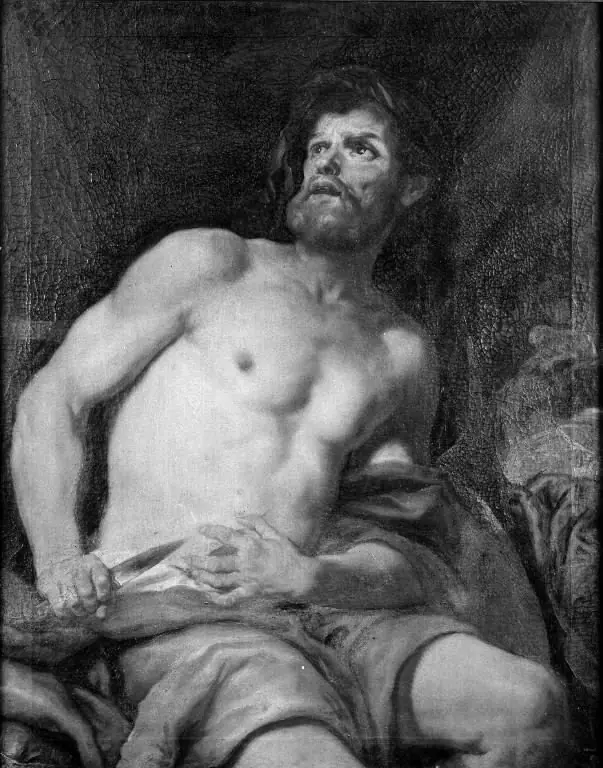
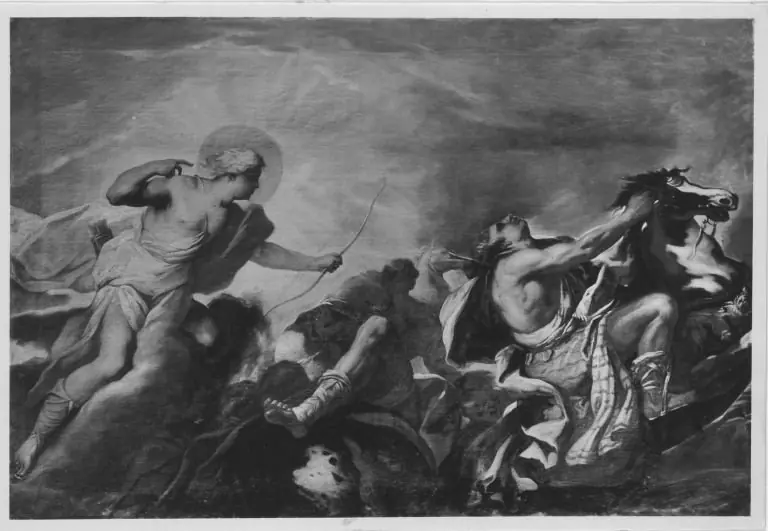 Apollo tötet die Kinder der Niobe
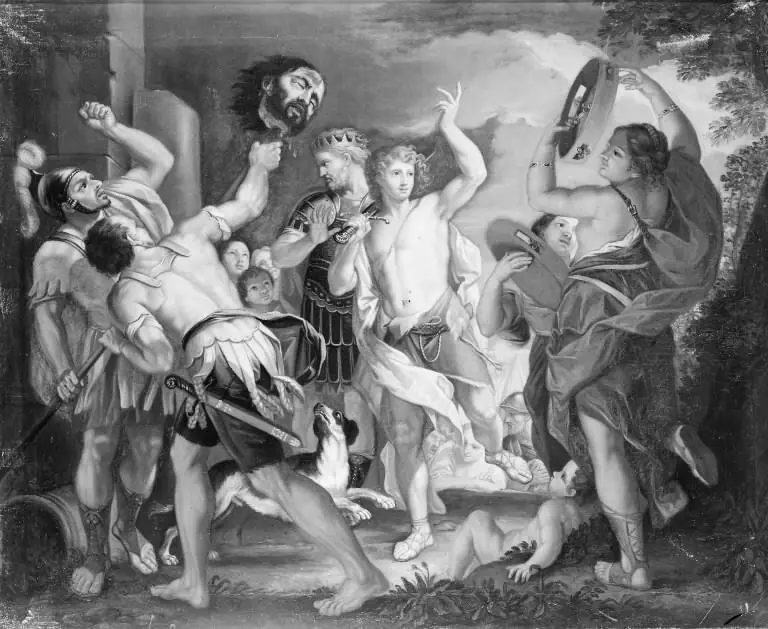 David med Goliats sværd på skulderen. Andre med hans hoved på en stage
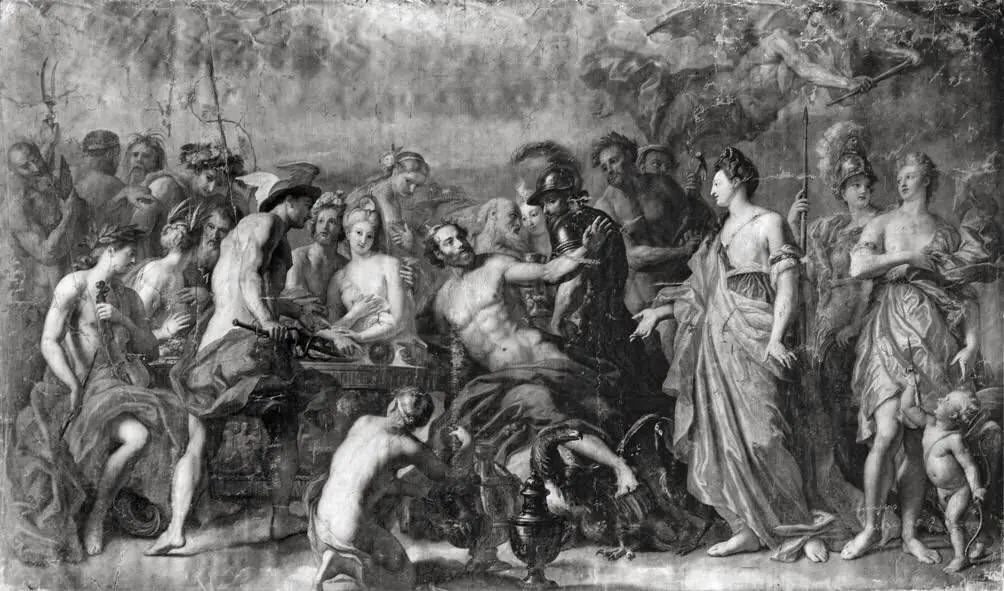 Der Erisapfel
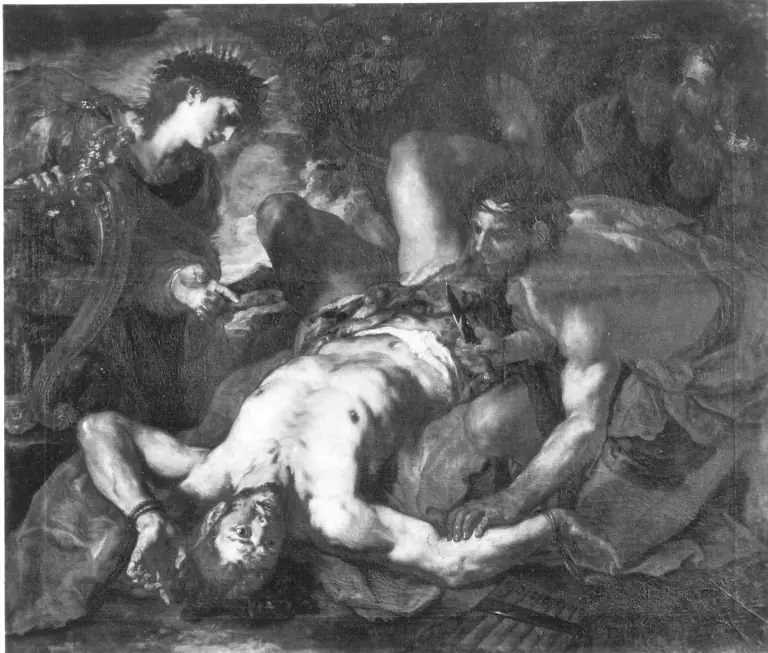 Apoll schindet Marsyas
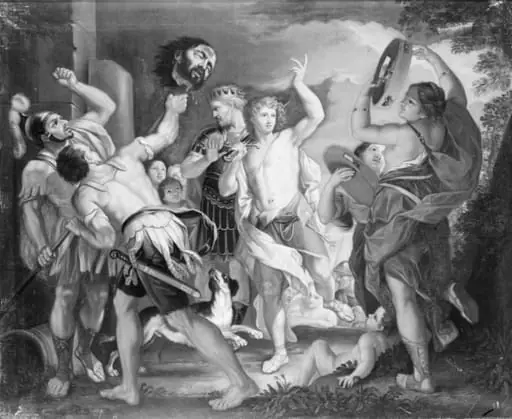 David med Goliats sværd på skulderen. Andre med hans hoved på en stage
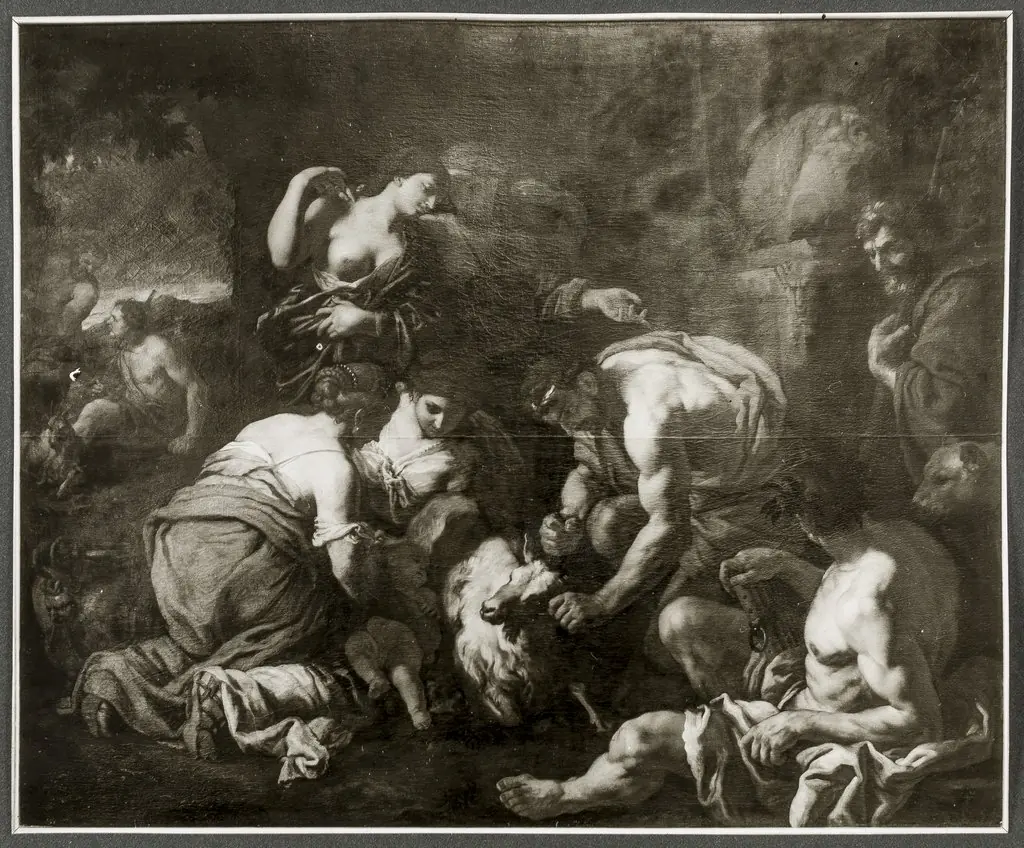 Jupiter Suckling from the Goat Amalthea
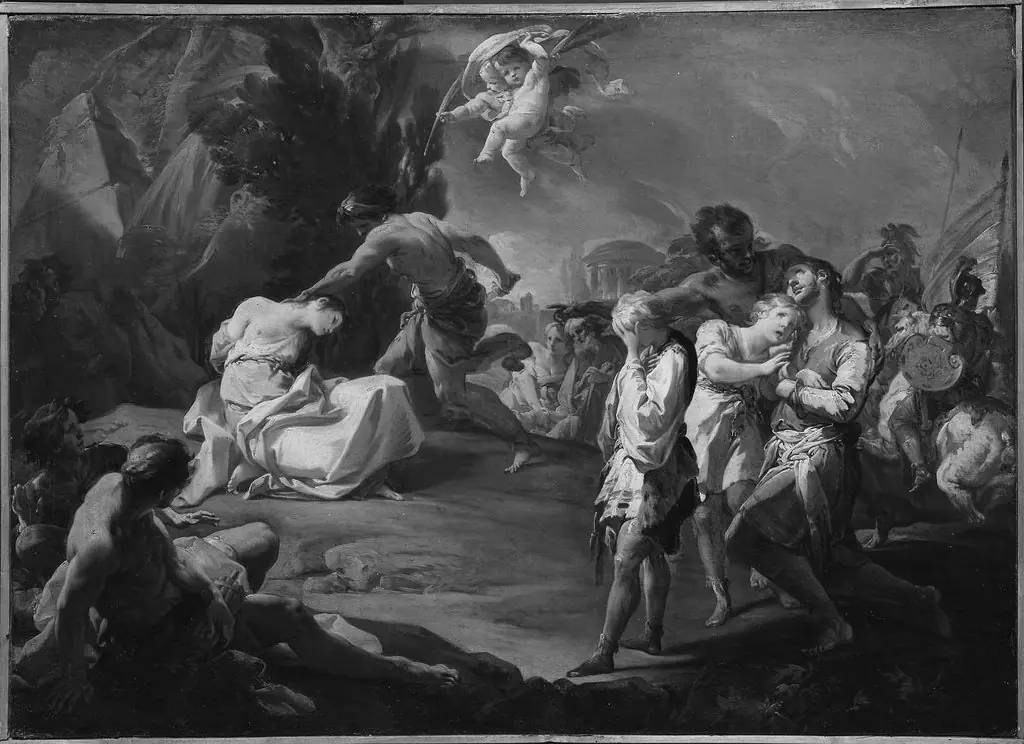 Martyrdom of Saint Marta
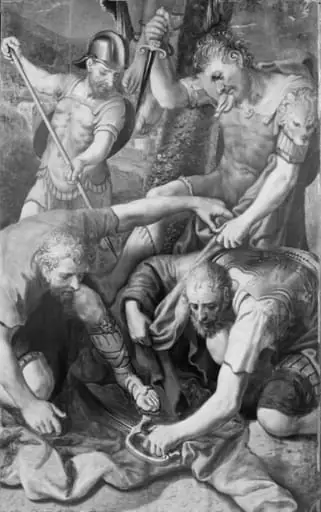 The Soldiers Fighting over Christ's Cloak
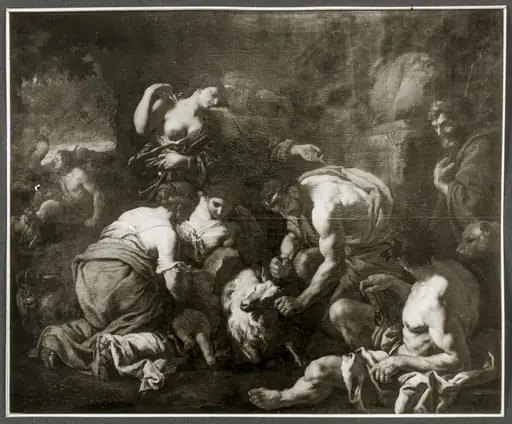 Jupiter Suckling from the Goat Amalthea
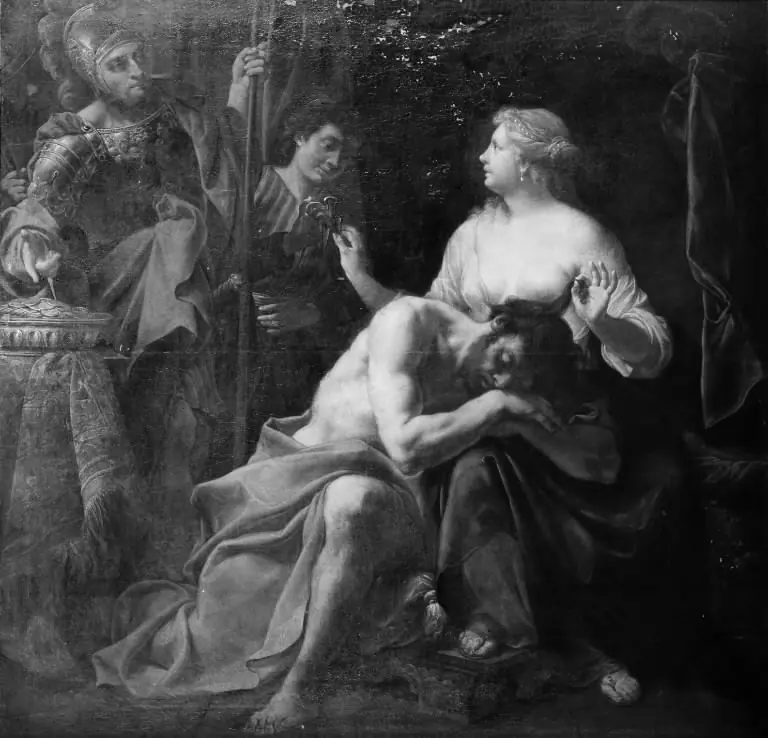 Samson and Delilah
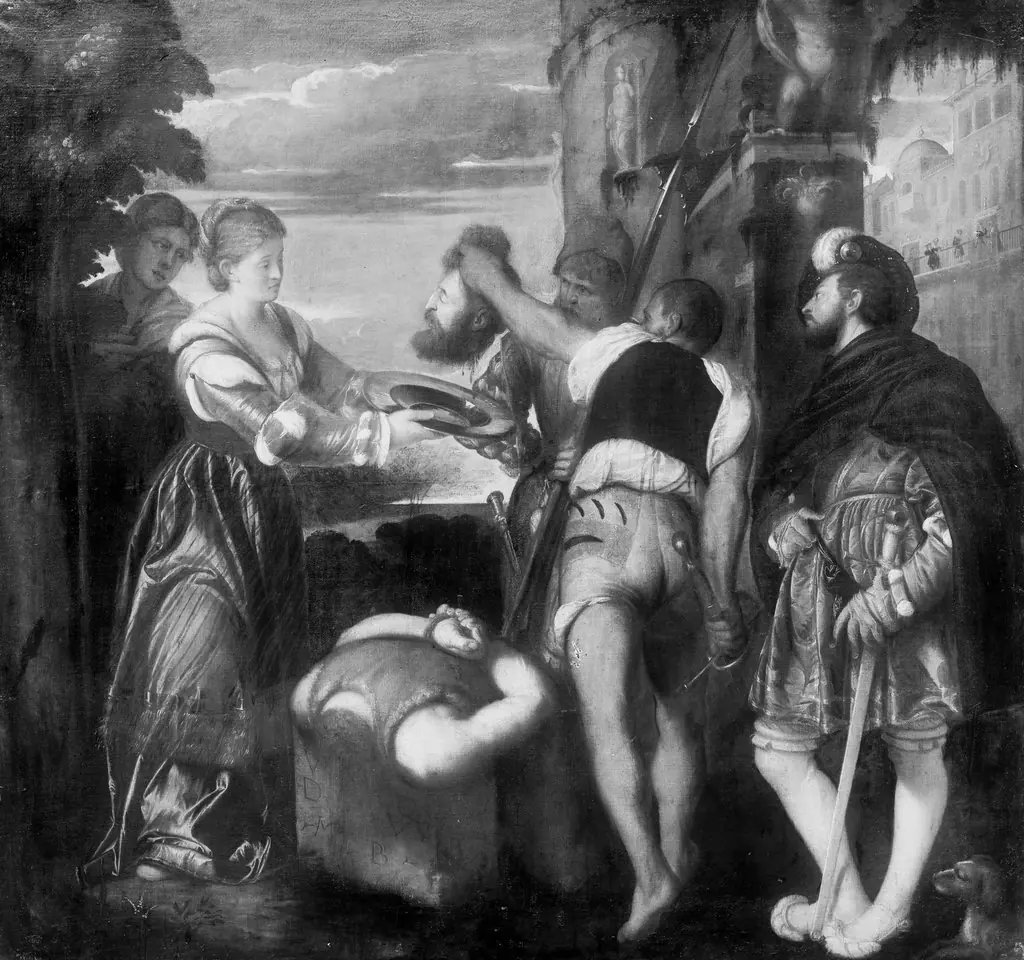 Beheading of John the Baptist
 Nymphs Surprised by Satyrs